
Sort by:
167 products
167 products
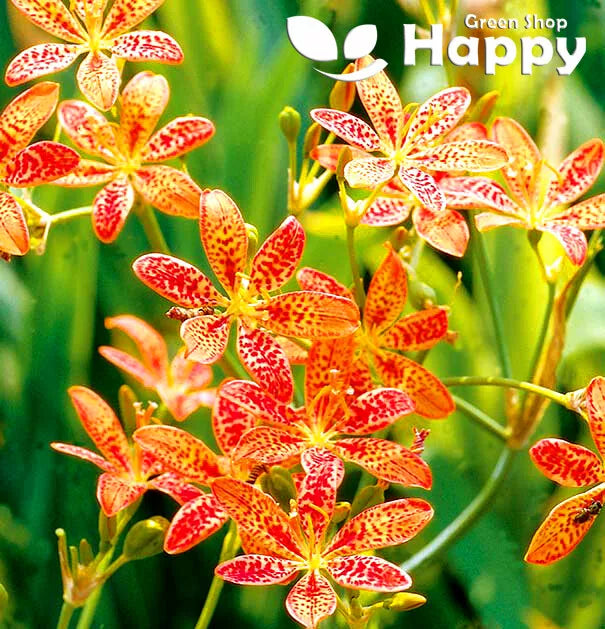
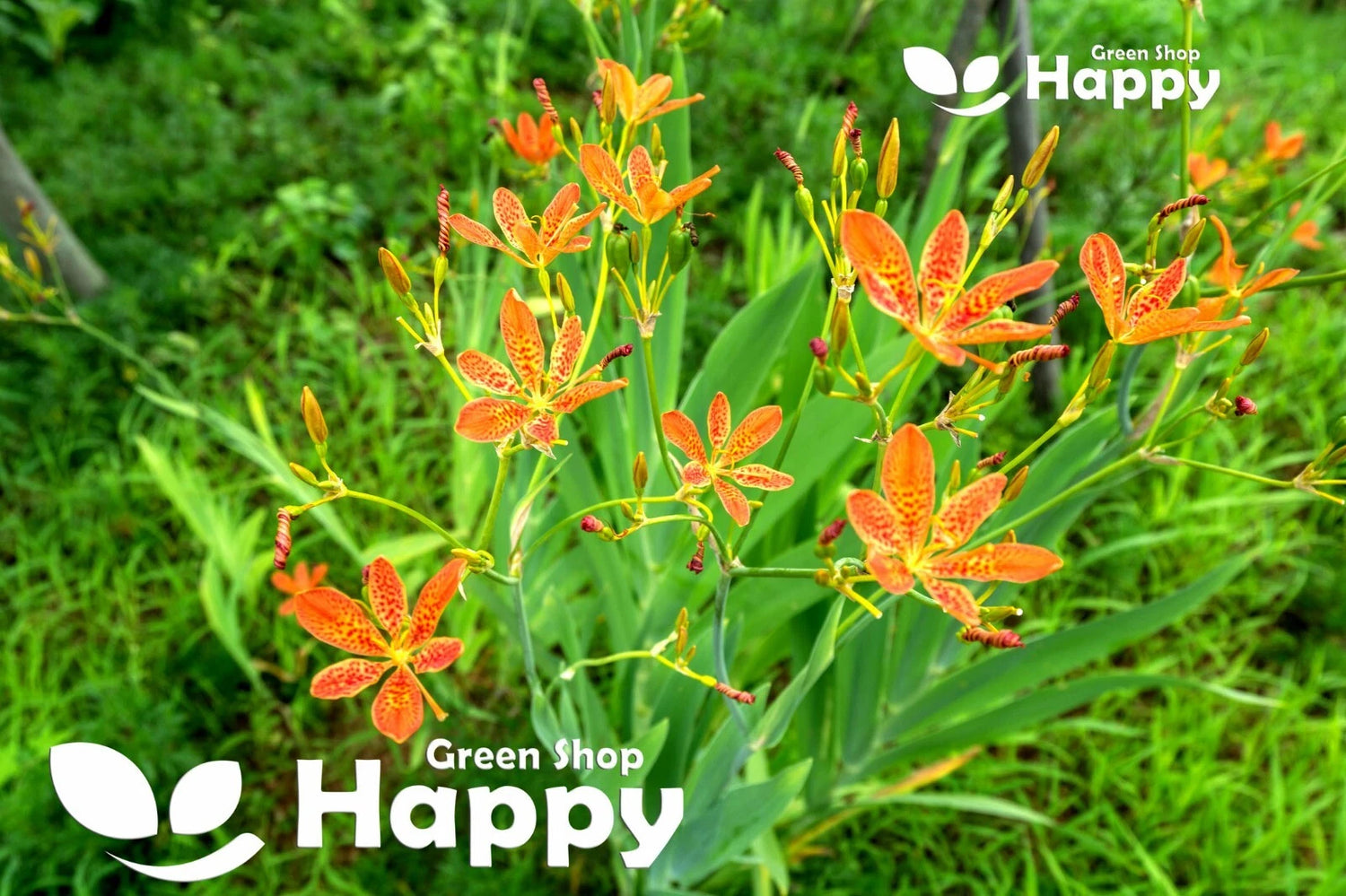
Blackberry Lily – Seeds
(Belamcanda chinensis)
Blackberry Lily is a striking perennial with bright orange, freckled flowers that bloom in summer, followed by shiny black seed pods resembling berries. Its upright clumping habit and sword-shaped foliage make it ideal for borders, cottage gardens, and ornamental plantings. Low-maintenance and hardy, it attracts pollinators and adds vibrant color to any garden.
Why Grow Blackberry Lily?
-
Bright orange, freckled summer flowers
-
Unique black seed pods for decorative interest
-
Attracts bees and butterflies
-
Low-maintenance, hardy perennial
Key Features
-
Type: Perennial
-
Height: 60–90 cm
-
Flowers: Summer
-
Position: Full sun to partial shade
-
Soil: Well-drained, fertile
Ideal For
-
Borders, cottage gardens, and perennial beds
-
Pollinator-friendly gardens
-
Decorative seed pod interest
-
Low-maintenance ornamental planting
Sowing & Growing
-
Sow indoors: February–April in seed trays
-
Sow outdoors: April–May in prepared soil
-
Germination: 14–28 days at 18–20°C
-
Spacing: 30–40 cm apart
-
Care: Moderate watering; remove weeds and deadhead for prolonged flowering
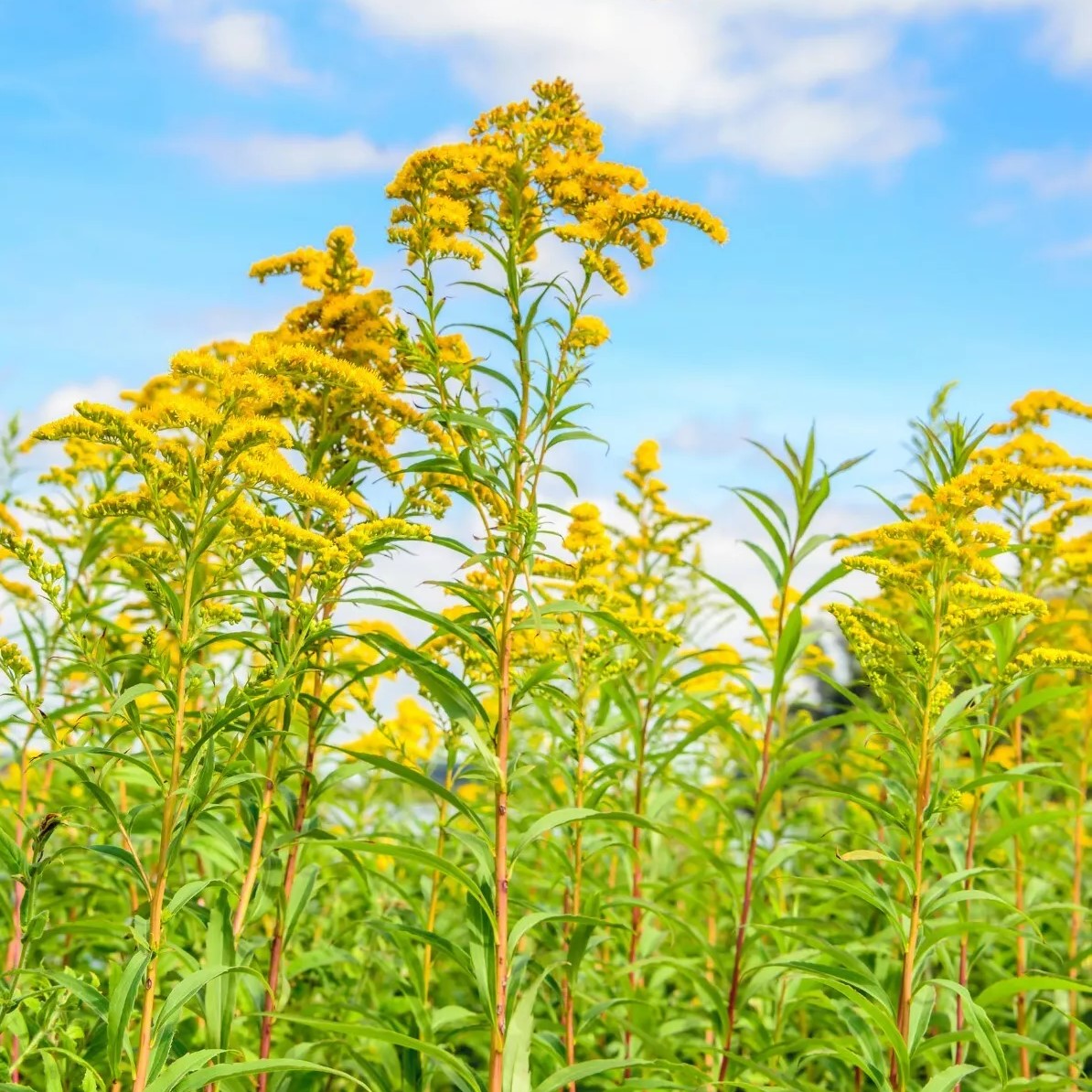
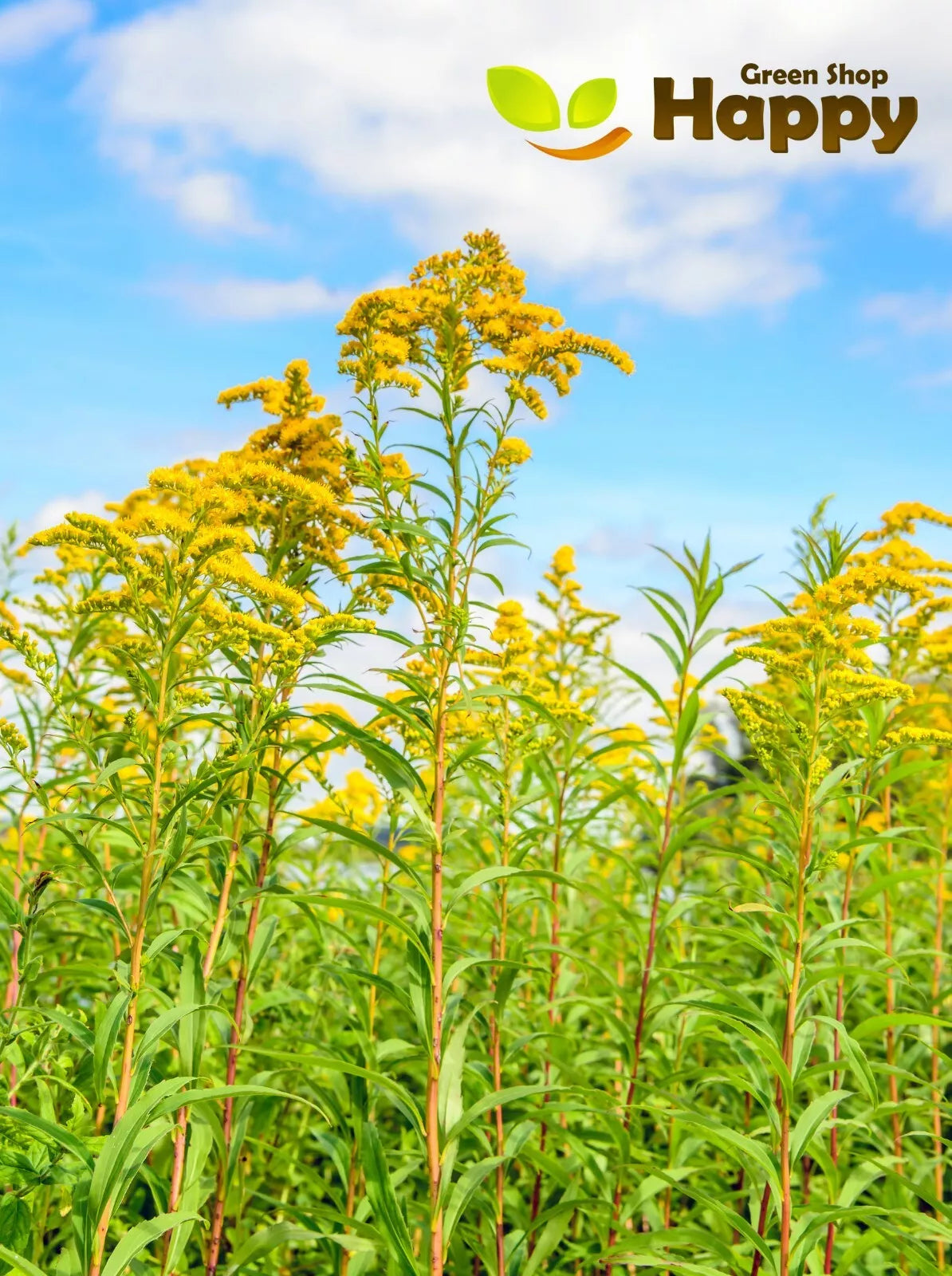
Golden Rod ‘Yellow Springs’ – 2000 Seeds (Solidago canadensis)
The Golden Rod ‘Yellow Springs’ is a hardy perennial that produces tall spikes of tiny golden-yellow flowers, creating a striking late-summer display. A magnet for bees and butterflies, it’s ideal for naturalistic gardens, meadows, and wildlife-friendly plantings. Easy to grow, drought-tolerant, and low-maintenance.
Why Grow ‘Yellow Springs’?
-
Tall, elegant spires of golden-yellow blooms
-
Attracts pollinators and supports biodiversity
-
Drought-tolerant and hardy perennial
-
Excellent for cut flowers and meadow planting
Key Features
-
Type: Perennial
-
Height: 100–150 cm
-
Flowering: July–September
-
Position: Full sun, well-drained soil
-
Uses: Borders, wildflower gardens, meadows, cut flowers
Ideal For
-
Pollinator-friendly gardens
-
Naturalized meadow plantings
-
Adding vertical height and late-season color
Sowing & Growing
-
Sow indoors: February–April, lightly cover seeds
-
Sow outdoors: April–June in prepared soil
-
Germination: 14–21 days at 18–22°C
-
Thin or transplant seedlings 30–40 cm apart
-
Cut back in autumn after flowering
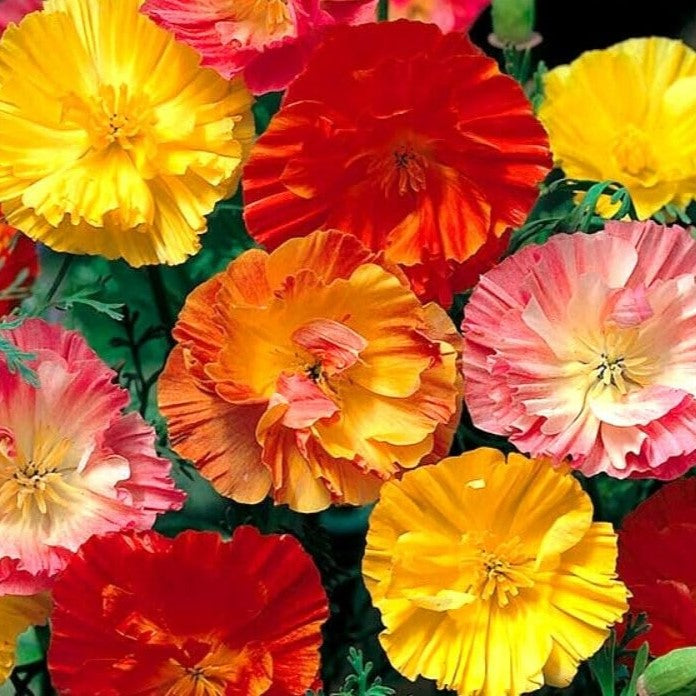
California Poppy ‘Ballerina’ Mix – Seeds (Eschscholzia californica)
California Poppy ‘Ballerina’ Mix (Eschscholzia californica) offers a charming blend of delicate, cup-shaped blooms in soft pastel shades of pink, cream, and apricot. This low-maintenance annual brightens borders, rockeries, and wildflower gardens with a long flowering season. Fast-growing and drought-tolerant, it’s perfect for sunny spots and pollinator-friendly gardens.
Why Grow "Ballerina Mix"
-
Soft, pastel-colored blooms in pink, cream, and apricot
-
Long flowering season from spring to autumn
-
Low-maintenance, drought-tolerant annual
-
Attracts bees and other pollinators
Key Features
-
Type: Annual (Eschscholzia californica)
-
Height: 30–40 cm
-
Flowering: May–October
-
Position: Full sun, well-drained soil
-
Uses: Borders, rockeries, wildflower meadows, pollinator gardens
Ideal For
-
Sunny borders and rockeries
-
Wildflower and cottage-style gardens
-
Pollinator-friendly plantings
-
Low-maintenance summer color
Sowing & Growing
-
Sow outdoors: March–May directly in prepared soil
-
Germination: 7–14 days at 15–20°C
-
Thin seedlings to 20–30 cm apart
-
Prefers full sun and well-drained soil
-
Deadhead to encourage prolonged flowering
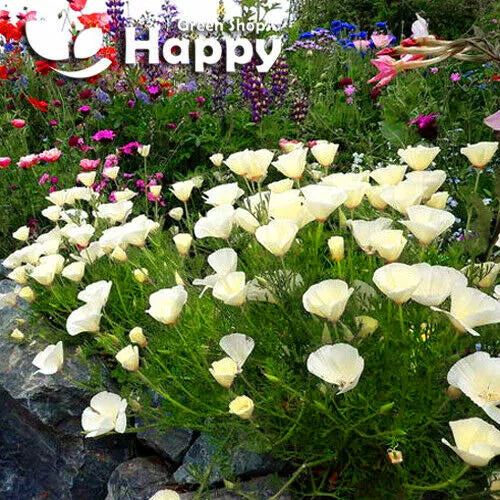
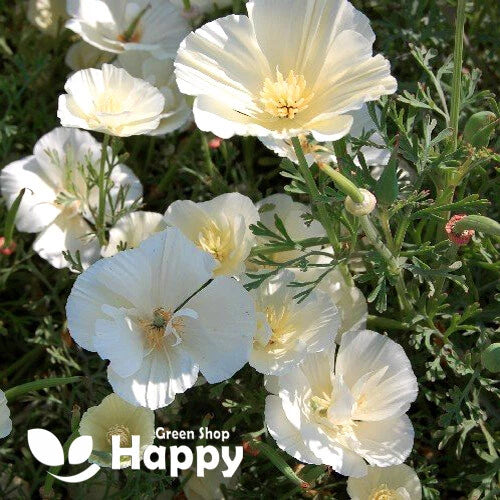
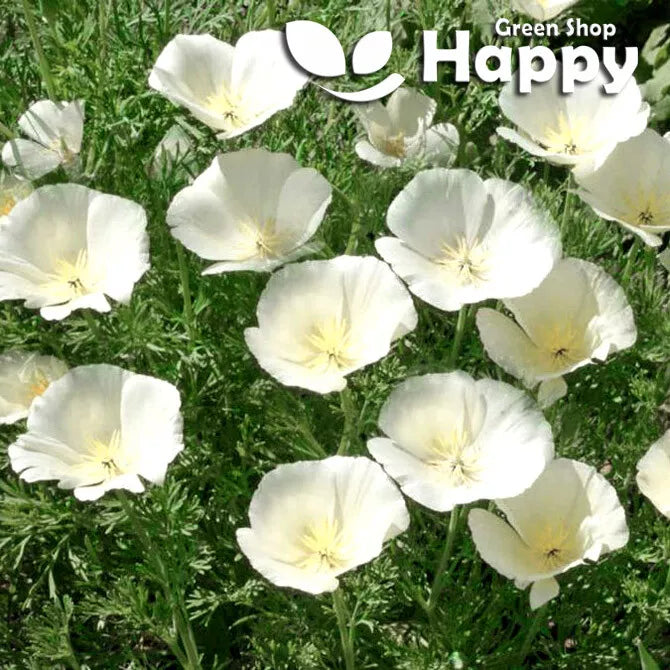
California Poppy White Seeds (Eschscholzia californica)
California Poppy White is a vibrant annual with elegant white cup-shaped flowers and finely divided, gray-green foliage. Blooming from spring to early summer, it brightens borders, rock gardens, and wildflower meadows. Easy to grow and drought-tolerant, it attracts pollinators and adds a soft, natural charm to any garden.
What Makes It Special
-
Pure white, cup-shaped blooms all spring and early summer
-
Hardy, drought-tolerant, and low-maintenance
-
Attracts bees and other pollinators
Key Features
-
Botanical name: Eschscholzia californica
-
Annual
-
Height: 25–40 cm
-
Bloom time: Spring to early summer
Ideal For
-
Rock gardens, borders, and wildflower meadows
-
Pollinator-friendly gardens
-
Sunny, well-drained areas
Sowing
-
Sow outdoors Mar–Jun
-
Cover seeds lightly with soil
-
Germination: 7–14 days at 15–20°C
-
Thin seedlings 20–30 cm apart
-
Flowers the same year
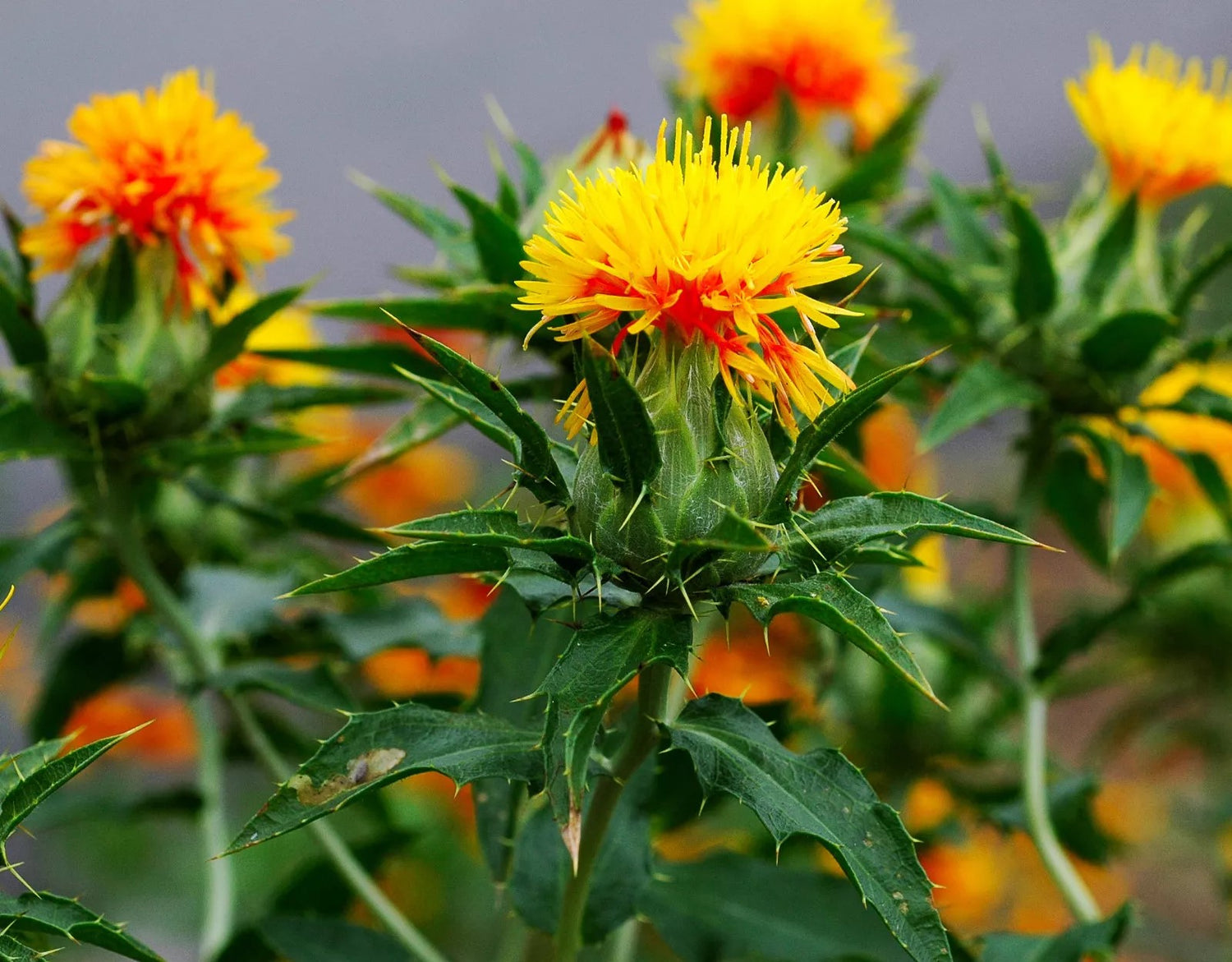
Saffron Thistle Yellow – 20 Seeds (Carthamus tinctorius)
A striking and unusual garden flower, Saffron Thistle Yellow produces bold, spiky thistle-like blooms in golden-yellow shades that add texture and color to borders. This hardy, sun-loving plant is valued not only for its ornamental appeal but also for its long-lasting cut flowers and historical use as a natural dye and saffron substitute.
What Makes It Special
-
Unique thistle-like blooms in glowing yellow
-
Long vase life – excellent cut flower
-
Drought-tolerant and thrives in poor soils
-
Historically used for natural dyes and coloring
Key Features
-
Hardy annual, height: 60–90 cm
-
Prefers full sun and well-drained soil
-
Tolerates drought and poor ground
-
Flowers June–September
Ideal For
-
Striking borders and wildflower gardens
-
Cut flower arrangements and drying
-
Pollinator-friendly planting
-
Low-maintenance, sun-baked spots
Sowing
-
Sow directly outdoors Mar–May in well-drained soil, spacing 25–30 cm apart
-
Cover lightly with soil and water well
-
Germination: 7–21 days
-
Thin seedlings as they grow for stronger plants

California Poppy ‘Red Chief’ – Bold Red Blooms
California Poppy ‘Red Chief’ produces striking red-orange flowers that brighten gardens with their vivid, long-lasting color. Hardy and easy to grow, these poppies thrive in sunny spots and well-drained soil.
What Makes It Special
-
Bold, vibrant red flowers
-
Long flowering season
-
Easy to grow and drought-tolerant
-
Attracts pollinators like bees and butterflies
Key Features
-
Annual plant
-
Grows 30–45 cm tall
-
Blooms late spring through summer
-
Thrives in full sun and poor soil
-
Low-maintenance and resilient
Ideal For
-
Garden beds and borders
-
Rock gardens and wildflower meadows
-
Containers and patios
-
Pollinator-friendly gardens
Sowing
-
Sow seeds directly outdoors after last frost
-
Scatter thinly and lightly cover with soil
-
Germination: 10–14 days at 15–20°C
-
Space 15–20 cm apart
-
Water moderately and provide full sun

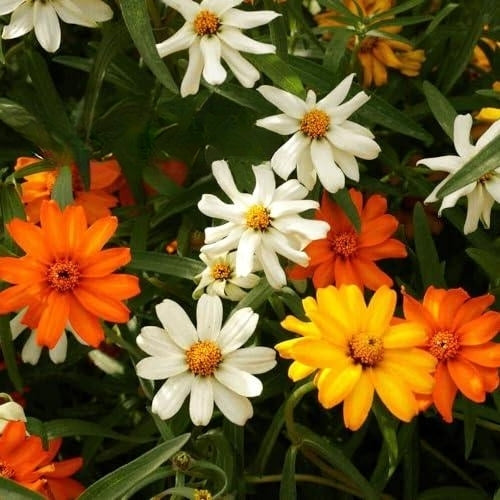
Classic Zinnia – Seeds
(Zinnia linearis angustifolia) – Annual
The Classic Zinnia (Zinnia linearis angustifolia) is a compact and easy-to-grow annual, loved for its masses of daisy-like blooms in bright shades of yellow, orange, and white. Unlike tall zinnia varieties, this type has a bushy, spreading habit and flowers abundantly all summer long, making it perfect for edging, borders, and pots. It is drought-tolerant, long-flowering, and pollinator-friendly, ensuring a cheerful display with minimal effort.
Key Features
-
Type: Annual
-
Height: 20–40 cm
-
Spread: 25–35 cm
-
Blooming period: June–October
-
Position: Full sun
-
Soil: Well-drained, moderately fertile
Ideal For
-
Bedding and borders
-
Containers and pots
-
Pollinator-friendly gardens
-
Low-maintenance summer color
Sowing & Growing
-
Sow indoors: March–April (in trays or pots at 18–22°C)
-
Sow outdoors: May (after frost has passed)
-
Sowing depth: 0.5 cm, cover lightly with soil
-
Spacing: 25–30 cm apart
-
Care: Prefers sunny spots; deadhead to extend flowering season

Superb Pink Dianthus Superbus - 200 seeds (Dianthus superbus) Perennial Fragrant Flowers
£1.24
Unit price perSuperb Pink Dianthus Superbus - 200 seeds (Dianthus superbus) Perennial Fragrant Flowers
£1.24
Unit price perDianthus superbus 'Large Flowered Hybrids Mixed', commonly known as Fringed Pink, is a distinctive hardy perennial producing large, intensely fragrant flowers with exceptionally fine, deeply fringed petals. The delicate, almost feathered flower form gives the blooms an unusual airy appearance, while the mixture provides an attractive range of pink, rose, lilac and lighter shades.
Unlike many perennials grown from seed, this strain can flower in its first year when sown early. Upright flowering stems rise above neat, narrow foliage, making the plants particularly attractive in cottage gardens, sunny borders and gravel planting. The beautifully scented flowers are also excellent for cutting, allowing their sweet fragrance and intricate petals to be enjoyed indoors.
● Large flowers with exceptionally fine, deeply fringed petals
● Intensely sweet fragrance
● Attractive mixture of pink, rose, lilac and lighter shades
● Can flower in the first year when sown early
● Excellent scented flowers for cutting and arrangements
● Cottage gardens
● Scented gardens
● Cut flower gardens
● Sunny borders
● Gravel and informal planting
● Keep seeds close to the surface and use only a very fine sprinkling of vermiculite, as light aids germination.
● Sow early under cover if you want the best chance of flowers in the first growing season; this Large Flowered Mixed strain is specifically selected for first-year flowering.
● Choose a sunny position with excellent drainage, particularly during winter, as Dianthus superbus does not perform well in persistently wet soil.
● Deadhead regularly to extend the flowering period and maintain plant vigour.
● Cut flowering stems for scented arrangements when blooms are freshly open; regular cutting also helps keep plants producing new flowering stems.

Cape Daisy Mix Seeds (Venidium fastuosum)
Add long-lasting summer color with Cape Daisy Mix (Venidium fastuosum). This hardy annual produces vibrant daisy-like blooms in shades of yellow, orange, and gold, bringing brightness to borders, beds, and containers. Easy to grow and drought-tolerant once established, it attracts pollinators and provides a cheerful display throughout the season.
How to Grow
-
Sow seeds directly outdoors in spring after the last frost or indoors 4–6 weeks earlier.
-
Use well-drained soil in full sun.
-
Scatter seeds thinly and cover lightly with soil.
-
Keep soil moist until germination (10–14 days).
-
Thin seedlings to 25–30 cm apart once established.
-
Deadhead spent flowers regularly to encourage continuous blooming.
Key Features
-
Vibrant daisy-like blooms in yellow, orange, and gold shades
-
Long-flowering, hardy annual
-
Easy to grow and drought-tolerant
-
Ideal for borders, beds, and containers
-
Attracts bees, butterflies, and other pollinators
Ideal For
-
Flower beds and borders
-
Containers, patio planters, and window boxes
-
Pollinator-friendly gardens
-
Cottage and naturalized garden styles
Sowing
-
Best time: Spring outdoors or 4–6 weeks earlier indoors
-
Germination: 10–14 days
-
Sow thinly, cover lightly, and keep soil moist
-
Prefers full sun and well-drained soil
Quick Tip
-
Deadhead regularly to maintain vibrant blooms and encourage prolonged flowering.
Showing 108/167

