
Sort by:
93 products
93 products


Blanket Flower ‘Burgundy’ Seeds (Gaillardia aristata)
Bring vibrant late-summer color to your garden with Blanket Flower ‘Burgundy’ (Gaillardia aristata). This hardy perennial produces striking burgundy-red daisy-like blooms with golden tips, perfect for borders, beds, and pollinator-friendly gardens. Easy to grow and long-flowering, it attracts bees and butterflies while adding a cheerful, naturalized look to your landscape.
How to Grow
-
Sow seeds directly outdoors in spring or indoors 6–8 weeks before the last frost.
-
Use well-drained soil in full sun.
-
Scatter seeds thinly and cover lightly with soil.
-
Keep soil moist until germination (10–14 days).
-
Thin seedlings to 25–30 cm apart once established.
-
Deadhead spent flowers to encourage continuous blooming.
Key Features
-
Striking burgundy-red blooms with golden tips
-
Hardy perennial, long-flowering and easy to grow
-
Ideal for borders, beds, and naturalized plantings
-
Attracts bees, butterflies, and other pollinators
-
Adds vibrant late-summer color to garden landscapes
Ideal For
-
Flower borders and cottage gardens
-
Pollinator-friendly garden beds
-
Naturalized and wildflower-style plantings
-
Cutting gardens for fresh bouquets
Sowing
-
Best time: Spring outdoors or 6–8 weeks earlier indoors
-
Germination: 10–14 days
-
Sow thinly, cover lightly, and keep soil moist
-
Prefers full sun and well-drained soil
Quick Tip
-
For extended flowering, sow in drifts or clusters and remove spent blooms regularly.
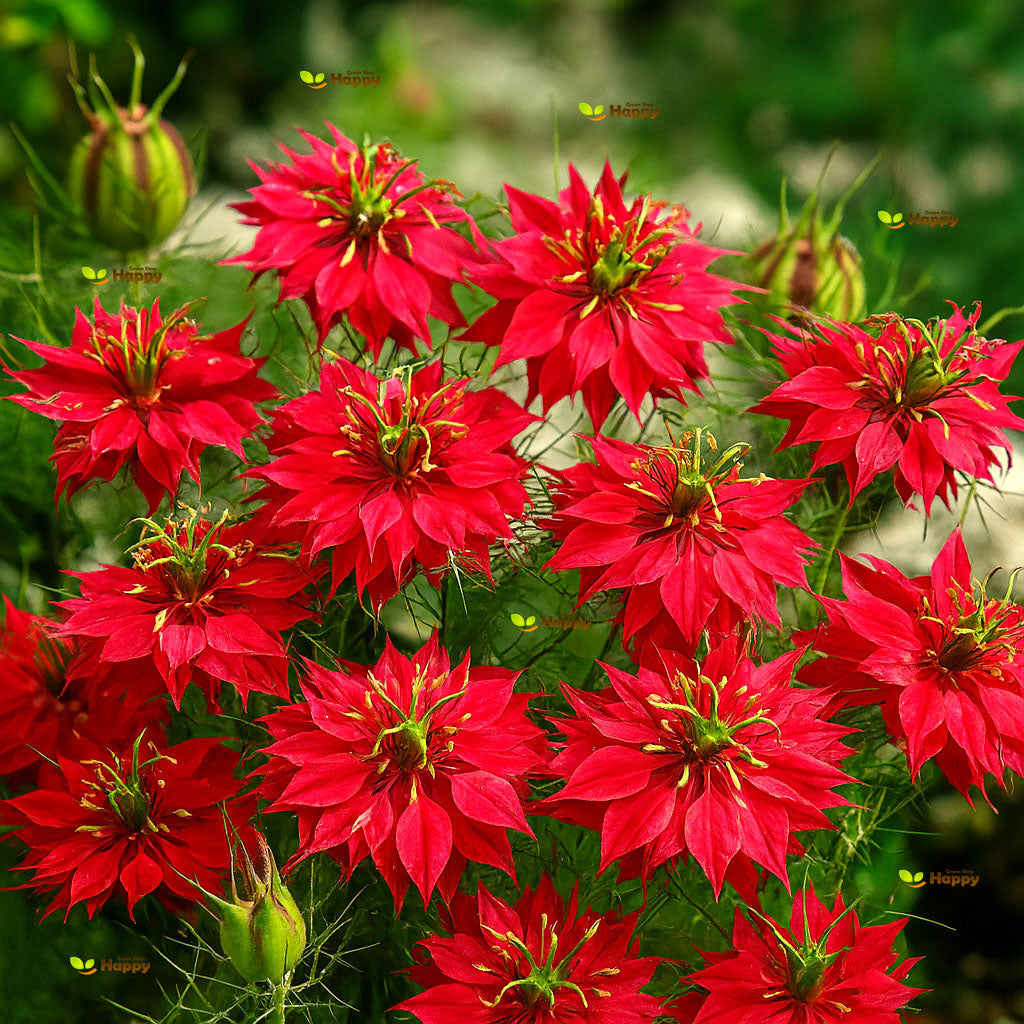
Love-in-a-Mist ‘Persian Jewels’ Red – Seeds (Nigella damascena)
Love-in-a-Mist ‘Persian Jewels’ Red (Nigella damascena) is a charming cottage garden annual with finely cut, ferny foliage and delicate star-shaped flowers in rich shades of ruby and crimson. Its ornamental seed pods add long-lasting interest, making it a favorite for both fresh and dried arrangements. Easy to grow and pollinator-friendly, it’s perfect for borders and wildflower-style plantings.
Why Grow "Persian Jewels Red"
-
Striking ruby-red starry blooms
-
Airy, ferny foliage for soft texture
-
Decorative seed pods for dried use
-
Easy to grow and pollinator-friendly
Key Features
-
Type: Hardy annual (Nigella damascena)
-
Height: 45–60 cm
-
Flowering: June–September
-
Position: Full sun
-
Uses: Borders, wildflower gardens, cut and dried flowers
Ideal For
-
Cottage and wildflower gardens
-
Fresh and dried floral arrangements
-
Pollinator-friendly planting
-
Naturalistic borders
Sowing & Growing
-
Sow outdoors: March–May or August–September for earlier blooms
-
Sow direct, thinly into prepared soil
-
Germination: 14–21 days
-
Thin seedlings to 20–25 cm apart
-
Prefers well-drained soil in full sun

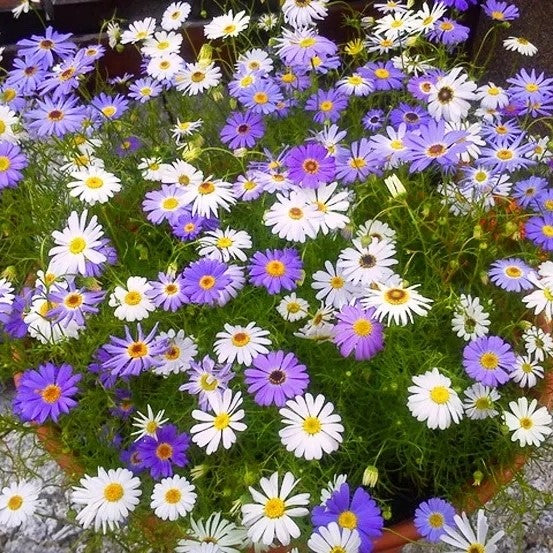
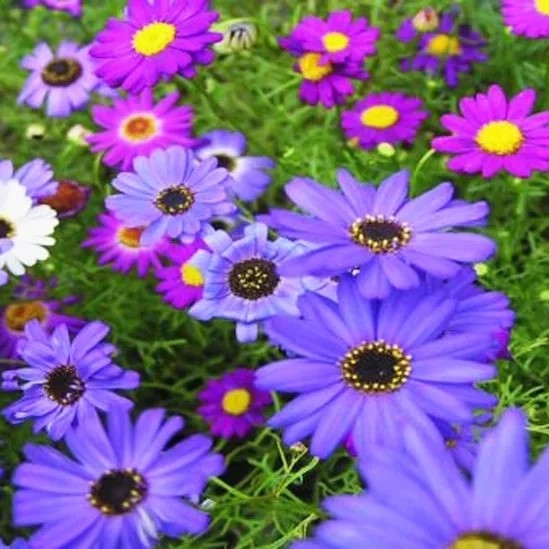
Swan River Daisy Mixed – Clouds of Colorful, Dainty Blooms
Swan River Daisy Mixed produces masses of small, daisy-like flowers in shades of purple, blue, pink, and white over fine, feathery foliage. Native to Australia, this easy-to-grow annual brings a soft, airy texture and vibrant color to garden beds, borders, and hanging baskets. A prolific bloomer from summer to autumn, it thrives in sunny spots and is perfect for low-maintenance displays.
What Makes It Special
-
Abundant, delicate blooms in a rainbow of pastel shades
-
Adds a light, airy look to gardens and containers
-
Long flowering season with minimal care
-
Tolerates heat and dry conditions once established
-
Attracts pollinators
Key Features
-
Height: 20–30 cm – compact, spreading habit
-
Excellent for ground cover or edging
-
Hardy annual – fast to flower from seed
-
Drought-tolerant and easy to grow
-
Perfect for mass planting
Ideal For
-
Borders, edging, and pathways
-
Hanging baskets and window boxes
-
Cottage and wildflower gardens
-
Low-maintenance summer displays
Sowing
-
Sow indoors 6–8 weeks before last frost or direct sow after frost danger has passed
-
Lightly press seeds into soil; do not cover deeply
-
Germination: 7–14 days at 18–21°C
-
Space plants 15–20 cm apart
-
Prefers full sun and well-drained soil
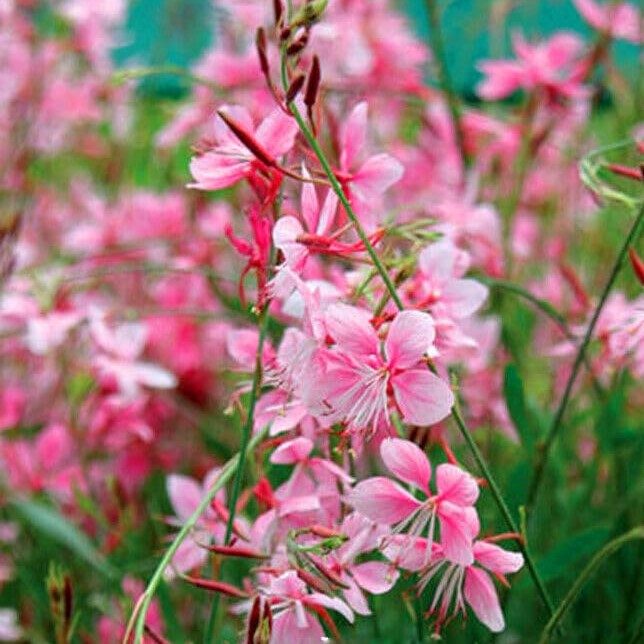
Beeblossom Rosy-White – Seeds (Gaura lindheimeri)
Beeblossom (Gaura lindheimeri) is a graceful perennial, prized for its airy stems and delicate rosy-white flowers that resemble dancing butterflies in the breeze. Flowering over a long season, it adds elegance and movement to borders, cottage gardens, and wildflower-style plantings. Easy to grow and drought-tolerant once established, it thrives in sunny spots and well-drained soil.
Why Grow Beeblossom Rosy-White?
-
Produces clouds of dainty rosy-white blooms
-
Long flowering period, from summer into autumn
-
Perfect for naturalistic, cottage, or pollinator-friendly gardens
-
Drought-tolerant and low-maintenance
Key Features
-
Type: Hardy perennial
-
Height: 60–90 cm
-
Spread: 40–60 cm
-
Flowering: June–October
-
Position: Full sun
-
Soil: Light, well-drained
Sowing & Growing
-
Sow indoors: February–April in trays, lightly cover with compost
-
Germination: 14–30 days at 18–20°C
-
Transplant: When seedlings are large enough, plant outdoors after last frost
-
Spacing: 40 cm apart
-
Can also be sown directly outdoors in May–June
Tip: Beeblossom is ideal for softening borders and pairs beautifully with ornamental grasses.
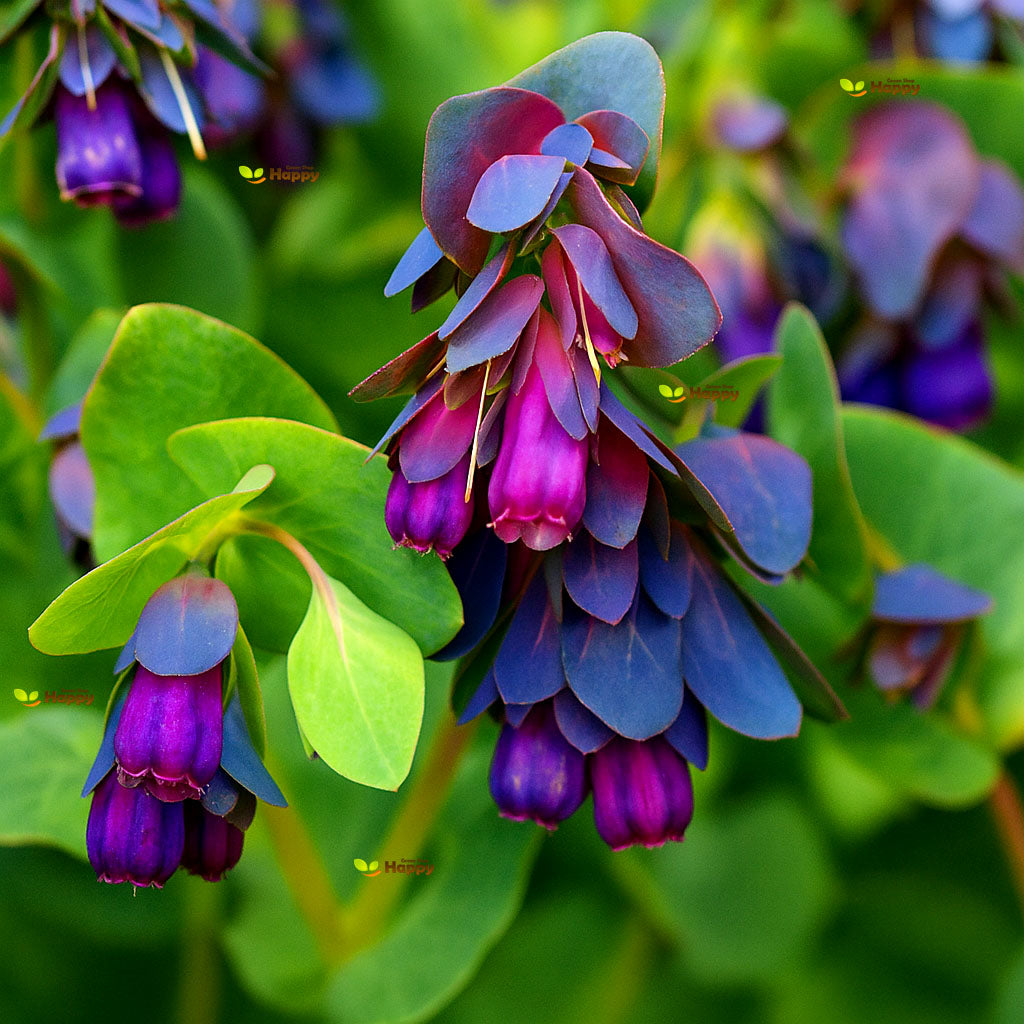
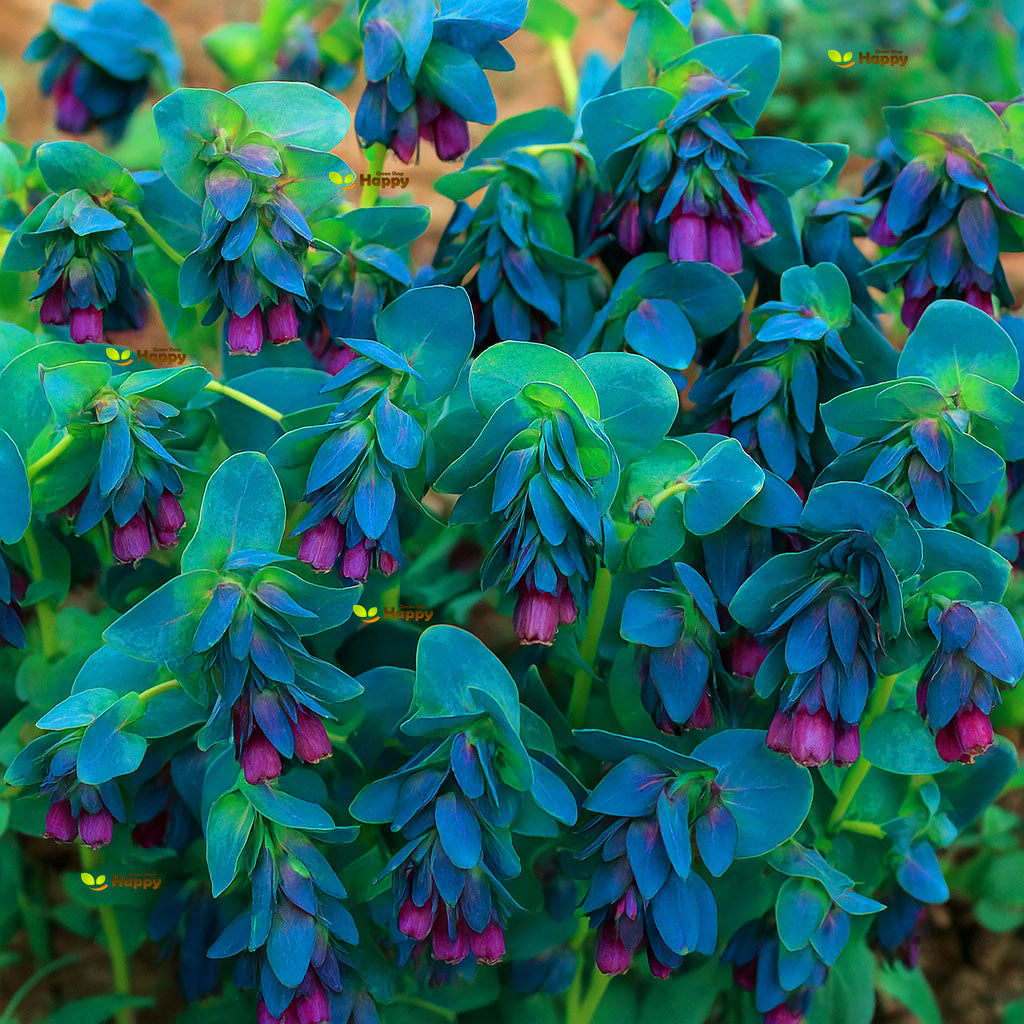
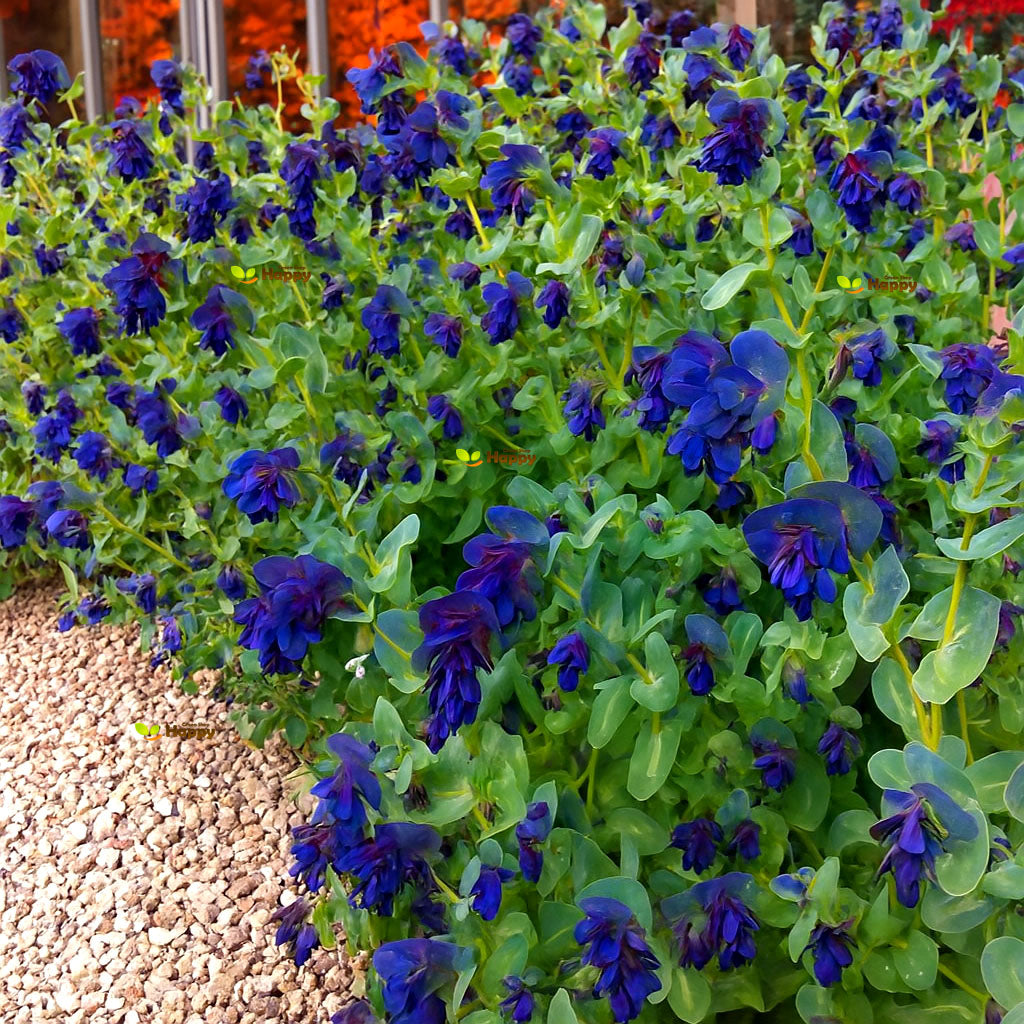
Honeywort – Seeds (Cerinthe major)
Honeywort (Cerinthe major) is an eye-catching annual with striking blue-purple tubular flowers and silvery-green foliage. Loved by bees and other pollinators, it adds unique texture and color to borders, cottage gardens, and wildflower mixes. Fast-growing and low-maintenance, it thrives in sunny, well-drained spots.
Why Grow "Honeywort"
-
Striking blue-purple tubular flowers
-
Silvery-green, ornamental foliage
-
Attracts pollinators including bees and butterflies
-
Easy to grow and low-maintenance
Key Features
-
Type: Hardy annual (Cerinthe major)
-
Height: 40–60 cm
-
Flowering: June–September
-
Position: Full sun, well-drained soil
-
Uses: Borders, cottage gardens, wildflower mixes, pollinator gardens
Ideal For
-
Pollinator-friendly gardens
-
Cottage and naturalistic borders
-
Adding height and color contrast
-
Wildflower plantings
Sowing & Growing
-
Sow outdoors: March–May in prepared soil
-
Germination: 10–20 days at 18–22°C
-
Thin seedlings to 25 cm apart
-
Prefers full sun and well-drained soil
-
Deadhead to encourage prolonged flowering

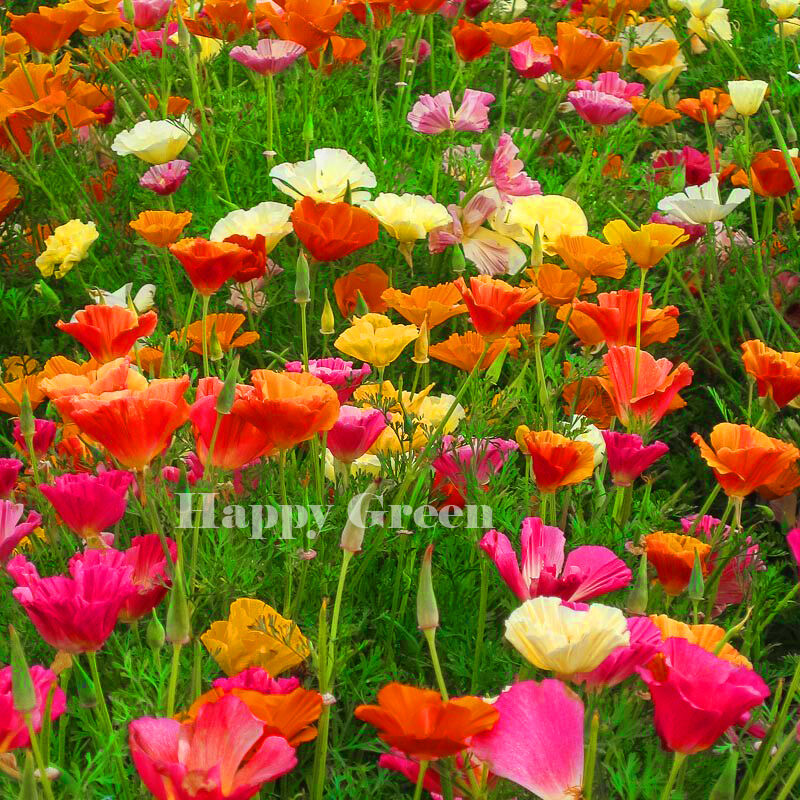
California Poppy Mix – Bright, Cheerful Blooms
California Poppies (Eschscholzia californica) offer vibrant, cup-shaped flowers in a mix of stunning colors that brighten any garden. Hardy and low-maintenance, these annuals thrive in sunny spots and well-drained soil, creating a natural, carefree meadow effect.
What Makes It Special
-
Vibrant, colorful blooms
-
Hardy and drought-tolerant
-
Easy to grow and maintain
-
Creates a natural, meadow-like effect
Key Features
-
Annual plant
-
Grows 30–45 cm tall
-
Blooms from late spring to autumn
-
Thrives in full sun with well-drained soil
-
Attracts bees and pollinators
Ideal For
-
Garden borders and beds
-
Wildflower meadows
-
Container planting
-
Pollinator-friendly gardens
Sowing
-
Sow directly outdoors after last frost
-
Plant seeds 0.5 cm deep
-
Germination: 7–14 days at 15–20°C
-
Space 15–20 cm apart
-
Minimal watering once established
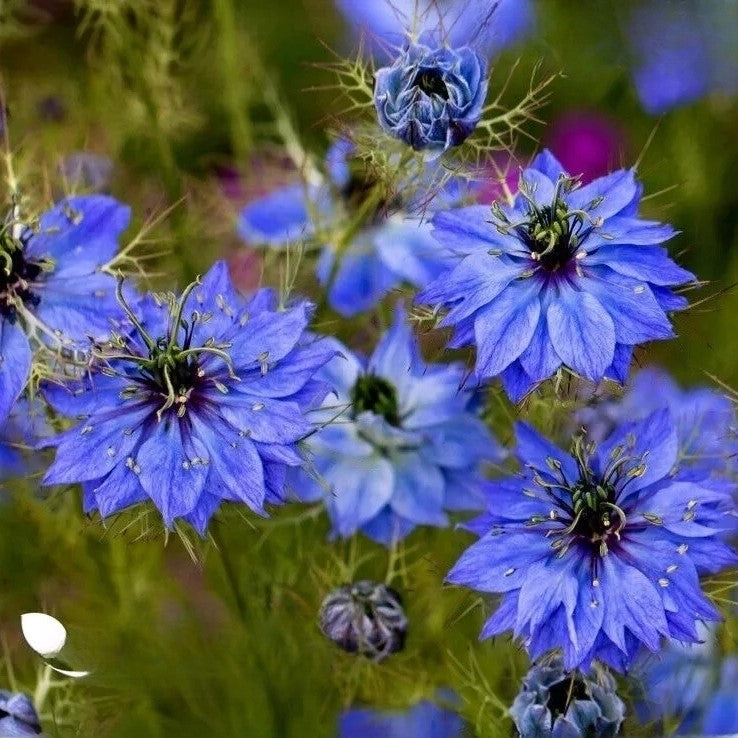
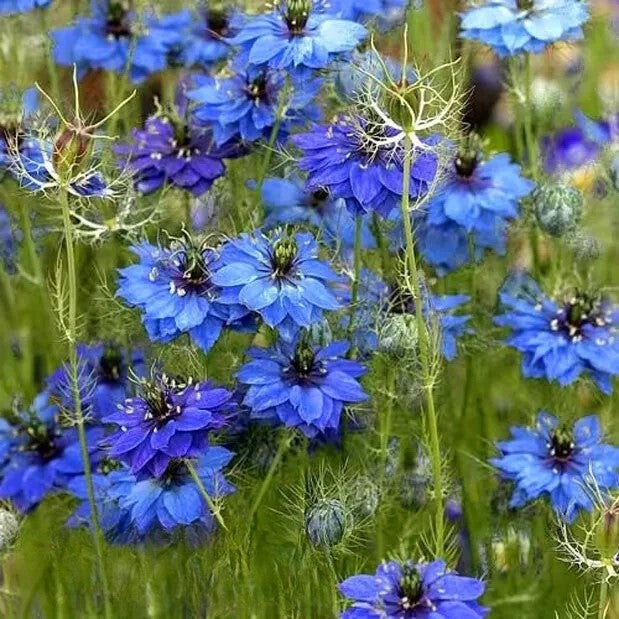
Love-in-a-Mist ‘Miss Jekyll’ Indigo Blue – Romantic Cottage Garden Classic
Love-in-a-Mist ‘Miss Jekyll’ produces masses of delicate, sky-like indigo-blue flowers surrounded by fine, ferny foliage. This charming annual blooms over a long summer season, adding soft texture and a whimsical feel to beds, borders, and cut flower arrangements. Decorative seed pods follow the blooms, perfect for drying.
What Makes It Special
-
Iconic cottage garden favourite
-
Rich indigo-blue blooms with airy green bracts
-
Long flowering season and attractive seed pods
-
Easy to grow and self-seeds freely
-
Suitable for fresh and dried arrangements
Key Features
-
Height: 45–60 cm – graceful upright growth
-
Pollinator-friendly – loved by bees
-
Ornamental seed heads extend garden interest
-
Tolerant of poor soil and low maintenance
-
Hardy annual
Ideal For
-
Cottage and wildflower gardens
-
Cutting gardens and dried flower crafts
-
Borders and mixed plantings
-
Naturalising for effortless summer color
Sowing
-
Direct sow in spring or autumn where they are to flower
-
Sow thinly, cover lightly with fine soil
-
Germination: 10–14 days at 15–20°C
-
Thin seedlings to 20 cm apart
-
Prefers full sun and well-drained soil
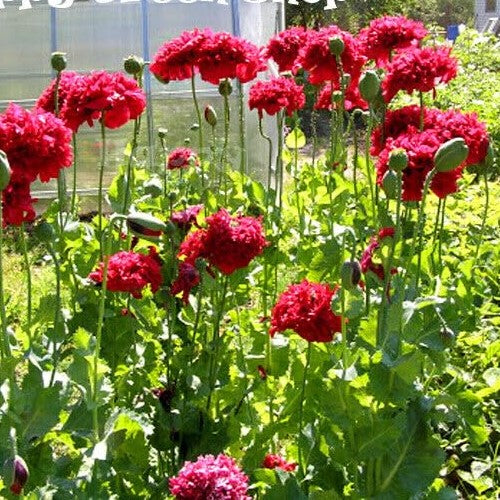
Peony Poppy Red – Seeds
(Papaver paeoniflorum)
The Peony Poppy Red is a breathtaking annual with huge, fully double, peony-like blooms in a deep, velvety crimson red. Its lush, ruffled petals make it one of the most dramatic poppies, creating a bold focal point in borders, cottage gardens, or wildflower meadows. These flowers are not only striking in the garden but also make excellent cut flowers, adding rich color to summer bouquets.
Why Grow Peony Poppy Red?
-
Stunning double flowers resembling peonies
-
Intense, velvety red blooms for dramatic displays
-
Easy to grow and self-seeding
-
Attracts bees and butterflies
Key Features
-
Type: Hardy annual
-
Height: 80–100 cm
-
Flowers: Summer
-
Position: Full sun
-
Soil: Light, well-drained
Ideal For
-
Cottage and wildflower gardens
-
Bold color accents in borders
-
Cut flower arrangements
-
Pollinator-friendly spaces
Sowing & Growing
-
Sow outdoors: March–May or late August–October directly where plants are to flower
-
Scatter thinly over prepared soil, lightly cover, and water gently
-
Germination: 14–21 days
-
Thin seedlings to 20–30 cm apart
-
Care: Deadhead to prolong flowering or leave seed heads for natural reseeding
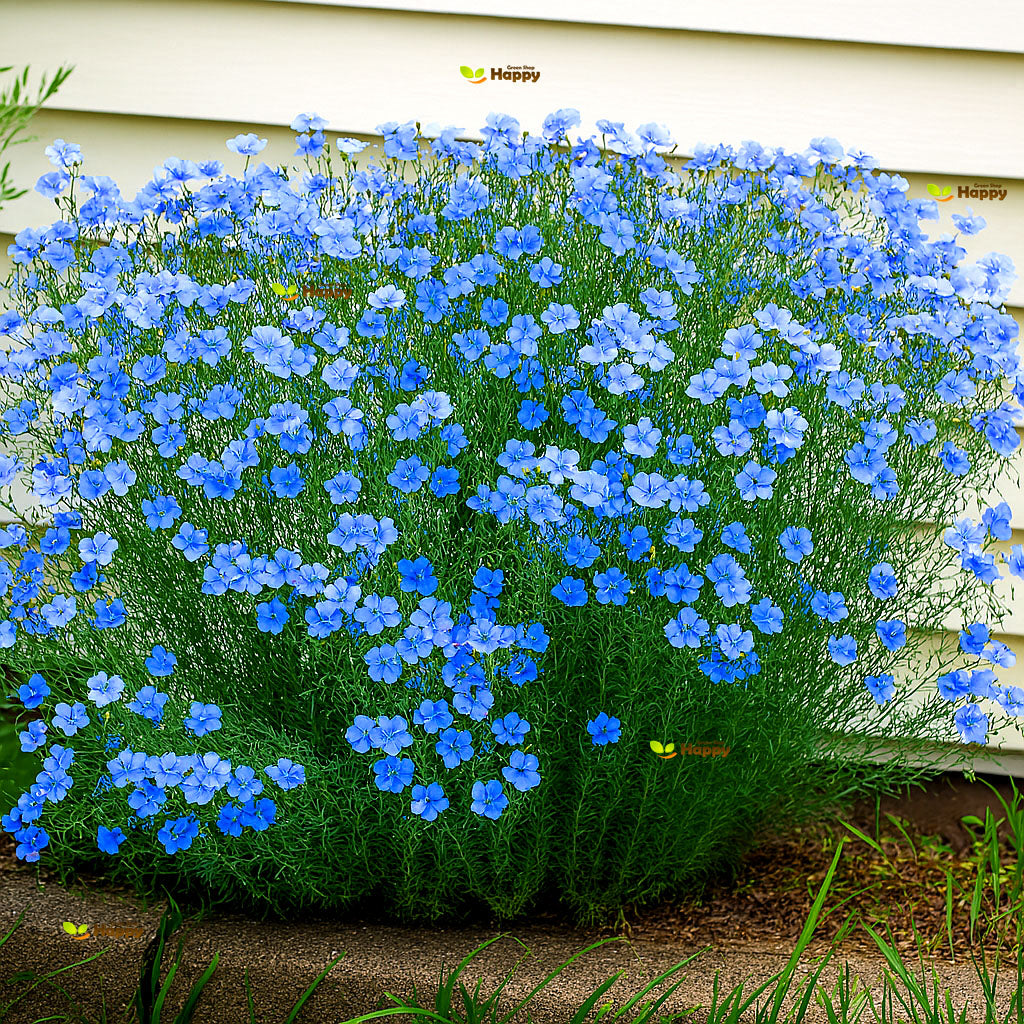
Blue Flax Seeds (Linum perenne)
Delicate yet resilient, Blue Flax produces graceful sky-blue flowers on slender stems that sway gently in the breeze. Blooming over a long season, this hardy perennial is perfect for naturalistic plantings, wildflower meadows, and cottage gardens. Easy to grow and pollinator-friendly.
What Makes It Special
-
Masses of sky-blue, airy flowers
-
Hardy, drought-tolerant, and low-maintenance
-
Long flowering season and pollinator-friendly
Key Features
-
Botanical name: Linum perenne
-
Hardy perennial
-
Height: 30–60 cm (12–24 in)
-
Bloom time: Late spring to summer
Ideal For
-
Wildflower meadows and naturalized plantings
-
Cottage gardens and perennial borders
-
Pollinator-friendly landscapes
Sowing
-
Sow outdoors Mar–May or Aug–Sep
-
Scatter seeds and lightly cover with soil
-
Germination: 14–21 days at 15–20°C
-
Thin seedlings 20–25 cm apart
-
Flowers from the second year after sowing
Showing 9/93


