
Sort by:
161 products
161 products
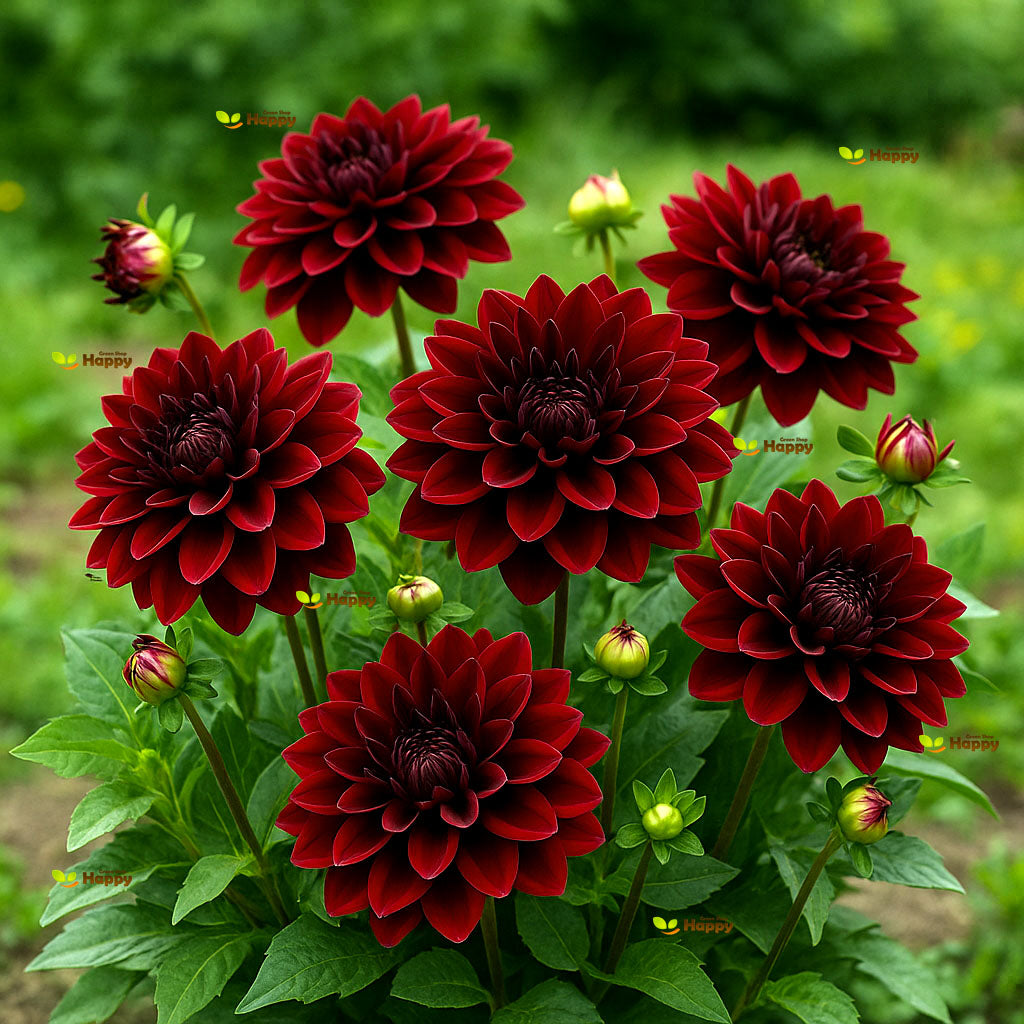
Dahlia 'Bloody Mary' – Seeds
(Dahlia variabilis)
Dahlia 'Bloody Mary' is a stunning compact variety that produces vibrant, dark red, fully double blooms with a rich, velvety texture. Its bushy habit and long flowering season make it ideal for borders, containers, and mixed flower beds. This eye-catching variety is also a favorite for cut flowers, adding dramatic color to bouquets and arrangements.
Key Features
-
Type: Half-hardy annual (grown from seed)
-
Height: 40–50 cm
-
Spread: 30–40 cm
-
Flowering: July–October
-
Position: Full sun
-
Soil: Fertile, well-drained
Ideal For
-
Borders and bedding displays
-
Containers and pots
-
Cut flower arrangements
-
Pollinator-friendly gardens
Sowing & Growing
-
Sow indoors: February–April at 18–22°C
-
Germination: 7–14 days
-
Transplant after last frost, spacing 25–30 cm
-
Deadhead regularly to encourage continuous blooms
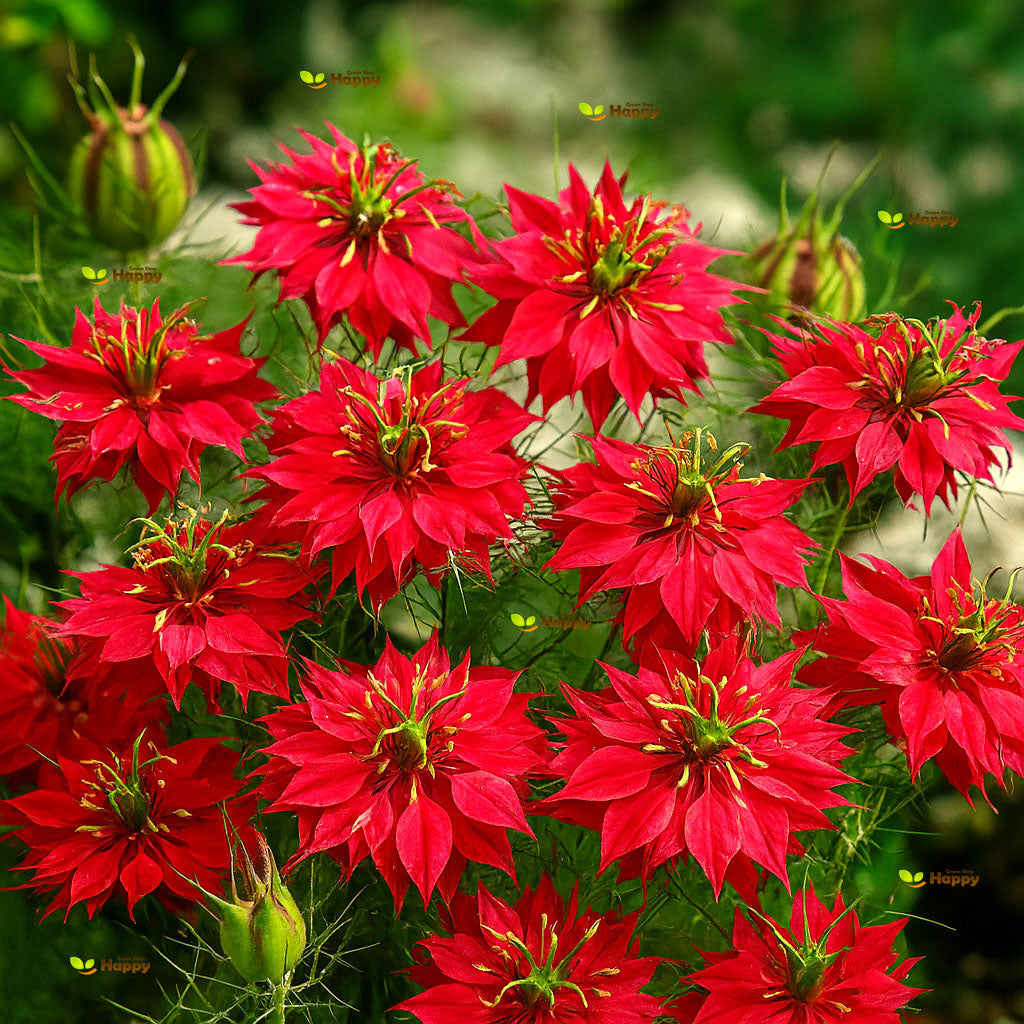
Love-in-a-Mist ‘Persian Jewels’ Red – Seeds (Nigella damascena)
Love-in-a-Mist ‘Persian Jewels’ Red (Nigella damascena) is a charming cottage garden annual with finely cut, ferny foliage and delicate star-shaped flowers in rich shades of ruby and crimson. Its ornamental seed pods add long-lasting interest, making it a favorite for both fresh and dried arrangements. Easy to grow and pollinator-friendly, it’s perfect for borders and wildflower-style plantings.
Why Grow "Persian Jewels Red"
-
Striking ruby-red starry blooms
-
Airy, ferny foliage for soft texture
-
Decorative seed pods for dried use
-
Easy to grow and pollinator-friendly
Key Features
-
Type: Hardy annual (Nigella damascena)
-
Height: 45–60 cm
-
Flowering: June–September
-
Position: Full sun
-
Uses: Borders, wildflower gardens, cut and dried flowers
Ideal For
-
Cottage and wildflower gardens
-
Fresh and dried floral arrangements
-
Pollinator-friendly planting
-
Naturalistic borders
Sowing & Growing
-
Sow outdoors: March–May or August–September for earlier blooms
-
Sow direct, thinly into prepared soil
-
Germination: 14–21 days
-
Thin seedlings to 20–25 cm apart
-
Prefers well-drained soil in full sun
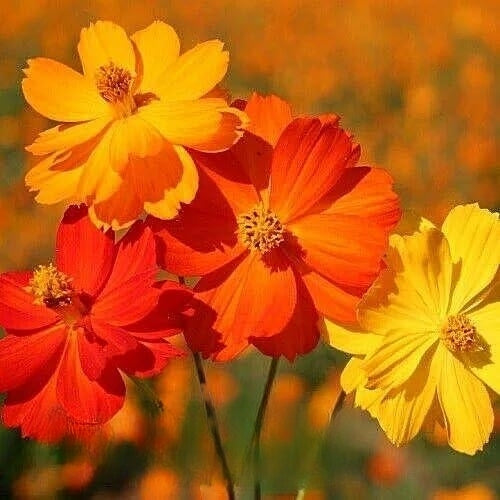
Dwarf Cosmos 'Carpet' Mix – Seeds
(Cosmos sulphureus semidouble)
Dwarf Cosmos 'Carpet' Mix produces compact, bushy plants covered in a dazzling blend of orange, yellow, and red semi-double blooms. Unlike taller cosmos varieties, this dwarf mix stays low, creating a brilliant “carpet” of color perfect for borders, bedding, or pots. Easy to grow and tolerant of poor soil, heat, and drought, it flowers all summer long.
Key Features
-
Type: Half-hardy annual
-
Height: 25–40 cm
-
Spread: 25–30 cm
-
Flowering: June–October
-
Position: Full sun
-
Soil: Light, well-drained
Ideal For
-
Bedding displays & borders
-
Pots and containers
-
Edging paths
-
Pollinator-friendly gardens
Sowing & Growing
-
Sow indoors: March–April, germinate at 18–22°C
-
Sow outdoors: April–May after frost
-
Transplant or thin to 25–30 cm spacing
-
Deadhead regularly to extend blooming

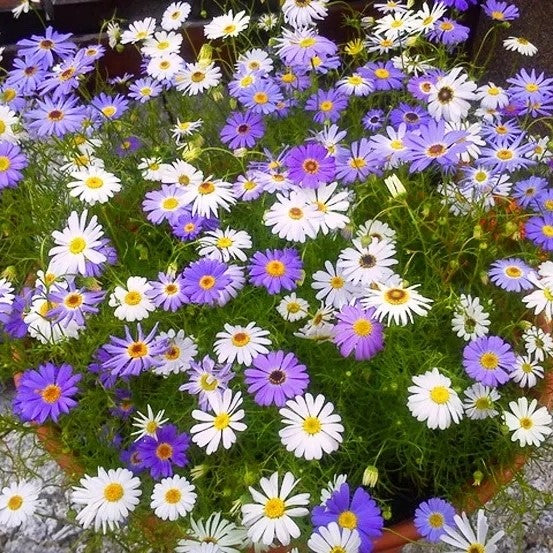
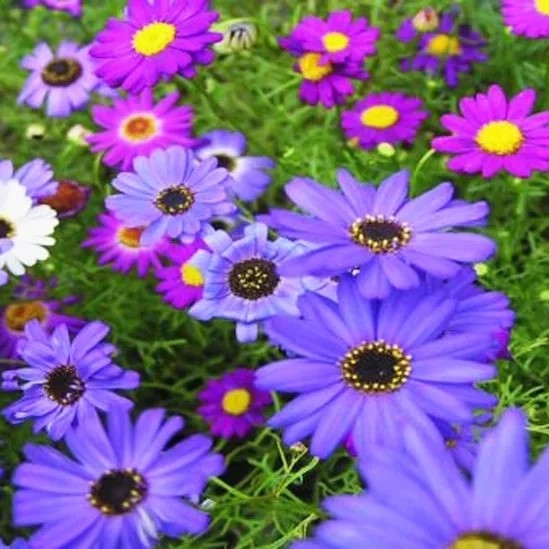
Swan River Daisy Mixed – Clouds of Colorful, Dainty Blooms
Swan River Daisy Mixed produces masses of small, daisy-like flowers in shades of purple, blue, pink, and white over fine, feathery foliage. Native to Australia, this easy-to-grow annual brings a soft, airy texture and vibrant color to garden beds, borders, and hanging baskets. A prolific bloomer from summer to autumn, it thrives in sunny spots and is perfect for low-maintenance displays.
What Makes It Special
-
Abundant, delicate blooms in a rainbow of pastel shades
-
Adds a light, airy look to gardens and containers
-
Long flowering season with minimal care
-
Tolerates heat and dry conditions once established
-
Attracts pollinators
Key Features
-
Height: 20–30 cm – compact, spreading habit
-
Excellent for ground cover or edging
-
Hardy annual – fast to flower from seed
-
Drought-tolerant and easy to grow
-
Perfect for mass planting
Ideal For
-
Borders, edging, and pathways
-
Hanging baskets and window boxes
-
Cottage and wildflower gardens
-
Low-maintenance summer displays
Sowing
-
Sow indoors 6–8 weeks before last frost or direct sow after frost danger has passed
-
Lightly press seeds into soil; do not cover deeply
-
Germination: 7–14 days at 18–21°C
-
Space plants 15–20 cm apart
-
Prefers full sun and well-drained soil
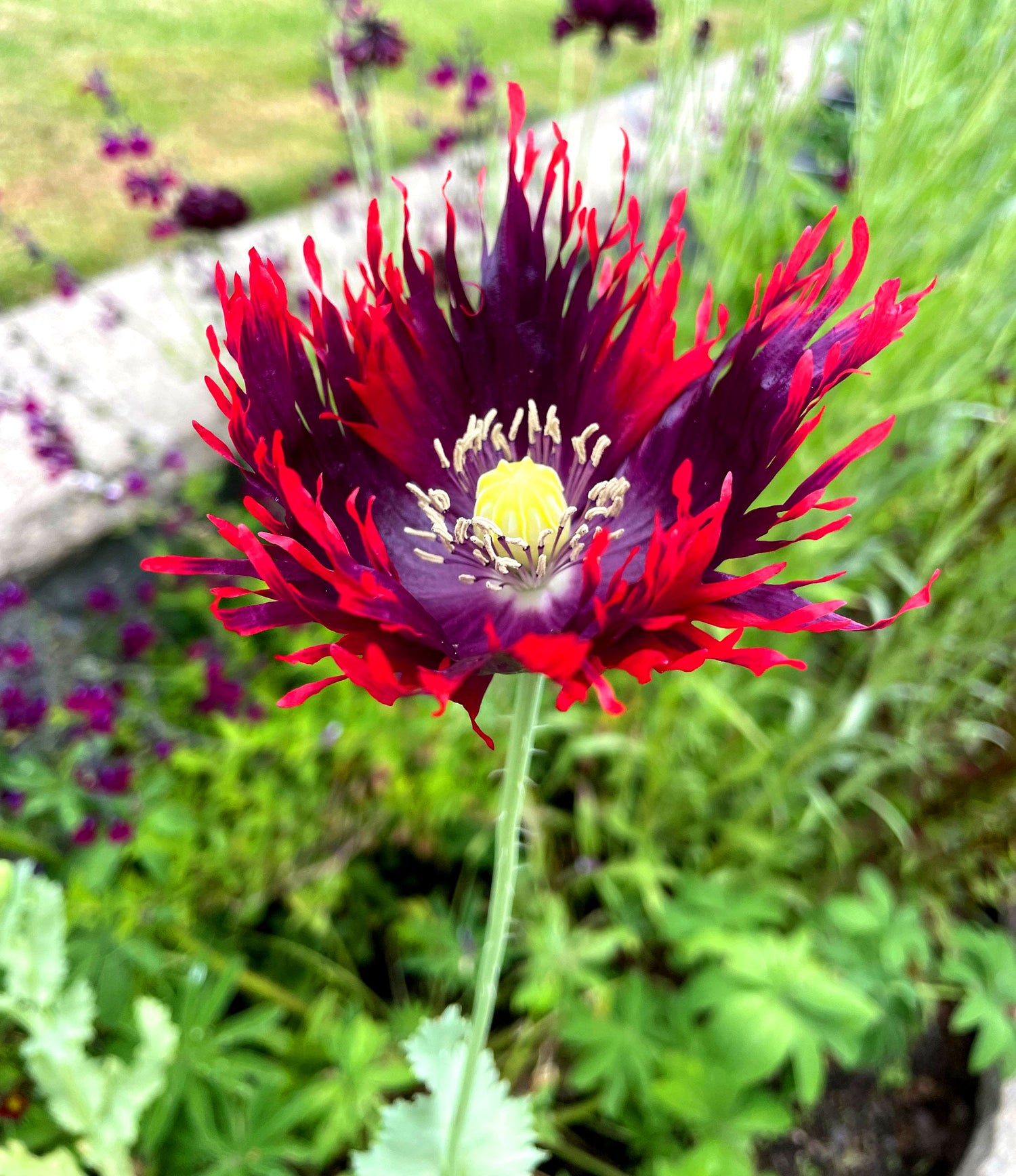
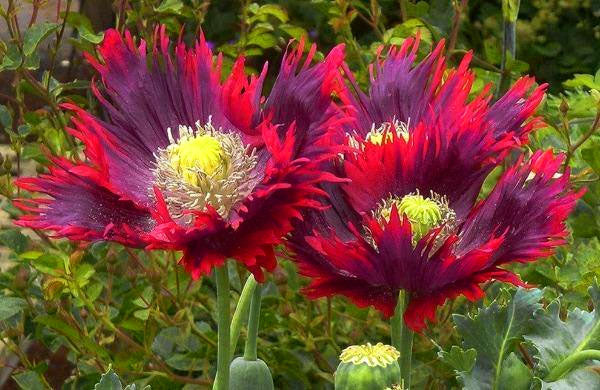
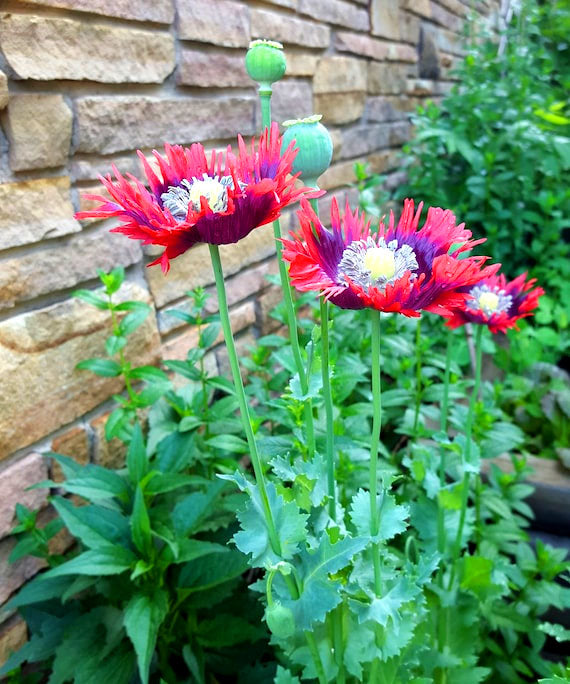
Poppy Peony ‘Drama Queen’ Seeds (Papaver paeoniflorum)
Make a bold statement in your garden with Poppy Peony ‘Drama Queen’ (Papaver paeoniflorum). This annual produces large, double, peony-like blooms in vivid red shades, adding drama and elegance to borders, beds, and cutting gardens. Easy to grow and long-flowering, it’s perfect for creating eye-catching displays and stunning bouquets.
How to Grow
-
Sow seeds directly outdoors in spring after the last frost or indoors 6–8 weeks earlier.
-
Use well-drained soil in a sunny location.
-
Scatter seeds thinly and press lightly onto the soil; do not cover deeply.
-
Keep soil moist until germination (10–20 days).
-
Thin seedlings to 20–30 cm apart once established.
-
Cut flowers regularly to encourage continuous blooming.
Key Features
-
Large, double, peony-like blooms in vivid red
-
Hardy annual, easy to grow and long-flowering
-
Ideal for borders, beds, and cutting gardens
-
Attracts bees, butterflies, and other pollinators
-
Dramatic and eye-catching garden display
Ideal For
-
Flower borders and cottage gardens
-
Cutting gardens for fresh bouquets
-
Containers and patio planters
-
Pollinator-friendly gardens
Sowing
-
Best time: Spring outdoors or 6–8 weeks earlier indoors
-
Germination: 10–20 days
-
Sow thinly, press lightly, do not cover deeply
-
Prefers full sun and well-drained soil
Quick Tip
-
Sow successive batches every 2–3 weeks for a longer flowering season and continuous dramatic blooms.
Honeywort – Seeds (Cerinthe major)
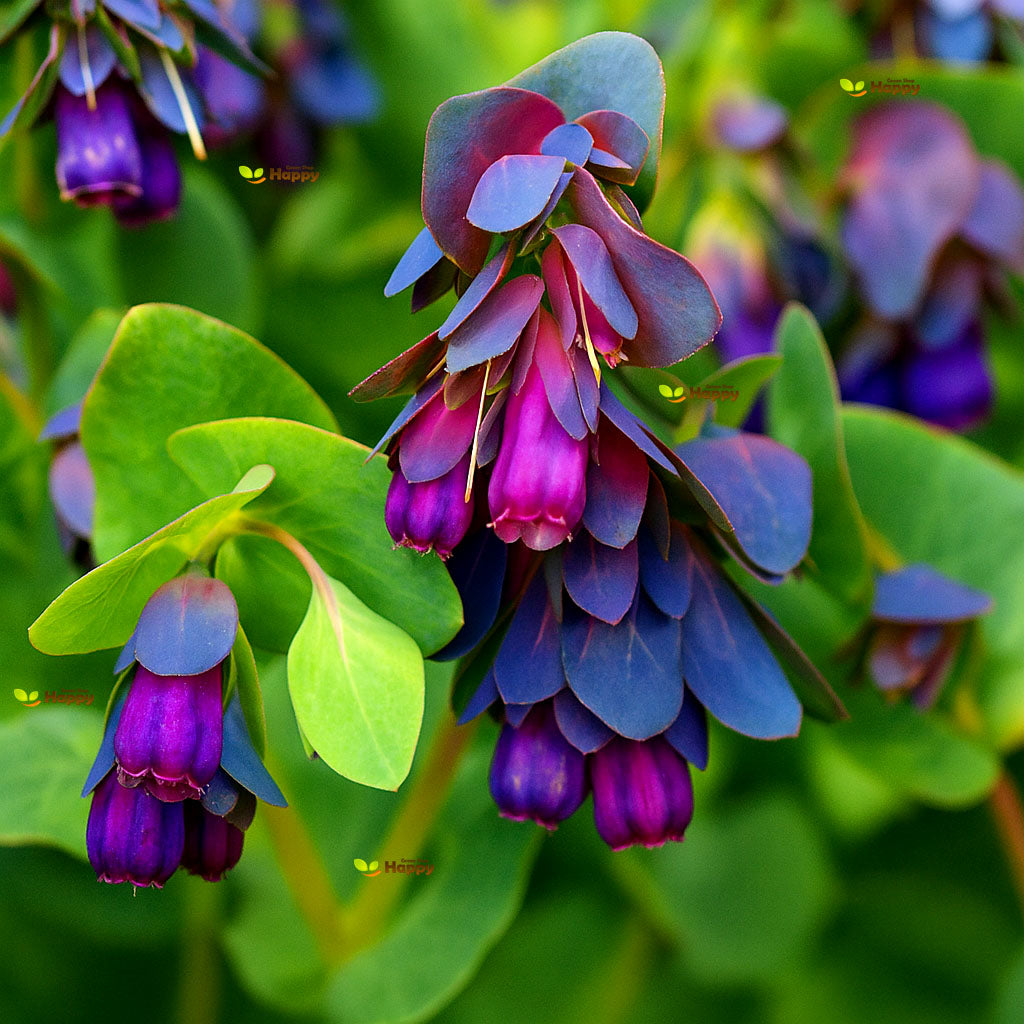
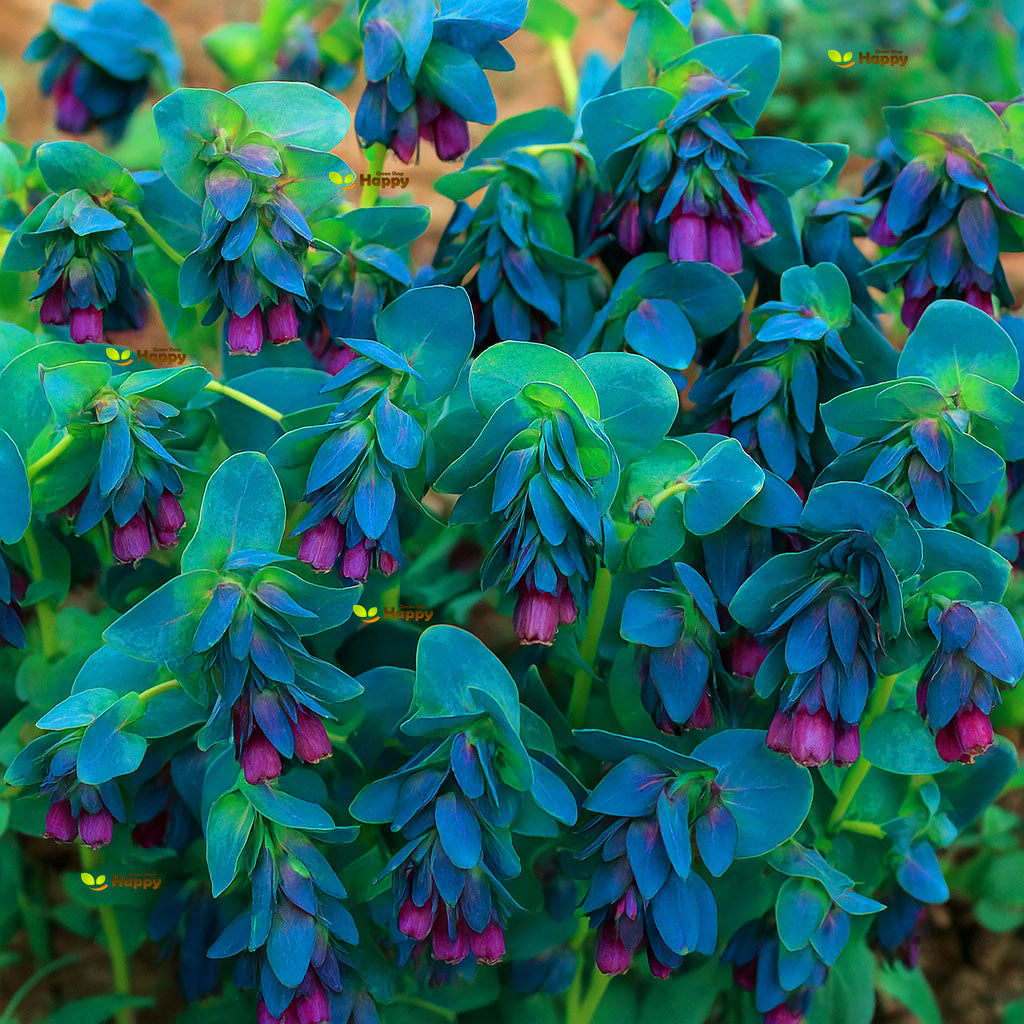
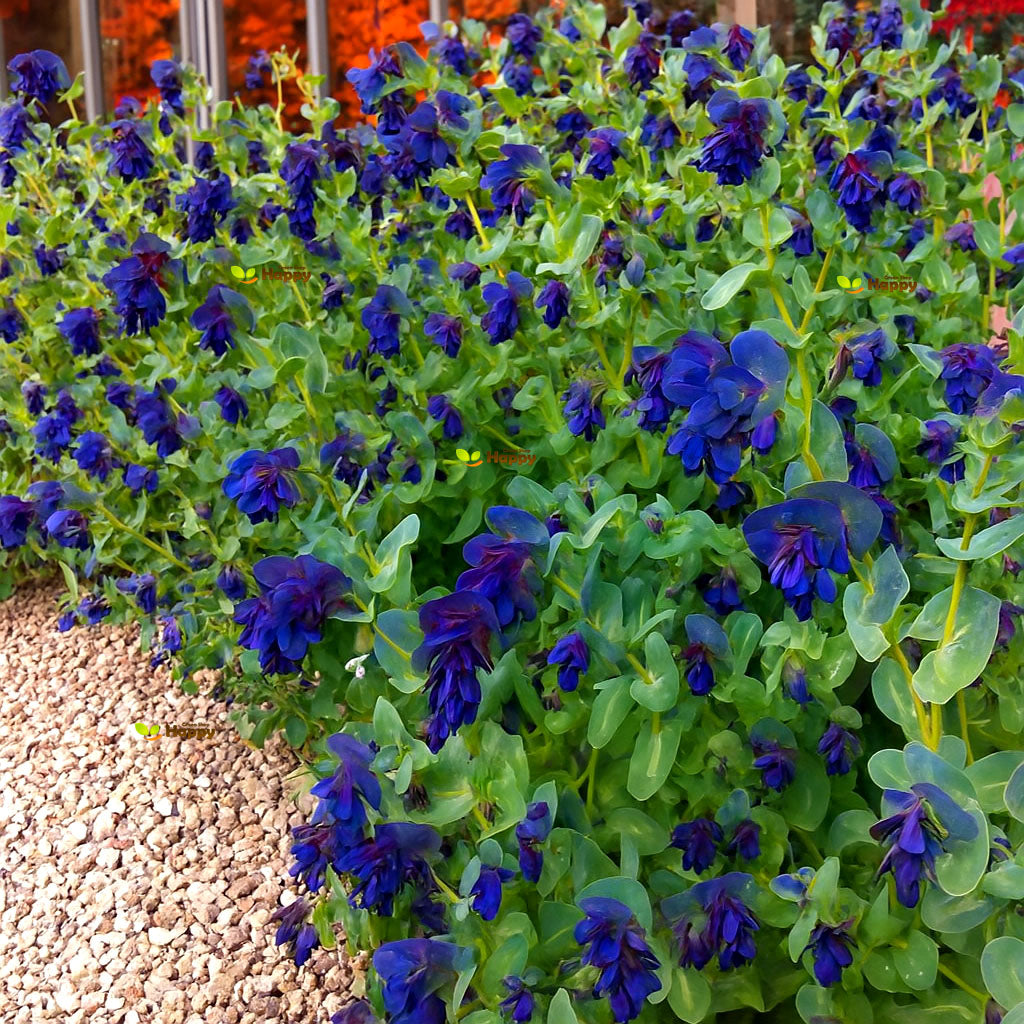
Honeywort (Cerinthe major) is an eye-catching annual with striking blue-purple tubular flowers and silvery-green foliage. Loved by bees and other pollinators, it adds unique texture and color to borders, cottage gardens, and wildflower mixes. Fast-growing and low-maintenance, it thrives in sunny, well-drained spots.
Why Grow "Honeywort"
-
Striking blue-purple tubular flowers
-
Silvery-green, ornamental foliage
-
Attracts pollinators including bees and butterflies
-
Easy to grow and low-maintenance
Key Features
-
Type: Hardy annual (Cerinthe major)
-
Height: 40–60 cm
-
Flowering: June–September
-
Position: Full sun, well-drained soil
-
Uses: Borders, cottage gardens, wildflower mixes, pollinator gardens
Ideal For
-
Pollinator-friendly gardens
-
Cottage and naturalistic borders
-
Adding height and color contrast
-
Wildflower plantings
Sowing & Growing
-
Sow outdoors: March–May in prepared soil
-
Germination: 10–20 days at 18–22°C
-
Thin seedlings to 25 cm apart
-
Prefers full sun and well-drained soil
-
Deadhead to encourage prolonged flowering
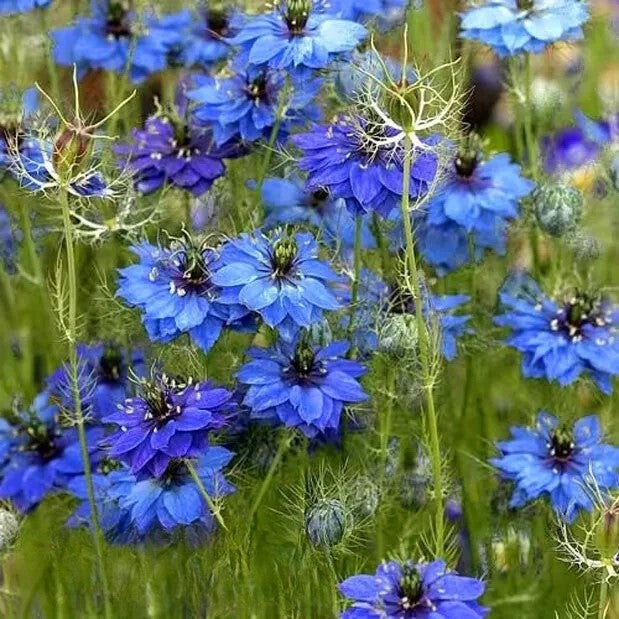
Love-in-a-Mist ‘Miss Jekyll’ Indigo Blue – Romantic Cottage Garden Classic
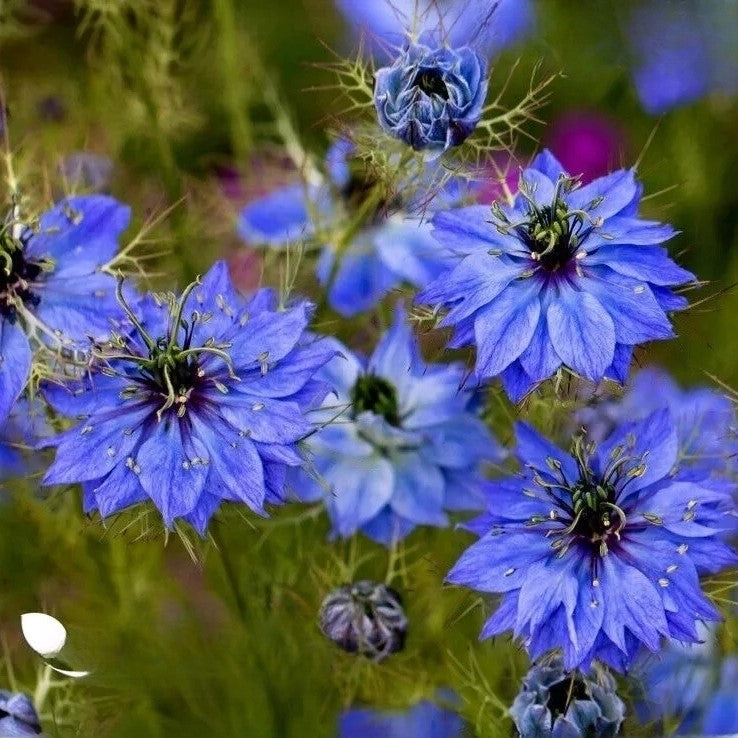
Love-in-a-Mist ‘Miss Jekyll’ produces masses of delicate, sky-like indigo-blue flowers surrounded by fine, ferny foliage. This charming annual blooms over a long summer season, adding soft texture and a whimsical feel to beds, borders, and cut flower arrangements. Decorative seed pods follow the blooms, perfect for drying.
What Makes It Special
-
Iconic cottage garden favourite
-
Rich indigo-blue blooms with airy green bracts
-
Long flowering season and attractive seed pods
-
Easy to grow and self-seeds freely
-
Suitable for fresh and dried arrangements
Key Features
-
Height: 45–60 cm – graceful upright growth
-
Pollinator-friendly – loved by bees
-
Ornamental seed heads extend garden interest
-
Tolerant of poor soil and low maintenance
-
Hardy annual
Ideal For
-
Cottage and wildflower gardens
-
Cutting gardens and dried flower crafts
-
Borders and mixed plantings
-
Naturalising for effortless summer color
Sowing
-
Direct sow in spring or autumn where they are to flower
-
Sow thinly, cover lightly with fine soil
-
Germination: 10–14 days at 15–20°C
-
Thin seedlings to 20 cm apart
-
Prefers full sun and well-drained soil

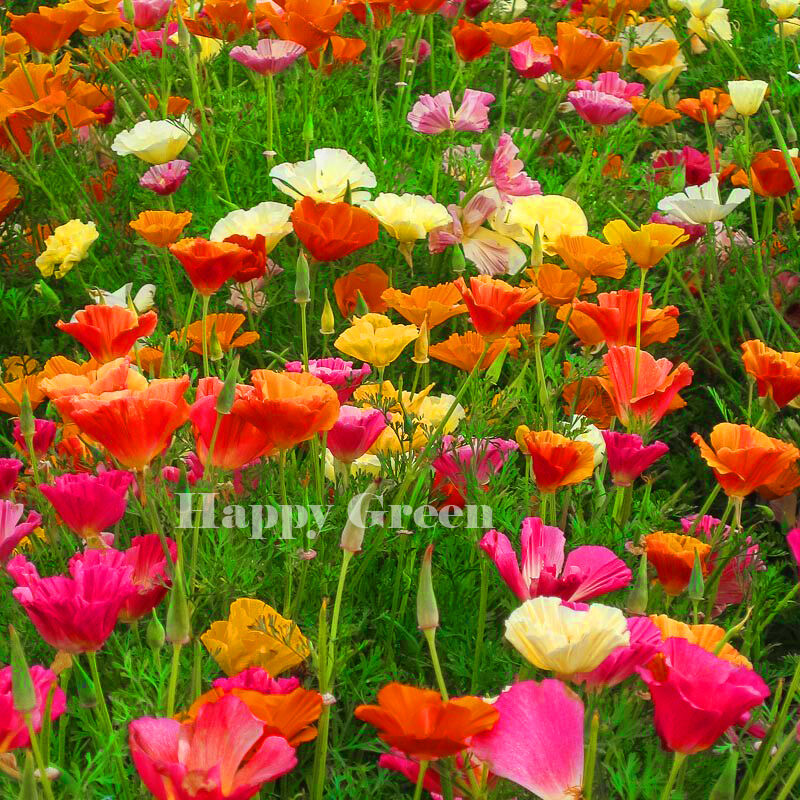
California Poppy Mix – Bright, Cheerful Blooms
California Poppies (Eschscholzia californica) offer vibrant, cup-shaped flowers in a mix of stunning colors that brighten any garden. Hardy and low-maintenance, these annuals thrive in sunny spots and well-drained soil, creating a natural, carefree meadow effect.
What Makes It Special
-
Vibrant, colorful blooms
-
Hardy and drought-tolerant
-
Easy to grow and maintain
-
Creates a natural, meadow-like effect
Key Features
-
Annual plant
-
Grows 30–45 cm tall
-
Blooms from late spring to autumn
-
Thrives in full sun with well-drained soil
-
Attracts bees and pollinators
Ideal For
-
Garden borders and beds
-
Wildflower meadows
-
Container planting
-
Pollinator-friendly gardens
Sowing
-
Sow directly outdoors after last frost
-
Plant seeds 0.5 cm deep
-
Germination: 7–14 days at 15–20°C
-
Space 15–20 cm apart
-
Minimal watering once established
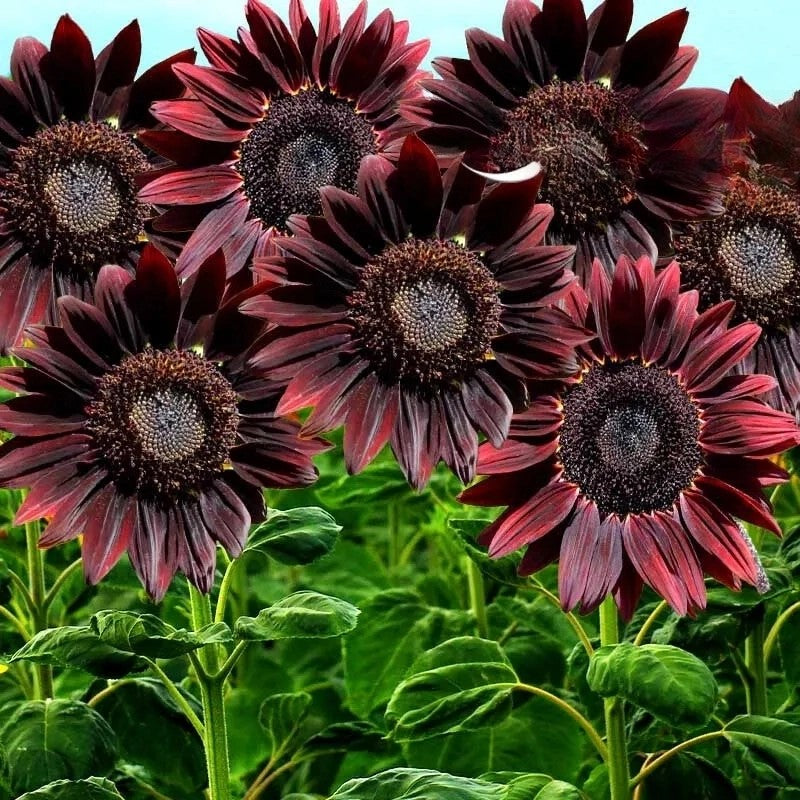
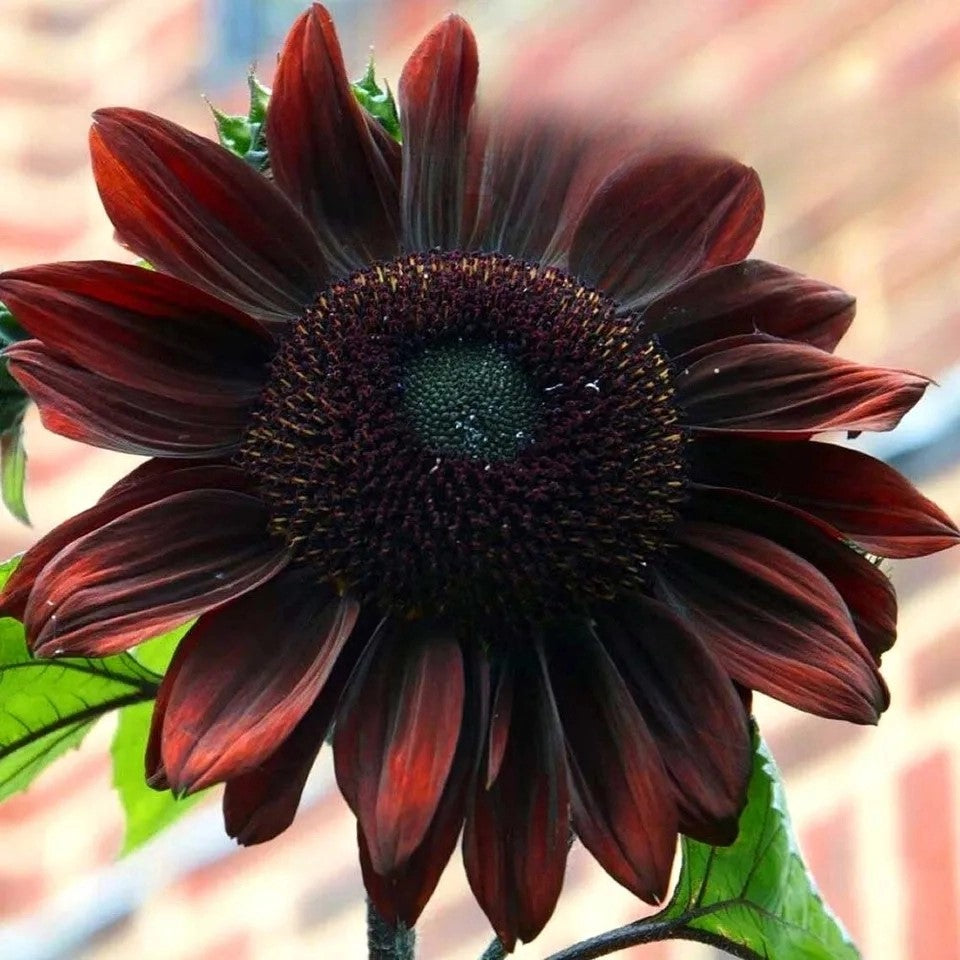
Sunflower ‘Chocolate’ Seeds (Helianthus annuus)
Sunflower ‘Chocolate’ is a striking annual with rich, dark brown to chocolate-colored blooms. Blooming from mid-summer to early autumn, it adds dramatic contrast and height to borders, flower beds, and cut-flower gardens. Hardy, easy to grow, and pollinator-friendly, it’s perfect for creating bold garden statements.
What Makes It Special
-
Unique chocolate-brown flower heads
-
Tall, striking stems ideal for borders and cut flowers
-
Hardy, low-maintenance, and attracts bees and pollinators
Key Features
-
Botanical name: Helianthus annuus
-
Annual
-
Height: 120–180 cm
-
Bloom time: Mid-summer to early autumn
Ideal For
-
Borders, flower beds, and cut-flower gardens
-
Pollinator-friendly plantings
-
Bold garden accents and visual interest
Sowing
-
Sow indoors Mar–Apr or outdoors after last frost
-
Cover seeds lightly with soil
-
Germination: 7–14 days at 18–22°C
-
Space seedlings 30–50 cm apart
-
Flowers the same year
Showing 9/161


