
Sort by:
3 products
3 products
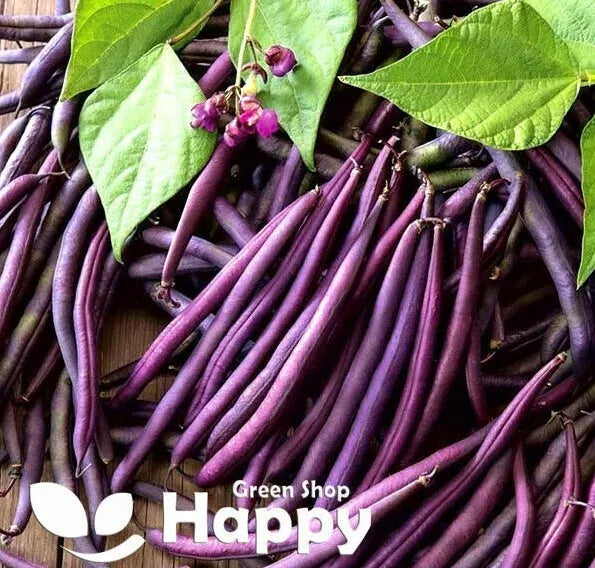
French Bean ‘Purple Queen’ Seeds (Phaseolus vulgaris)
Add vibrant color to your vegetable garden with French Bean ‘Purple Queen’ (Phaseolus vulgaris). This climbing variety produces glossy, deep purple pods that turn green when cooked, offering both visual appeal and tender, flavorful beans. Easy to grow and highly productive, it’s perfect for fresh eating, steaming, or freezing.
How to Grow
-
Sow seeds directly outdoors after the last frost or start indoors 4–6 weeks earlier.
-
Use well-drained, fertile soil in full sun.
-
Plant seeds 2–3 cm deep and 10–15 cm apart, with rows 40–50 cm apart.
-
Provide stakes or a trellis to support climbing growth.
-
Water regularly, especially during flowering and pod development.
-
Harvest pods when young and tender for best flavor.
Key Features
-
Glossy deep purple pods that turn green when cooked
-
Climbing, highly productive variety
-
Easy to grow and maintain
-
Ideal for fresh eating, steaming, or freezing
-
Adds vibrant color and interest to vegetable gardens
Ideal For
-
Vegetable gardens and allotments
-
Fresh harvest, cooking, and freezing
-
Climbing plant displays in garden beds
-
Homegrown culinary use
Sowing
-
Best time: After last frost outdoors or 4–6 weeks earlier indoors
-
Depth: 2–3 cm
-
Spacing: 10–15 cm apart, rows 40–50 cm apart
-
Prefers full sun and fertile, well-drained soil
Quick Tip
-
Regularly pick pods to encourage continuous production and vibrant color.
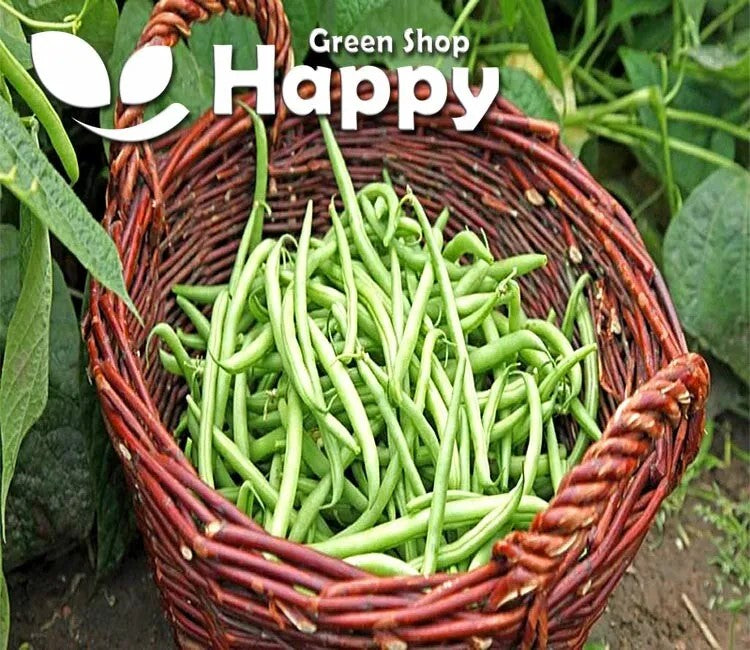
French Bean ‘Blue Lake’ Seeds (Phaseolus vulgaris)
Harvest crisp, tender beans with French Bean ‘Blue Lake’ (Phaseolus vulgaris). This classic variety produces long, uniform, deep green pods ideal for fresh eating, steaming, or freezing. Easy to grow and highly productive, it’s perfect for vegetable gardens, allotments, and homegrown cooking.
How to Grow
-
Sow seeds directly outdoors after the last frost or start indoors 4–6 weeks earlier.
-
Use well-drained, fertile soil in full sun.
-
Plant seeds 2–3 cm deep and 10–15 cm apart, with rows 40–50 cm apart.
-
Support climbing varieties with stakes or a trellis if needed.
-
Water regularly to keep soil moist, especially during flowering and pod formation.
-
Harvest pods when they are young, tender, and well-filled.
Key Features
-
Long, uniform, deep green pods
-
Highly productive and easy to grow
-
Ideal for fresh eating, steaming, or freezing
-
Hardy and reliable in temperate climates
-
Perfect for vegetable gardens, allotments, and homegrown cooking
Ideal For
-
Vegetable gardens and allotments
-
Fresh harvest, steaming, and freezing
-
Companion planting with nitrogen-fixing crops
-
Homegrown culinary use
Sowing
-
Best time: After last frost outdoors or 4–6 weeks earlier indoors
-
Depth: 2–3 cm
-
Spacing: 10–15 cm apart, rows 40–50 cm apart
-
Prefers full sun and fertile, well-drained soil
Quick Tip
-
Pick pods regularly to encourage continuous production throughout the season.
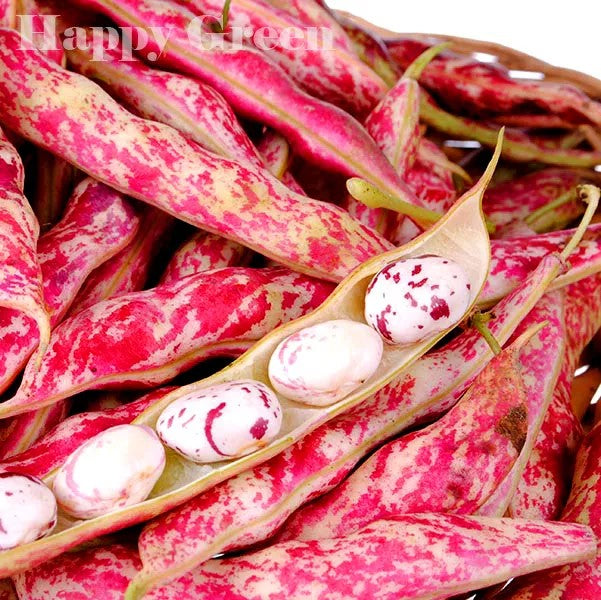
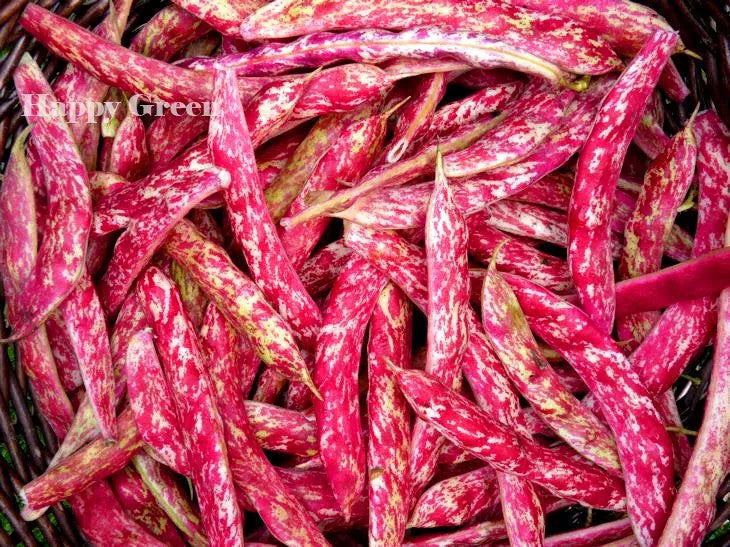
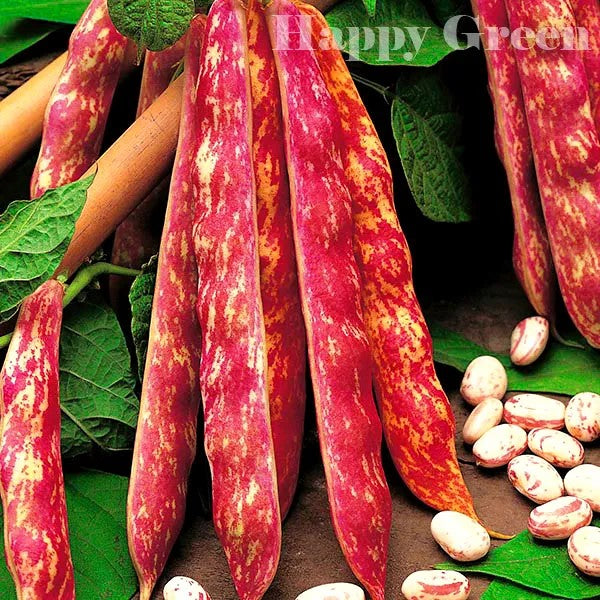
French Bean 'Borlotto Lingua di Fuoco Nano' – Seeds (Phaseolus vulgaris)
The Borlotto Lingua di Fuoco Nano (Dwarf Firetongue Bean) is a stunning variety of French bean, prized for its vibrant red-streaked pods and delicious, creamy beans. Compact and easy to grow, this dwarf type requires no staking, making it ideal for smaller gardens, allotments, and containers. Both pods and shelled beans can be enjoyed fresh or dried for winter use.
How to Grow
-
Sow seeds outdoors from late May to July after the last frost.
-
Plant 3–5 cm deep, 15–20 cm apart, in rows 45 cm apart.
-
Prefers fertile, well-drained soil in full sun.
-
Keep soil moist but not waterlogged.
-
Harvest pods when young for eating fresh, or allow to mature for drying.
Key Features
-
Striking red-streaked pods with creamy beans inside
-
Dwarf habit – no staking required
-
Delicious fresh or dried for storage
-
High-yielding and reliable cropper
-
Compact plants perfect for small spaces
Ideal For
-
Kitchen gardens and allotments
-
Container growing
-
Traditional Italian dishes
-
Freezing or drying for winter use
Sowing & Harvest
-
Sow: May to July
-
Depth: 3–5 cm
-
Spacing: 15–20 cm
-
Harvest: July to September
Quick Tip
-
For the best flavor, harvest pods while still slightly immature, or let them mature fully for drying and storing.


