
Sort by:
30 products
30 products
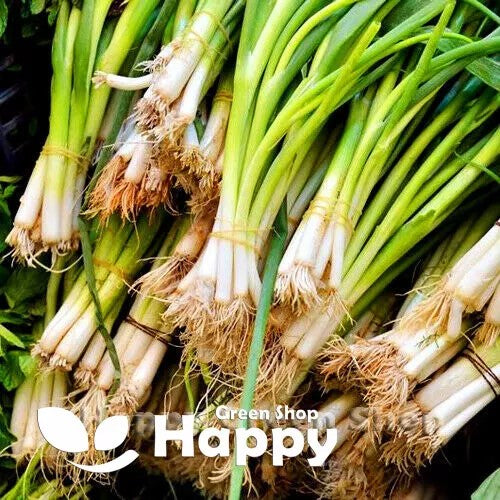
Spring Onion 'White Lisbon' Seeds (Allium cepa)
A classic favorite, Spring Onion 'White Lisbon' is one of the most popular and reliable scallion varieties. It produces crisp, mild-flavored stems with bright white bases and vibrant green tops, perfect for salads, stir-fries, and garnishes. Fast-growing and hardy, it can be sown throughout the season for a continuous supply of fresh spring onions.
How to Grow
-
Sow directly outdoors from early spring to autumn.
-
Prefers light, well-drained soil in full sun.
-
Sow thinly, 1 cm deep in rows 20 cm apart.
-
Thin seedlings to 2–3 cm spacing.
-
Harvest when stems reach pencil thickness.
Key Features
-
Traditional, best-loved spring onion variety
-
Mild, fresh flavor with crisp stems
-
Quick to mature and easy to grow
-
Can be sown successionally for year-round harvest
-
Perfect for beds, borders, or containers
Ideal For
-
Fresh salads and garnishes
-
Stir-fries and Asian dishes
-
Continuous cropping through the season
-
Beginner-friendly gardens and containers
Sowing
-
Best time: February to October
-
Depth: 1 cm
-
Row spacing: 20 cm
-
Plant spacing: Thin to 2–3 cm
-
Harvest: From 8 weeks after sowing
Quick Tip
-
For tender, mild stems, sow little and often to enjoy fresh onions all season long.


Arugula ‘Garden Rocket’ Seeds (Eruca sativa)
Bring a peppery kick to your kitchen garden with Arugula ‘Garden Rocket’ (Eruca sativa). This fast-growing leafy green produces tender, deeply lobed leaves with a zesty, mustard-like flavor that’s perfect for salads, sandwiches, pizzas, and pasta dishes. Easy to grow and quick to mature, rocket is a must-have for continuous fresh harvests all season long.
How to Grow
-
Sow seeds directly outdoors from spring through autumn.
-
Use fertile, well-drained soil in full sun or partial shade.
-
Sow seeds 0.5 cm deep in rows, spacing 10–15 cm apart.
-
Keep soil moist for steady growth.
-
Harvest young leaves within 3–5 weeks for the best flavor.
Key Features
-
Fast-growing leafy green with peppery flavor
-
Ready to harvest in just a few weeks
-
Perfect for salads, sandwiches, pizzas, and pasta
-
Easy to grow in beds, borders, or containers
-
Continuous cropping with succession sowing
Ideal For
-
Fresh kitchen use in salads and cooked dishes
-
Containers, raised beds, and garden borders
-
Quick, cut-and-come-again harvesting
-
Gardeners of all skill levels
Sowing
-
Best time: Spring to autumn outdoors
-
Depth: 0.5 cm
-
Spacing: 10–15 cm apart
-
Prefers sun or partial shade with well-drained soil
Quick Tip
-
Sow every 2–3 weeks for a steady supply of young, tender leaves.
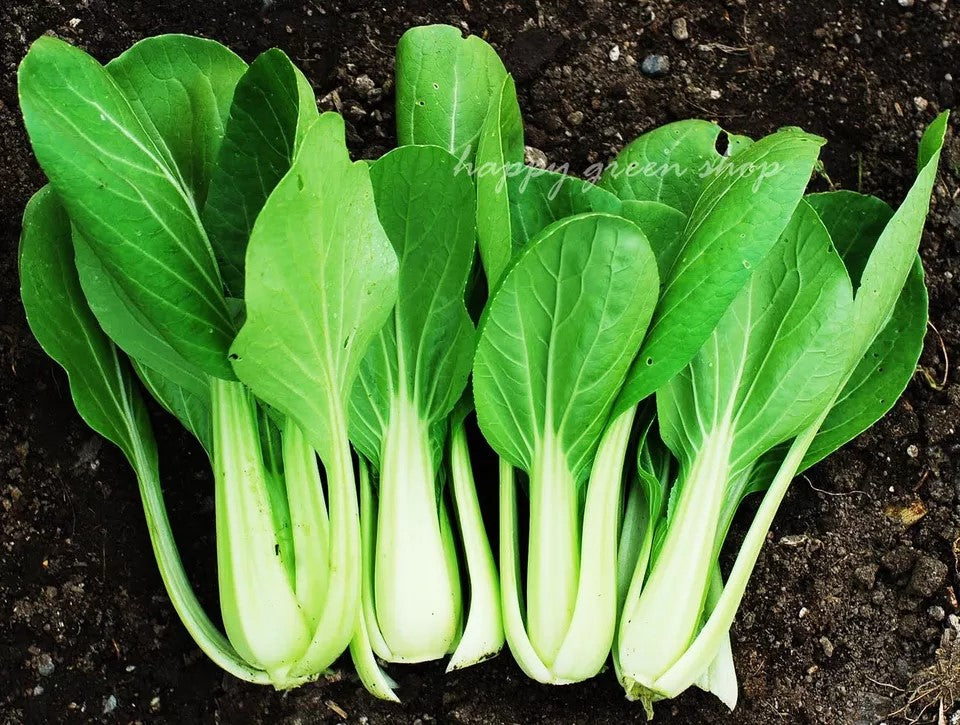
Chinese Cabbage ‘Pak Choi’ Seeds (Brassica oleracea)
Add fresh crunch to your kitchen garden with Chinese Cabbage ‘Pak Choi’ (Brassica oleracea). This fast-growing Asian green produces crisp white stems and tender, glossy green leaves with a mild, sweet flavor. Delicious in stir-fries, soups, and salads, Pak Choi is versatile, nutritious, and easy to grow in beds, borders, or containers.
How to Grow
-
Sow seeds indoors from early spring or directly outdoors from spring to late summer.
-
Use fertile, moist, well-drained soil in full sun or partial shade.
-
Sow seeds 1 cm deep and thin seedlings to 20–25 cm apart.
-
Keep soil consistently moist to prevent bolting.
-
Harvest young leaves as cut-and-come-again or allow plants to mature for full heads.
Key Features
-
Crisp white stems with tender, green leaves
-
Mild, sweet flavor with high nutritional value
-
Fast-growing and productive crop
-
Excellent for stir-fries, soups, and fresh salads
-
Thrives in gardens, raised beds, and containers
Ideal For
-
Stir-fries, soups, and salads
-
Cut-and-come-again harvesting or full heads
-
Home gardens, allotments, and container growing
-
Quick, healthy crops for continuous harvest
Sowing
-
Best time: Spring to late summer
-
Depth: 1 cm
-
Spacing: 20–25 cm apart
-
Prefers full sun or partial shade, fertile and moist soil
Quick Tip
-
Sow in succession every few weeks for a steady supply of fresh, crunchy Pak Choi.
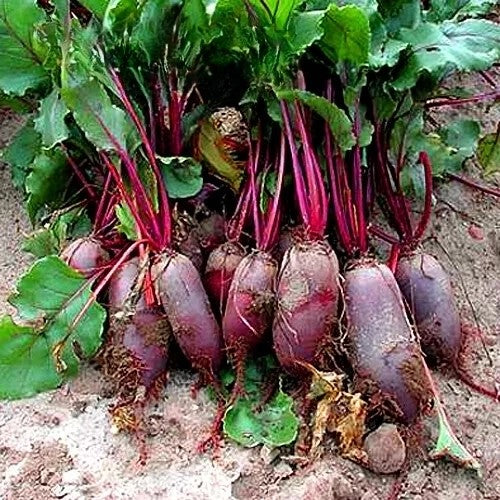
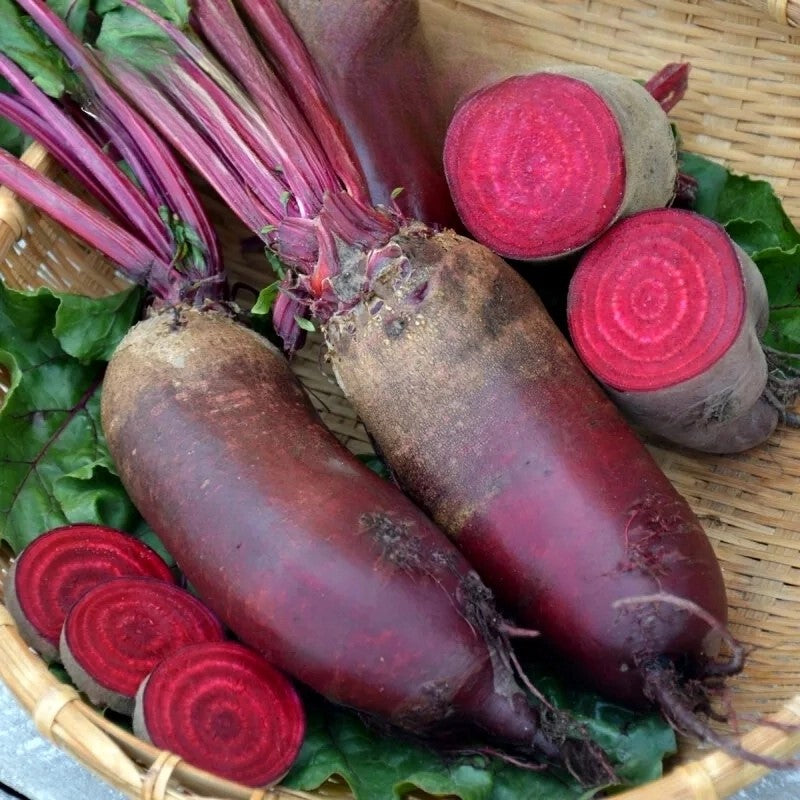
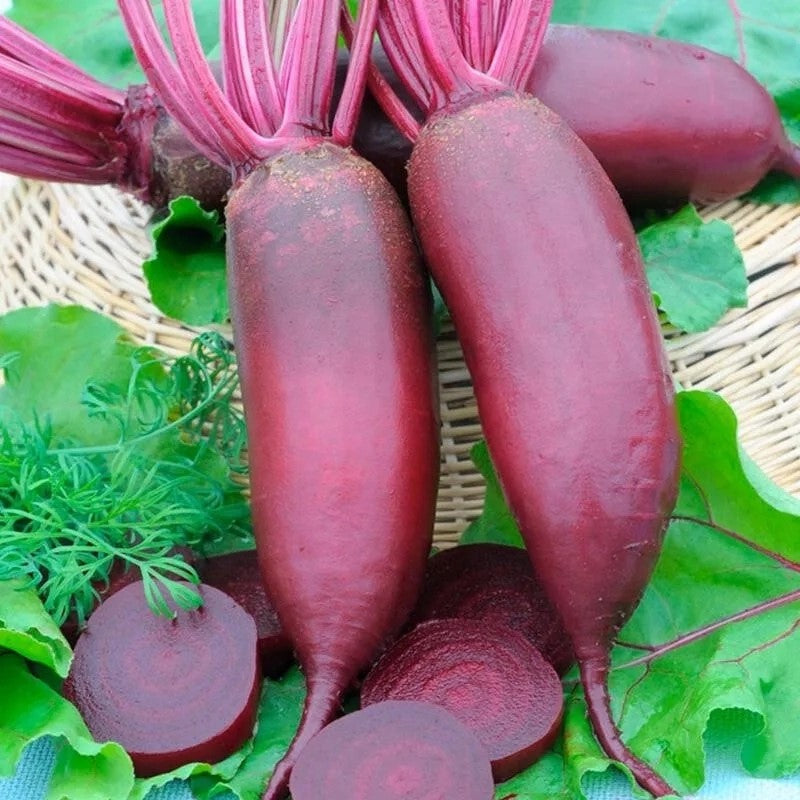
Beetroot 'Alexis' – Seeds
(Beta vulgaris) – Sweet, Tender & Early Harvest Variety
Beetroot 'Alexis' is a reliable, early-maturing variety known for its smooth, uniform, round roots with intensely dark red flesh that remains free of rings. It has a sweet, tender flavor even when roots grow larger, making it suitable for fresh eating, roasting, juicing, and preserving. The variety also shows good resistance to bolting.
Key Features
-
Type: Hardy biennial, grown as annual
-
Roots: Round, uniform, smooth skin
-
Flesh: Deep red, no rings
-
Flavor: Sweet, tender, mild earthy taste
-
Harvest: Early to mid-season
-
Use: Fresh salads, cooking, juicing, pickling, storage
Ideal For
-
Kitchen & home gardens
-
Early cropping with reliable yields
-
Fresh culinary use & winter storage
-
Succession sowing for continuous supply
Sowing & Growing
-
Sow outdoors: April–July, in rows 2–3 cm deep.
-
Spacing: 10 cm between plants, 25–30 cm between rows.
-
Soil: Fertile, light, well-drained, stone-free soil.
-
Harvest: June–October, depending on sowing time.
Care Tips
-
Thin seedlings early to allow roots to swell properly.
-
Keep soil consistently moist for tender, sweet roots.
-
Harvest when small for baby beets or later for larger storage roots.
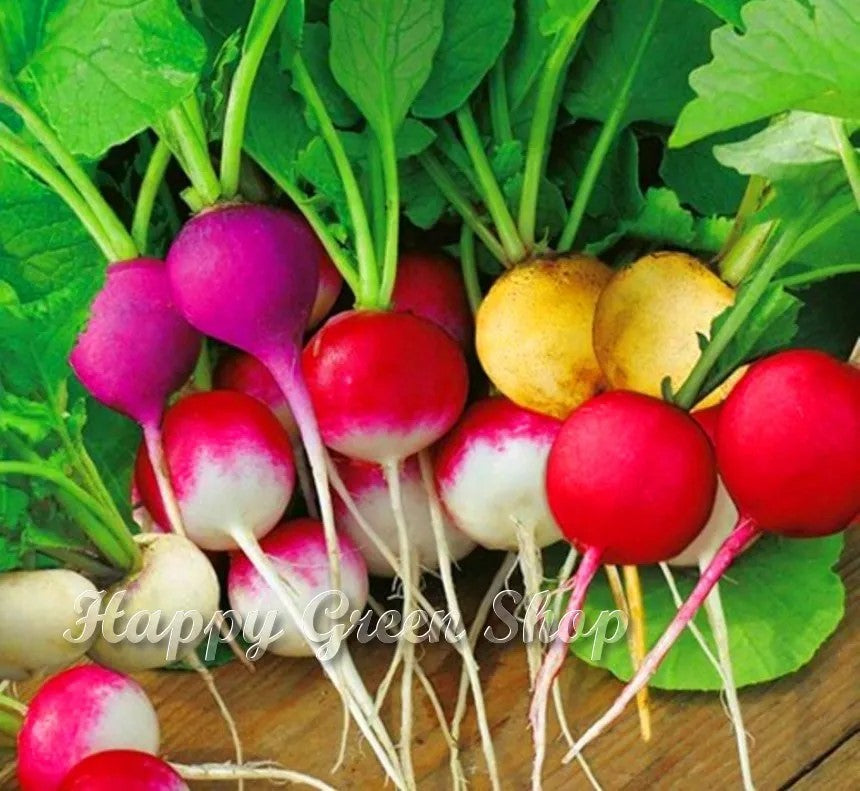
Radish 'Rainbow Mixed' Seeds (Raphanus sativus)
Brighten up your salads with Radish 'Rainbow Mixed', a colorful blend of quick-growing radishes in vibrant shades of red, pink, white, yellow, and purple. Crisp, crunchy, and full of flavor, this mix provides variety in both taste and appearance. Perfect for gardeners who want fast results and a cheerful harvest.
How to Grow
-
Sow directly outdoors from early spring through late summer.
-
Prefers light, well-drained soil in full sun.
-
Sow seeds thinly, 1–1.5 cm deep in rows 15 cm apart.
-
Thin seedlings to 3–5 cm spacing for best roots.
-
Keep soil moist for tender, mild radishes.
Key Features
-
Colorful blend of red, pink, white, yellow, and purple radishes
-
Crisp, crunchy texture with mild to peppery flavor
-
Fast-growing and ready in just a few weeks
-
Adds variety and color to salads and garnishes
-
Suitable for succession sowing for continuous crops
Ideal For
-
Fresh salads, snacks, and garnishes
-
Quick and easy crops for beginners
-
Adding vibrant color to the vegetable patch
-
Continuous harvests through spring and summer
Sowing
-
Best time: March to September
-
Depth: 1–1.5 cm
-
Row spacing: 15 cm
-
Plant spacing: Thin to 3–5 cm
-
Harvest: 3–5 weeks after sowing
Quick Tip
-
Sow little and often for a steady supply of fresh, colorful radishes.
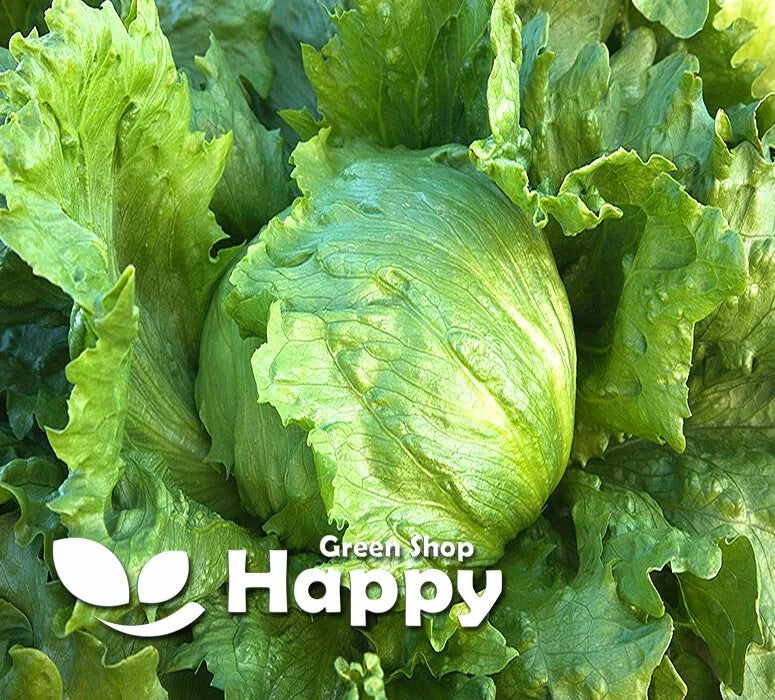
Iceberg Lettuce ‘Great Lakes 118’ Seeds (Lactuca sativa)
Grow crisp, refreshing heads with Iceberg Lettuce ‘Great Lakes 118’ (Lactuca sativa). This classic variety produces firm, compact, light-green heads with a crunchy texture, perfect for fresh salads, sandwiches, and burgers. Easy to grow and early-maturing, it’s ideal for vegetable gardens, raised beds, and continuous harvests.
How to Grow
-
Sow seeds directly outdoors from early spring to early summer, or indoors for transplanting.
-
Use fertile, well-drained soil in full sun to partial shade.
-
Sow seeds thinly and cover lightly with soil; keep moist until germination (7–14 days).
-
Thin seedlings to 25–30 cm apart for healthy head development.
-
Harvest heads when firm and fully formed, before they bolt.
Key Features
-
Firm, compact, light-green heads with crunchy texture
-
Early-maturing and easy to grow
-
Ideal for fresh salads, sandwiches, and burgers
-
Reliable and productive in temperate climates
-
Suitable for outdoor or protected cultivation
Ideal For
-
Vegetable gardens, raised beds, and allotments
-
Fresh salads, sandwiches, and burgers
-
Continuous harvest with succession sowing
-
Homegrown kitchen gardens
Sowing
-
Best time: Early spring to early summer outdoors or indoors for transplanting
-
Germination: 7–14 days
-
Spacing: Thin to 25–30 cm apart
-
Prefers full sun to partial shade and fertile, well-drained soil
Quick Tip
-
Sow in successive batches every 2–3 weeks to enjoy a continuous supply of crisp heads.
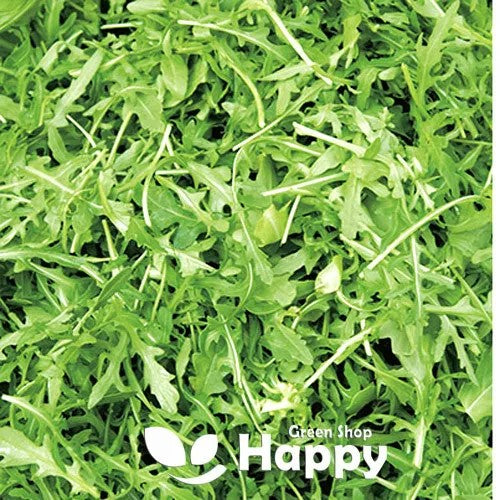
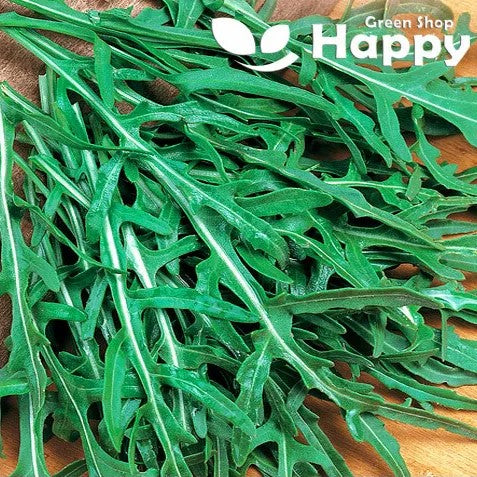
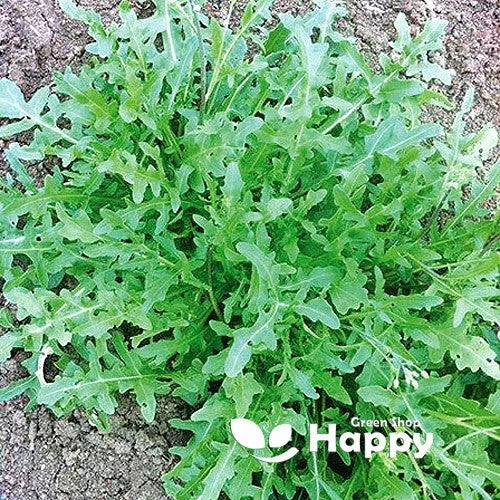
Baby Leaf Arugula – Wild Wall Rocket – Seeds (Diplotaxis muralis)
Wild Wall Rocket (Diplotaxis muralis) is a vigorous, fast-growing salad green with small, deeply serrated leaves and a strong, peppery flavor. Perfect as a baby leaf crop, it adds a zesty kick to salads, sandwiches, and garnishes. Compared to regular arugula, it has a more intense taste and exceptional regrowth, making it ideal for repeat harvests throughout the season.
How to Grow
-
Sow directly outdoors from March to September in shallow drills (0.5 cm deep).
-
Space rows 15–20 cm apart.
-
For baby leaves, harvest when young; for larger plants, thin seedlings to 10 cm apart.
-
Prefers full sun to partial shade and well-drained soil.
-
Water regularly to prevent leaves from becoming too spicy.
Key Features
-
Strong, peppery flavor – spicier than standard arugula
-
Quick-growing, ready to cut in just 3–5 weeks
-
Continuous regrowth after cutting (cut & come again)
-
Excellent for salads, sandwiches, and garnishes
-
Rich in vitamins A, C, and minerals
Ideal For
-
Baby leaf production
-
Salad mixes and kitchen gardens
-
Gardeners looking for a stronger, wild arugula flavor
Sowing & Harvest
-
Sow: March – September
-
Harvest: April – October (baby leaves in 3–5 weeks)
Quick Tip
-
To enjoy tender leaves, pick regularly before plants flower. Succession sow every 2–3 weeks for a continuous supply.


Herb Corn Salad Seeds (Valerianella locusta)
Also known as Lamb’s Lettuce or Mâche, Corn Salad is a fast-growing leafy green with soft, nutty-flavored leaves. Popular in European cuisine, it’s perfect for salads, sandwiches, and as a tender garnish. Hardy and cold-tolerant, it thrives in cooler months, making it an excellent choice for autumn and winter harvests. Easy to grow and highly nutritious, it’s a must-have for year-round salads.
How to Grow
-
Sow directly outdoors from March to May, and again from August to October.
-
Prefers fertile, well-drained soil in full sun or partial shade.
-
Sow thinly, 1 cm deep, in rows 20 cm apart.
-
Thin seedlings to 10 cm spacing for healthy plants.
-
Harvest young leaves as needed for cut-and-come-again cropping.
Key Features
-
Tender, nutty-flavored leaves
-
Hardy and cold-tolerant, ideal for winter salads
-
Quick and easy to grow
-
Perfect for cut-and-come-again harvesting
-
Highly nutritious and versatile in the kitchen
Ideal For
-
Autumn and winter vegetable gardens
-
Fresh salads and sandwich fillings
-
Containers, raised beds, and small gardens
-
Gardeners seeking a reliable cool-season green
Sowing
-
Best time: March–May, August–October
-
Depth: 1 cm
-
Spacing: 10 cm between plants, 20 cm between rows
-
Position: Full sun or partial shade
-
Harvest: October to March
Quick Tip
-
Succession sow every few weeks for a continuous supply of fresh leaves throughout the cooler seasons.
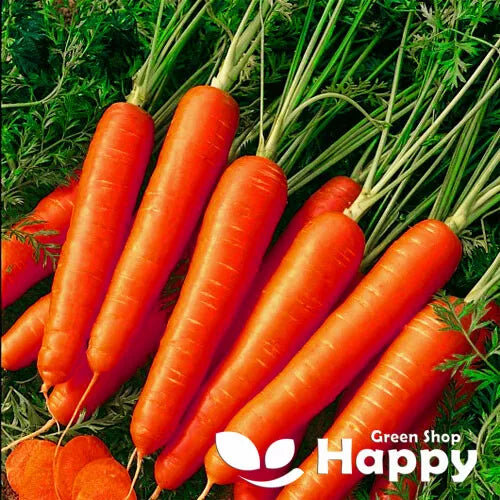
Red Carrot ‘Korina’ Seeds (Daucus carota)
Add vibrant color to your garden with Red Carrot ‘Korina’ (Daucus carota). This early-maturing variety produces bright red, tapered roots with sweet, crisp flesh, perfect for salads, cooking, and roasting. Easy to grow and highly productive, it’s ideal for vegetable gardens, raised beds, and succession sowing.
How to Grow
-
Sow seeds directly outdoors from early spring to midsummer.
-
Use fertile, well-drained soil in full sun.
-
Sow seeds 1 cm deep and thin seedlings to 5–8 cm apart.
-
Keep soil consistently moist to support germination (10–14 days).
-
Harvest roots when they reach full size but remain tender for best flavor.
Key Features
-
Bright red, sweet, and crisp tapered roots
-
Early-maturing and easy to grow
-
Ideal for salads, cooking, and roasting
-
Reliable and productive in temperate climates
-
Suitable for succession sowing for continuous harvest
Ideal For
-
Vegetable gardens, raised beds, and kitchen gardens
-
Fresh salads, cooking, and roasting
-
Succession sowing for continuous harvest
-
Homegrown culinary use
Sowing
-
Best time: Early spring to midsummer outdoors
-
Depth: 1 cm
-
Spacing: Thin to 5–8 cm apart
-
Prefers full sun and fertile, well-drained soil
Quick Tip
-
Sow in successive batches every 2–3 weeks to enjoy a steady supply of vibrant, sweet roots.
Showing 9/30

