
Sort by:
6 products
6 products


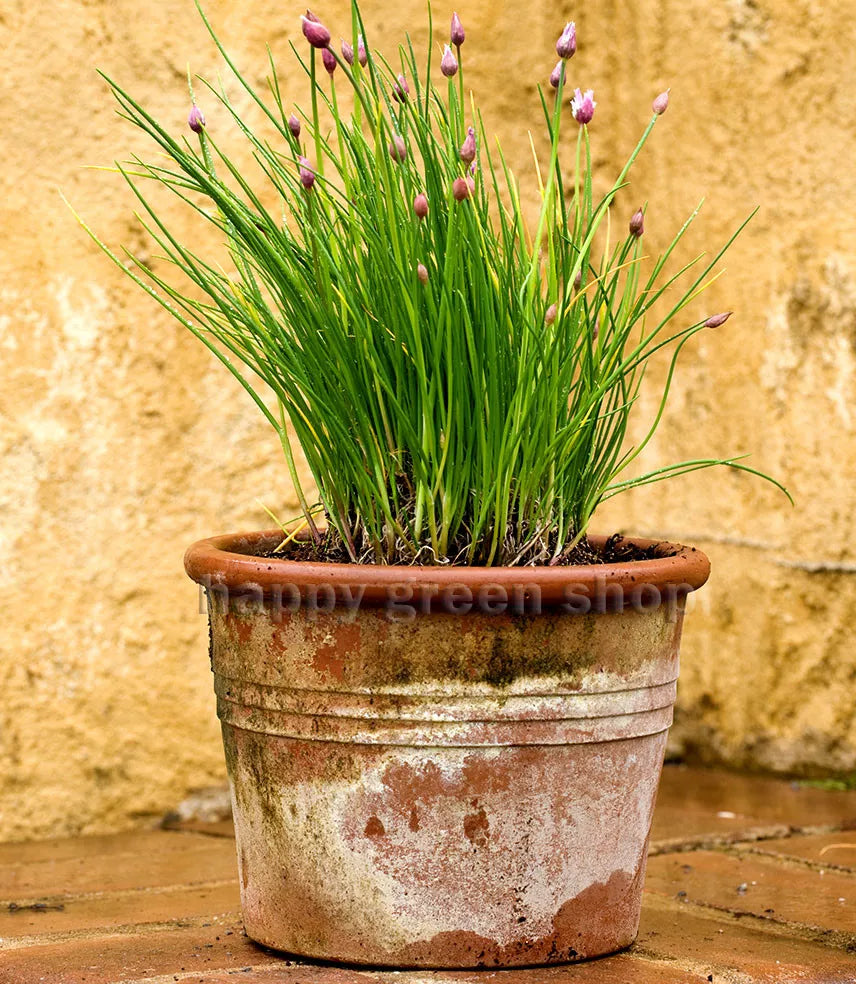
Chives 'Bohemia' - 1000 seeds (Allium schoenoprasum) - Hardy Perennial - Overwintering
£1.24
Unit price perChives 'Bohemia' - 1000 seeds (Allium schoenoprasum) - Hardy Perennial - Overwintering
£1.24
Unit price perChives ‘Bohemia’ – Seeds (Allium schoenoprasum) – Hardy Perennial
Chives ‘Bohemia’ is a hardy perennial herb, perfect for overwintering and providing fresh growth year after year. Known for its fine, hollow green leaves and mild onion flavor, it’s a versatile kitchen herb ideal for salads, soups, sauces, and garnishes. In summer, attractive purple-pink flowers appear, loved by bees and pollinators, making this a decorative as well as useful garden plant.
How to Grow
-
Sow indoors: February – April in pots or trays at 15–20°C.
-
Sow outdoors: April – July in finely prepared soil.
-
Thin or transplant seedlings to 20 cm apart.
-
Prefers full sun or partial shade and well-drained soil.
-
Cut regularly to encourage fresh growth.
Key Features
-
Hardy perennial herb with overwintering growth
-
Fine, mild onion-flavored leaves
-
Decorative purple flowers attract pollinators
-
Easy to grow in pots, borders, or herb gardens
-
Reliable year-round harvests
Ideal For
-
Fresh salads, soups, sauces, and garnishes
-
Herb gardens, borders, and containers
-
Attracting bees and pollinators
Sowing & Harvest
-
Sow: February – July
-
Harvest: May – October, with regrowth in spring
Quick Tip
Divide clumps every few years to maintain healthy growth and extend the lifespan of your chive plants.

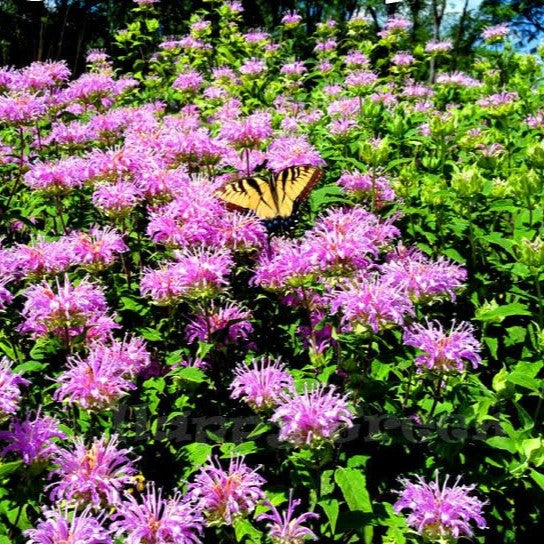
Wild Bergamot – 1,300 Seeds (Monarda fistulosa)
Wild Bergamot (Monarda fistulosa) is a hardy perennial known for its fragrant lavender-pink blooms and aromatic foliage. A favorite of pollinators, it attracts bees, butterflies, and hummingbirds, making it perfect for pollinator gardens, borders, and wildflower meadows. Easy to grow and low-maintenance, it provides long-lasting color and texture from mid-summer to early autumn.
Why Grow "Wild Bergamot"
-
Fragrant lavender-pink blooms
-
Aromatic foliage with medicinal and culinary uses
-
Attracts bees, butterflies, and hummingbirds
-
Hardy and low-maintenance perennial
Key Features
-
Type: Perennial (Monarda fistulosa)
-
Height: 60–90 cm
-
Flowering: July–September
-
Position: Full sun to partial shade
-
Uses: Pollinator gardens, borders, wildflower meadows, cottage gardens
Ideal For
-
Pollinator-friendly gardens
-
Cottage-style or naturalized borders
-
Wildflower meadows
-
Herbal and sensory gardens
Sowing & Growing
-
Sow indoors: February–April in trays
-
Sow outdoors: April–May directly in prepared soil
-
Germination: 10–20 days at 18–22°C
-
Thin seedlings to 30–40 cm apart
-
Prefers well-drained soil and full sun
-
Deadhead to encourage prolonged flowering


Lemon Balm – Seeds (Melissa officinalis)
Lemon Balm is a hardy perennial herb valued for its refreshing lemon-scented leaves. Perfect for teas, desserts, and savory dishes, it also makes a soothing herbal remedy often used to promote relaxation. Its fragrant foliage attracts bees and pollinators, while its resilience makes it an easy-to-grow choice for gardens, pots, or borders.
How to Grow
-
Sow indoors: March – May in trays at 18–20°C.
-
Sow outdoors: May – July in a sunny or lightly shaded spot.
-
Thin or transplant seedlings to 30 cm apart.
-
Prefers fertile, well-drained soil.
-
Cut back after flowering to encourage fresh growth.
Key Features
-
Hardy perennial with refreshing lemon scent
-
Aromatic leaves for teas, salads, and cooking
-
Excellent for herbal remedies and relaxation
-
Attracts bees and pollinators
-
Easy to grow in borders or containers
Ideal For
-
Herbal teas and drinks
-
Culinary use in sweet and savory dishes
-
Herb gardens, borders, and patio pots
Sowing & Harvest
-
Sow: March – July
-
Harvest: May – October
Quick Tip
Pick leaves early in the morning for the best flavor and fragrance.
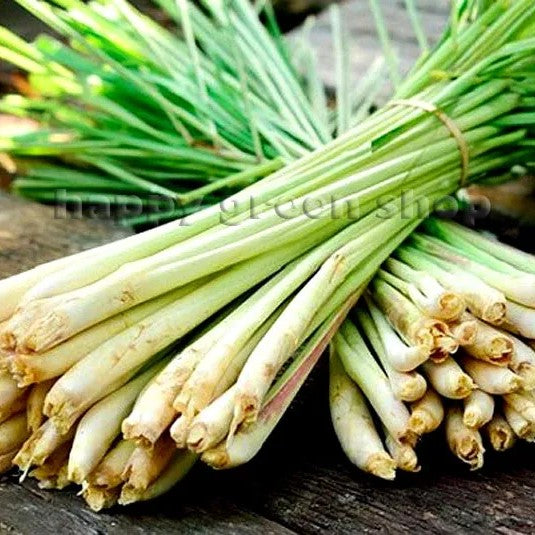
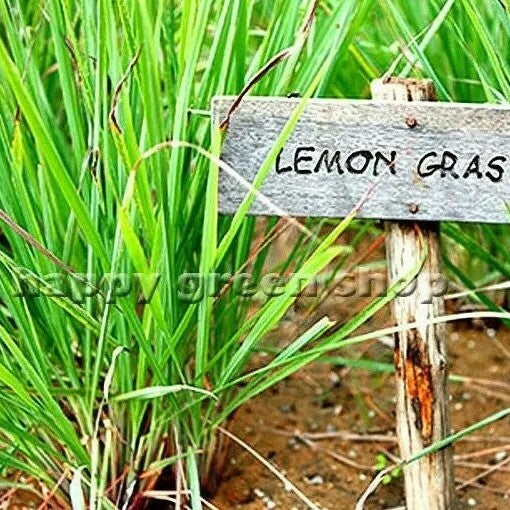
Lemongrass – Seeds (Cymbopogon flexuosus)
Lemongrass is a wonderfully fragrant herb, widely used in Asian cuisine for its fresh citrus flavor. This versatile plant can be grown in containers, kitchen gardens, or even indoors on a sunny windowsill. Both the leaves and stems are edible, perfect for curries, teas, marinades, and stir-fries. An attractive, clump-forming grass, it also adds a decorative touch to herb borders.
How to Grow
-
Sow indoors: February – April in trays or pots of seed compost with gentle heat.
-
Transplant: When seedlings are large enough, pot on or plant outdoors after the last frost.
-
Soil: Fertile, free-draining soil in full sun.
-
Spacing: 30–40 cm apart.
-
Keep soil moist and protect from cold.
Key Features
-
Fragrant herb with citrus aroma
-
Essential for Asian cooking
-
Edible stems and leaves
-
Can be grown in pots, containers, or beds
-
Attractive clump-forming grass
Ideal For
-
Asian-inspired dishes, teas, and marinades
-
Herb gardens, borders, and container growing
-
Indoor growing on sunny windowsills
Sowing & Harvest
-
Sow: February – April
-
Harvest: July – October (leaves and stems when mature)
Quick Tip
For a continuous harvest, cut stalks at the base while leaving the plant to regrow. In cooler climates, grow in pots and overwinter indoors.
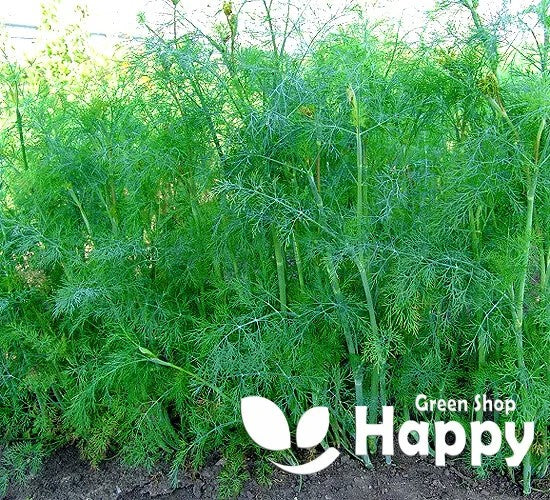
Dill 'Bouquet' – Seeds (Anethum graveolens)
Dill 'Bouquet' is a fast-growing herb prized for its aromatic leaves, seeds, and delicate yellow flower heads. This popular variety is widely used in the kitchen – perfect for seasoning fish, pickles, sauces, salads, and soups. Its feathery foliage is also highly decorative, making it a dual-purpose plant for culinary and ornamental use.
How to Grow
-
Sow outdoors: April – July directly where plants are to grow.
-
Soil: Well-drained, fertile soil in full sun.
-
Spacing: Thin seedlings to 20–30 cm apart.
-
Water regularly to keep soil moist but not waterlogged.
Key Features
-
Popular dill variety with strong flavor
-
Aromatic leaves, seeds, and flower heads
-
Fast-growing and easy to cultivate
-
Great for fresh use or drying
-
Decorative feathery foliage
Ideal For
-
Herb gardens and borders
-
Culinary use in pickling, sauces, and fish dishes
-
Companion planting with cucumbers and cabbages
Sowing & Harvest
-
Sow: April – July
-
Harvest: Leaves from May onwards, seeds in late summer
Quick Tip
Harvest leaves early in the morning for maximum flavor. Sow little and often for a continuous supply throughout the season.

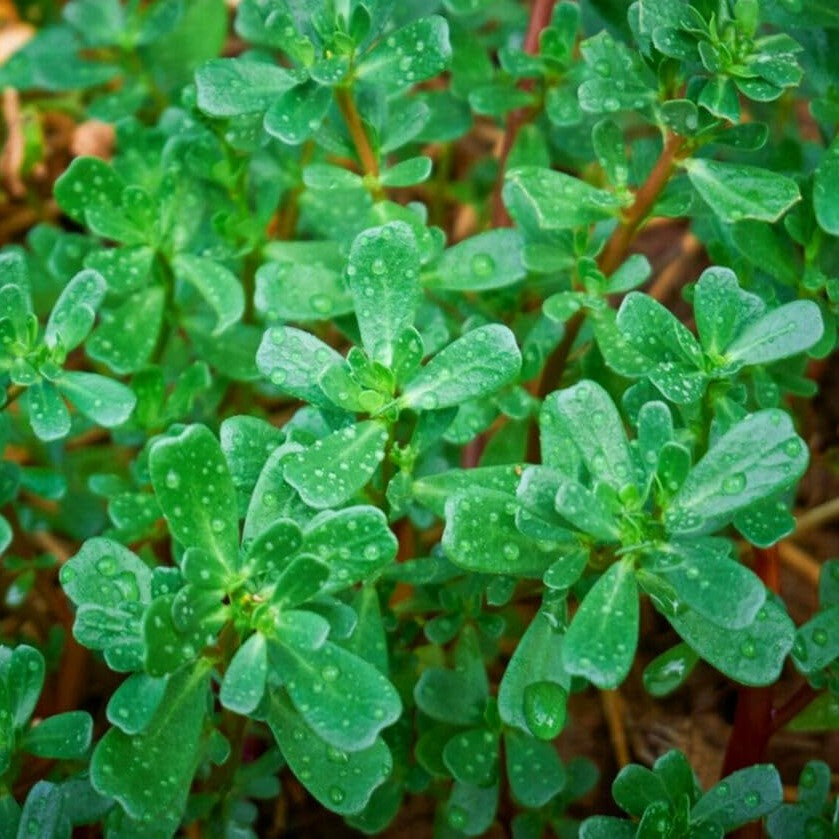
Green Purslane – Seeds
(Portulaca oleracea sativa)
Green Purslane is a fast-growing, highly nutritious leafy vegetable known for its crisp texture and slightly tangy, lemony flavor. Packed with omega-3 fatty acids, vitamins, and minerals, it’s a popular choice for fresh salads, smoothies, soups, and stir-fries. This hardy annual thrives in warm, sunny spots and poor soils, making it an easy-to-grow, low-maintenance crop.
Why Grow Green Purslane?
-
Nutritious superfood rich in omega-3s & antioxidants
-
Succulent leaves with a refreshing, tangy taste
-
Quick-growing and drought-tolerant
-
Versatile in the kitchen: salads, soups, smoothies & sautés
Key Features
-
Type: Annual herb/leafy vegetable
-
Height: 15–30 cm
-
Harvest: 6–8 weeks from sowing
-
Position: Full sun
-
Soil: Well-drained, sandy or poor soils tolerated
Ideal For
-
Kitchen & herb gardens
-
Containers and small spaces
-
Healthy cooking & raw food diets
-
Easy, low-maintenance cultivation
Sowing & Growing
-
Sow outdoors: April–July, directly in soil after frost risk has passed
-
Sow thinly and cover lightly with soil
-
Germination: 7–14 days at 18–22°C
-
Thin seedlings to 15 cm apart
-
Harvest leaves regularly to encourage fresh growth


