
Sort by:
28 products
28 products


💜 Lavandula angustifolia True Lavender / English Lavender – Classic Aromatic Perennial with Fragrant Purple Spikes
Lavandula angustifolia, commonly known as true lavender or English lavender, is the classic lavender species prized for its highly fragrant flowers, refined essential oils, and elegant silvery-green foliage. This hardy perennial produces dense spikes of soft purple to violet-blue blooms in summer, attracting bees and pollinators while adding timeless Mediterranean charm to gardens. Ideal for borders, gravel gardens, herb beds, containers, and hedging, it is also perfect for drying, sachets, oils, and culinary use.
Key Features
● True English lavender with exceptional fragrance
● Purple flower spikes rich in essential oils
● Hardy perennial suitable for UK climates
● Excellent for borders, pots, hedging and gravel gardens
● Ideal for drying, sachets, oils and culinary use
How to Sow & Grow Lavandula angustifolia (UK)
Sow indoors: II–IV (February–April) in trays or pots
Transplant outdoors: V–VI (May–June) once plants are established and frost risk has passed
Direct outdoors: IV–V (April–May)
Flowering: VI–VIII (June–August)
Life cycle: Perennial
Germination temperature: 15–20 °C (59–68 °F)
Average germ time: 14–28 days
Depth: Surface sow — do not cover, but press gently into the soil (requires light to germinate)
Light required: Yes
Moisture: Low to moderate; drought tolerant once established
Environment: Full sun
Soil type: Light, well-drained, sandy or gritty soil; dislikes heavy, wet soils
Plant spacing: 30–40 cm (12–16 in)
Height: 40–60 cm (16–24 in)
Sowing & Growing Tips (variety-specific)
● Excellent drainage is essential for long-term success.
● Avoid rich or wet soils to prevent root rot.
● Prune lightly after flowering to maintain compact shape.
● Harvest flowers just as they open for maximum fragrance.
● Perfect for low-maintenance and drought-tolerant gardens.
Special Features
● True lavender species with superior fragrance
● Highly attractive to bees and pollinators
● Classic choice for traditional and Mediterranean gardens
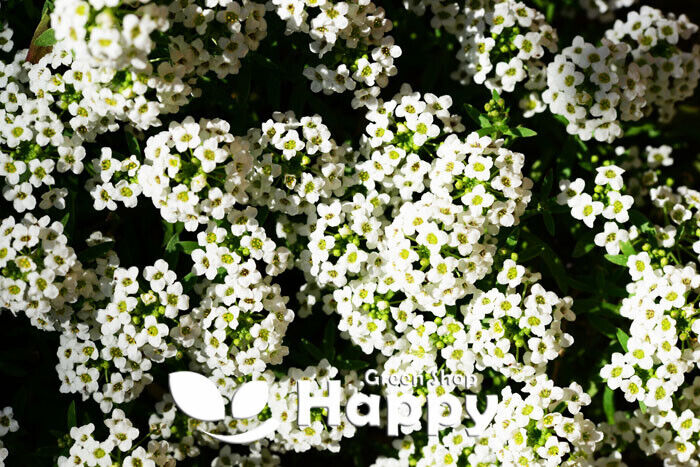
Alyssum 'New Carpet of Snow' Seeds (Lobularia maritima)
Alyssum 'New Carpet of Snow' is a classic, compact annual producing a dense carpet of pure white, honey-scented blooms. Its neat, spreading growth makes it one of the most popular edging plants, creating a bright and fragrant border along paths, beds, and rock gardens. The flowers attract bees and other pollinators, making it both beautiful and beneficial in the garden.
What Makes It Special
-
Pure white, sweetly scented flowers
-
Compact and neat, perfect for edging and ground cover
-
Long-flowering from spring through autumn
-
Easy to grow and drought-tolerant once established
Key Features
-
Botanical name: Lobularia maritima
-
Variety: 'New Carpet of Snow'
-
Seed count: Approx. seeds per pack
-
Height/Spread: 10–15 cm tall, 20–30 cm spread
-
Position: Full sun to partial shade; thrives in well-drained soil
-
Flowering period: May–September
Ideal For
-
Edging borders and pathways
-
Rock gardens and gravel beds
-
Window boxes, planters, and hanging baskets
-
Pollinator-friendly and low-maintenance gardens
Sowing Instructions
-
When to sow: March–May indoors; April–June directly outdoors
-
How to sow:
-
Sow seeds thinly on the soil surface and press gently down (do not cover, needs light to germinate)
-
Germination: 7–14 days at 15–20°C
-
-
Transplanting: Thin seedlings to 10–15 cm apart when large enough to handle
-
Care: Keep soil moist but well-drained; deadhead to prolong flowering.


Sunflower ‘Henry Wilde’ – 40 Seeds (Helianthus annuus)
A true classic among sunflowers, ‘Henry Wilde’ is loved for its tall, sturdy stems and large golden-yellow blooms that radiate summer warmth. This heirloom variety produces impressive flowers with deep brown centres, making it a favourite for cottage gardens, cutting gardens, and wildlife-friendly landscapes.
‘Henry Wilde’ is an easy-to-grow, reliable sunflower ideal for gardeners of all experience levels. Its bold height and vibrant colour make it a perfect backdrop in borders, along fences, or as a statement plant in any sunny spot.
Features & Benefits
-
Tall and statuesque – reaches 1.8–2.2 m
-
Large golden-yellow blooms with classic sunflower form
-
Excellent cut flower – long, strong stems and great vase life
-
Loved by pollinators – attracts bees, butterflies & beneficial insects
-
Bird-friendly – seeds are enjoyed by goldfinches and other wild birds
-
Easy and dependable – vigorous, fast-growing heirloom variety
Growing Information
-
Sowing Time: March–June
-
Germination: 7–14 days at 18–22°C
-
Flowering: July–September
-
Position: Full sun
-
Height: 180–220 cm
-
Spacing: 30–45 cm
-
Soil: Fertile, well-drained; keep evenly moist
How to Grow
Sow seeds directly into the garden after the last frost, planting 1–2 cm deep. For an earlier start, sow individually in pots indoors and transplant once seedlings are strong. Provide support in windy locations. Water regularly, especially during dry spells, to encourage strong stems and big blooms.
Ideal For
-
Back borders & cottage gardens
-
Cutting gardens
-
Wildlife and pollinator gardens
-
Creating natural summer screens
-
Children’s gardening projects

California Poppy ‘Purple Gleam’ – Seeds (Eschscholzia californica)
California Poppy ‘Purple Gleam’ (Eschscholzia californica) is a striking variety with silky lilac-pink flowers that glow in the sun. This hardy, drought-tolerant annual thrives in poor soils and is perfect for borders, rockeries, and wildflower meadows. Flowering from summer into autumn, it brings long-lasting color while attracting bees and butterflies. Easy to grow and self-seeding, it will return year after year with minimal effort.
Why Grow "Purple Gleam"
-
Unique lilac-pink flowers with a shimmering finish
-
Long flowering season from summer to autumn
-
Hardy, drought-tolerant, and low-maintenance
-
Attracts bees, butterflies, and pollinators
Key Features
-
Type: Hardy annual (Eschscholzia californica)
-
Height: 20–30 cm
-
Flowering: Summer to autumn
-
Position: Full sun
-
Uses: Borders, rockeries, meadows, containers, pollinator gardens
Ideal For
-
Naturalistic and wildflower-style gardens
-
Adding soft, unusual color to borders and beds
-
Rockeries and container planting
-
Easy, low-maintenance seasonal color
Sowing & Growing
-
Sow outdoors: March–May or September for earlier blooms
-
Germination: 14–21 days
-
Thin seedlings: 15–20 cm apart
-
Prefers poor to moderately fertile, well-drained soil
-
Self-seeds freely for natural displays
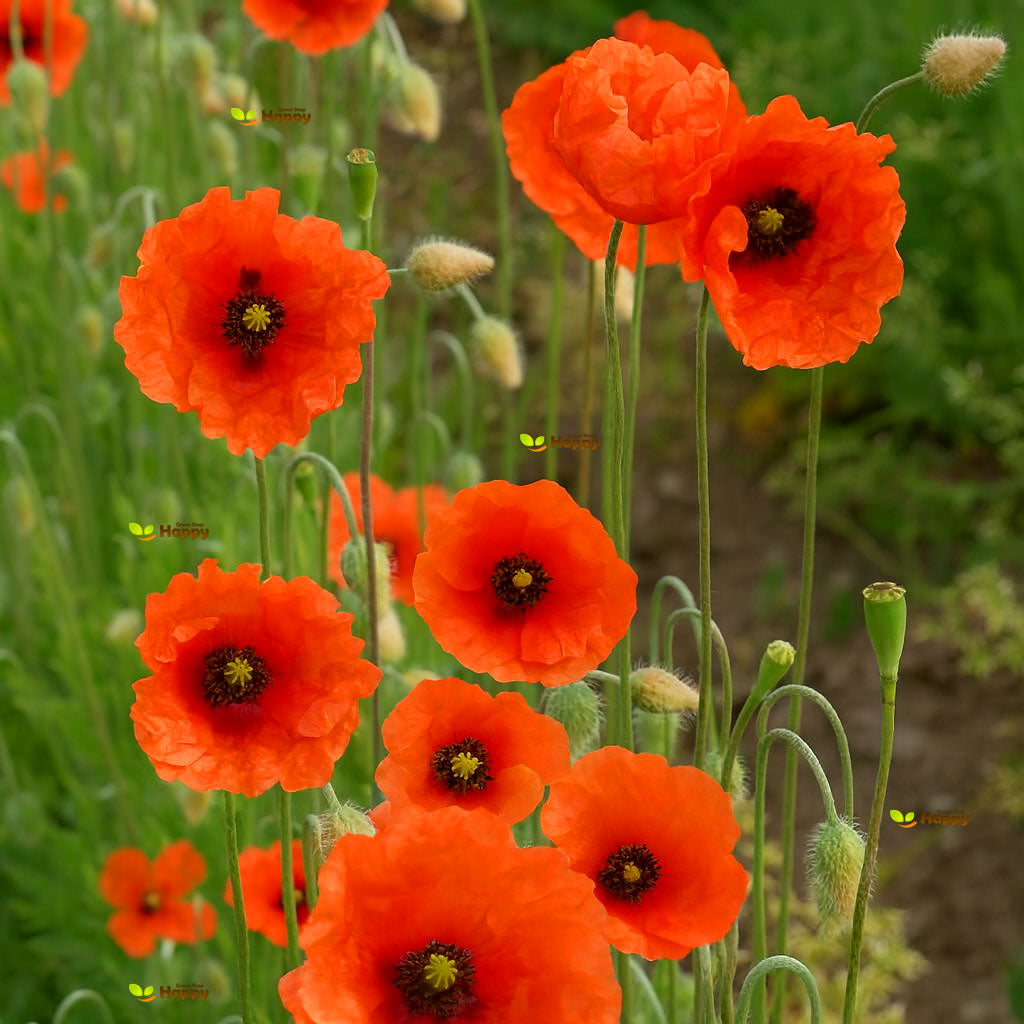
“Blindeyes” Poppy – Seeds (Papaver dobium)
Description:
Add delicate charm to your garden with “Blindeyes” Poppy (Papaver dobium). This striking annual produces elegant, cup-shaped blooms in shades of white or pale pink with a dark central “eye,” giving it its distinctive name. Perfect for borders, cottage gardens, and wildflower meadows, these poppies attract pollinators and bring a soft, whimsical touch to any garden. Easy to grow from seed and long-flowering, they are ideal for both naturalistic and formal plantings.
Key Features
-
Elegant cup-shaped blooms with a dark central “eye”
-
Annual variety, easy to grow from seed
-
Long-lasting blooms from late spring to summer
-
Attracts bees and pollinators
-
Adds delicate charm to borders and meadows
Ideal For
-
Borders and mixed flower beds
-
Cottage and wildflower gardens
-
Pollinator-friendly plantings
-
Naturalistic or whimsical garden displays
Sowing & Growing
-
Sow Outdoors: March–April
-
Germination: 7–14 days at 15–20°C
-
Height: 40–50 cm
-
Spacing: 20–25 cm apart
-
Light: Full sun
-
Soil: Well-drained, moderately fertile
Care Tips
-
Water lightly until seedlings establish
-
Deadhead faded flowers to encourage prolonged blooming
-
Avoid overwatering to prevent root rot
-
Allow some self-seeding for future seasons
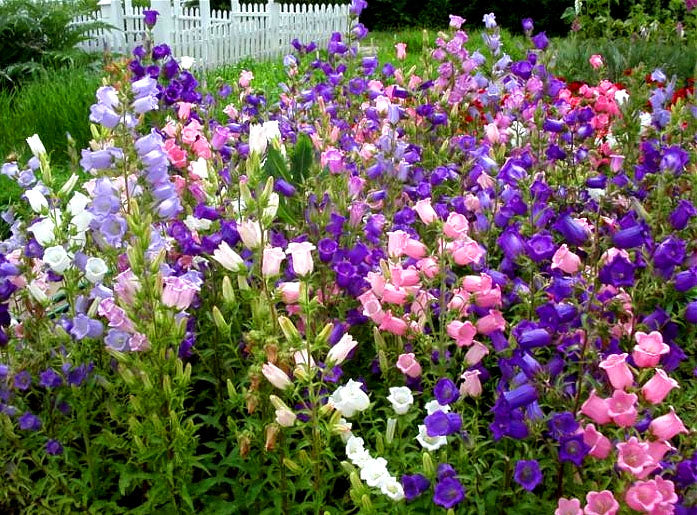
Canterbury Bells Mix Seeds (Campanula medium)
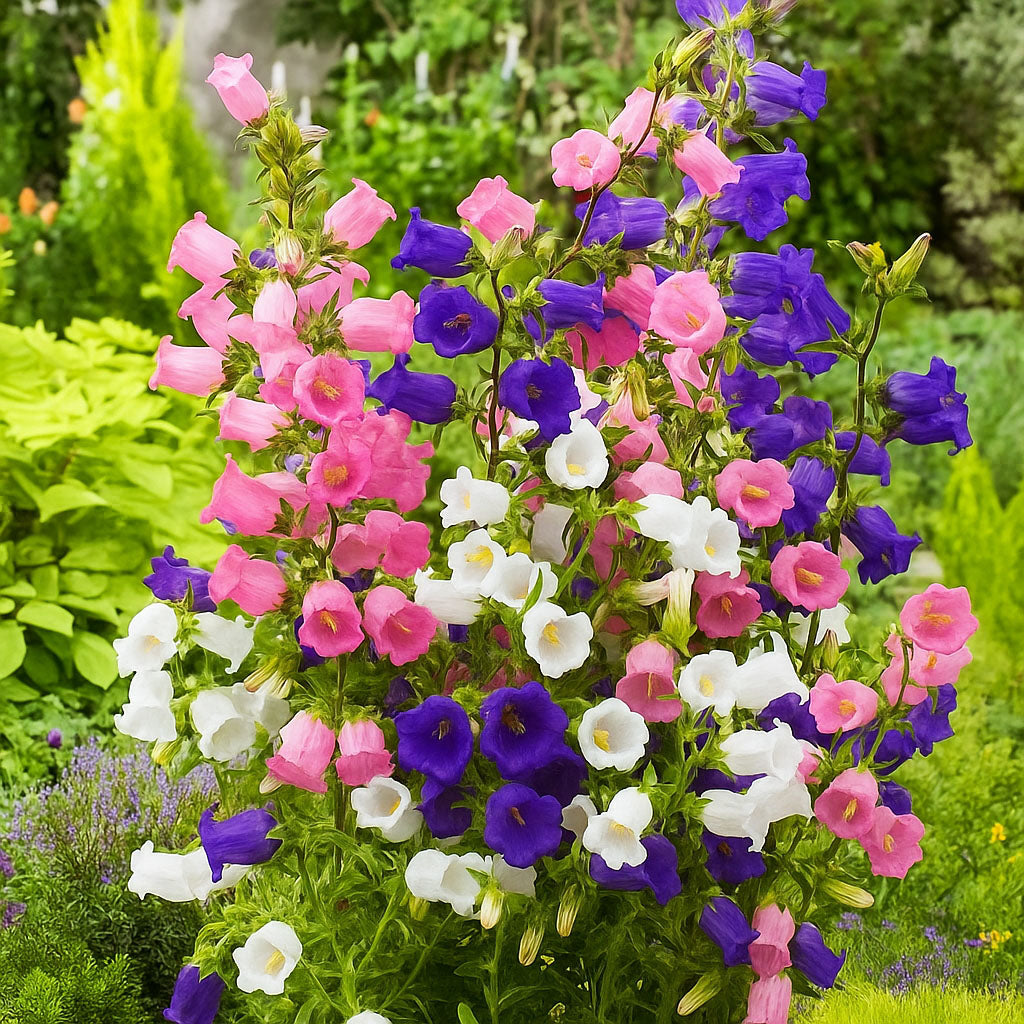
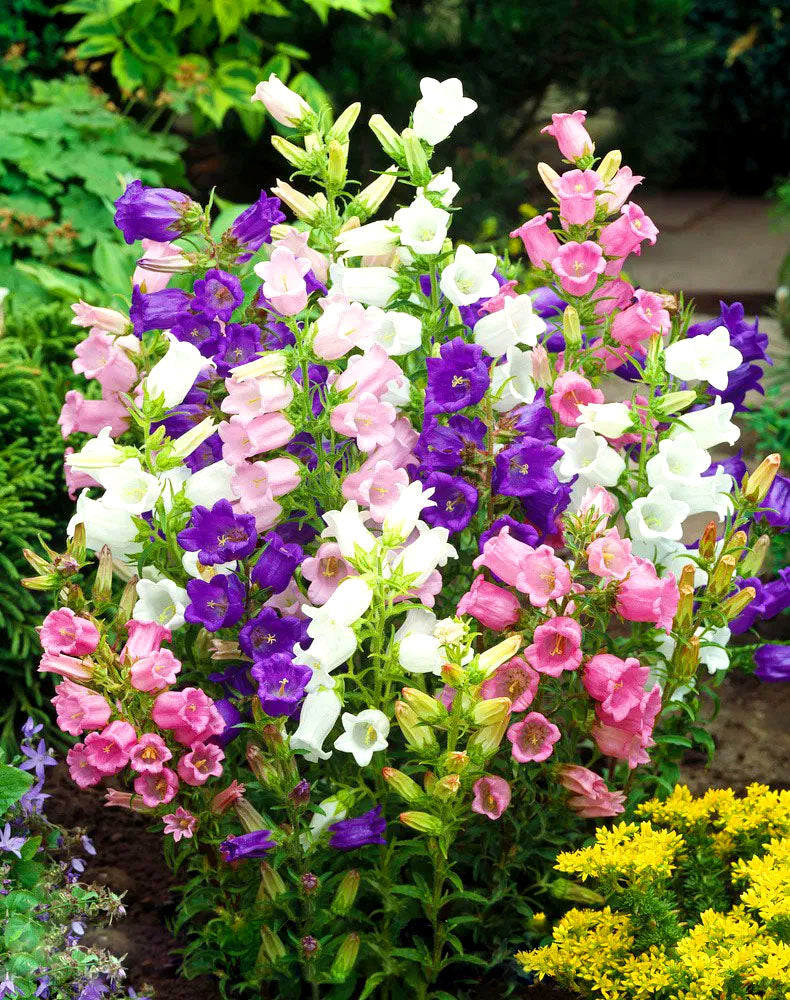
Canterbury Bells are classic biennial flowers cherished for their bell-shaped blooms in a range of vibrant colors. This mix produces tall, elegant stems covered in large, showy flowers that brighten borders, cottage gardens, and cut flower arrangements. With their long-lasting blooms and architectural form, they are perfect for adding vertical interest and charm to any garden.
What Makes It Special
-
Produces bell-shaped flowers in multiple colors
-
Tall, upright growth adds vertical structure to borders
-
Excellent for cut flowers with a long vase life
-
Biennial: flowers in the second year for a reliable display
Key Features
-
Botanical name: Campanula medium
-
Common name: Canterbury Bells
-
Seed count: Approx. seeds per pack
-
Height/Spread: 60–90 cm tall, 25–30 cm spread
-
Position: Full sun to partial shade, well-drained soil
-
Flowering period: Second year; early to mid-summer
-
Lifespan: Biennial
Ideal For
-
Borders and cottage-style gardens
-
Cut flower arrangements
-
Mixed flower beds
-
Pollinator-friendly gardens
Sowing Instructions
-
When to sow:
-
Indoors: February–March for transplanting
-
Outdoors: April–May in well-prepared soil
-
-
How to sow:
-
Sow seeds thinly on surface and lightly press into soil
-
Keep soil moist until germination (10–20 days)
-
-
Transplant/Thin: Space seedlings 25–30 cm apart
-
Care: Protect young plants from frost; stake taller varieties if needed

🌸 Petunia grandiflora F1 ‘Blue Veined’ – Large-Flowered Hybrid with Striking Veined Blooms
Petunia grandiflora F1 ‘Blue Veined’ is an eye-catching large-flowered petunia hybrid producing bold blue to violet blooms highlighted with distinctive darker veining. The flowers are large and showy, creating strong visual impact in containers, hanging baskets, window boxes and bedding displays. Thanks to F1 hybrid vigour, plants are uniform, free-flowering and reliable, performing well throughout the summer season when given sun and regular feeding.
Key Features
● Large grandiflora flowers with decorative blue veining
● F1 hybrid for strong growth and uniform plants
● Long flowering season from early summer to autumn
● Excellent for containers, baskets and bedding
● High ornamental value with intense colour contrast
How to Sow & Grow Petunia ‘Blue Veined’ (UK)
Sow indoors: II–III (February–March)
Transplant outdoors: V–VI (May–June) after last frost
Direct outdoors: Not recommended
Flowering: VI–X (June–October)
Life cycle: Annual
Germination temperature: 20–22 °C (68–72 °F)
Average germ time: 7–14 days
Depth: Surface sow – do not cover; gently press into compost (light required)
Light required: Yes
Moisture: Keep soil evenly moist
Environment: Full sun (tolerates light shade)
Soil type: Fertile, well-drained compost or soil
Plant spacing: 20–25 cm (8–10 in)
Height: 25–30 cm (10–12 in)
Sowing & Growing Tips (variety-specific)
● Start early under cover for the longest flowering period.
● Provide good light to prevent stretching at seedling stage.
● Feed regularly once flowering begins.
● Remove spent flowers or trim lightly to keep plants tidy.
● Protect young plants from cold and strong winds.
Special Features
● Striking veined flower pattern
● Premium F1 hybrid quality
● Excellent summer performance in containers

🌸 Callistephus chinensis Pompon Aster ‘Hi-no-maru Mix’ – Compact Plants with Perfect Pompon Blooms
‘Hi-no-maru Mix’ is a striking pompon aster variety producing perfectly rounded, fully double flowers inspired by the Japanese “rising sun” colour style. The mix consists of red-and-white, blue-and-white, and pink-and-white blooms, each with a clear contrasting centre. The flowers are held on strong stems above neat, compact plants. Flowering in late summer, this variety is ideal for bedding displays, borders, containers and cut flowers. Uniform growth and excellent flower form make it a favourite for both gardens and floral arrangements.
Key Features
● Fully double, perfectly rounded pompon flowers
● Attractive colour mix inspired by “Hi-no-maru” style
● Compact, upright plants with strong stems
● Excellent for bedding, pots and cut flowers
● Late-summer colour when many annuals fade
How to Sow & Grow Pompon Aster ‘Hi-no-maru Mix’ (UK)
Sow indoors: III–IV (March–April) in trays or pots
Transplant outdoors: V–VI (May–June) once seedlings are sturdy and frost risk has passed
Direct outdoors: IV–V (April–May)
Flowering: VII–IX (July–September)
Germination temperature: 18–22 °C (64–72 °F)
Average germ time: 7–14 days
Depth: 0.5 cm (¼ in)
Light required: Yes
Moisture: Keep soil evenly moist
Environment: Full sun
Soil type: Fertile, well-drained soil
Plant spacing: 20–25 cm (8–10 in)
Height: 40–60 cm (16–24 in)
Sowing & Growing Tips (variety-specific)
● Avoid growing asters in the same spot every year to reduce disease risk.
● Water at soil level to keep foliage dry.
● Pinch young plants to encourage bushier growth.
● Cut flowers regularly to extend blooming.
● Ideal for late-summer borders and floral displays.
Special Features
● Classic pompon flower shape with excellent uniformity
● Strong stems ideal for cutting
● Decorative Japanese-inspired colour mix
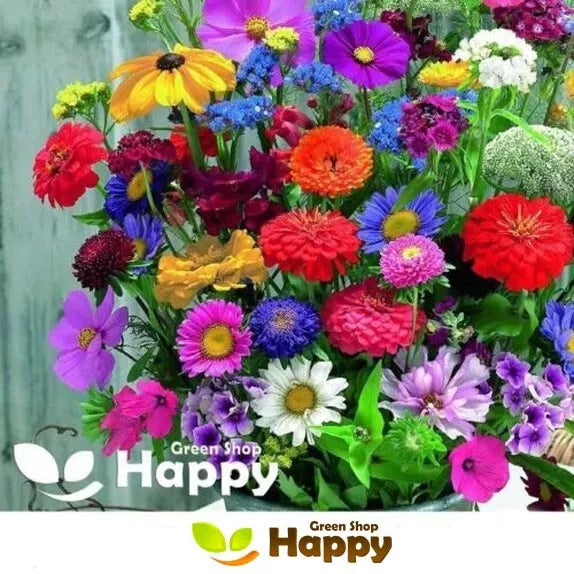
Fragrant Flowers Mix – 1g
The Fragrant Flowers Mix is a carefully selected blend of annuals and perennials chosen for their delightful scents and beautiful blooms. From sweet peas and stocks to aromatic herbs and cottage garden favorites, this mix fills your garden with fragrance from early summer to autumn. Perfect for borders, beds, and containers, it also provides excellent cut flowers to enjoy indoors. Easy to grow and pollinator-friendly, this mix combines beauty, scent, and biodiversity in one packet.
Why Grow "Fragrant Flowers Mix"
-
A blend of scented annuals and perennials
-
Long season of blooms with sweet fragrance
-
Great for cut flowers and bouquets
-
Attracts bees, butterflies, and pollinators
Key Features
-
Type: Annuals & perennials mix
-
Packet: 1 g (sufficient for a generous area)
-
Flowering: Summer to autumn
-
Position: Full sun to partial shade
-
Uses: Borders, containers, cut flowers, pollinator gardens
Ideal For
-
Adding fragrance to garden paths and seating areas
-
Cottage and wildflower-style planting
-
Pollinator-friendly gardens
-
Cut flower arrangements
Sowing & Growing
-
Sow outdoors: March–May directly in soil
-
Germination: 14–28 days depending on species
-
Thin seedlings as required for strong growth
-
Prefers well-drained soil in a sunny position
-
Water regularly until established
Showing 9/28

