
Sort by:
26 products
26 products
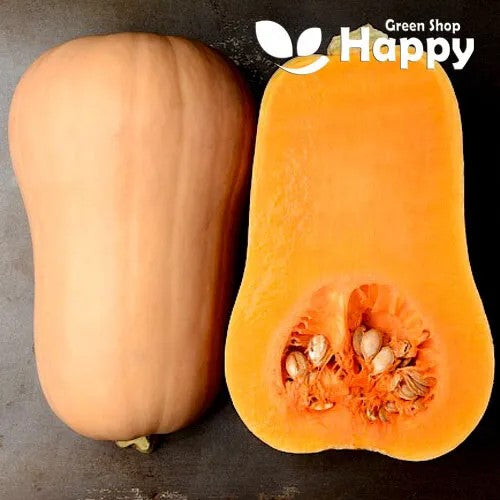
Squash 'Waltham Butternut' Seeds (Cucurbita moschata)
A true garden favorite, Squash 'Waltham Butternut' is a reliable heirloom variety producing pear-shaped fruits with smooth, creamy-orange skin and sweet, nutty flesh. This vigorous plant yields consistently, storing well for months after harvest, making it a staple for soups, roasting, and winter meals.
How to Grow
-
Sow indoors in late spring or directly outdoors after frost.
-
Use fertile, well-drained soil in a sunny, sheltered position.
-
Sow 2–3 seeds per station, 2.5 cm deep, spacing 90–100 cm apart.
-
Thin to the strongest seedling per station.
-
Harvest when fruits turn golden-tan and stems begin to dry.
Key Features
-
Classic butternut squash with pear-shaped fruits
-
Sweet, nutty orange flesh
-
Excellent storage quality for winter use
-
Heavy cropping, vigorous plants
-
Versatile for roasting, soups, and baking
Ideal For
-
Autumn and winter cooking
-
Long-term vegetable storage
-
Home gardens and allotments
-
Nutritious, hearty meals
Sowing
-
Best time: Late spring after frost
-
Depth: 2.5 cm
-
Spacing: 90–100 cm between plants
-
Prefers rich, well-drained soil in full sun
Quick Tip
-
Cure harvested squash in a warm, dry place for 10–14 days to improve sweetness and storage life.


🎃 Cucurbita pepo Winter Squash ‘Hungarian Blue’ – Rare Steel-Blue Squash with Sweet, Fine-Textured Flesh
‘Hungarian Blue’ is an unusual and visually striking winter squash producing beautifully ribbed fruits in shades of steel-blue to slate-grey. Inside, the deep orange flesh is sweet, dense, and fine-textured, ideal for roasting, soups, baking, and autumn–winter dishes. Fruits typically weigh 2–4 kg, store extremely well, and develop even better flavour after curing. Vigorous, productive plants thrive in sunny conditions and are well suited to kitchen gardens and allotments.
Key Features
● Rare steel-blue ribbed winter squash
● Sweet, dense, fine-grained orange flesh
● Fruits store well into winter
● Productive and vigorous vines
● Excellent for roasting, soups, baking and purées
How to Sow & Grow Winter Squash ‘Hungarian Blue’ (Cucurbita pepo) – UK
Sow indoors: IV–V (April–May) in pots
Transplant outdoors: V–VI (May–June) once frost danger has passed
Direct outdoors: V–VI (May–June) into warm soil
Harvest: IX–X (September–October)
Germination temperature: 18–24 °C (64–75 °F)
Average germ time: 7–14 days
Depth: 2–3 cm (¾–1¼ in)
Light required: Yes
Moisture: Keep soil evenly moist
Environment: Full sun
Soil type: Rich, fertile, moisture-retentive soil; add compost before planting
Plant spacing: 1–1.5 m (3–5 ft)
Vine length: 1.5–2.5 m (5–8 ft)
Sowing & Growing Tips (variety-specific)
● Start indoors for earlier harvests in cooler climates.
● Mulch well to maintain soil moisture and suppress weeds.
● Feed regularly with high-potash fertiliser during fruiting.
● Allow fruits to fully mature on the vine for best flavour.
● Cure harvested fruits in a warm, airy place for 10–14 days.
Special Features
● Rare heirloom colour — striking steel-blue rind
● Stores exceptionally well, improving in sweetness
● Compact vines compared to many winter squash types


🎃 Cucurbita pepo ‘Patty Pan Mix’ – Colourful Scallop Squash Blend with Tender, Nutty Flavour
‘Patty Pan Mix’ is an attractive blend of scallop-shaped summer squashes in vibrant shades of yellow, white, green, and occasionally bi-colour types. These cheerful, flying-saucer–shaped fruits are harvested young for their tender texture and mild, nutty flavour, perfect for grilling, roasting, stuffing, stir-fries, or adding colour to summer dishes. Plants are compact, fast-growing, and exceptionally productive, providing a continuous supply of fruits throughout the season. Ideal for home gardens, raised beds, and small plots.
Key Features
● Colourful mix of scallop (patty pan) summer squashes
● Tender, nutty flavour when picked young
● Extremely productive and quick to mature
● Compact plants suited for smaller spaces
● Excellent for grilling, roasting and stuffing
How to Sow & Grow ‘Patty Pan Mix’ (Cucurbita pepo) – UK
Sow indoors: IV–V (April–May) in pots
Transplant outdoors: V–VI (May–June) once frost danger has passed
Direct outdoors: V–VI (May–June) into warm soil
Harvest: VII–IX (July–September)
Germination temperature: 18–24 °C (64–75 °F)
Average germ time: 7–14 days
Depth: 2–3 cm (¾–1¼ in)
Light required: Yes
Moisture: Keep evenly moist
Environment: Full sun
Soil type: Rich, fertile, moisture-retentive soil
Plant spacing: 60–90 cm (24–36 in)
Height/Spread: Bush type, 45–60 cm (18–24 in) high, wide-spreading mound
Sowing & Growing Tips (variety-specific)
● Harvest when fruits are 5–8 cm (2–3 in) for the best texture and flavour.
● Mulch well to retain soil moisture and reduce weeds.
● Feed regularly once plants begin forming fruits.
● Pick frequently to encourage continuous production.
● Avoid overhead watering to reduce powdery mildew risk.
Special Features
● Vibrant colour mix for gourmet presentation
● Nutty flavour and tender texture when harvested young
● Heavy-cropping plants perfect for summer gardens


🎃 Cucurbita pepo ‘Baby Bear’ – Compact Pumpkin with Perfect Small Fruits for Autumn Displays
‘Baby Bear’ is a popular mini pumpkin variety bred for producing uniform, small-sized fruits with a classic pumpkin shape. The bright orange pumpkins are smooth, well-rounded and typically weigh 0.5–1 kg (1–2 lb), making them ideal for decorative use, children’s growing projects and autumn displays.
Plants are compact and bush-type, requiring much less space than traditional trailing pumpkins, which makes ‘Baby Bear’ especially suitable for small gardens, raised beds and containers. The fruits also have edible flesh and can be used for simple cooking or baking, though they are mainly grown for ornamental purposes.
Key Features
● Small, uniform pumpkins ideal for decoration
● Compact bush plants – space-saving variety
● Bright orange fruits with classic pumpkin shape
● Suitable for gardens, raised beds and containers
● Easy to grow and reliable performer
How to Sow & Grow Pumpkin ‘Baby Bear’ (UK)
Sow indoors: IV (April)
Transplant outdoors: V–VI (May–June) after last frost
Direct outdoors: V–VI (May–June) in warm soil
Harvest: IX–X (September–October)
Life cycle: Annual
Germination temperature: 18–24 °C (64–75 °F)
Average germ time: 7–10 days
Depth: 2–3 cm (1 in)
Light required: Yes
Moisture: Regular watering
Environment: Full sun
Soil type: Fertile, well-drained soil
Plant spacing: 60–80 cm (2–2.5 ft)
Fruit size: approx. 0.5–1 kg (1–2 lb)
Sowing & Growing Tips (variety-specific)
● Bush habit makes this variety easy to manage.
● Feed regularly to support steady fruit production.
● Harvest when fruits are fully coloured and rind is hard.
● Lift fruits off damp soil to prevent rot.
● Excellent choice for decorative autumn harvests.
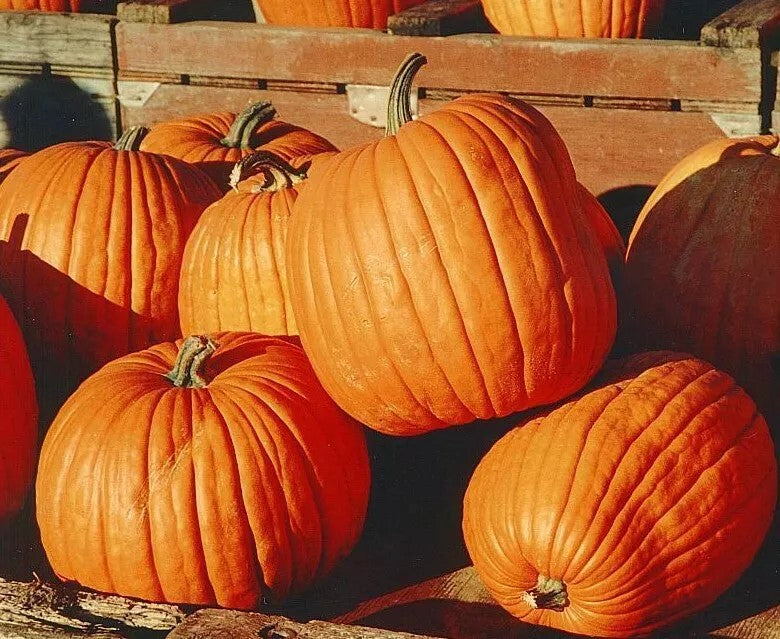
Pumpkin 'Jack o'Lantern' Seeds (Cucurbita pepo)
Create the perfect Halloween display with Pumpkin 'Jack o'Lantern' (Cucurbita pepo). This classic variety produces medium-sized, round fruits with smooth, deep-orange skin that’s ideal for carving. In addition to being a festive favorite, the sweet, fine-textured flesh is excellent for pies, soups, and roasting, making it both decorative and delicious.
How to Grow
-
Sow seeds indoors in late spring or directly outdoors after the last frost.
-
Use rich, well-drained soil in full sun.
-
Sow 2–3 cm deep, either in pots indoors or in mounds outdoors.
-
Transplant seedlings or thin outdoor sowings to 90–120 cm apart.
-
Water well and feed regularly for large, healthy fruits.
Key Features
-
Classic pumpkin variety for carving and cooking
-
Produces round, deep-orange fruits
-
Medium size, perfect for Halloween lanterns
-
Sweet, fine-textured flesh for baking and soups
-
Decorative and edible in equal measure
Ideal For
-
Halloween carving and autumn displays
-
Homemade pies, soups, and roasts
-
Garden beds and allotments
-
Families and festive gardeners
Sowing
-
Best time: Indoors late spring or outdoors after frost
-
Depth: 2–3 cm
-
Spacing: 90–120 cm apart
-
Prefers full sun and rich, well-drained soil
Quick Tip
-
Harvest pumpkins when the skin is firm and orange, and cure them in a dry, sunny spot to improve storage life.
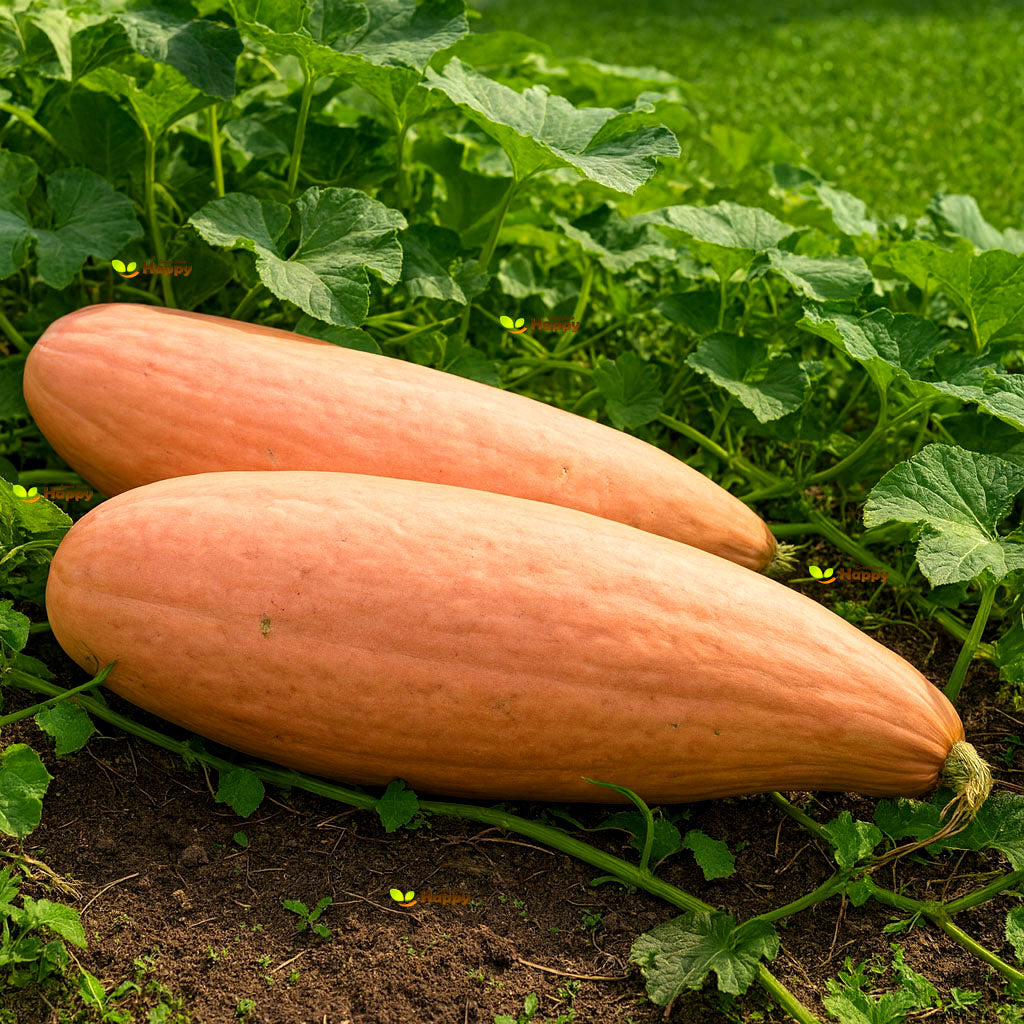
Squash ‘Pink Banana Jumbo’ – 10 Seeds
(Cucurbita maxima) – Heirloom Variety
Squash ‘Pink Banana Jumbo’ is a classic heirloom winter squash prized for its massive size, sweet, fine-textured flesh, and excellent storage qualities. The elongated fruits grow up to 60–90 cm long and can weigh up to 20–30 kg, featuring smooth pink-orange skin and richly flavored orange flesh that’s perfect for baking, soups, roasting, and purées.
Key Features
-
Type: Heirloom winter squash
-
Fruit Size: 60–90 cm long, 20–30 kg
-
Color: Pink-orange skin with deep orange flesh
-
Taste: Sweet, smooth, and nutty flavor
-
Days to Maturity: 100–110 days
-
Harvest: Late summer to autumn
-
Storage: Excellent long-term keeper
Ideal For
-
Home gardens and allotments
-
Farmers’ markets and heritage collections
-
Baking, soups, roasting, and preserves
Sowing & Growing
-
Sow indoors: April – May (18–22 °C) in individual pots
-
Plant outdoors: Late May – June after frost
-
Spacing: 100 × 100 cm (allow plenty of room for vines)
-
Position: Full sun in rich, well-drained soil
-
Watering: Regular and consistent moisture for best fruit set
Care Tips
-
Add compost or manure before planting for vigorous growth.
-
Mulch to retain soil moisture and suppress weeds.
-
Harvest when skin hardens and stems begin to dry.
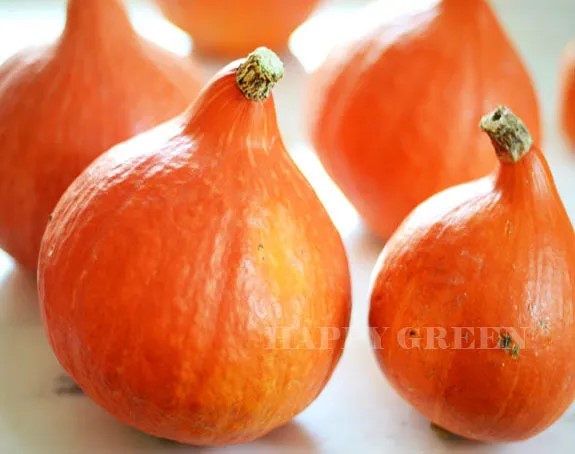
Squash 'Uchiki Kuri' Seeds (Cucurbita maxima)
Discover the gourmet favorite Squash 'Uchiki Kuri', also known as the Red Kuri or Onion Squash. This reliable Japanese variety produces small, tear-drop shaped fruits with vibrant orange skin and rich, nutty-sweet golden flesh. Perfect for roasting, soups, curries, and baking, it’s a versatile squash that stores well for winter use.
How to Grow
-
Sow indoors in late spring or directly outdoors after frost.
-
Prefers fertile, well-drained soil in full sun.
-
Sow 2–3 seeds 2 cm deep in small pots or stations.
-
Transplant or thin to one strong plant per station, 90–120 cm apart.
-
Water regularly and feed for strong growth.
Key Features
-
Traditional Japanese squash with bright orange fruits
-
Nutty, sweet flavor with smooth golden flesh
-
Compact, manageable fruits (1–2 kg each)
-
Stores well for winter use
-
High-yielding and easy to grow
Ideal For
-
Roasting, soups, curries, and baking
-
Winter storage and long-lasting kitchen use
-
Home gardeners seeking gourmet squash varieties
-
Allotments, vegetable beds, or spacious gardens
Sowing
-
Best time: April to June
-
Depth: 2 cm
-
Spacing: 90–120 cm between plants
-
Position: Full sun, fertile soil
-
Harvest: September to October
Quick Tip
-
Cure fruits in the sun after harvest for longer storage life and enhanced sweetness.
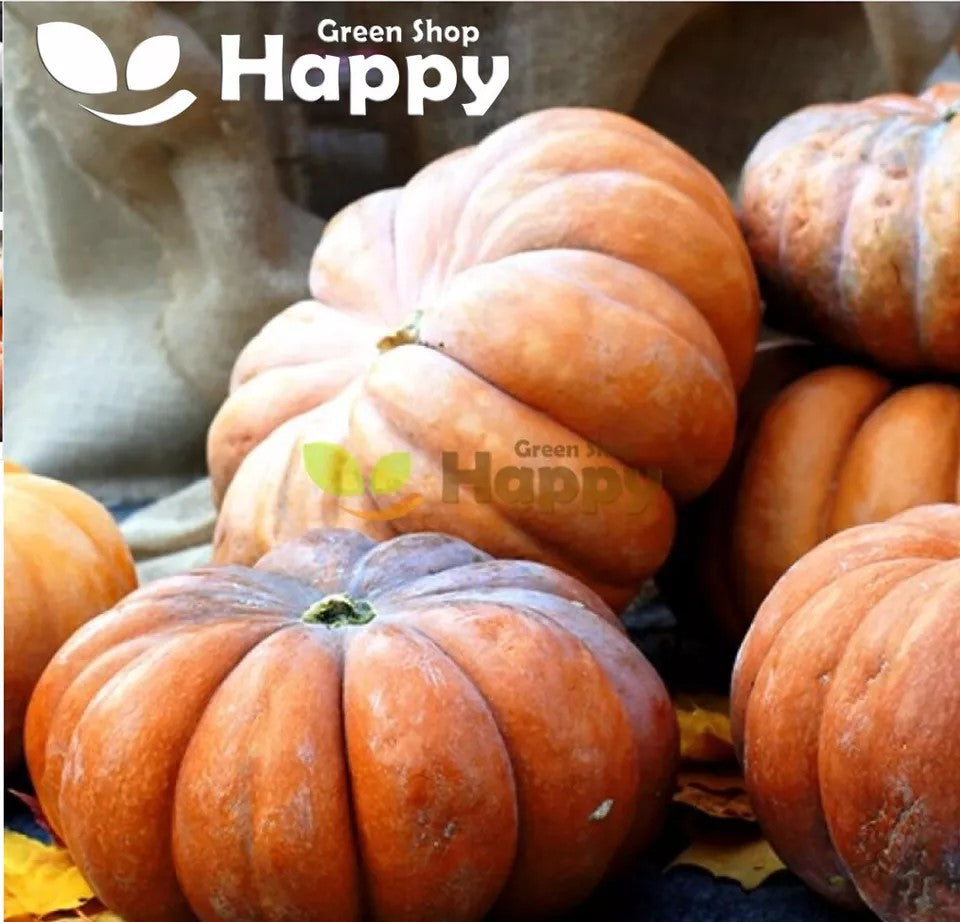
Pumpkin 'Muscade de Provence' – Seeds (Cucurbita moschata)
The Pumpkin 'Muscade de Provence' is a traditional French winter squash renowned for its rich, nutty flavor and smooth, orange flesh. Producing medium to large, round to slightly flattened fruits, this variety is perfect for soups, roasting, baking, and preserves. Its excellent storage qualities make it ideal for autumn harvests and long-term use.
How to Grow
-
Sow seeds indoors from April or directly outdoors from May once the soil is warm.
-
Plant 2–3 seeds per hole, 2–3 cm deep, thinning to the strongest seedling.
-
Space plants 90–120 cm apart in sunny, fertile, well-drained soil.
-
Water consistently and mulch to retain moisture.
-
Harvest fruits when the skin is hard and deep orange.
Key Features
-
Rich, nutty-flavored orange flesh
-
Medium to large, round to slightly flattened fruits
-
Excellent storage qualities for winter use
-
Ideal for soups, roasting, baking, and preserves
-
Vigorous, high-yielding plants
Ideal For
-
Autumn harvests and long-term storage
-
Culinary use: soups, roasting, and baking
-
Home gardens, allotments, and specialty pumpkin collections
Sowing & Harvest
-
Sow: April to May
-
Spacing: 90–120 cm between plants
-
Harvest: September to October
Quick Tip
-
Leave pumpkins on the vine until the skin hardens and the stem starts to brown for optimal storage.
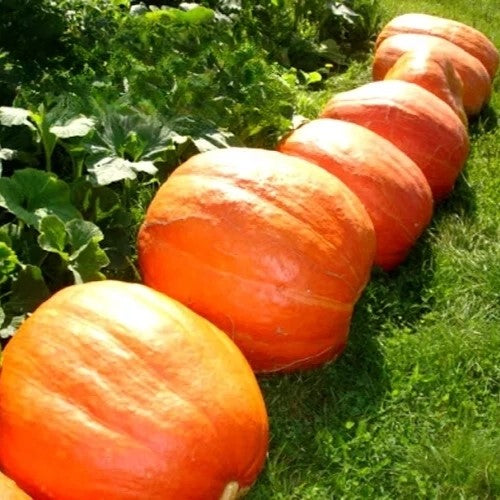
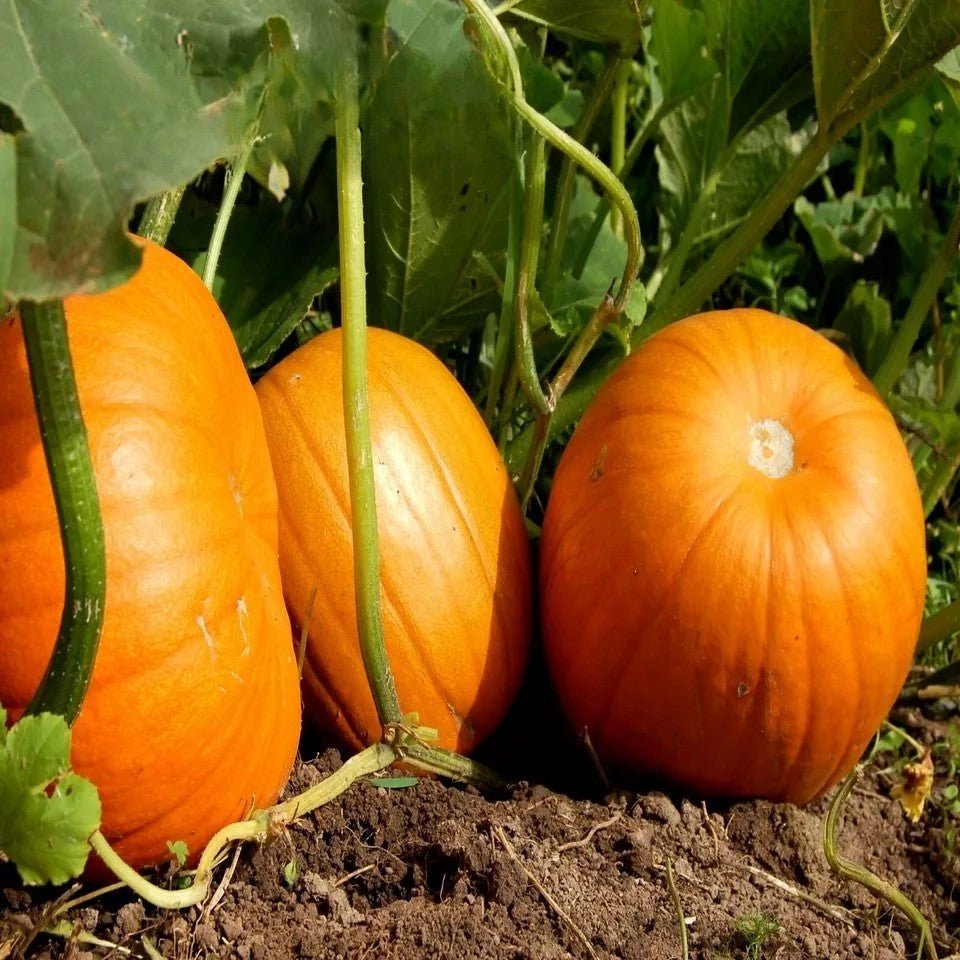
Pumpkin 'Golias' – Seeds
(Cucurbita pepo) – Giant, Decorative & Edible Pumpkin
Pumpkin 'Golias' is an impressive giant pumpkin variety, producing extra-large, round fruits with smooth orange skin. Known for its huge size and vigorous growth, it makes a real garden showpiece while also being delicious in soups, bakes, and pies. Perfect for competitions, carving, or autumn displays.
Key Features
-
Type: Annual fruiting vegetable
-
Fruit size: Extra-large, giant pumpkins
-
Skin: Smooth orange
-
Flavor: Mild, sweet flesh suitable for cooking
-
Harvest: Late summer to autumn
-
Use: Cooking, carving, decoration, competitions
Ideal For
-
Giant vegetable growing
-
Autumn harvest festivals & carving
-
Cooking soups, pies, and bakes
-
Impressive garden displays
Sowing & Growing
-
Sow indoors: April–May, 2–3 cm deep in pots.
-
Transplant outdoors: Late May–June, after last frost.
-
Direct sowing: From mid-May, 2–3 cm deep.
-
Spacing: 1–1.5 m between plants.
-
Soil: Rich, fertile, well-drained with compost/manure.
-
Harvest: September–October, when skins harden.
Care Tips
-
Requires full sun and plenty of water.
-
Feed regularly for maximum fruit size.
-
Protect from frost – harvest before first frost arrives.
Showing 9/26


