
Sort by:
51 products
51 products
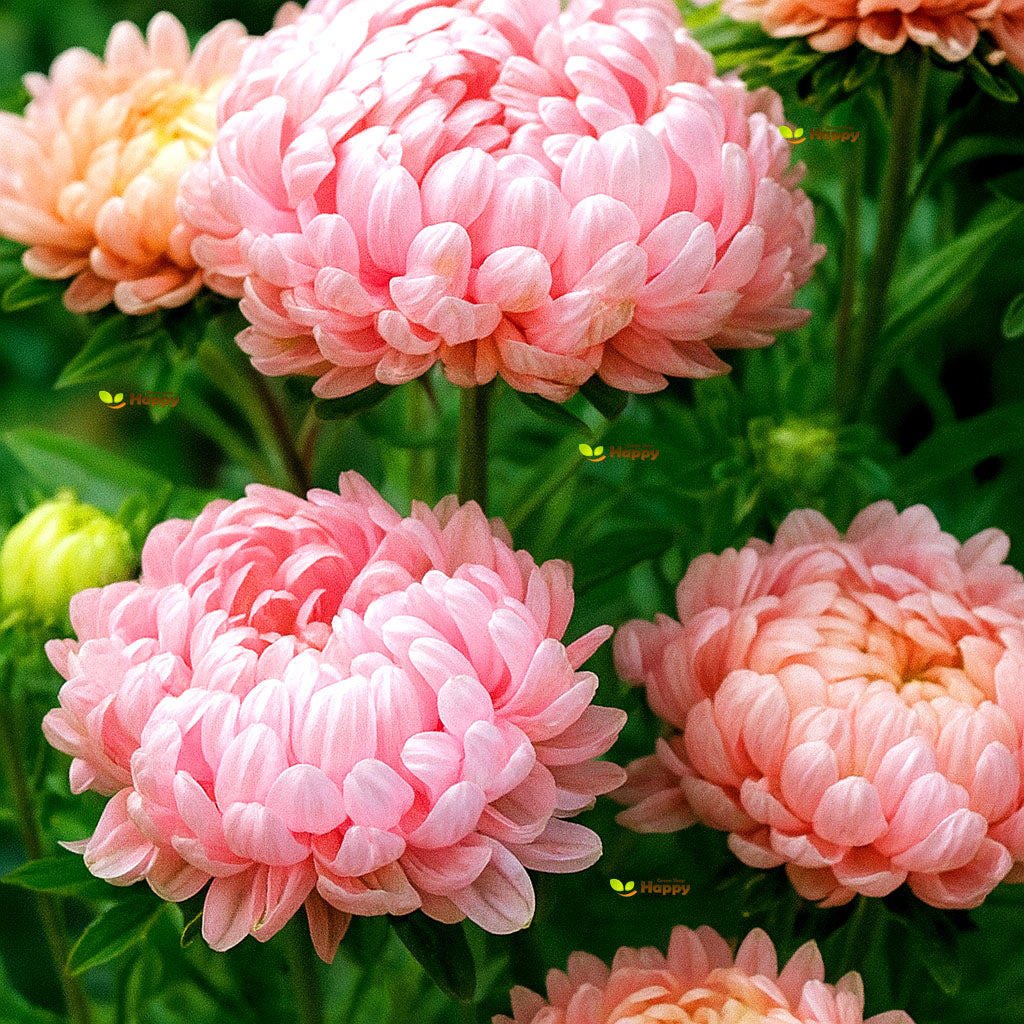

Peony Aster 'Delicate Pink' – Seeds (Callistephus chinensis)
The Peony Aster 'Delicate Pink' is a breathtaking annual with large, fully double flowers that resemble garden peonies. Its soft blush-pink blooms make an elegant display in borders, beds, and cutting gardens. With strong, upright stems and a long flowering season, this variety is also an excellent choice for floral arrangements.
Highlights
-
Large, fully double peony-like blooms
-
Beautiful soft pink color
-
Excellent as a cut flower
-
Long-lasting summer blooms
-
Strong and upright stems
Key Features
-
Botanical Name: Callistephus chinensis
-
Variety: Peony Aster 'Delicate Pink'
-
Seed Count: Approx. seeds per pack
-
Height/Spread: 50–60 cm tall, 25–30 cm spread
-
Position: Full sun, well-drained soil
-
Flowering Period: July–October
Perfect For
-
Cottage gardens
-
Borders and beds
-
Cutting gardens and floral arrangements
-
Elegant pastel displays
Sowing Instructions
-
Sow indoors Feb–Apr at 18–21°C
-
Cover lightly with fine compost or vermiculite
-
Germination: 7–14 days
-
Transplant seedlings when large enough, spacing 25–30 cm apart
-
Harden off before planting outdoors after the last frost
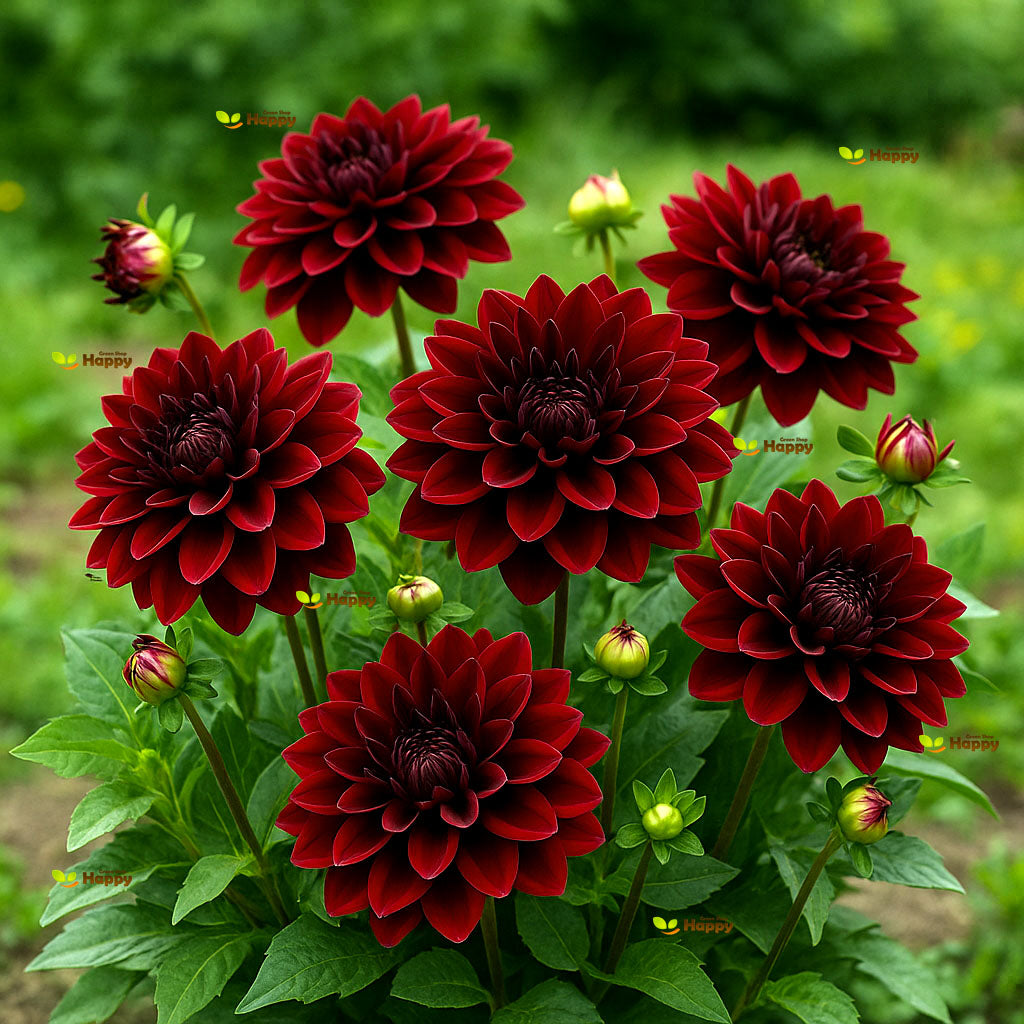
Dahlia 'Bloody Mary' – Seeds
(Dahlia variabilis)
Dahlia 'Bloody Mary' is a stunning compact variety that produces vibrant, dark red, fully double blooms with a rich, velvety texture. Its bushy habit and long flowering season make it ideal for borders, containers, and mixed flower beds. This eye-catching variety is also a favorite for cut flowers, adding dramatic color to bouquets and arrangements.
Key Features
-
Type: Half-hardy annual (grown from seed)
-
Height: 40–50 cm
-
Spread: 30–40 cm
-
Flowering: July–October
-
Position: Full sun
-
Soil: Fertile, well-drained
Ideal For
-
Borders and bedding displays
-
Containers and pots
-
Cut flower arrangements
-
Pollinator-friendly gardens
Sowing & Growing
-
Sow indoors: February–April at 18–22°C
-
Germination: 7–14 days
-
Transplant after last frost, spacing 25–30 cm
-
Deadhead regularly to encourage continuous blooms

Dwarf Sunflower 'Sunspot' Seeds (Helianthus annuus)
The Dwarf Sunflower 'Sunspot' is a compact variety producing giant golden-yellow blooms up to 25 cm wide on sturdy dwarf stems. Reaching just 45–60 cm in height, it’s perfect for small gardens, borders, and containers while still giving the dramatic effect of traditional tall sunflowers. A favorite for children’s gardens and excellent as a cut flower.
What Makes It Special
-
Dwarf habit with impressively large flowers
-
Perfect for pots, small gardens, or children’s growing projects
-
Sturdy stems resist wind and rarely need staking
-
Attracts pollinators and makes excellent cut flowers
Key Features
-
Botanical name: Helianthus annuus
-
Variety: 'Sunspot'
-
Seed count: Approx. seeds per pack
-
Height/Spread: 45–60 cm tall, 20–30 cm spread
-
Position: Full sun; well-drained soil
-
Flowering period: July–September
Ideal For
-
Pots and containers
-
Children’s gardens and school projects
-
Borders and bedding schemes
-
Cut flower arrangements
Sowing Instructions
-
When to sow: March–May indoors; April–June outdoors
-
How to sow:
-
Sow seeds 1.5 cm deep in pots or directly outdoors after frost
-
Germination takes 7–14 days at 15–20°C
-
-
Transplanting: Plant seedlings outdoors after frost risk has passed
-
Care: Water regularly in dry conditions; dwarf plants are sturdy and easy to grow.
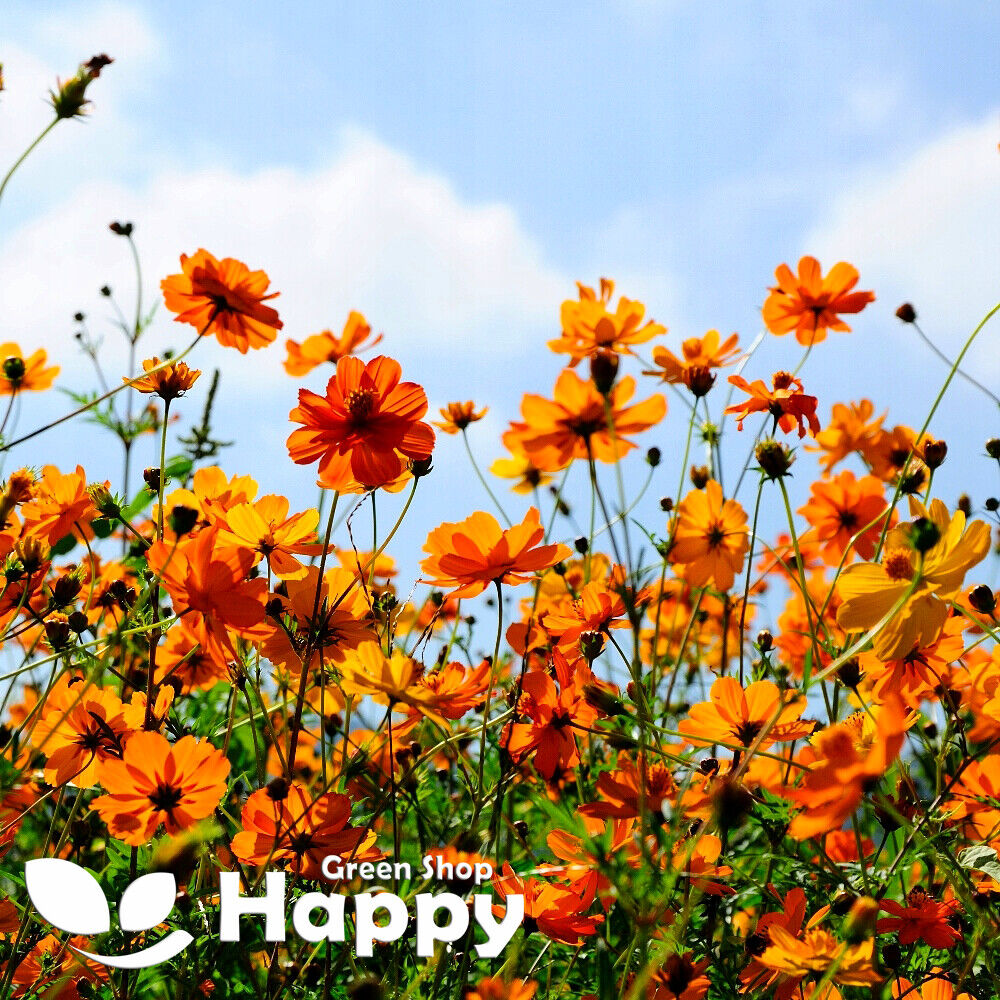
Cosmos ‘Polidor’ Mix – Seeds (Cosmos sulphureus)
The Cosmos ‘Polidor’ Mix is a dazzling, warm-toned variety producing masses of semi-double blooms in shades of gold, orange, and scarlet-red. Unlike the softer pastel cosmos, this species (Cosmos sulphureus) is more compact, with bushy growth and excellent heat tolerance. Perfect for bright summer borders and butterfly gardens.
Highlights
-
Vivid warm shades: yellow, orange, and red
-
Semi-double flowers with a cheerful, fiery look
-
Excellent for hot, sunny, dry spots
-
Attracts bees, butterflies, and pollinators
Key Features
-
Botanical Name: Cosmos sulphureus
-
Variety: ‘Polidor’ Mix
-
Seed Count: Approx. seeds per pack
-
Height/Spread: 60–90 cm tall, 30–45 cm spread
-
Position: Full sun, well-drained soil
-
Flowering Period: July–October
Perfect For
-
Adding vibrant warm tones to garden beds
-
Containers, borders, and cutting gardens
-
Low-maintenance summer displays
-
Pollinator-friendly plantings
Sowing Instructions
-
Sow indoors March–April at 18–21°C
-
Cover seeds lightly with compost
-
Germination: 7–14 days
-
Harden off and transplant outdoors after frost, spacing 25–30 cm apart
-
Can also be direct sown outdoors May–June


Sunflower ‘Henry Wilde’ – 40 Seeds (Helianthus annuus)
A true classic among sunflowers, ‘Henry Wilde’ is loved for its tall, sturdy stems and large golden-yellow blooms that radiate summer warmth. This heirloom variety produces impressive flowers with deep brown centres, making it a favourite for cottage gardens, cutting gardens, and wildlife-friendly landscapes.
‘Henry Wilde’ is an easy-to-grow, reliable sunflower ideal for gardeners of all experience levels. Its bold height and vibrant colour make it a perfect backdrop in borders, along fences, or as a statement plant in any sunny spot.
Features & Benefits
-
Tall and statuesque – reaches 1.8–2.2 m
-
Large golden-yellow blooms with classic sunflower form
-
Excellent cut flower – long, strong stems and great vase life
-
Loved by pollinators – attracts bees, butterflies & beneficial insects
-
Bird-friendly – seeds are enjoyed by goldfinches and other wild birds
-
Easy and dependable – vigorous, fast-growing heirloom variety
Growing Information
-
Sowing Time: March–June
-
Germination: 7–14 days at 18–22°C
-
Flowering: July–September
-
Position: Full sun
-
Height: 180–220 cm
-
Spacing: 30–45 cm
-
Soil: Fertile, well-drained; keep evenly moist
How to Grow
Sow seeds directly into the garden after the last frost, planting 1–2 cm deep. For an earlier start, sow individually in pots indoors and transplant once seedlings are strong. Provide support in windy locations. Water regularly, especially during dry spells, to encourage strong stems and big blooms.
Ideal For
-
Back borders & cottage gardens
-
Cutting gardens
-
Wildlife and pollinator gardens
-
Creating natural summer screens
-
Children’s gardening projects
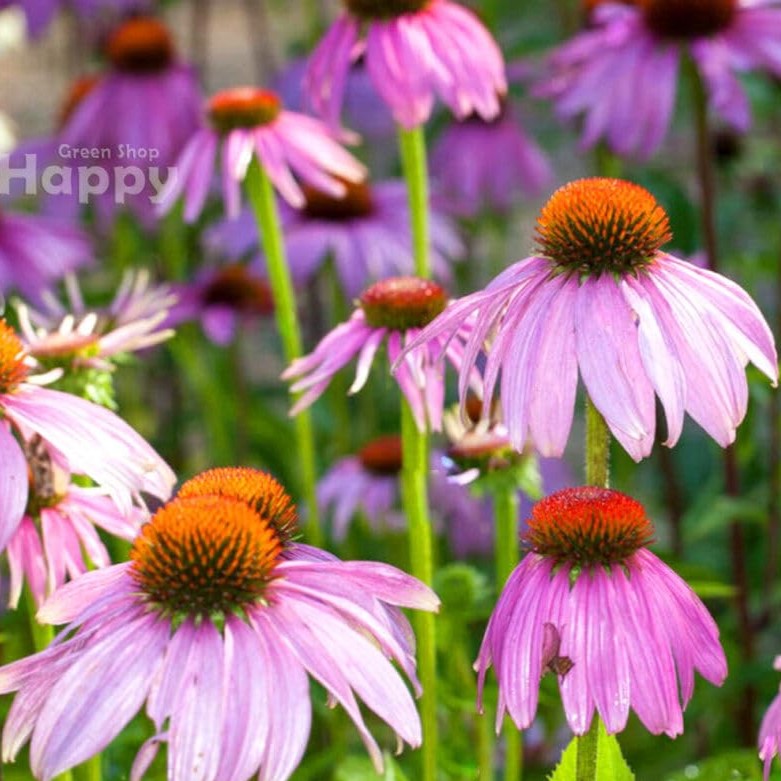
Purple Coneflower 'Starlight' – Seeds
(Echinacea purpurea)
Purple Coneflower 'Starlight' is a hardy perennial known for its striking lavender-purple petals surrounding a prominent orange-brown central cone. Its long-lasting blooms attract pollinators like bees and butterflies, while its robust, upright growth makes it a standout in borders, wildflower meadows, and perennial gardens. This variety is low-maintenance and drought-tolerant, perfect for sustainable planting.
Key Features
-
Type: Perennial
-
Height: 60–90 cm
-
Spread: 40–50 cm
-
Flowering: July–September
-
Position: Full sun to partial shade
-
Soil: Well-drained, moderately fertile
Ideal For
-
Perennial borders and cottage gardens
-
Pollinator-friendly planting
-
Cut flower arrangements
-
Naturalized or meadow-style gardens
Sowing & Growing
-
Sow indoors: February–April at 18–22°C
-
Sow outdoors: April–May, directly in soil
-
Germination: 14–21 days
-
Thin seedlings to 40–50 cm apart
-
Mulch and water moderately; low-maintenance once established
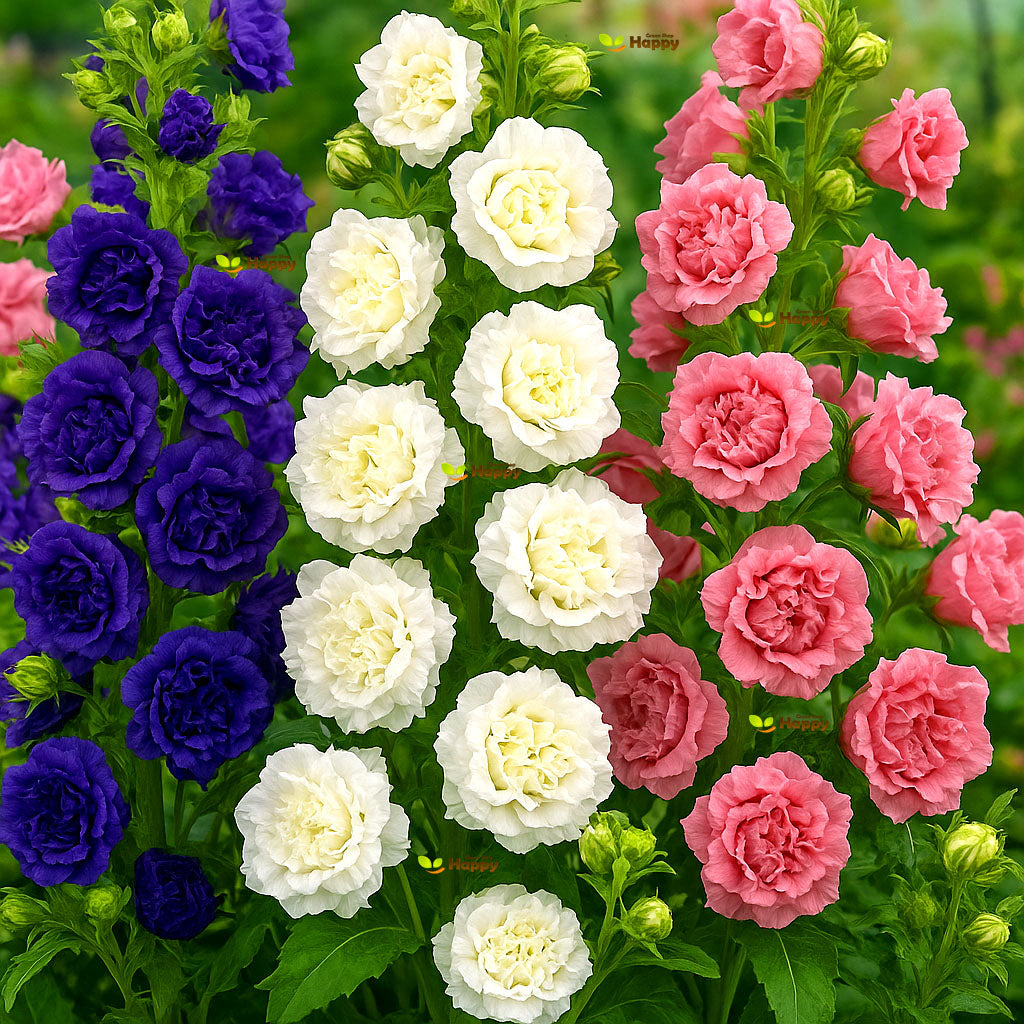
Canterbury Bells Double Mix – Seeds
(Campanula medium)
Canterbury Bells ‘Double Mix’ is a traditional cottage garden favorite, producing tall spires filled with large, fully double bell-shaped blooms. This colorful mix features shades of blue, pink, white, and lavender, bringing old-fashioned charm and elegance to borders, beds, and cutting gardens.
Why Grow Canterbury Bells Double Mix?
-
Stunning double blooms in soft pastel shades
-
Classic cottage garden plant with tall spires
-
Long-lasting cut flowers for arrangements
-
Reliable biennial, flowering the following year
Key Features
-
Type: Biennial
-
Height: 60–90 cm
-
Flowers: Early to mid-summer (second year)
-
Position: Full sun to partial shade
-
Soil: Well-drained, fertile soil
Ideal For
-
Cottage and traditional gardens
-
Flower borders and background planting
-
Cut flower arrangements
-
Pollinator-friendly spaces
Sowing & Growing
-
Sow indoors: May–July in trays of fine compost (do not cover seeds – light aids germination)
-
Germination: 14–21 days at 18–22°C
-
Transplant: Prick out seedlings and grow on before planting out in autumn
-
Care: Water regularly, deadhead faded blooms, and stake taller plants if needed

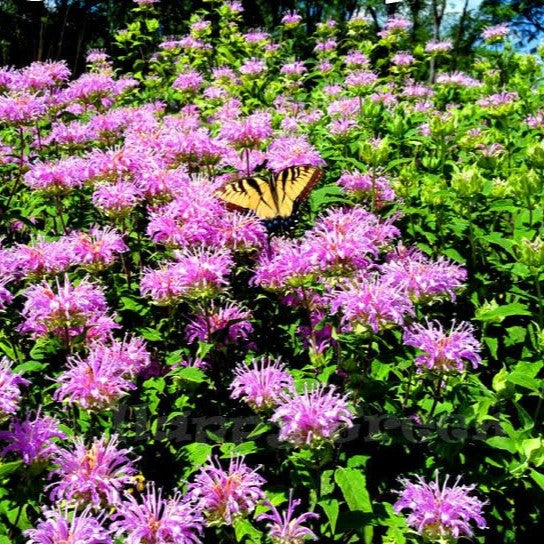
Wild Bergamot – 1,300 Seeds (Monarda fistulosa)
Wild Bergamot (Monarda fistulosa) is a hardy perennial known for its fragrant lavender-pink blooms and aromatic foliage. A favorite of pollinators, it attracts bees, butterflies, and hummingbirds, making it perfect for pollinator gardens, borders, and wildflower meadows. Easy to grow and low-maintenance, it provides long-lasting color and texture from mid-summer to early autumn.
Why Grow "Wild Bergamot"
-
Fragrant lavender-pink blooms
-
Aromatic foliage with medicinal and culinary uses
-
Attracts bees, butterflies, and hummingbirds
-
Hardy and low-maintenance perennial
Key Features
-
Type: Perennial (Monarda fistulosa)
-
Height: 60–90 cm
-
Flowering: July–September
-
Position: Full sun to partial shade
-
Uses: Pollinator gardens, borders, wildflower meadows, cottage gardens
Ideal For
-
Pollinator-friendly gardens
-
Cottage-style or naturalized borders
-
Wildflower meadows
-
Herbal and sensory gardens
Sowing & Growing
-
Sow indoors: February–April in trays
-
Sow outdoors: April–May directly in prepared soil
-
Germination: 10–20 days at 18–22°C
-
Thin seedlings to 30–40 cm apart
-
Prefers well-drained soil and full sun
-
Deadhead to encourage prolonged flowering
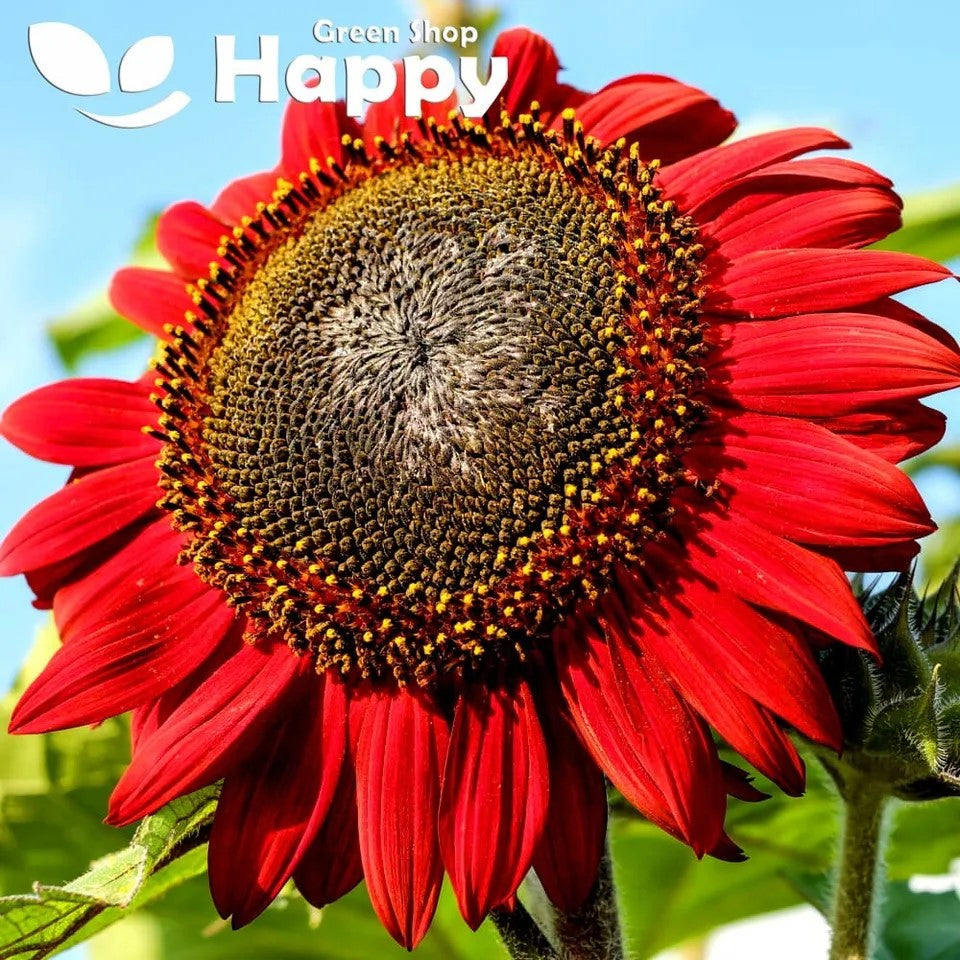
Sunflower 'Red Sun' Seeds (Helianthus annuus)
The Sunflower 'Red Sun' is a striking tall variety, producing large, fiery-red to bronze blooms with dark centers. Reaching heights of 150–180 cm, these sunflowers create a dramatic display in borders and wildlife gardens. Excellent as a cut flower and highly attractive to bees and butterflies, it brings both bold color and pollinator activity to your garden.
What Makes It Special
-
Unique deep red-bronze blooms unlike typical yellow sunflowers
-
Tall, stately plants ideal for the back of borders
-
Long-lasting cut flowers with strong stems
-
Attracts bees, butterflies, and birds
Key Features
-
Botanical name: Helianthus annuus
-
Variety: 'Red Sun'
-
Seed count: Approx. seeds per pack
-
Height/Spread: 150–180 cm tall, 40–60 cm spread
-
Position: Full sun; fertile, well-drained soil
-
Flowering period: July–September
Ideal For
-
Bold border plantings
-
Wildlife and pollinator-friendly gardens
-
Cut flower arrangements
-
Cottage gardens and tall seasonal screens
Sowing Instructions
-
When to sow: March–May indoors; April–June outdoors
-
How to sow:
-
Sow seeds 1.5 cm deep in pots or directly outdoors after frost risk has passed
-
Germination in 7–14 days at 15–20°C
-
-
Transplanting: Thin or transplant seedlings to 45 cm apart
-
Care: Provide support in windy areas; water during dry spells.
Showing 9/51


