
Sort by:
4 products
4 products
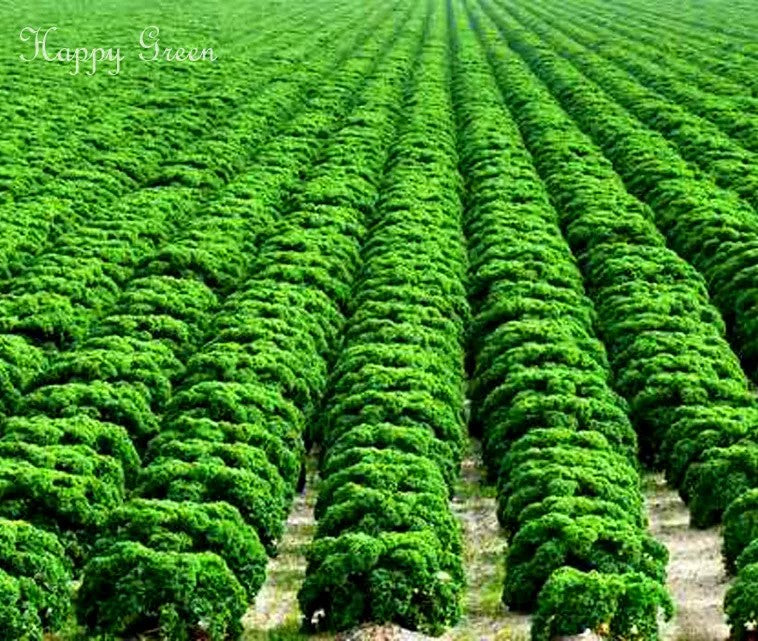
Winter Kale – Seeds (Brassica oleracea)
Winter Kale is a hardy, nutrient-rich leafy green perfect for cold-weather gardens. This variety produces robust, dark green leaves that remain tender and flavorful even after frost. Ideal for soups, stews, sautés, or fresh salads, Winter Kale is a staple for year-round gardening and adds both color and nutrition to your plate.
How to Grow
-
Sow seeds outdoors from March to July.
-
Sow 1–2 cm deep in rows 30–40 cm apart.
-
Thin seedlings to 20–30 cm spacing for strong growth.
-
Prefers fertile, well-drained soil in full sun to partial shade.
-
Can be harvested continuously by cutting outer leaves, leaving the center to grow.
Key Features
-
Cold-hardy and frost-tolerant
-
Nutrient-dense dark green leaves
-
Continuous cut-and-come-again harvesting
-
Ideal for soups, stews, salads, and sautéing
-
Easy to grow in home gardens and allotments
Ideal For
-
Winter and early spring harvesting
-
Nutritious soups, smoothies, and salads
-
Beginner and experienced gardeners alike
Sowing & Harvest
-
Sow: March to July
-
Depth: 1–2 cm
-
Spacing: 20–30 cm between plants
-
Harvest: September to February
Quick Tip
-
Frost enhances the flavor, making the leaves sweeter and more tender.
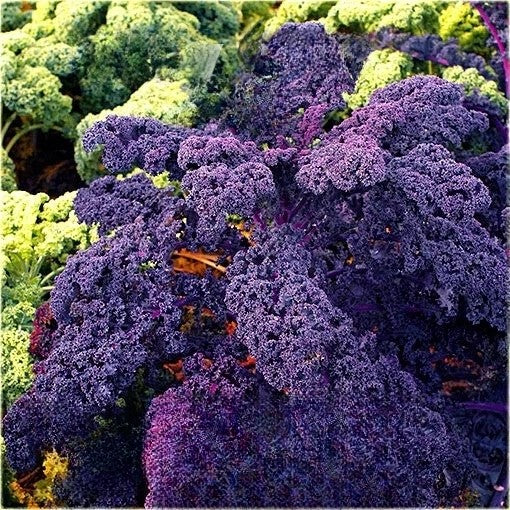
Kale 'Scarlet' – Seeds (Brassica oleracea)
The Kale 'Scarlet' is a stunning ornamental and culinary variety, prized for its deeply curled, frilly leaves that turn a rich purple-red as temperatures drop. This hardy kale is packed with vitamins and minerals, offering a sweet, mild flavor that improves after the first frosts.
Beautiful in the garden and nutritious in the kitchen, it’s perfect for salads, smoothies, sautés, and winter soups.
How to Grow
-
Sow indoors: March – May
-
Sow outdoors: April – June
-
Transplant/Thin: 40–50 cm apart
-
Soil: Fertile, well-drained, moisture-retentive
-
Position: Full sun or partial shade
-
Care: Water regularly and protect young plants from pests
Key Features
-
Striking deep-red, frilly leaves
-
Sweet flavor enhanced by frost
-
Very hardy, withstands winter cold
-
Rich in vitamins A, C, and K
-
Dual-purpose: ornamental and edible
Sowing & Harvest
-
Sow: March – June
-
Harvest: October – March
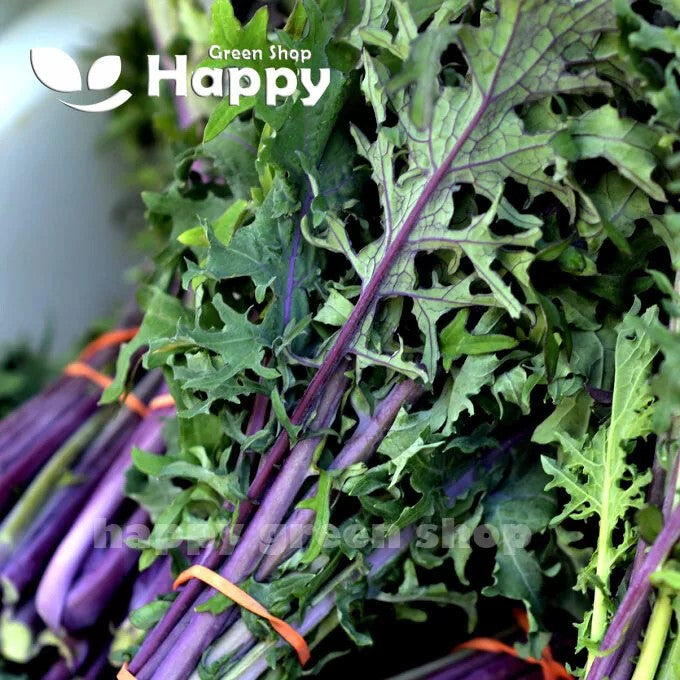
Kale 'Red Russian' Seeds (Brassica oleracea)
Bring color and nutrition to your garden with Kale 'Red Russian', a hardy variety with tender, oak-shaped leaves flushed with purple-red veins. Sweeter and milder than many other kales, it’s perfect for salads, smoothies, steaming, and stir-fries. Cold-hardy and easy to grow, it thrives from early spring to late winter, providing a long season of nutrient-rich harvests.
How to Grow
-
Sow indoors in early spring or direct outdoors from spring to mid-summer.
-
Prefers fertile, well-drained soil in full sun or partial shade.
-
Sow 1 cm deep in rows 45 cm apart.
-
Thin or transplant seedlings to 40–50 cm apart.
-
Harvest young leaves for salads or allow plants to mature for larger leaves.
Key Features
-
Attractive purple-red veined leaves with tender texture
-
Mild, sweet flavor compared to traditional kales
-
Cold-hardy and reliable through autumn and winter
-
Perfect for cut-and-come-again harvesting
-
Nutrient-rich superfood, high in vitamins and minerals
Ideal For
-
Fresh salads and smoothies
-
Stir-fries, soups, and steaming
-
Year-round kitchen gardens
-
Gardeners seeking hardy, reliable greens
Sowing
-
Best time: March to July
-
Depth: 1 cm
-
Row spacing: 45 cm
-
Plant spacing: 40–50 cm
-
Harvest: From 6–8 weeks after sowing
Quick Tip
-
Harvest young leaves regularly to promote fresh growth and sweeter flavor.

Brassica oleracea 'Fringed Leaved Mixed' is a compact ornamental kale grown for its spectacular rosettes of deeply fringed, ruffled foliage. As temperatures begin to fall, the centres develop increasingly vivid shades of white, cream, pink, rose and purple, beautifully contrasted against the green outer leaves.
Reaching approximately 30 cm tall, this dwarf mixture is particularly effective in autumn containers, flower beds and seasonal displays. Unlike most summer bedding plants, ornamental kale becomes more colourful as the weather turns colder, providing striking foliage when many other garden plants are beginning to fade. Its sculptural rosettes remain decorative well into the cool season and look especially impressive when planted in groups.
● Deeply fringed and ruffled leaves form spectacular ornamental rosettes
● Colourful centres develop shades of white, cream, pink, rose and purple
● Colours become richer and more intense as temperatures fall
● Compact dwarf habit reaching approximately 30 cm
● Provides valuable garden colour through autumn and into the colder months
● Autumn and early winter displays
● Patio pots and containers
● Flower beds and borders
● Colourful group planting
● Seasonal garden displays
● Sow in early to midsummer rather than spring; plants grown too early may struggle in summer heat and can lose their best appearance before the main autumn display.
● After germination, grow seedlings in bright, relatively cool conditions to encourage compact, sturdy plants rather than soft, stretched growth.
● Do not worry if young plants remain mostly green during summer. The characteristic white, pink, rose and purple colouring becomes much stronger as nights and daytime temperatures become cooler.
● Keep plants well watered during summer establishment, particularly in containers, as consistent moisture helps produce large, well-formed rosettes.
● Plant several colours together in groups or containers for the strongest effect; the compact 30 cm habit works particularly well alongside autumn pansies, violas and other cool-season plants.


