
Sort by:
12 products
12 products
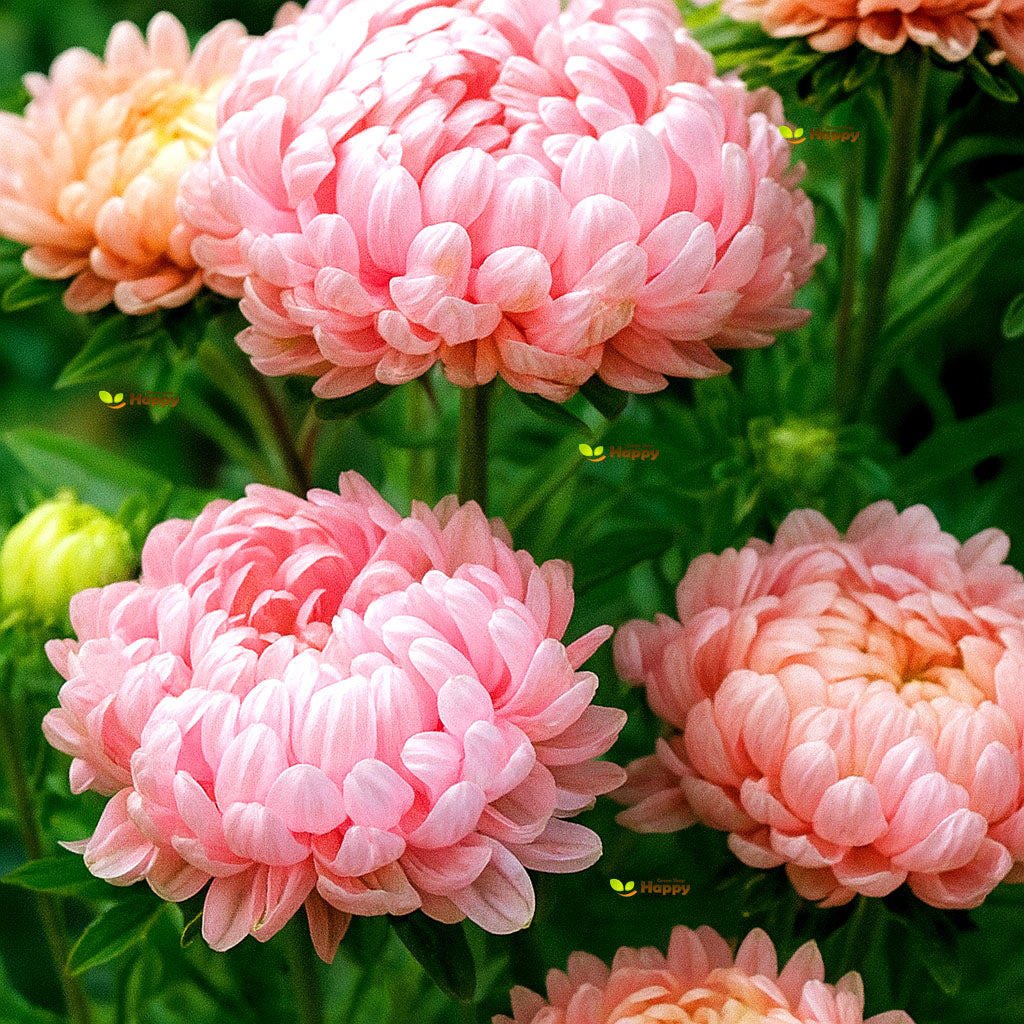

Peony Aster 'Delicate Pink' – Seeds (Callistephus chinensis)
The Peony Aster 'Delicate Pink' is a breathtaking annual with large, fully double flowers that resemble garden peonies. Its soft blush-pink blooms make an elegant display in borders, beds, and cutting gardens. With strong, upright stems and a long flowering season, this variety is also an excellent choice for floral arrangements.
Highlights
-
Large, fully double peony-like blooms
-
Beautiful soft pink color
-
Excellent as a cut flower
-
Long-lasting summer blooms
-
Strong and upright stems
Key Features
-
Botanical Name: Callistephus chinensis
-
Variety: Peony Aster 'Delicate Pink'
-
Seed Count: Approx. seeds per pack
-
Height/Spread: 50–60 cm tall, 25–30 cm spread
-
Position: Full sun, well-drained soil
-
Flowering Period: July–October
Perfect For
-
Cottage gardens
-
Borders and beds
-
Cutting gardens and floral arrangements
-
Elegant pastel displays
Sowing Instructions
-
Sow indoors Feb–Apr at 18–21°C
-
Cover lightly with fine compost or vermiculite
-
Germination: 7–14 days
-
Transplant seedlings when large enough, spacing 25–30 cm apart
-
Harden off before planting outdoors after the last frost
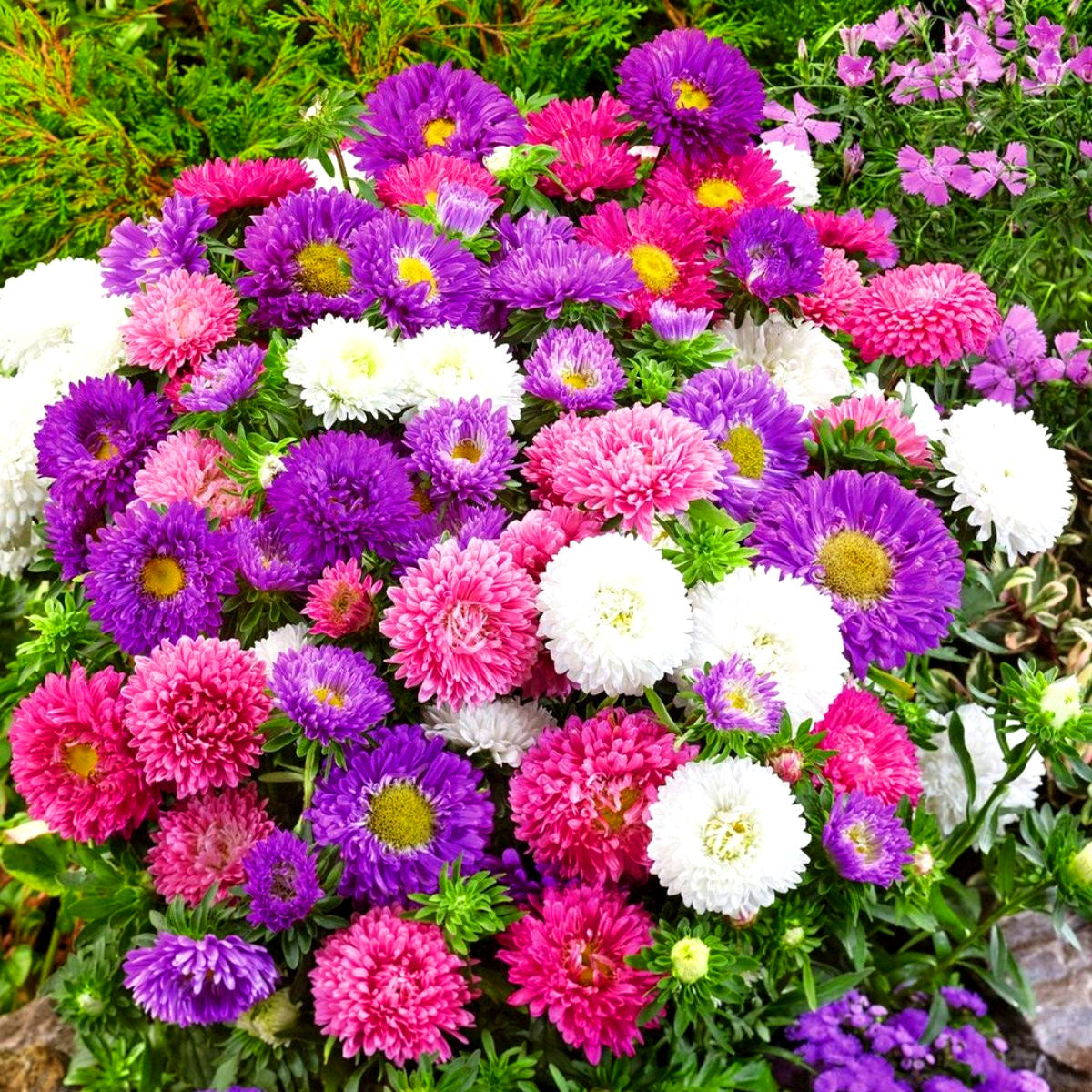
Aster "Color Carpet Mix" – Seeds
(Callistephus chinensis)
Aster "Color Carpet Mix" is a charming dwarf variety that produces a vivid carpet of colorful blooms in late summer and autumn. With compact, bushy growth and daisy-like flowers in shades of pink, purple, red, blue, and white, this mix is perfect for brightening borders, rockeries, and container displays. Long-lasting blooms make them excellent for cutting, bringing cheer indoors as well.
Why Grow Aster "Color Carpet Mix"?
-
Compact, bushy habit with masses of blooms
-
Vibrant mix of summer and autumn colors
-
Long flowering season
-
Great for edging, containers & small gardens
Key Features
-
Type: Half-hardy annual
-
Height: 20–25 cm
-
Blooms: July–October
-
Position: Full sun or partial shade
-
Soil: Well-drained, fertile soil
Ideal For
-
Bedding & edging
-
Rock gardens and low borders
-
Patio containers
-
Cut flower arrangements
Sowing & Growing
-
Sow indoors: February–April, in trays or pots, lightly covering seeds
-
Transplant seedlings outdoors after frost, spacing 20 cm apart
-
Sow outdoors: May, directly where they are to flower
-
Germination: 10–14 days at 18–21°C
-
Remove faded blooms to extend flowering season

🌸 Callistephus chinensis Pompon Aster ‘Hi-no-maru Mix’ – Compact Plants with Perfect Pompon Blooms
‘Hi-no-maru Mix’ is a striking pompon aster variety producing perfectly rounded, fully double flowers inspired by the Japanese “rising sun” colour style. The mix consists of red-and-white, blue-and-white, and pink-and-white blooms, each with a clear contrasting centre. The flowers are held on strong stems above neat, compact plants. Flowering in late summer, this variety is ideal for bedding displays, borders, containers and cut flowers. Uniform growth and excellent flower form make it a favourite for both gardens and floral arrangements.
Key Features
● Fully double, perfectly rounded pompon flowers
● Attractive colour mix inspired by “Hi-no-maru” style
● Compact, upright plants with strong stems
● Excellent for bedding, pots and cut flowers
● Late-summer colour when many annuals fade
How to Sow & Grow Pompon Aster ‘Hi-no-maru Mix’ (UK)
Sow indoors: III–IV (March–April) in trays or pots
Transplant outdoors: V–VI (May–June) once seedlings are sturdy and frost risk has passed
Direct outdoors: IV–V (April–May)
Flowering: VII–IX (July–September)
Germination temperature: 18–22 °C (64–72 °F)
Average germ time: 7–14 days
Depth: 0.5 cm (¼ in)
Light required: Yes
Moisture: Keep soil evenly moist
Environment: Full sun
Soil type: Fertile, well-drained soil
Plant spacing: 20–25 cm (8–10 in)
Height: 40–60 cm (16–24 in)
Sowing & Growing Tips (variety-specific)
● Avoid growing asters in the same spot every year to reduce disease risk.
● Water at soil level to keep foliage dry.
● Pinch young plants to encourage bushier growth.
● Cut flowers regularly to extend blooming.
● Ideal for late-summer borders and floral displays.
Special Features
● Classic pompon flower shape with excellent uniformity
● Strong stems ideal for cutting
● Decorative Japanese-inspired colour mix
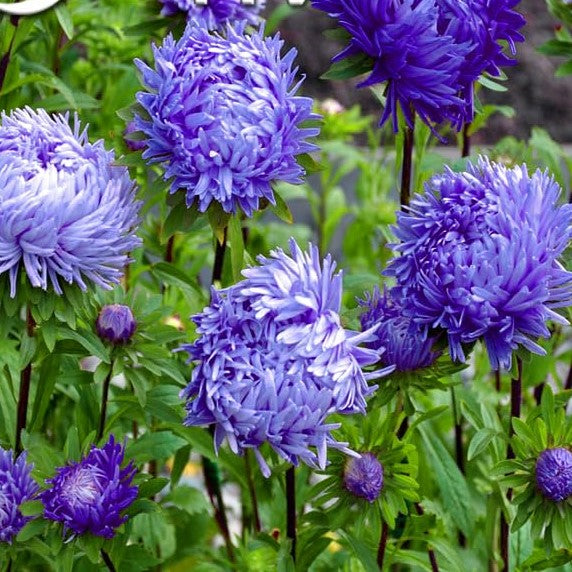
Aster ‘Pavlova’ Deep Blue – Seeds
(Callistephus chinensis)
Aster ‘Pavlova’ Deep Blue produces large, fully double, deep blue flowers that brighten borders and bouquets. Compact and long-flowering, it attracts pollinators and is easy to grow.
Why Grow Aster ‘Pavlova’ Deep Blue?
-
Large, double deep blue blooms
-
Long-flowering annual
-
Attracts bees and butterflies
-
Perfect for borders and cut flowers
Key Features
-
Type: Annual
-
Height: 40–60 cm
-
Flowers: Summer to autumn
-
Position: Full sun
-
Soil: Well-drained, moderately fertile
Ideal For
-
Borders, cottage gardens, and flower beds
-
Pollinator-friendly gardens
-
Cut flowers and bouquets
Sowing & Growing
-
Sow indoors: February–April
-
Sow outdoors: April–May
-
Germination: 10–20 days at 18–20°C
-
Spacing: 25–30 cm
-
Care: Moderate watering; deadhead for continuous blooms
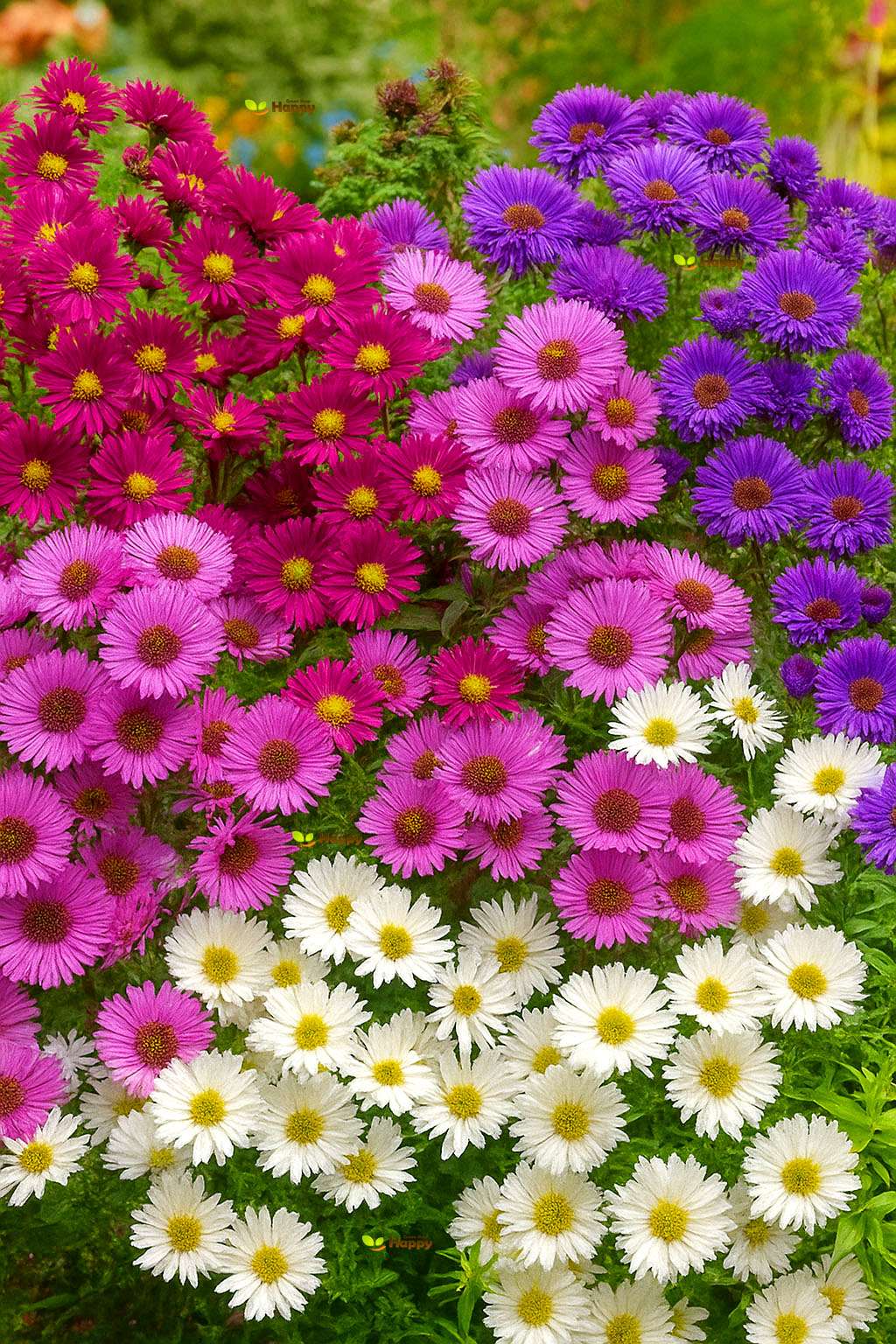
New York Aster ‘Novi-Belgii’ Seeds (Symphyotrichum novi-belgii)
Enhance your late-season garden with New York Aster ‘Novi-Belgii’ (Symphyotrichum novi-belgii). This hardy perennial produces dense clusters of violet-blue daisy-like flowers with golden centers in late summer and autumn, bringing vibrant color to borders, meadows, and cutting gardens. Easy to grow and long-flowering, it attracts pollinators and adds a classic cottage garden charm.
How to Grow
-
Sow seeds indoors 6–8 weeks before the last frost or directly outdoors after frost risk has passed.
-
Use well-drained soil in full sun to partial shade.
-
Lightly cover seeds with soil and keep moist until germination (14–21 days).
-
Thin seedlings to 30–40 cm apart once established.
-
Mulch around plants to retain moisture and support healthy growth.
-
Cut back after flowering to maintain plant vigor.
Key Features
-
Violet-blue, daisy-like flowers with golden centers
-
Hardy perennial, long-flowering and easy to grow
-
Ideal for borders, meadows, and cutting gardens
-
Attracts bees, butterflies, and other pollinators
-
Adds vibrant late-season color to garden beds
Ideal For
-
Flower borders and cottage gardens
-
Wildflower meadows and naturalized areas
-
Cutting gardens for bouquets
-
Pollinator-friendly landscapes
Sowing
-
Best time: 6–8 weeks before last frost indoors or after frost outdoors
-
Germination: 14–21 days
-
Sow thinly, cover lightly, and keep soil moist
-
Prefers full sun to partial shade and well-drained soil
Quick Tip
-
For extended blooms, sow successive batches or cut flowers regularly to encourage new growth.
Aster Powder Puff Seeds (Callistephus chinensis)
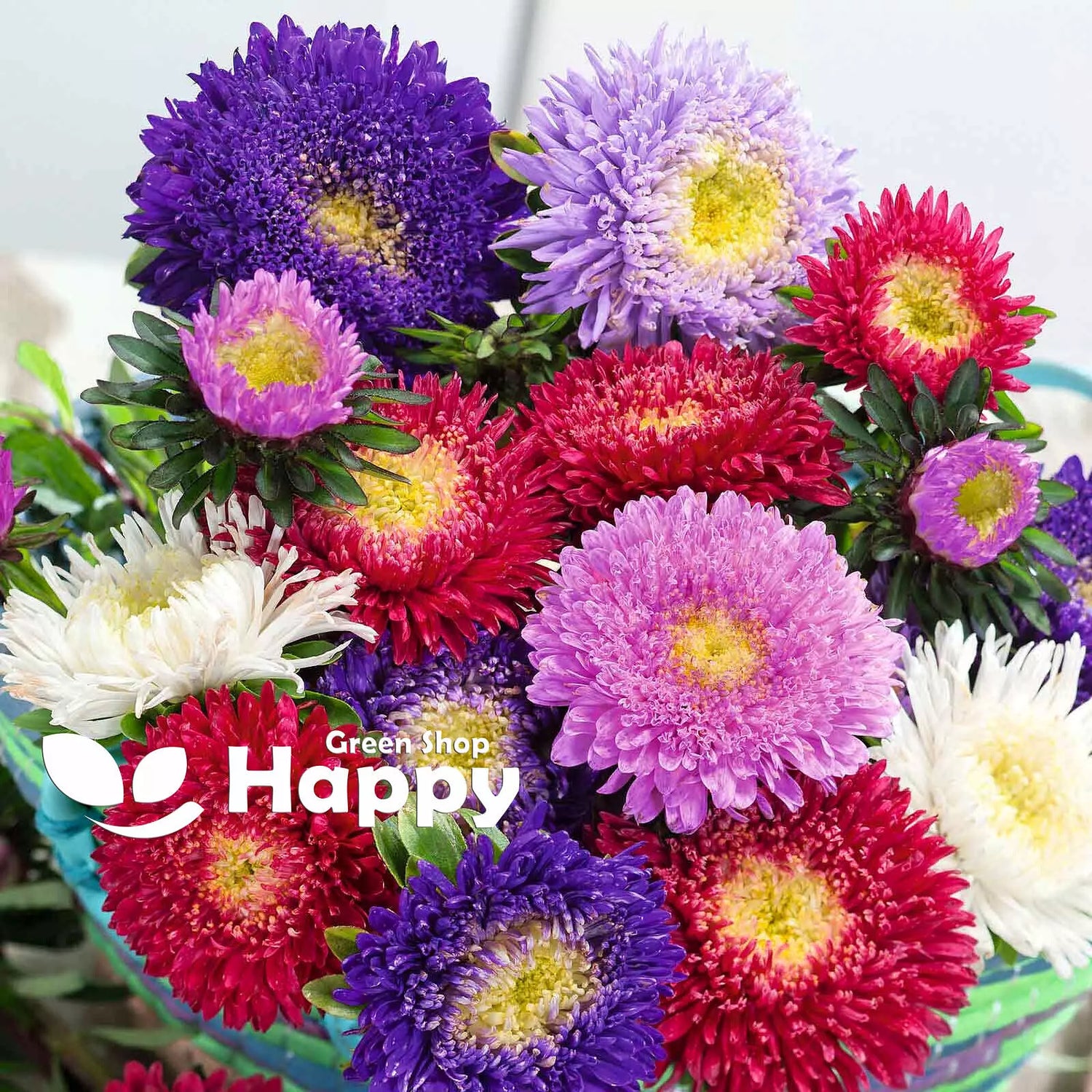
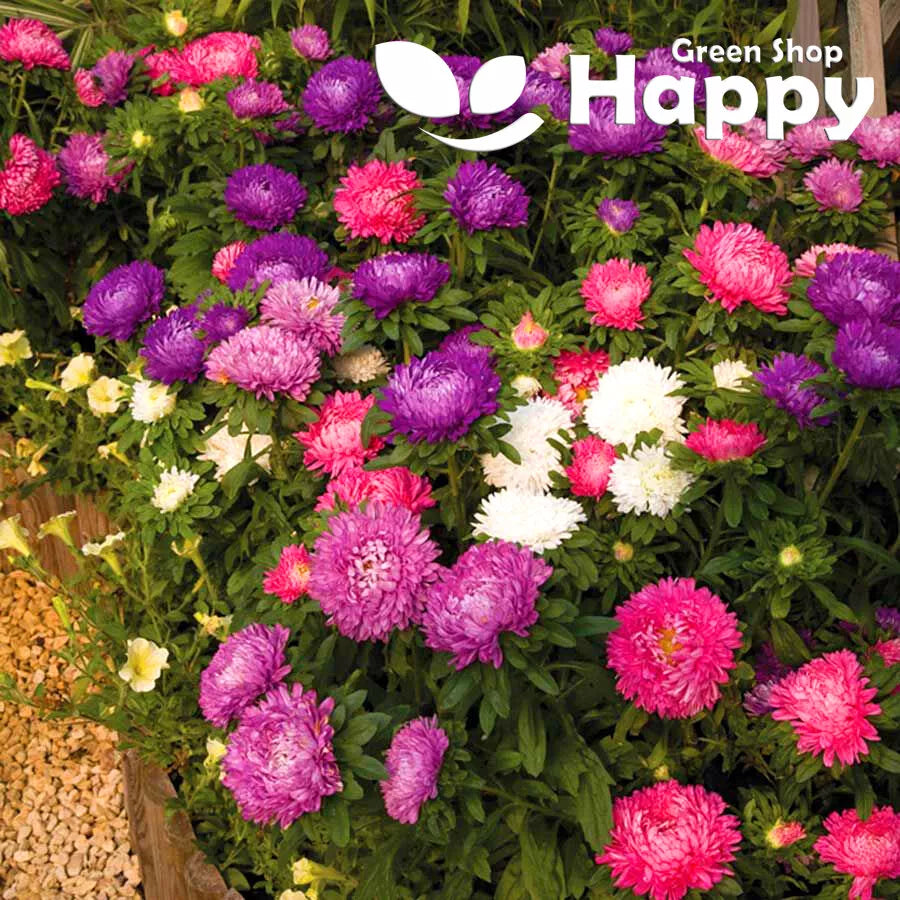
Aster Powder Puff is a stunning annual variety producing large, fluffy, chrysanthemum-like blooms in a wide range of vibrant colors. Its double flowers resemble soft powder puffs, adding texture and richness to summer and autumn borders. Easy to grow and long-lasting as cut flowers, they make an excellent addition to cottage gardens and floral displays.
What Makes It Special
-
Large, fully double “powder puff” blooms
-
Available in a wide range of bright, cheerful colors
-
Excellent as a cut flower with a long vase life
-
Strong stems and bushy growth habit
Key Features
-
Botanical name: Callistephus chinensis
-
Variety: Powder Puff
-
Seed count: Approx. seeds per pack
-
Height/Spread: 50–70 cm tall, 25–30 cm spread
-
Position: Full sun or partial shade; fertile, well-drained soil
-
Flowering period: July–October
Ideal For
-
Borders and bedding displays
-
Cutting for floral arrangements
-
Cottage gardens and mixed borders
-
Late-summer color in the garden
Sowing Instructions
-
When to sow: February–April indoors, or direct sow outdoors from April–May
-
How to sow:
-
Sow thinly on moist seed compost, cover lightly with soil or vermiculite
-
Germination takes 7–14 days at 18–20°C
-
-
Transplanting: When seedlings are large enough, transplant 30 cm apart
-
Care: Water regularly, avoid overhead watering to prevent mildew


Dwarf Aster "Thousand Wonders Salmon Rose" - 150 seeds (Callistephus Chinensis)
£1.24
Unit price perDwarf Aster "Thousand Wonders Salmon Rose" - 150 seeds (Callistephus Chinensis)
£1.24
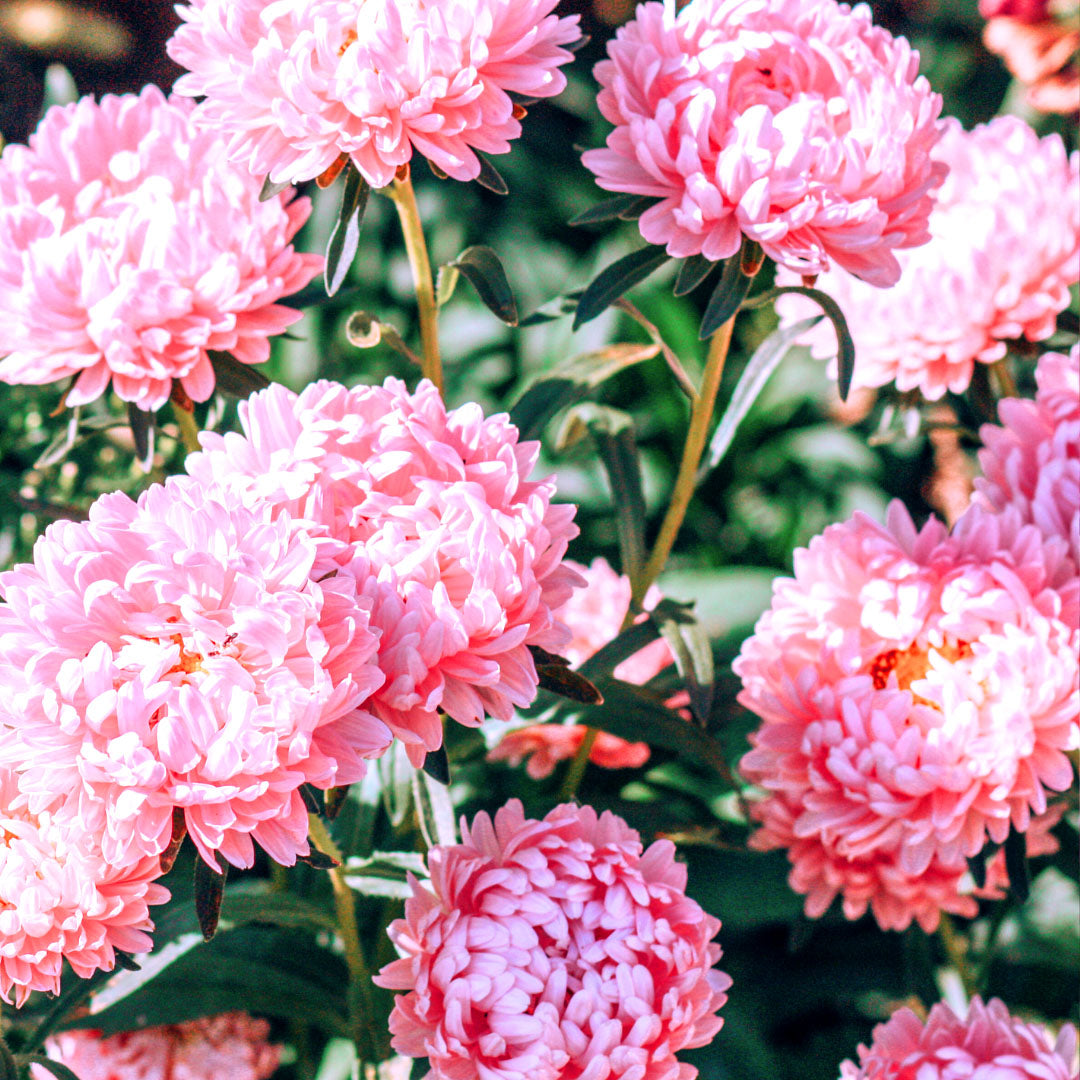
Unit price perDwarf Aster ‘Thousand Wonders Salmon Rose’ – Seeds (Callistephus chinensis)
Dwarf Aster ‘Thousand Wonders Salmon Rose’ (Callistephus chinensis) is a charming annual featuring abundant, fully double blooms in soft salmon-rose hues. Blooming from mid-summer to autumn, these compact asters are perfect for borders, containers, and cottage-style gardens. Easy to grow and low-maintenance, they attract pollinators and add long-lasting color, making them ideal for cheerful summer displays and cut flower arrangements.
Why Grow "Thousand Wonders Salmon Rose"
-
Fully double, soft salmon-rose blooms
-
Long flowering season from mid-summer to autumn
-
Compact, low-maintenance annual
-
Pollinator-friendly and excellent for cut flowers
Key Features
-
Type: Annual (Callistephus chinensis)
-
Height: 25–35 cm
-
Flowering: Mid-summer to autumn
-
Position: Full sun
-
Uses: Borders, containers, cottage gardens, cut flowers, pollinator-friendly gardens
Ideal For
-
Adding vibrant color to compact spaces and borders
-
Container planting and window boxes
-
Pollinator-friendly gardens
-
Summer cut flower arrangements
Sowing & Growing
-
Sow indoors: February–April in trays or pots
-
Sow outdoors: April–May after frost
-
Germination: 7–14 days at 18–22°C
-
Thin seedlings 20–25 cm apart
-
Prefers well-drained soil in full sun
-
Deadhead regularly to encourage continuous flowering

🌸 Callistephus chinensis Aster ‘Andrella Mix Super’ – Early, Upright Plants with Large Open Blooms
‘Andrella Mix Super’ is an early-flowering China aster blend producing large, open flowers with a distinctive double row of petals around the centre. The plants have a strong, upright habit and flower reliably from summer onwards, making this mix ideal for borders, bedding displays and cutting. The airy, open flower form adds a lighter look than fully double asters, while still offering excellent garden performance and vase life.
Key Features
● Large open flowers with a clear double row of petals
● Early-flowering mix for quick summer colour
● Upright habit with strong stems
● Excellent for borders, bedding and cut flowers
● Reliable performance in sunny, well-drained sites
How to Sow & Grow Aster ‘Andrella Mix Super’ (UK)
Sow indoors: III–IV (March–April)
Transplant outdoors: V–VI (May–June) after frost risk has passed
Direct outdoors: IV–V (April–May)
Flowering: VI–IX (June–September) (early for asters)
Life cycle: Annual
Germination temperature: 18–22 °C (64–72 °F)
Average germ time: 7–14 days
Depth: 0.5 cm (¼ in)
Light required: Yes
Moisture: Keep evenly moist
Environment: Full sun
Soil type: Fertile, well-drained soil
Plant spacing: 25–30 cm (10–12 in)
Height: 50–70 cm (20–28 in)
Sowing & Growing Tips (variety-specific)
● Start indoors for the earliest flowering and best uniformity.
● Water at soil level to keep foliage dry.
● Avoid growing asters in the same spot every year.
● Cut stems regularly to encourage continued flowering.

Annual Cut Flowers ‘Summer Bouquets’ Mix – 1 g Seeds
Bring armfuls of vibrant, long-lasting blooms to your home and garden with this specially selected Annual Cut Flowers ‘Summer Bouquets’ Mix. Including snapdragons, zinnias, larkspur, asters, and marigolds, this blend provides color, fragrance, and variety all summer long. Perfect for cutting gardens, borders, and cheerful summer displays.
Why Grow "Summer Bouquets Mix"
-
Diverse blend of classic annual cut flowers
-
Long flowering season with continuous color
-
Excellent for fresh bouquets and arrangements
-
Easy to grow, great for gardeners of all levels
Key Features
-
Type: Annual flower mix
-
Height: 30–90 cm (varies by species)
-
Flowering: June–October
-
Position: Full sun
-
Uses: Cut flowers, borders, summer beds, bouquets
Ideal For
-
Cutting gardens and flower beds
-
Summer bouquets and arrangements
-
Bright, colorful borders
-
Attracting pollinators
Sowing & Growing
-
Sow outdoors: March–May in prepared soil
-
Sow direct, lightly cover seeds
-
Germination: 10–21 days, depending on species
-
Thin seedlings to allow space for growth
-
Regular deadheading encourages more blooms
Showing 9/12


