
Sort by:
21 products
21 products


Yellow Pear Tomato – Seeds (Solanum lycopersicum)
The Yellow Pear Tomato is a charming heirloom variety, producing clusters of small, pear-shaped fruits in a bright golden yellow. With a mild, sweet flavor and firm texture, these tomatoes are perfect for snacking, salads, and garnishes. Highly productive and ornamental, this variety adds a splash of sunshine to your garden and harvest baskets.
How to Grow
-
Sow seeds indoors from February to April, 0.5 cm deep in trays or pots.
-
Maintain a temperature of 18–22°C until germination.
-
Transplant seedlings into larger pots, then plant outdoors or in a greenhouse after frost.
-
Support plants with stakes or cages for heavy clusters of fruit.
Key Features
-
Heirloom variety with unique pear-shaped fruits
-
Bright yellow, bite-sized tomatoes
-
Mild, sweet flavor, perfect for fresh eating
-
Heavy crops over a long season
-
Ornamental and productive for gardens or containers
Ideal For
-
Fresh snacking and salads
-
Colorful vegetable gardens and patio pots
-
Gardeners seeking an heirloom with visual appeal
Sowing & Harvest
-
Sow: February to April
-
Plant out: May to June
-
Harvest: July to September
Quick Tip
-
Regular picking encourages more fruit production throughout the season.
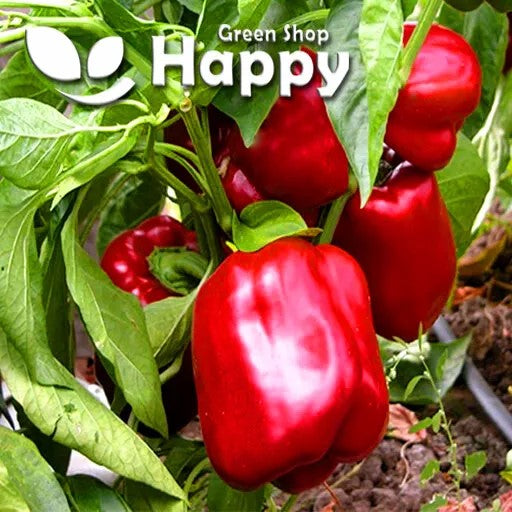
Sweet Bell Pepper 'California Wonder' Red – Seeds (Capsicum annuum)
Sweet Bell Pepper 'California Wonder' Red is a classic, high-yielding variety producing large, blocky, bright red fruits with a sweet, crisp flavor. Perfect for fresh eating, salads, roasting, or stuffing, it is a versatile addition to any vegetable garden.
This vigorous and productive plant thrives in warm, sunny conditions and is ideal for home gardens, greenhouses, and containers.
How to Grow
-
Sow indoors: February – April
-
Transplant outdoors: May – June, after last frost
-
Depth: 0.5–1 cm
-
Spacing: 40–50 cm between plants, rows 60–80 cm apart
-
Position: Full sun, sheltered and warm
-
Soil: Fertile, well-drained, rich in organic matter
-
Watering: Keep soil consistently moist
Key Features
-
Large, blocky, bright red fruits with sweet, crisp flavor
-
High-yielding and vigorous growth
-
Ideal for fresh eating, salads, roasting, and stuffing
-
Suitable for home gardens, greenhouses, and containers
-
Classic, reliable bell pepper variety
Harvest
-
Harvesting period: July – September
-
Pick fruits when fully colored and firm for best flavor.
Short Tip
Regular harvesting encourages continuous production and prevents fruits from becoming overripe.


Tomato Pink 'Maliniak' – Seeds (Solanum lycopersicum)
The Tomato Pink 'Maliniak' is a traditional Polish heirloom variety known for its large, pink, fleshy fruits bursting with rich, sweet flavor. This mid-season tomato is a favorite among home gardeners for its outstanding taste, meaty texture, and versatility in the kitchen. Perfect for slicing, fresh salads, and sandwiches, it also performs beautifully in sauces and preserves.
How to Grow
-
Sow indoors from February to April, 0.5 cm deep in seed trays or pots.
-
Keep at 18–22°C until germination.
-
Transplant seedlings into larger pots when strong enough, then outdoors or into a greenhouse after frost has passed.
-
Provide support as plants grow tall and bear heavy fruits.
Key Features
-
Large, pink fleshy fruits with rich, sweet taste
-
Traditional Polish heirloom tomato
-
Mid-season variety with reliable yields
-
Ideal for fresh eating and cooking
-
Strong, healthy plants suitable for greenhouse or outdoor cultivation
Ideal For
-
Fresh salads and sandwiches
-
Cooking into sauces and soups
-
Traditional and heirloom vegetable gardens
Sowing & Harvest
-
Sow: February to April
-
Plant out: May to June (after frost)
-
Harvest: July to September
Quick Tip
-
For best flavor, allow fruits to fully ripen on the vine before picking. Regular feeding boosts size and sweetness.
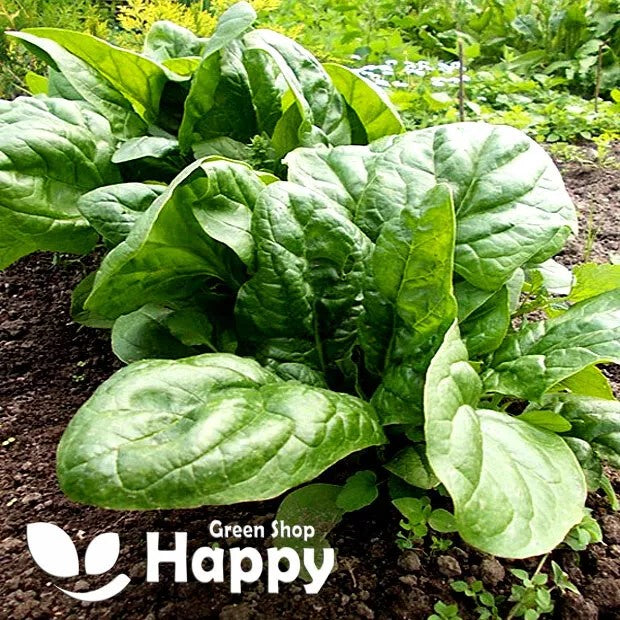
Spinach 'Matador' – Seeds
(Spinacia oleracea) – Fast-Growing, Productive Variety
Spinach 'Matador' is a vigorous and reliable variety producing large, dark green, smooth leaves with a tender texture and rich flavor. It is well-suited for both spring and autumn sowings, offering multiple harvests of vitamin-rich leaves. This cold-hardy variety is slow to bolt, making it a favorite for home gardeners and kitchen use.
Key Features
-
Type: Leafy annual vegetable
-
Height: 20–30 cm
-
Leaves: Large, smooth, dark green, tender
-
Flavor: Mild, rich, and slightly sweet
-
Harvest: 40–50 days after sowing
-
Special: Good resistance to bolting
Ideal For
-
Fresh salads, smoothies, and juicing
-
Steaming, sautéing, and soups
-
Continuous cut-and-come-again harvest
-
Home gardens, allotments, and pots
Sowing & Growing
-
Sow outdoors: March–May and August–September
-
Spacing: 20–30 cm between rows; thin to 10 cm between plants
-
Soil: Fertile, moist, well-drained soil
-
Sunlight: Full sun or partial shade
-
Watering: Keep soil consistently moist to avoid bolting
Care Tips
-
Harvest young leaves regularly for best taste.
-
Provide light shade in hot summers.
-
Mulch to keep soil cool and retain moisture.
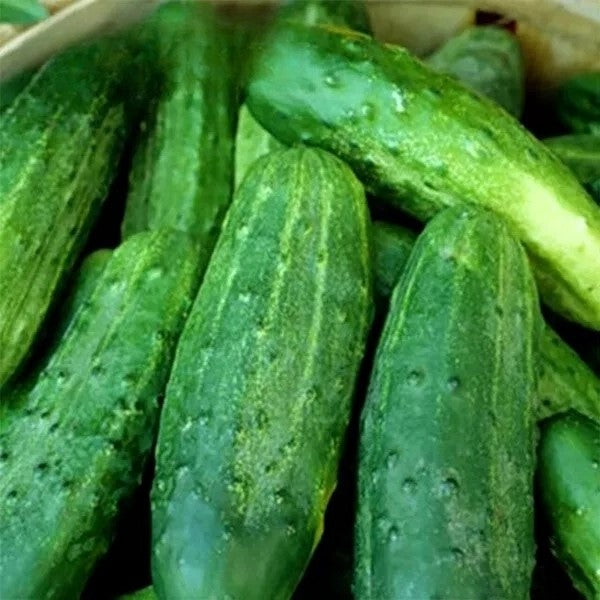
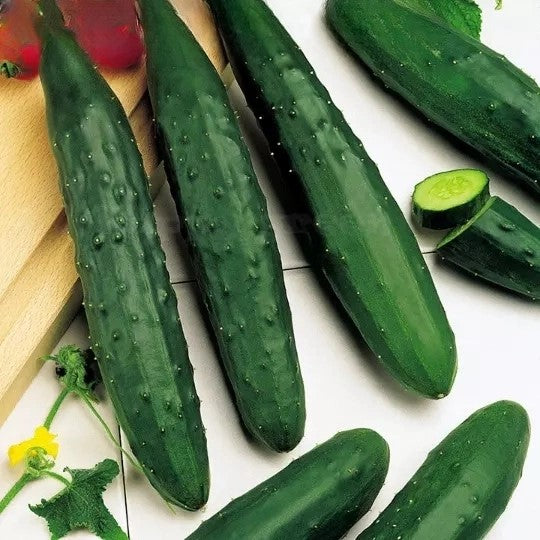
Cucumber 'Marketmore' – Seeds (Cucumis sativus)
Cucumber 'Marketmore' is a classic, reliable outdoor cucumber variety producing dark green, smooth-skinned fruits with crisp texture and excellent flavor. Highly productive and resistant to common diseases, it is perfect for slicing, salads, and fresh eating. Vigorous and easy to grow, ‘Marketmore’ is a favorite among both beginners and experienced gardeners.
How to Grow
-
Sow indoors: April – May in pots or trays.
-
Transplant outdoors: After last frost into a sunny, sheltered spot.
-
Sow direct outdoors: May – June, once soil is warm.
-
Spacing: 45–60 cm apart in rows or beds.
-
Provide regular watering and mulch to keep soil moist.
Key Features
-
Classic slicing cucumber variety
-
Smooth, dark green, uniform fruits
-
Crisp, refreshing flavor
-
Heavy cropping and reliable yields
-
Resistant to common cucumber diseases
Ideal For
-
Outdoor vegetable plots and raised beds
-
Fresh summer salads and sandwiches
-
Gardeners seeking a tried-and-true cucumber variety
Sowing & Harvest
-
Sow: April – June
-
Harvest: July – September
Quick Tip
Pick fruits regularly to encourage continuous production. Avoid letting cucumbers grow too large for the best taste and texture.
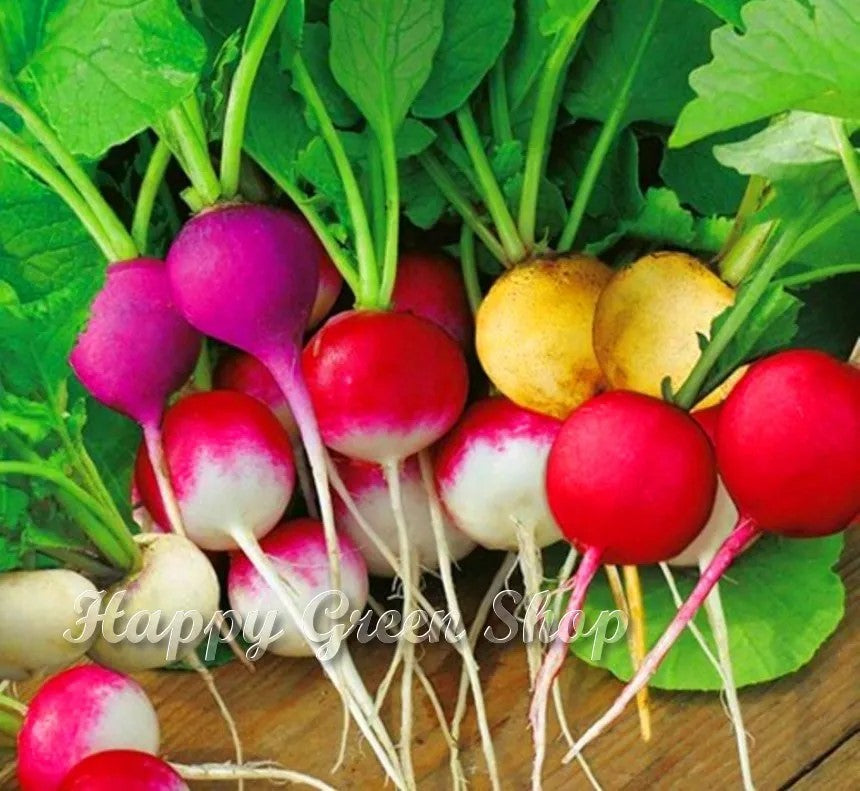
Radish 'Rainbow Mixed' Seeds (Raphanus sativus)
Brighten up your salads with Radish 'Rainbow Mixed', a colorful blend of quick-growing radishes in vibrant shades of red, pink, white, yellow, and purple. Crisp, crunchy, and full of flavor, this mix provides variety in both taste and appearance. Perfect for gardeners who want fast results and a cheerful harvest.
How to Grow
-
Sow directly outdoors from early spring through late summer.
-
Prefers light, well-drained soil in full sun.
-
Sow seeds thinly, 1–1.5 cm deep in rows 15 cm apart.
-
Thin seedlings to 3–5 cm spacing for best roots.
-
Keep soil moist for tender, mild radishes.
Key Features
-
Colorful blend of red, pink, white, yellow, and purple radishes
-
Crisp, crunchy texture with mild to peppery flavor
-
Fast-growing and ready in just a few weeks
-
Adds variety and color to salads and garnishes
-
Suitable for succession sowing for continuous crops
Ideal For
-
Fresh salads, snacks, and garnishes
-
Quick and easy crops for beginners
-
Adding vibrant color to the vegetable patch
-
Continuous harvests through spring and summer
Sowing
-
Best time: March to September
-
Depth: 1–1.5 cm
-
Row spacing: 15 cm
-
Plant spacing: Thin to 3–5 cm
-
Harvest: 3–5 weeks after sowing
Quick Tip
-
Sow little and often for a steady supply of fresh, colorful radishes.
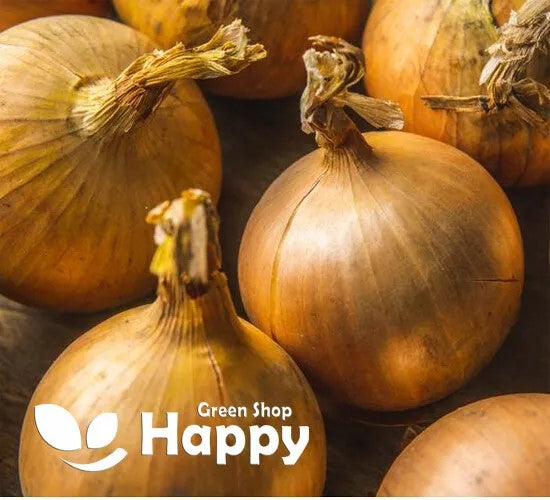
Onion 'Spanish Sun' Seeds (Allium cepa)
Bring sunshine to your garden with Onion 'Spanish Sun', a reliable, early-maturing variety that produces large, globe-shaped golden bulbs. Known for its mild, sweet flavor and crisp texture, it’s perfect for fresh salads, cooking, or storing. Easy to grow and versatile in the kitchen, this onion is a must-have for every vegetable garden.
How to Grow
-
Sow indoors from January to March or directly outdoors from March to April.
-
Prefers fertile, well-drained soil in full sun.
-
Sow seeds 1 cm deep in rows 30 cm apart.
-
Thin seedlings to 10 cm spacing for full-sized bulbs.
-
Keep soil moist but not waterlogged.
Key Features
-
Early-maturing, large golden bulbs
-
Mild, sweet flavor with crisp texture
-
Suitable for fresh use, cooking, or storing
-
Reliable variety for consistent yields
-
Easy to grow in most garden soils
Ideal For
-
Home gardeners and allotments
-
Fresh salads, soups, and everyday cooking
-
Long-term storage after harvest
-
Gardeners seeking early, high-quality onions
Sowing
-
Best time: Indoors January–March, outdoors March–April
-
Depth: 1 cm
-
Spacing: 10 cm between plants, 30 cm between rows
-
Position: Full sun, well-drained fertile soil
-
Harvest: August to September
Quick Tip
-
Allow bulbs to fully dry in the sun before storing to extend their shelf life.
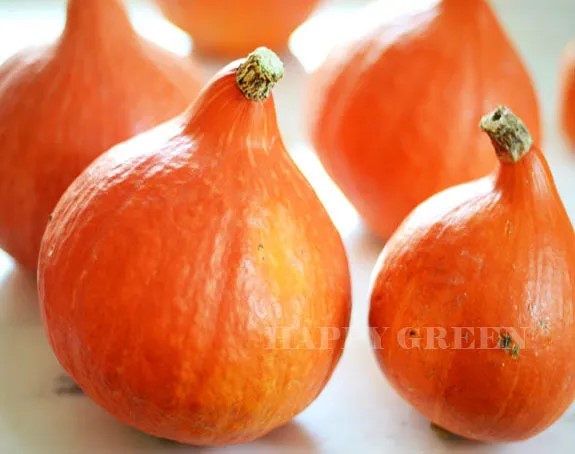
Squash 'Uchiki Kuri' Seeds (Cucurbita maxima)
Discover the gourmet favorite Squash 'Uchiki Kuri', also known as the Red Kuri or Onion Squash. This reliable Japanese variety produces small, tear-drop shaped fruits with vibrant orange skin and rich, nutty-sweet golden flesh. Perfect for roasting, soups, curries, and baking, it’s a versatile squash that stores well for winter use.
How to Grow
-
Sow indoors in late spring or directly outdoors after frost.
-
Prefers fertile, well-drained soil in full sun.
-
Sow 2–3 seeds 2 cm deep in small pots or stations.
-
Transplant or thin to one strong plant per station, 90–120 cm apart.
-
Water regularly and feed for strong growth.
Key Features
-
Traditional Japanese squash with bright orange fruits
-
Nutty, sweet flavor with smooth golden flesh
-
Compact, manageable fruits (1–2 kg each)
-
Stores well for winter use
-
High-yielding and easy to grow
Ideal For
-
Roasting, soups, curries, and baking
-
Winter storage and long-lasting kitchen use
-
Home gardeners seeking gourmet squash varieties
-
Allotments, vegetable beds, or spacious gardens
Sowing
-
Best time: April to June
-
Depth: 2 cm
-
Spacing: 90–120 cm between plants
-
Position: Full sun, fertile soil
-
Harvest: September to October
Quick Tip
-
Cure fruits in the sun after harvest for longer storage life and enhanced sweetness.
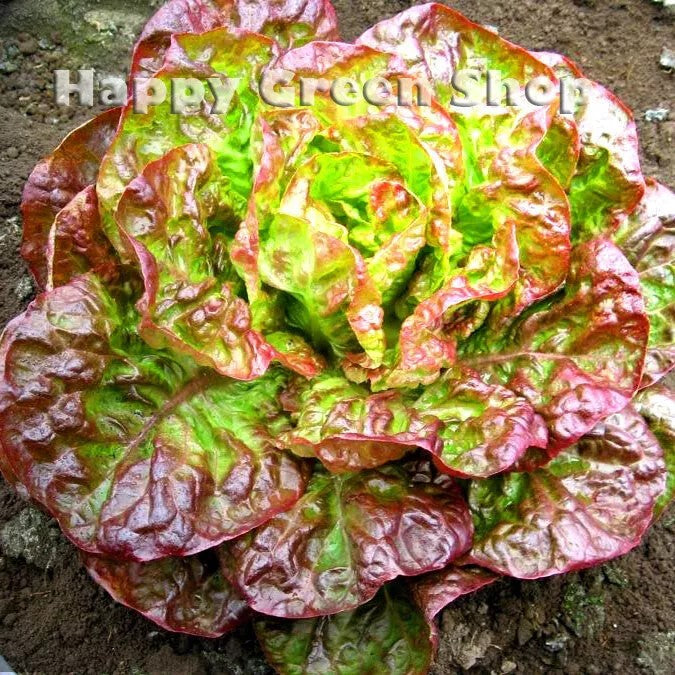

Batavian Lettuce 'Canasta' – Seeds (Lactuca sativa)
Enjoy crisp and tender leaves with Batavian Lettuce 'Canasta', a traditional variety known for its red-tinted, crinkled heads and excellent bolt resistance. This semi-heading lettuce produces large, crunchy leaves with a mild, sweet flavor, perfect for fresh salads or as a base for summer dishes. Hardy and versatile, 'Canasta' thrives even in warmer weather, making it a reliable choice for gardeners.
How to Grow
. Sow indoors from February to April or directly outdoors from March to July
. Sow thinly, 0.5 cm deep, in rows 25–30 cm apart
. Thin seedlings to 20–25 cm apart to allow full head development
. Prefers full sun and fertile, well-drained soil
. Water consistently to prevent bitterness and promote tender leaves
Key Features
. Traditional Batavian lettuce with semi-heading form
. Large, crisp leaves with red-tinged edges
. Mild, sweet flavor perfect for fresh salads
. Excellent bolt resistance in warm conditions
. Easy to grow and high yielding
Ideal For
. Summer salads and fresh eating
. Home gardens and allotments
. Gardeners seeking heat-tolerant lettuce
. Companion planting in vegetable beds
Sowing & Harvest
. Sow: February – July
. Harvest: May – September
Quick Tip
Harvest outer leaves regularly to encourage continuous growth, or allow full heads to form for a crunchy centerpiece lettuce.
Showing 9/21


