
Sort by:
5 products
5 products

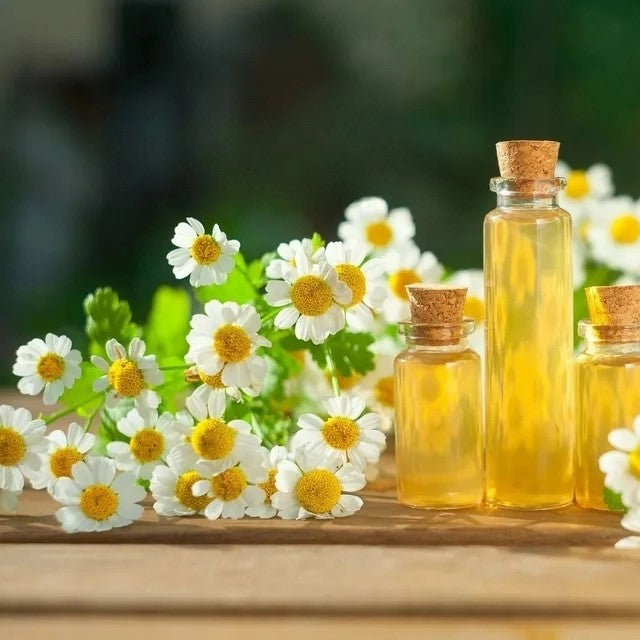

German Chamomile – Seeds (Matricaria recutita)
Bring calm and fragrance to your garden with German Chamomile, a charming annual herb prized for its daisy-like white flowers and soothing aroma. Traditionally used for herbal teas and natural remedies, this variety is easy to grow, highly productive, and also attracts pollinators to your garden. A perfect choice for herb beds, borders, and pots.
How to Grow
. Sow indoors from February to April, lightly pressing seeds onto the surface of moist compost – do not cover as they need light to germinate
. Transplant seedlings outdoors after the last frost, spacing 20–25 cm apart
. Alternatively, sow outdoors directly in April to May in well-drained soil
. Prefers a sunny position with average to light soil
. Water sparingly, as chamomile thrives in slightly dry conditions
Key Features
. Delicate white blooms with yellow centers
. Traditional herb for calming teas and remedies
. Attracts bees, butterflies, and beneficial insects
. Easy to grow, tolerant of poor soils
. Ideal for borders, herb gardens, and containers
Ideal For
. Herbal tea lovers and home remedies
. Pollinator-friendly gardens
. Cottage gardens and borders
. Container growing
Sowing & Harvest
. Sow: February – May
. Harvest: June – September
Quick Tip
Harvest flowers on warm, dry days and dry them for homemade chamomile tea with the best flavor and aroma.

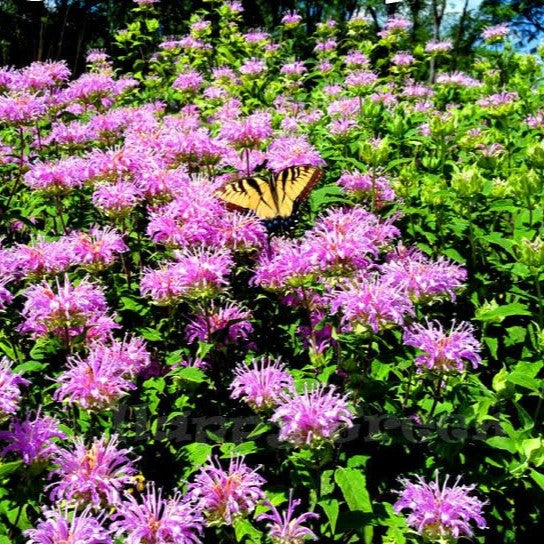
Wild Bergamot – 1,300 Seeds (Monarda fistulosa)
Wild Bergamot (Monarda fistulosa) is a hardy perennial known for its fragrant lavender-pink blooms and aromatic foliage. A favorite of pollinators, it attracts bees, butterflies, and hummingbirds, making it perfect for pollinator gardens, borders, and wildflower meadows. Easy to grow and low-maintenance, it provides long-lasting color and texture from mid-summer to early autumn.
Why Grow "Wild Bergamot"
-
Fragrant lavender-pink blooms
-
Aromatic foliage with medicinal and culinary uses
-
Attracts bees, butterflies, and hummingbirds
-
Hardy and low-maintenance perennial
Key Features
-
Type: Perennial (Monarda fistulosa)
-
Height: 60–90 cm
-
Flowering: July–September
-
Position: Full sun to partial shade
-
Uses: Pollinator gardens, borders, wildflower meadows, cottage gardens
Ideal For
-
Pollinator-friendly gardens
-
Cottage-style or naturalized borders
-
Wildflower meadows
-
Herbal and sensory gardens
Sowing & Growing
-
Sow indoors: February–April in trays
-
Sow outdoors: April–May directly in prepared soil
-
Germination: 10–20 days at 18–22°C
-
Thin seedlings to 30–40 cm apart
-
Prefers well-drained soil and full sun
-
Deadhead to encourage prolonged flowering

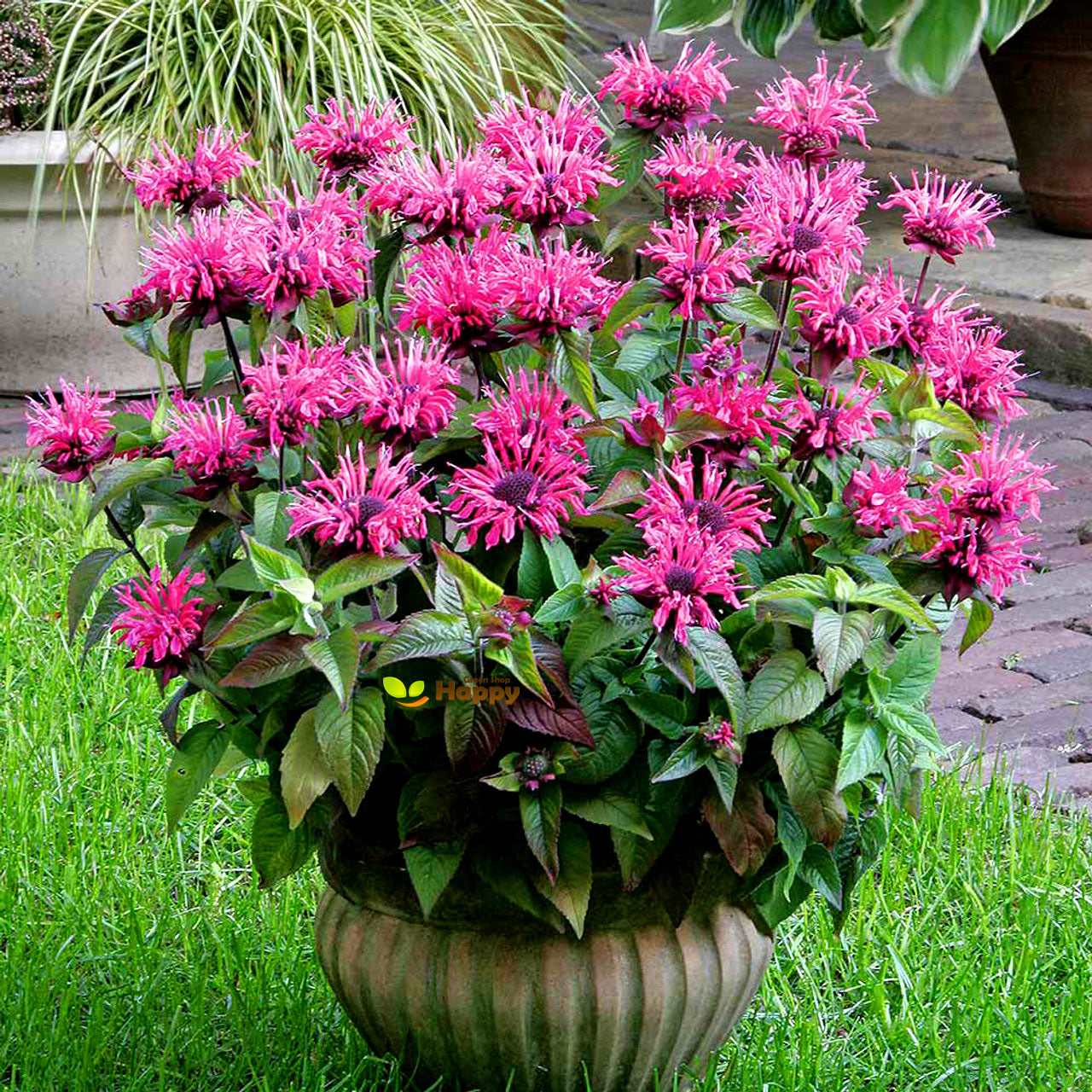

HERB BEE BALM SEEDS (Monarda didyma)
Add vibrant color and fragrance to your garden with Herb Bee Balm. This perennial produces striking red, pink, or purple flowers atop aromatic foliage, attracting bees, butterflies, and hummingbirds. Easy to grow and low-maintenance, it’s perfect for borders, beds, and pollinator-friendly gardens.
Why Grow "Herb Bee Balm"
-
Showy, fragrant flowers in red, pink, or purple
-
Attracts bees, butterflies, and hummingbirds
-
Low-maintenance, long-flowering perennial
-
Enhances borders, beds, and pollinator gardens
Key Features
-
Type: Perennial (Monarda didyma)
-
Height: 60–90 cm
-
Flowering: Summer (June–September)
-
Position: Full sun to partial shade
-
Uses: Borders, flower beds, pollinator gardens, containers
Ideal For
-
Adding vibrant color and fragrance to borders and beds
-
Pollinator-friendly gardens
-
Containers and patio planting
-
Beginner gardeners seeking easy-to-grow perennials
Sowing & Growing
-
Sow indoors: 6–8 weeks before the last frost
-
Sow outdoors: After frost danger has passed
-
Germination: 10–20 days
-
Space seedlings: 30–40 cm apart
-
Prefers well-drained soil and full sun for best flowering
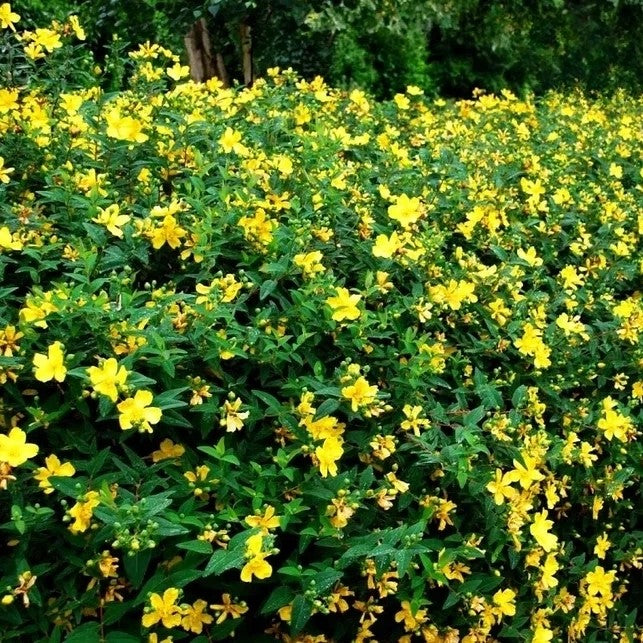
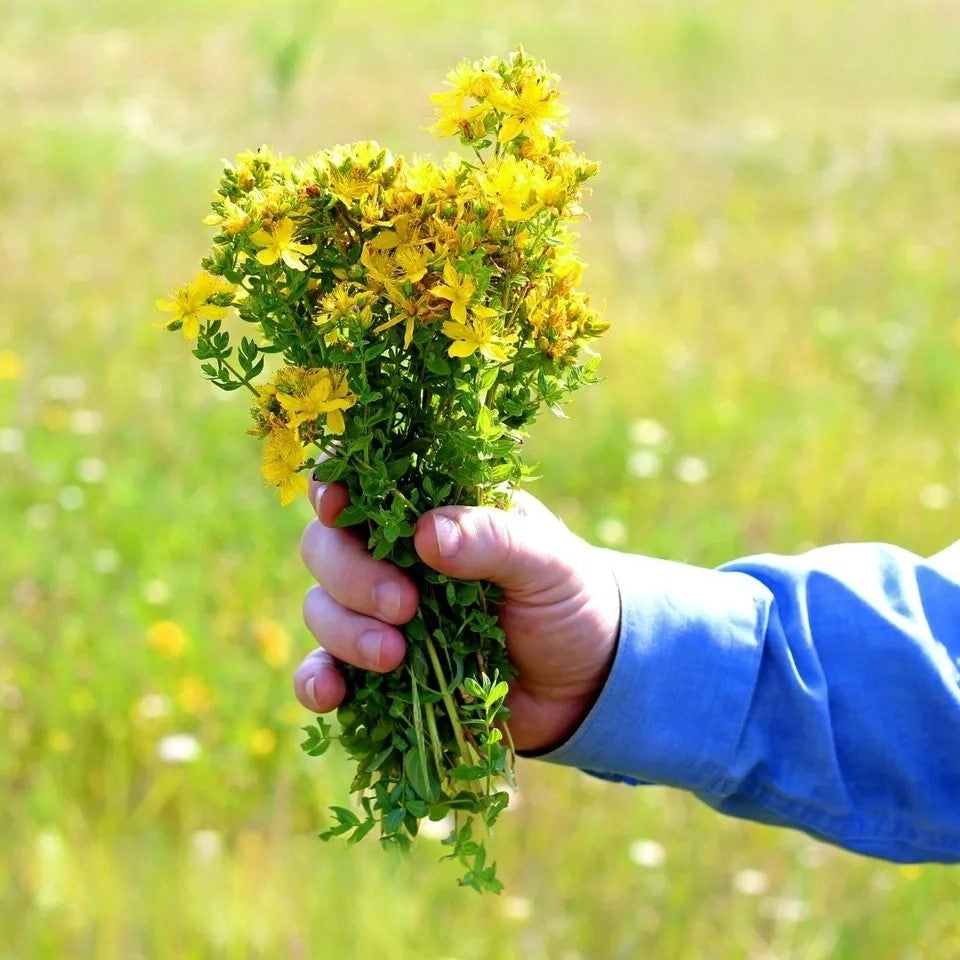
St. John’s Wort – Seeds (Hypericum perforatum)
St. John’s Wort (Hypericum perforatum) is a hardy perennial herb known for its bright yellow star-shaped flowers and long history of use in traditional herbal medicine. It grows easily in gardens, meadows, or wildflower plantings, attracting pollinators while adding natural beauty.
Often valued for its ornamental and herbal qualities, St. John’s Wort thrives in poor soils and sunny locations, making it a low-maintenance addition to cottage gardens and naturalized landscapes.
How to Grow
-
Sow indoors: February – April
-
Sow outdoors: April – June, or autumn for natural stratification
-
Depth: Surface sow – seeds need light to germinate
-
Spacing: 30 cm between plants
-
Position: Full sun to partial shade
-
Soil: Well-drained, moderately fertile, sandy or rocky soils
Key Features
-
Perennial herb with golden yellow, star-shaped blooms
-
Attracts bees and pollinators
-
Grows well in poor, dry soils – low maintenance
-
Suitable for borders, meadows, and herb gardens
-
Traditional herb, long valued in folklore and medicine
Flowering & Harvest
-
Flowering time: June – September
-
Blooms can be collected at peak flowering if used for herbal purposes.
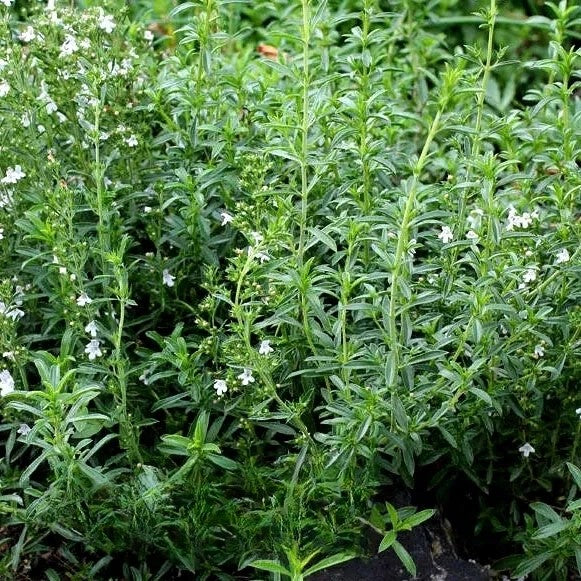
Summer Savory 'Midget' – Seeds (Satureja hortensis)
Summer Savory ‘Midget’ is a compact, fast-growing annual herb, prized for its spicy, peppery flavour that resembles thyme and oregano. This dwarf variety is especially suited for container growing, raised beds, and small herb gardens.
Traditionally used to season bean dishes, meats, soups, and stews, it is also excellent fresh or dried as a versatile culinary herb. With its neat, bushy growth habit and aromatic leaves, ‘Midget’ is both decorative and useful in the kitchen.
How to Grow
-
Sow indoors: March – April in pots or trays
-
Sow outdoors: April – June, directly into prepared soil
-
Depth: Lightly cover seeds with soil (approx. 0.5 cm)
-
Spacing: 20–25 cm between plants
-
Position: Sunny, well-drained spot
-
Soil: Light, sandy, moderately fertile
Key Features
-
Compact dwarf variety – ideal for pots and small spaces
-
Distinct peppery flavour – a classic bean seasoning
-
Culinary herb for meats, stews, soups, and sauces
-
Can be used fresh or dried
-
Hardy, quick-growing, and easy to maintain
Harvesting
-
Harvest from: June – September
-
Pick fresh leaves regularly to encourage new growth.
-
For winter use, cut and dry whole sprigs just before flowering.


