
Sort by:
26 products
26 products

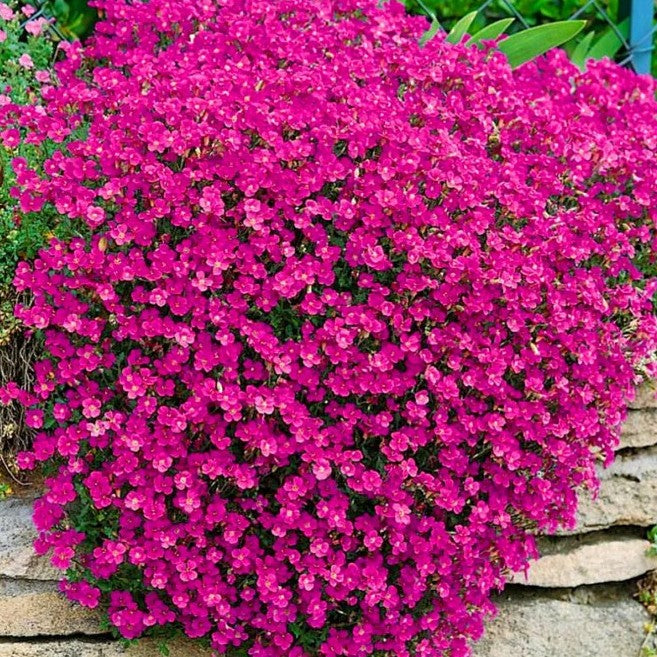
Rock Cress Red – 300 Seeds (Aubrieta cultorum)
Rock Cress Red (Aubrieta cultorum) is a low-growing perennial with vibrant red flowers that form a dense, carpet-like display. Ideal for rockeries, walls, and borders, it blooms in early spring, adding an eye-catching splash of color to gardens. Hardy and easy to grow, it attracts pollinators and thrives in sunny, well-drained spots.
Why Grow "Rock Cress Red"
-
Bright red flowers forming a dense, trailing carpet
-
Early spring blooms for early garden color
-
Hardy, low-maintenance perennial
-
Attracts bees and other pollinators
Key Features
-
Type: Perennial (Aubrieta cultorum)
-
Height: 10–15 cm
-
Flowering: March–May
-
Position: Full sun to partial shade
-
Uses: Rockeries, walls, borders, ground cover
Ideal For
-
Rock gardens and alpine plantings
-
Borders and edging
-
Pollinator-friendly garden spaces
-
Ground cover for sunny spots
Sowing & Growing
-
Sow indoors: February–April in trays
-
Sow outdoors: April–May in prepared soil
-
Germination: 10–20 days at 18–20°C
-
Thin seedlings to 15–20 cm apart
-
Prefers full sun and well-drained soil
-
Prune lightly after flowering to encourage compact growth

Rock Cress ‘Graeca’ – Pale Blue – 1200 Seeds
(Aubrieta hybrida)
Rock Cress ‘Graeca’ is a beautiful, low-growing perennial that forms dense mats of soft green foliage smothered in pale blue flowers in early spring. Ideal for rock gardens and edging, this hardy aubrieta cascades naturally over walls and containers, creating a stunning carpet of colour when little else is in bloom.
Reliable, frost-hardy, and easy to grow, ‘Graeca’ is a favourite for adding early-season interest and structure to gardens.
Key Features
-
Type: Perennial ground cover
-
Flower Color: Pale blue
-
Height: 10–15 cm
-
Spread: 30–40 cm
-
Flowering: March–May
-
Growth Habit: Compact, trailing
Ideal For
-
Rock gardens and alpine beds
-
Walls, edging, and borders
-
Ground cover on slopes
-
Containers and hanging baskets
Sowing & Growing
-
Sow indoors: February–April
-
Sow outdoors: April–June
-
Germination: 14–21 days at 15–18°C
-
Position: Full sun to partial shade
-
Soil: Well-drained, light soil
-
Spacing: 25–30 cm
Care Tips
-
Trim lightly after flowering to keep plants compact.
-
Avoid waterlogged soil, especially in winter.
-
Very hardy once established.
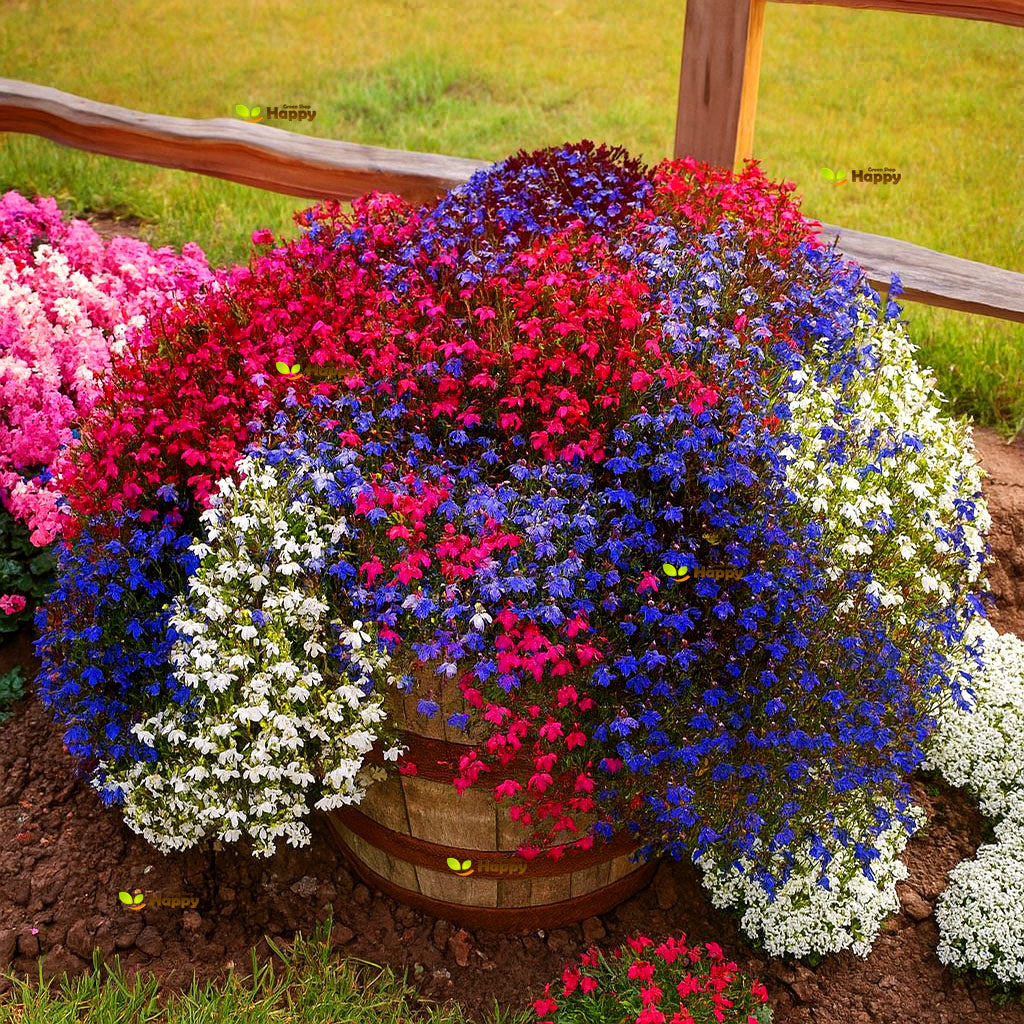

Lobelia 'Cascade' Mix – 7000 Seeds (Lobelia pendula)
Create a breathtaking waterfall of color with Lobelia 'Cascade' Mix. This trailing variety spills gracefully from hanging baskets, window boxes, and containers, producing masses of blue, purple, and white flowers all summer long.
What Makes It Special
-
Specially bred for trailing and cascading displays
-
Produces an abundance of delicate, colorful blooms
-
Ideal for hanging baskets and window boxes
Key Features
-
Height: 15–20 cm
-
Spread: Trails up to 30–35 cm
-
Long flowering season: Summer to early autumn
-
Easy to grow, reliable variety
Ideal For
-
Hanging baskets
-
Window boxes and containers
-
Edging borders and patio pots
Sowing
-
Sow indoors Jan–Apr on the surface of moist seed compost
-
Press seeds lightly, do not cover (needs light to germinate)
-
Keep at 18–20°C; germination: 14–21 days
-
Transplant outdoors after frost
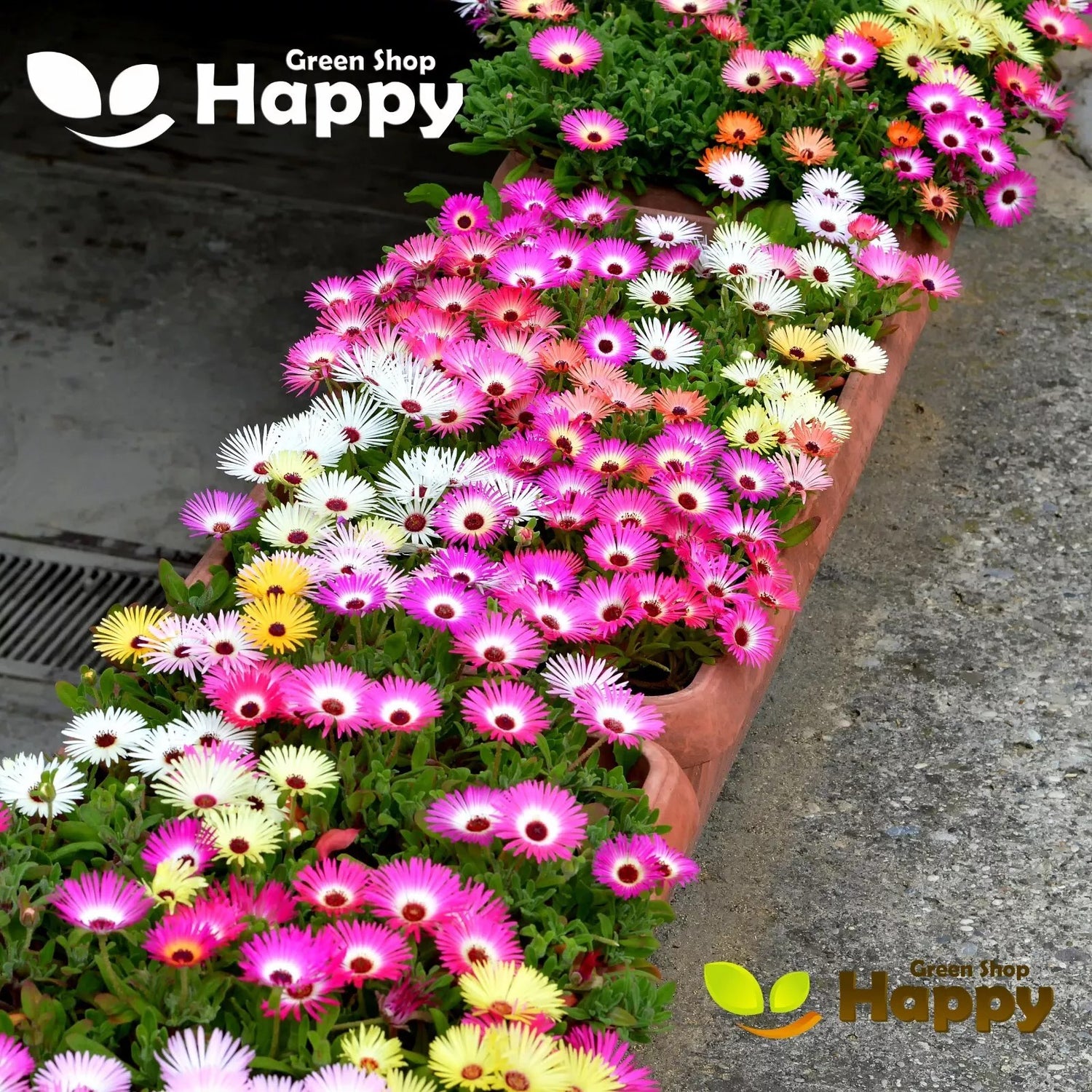
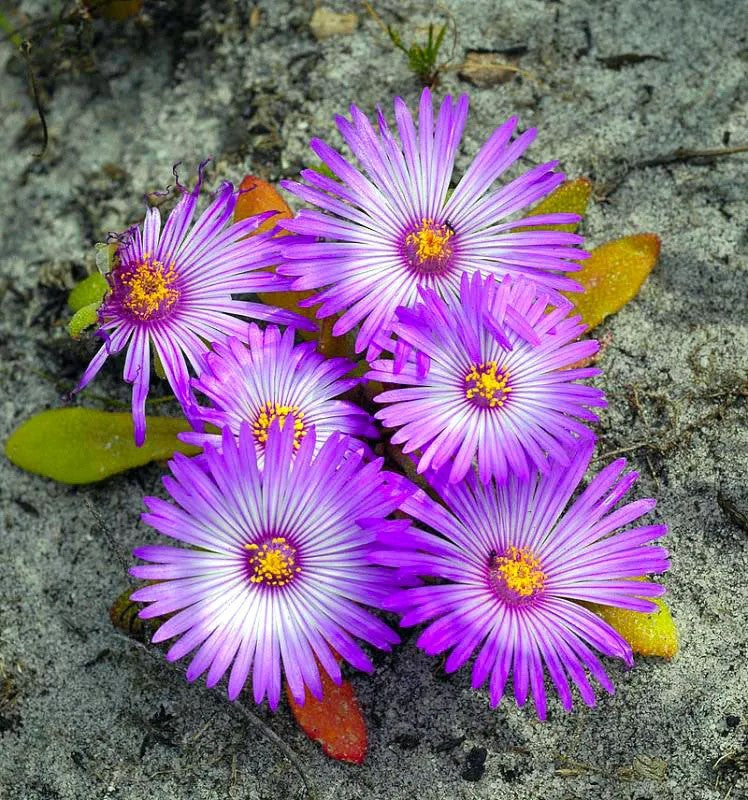
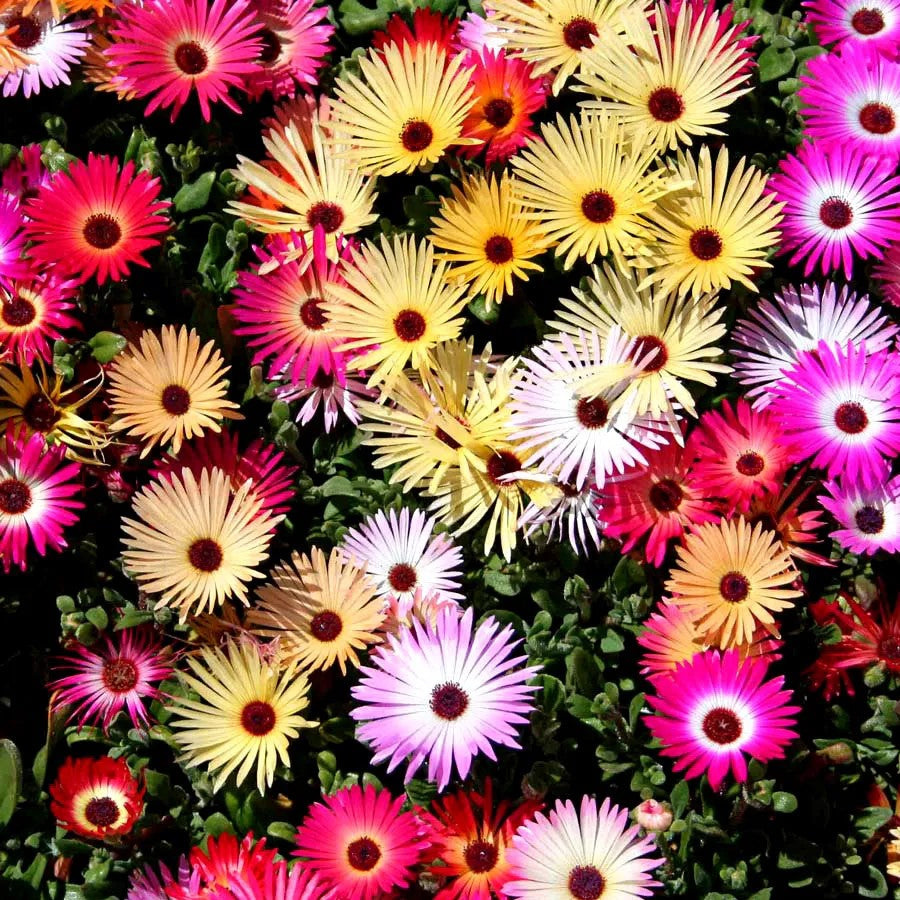
Livingstone Daisy Mixed – Seeds (Dorotheanthus bellidiformis)
The Livingstone Daisy Mixed is a dazzling carpet-forming annual that produces masses of daisy-like blooms in vibrant shades of pink, red, orange, yellow, and white. The flowers open wide in full sunlight, creating a striking display over their low-growing, succulent foliage. Perfect for hot, dry, sunny spots, this cheerful mix brightens up any summer garden with its jewel-like colors.
What Makes It Special
-
Brilliant mix of jewel-toned daisy flowers
-
Thrives in poor, dry soils and full sun
-
Excellent ground cover for summer displays
-
Compact, trailing habit ideal for edging and containers
Key Features
-
Botanical name: Dorotheanthus bellidiformis
-
Common name: Livingstone Daisy / Ice Plant
-
Variety: Mixed colors
-
Seed count: Approx. seeds per pack
-
Height/Spread: 10–15 cm tall, spreading up to 20 cm
-
Position: Full sun; well-drained soil
-
Flowering period: Summer (June–September)
Ideal For
-
Bedding and edging
-
Rockeries and gravel gardens
-
Containers and window boxes
-
Drought-tolerant displays in sunny spots
Sowing Instructions
-
When to sow: February–April indoors, or May outdoors after frost
-
How to sow:
-
Sow seeds on the surface of fine, moist compost; do not cover (light aids germination)
-
Keep at 18–20°C; germination in 10–21 days
-
-
After germination:
-
Transplant seedlings when large enough to handle
-
Harden off and plant outdoors 10–15 cm apart in sunny, free-draining soil
-
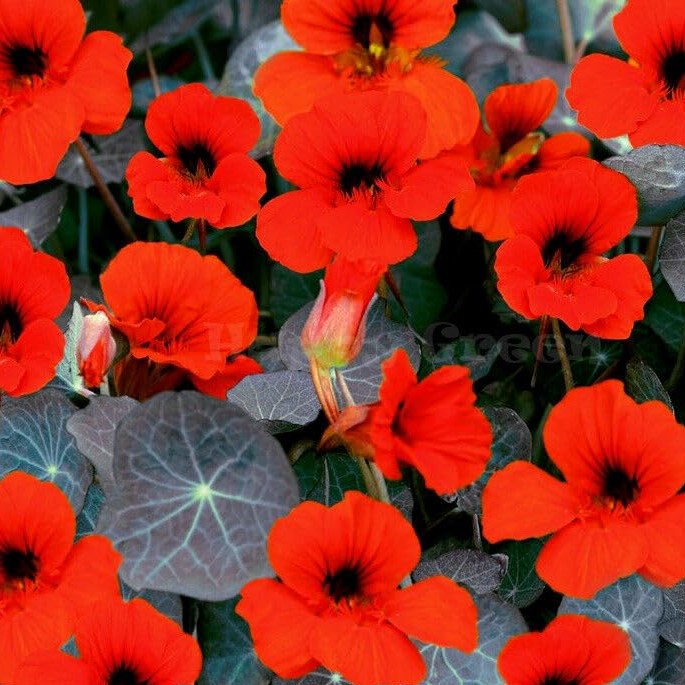
Nasturtium ‘Empress of India’ – Seeds (Tropaeolum nanum)
Nasturtium ‘Empress of India’ (Tropaeolum nanum) is a vibrant annual with striking deep red and dark foliage. Its trailing habit makes it perfect for containers, hanging baskets, and garden borders. Edible flowers and leaves add a peppery flavor to salads and garnishes, while the plant attracts pollinators, creating both beauty and utility in your garden.
Why Grow "Empress of India"
-
Deep red blooms with dark, attractive foliage
-
Trailing habit ideal for containers and hanging baskets
-
Edible flowers and leaves with a peppery taste
-
Attracts bees, butterflies, and other pollinators
Key Features
-
Type: Annual (Tropaeolum nanum)
-
Height: 20–30 cm
-
Flowering: June–September
-
Position: Full sun to partial shade
-
Uses: Containers, hanging baskets, borders, edible garden
Ideal For
-
Edible and ornamental garden planting
-
Hanging baskets and container displays
-
Pollinator-friendly gardens
-
Borders and small garden beds
Sowing & Growing
-
Sow indoors: March–April in trays or pots
-
Sow outdoors: After last frost in prepared soil
-
Germination: 7–14 days at 18–22°C
-
Thin seedlings to 20–25 cm apart
-
Prefers well-drained soil and sunny positions
-
Deadhead to encourage continuous flowering


Balcony Flower mix - 0.5g seeds Lobelia Petunia Marigold Busy Lizzie Snapdragon
£1.24
Unit price perBalcony Flower mix - 0.5g seeds Lobelia Petunia Marigold Busy Lizzie Snapdragon
£1.24
Unit price perBalcony Flower Mix – 0.5 g Seeds
Create a vibrant display in pots, window boxes, and hanging baskets with this Balcony Flower Mix. A carefully chosen blend of lobelia, petunia, marigold, busy lizzie, and snapdragon ensures continuous blooms in a rainbow of colors all summer long. Perfect for small spaces, this easy-to-grow mix provides nonstop brightness from early summer until frost.
Why Grow "Balcony Flower Mix"
-
Specially selected for pots, boxes, and baskets
-
Bright, varied colors all season
-
Compact, easy-to-grow varieties
-
Long flowering for summer displays
Key Features
-
Type: Annual flower mix
-
Height: 20–35 cm (varies by species)
-
Flowering: June–October
-
Position: Full sun or partial shade
-
Uses: Balcony boxes, pots, hanging baskets
Ideal For
-
Window boxes and small-space gardening
-
Patio and balcony planters
-
Hanging baskets with trailing and upright forms
-
Continuous summer color
Sowing & Growing
-
Sow indoors: February–April in trays
-
Germination: 10–20 days at 18–22°C
-
Transplant into pots or boxes after frost
-
Space plants 15–20 cm apart
-
Deadhead to extend flowering
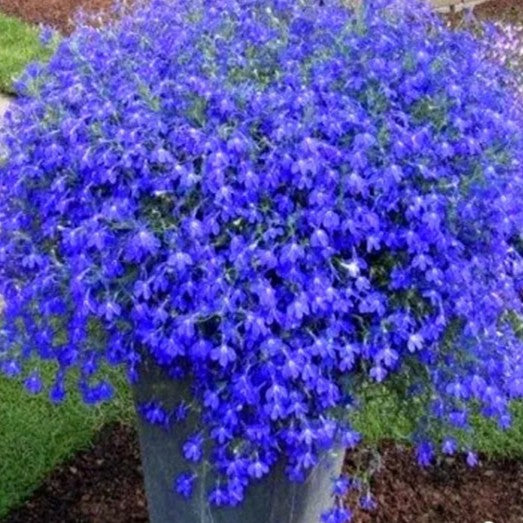
Lobelia 'Sapphire' – 6000 Seeds (Lobelia pendula)
Bring a cascade of intense color to your garden with Lobelia 'Sapphire'. This trailing variety dazzles with a profusion of rich sapphire-blue flowers and delicate green foliage, creating a stunning waterfall effect in baskets, containers, and window boxes.
What Makes It Special
-
Striking sapphire-blue flowers with trailing habit
-
Perfect for creating a bold, eye-catching display
-
Compact, free-flowering, and easy to grow
Key Features
-
Height: 12–15 cm
-
Spread: Trails up to 30–35 cm
-
Long-lasting summer blooms
-
Ideal for trailing and edging displays
Ideal For
-
Hanging baskets
-
Patio containers and window boxes
-
Border edges and summer displays
Sowing
-
Sow indoors Jan–Apr on the surface of moist compost
-
Do not cover seeds – they need light to germinate
-
Keep at 18–20°C; germination takes 14–21 days
-
Harden off and plant outdoors after the last frost
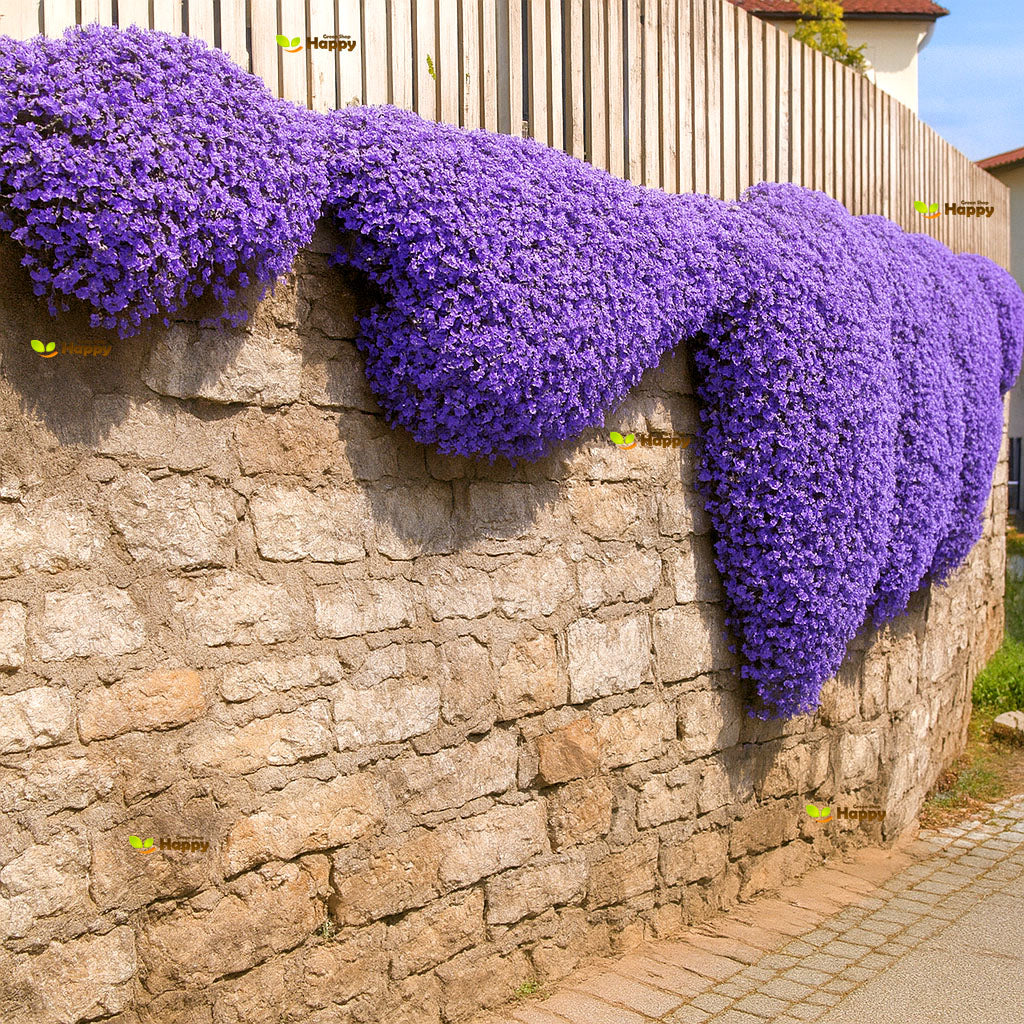
Rock Cress 'Cascade Mix' Seeds (Aubrieta cultorum hybrida)
Rock Cress 'Cascade Mix' is a low-growing perennial that creates a carpet of vibrant spring color. Its trailing habit and masses of purple, pink, red, and violet blooms spill beautifully over walls, borders, and rock gardens. Hardy and easy to grow, it’s a spring favorite for adding rich groundcover.
What Makes It Special
-
Produces a cascade of bright spring flowers
-
Excellent for rockeries, walls, and edging
-
Hardy and long-lasting groundcover
Key Features
-
Botanical name: Aubrieta cultorum hybrida
-
Hardy perennial
-
Height: 10–15 cm
-
Bloom time: Spring to early summer
Ideal For
-
Rock gardens and slopes
-
Edging and groundcover
-
Walls, containers, and cottage gardens
Sowing
-
Sow indoors Feb–Apr or outdoors Apr–Jun
-
Lightly cover seeds with soil
-
Germination: 14–21 days at 18–20°C
-
Transplant 20–25 cm apart
-
Flowers from the second year onward
Nasturtium ‘Fiery Festival’ Double Red Seeds (Tropaeolum majus)
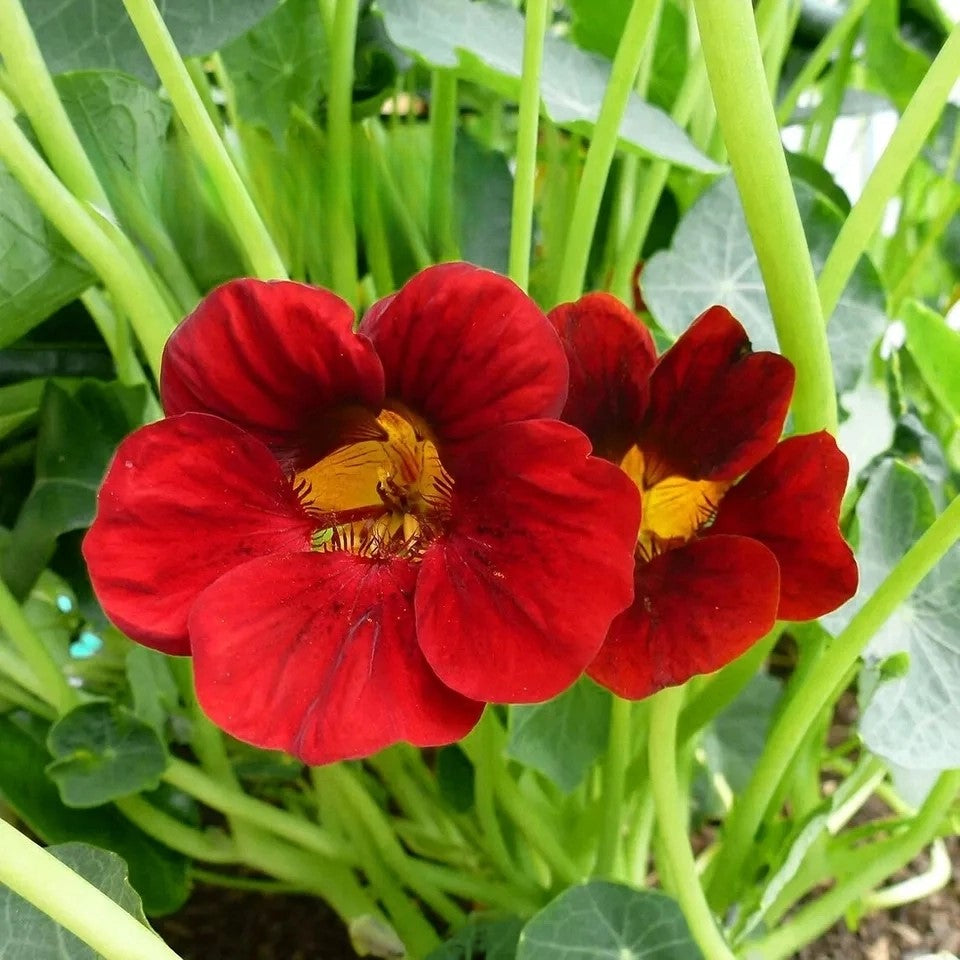
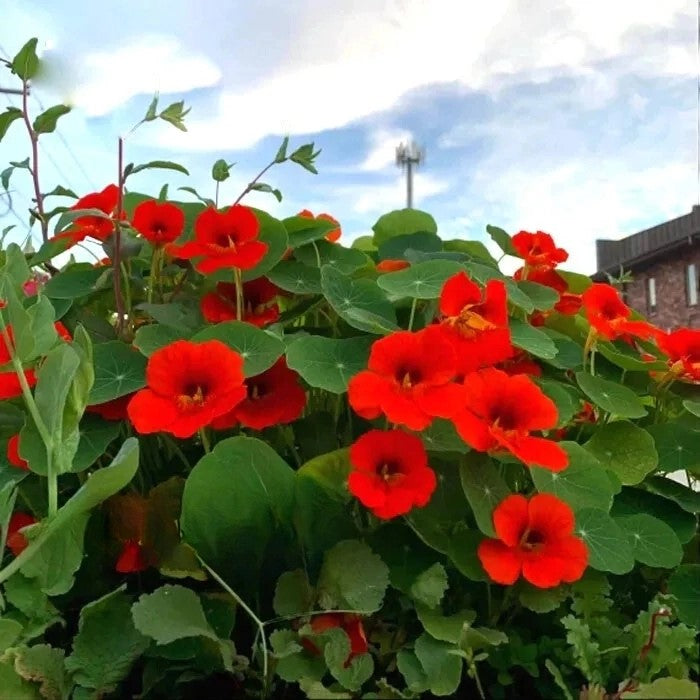
Nasturtium ‘Fiery Festival’ is a vibrant annual producing fully double, fiery red blooms with a trailing or bushy habit. Blooming from late spring to autumn, it’s perfect for hanging baskets, containers, and garden borders. Hardy, easy to grow, and edible, its colorful flowers also attract pollinators and add a dramatic splash of color to any garden.
What Makes It Special
-
Fully double, fiery red blooms
-
Edible flowers and attractive to pollinators
-
Hardy, low-maintenance, and long-flowering
Key Features
-
Botanical name: Tropaeolum majus
-
Annual
-
Height: 20–40 cm (bushy) or trailing 50–70 cm
-
Bloom time: Late spring to autumn
Ideal For
-
Hanging baskets, containers, and borders
-
Pollinator-friendly gardens
-
Edible flowers for salads and garnishes
Sowing
-
Sow indoors Feb–Apr or outdoors Apr–Jun
-
Cover seeds lightly with soil
-
Germination: 7–14 days at 18–22°C
-
Space seedlings 25–30 cm apart
-
Flowers the same year
Showing 9/26

