
Sort by:
84 products
84 products


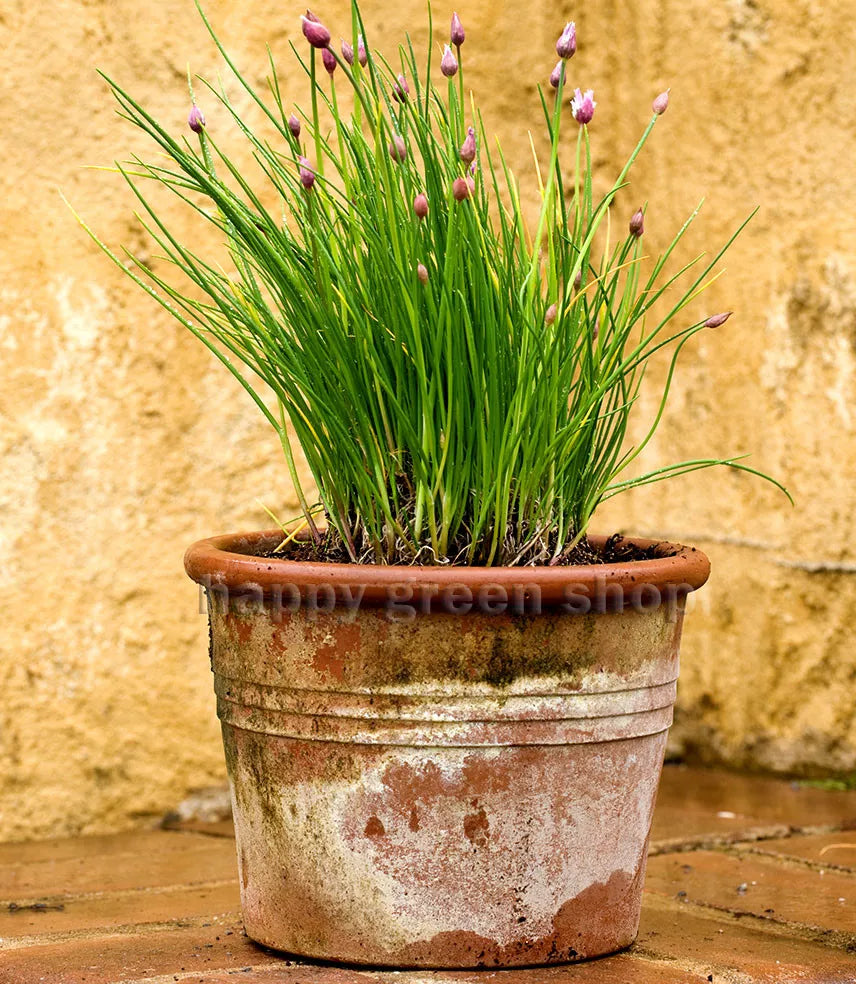
Chives 'Bohemia' - 1000 seeds (Allium schoenoprasum) - Hardy Perennial - Overwintering
£1.24
Unit price perChives 'Bohemia' - 1000 seeds (Allium schoenoprasum) - Hardy Perennial - Overwintering
£1.24
Unit price perChives ‘Bohemia’ – Seeds (Allium schoenoprasum) – Hardy Perennial
Chives ‘Bohemia’ is a hardy perennial herb, perfect for overwintering and providing fresh growth year after year. Known for its fine, hollow green leaves and mild onion flavor, it’s a versatile kitchen herb ideal for salads, soups, sauces, and garnishes. In summer, attractive purple-pink flowers appear, loved by bees and pollinators, making this a decorative as well as useful garden plant.
How to Grow
-
Sow indoors: February – April in pots or trays at 15–20°C.
-
Sow outdoors: April – July in finely prepared soil.
-
Thin or transplant seedlings to 20 cm apart.
-
Prefers full sun or partial shade and well-drained soil.
-
Cut regularly to encourage fresh growth.
Key Features
-
Hardy perennial herb with overwintering growth
-
Fine, mild onion-flavored leaves
-
Decorative purple flowers attract pollinators
-
Easy to grow in pots, borders, or herb gardens
-
Reliable year-round harvests
Ideal For
-
Fresh salads, soups, sauces, and garnishes
-
Herb gardens, borders, and containers
-
Attracting bees and pollinators
Sowing & Harvest
-
Sow: February – July
-
Harvest: May – October, with regrowth in spring
Quick Tip
Divide clumps every few years to maintain healthy growth and extend the lifespan of your chive plants.


Tomato Pink 'Maliniak' – Seeds (Solanum lycopersicum)
The Tomato Pink 'Maliniak' is a traditional Polish heirloom variety known for its large, pink, fleshy fruits bursting with rich, sweet flavor. This mid-season tomato is a favorite among home gardeners for its outstanding taste, meaty texture, and versatility in the kitchen. Perfect for slicing, fresh salads, and sandwiches, it also performs beautifully in sauces and preserves.
How to Grow
-
Sow indoors from February to April, 0.5 cm deep in seed trays or pots.
-
Keep at 18–22°C until germination.
-
Transplant seedlings into larger pots when strong enough, then outdoors or into a greenhouse after frost has passed.
-
Provide support as plants grow tall and bear heavy fruits.
Key Features
-
Large, pink fleshy fruits with rich, sweet taste
-
Traditional Polish heirloom tomato
-
Mid-season variety with reliable yields
-
Ideal for fresh eating and cooking
-
Strong, healthy plants suitable for greenhouse or outdoor cultivation
Ideal For
-
Fresh salads and sandwiches
-
Cooking into sauces and soups
-
Traditional and heirloom vegetable gardens
Sowing & Harvest
-
Sow: February to April
-
Plant out: May to June (after frost)
-
Harvest: July to September
Quick Tip
-
For best flavor, allow fruits to fully ripen on the vine before picking. Regular feeding boosts size and sweetness.
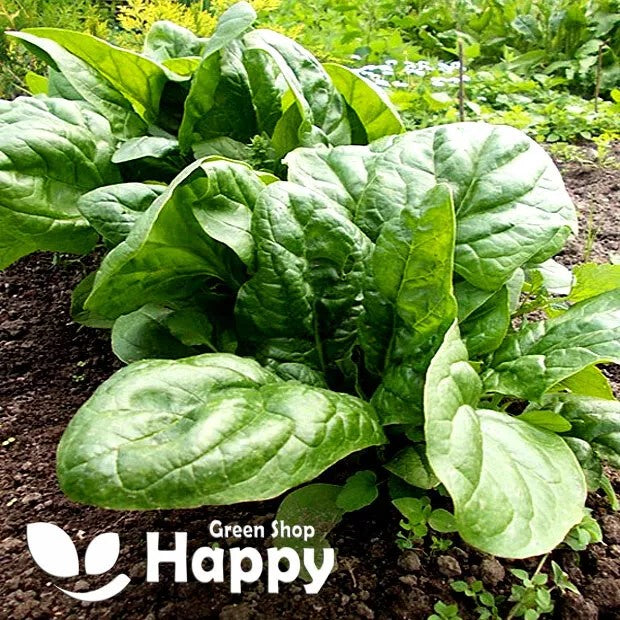
Spinach 'Matador' – Seeds
(Spinacia oleracea) – Fast-Growing, Productive Variety
Spinach 'Matador' is a vigorous and reliable variety producing large, dark green, smooth leaves with a tender texture and rich flavor. It is well-suited for both spring and autumn sowings, offering multiple harvests of vitamin-rich leaves. This cold-hardy variety is slow to bolt, making it a favorite for home gardeners and kitchen use.
Key Features
-
Type: Leafy annual vegetable
-
Height: 20–30 cm
-
Leaves: Large, smooth, dark green, tender
-
Flavor: Mild, rich, and slightly sweet
-
Harvest: 40–50 days after sowing
-
Special: Good resistance to bolting
Ideal For
-
Fresh salads, smoothies, and juicing
-
Steaming, sautéing, and soups
-
Continuous cut-and-come-again harvest
-
Home gardens, allotments, and pots
Sowing & Growing
-
Sow outdoors: March–May and August–September
-
Spacing: 20–30 cm between rows; thin to 10 cm between plants
-
Soil: Fertile, moist, well-drained soil
-
Sunlight: Full sun or partial shade
-
Watering: Keep soil consistently moist to avoid bolting
Care Tips
-
Harvest young leaves regularly for best taste.
-
Provide light shade in hot summers.
-
Mulch to keep soil cool and retain moisture.
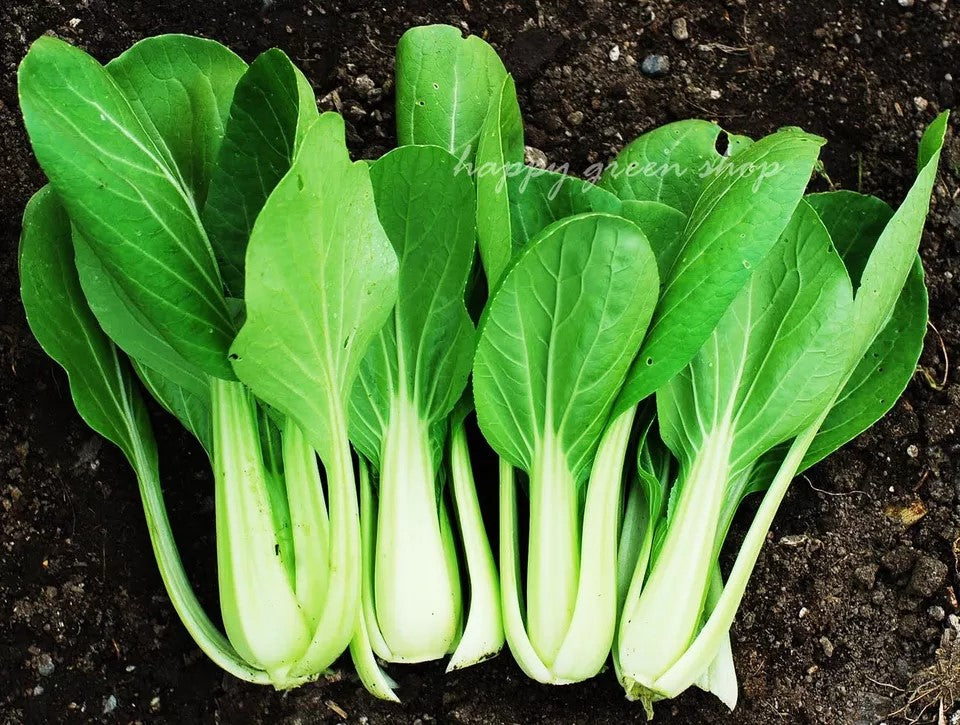
Chinese Cabbage ‘Pak Choi’ Seeds (Brassica oleracea)
Add fresh crunch to your kitchen garden with Chinese Cabbage ‘Pak Choi’ (Brassica oleracea). This fast-growing Asian green produces crisp white stems and tender, glossy green leaves with a mild, sweet flavor. Delicious in stir-fries, soups, and salads, Pak Choi is versatile, nutritious, and easy to grow in beds, borders, or containers.
How to Grow
-
Sow seeds indoors from early spring or directly outdoors from spring to late summer.
-
Use fertile, moist, well-drained soil in full sun or partial shade.
-
Sow seeds 1 cm deep and thin seedlings to 20–25 cm apart.
-
Keep soil consistently moist to prevent bolting.
-
Harvest young leaves as cut-and-come-again or allow plants to mature for full heads.
Key Features
-
Crisp white stems with tender, green leaves
-
Mild, sweet flavor with high nutritional value
-
Fast-growing and productive crop
-
Excellent for stir-fries, soups, and fresh salads
-
Thrives in gardens, raised beds, and containers
Ideal For
-
Stir-fries, soups, and salads
-
Cut-and-come-again harvesting or full heads
-
Home gardens, allotments, and container growing
-
Quick, healthy crops for continuous harvest
Sowing
-
Best time: Spring to late summer
-
Depth: 1 cm
-
Spacing: 20–25 cm apart
-
Prefers full sun or partial shade, fertile and moist soil
Quick Tip
-
Sow in succession every few weeks for a steady supply of fresh, crunchy Pak Choi.
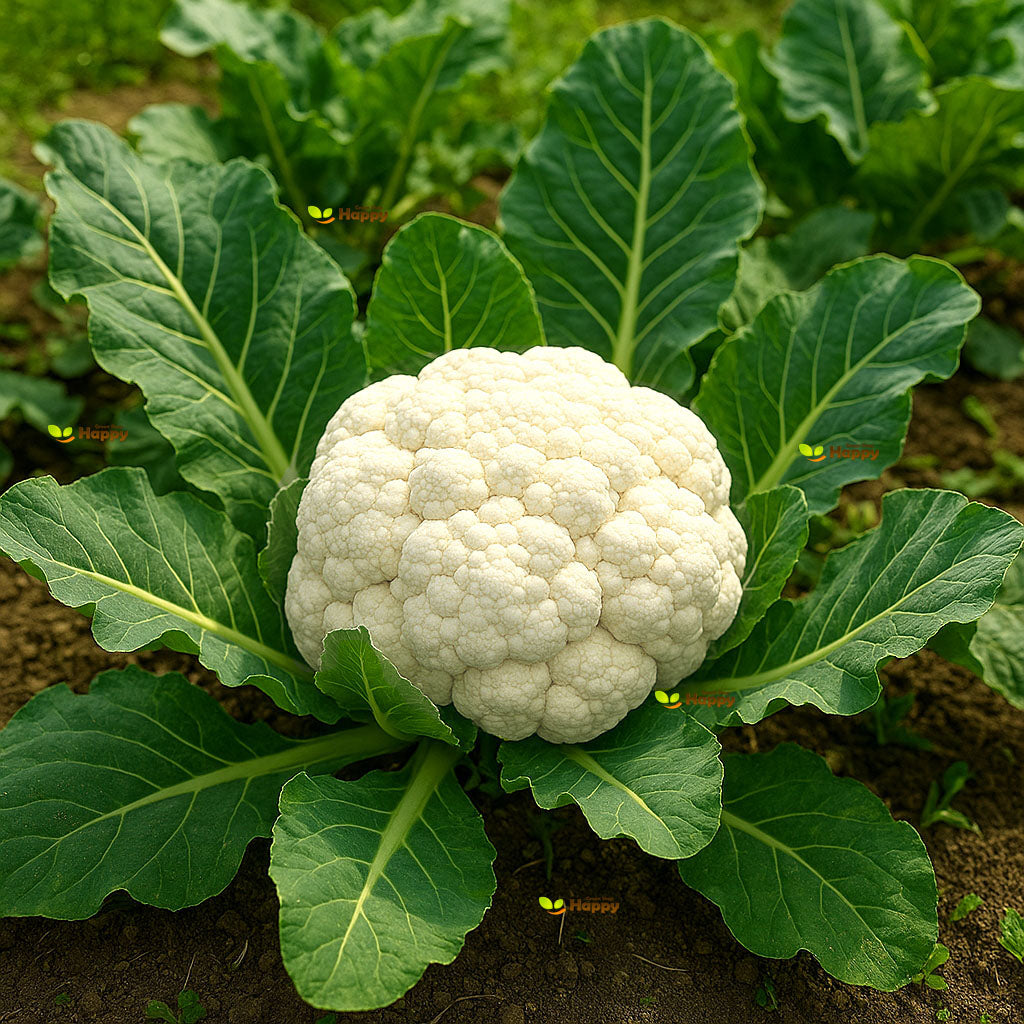
Cauliflower ‘All The Year Round’ – Seeds (Brassica oleracea)
Description:
Enjoy reliable harvests with Cauliflower ‘All The Year Round’ (Brassica oleracea), a versatile and hardy variety suitable for spring, summer, and autumn cropping. It produces compact, white heads with excellent flavor and texture, ideal for steaming, roasting, or use in soups and casseroles. Easy to grow from seed, this dependable cauliflower performs well in most soils and weather conditions, making it perfect for home gardens and allotments.
Key Features
-
Reliable, hardy variety for multiple seasons
-
Compact, firm white curds with great flavor
-
Suitable for spring, summer, and autumn harvests
-
Tolerant of varying weather conditions
-
Easy to grow from seed
Ideal For
-
Home and kitchen gardens
-
Allotments and vegetable plots
-
Fresh cooking, freezing, and preserving
-
Year-round vegetable production
Sowing & Growing
-
Sow Indoors: January–April
-
Sow Outdoors: March–June
-
Transplant Outdoors: April–July
-
Germination: 7–14 days at 15–20°C
-
Spacing: 45–60 cm apart
-
Light: Full sun
-
Soil: Fertile, firm, well-drained
Care Tips
-
Water regularly, especially during dry periods
-
Protect young plants from pests and frost
-
Add compost or organic matter before planting
-
Harvest when heads are firm and white
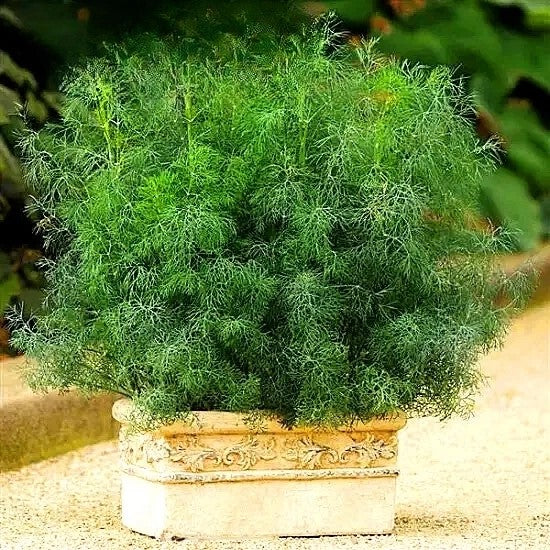

Dwarf Dill 'Forrest' – Seeds
(Anethum graveolens) – Compact, Aromatic Herb
Dwarf Dill 'Forrest' is a compact, slow-bolting variety ideal for small gardens, pots, and window boxes. Its fragrant, feathery leaves are perfect for seasoning salads, soups, pickles, and fish dishes. This variety produces consistent, tender foliage and is easy to grow even in limited space.
Key Features
-
Type: Annual herb
-
Height: Dwarf, 25–35 cm
-
Flavor: Classic aromatic dill, mild and fresh
-
Harvest: Leaf harvest from 40–50 days after sowing
-
Use: Culinary seasoning, pickling, fresh salads
Ideal For
-
Small gardens, balconies, and containers
-
Culinary use in salads, soups, and sauces
-
Companion planting in vegetable beds
-
Homegrown, fresh herb supply
Sowing & Growing
-
Sow outdoors: March–June, thin seedlings to 10–15 cm apart.
-
Sow indoors: February–April, transplant seedlings carefully.
-
Soil: Light, well-drained, moderately fertile.
-
Sunlight: Full sun preferred.
-
Harvest: Cut leaves as needed; avoid cutting entire plants for continuous growth.
Care Tips
-
Keep soil evenly moist for tender leaves.
-
Regular harvesting encourages bushier growth.
-
Protect young plants from strong wind or heavy rain.
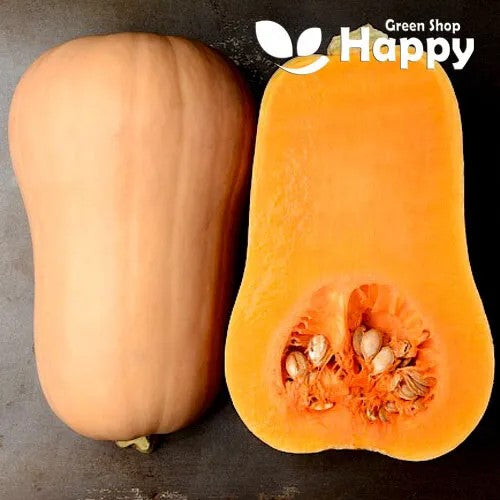
Squash 'Waltham Butternut' Seeds (Cucurbita moschata)
A true garden favorite, Squash 'Waltham Butternut' is a reliable heirloom variety producing pear-shaped fruits with smooth, creamy-orange skin and sweet, nutty flesh. This vigorous plant yields consistently, storing well for months after harvest, making it a staple for soups, roasting, and winter meals.
How to Grow
-
Sow indoors in late spring or directly outdoors after frost.
-
Use fertile, well-drained soil in a sunny, sheltered position.
-
Sow 2–3 seeds per station, 2.5 cm deep, spacing 90–100 cm apart.
-
Thin to the strongest seedling per station.
-
Harvest when fruits turn golden-tan and stems begin to dry.
Key Features
-
Classic butternut squash with pear-shaped fruits
-
Sweet, nutty orange flesh
-
Excellent storage quality for winter use
-
Heavy cropping, vigorous plants
-
Versatile for roasting, soups, and baking
Ideal For
-
Autumn and winter cooking
-
Long-term vegetable storage
-
Home gardens and allotments
-
Nutritious, hearty meals
Sowing
-
Best time: Late spring after frost
-
Depth: 2.5 cm
-
Spacing: 90–100 cm between plants
-
Prefers rich, well-drained soil in full sun
Quick Tip
-
Cure harvested squash in a warm, dry place for 10–14 days to improve sweetness and storage life.
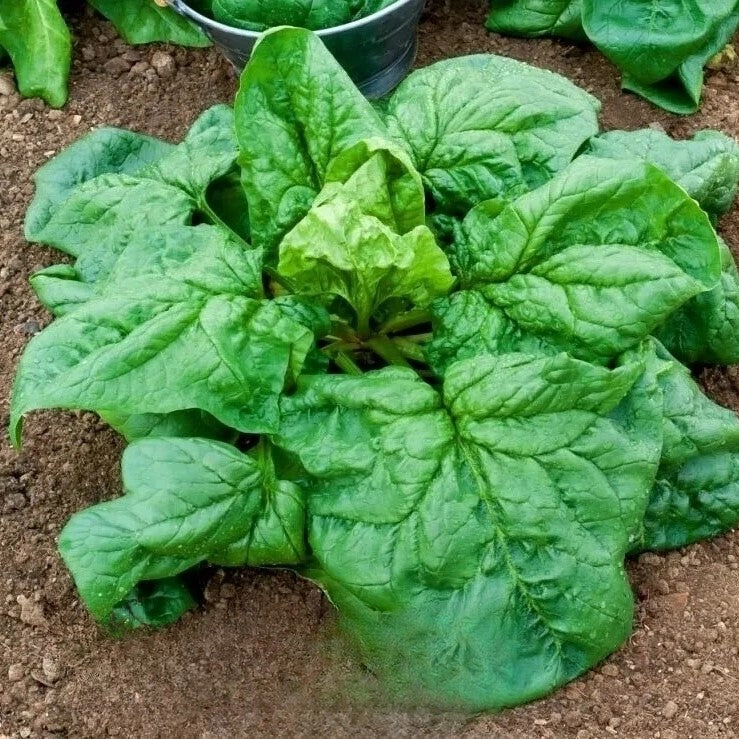
Spinach 'Winter Giant' – Seeds (Spinacia oleracea)
Spinach 'Winter Giant' is a hardy, reliable variety that thrives in cooler conditions, producing large, dark green leaves with a tender texture and rich flavor. As one of the best winter spinach types, it’s perfect for autumn sowing and will provide fresh harvests well into the colder months.
Packed with vitamins and minerals, this spinach is ideal for healthy salads, steaming, sautéing, or adding to soups and casseroles.
How to Grow
. Sow directly outdoors from August to October for overwintering crops
. Space seeds 5 cm apart, thinning seedlings to 10–15 cm apart
. Prefers fertile, well-drained soil in full sun or partial shade
. Keep soil moist to prevent bolting and ensure tender leaves
. Harvest young leaves regularly to encourage continuous growth
Key Features
. Hardy winter variety, excellent for cool-season growing
. Large, deep green leaves with great flavor
. Rich in vitamins A, C, and iron
. Ideal for salads, cooking, and freezing
. Reliable harvests even in colder weather
Sowing & Harvest
. Sow from August to October
. Harvest from October to March
Short Tip
Pick leaves regularly when young and tender for the best flavor and continued production.
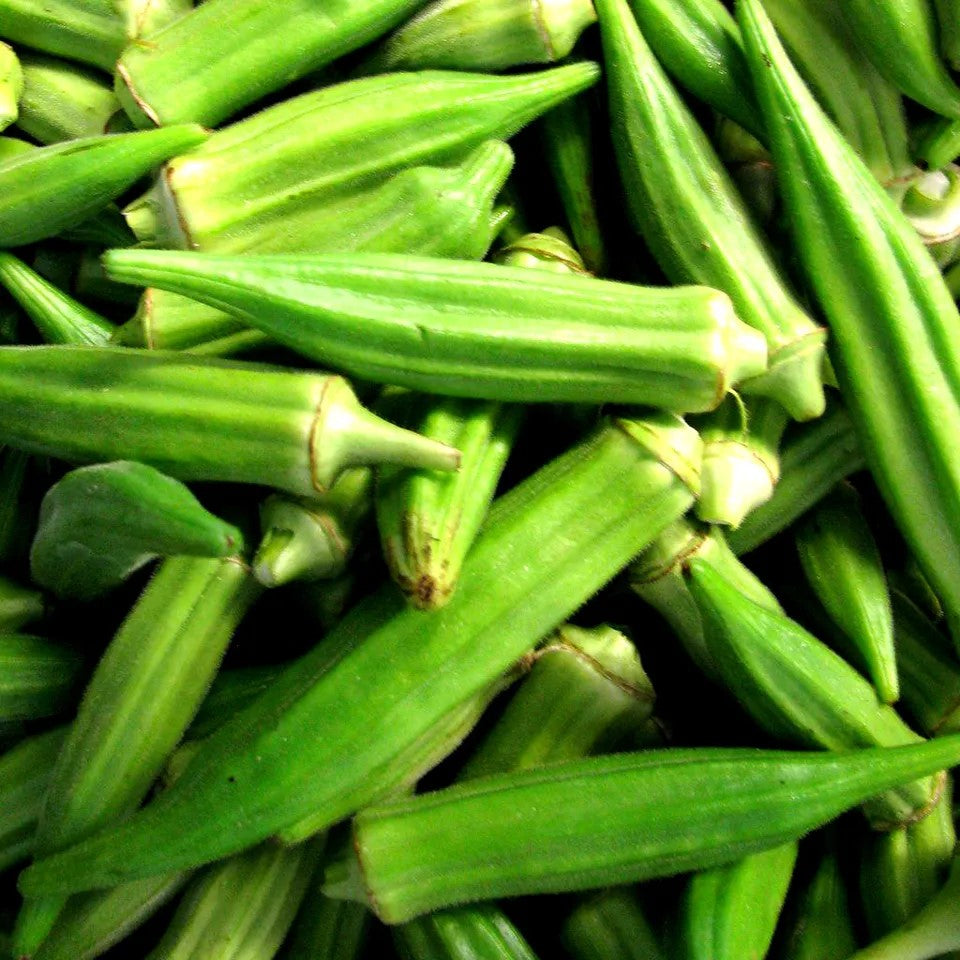
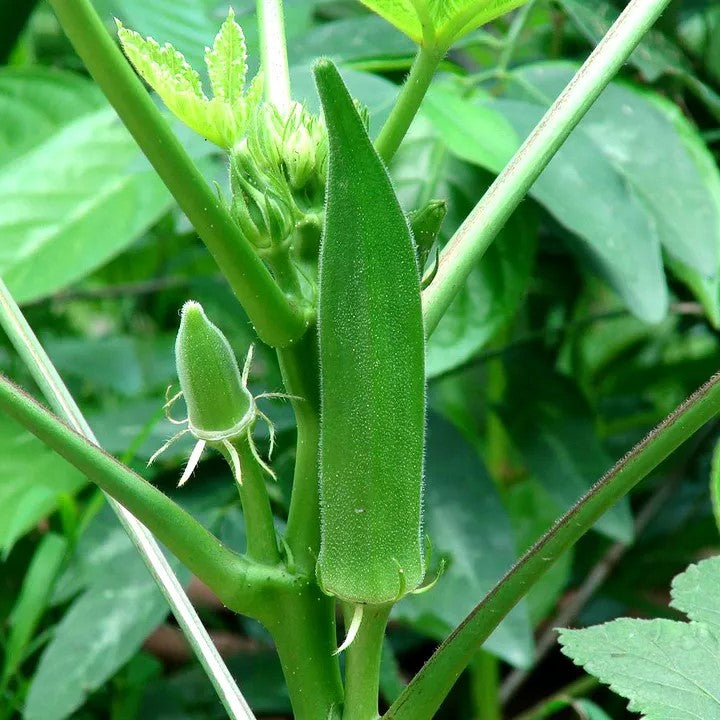
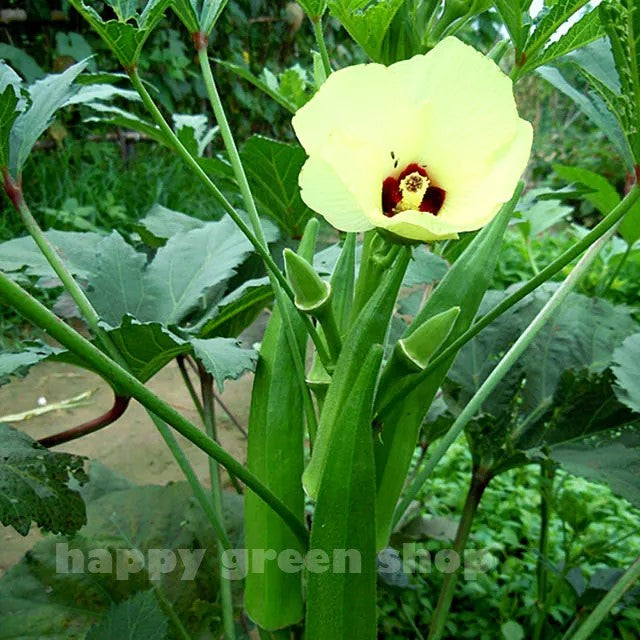
Okra 'Clemson Spineless' – Seeds (Abelmoschus esculentus)
Okra 'Clemson Spineless' is the most popular and widely grown okra variety, prized for its tender, spineless green pods and high yields. A warm-season crop, it thrives in sunny conditions and produces long, slim pods that are perfect for frying, grilling, soups, curries, and traditional gumbo dishes. Compact and productive, it’s ideal for home gardens or allotments.
How to Grow
-
Sow indoors: March – May in pots or modules with heat.
-
Transplant outdoors: After last frost when soil has warmed.
-
Soil: Fertile, well-drained soil in full sun.
-
Spacing: 30–45 cm apart.
-
Water regularly during dry spells to encourage pod production.
Key Features
-
Famous spineless okra variety
-
High-yielding and fast-growing
-
Tender, slim pods with rich flavor
-
Heat-loving annual for summer harvests
-
Perfect for gumbo, curries, soups, and frying
Ideal For
-
Kitchen gardens and allotments
-
Sunny, sheltered growing positions
-
Gardeners who enjoy exotic vegetables
Sowing & Harvest
-
Sow: March – May
-
Harvest: July – October
Quick Tip
Harvest pods when young (7–10 cm long) for the best flavor and tenderness. Picking regularly encourages further production.
Showing 9/84


