
Sort by:
3 products
3 products


💜 Lavandula angustifolia True Lavender / English Lavender – Classic Aromatic Perennial with Fragrant Purple Spikes
Lavandula angustifolia, commonly known as true lavender or English lavender, is the classic lavender species prized for its highly fragrant flowers, refined essential oils, and elegant silvery-green foliage. This hardy perennial produces dense spikes of soft purple to violet-blue blooms in summer, attracting bees and pollinators while adding timeless Mediterranean charm to gardens. Ideal for borders, gravel gardens, herb beds, containers, and hedging, it is also perfect for drying, sachets, oils, and culinary use.
Key Features
● True English lavender with exceptional fragrance
● Purple flower spikes rich in essential oils
● Hardy perennial suitable for UK climates
● Excellent for borders, pots, hedging and gravel gardens
● Ideal for drying, sachets, oils and culinary use
How to Sow & Grow Lavandula angustifolia (UK)
Sow indoors: II–IV (February–April) in trays or pots
Transplant outdoors: V–VI (May–June) once plants are established and frost risk has passed
Direct outdoors: IV–V (April–May)
Flowering: VI–VIII (June–August)
Life cycle: Perennial
Germination temperature: 15–20 °C (59–68 °F)
Average germ time: 14–28 days
Depth: Surface sow — do not cover, but press gently into the soil (requires light to germinate)
Light required: Yes
Moisture: Low to moderate; drought tolerant once established
Environment: Full sun
Soil type: Light, well-drained, sandy or gritty soil; dislikes heavy, wet soils
Plant spacing: 30–40 cm (12–16 in)
Height: 40–60 cm (16–24 in)
Sowing & Growing Tips (variety-specific)
● Excellent drainage is essential for long-term success.
● Avoid rich or wet soils to prevent root rot.
● Prune lightly after flowering to maintain compact shape.
● Harvest flowers just as they open for maximum fragrance.
● Perfect for low-maintenance and drought-tolerant gardens.
Special Features
● True lavender species with superior fragrance
● Highly attractive to bees and pollinators
● Classic choice for traditional and Mediterranean gardens
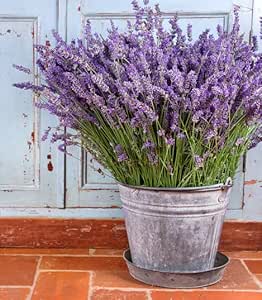
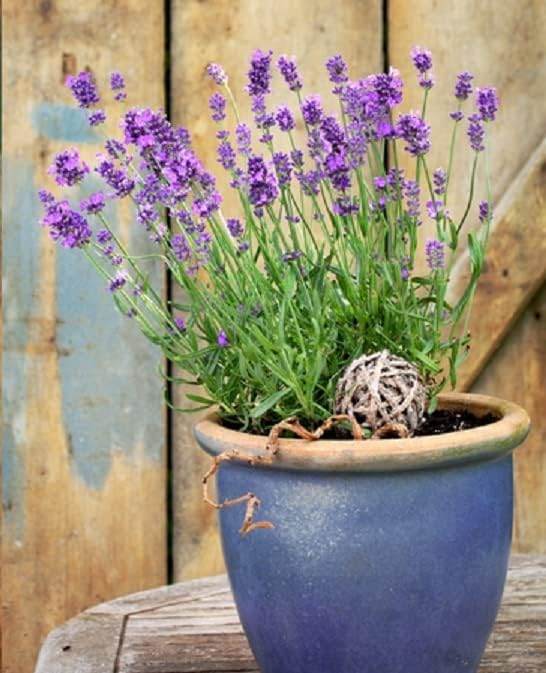
English Lavender Seeds (Lavandula angustifolia)
A classic perennial, English Lavender produces fragrant spikes of purple flowers above aromatic silver-green foliage. Hardy and long-flowering, it’s perfect for borders, cottage gardens, and containers, attracting bees and butterflies while adding scent, color, and texture to any garden.
What Makes It Special
-
Fragrant purple flower spikes with aromatic foliage
-
Hardy, long-flowering, and drought-tolerant
-
Attracts pollinators, supporting bees and butterflies
Key Features
-
Botanical name: Lavandula angustifolia
-
Hardy perennial
-
Height: 30–60 cm (12–24 in)
-
Bloom time: Summer
Ideal For
-
Borders, cottage gardens, and rock gardens
-
Containers, pots, and low-maintenance garden designs
-
Pollinator-friendly and aromatic garden plantings
Sowing
-
Sow indoors Feb–Apr or outdoors Mar–May
-
Cover lightly with soil and keep moist
-
Germination: 14–28 days at 15–20°C
-
Thin seedlings 25–30 cm apart
-
Flowers the first or second season after sowing
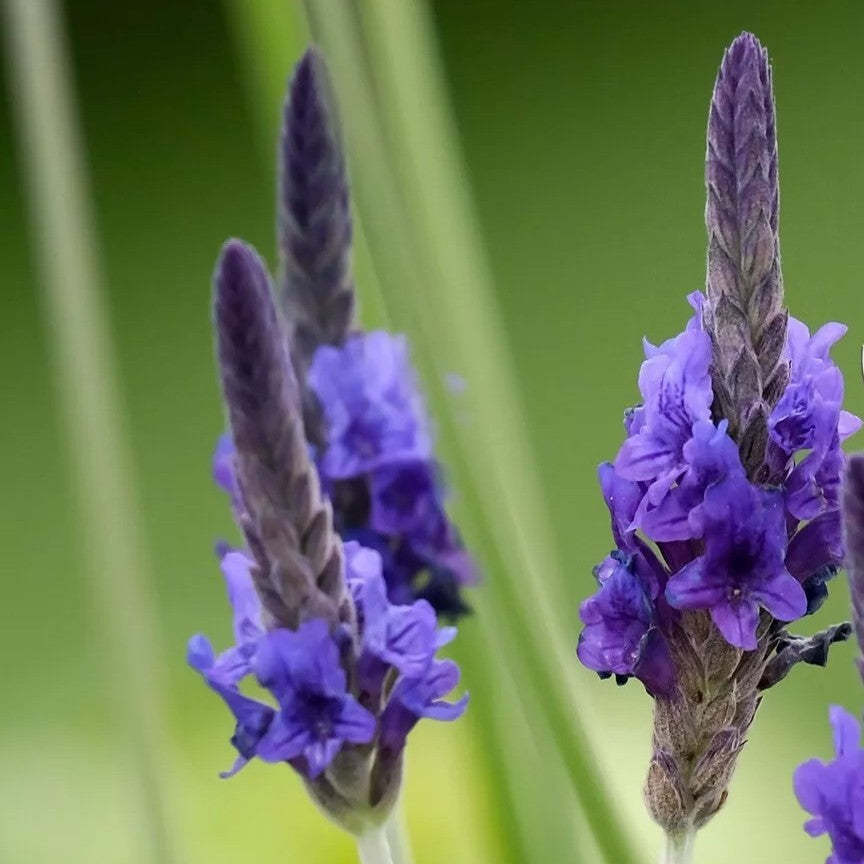
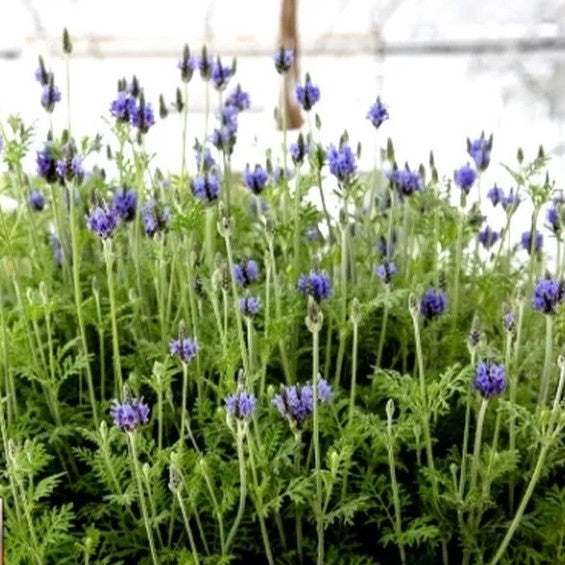
Egyptian Lavender Seeds – Lavandula multifida
Transform your garden with the exotic charm of Egyptian Lavender (Lavandula multifida). Celebrated for its feathery silver-green foliage and striking purple flower spikes, this hardy perennial brings fragrance, beauty, and pollinator activity to any outdoor space. Naturally drought-tolerant and low-maintenance, it thrives in hot, sunny climates with minimal care.
How to Grow
-
Sow seeds indoors in early spring or directly outdoors once the risk of frost has passed.
-
Choose well-drained sandy or gritty soil in a location with full sun.
-
Lightly press seeds into the soil surface, covering very thinly.
-
Keep the soil slightly moist until germination, which usually takes 10–20 days.
-
Once established, water sparingly—lavender prefers dry conditions.
-
Prune lightly after flowering to maintain shape and encourage fresh growth.
Key Features
-
Distinctive feathery foliage and vibrant purple flower spikes
-
Aromatic leaves and blooms, ideal for drying and potpourri
-
Naturally drought-resistant and thrives in poor soils
-
Attracts bees, butterflies, and other pollinators
-
Hardy perennial suited to hot and dry environments
Ideal For
-
Mediterranean and xeriscape gardens
-
Rockeries, borders, and sunny slopes
-
Container planting for patios and balconies
-
Pollinator-friendly garden designs
Sowing
-
Best time: Early spring indoors or outdoors after frost
-
Germination time: 10–20 days
-
Lightly cover seeds with fine soil or vermiculite
-
Maintain warmth and sunlight during germination
Quick Tip
-
Avoid overwatering—Egyptian Lavender flourishes in dry conditions and poor soils where other plants struggle.

