
Sort by:
299 products
299 products

Rock Cress ‘Graeca’ – Pale Blue – 1200 Seeds
(Aubrieta hybrida)
Rock Cress ‘Graeca’ is a beautiful, low-growing perennial that forms dense mats of soft green foliage smothered in pale blue flowers in early spring. Ideal for rock gardens and edging, this hardy aubrieta cascades naturally over walls and containers, creating a stunning carpet of colour when little else is in bloom.
Reliable, frost-hardy, and easy to grow, ‘Graeca’ is a favourite for adding early-season interest and structure to gardens.
Key Features
-
Type: Perennial ground cover
-
Flower Color: Pale blue
-
Height: 10–15 cm
-
Spread: 30–40 cm
-
Flowering: March–May
-
Growth Habit: Compact, trailing
Ideal For
-
Rock gardens and alpine beds
-
Walls, edging, and borders
-
Ground cover on slopes
-
Containers and hanging baskets
Sowing & Growing
-
Sow indoors: February–April
-
Sow outdoors: April–June
-
Germination: 14–21 days at 15–18°C
-
Position: Full sun to partial shade
-
Soil: Well-drained, light soil
-
Spacing: 25–30 cm
Care Tips
-
Trim lightly after flowering to keep plants compact.
-
Avoid waterlogged soil, especially in winter.
-
Very hardy once established.
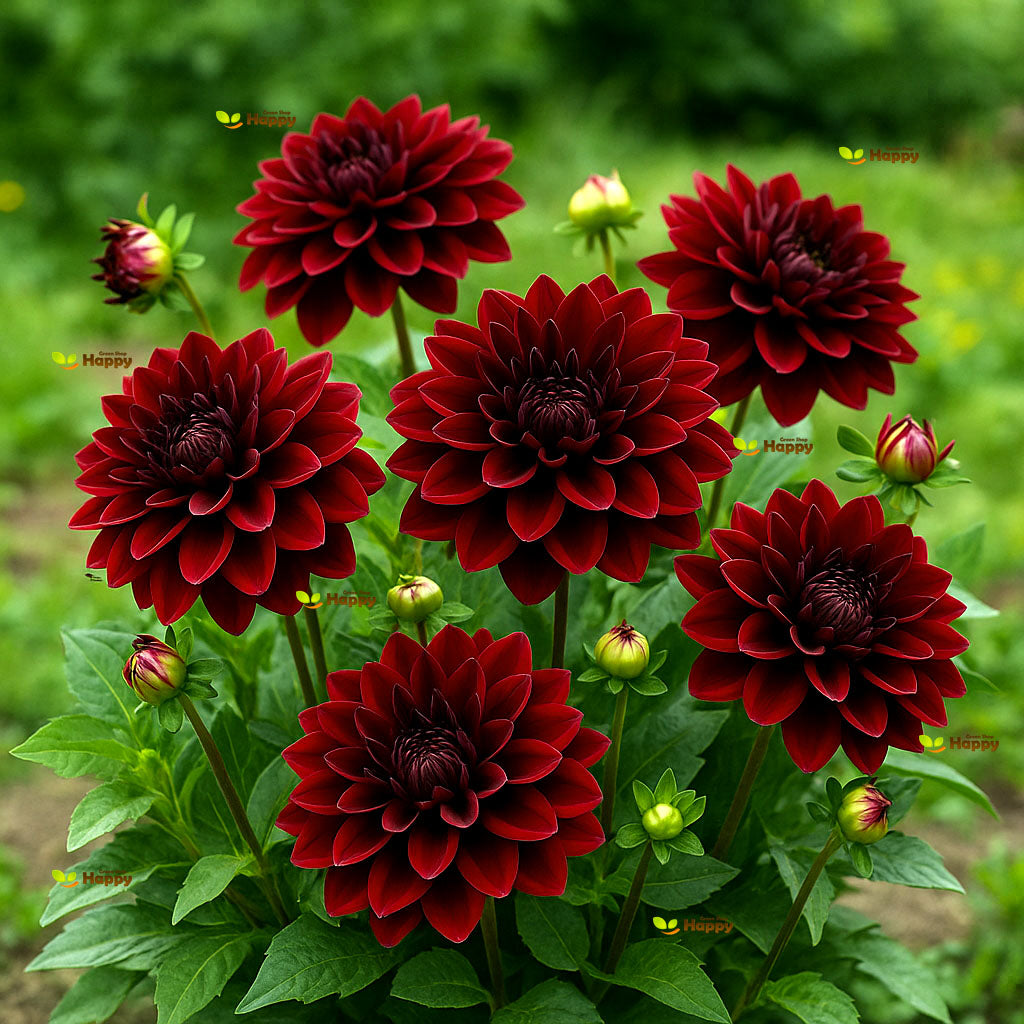
Dahlia 'Bloody Mary' – Seeds
(Dahlia variabilis)
Dahlia 'Bloody Mary' is a stunning compact variety that produces vibrant, dark red, fully double blooms with a rich, velvety texture. Its bushy habit and long flowering season make it ideal for borders, containers, and mixed flower beds. This eye-catching variety is also a favorite for cut flowers, adding dramatic color to bouquets and arrangements.
Key Features
-
Type: Half-hardy annual (grown from seed)
-
Height: 40–50 cm
-
Spread: 30–40 cm
-
Flowering: July–October
-
Position: Full sun
-
Soil: Fertile, well-drained
Ideal For
-
Borders and bedding displays
-
Containers and pots
-
Cut flower arrangements
-
Pollinator-friendly gardens
Sowing & Growing
-
Sow indoors: February–April at 18–22°C
-
Germination: 7–14 days
-
Transplant after last frost, spacing 25–30 cm
-
Deadhead regularly to encourage continuous blooms
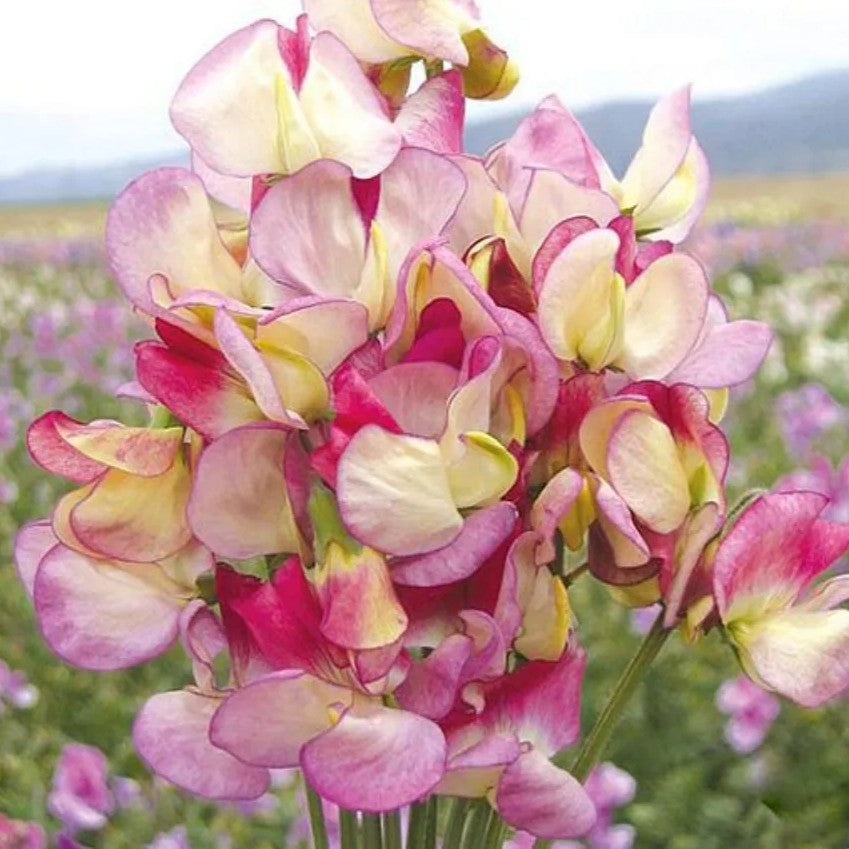
Sweet Pea ‘Spanish Dancer’ 15 Seeds (Lathyrus odoratus)
Add elegance and fragrance to your garden with Sweet Pea ‘Spanish Dancer’ (Lathyrus odoratus). This climbing annual produces exquisite, vibrant pink flowers with a striking magenta edge and a delightful scent. Ideal for trellises, fences, and pergolas, it’s a stunning addition for borders, containers, and cut flower arrangements.
How to Grow
-
Sow seeds indoors in late winter or early spring, or directly outdoors after the last frost.
-
Soak seeds overnight to improve germination.
-
Use well-drained soil in a sunny location.
-
Cover seeds lightly with soil and keep moist until germination (10–14 days).
-
Provide support such as trellises, fences, or netting for climbing.
-
Pinch out the tips of young plants to encourage bushier growth and more blooms.
Key Features
-
Vibrant pink flowers with magenta edges
-
Fragrant, climbing annual perfect for vertical displays
-
Long-flowering, from late spring through summer
-
Excellent for cut flowers and bouquets
-
Attracts pollinators such as bees and butterflies
Ideal For
-
Trellises, pergolas, fences, and arches
-
Flower borders and cottage gardens
-
Containers and patio planters with support
-
Cut flower arrangements for home decoration
Sowing
-
Best time: Late winter to early spring indoors, or after frost outdoors
-
Germination: 10–14 days
-
Pre-soak seeds for best results
-
Prefers full sun and well-drained soil
Quick Tip
-
Regularly remove spent flowers to prolong blooming and maintain vigorous growth.

Dwarf Cosmos 'Carpet' Mix – Seeds
(Cosmos sulphureus semidouble)
Dwarf Cosmos 'Carpet' Mix produces compact, bushy plants covered in a dazzling blend of orange, yellow, and red semi-double blooms. Unlike taller cosmos varieties, this dwarf mix stays low, creating a brilliant “carpet” of color perfect for borders, bedding, or pots. Easy to grow and tolerant of poor soil, heat, and drought, it flowers all summer long.
Key Features
-
Type: Half-hardy annual
-
Height: 25–40 cm
-
Spread: 25–30 cm
-
Flowering: June–October
-
Position: Full sun
-
Soil: Light, well-drained
Ideal For
-
Bedding displays & borders
-
Pots and containers
-
Edging paths
-
Pollinator-friendly gardens
Sowing & Growing
-
Sow indoors: March–April, germinate at 18–22°C
-
Sow outdoors: April–May after frost
-
Transplant or thin to 25–30 cm spacing
-
Deadhead regularly to extend blooming

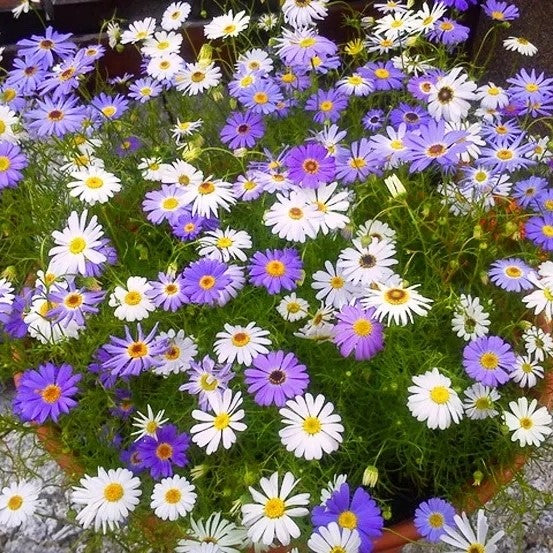

Swan River Daisy Mixed – Clouds of Colorful, Dainty Blooms
Swan River Daisy Mixed produces masses of small, daisy-like flowers in shades of purple, blue, pink, and white over fine, feathery foliage. Native to Australia, this easy-to-grow annual brings a soft, airy texture and vibrant color to garden beds, borders, and hanging baskets. A prolific bloomer from summer to autumn, it thrives in sunny spots and is perfect for low-maintenance displays.
What Makes It Special
-
Abundant, delicate blooms in a rainbow of pastel shades
-
Adds a light, airy look to gardens and containers
-
Long flowering season with minimal care
-
Tolerates heat and dry conditions once established
-
Attracts pollinators
Key Features
-
Height: 20–30 cm – compact, spreading habit
-
Excellent for ground cover or edging
-
Hardy annual – fast to flower from seed
-
Drought-tolerant and easy to grow
-
Perfect for mass planting
Ideal For
-
Borders, edging, and pathways
-
Hanging baskets and window boxes
-
Cottage and wildflower gardens
-
Low-maintenance summer displays
Sowing
-
Sow indoors 6–8 weeks before last frost or direct sow after frost danger has passed
-
Lightly press seeds into soil; do not cover deeply
-
Germination: 7–14 days at 18–21°C
-
Space plants 15–20 cm apart
-
Prefers full sun and well-drained soil
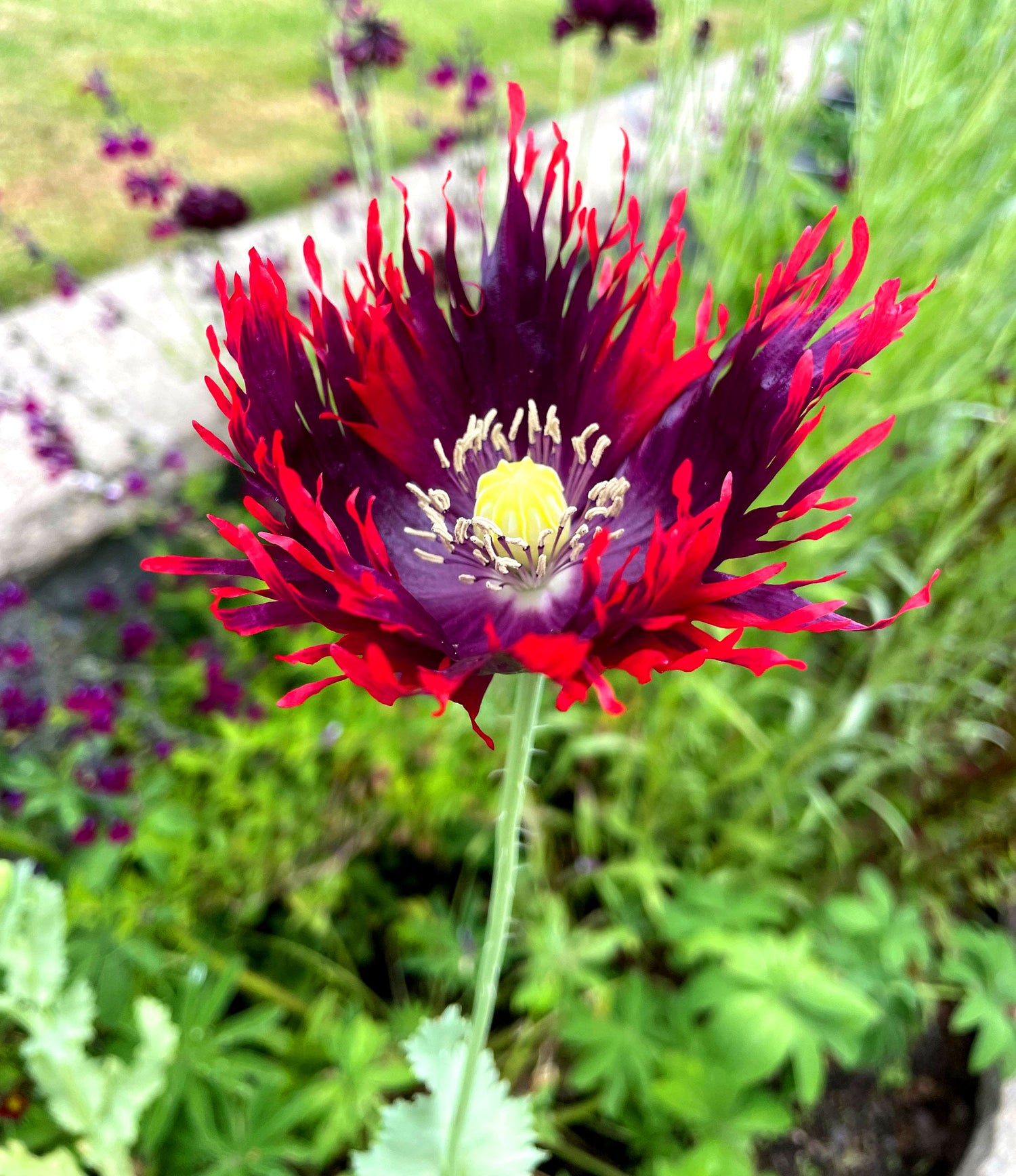
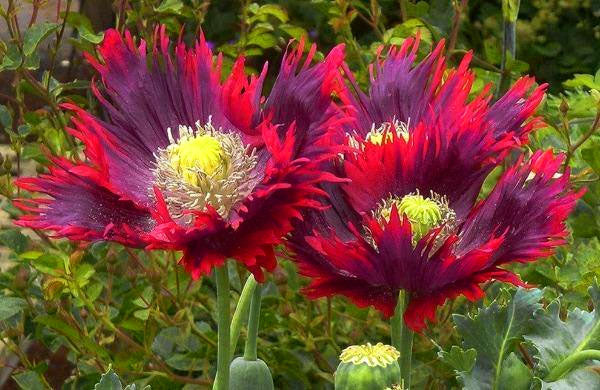
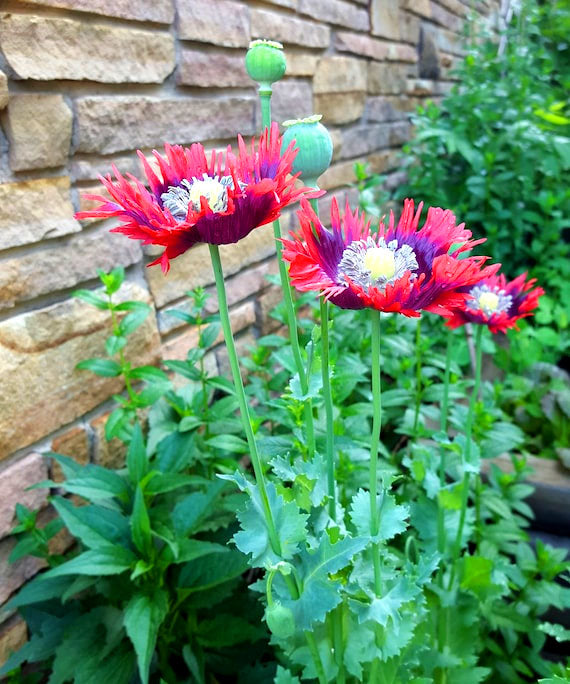
Poppy Peony ‘Drama Queen’ Seeds (Papaver paeoniflorum)
Make a bold statement in your garden with Poppy Peony ‘Drama Queen’ (Papaver paeoniflorum). This annual produces large, double, peony-like blooms in vivid red shades, adding drama and elegance to borders, beds, and cutting gardens. Easy to grow and long-flowering, it’s perfect for creating eye-catching displays and stunning bouquets.
How to Grow
-
Sow seeds directly outdoors in spring after the last frost or indoors 6–8 weeks earlier.
-
Use well-drained soil in a sunny location.
-
Scatter seeds thinly and press lightly onto the soil; do not cover deeply.
-
Keep soil moist until germination (10–20 days).
-
Thin seedlings to 20–30 cm apart once established.
-
Cut flowers regularly to encourage continuous blooming.
Key Features
-
Large, double, peony-like blooms in vivid red
-
Hardy annual, easy to grow and long-flowering
-
Ideal for borders, beds, and cutting gardens
-
Attracts bees, butterflies, and other pollinators
-
Dramatic and eye-catching garden display
Ideal For
-
Flower borders and cottage gardens
-
Cutting gardens for fresh bouquets
-
Containers and patio planters
-
Pollinator-friendly gardens
Sowing
-
Best time: Spring outdoors or 6–8 weeks earlier indoors
-
Germination: 10–20 days
-
Sow thinly, press lightly, do not cover deeply
-
Prefers full sun and well-drained soil
Quick Tip
-
Sow successive batches every 2–3 weeks for a longer flowering season and continuous dramatic blooms.
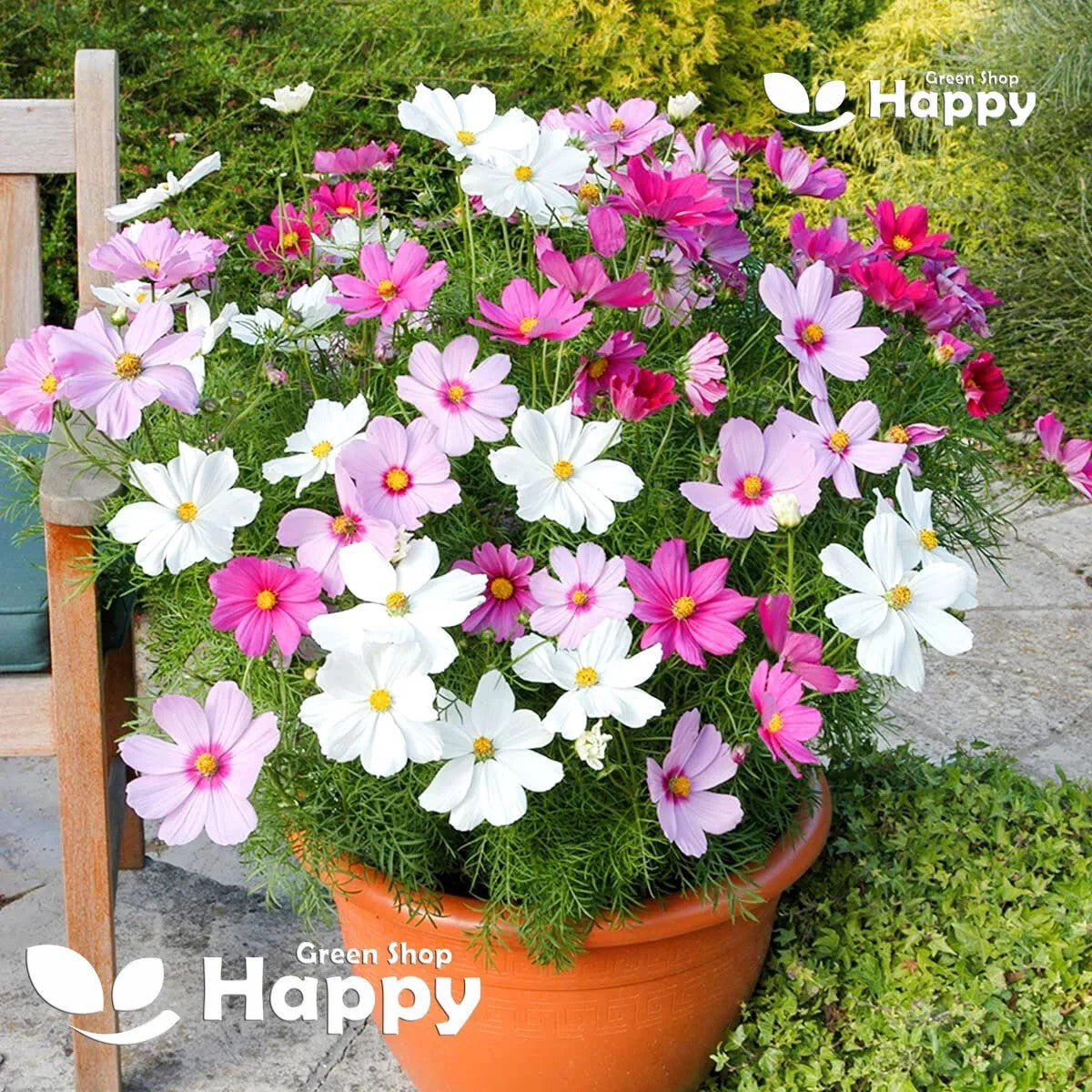
Dwarf Cosmos Early 'Vega' Mix – Seeds (Cosmos bipinnatus)
The Dwarf Cosmos Early 'Vega' Mix is a compact, early-flowering variety of cosmos that produces masses of cheerful, daisy-like blooms in shades of white, pink, and carmine-red. Unlike tall cosmos, 'Vega' grows into neat, bushy plants that stay compact, making it ideal for borders, bedding, patio pots, and containers. This easy-to-grow annual flowers quickly and blooms continuously throughout the summer.
Highlights
-
Dwarf and bushy growth, perfect for smaller spaces
-
Large, bright daisy-like blooms in mixed shades
-
Early-flowering variety for a longer display
-
Low-maintenance and drought-tolerant once established
Key Features
-
Botanical Name: Cosmos bipinnatus
-
Variety: Dwarf Early 'Vega' Mix
-
Seed Count: Approx. seeds per pack
-
Height/Spread: 25–40 cm tall, 20–30 cm spread
-
Position: Full sun, well-drained soil
-
Flowering Period: June–October
Perfect For
-
Patio pots and containers
-
Bedding and borders
-
Compact cottage garden displays
-
Long-lasting cut flowers
Sowing Instructions
-
Sow indoors March–April at 18–21°C
-
Cover seeds lightly with compost or vermiculite
-
Germination: 7–10 days
-
Transplant outdoors after frost risk has passed, spacing 20–25 cm apart
-
Can also be sown directly outdoors April–May

Dwarf Sunflower 'Sunspot' Seeds (Helianthus annuus)
The Dwarf Sunflower 'Sunspot' is a compact variety producing giant golden-yellow blooms up to 25 cm wide on sturdy dwarf stems. Reaching just 45–60 cm in height, it’s perfect for small gardens, borders, and containers while still giving the dramatic effect of traditional tall sunflowers. A favorite for children’s gardens and excellent as a cut flower.
What Makes It Special
-
Dwarf habit with impressively large flowers
-
Perfect for pots, small gardens, or children’s growing projects
-
Sturdy stems resist wind and rarely need staking
-
Attracts pollinators and makes excellent cut flowers
Key Features
-
Botanical name: Helianthus annuus
-
Variety: 'Sunspot'
-
Seed count: Approx. seeds per pack
-
Height/Spread: 45–60 cm tall, 20–30 cm spread
-
Position: Full sun; well-drained soil
-
Flowering period: July–September
Ideal For
-
Pots and containers
-
Children’s gardens and school projects
-
Borders and bedding schemes
-
Cut flower arrangements
Sowing Instructions
-
When to sow: March–May indoors; April–June outdoors
-
How to sow:
-
Sow seeds 1.5 cm deep in pots or directly outdoors after frost
-
Germination takes 7–14 days at 15–20°C
-
-
Transplanting: Plant seedlings outdoors after frost risk has passed
-
Care: Water regularly in dry conditions; dwarf plants are sturdy and easy to grow.
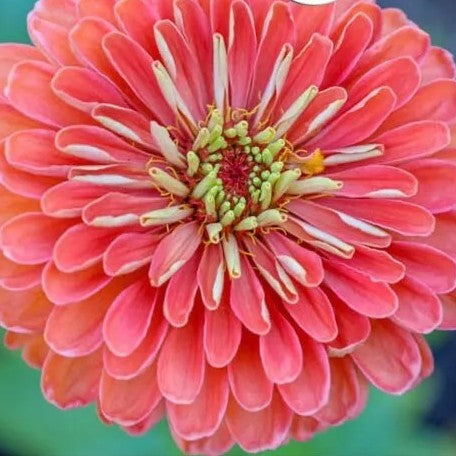
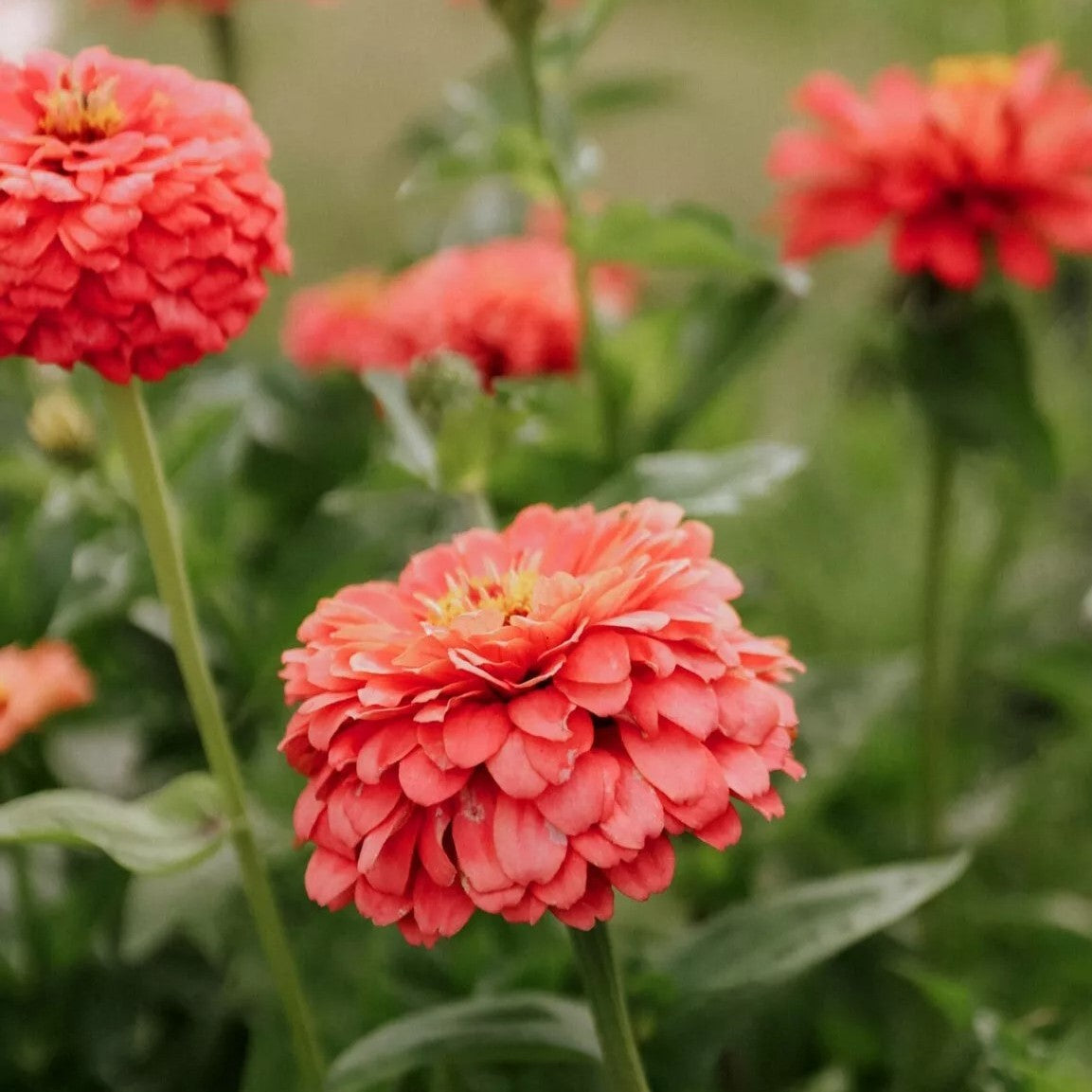
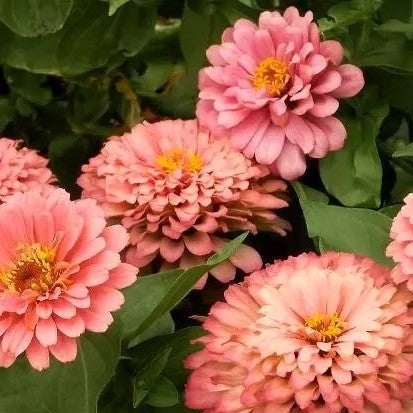
Zinnia Dahliaflowered ‘Salamon Queen’ Seeds (Zinnia elegans)
Bring bold color and classic charm to your garden with Zinnia Dahliaflowered ‘Salamon Queen’ (Zinnia elegans). This annual produces large, dahlia-like blooms in rich pink shades, adding vibrant flair to borders, beds, and containers. Easy to grow and long-flowering, it’s perfect for brightening your garden from summer to autumn and for cut flower arrangements.
How to Grow
-
Sow indoors in early spring or directly outdoors after the last frost.
-
Use well-drained soil in a sunny location.
-
Lightly cover seeds with soil and keep moist until germination (7–14 days).
-
Thin seedlings to 20–25 cm apart to ensure healthy growth.
-
Water regularly, avoiding waterlogging.
-
Deadhead spent flowers to encourage continuous blooms.
Key Features
-
Large, dahlia-like blooms in vibrant pink shades
-
Long-flowering annual, summer through autumn
-
Easy to grow and maintain, ideal for beginners
-
Excellent for fresh cut flowers and bouquets
-
Attracts pollinators including bees and butterflies
Ideal For
-
Flower beds and borders
-
Containers, patio planters, and window boxes
-
Cutting gardens for fresh bouquets
-
Pollinator-friendly landscapes
Sowing
-
Best time: Early spring indoors or after frost outdoors
-
Germination: 7–14 days
-
Sow thinly, cover lightly, and keep soil moist
-
Prefers full sun and well-drained soil
Quick Tip
-
Deadhead regularly to prolong flowering and maintain vibrant blooms throughout the season.
Showing 9/299


