
Sort by:
24 products
24 products
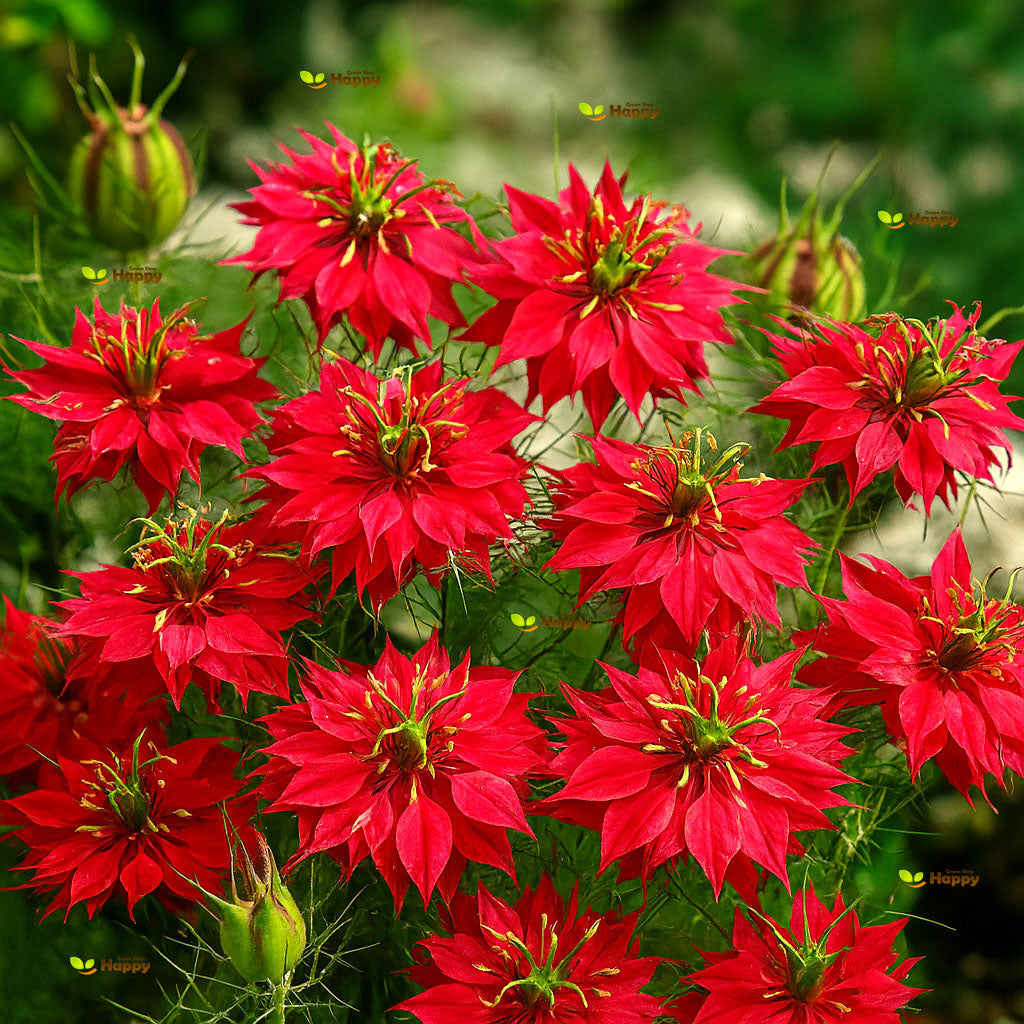
Love-in-a-Mist ‘Persian Jewels’ Red – Seeds (Nigella damascena)
Love-in-a-Mist ‘Persian Jewels’ Red (Nigella damascena) is a charming cottage garden annual with finely cut, ferny foliage and delicate star-shaped flowers in rich shades of ruby and crimson. Its ornamental seed pods add long-lasting interest, making it a favorite for both fresh and dried arrangements. Easy to grow and pollinator-friendly, it’s perfect for borders and wildflower-style plantings.
Why Grow "Persian Jewels Red"
-
Striking ruby-red starry blooms
-
Airy, ferny foliage for soft texture
-
Decorative seed pods for dried use
-
Easy to grow and pollinator-friendly
Key Features
-
Type: Hardy annual (Nigella damascena)
-
Height: 45–60 cm
-
Flowering: June–September
-
Position: Full sun
-
Uses: Borders, wildflower gardens, cut and dried flowers
Ideal For
-
Cottage and wildflower gardens
-
Fresh and dried floral arrangements
-
Pollinator-friendly planting
-
Naturalistic borders
Sowing & Growing
-
Sow outdoors: March–May or August–September for earlier blooms
-
Sow direct, thinly into prepared soil
-
Germination: 14–21 days
-
Thin seedlings to 20–25 cm apart
-
Prefers well-drained soil in full sun
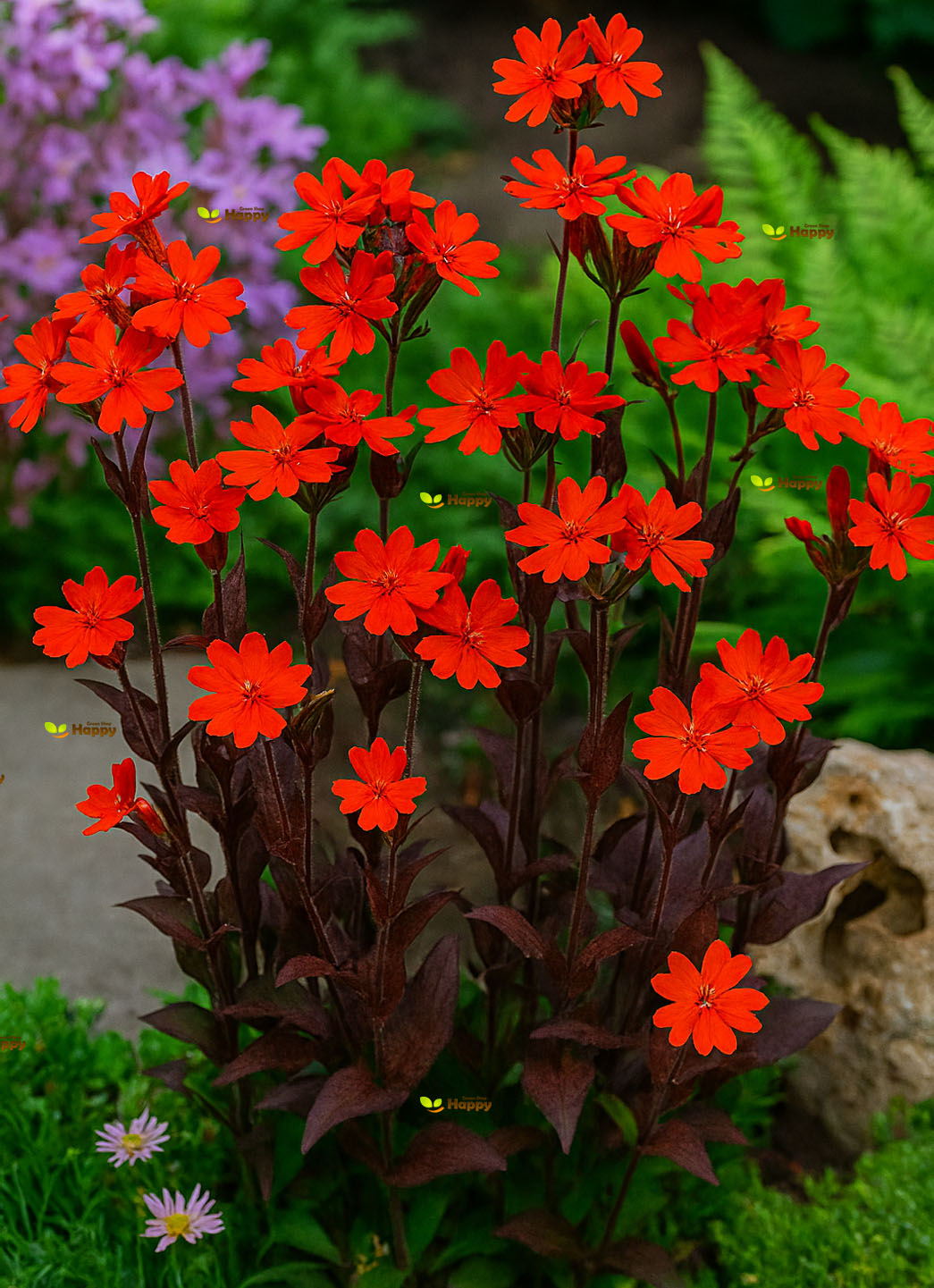
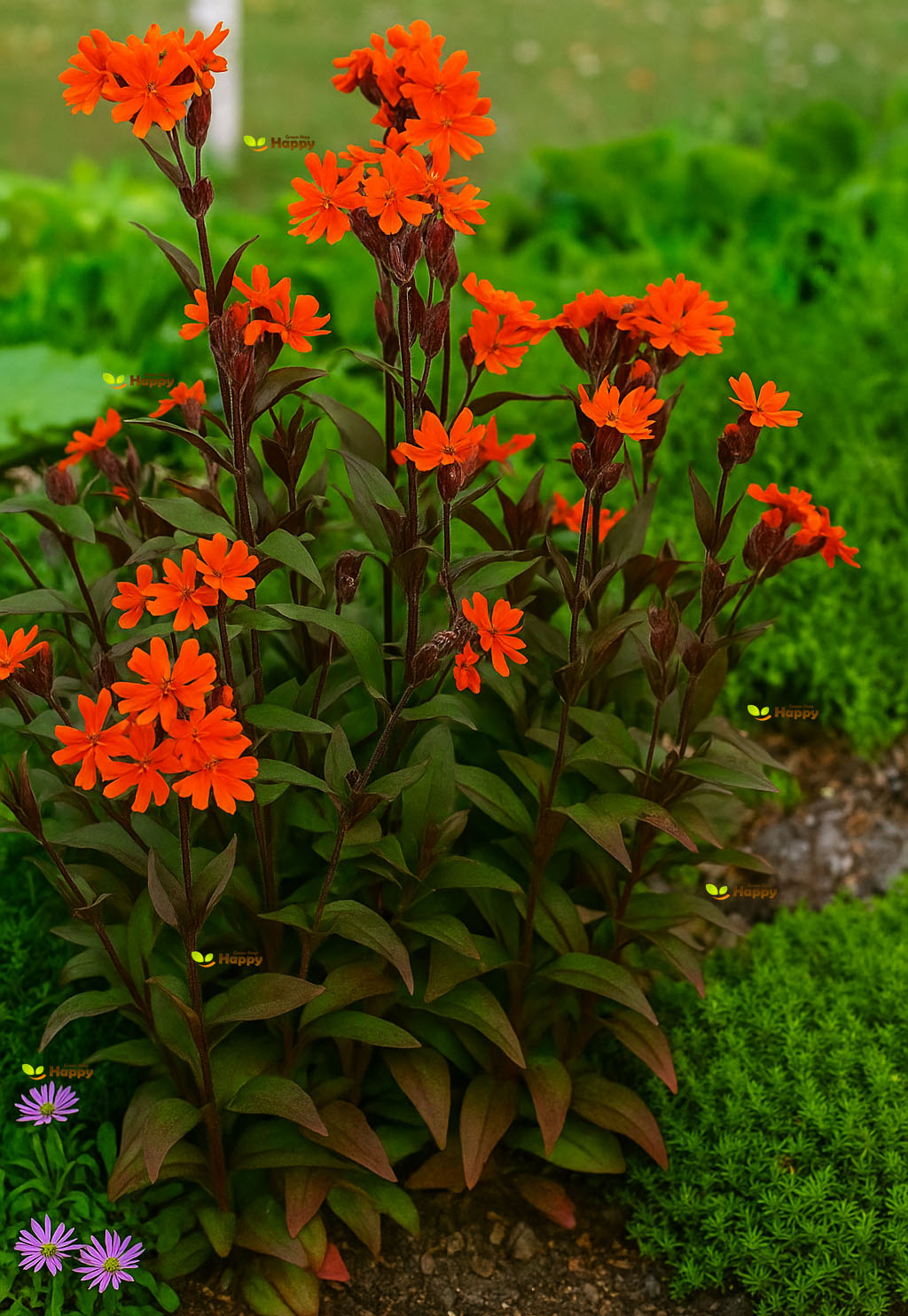
Arkwright's Campion – 250 Seeds (Lychnis arkwrightii ‘Vesuvius’)
Arkwright’s Campion ‘Vesuvius’ is a striking perennial, treasured for its dazzling contrast of fiery orange-scarlet blooms against deep bronze-purple foliage. Compact yet bold, it creates a dramatic feature in borders, cottage gardens, or mixed perennial beds. Its long-lasting flowers attract pollinators, bringing both beauty and wildlife to the garden.
Why Grow Arkwright’s Campion ‘Vesuvius’?
-
Brilliant scarlet-orange flowers with deep purple foliage
-
Compact habit, perfect for borders and cottage gardens
-
Pollinator-friendly, attracting bees and butterflies
-
Hardy perennial, easy to grow
Key Features
-
Type: Perennial flower
-
Height: 40–50 cm
-
Spread: 30 cm
-
Flowering: June–August
-
Position: Full sun to partial shade
-
Soil: Well-drained, moderately fertile
Sowing & Growing
-
Sow indoors: February–April, lightly cover seeds with compost
-
Germination: 14–21 days at 18–20°C
-
Transplant outdoors after frost, spacing 30 cm apart
-
Cut back after flowering to encourage strong regrowth
Tip: Deadhead regularly to prolong the blooming season.
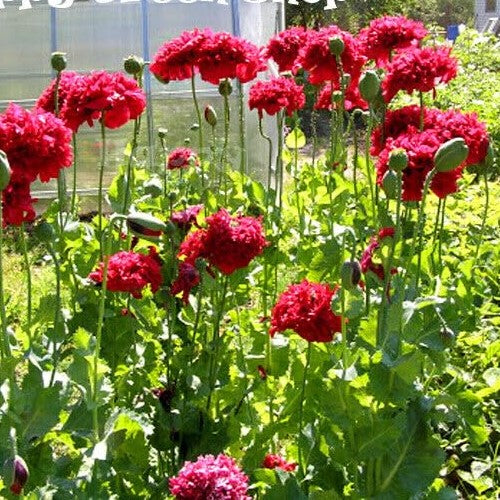
Peony Poppy Red – Seeds
(Papaver paeoniflorum)
The Peony Poppy Red is a breathtaking annual with huge, fully double, peony-like blooms in a deep, velvety crimson red. Its lush, ruffled petals make it one of the most dramatic poppies, creating a bold focal point in borders, cottage gardens, or wildflower meadows. These flowers are not only striking in the garden but also make excellent cut flowers, adding rich color to summer bouquets.
Why Grow Peony Poppy Red?
-
Stunning double flowers resembling peonies
-
Intense, velvety red blooms for dramatic displays
-
Easy to grow and self-seeding
-
Attracts bees and butterflies
Key Features
-
Type: Hardy annual
-
Height: 80–100 cm
-
Flowers: Summer
-
Position: Full sun
-
Soil: Light, well-drained
Ideal For
-
Cottage and wildflower gardens
-
Bold color accents in borders
-
Cut flower arrangements
-
Pollinator-friendly spaces
Sowing & Growing
-
Sow outdoors: March–May or late August–October directly where plants are to flower
-
Scatter thinly over prepared soil, lightly cover, and water gently
-
Germination: 14–21 days
-
Thin seedlings to 20–30 cm apart
-
Care: Deadhead to prolong flowering or leave seed heads for natural reseeding

Pot Marigold Dwarf ‘Sunset Buff’ – Apricot – 1,000 Seeds (Calendula officinalis)
The Dwarf Pot Marigold ‘Sunset Buff’ is a charming, compact variety producing apricot-peach blooms with soft golden undertones. Its warm pastel shades bring a unique elegance to beds, borders, and cottage gardens. Easy to grow and long-flowering, this hardy annual is also edible, with petals traditionally used to decorate salads or for natural dye.
Highlights
-
Distinctive apricot–buff blooms with golden tones
-
Compact, dwarf habit – perfect for pots and borders
-
Long flowering season from early summer to autumn
-
Attracts pollinators and beneficial insects
-
Edible petals for salads and herbal uses
Key Features
-
Botanical Name: Calendula officinalis
-
Variety: Dwarf ‘Sunset Buff’ (Apricot)
-
Seed Count: 1,000 seeds per pack
-
Height/Spread: 25–30 cm tall, compact growth
-
Position: Full sun, well-drained soil
-
Flowering Period: June – October
Perfect For
-
Bedding, borders, and cottage gardens
-
Patio pots and containers
-
Pollinator-friendly gardens
-
Edible flower displays and herbal uses
Sowing Instructions
-
Sow outdoors March–May or August–September for overwintering
-
Sow directly into soil, lightly cover seeds
-
Germination: 7–14 days
-
Thin seedlings to 20–25 cm apart
-
Deadhead regularly for prolonged flowering
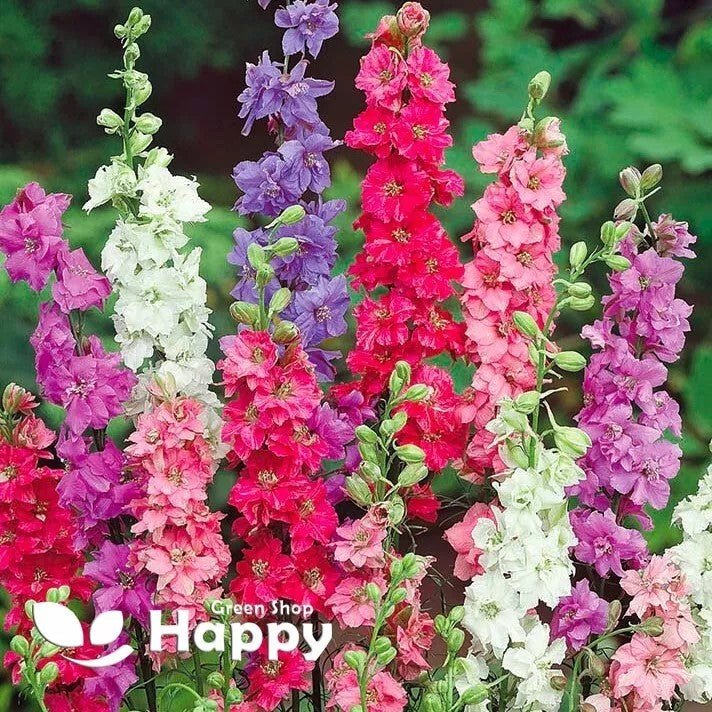
Rocket Larkspur Mix – Seeds (Delphinium consolida)
The Rocket Larkspur Mix is a tall, elegant annual producing spires of delicate flowers in shades of pink, purple, lavender, and white. Perfect for cottage gardens, borders, and cutting gardens, these plants bring vertical interest and charm while also providing excellent flowers for fresh or dried arrangements.
What Makes It Special
-
Tall, graceful flower spikes with a mix of soft, vibrant colors
-
Long-lasting blooms suitable for cutting
-
Cottage garden favorite with classic charm
-
Attracts pollinators and adds vertical interest
Key Features
-
Botanical name: Delphinium consolida
-
Variety: Rocket Larkspur Mix
-
Seed count: Approx. 300 seeds per pack
-
Height/Spread: 75–120 cm tall, 25–35 cm spread
-
Position: Full sun, fertile, well-drained soil
-
Flowering period: Early to late summer
Ideal For
-
Cottage gardens and classic borders
-
Cutting gardens for fresh or dried flowers
-
Pollinator-friendly plantings
-
Adding vertical accents in mixed beds
Sowing Instructions
-
When to sow: March–May or August–September outdoors
-
How to sow:
-
Scatter seeds thinly on prepared soil
-
Cover lightly with soil
-
Germination: 14–28 days
-
-
After germination:
-
Thin seedlings to 20–30 cm apart
-
Stake taller plants if grown in exposed sites
-

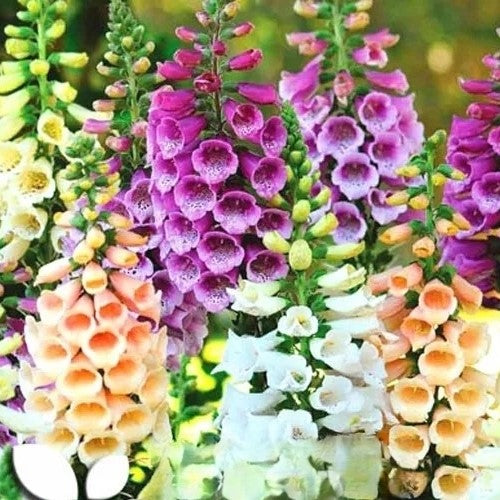
Dwarf Foxglove 'Foxy' Mix – 8000 Seeds (Digitalis purpurea)
Add cottage garden charm with Dwarf Foxglove 'Foxy', a compact variety that produces spires of trumpet-shaped blooms in shades of pink, purple, cream, and white. Unlike taller foxgloves, 'Foxy' grows to a manageable height, making it perfect for smaller gardens, beds, borders, and containers. Loved by bees and pollinators, it’s a classic for wildlife-friendly planting.
What Makes It Special
-
Compact foxglove, only 60–80 cm tall
-
Mix of soft, romantic colors with speckled throats
-
Blooms in the first year from seed
-
Perfect for beds, borders, and wildlife gardens
Key Features
-
Pack Size: 8000 seeds
-
Height: 60–80 cm
-
Biennial (flowers in year one if sown early)
-
Attracts bees and other pollinators
Ideal For
-
Cottage and wildlife gardens
-
Beds, borders, and mixed plantings
-
Containers and small gardens
-
Pollinator-friendly spaces
Sowing
-
Sow indoors Jan–May on moist seed compost, press seeds lightly (do not cover, needs light to germinate)
-
Germination: 14–21 days at 18–22°C
-
Transplant outdoors after frost, spacing 25–30 cm
-
Flowers: June–August
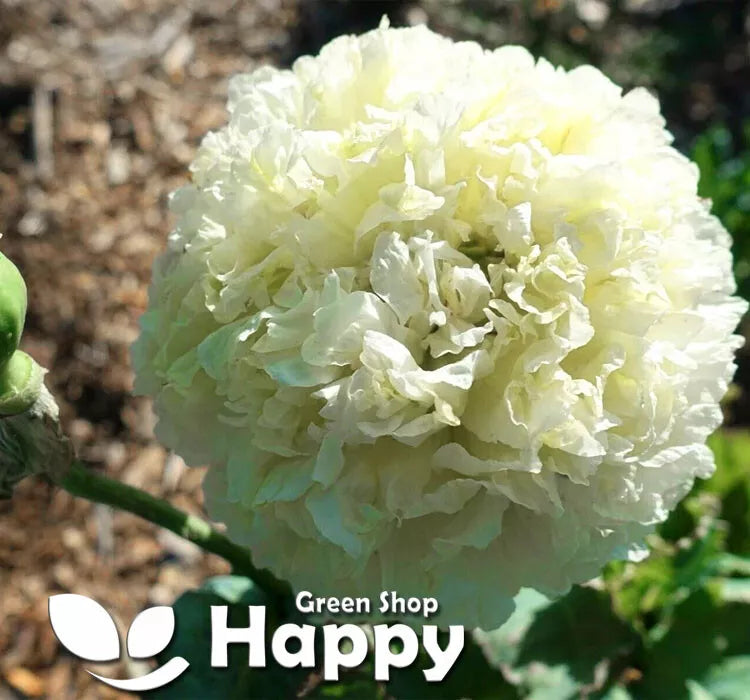
Cream Peony Poppy – Seeds
(Papaver paeoniflorum)
The Cream Peony Poppy is an elegant annual variety producing large, fully double, peony-like blooms in a soft cream shade. These striking flowers add a touch of sophistication to any garden display and make a stunning addition to borders, cottage gardens, and cut flower arrangements. Easy to grow and highly ornamental, they will bloom through summer, creating a spectacular display.
Key Features
-
Type: Hardy annual
-
Height: 80–100 cm
-
Spread: 30–40 cm
-
Flowering: June–August
-
Position: Full sun
-
Soil: Well-drained, moderately fertile
Ideal For
-
Cottage gardens and wildflower plantings
-
Cut flower arrangements
-
Adding height and drama to summer borders
-
Naturalistic planting schemes
Sowing & Growing
-
Sow outdoors: March–May or September (direct into soil)
-
Sow depth: Surface sow, lightly cover with fine soil
-
Spacing: Thin seedlings to 25–30 cm apart
-
Care: Prefers poor soil and little feeding; deadhead to prolong flowering or leave seed heads for structure
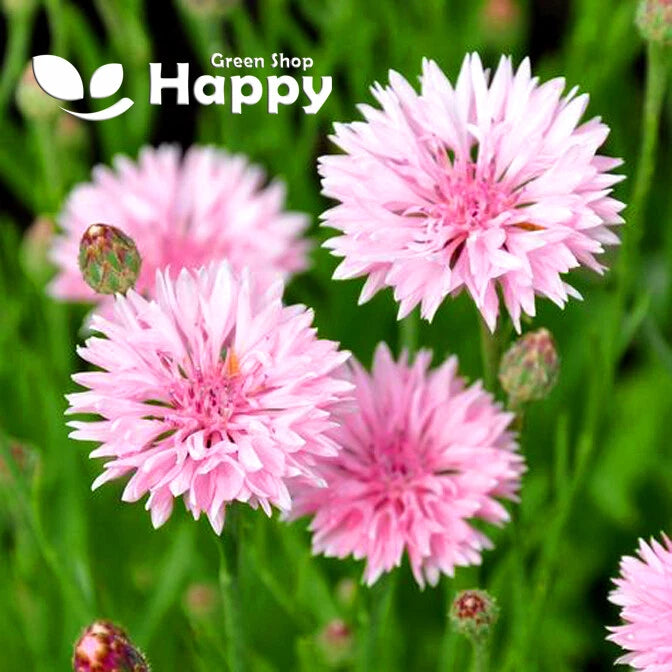
Pink Cornflower 'Tom Pouce Pink' – Seeds
(Centaurea cyanus)
Pink Cornflower 'Tom Pouce Pink' is a charming twist on the classic wildflower, offering soft pink, frilly blooms that brighten any garden. Easy to grow and rich in nectar, this variety attracts bees, butterflies, and other pollinators while providing long-lasting cut flowers with a delicate cottage garden appeal.
Why Grow Pink Cornflower 'Tom Pouce Pink'?
-
Rare, pastel-pink form of the traditional cornflower
-
Pollinator-friendly & easy to grow
-
Excellent as cut flowers or for naturalizing
-
Hardy and adaptable in a range of soils
Key Features
-
Type: Hardy annual
-
Height: 60–80 cm
-
Blooms: June–September
-
Position: Full sun
-
Soil: Light, well-drained soil
Ideal For
-
Wildflower & pollinator gardens
-
Cottage-style plantings
-
Borders & meadows
-
Fresh cut flower arrangements
Sowing & Growing
-
Sow outdoors: March–May or August–September for earlier blooms next year
-
Sow directly into prepared soil, covering lightly
-
Thin seedlings to 15–20 cm apart
-
Germination: 7–14 days
-
Deadhead regularly to encourage more flowers

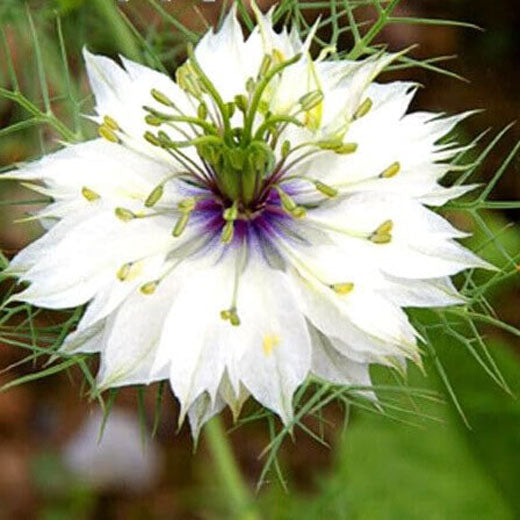
Love-in-a-Mist 'African Bride' – Seeds (Nigella damascena)
Grace your garden with the delicate beauty of Love-in-a-Mist 'African Bride'. This unique variety produces pure white blooms accented by dark, contrasting centers and fine, feathery foliage. Elegant and easy to grow, it’s perfect for borders, cutting, and drying.
Why Grow 'African Bride'
-
Pure white blooms with striking dark centers
-
Long-lasting as cut or dried flowers
-
Easy to grow with airy, fern-like foliage
-
Attracts pollinators
Key Features
-
Type: Hardy annual (Nigella damascena)
-
Height: 45–60 cm
-
Flowering: June–September
-
Position: Full sun
-
Uses: Borders, cut flowers, dried arrangements
Ideal For
-
Cottage gardens and wildflower borders
-
Summer bouquets and wedding flowers
-
Adding soft texture to plantings
-
Wildlife-friendly gardens
Sowing & Growing
-
Sow outdoors: March–May or August–September
-
Direct sow into prepared soil, thin as needed
-
Germination: 10–20 days
-
Space plants 15–20 cm apart
-
Prefers well-drained soil in full sun
Showing 9/24


