
Sort by:
36 products
36 products
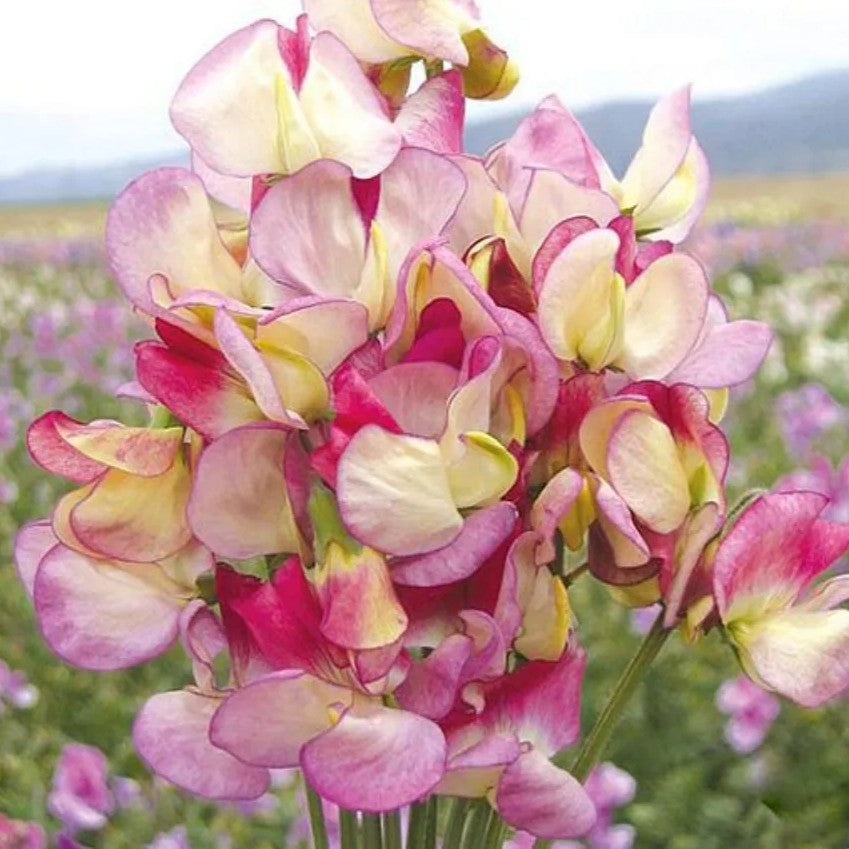
Sweet Pea ‘Spanish Dancer’ 15 Seeds (Lathyrus odoratus)
Add elegance and fragrance to your garden with Sweet Pea ‘Spanish Dancer’ (Lathyrus odoratus). This climbing annual produces exquisite, vibrant pink flowers with a striking magenta edge and a delightful scent. Ideal for trellises, fences, and pergolas, it’s a stunning addition for borders, containers, and cut flower arrangements.
How to Grow
-
Sow seeds indoors in late winter or early spring, or directly outdoors after the last frost.
-
Soak seeds overnight to improve germination.
-
Use well-drained soil in a sunny location.
-
Cover seeds lightly with soil and keep moist until germination (10–14 days).
-
Provide support such as trellises, fences, or netting for climbing.
-
Pinch out the tips of young plants to encourage bushier growth and more blooms.
Key Features
-
Vibrant pink flowers with magenta edges
-
Fragrant, climbing annual perfect for vertical displays
-
Long-flowering, from late spring through summer
-
Excellent for cut flowers and bouquets
-
Attracts pollinators such as bees and butterflies
Ideal For
-
Trellises, pergolas, fences, and arches
-
Flower borders and cottage gardens
-
Containers and patio planters with support
-
Cut flower arrangements for home decoration
Sowing
-
Best time: Late winter to early spring indoors, or after frost outdoors
-
Germination: 10–14 days
-
Pre-soak seeds for best results
-
Prefers full sun and well-drained soil
Quick Tip
-
Regularly remove spent flowers to prolong blooming and maintain vigorous growth.


Blanket Flower ‘Burgundy’ Seeds (Gaillardia aristata)
Bring vibrant late-summer color to your garden with Blanket Flower ‘Burgundy’ (Gaillardia aristata). This hardy perennial produces striking burgundy-red daisy-like blooms with golden tips, perfect for borders, beds, and pollinator-friendly gardens. Easy to grow and long-flowering, it attracts bees and butterflies while adding a cheerful, naturalized look to your landscape.
How to Grow
-
Sow seeds directly outdoors in spring or indoors 6–8 weeks before the last frost.
-
Use well-drained soil in full sun.
-
Scatter seeds thinly and cover lightly with soil.
-
Keep soil moist until germination (10–14 days).
-
Thin seedlings to 25–30 cm apart once established.
-
Deadhead spent flowers to encourage continuous blooming.
Key Features
-
Striking burgundy-red blooms with golden tips
-
Hardy perennial, long-flowering and easy to grow
-
Ideal for borders, beds, and naturalized plantings
-
Attracts bees, butterflies, and other pollinators
-
Adds vibrant late-summer color to garden landscapes
Ideal For
-
Flower borders and cottage gardens
-
Pollinator-friendly garden beds
-
Naturalized and wildflower-style plantings
-
Cutting gardens for fresh bouquets
Sowing
-
Best time: Spring outdoors or 6–8 weeks earlier indoors
-
Germination: 10–14 days
-
Sow thinly, cover lightly, and keep soil moist
-
Prefers full sun and well-drained soil
Quick Tip
-
For extended flowering, sow in drifts or clusters and remove spent blooms regularly.
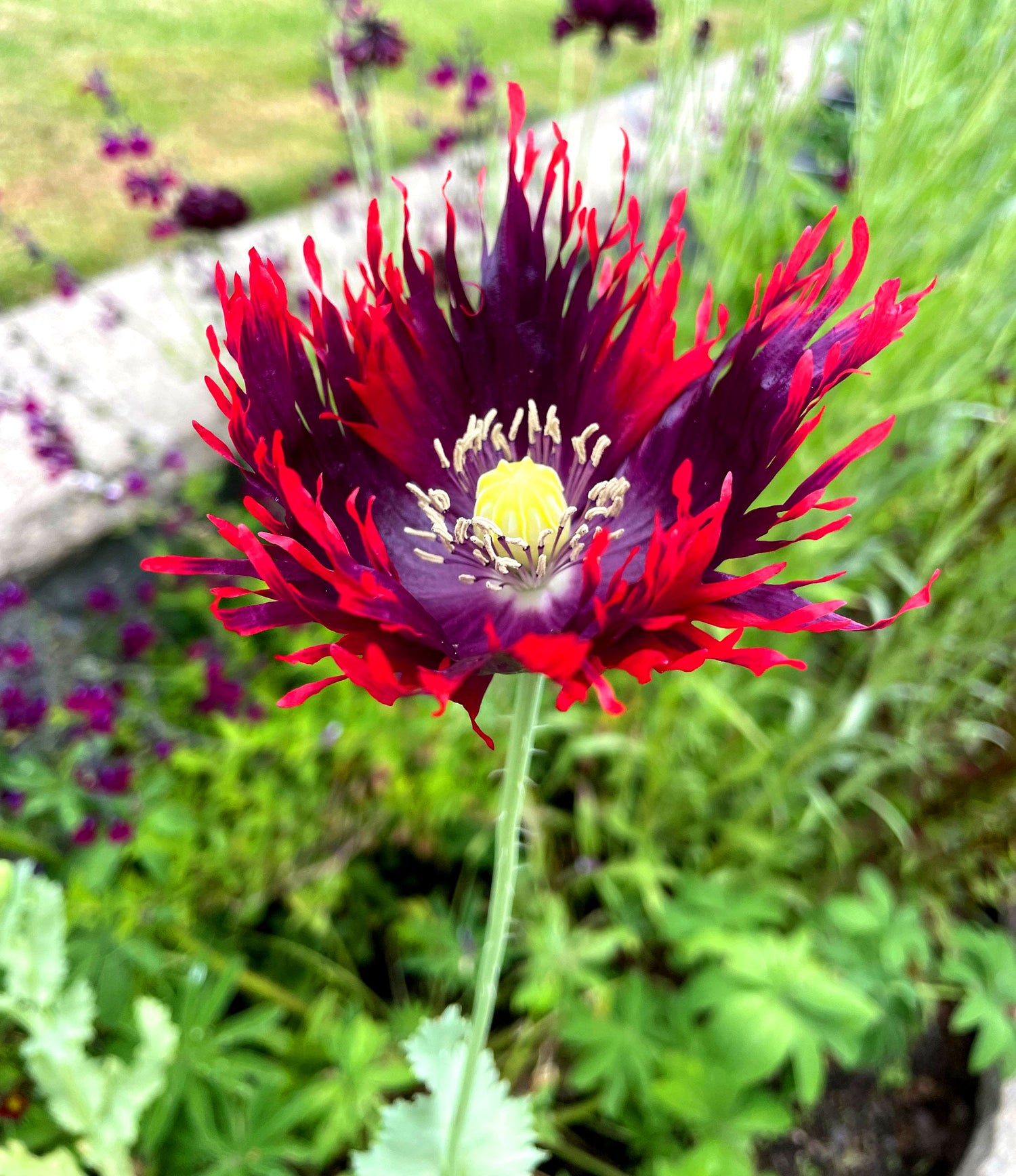
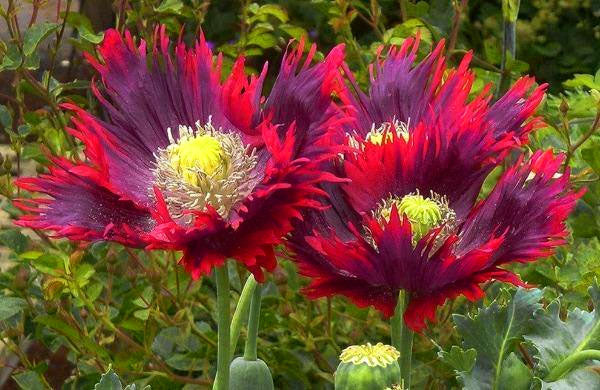
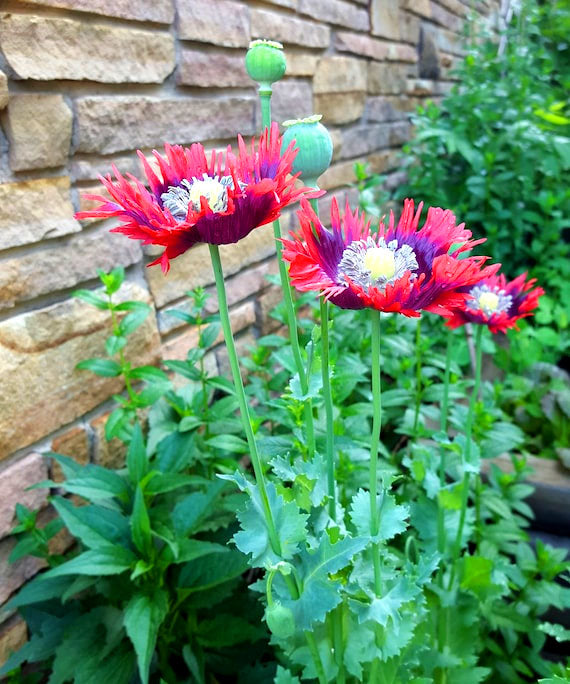
Poppy Peony ‘Drama Queen’ Seeds (Papaver paeoniflorum)
Make a bold statement in your garden with Poppy Peony ‘Drama Queen’ (Papaver paeoniflorum). This annual produces large, double, peony-like blooms in vivid red shades, adding drama and elegance to borders, beds, and cutting gardens. Easy to grow and long-flowering, it’s perfect for creating eye-catching displays and stunning bouquets.
How to Grow
-
Sow seeds directly outdoors in spring after the last frost or indoors 6–8 weeks earlier.
-
Use well-drained soil in a sunny location.
-
Scatter seeds thinly and press lightly onto the soil; do not cover deeply.
-
Keep soil moist until germination (10–20 days).
-
Thin seedlings to 20–30 cm apart once established.
-
Cut flowers regularly to encourage continuous blooming.
Key Features
-
Large, double, peony-like blooms in vivid red
-
Hardy annual, easy to grow and long-flowering
-
Ideal for borders, beds, and cutting gardens
-
Attracts bees, butterflies, and other pollinators
-
Dramatic and eye-catching garden display
Ideal For
-
Flower borders and cottage gardens
-
Cutting gardens for fresh bouquets
-
Containers and patio planters
-
Pollinator-friendly gardens
Sowing
-
Best time: Spring outdoors or 6–8 weeks earlier indoors
-
Germination: 10–20 days
-
Sow thinly, press lightly, do not cover deeply
-
Prefers full sun and well-drained soil
Quick Tip
-
Sow successive batches every 2–3 weeks for a longer flowering season and continuous dramatic blooms.
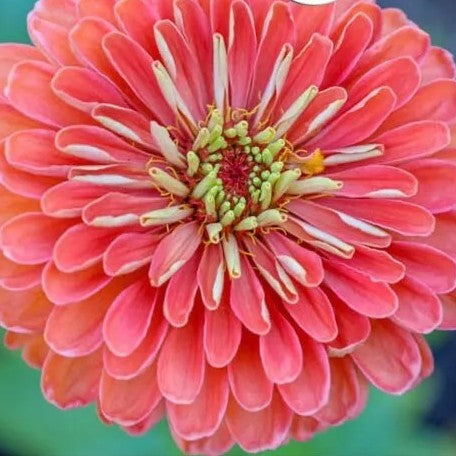
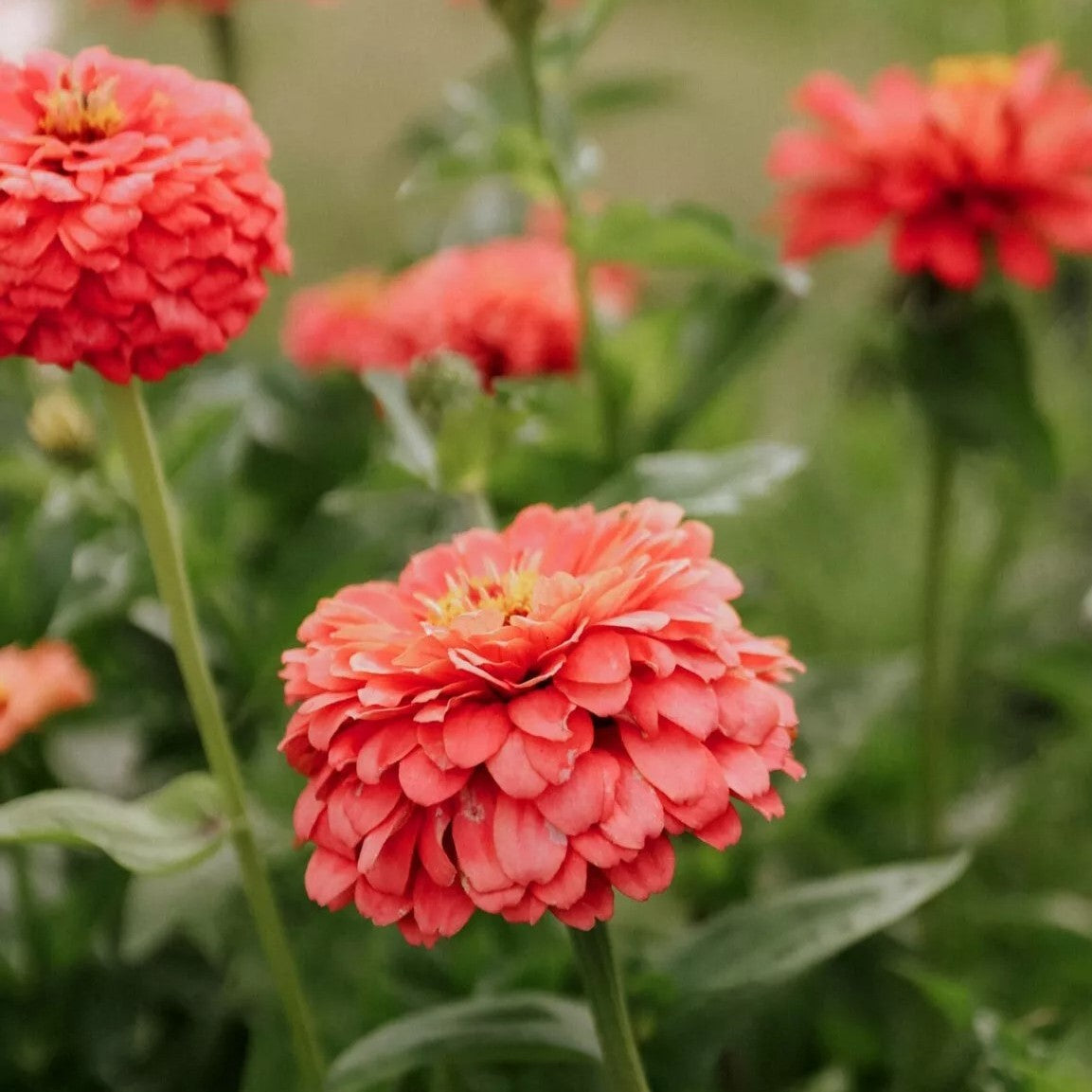
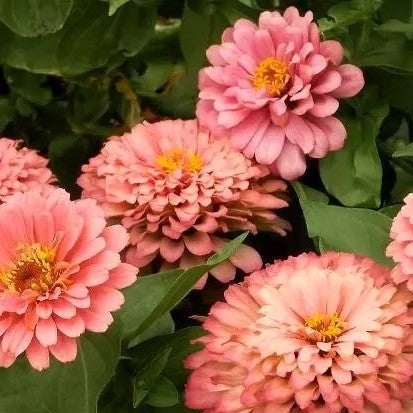
Zinnia Dahliaflowered ‘Salamon Queen’ Seeds (Zinnia elegans)
Bring bold color and classic charm to your garden with Zinnia Dahliaflowered ‘Salamon Queen’ (Zinnia elegans). This annual produces large, dahlia-like blooms in rich pink shades, adding vibrant flair to borders, beds, and containers. Easy to grow and long-flowering, it’s perfect for brightening your garden from summer to autumn and for cut flower arrangements.
How to Grow
-
Sow indoors in early spring or directly outdoors after the last frost.
-
Use well-drained soil in a sunny location.
-
Lightly cover seeds with soil and keep moist until germination (7–14 days).
-
Thin seedlings to 20–25 cm apart to ensure healthy growth.
-
Water regularly, avoiding waterlogging.
-
Deadhead spent flowers to encourage continuous blooms.
Key Features
-
Large, dahlia-like blooms in vibrant pink shades
-
Long-flowering annual, summer through autumn
-
Easy to grow and maintain, ideal for beginners
-
Excellent for fresh cut flowers and bouquets
-
Attracts pollinators including bees and butterflies
Ideal For
-
Flower beds and borders
-
Containers, patio planters, and window boxes
-
Cutting gardens for fresh bouquets
-
Pollinator-friendly landscapes
Sowing
-
Best time: Early spring indoors or after frost outdoors
-
Germination: 7–14 days
-
Sow thinly, cover lightly, and keep soil moist
-
Prefers full sun and well-drained soil
Quick Tip
-
Deadhead regularly to prolong flowering and maintain vibrant blooms throughout the season.
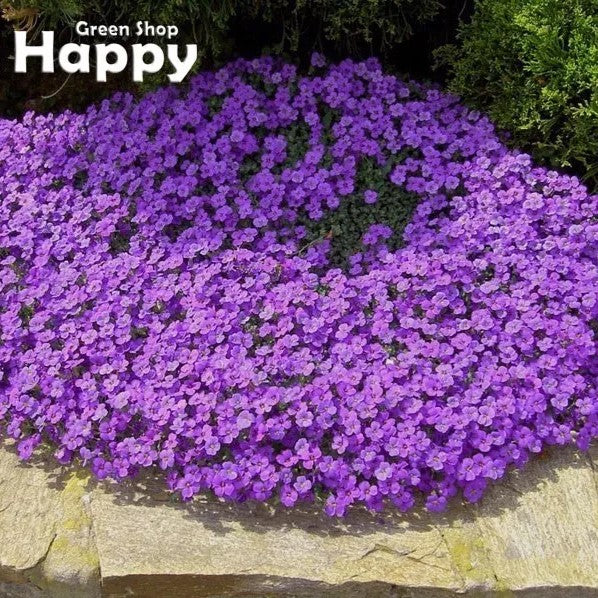
Rock Cress Hendersonii Lilac Seeds (Aubrieta hybrida) – 400 Seeds
Create a vibrant spring display with Rock Cress Hendersonii Lilac (Aubrieta hybrida). This hardy perennial forms dense mats of evergreen foliage adorned with masses of lilac-purple flowers, perfect for rock gardens, borders, and walls. Low-maintenance and spreading, it’s ideal for adding early-season color and attracting pollinators to your garden.
How to Grow
-
Sow indoors in late winter or directly outdoors in spring.
-
Use well-drained soil in a sunny location.
-
Scatter seeds thinly on the surface and press lightly; do not cover.
-
Keep soil moist until germination (14–21 days).
-
Thin seedlings to 15–20 cm apart once established.
-
Allow plants to form a dense mat; trim lightly after flowering if desired.
Key Features
-
Masses of lilac-purple blooms over dense evergreen foliage
-
Hardy perennial, returning year after year
-
Thrives in sunny, well-drained locations
-
Ideal for rock gardens, borders, walls, and edging
-
Attracts bees and other pollinators
Ideal For
-
Rock gardens and sunny borders
-
Garden walls, raised beds, and edging
-
Groundcover in sunny, well-drained areas
-
Pollinator-friendly landscapes
Sowing
-
Best time: Late winter indoors or early spring outdoors
-
Germination: 14–21 days
-
Sow thinly on soil surface, press lightly, do not cover
-
Prefers full sun and well-drained soil
Quick Tip
-
Let plants spread naturally to form a dense, flowering mat; light trimming after flowering promotes fresh growth and keeps the display neat.


Sunflower ‘Henry Wilde’ – 40 Seeds (Helianthus annuus)
A true classic among sunflowers, ‘Henry Wilde’ is loved for its tall, sturdy stems and large golden-yellow blooms that radiate summer warmth. This heirloom variety produces impressive flowers with deep brown centres, making it a favourite for cottage gardens, cutting gardens, and wildlife-friendly landscapes.
‘Henry Wilde’ is an easy-to-grow, reliable sunflower ideal for gardeners of all experience levels. Its bold height and vibrant colour make it a perfect backdrop in borders, along fences, or as a statement plant in any sunny spot.
Features & Benefits
-
Tall and statuesque – reaches 1.8–2.2 m
-
Large golden-yellow blooms with classic sunflower form
-
Excellent cut flower – long, strong stems and great vase life
-
Loved by pollinators – attracts bees, butterflies & beneficial insects
-
Bird-friendly – seeds are enjoyed by goldfinches and other wild birds
-
Easy and dependable – vigorous, fast-growing heirloom variety
Growing Information
-
Sowing Time: March–June
-
Germination: 7–14 days at 18–22°C
-
Flowering: July–September
-
Position: Full sun
-
Height: 180–220 cm
-
Spacing: 30–45 cm
-
Soil: Fertile, well-drained; keep evenly moist
How to Grow
Sow seeds directly into the garden after the last frost, planting 1–2 cm deep. For an earlier start, sow individually in pots indoors and transplant once seedlings are strong. Provide support in windy locations. Water regularly, especially during dry spells, to encourage strong stems and big blooms.
Ideal For
-
Back borders & cottage gardens
-
Cutting gardens
-
Wildlife and pollinator gardens
-
Creating natural summer screens
-
Children’s gardening projects
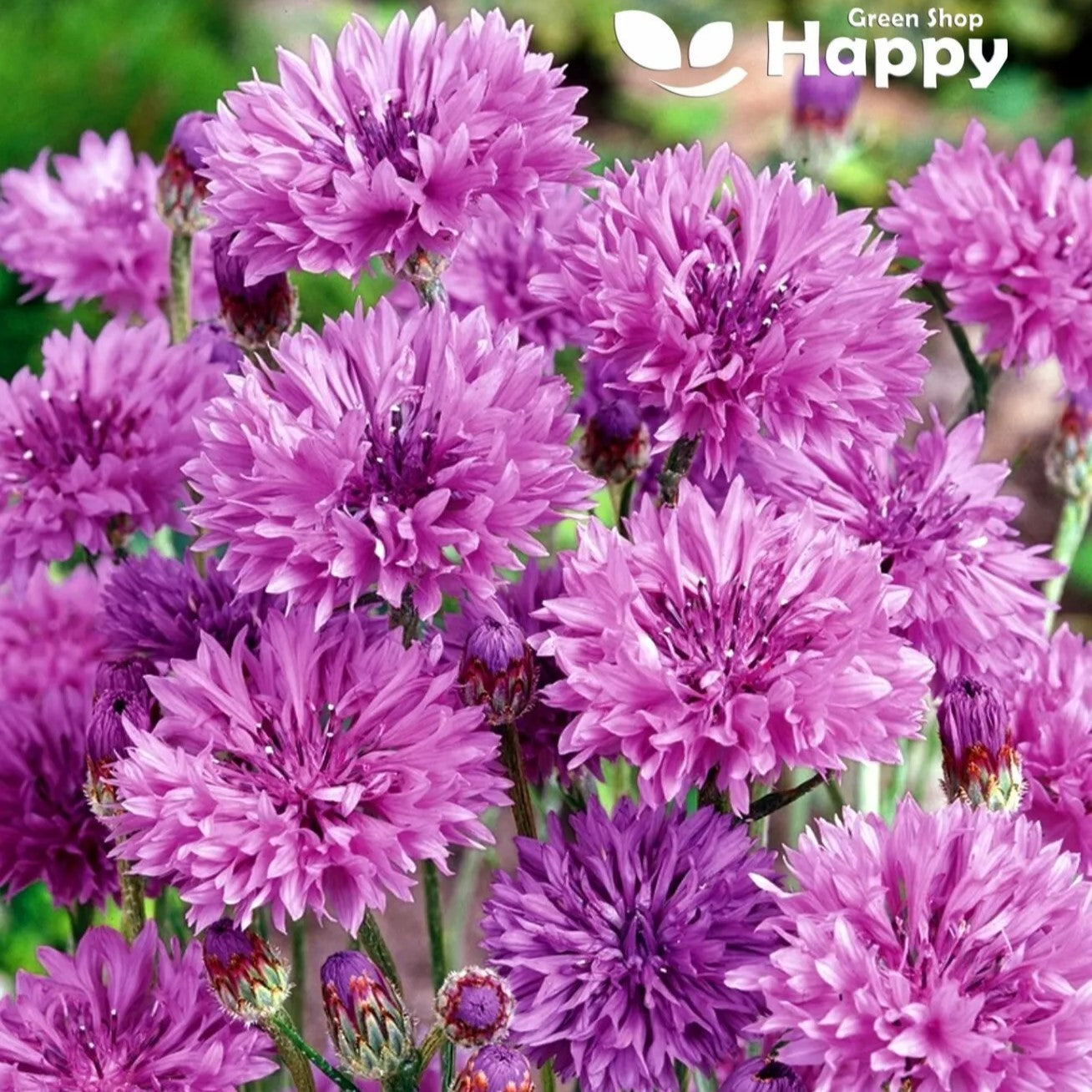
Cornflower ‘Bachelor’s Button Mauve’ Seeds (Centaurea cyanus)
Add timeless charm to your garden with Cornflower ‘Bachelor’s Button Mauve’ (Centaurea cyanus). This annual produces elegant mauve-blue flowers with a delicate, fringed appearance, creating a classic cottage garden feel. Easy to grow and long-flowering, it’s perfect for borders, meadows, and cut flower arrangements, while also attracting pollinators.
How to Grow
-
Sow directly outdoors in spring or autumn.
-
Use well-drained soil in a sunny location.
-
Scatter seeds thinly and cover lightly with soil.
-
Keep soil moist until germination (7–14 days).
-
Thin seedlings to 20–25 cm apart once established.
-
Deadhead regularly to prolong flowering and maintain plant vigor.
Key Features
-
Elegant mauve-blue, fringed blooms
-
Hardy annual, easy to grow and long-flowering
-
Ideal for borders, meadows, and cutting gardens
-
Attracts bees, butterflies, and other pollinators
-
Classic cottage garden appeal
Ideal For
-
Flower borders and cottage gardens
-
Meadow-style plantings and naturalized areas
-
Cutting gardens for fresh bouquets
-
Pollinator-friendly landscapes
Sowing
-
Best time: Spring or autumn directly outdoors
-
Germination: 7–14 days
-
Sow thinly, cover lightly, and keep soil moist
-
Prefers full sun and well-drained soil
Quick Tip
-
For a longer flowering season, sow successive batches every 2–3 weeks during spring.

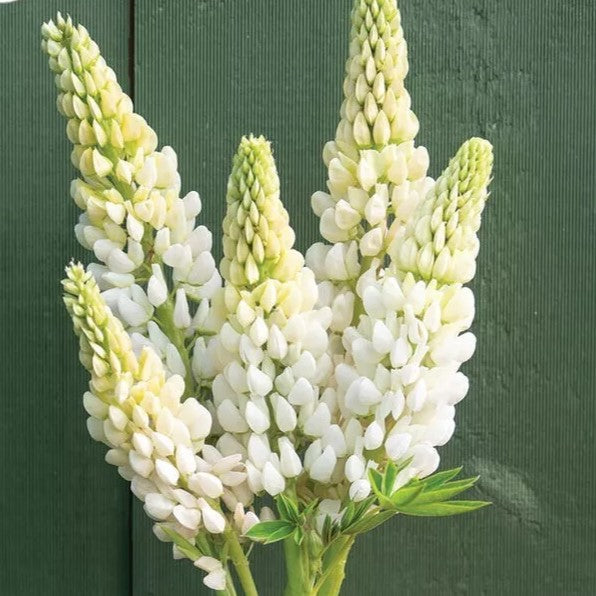
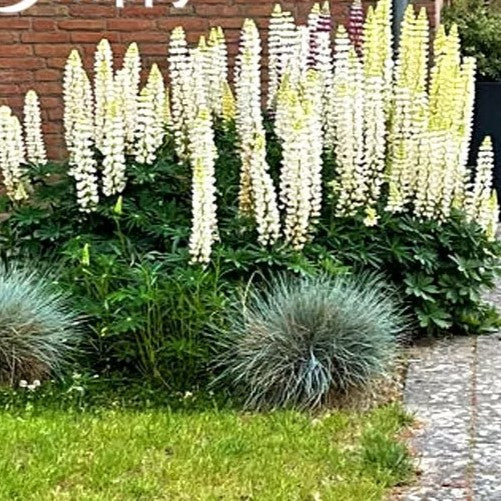
Russell Lupin ‘Noble Maiden’ Seeds (Lupinus polyphyllus)
Add striking elegance to your garden with Russell Lupin ‘Noble Maiden’ (Lupinus polyphyllus). This hardy perennial produces tall spires of creamy white flowers rising above rich green foliage. Flowering in early to midsummer, it brings vertical drama to borders and is perfect for cottage gardens, pollinator planting, and cut flower displays.
How to Grow
-
Sow indoors in spring or autumn, or directly outdoors after frost.
-
Soak seeds in warm water overnight before sowing to improve germination.
-
Use well-drained soil in full sun or partial shade.
-
Cover seeds lightly with fine soil and keep moist until germination (14–28 days).
-
Transplant seedlings when large enough to handle, spacing 40–50 cm apart.
-
Deadhead faded blooms to encourage a second flush of flowers.
Key Features
-
Tall spires of pure creamy white blooms
-
Hardy perennial, returning year after year
-
Excellent for borders and cottage garden displays
-
Attractive to bees, butterflies, and other pollinators
-
Stunning cut flower for fresh arrangements
Ideal For
-
Cottage gardens and mixed flower borders
-
Pollinator-friendly landscapes
-
Adding vertical height and structure to plantings
-
Cut flower arrangements
Sowing
-
Best time: Spring or autumn
-
Germination: 14–28 days
-
Pre-soak seeds overnight before sowing
-
Prefers sunny, well-drained soil
Quick Tip
-
Avoid disturbing established plants—lupins prefer to stay in place and will thrive once settled.
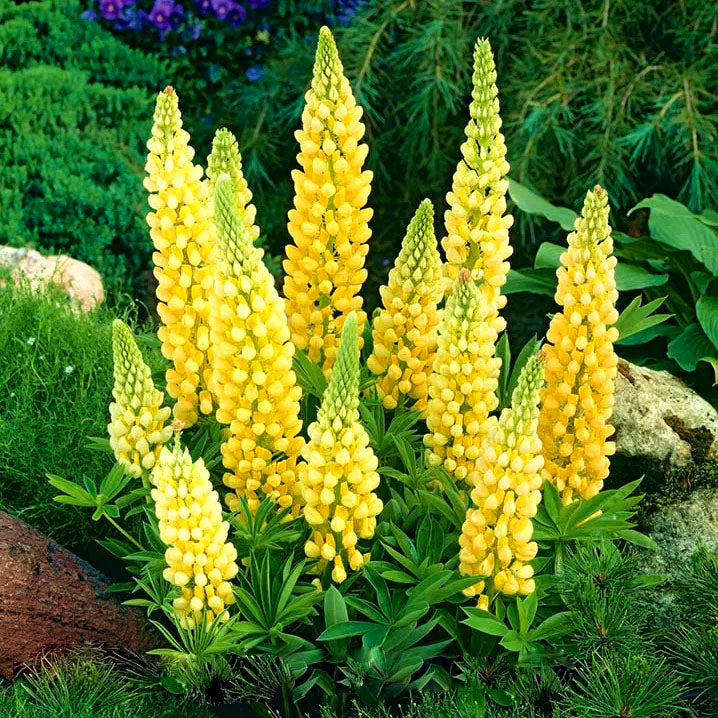
Russell Lupin ‘Chandelier’ Seeds (Lupinus polyphyllus)
Bring vertical elegance and vibrant color to your garden with Russell Lupin ‘Chandelier’ (Lupinus polyphyllus). This perennial produces tall, spire-like flower spikes in mixed shades of pink, purple, and white, adding a striking focal point to borders, cottage gardens, and cutting gardens. Hardy, long-flowering, and easy to grow, it attracts pollinators for a lively and colorful display.
How to Grow
-
Sow seeds indoors 6–8 weeks before the last frost or outdoors after frost risk has passed.
-
Use well-drained soil in full sun.
-
Soak seeds overnight to improve germination and lightly scratch the seed coat.
-
Sow seeds 1–2 cm deep and keep soil moist.
-
Thin seedlings to 30–40 cm apart to allow healthy growth.
-
Provide support for taller flower spikes if necessary and deadhead spent flowers to encourage continuous blooming.
Key Features
-
Tall, spire-like flower spikes in pink, purple, and white shades
-
Hardy perennial, long-flowering and easy to grow
-
Ideal for borders, cottage gardens, and cutting gardens
-
Attracts bees, butterflies, and other pollinators
-
Adds vertical structure and vibrant focal points to garden beds
Ideal For
-
Flower borders and cottage gardens
-
Cutting gardens for fresh bouquets
-
Pollinator-friendly garden designs
-
Adding height and structure to perennial beds
Sowing
-
Best time: 6–8 weeks before last frost indoors or after frost outdoors
-
Germination: 14–21 days
-
Sow 1–2 cm deep, soak seeds overnight for best results
-
Prefers full sun and well-drained soil
Quick Tip
-
Soaking and nicking seeds before sowing improves germination and ensures stronger seedlings.
Showing 9/36


