
Sort by:
5 products
5 products
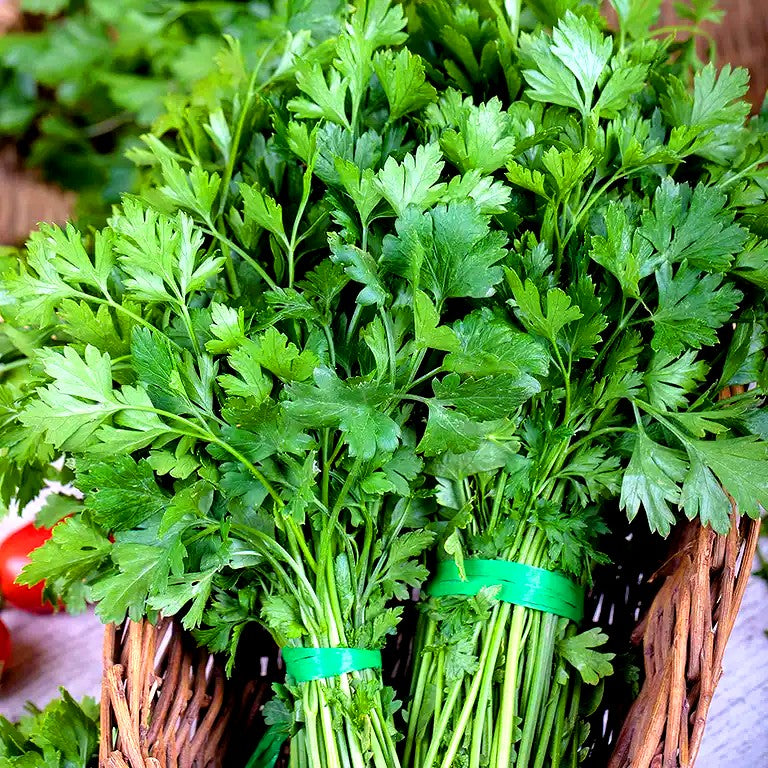
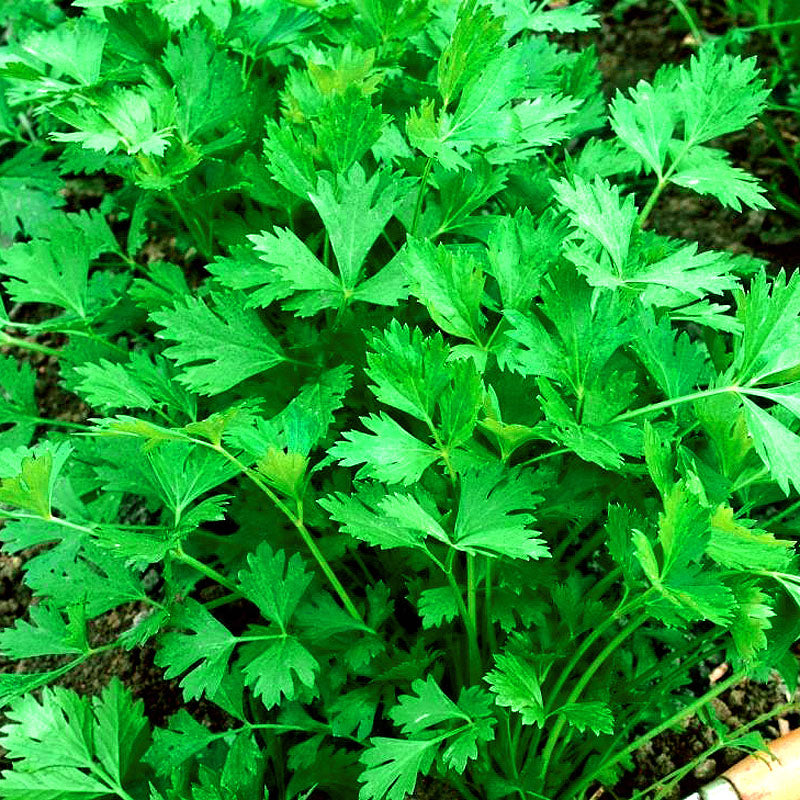
Parsley 'Festival 68' – Seeds (Petroselinum crispum)
Bring fresh, aromatic flavor to your kitchen with Parsley 'Festival 68', a robust, curly-leaf variety known for its high yield and exceptional flavor. Ideal for soups, salads, sauces, and garnishes, this versatile herb thrives in home gardens and containers. Easy to grow and slow to bolt, 'Festival 68' ensures a long-lasting supply of fresh parsley throughout the season.
How to Grow
. Sow indoors: February – April, 0.5–1 cm deep in pots or trays
. Sow outdoors: March – June in fertile, well-drained soil
. Thin seedlings to 15–20 cm apart
. Prefers full sun or partial shade and regular watering
. Harvest leaves continuously to encourage new growth
Key Features
. Curly-leaf parsley with strong flavor
. High-yielding and slow to bolt
. Suitable for beds, borders, and containers
. Long-lasting harvest for fresh cooking
. Easy to grow, versatile culinary herb
Ideal For
. Soups, salads, sauces, and garnishes
. Home gardeners and container cultivation
. Continuous fresh herb supply throughout the season
. Companion planting with tomatoes, carrots, or asparagus
Sowing & Harvest
. Sow: February – June
. Harvest: April – October
Quick Tip
Regularly snip outer leaves instead of cutting the entire plant to promote continuous growth.
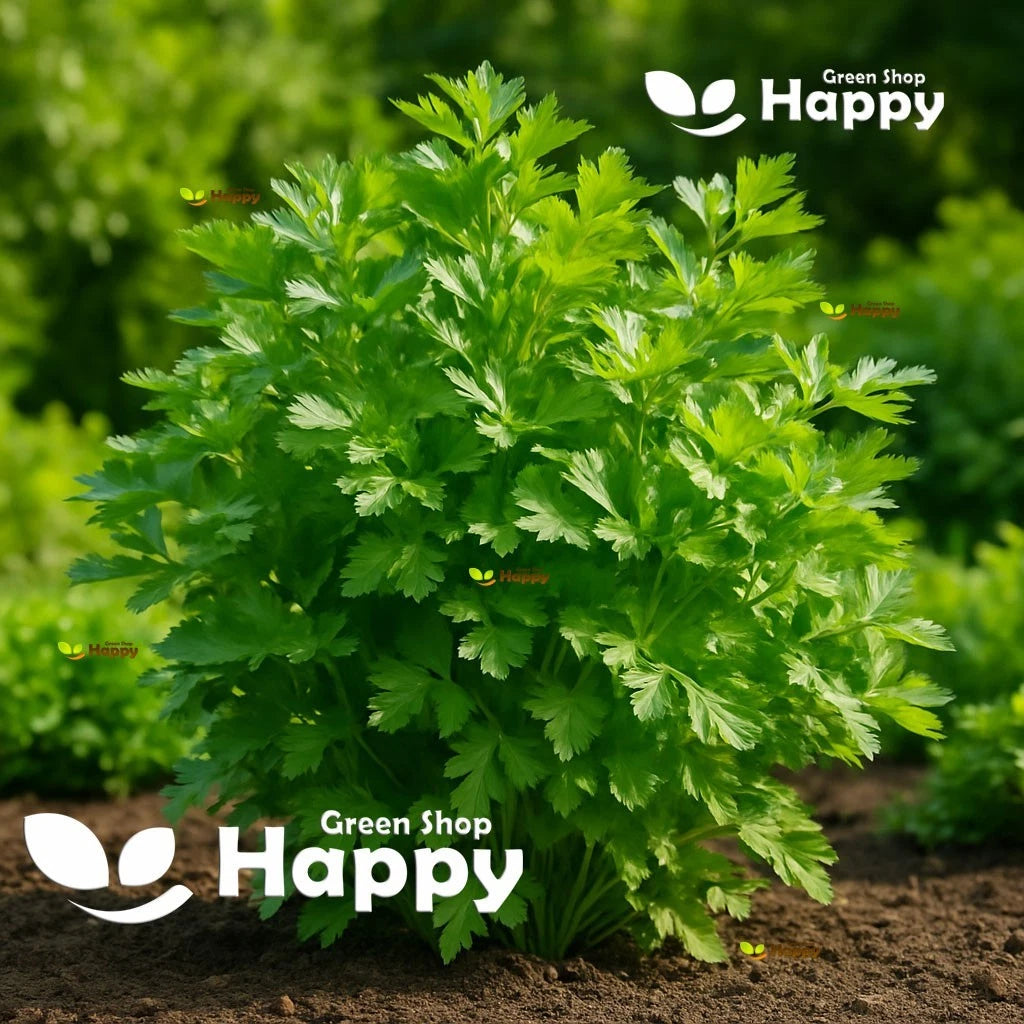
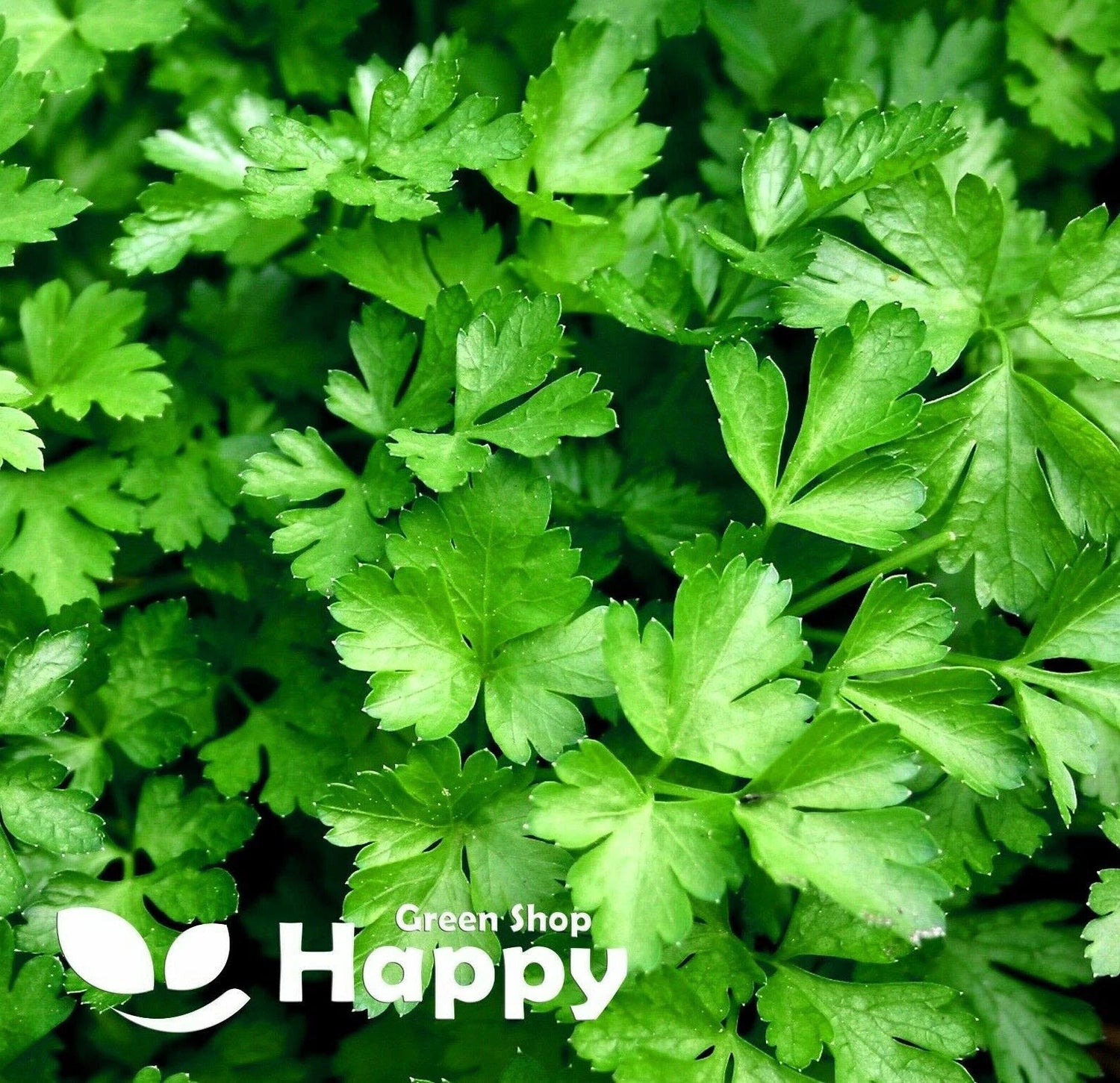
Parsley 'Italian Giant' Seeds (Petroselinum crispum)
Enjoy rich flavor and lush harvests with Parsley 'Italian Giant', a robust flat-leaf variety prized for its strong, aromatic taste and vigorous growth. With large, dark green leaves and a long cutting period, it’s perfect for garnishing, cooking, and seasoning. Easy to grow in the garden or containers, it’s a must-have herb for every kitchen gardener.
How to Grow
-
Sow indoors in early spring or directly outdoors after frost.
-
Use fertile, moist, well-drained soil in sun or partial shade.
-
Sow seeds 0.5 cm deep in rows 25–30 cm apart.
-
Thin seedlings to 20–25 cm apart for strong plants.
-
Harvest regularly to encourage new growth.
Key Features
-
Flat-leaf parsley with strong, aromatic flavor
-
Vigorous, robust growth and large green leaves
-
Long cutting period for continuous harvest
-
Ideal for cooking, garnishing, and seasoning
-
Grows well in beds, pots, and herb gardens
Ideal For
-
Garnishes and fresh salads
-
Cooking and seasoning sauces, soups, and stews
-
Herb gardens and containers
-
Gardeners who want reliable, productive herbs
Sowing
-
Best time: Spring, or indoors earlier
-
Depth: 0.5 cm
-
Spacing: Thin to 20–25 cm apart
-
Prefers moist, fertile, well-drained soil
Quick Tip
-
Soak seeds overnight before sowing to improve germination.

Dwarf Parsley 'Moss Curled 2' Seeds (Petroselinum crispum)
Enhance your garden and kitchen with Dwarf Parsley 'Moss Curled 2', a compact, slow-growing variety producing dense, bright green, finely curled leaves. Ideal for both ornamental and culinary use, its vibrant foliage adds texture to salads, garnishes, and cooked dishes. Perfect for containers, herb beds, and borders, it’s a versatile herb for every gardener.
How to Grow
-
Sow indoors in early spring or directly outdoors after frost.
-
Use fertile, well-drained soil in sun or partial shade.
-
Sow seeds 0.5 cm deep in rows 20–25 cm apart.
-
Thin seedlings to 15–20 cm apart for strong growth.
-
Harvest leaves regularly to encourage bushiness.
Key Features
-
Dwarf, slow-growing parsley with finely curled, bright green leaves
-
Dual-purpose: culinary use and ornamental appeal
-
Compact size suitable for containers and small gardens
-
Long cutting period for continuous harvest
-
Easy to grow for beginners and experienced gardeners
Ideal For
-
Fresh salads, garnishes, and cooked dishes
-
Container gardens, herb beds, and borders
-
Gardeners seeking compact, productive herbs
-
Year-round kitchen harvest
Sowing
-
Best time: Spring or early summer
-
Depth: 0.5 cm
-
Row spacing: 20–25 cm
-
Plant spacing: Thin to 15–20 cm apart
-
Position: Sun or partial shade, fertile soil
Quick Tip
-
Pinch outer leaves regularly to encourage bushier growth and longer harvests.

Parsley Hamburg 'Alba' – Seeds (Petroselinum crispum)
Parsley Hamburg 'Alba' is a dual-purpose variety grown both for its large, white, parsnip-like roots and its flavorful parsley leaves. The roots are excellent roasted, boiled, or grated raw into salads, while the leaves can be used fresh as a garnish or in cooking. A versatile and easy-to-grow addition to the kitchen garden.
How to Grow
-
Sow outdoors: March – July, directly into well-prepared soil.
-
Thin seedlings to 15 cm apart in rows 30 cm apart.
-
Prefers fertile, light, well-drained soil.
-
Water regularly for strong root development.
Key Features
-
Root parsley variety with sweet, nutty flavor
-
Dual-purpose: edible roots & aromatic leaves
-
Easy to grow and hardy in most soils
-
Stores well after harvest
-
Great for soups, stews, roasting, and garnishing
Ideal For
-
Root vegetable dishes
-
Fresh parsley leaves for cooking
-
Kitchen gardens and allotments
Sowing & Harvest
-
Sow: March – July
-
Harvest: October – December
Quick Tip
For the best roots, loosen soil well before sowing to allow long, straight growth.
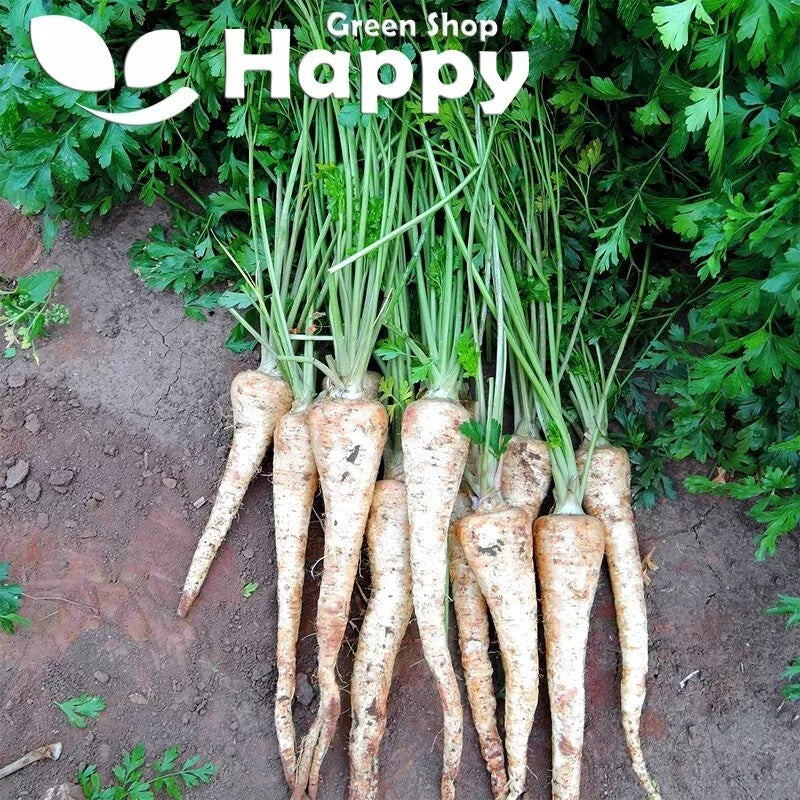
Parsley Root 'Osbourne' Seeds (Petroselinum crispum)
Grow a versatile and flavorful root vegetable with Parsley Root 'Osbourne', a traditional European variety prized for its long, white, carrot-like roots and aromatic leaves. Both root and leaves are edible: the roots are perfect for soups, stews, and roasting, while the leaves can be used fresh like regular parsley. Hardy and easy to grow, it’s a must-have for kitchen gardens.
How to Grow
-
Sow seeds directly outdoors from early spring.
-
Prefers fertile, well-drained soil with full sun exposure.
-
Sow 1 cm deep in rows 30 cm apart.
-
Thin seedlings to 5–10 cm apart.
-
Harvest roots when they reach 15–20 cm long, before heavy frost.
Key Features
-
Long, white, carrot-like roots with sweet, aromatic flavor
-
Dual-purpose: edible roots and flavorful parsley leaves
-
Hardy and reliable in most garden soils
-
Excellent for soups, stews, roasting, and garnishing
-
Traditional European variety with long history
Ideal For
-
Winter soups, stews, and roasted dishes
-
Fresh parsley leaves for salads and garnishing
-
Home gardeners seeking versatile, dual-purpose crops
-
Kitchen gardens and allotments
Sowing
-
Best time: Early spring
-
Depth: 1 cm
-
Row spacing: 30 cm
-
Plant spacing: Thin to 5–10 cm apart
-
Harvest: 90–120 days after sowing
Quick Tip
-
For best flavor, harvest roots before the first hard frost; store in cool, dark conditions.


