
Ground Cover Seeds

Sort by:
37 products
37 products

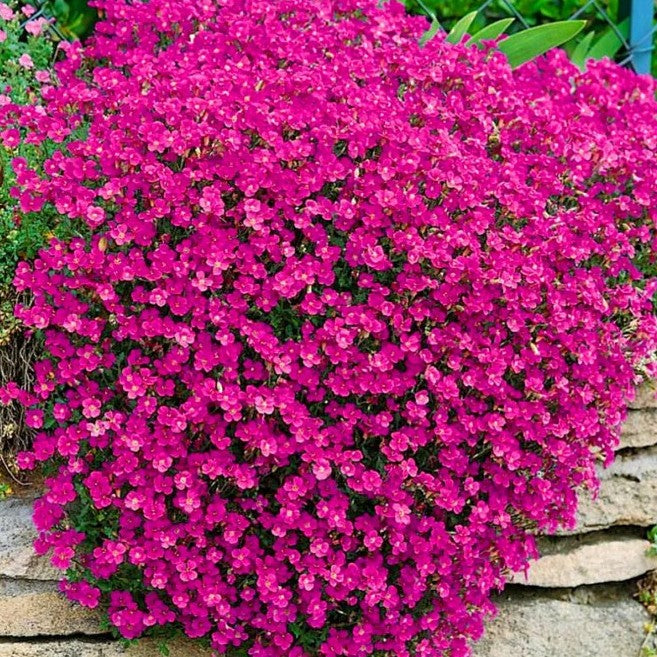
Rock Cress Red – 300 Seeds (Aubrieta cultorum)
Rock Cress Red (Aubrieta cultorum) is a low-growing perennial with vibrant red flowers that form a dense, carpet-like display. Ideal for rockeries, walls, and borders, it blooms in early spring, adding an eye-catching splash of color to gardens. Hardy and easy to grow, it attracts pollinators and thrives in sunny, well-drained spots.
Why Grow "Rock Cress Red"
-
Bright red flowers forming a dense, trailing carpet
-
Early spring blooms for early garden color
-
Hardy, low-maintenance perennial
-
Attracts bees and other pollinators
Key Features
-
Type: Perennial (Aubrieta cultorum)
-
Height: 10–15 cm
-
Flowering: March–May
-
Position: Full sun to partial shade
-
Uses: Rockeries, walls, borders, ground cover
Ideal For
-
Rock gardens and alpine plantings
-
Borders and edging
-
Pollinator-friendly garden spaces
-
Ground cover for sunny spots
Sowing & Growing
-
Sow indoors: February–April in trays
-
Sow outdoors: April–May in prepared soil
-
Germination: 10–20 days at 18–20°C
-
Thin seedlings to 15–20 cm apart
-
Prefers full sun and well-drained soil
-
Prune lightly after flowering to encourage compact growth

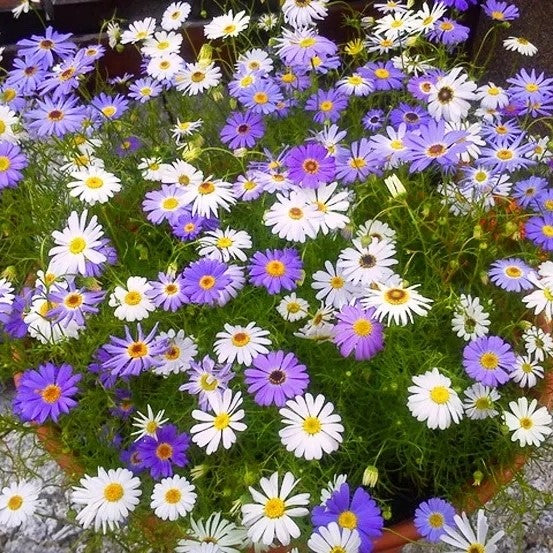

Swan River Daisy Mixed – Clouds of Colorful, Dainty Blooms
Swan River Daisy Mixed produces masses of small, daisy-like flowers in shades of purple, blue, pink, and white over fine, feathery foliage. Native to Australia, this easy-to-grow annual brings a soft, airy texture and vibrant color to garden beds, borders, and hanging baskets. A prolific bloomer from summer to autumn, it thrives in sunny spots and is perfect for low-maintenance displays.
What Makes It Special
-
Abundant, delicate blooms in a rainbow of pastel shades
-
Adds a light, airy look to gardens and containers
-
Long flowering season with minimal care
-
Tolerates heat and dry conditions once established
-
Attracts pollinators
Key Features
-
Height: 20–30 cm – compact, spreading habit
-
Excellent for ground cover or edging
-
Hardy annual – fast to flower from seed
-
Drought-tolerant and easy to grow
-
Perfect for mass planting
Ideal For
-
Borders, edging, and pathways
-
Hanging baskets and window boxes
-
Cottage and wildflower gardens
-
Low-maintenance summer displays
Sowing
-
Sow indoors 6–8 weeks before last frost or direct sow after frost danger has passed
-
Lightly press seeds into soil; do not cover deeply
-
Germination: 7–14 days at 18–21°C
-
Space plants 15–20 cm apart
-
Prefers full sun and well-drained soil

Roman Chamomile – Seeds
(Anthemis nobilis)
Roman Chamomile is a low-growing perennial herb with delicate, daisy-like white flowers and a sweet apple-like fragrance. Perfect for borders, rockeries, and herb gardens, it is valued for its calming and medicinal properties. Easy to grow and drought-tolerant, it also attracts pollinators, making it a versatile and attractive addition to any garden.
Why Grow Roman Chamomile?
-
Delicate white daisy-like flowers with a sweet fragrance
-
Calming and medicinal herb
-
Low-growing, spreading perennial
-
Attracts bees and butterflies
Key Features
-
Type: Perennial
-
Height: 15–20 cm
-
Flowers: Summer
-
Position: Full sun
-
Soil: Well-drained, moderately fertile
Ideal For
-
Herb gardens and medicinal plantings
-
Borders, rockeries, and groundcover
-
Pollinator-friendly gardens
-
Low-maintenance fragrant displays
Sowing & Growing
-
Sow indoors: February–April in seed trays
-
Sow outdoors: March–May in prepared soil
-
Germination: 14–21 days at 18–20°C
-
Spacing: 20–25 cm apart
-
Care: Moderate watering; trim after flowering to maintain shape
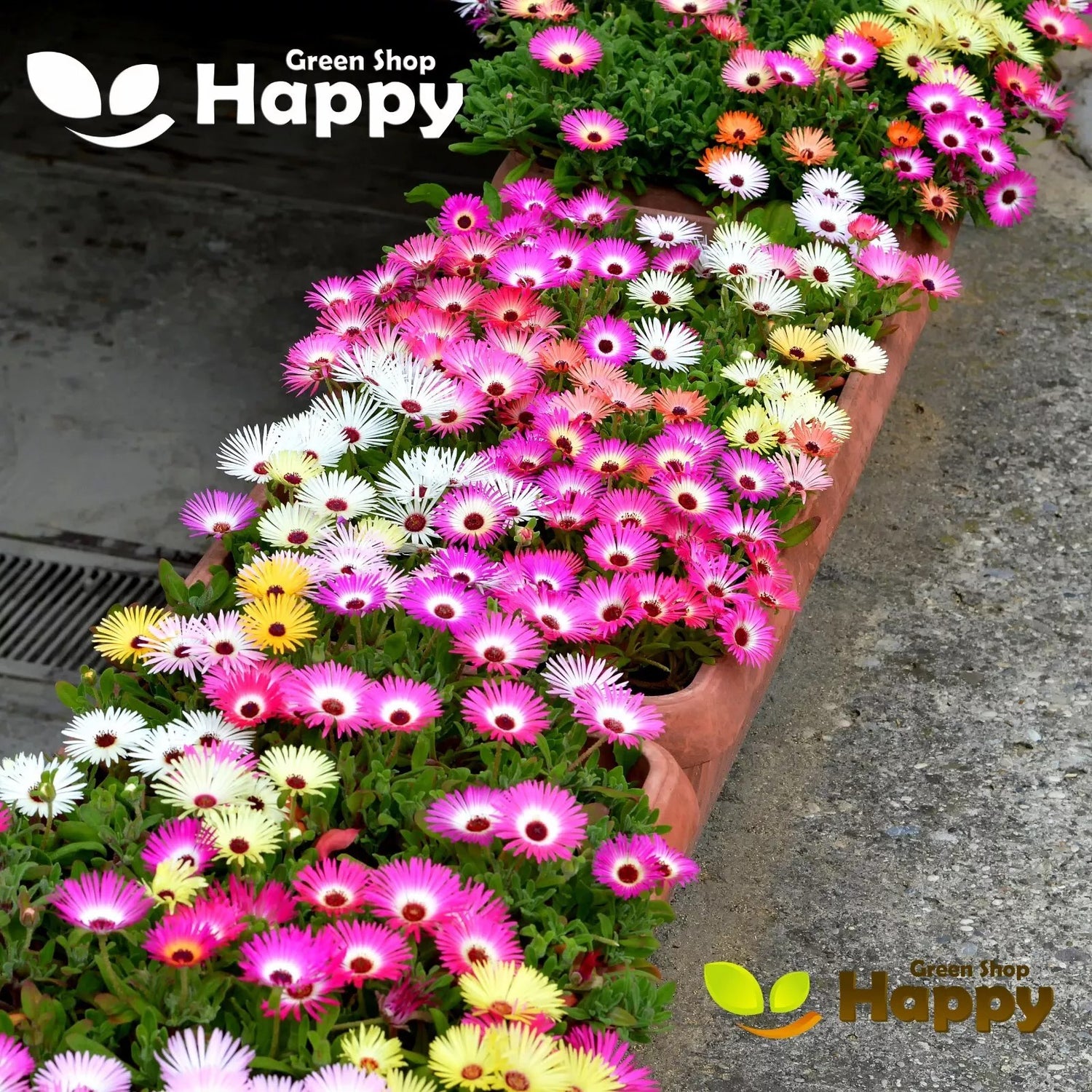
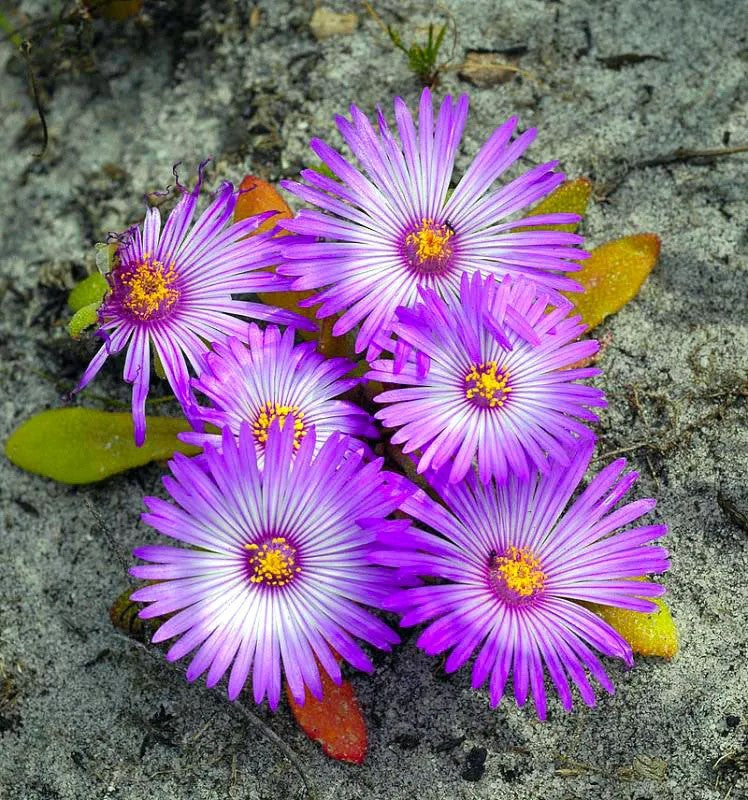

Livingstone Daisy Mixed – Seeds (Dorotheanthus bellidiformis)
The Livingstone Daisy Mixed is a dazzling carpet-forming annual that produces masses of daisy-like blooms in vibrant shades of pink, red, orange, yellow, and white. The flowers open wide in full sunlight, creating a striking display over their low-growing, succulent foliage. Perfect for hot, dry, sunny spots, this cheerful mix brightens up any summer garden with its jewel-like colors.
What Makes It Special
-
Brilliant mix of jewel-toned daisy flowers
-
Thrives in poor, dry soils and full sun
-
Excellent ground cover for summer displays
-
Compact, trailing habit ideal for edging and containers
Key Features
-
Botanical name: Dorotheanthus bellidiformis
-
Common name: Livingstone Daisy / Ice Plant
-
Variety: Mixed colors
-
Seed count: Approx. seeds per pack
-
Height/Spread: 10–15 cm tall, spreading up to 20 cm
-
Position: Full sun; well-drained soil
-
Flowering period: Summer (June–September)
Ideal For
-
Bedding and edging
-
Rockeries and gravel gardens
-
Containers and window boxes
-
Drought-tolerant displays in sunny spots
Sowing Instructions
-
When to sow: February–April indoors, or May outdoors after frost
-
How to sow:
-
Sow seeds on the surface of fine, moist compost; do not cover (light aids germination)
-
Keep at 18–20°C; germination in 10–21 days
-
-
After germination:
-
Transplant seedlings when large enough to handle
-
Harden off and plant outdoors 10–15 cm apart in sunny, free-draining soil
-
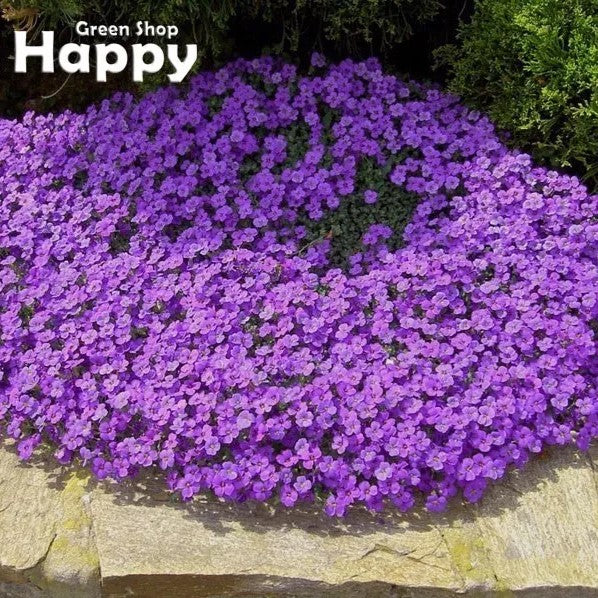
Rock Cress Hendersonii Lilac Seeds (Aubrieta hybrida) – 400 Seeds
Create a vibrant spring display with Rock Cress Hendersonii Lilac (Aubrieta hybrida). This hardy perennial forms dense mats of evergreen foliage adorned with masses of lilac-purple flowers, perfect for rock gardens, borders, and walls. Low-maintenance and spreading, it’s ideal for adding early-season color and attracting pollinators to your garden.
How to Grow
-
Sow indoors in late winter or directly outdoors in spring.
-
Use well-drained soil in a sunny location.
-
Scatter seeds thinly on the surface and press lightly; do not cover.
-
Keep soil moist until germination (14–21 days).
-
Thin seedlings to 15–20 cm apart once established.
-
Allow plants to form a dense mat; trim lightly after flowering if desired.
Key Features
-
Masses of lilac-purple blooms over dense evergreen foliage
-
Hardy perennial, returning year after year
-
Thrives in sunny, well-drained locations
-
Ideal for rock gardens, borders, walls, and edging
-
Attracts bees and other pollinators
Ideal For
-
Rock gardens and sunny borders
-
Garden walls, raised beds, and edging
-
Groundcover in sunny, well-drained areas
-
Pollinator-friendly landscapes
Sowing
-
Best time: Late winter indoors or early spring outdoors
-
Germination: 14–21 days
-
Sow thinly on soil surface, press lightly, do not cover
-
Prefers full sun and well-drained soil
Quick Tip
-
Let plants spread naturally to form a dense, flowering mat; light trimming after flowering promotes fresh growth and keeps the display neat.

Alyssum 'New Carpet of Snow' Seeds (Lobularia maritima)
Alyssum 'New Carpet of Snow' is a classic, compact annual producing a dense carpet of pure white, honey-scented blooms. Its neat, spreading growth makes it one of the most popular edging plants, creating a bright and fragrant border along paths, beds, and rock gardens. The flowers attract bees and other pollinators, making it both beautiful and beneficial in the garden.
What Makes It Special
-
Pure white, sweetly scented flowers
-
Compact and neat, perfect for edging and ground cover
-
Long-flowering from spring through autumn
-
Easy to grow and drought-tolerant once established
Key Features
-
Botanical name: Lobularia maritima
-
Variety: 'New Carpet of Snow'
-
Seed count: Approx. seeds per pack
-
Height/Spread: 10–15 cm tall, 20–30 cm spread
-
Position: Full sun to partial shade; thrives in well-drained soil
-
Flowering period: May–September
Ideal For
-
Edging borders and pathways
-
Rock gardens and gravel beds
-
Window boxes, planters, and hanging baskets
-
Pollinator-friendly and low-maintenance gardens
Sowing Instructions
-
When to sow: March–May indoors; April–June directly outdoors
-
How to sow:
-
Sow seeds thinly on the soil surface and press gently down (do not cover, needs light to germinate)
-
Germination: 7–14 days at 15–20°C
-
-
Transplanting: Thin seedlings to 10–15 cm apart when large enough to handle
-
Care: Keep soil moist but well-drained; deadhead to prolong flowering.


🌼 Cerastium tomentosum Snow-in-Summer – Hardy Perennial Ground Cover with Silvery-White Foliage
Snow-in-Summer is a classic low-growing perennial ground cover prized for its soft, silvery-white foliage and masses of bright white, star-shaped flowers that appear in late spring and early summer. Spreading quickly to form a dense mat, it is ideal for rock gardens, borders, slopes, edging, and gravel gardens. Extremely drought-tolerant once established and thriving in poor soils, this plant is valued for both its ornamental foliage and its carpet-like flowering display.
Key Features
● Masses of white flowers creating a “snowy” effect
● Attractive silver-white foliage all season
● Low-growing, spreading ground cover
● Very hardy and drought-tolerant
● Ideal for rock gardens, edging and dry areas
How to Sow & Grow Snow-in-Summer (UK)
Sow indoors: II–IV (February–April)
Transplant outdoors: IV–V (April–May)
Direct outdoors: IV–VI (April–June)
Flowering: V–VI (May–June)
Life cycle: Perennial
Germination temperature: 15–20 °C (59–68 °F)
Average germ time: 10–21 days
Depth: Surface sow – do not cover; press gently into soil (light required)
Light required: Yes
Moisture: Low to moderate
Environment: Full sun
Soil type: Well-drained, sandy or poor soil
Plant spacing: 25–30 cm (10–12 in)
Height: 15–20 cm (6–8 in)
Sowing & Growing Tips (variety-specific)
● Thrives in dry, sunny locations, where many plants struggle.
● Avoid rich, wet soils to prevent rot.
● Trim after flowering to maintain a neat, compact shape.
● Excellent choice for drought-tolerant and low-maintenance gardens.
● Spreads readily—ideal for filling gaps and slopes.
Special Features
● Classic silver-leaf perennial ground cover
● Excellent for pollinators in spring
● Very low maintenance once established
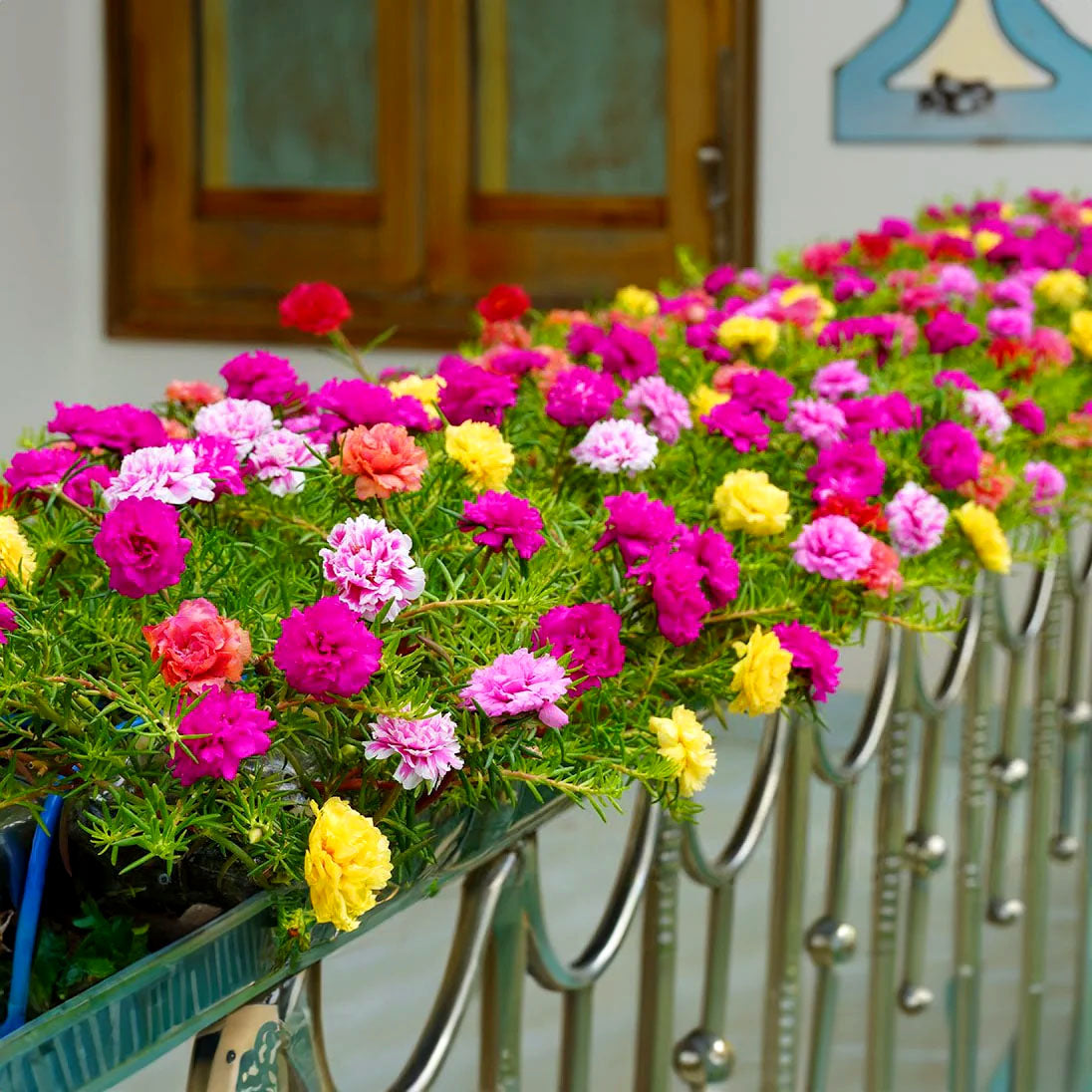
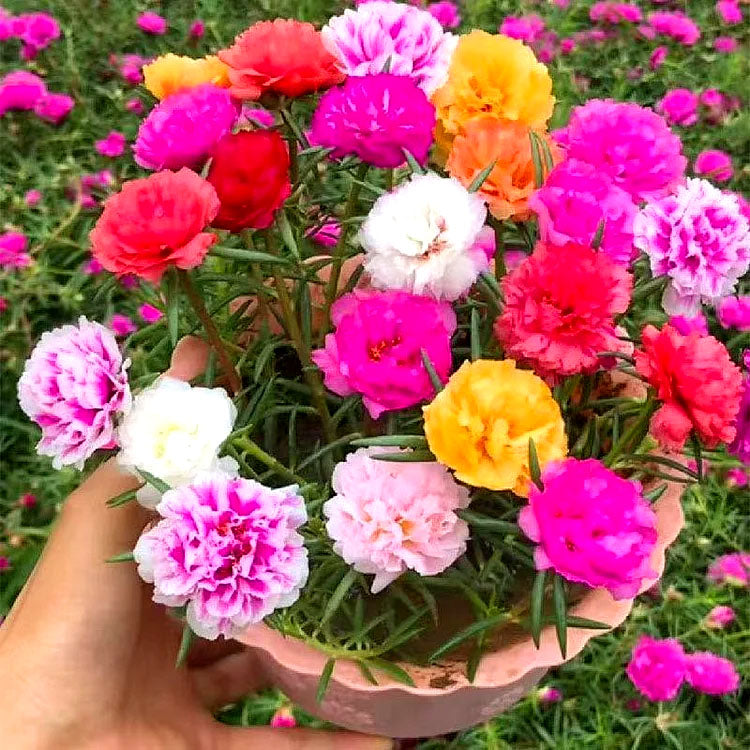
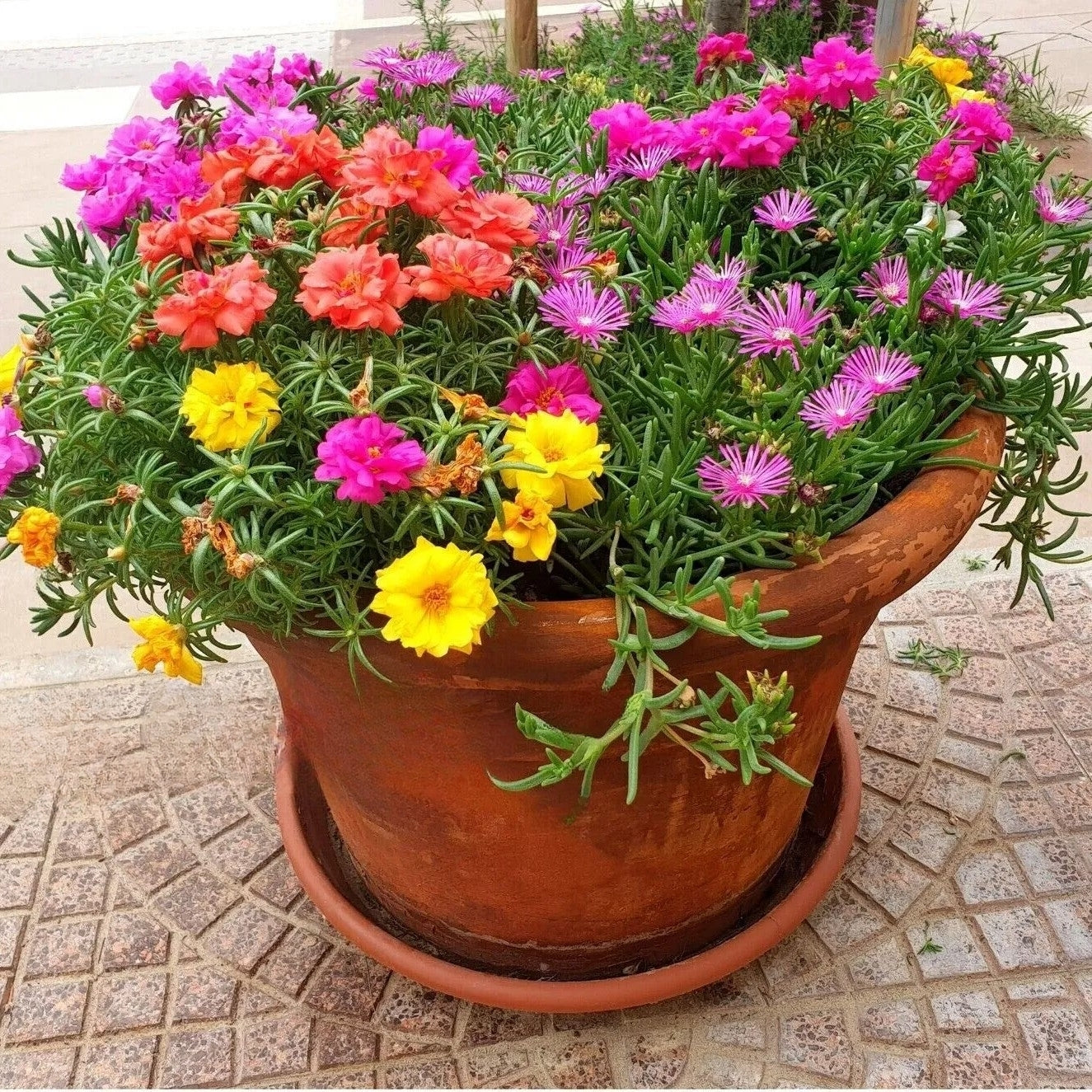
Moss Rose Longbloom Double Mix – 2,000 Seeds (Portulaca grandiflora)
Moss Rose Longbloom Double Mix (Portulaca grandiflora) is a vibrant annual producing abundant double blooms in a rainbow of colors, including pink, red, yellow, orange, and white. Its low-growing, spreading habit makes it ideal for rockeries, borders, containers, and sunny garden beds. Fast-growing, drought-tolerant, and long-flowering, it attracts pollinators while adding continuous summer color.
Why Grow "Longbloom Double Mix"
-
Profusion of double blooms in bright mixed colors
-
Low-growing, spreading habit ideal for ground cover
-
Long flowering period from summer to autumn
-
Drought-tolerant and easy to maintain
-
Attracts bees, butterflies, and other pollinators
Key Features
-
Type: Annual (Portulaca grandiflora)
-
Height: 10–20 cm
-
Flowering: June–September
-
Position: Full sun
-
Uses: Rockeries, borders, containers, ground cover, pollinator-friendly gardens
Ideal For
-
Sunny borders and garden beds
-
Rockeries and container planting
-
Pollinator-friendly gardens
-
Low-maintenance, drought-tolerant planting
Sowing & Growing
-
Sow indoors: March–April in seed trays or pots
-
Sow outdoors: After last frost in prepared soil
-
Germination: 7–14 days at 18–22°C
-
Thin seedlings to 15–20 cm apart
-
Prefers full sun and well-drained soil
-
Deadhead occasionally to prolong flowering

Soapwort – Seeds (Saponaria ocymoides)
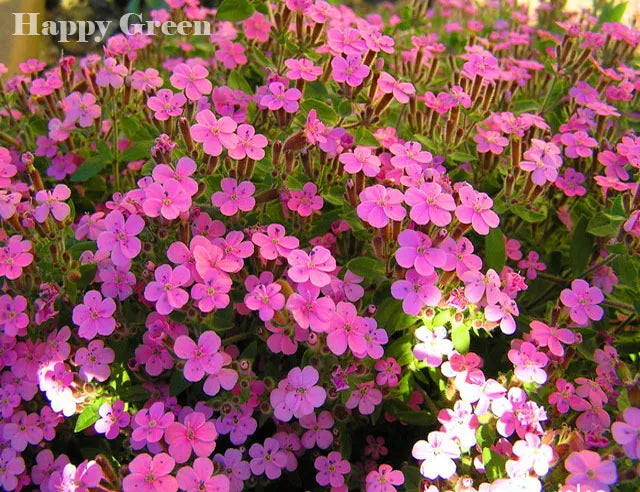
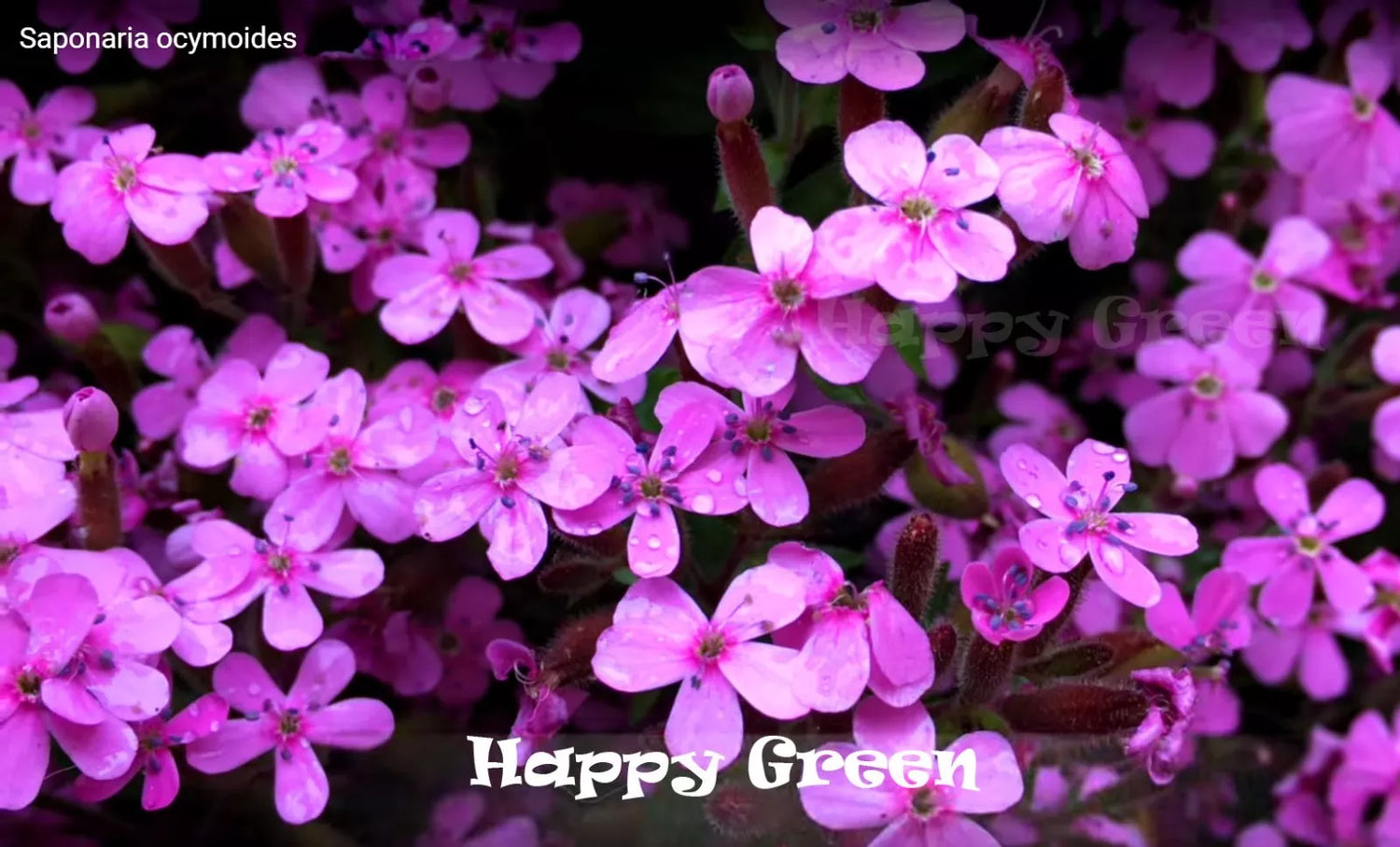
Soapwort (Saponaria ocymoides), also known as Rock Soapwort or Tumbling Ted, is a low-growing perennial that forms a carpet of bright pink, starry flowers from late spring through summer. Perfect for rock gardens, walls, or as ground cover, it’s easy to grow and attracts pollinators. Hardy and reliable, it’s ideal for creating long-lasting splashes of color in sunny spots.
Why Grow "Soapwort"
-
Masses of bright pink, star-shaped flowers
-
Hardy, low-maintenance perennial
-
Spreading habit makes excellent ground cover
-
Loved by bees and butterflies
Key Features
-
Type: Perennial (Saponaria ocymoides)
-
Height: 10–15 cm, spreading habit
-
Flowering: May–July
-
Position: Full sun
-
Uses: Rock gardens, walls, ground cover, borders
Ideal For
-
Rockeries and stone walls
-
Low-maintenance ground cover
-
Pollinator-friendly gardens
-
Edging for sunny borders
Sowing & Growing
-
Sow outdoors: March–May or September–October
-
Sow direct in prepared soil, lightly cover
-
Germination: 14–21 days
-
Thin seedlings to 20–25 cm apart
-
Prefers well-drained soil in sunny positions
Showing 9/37
