
Cottage Garden Flower Seeds

Sort by:
256 products
256 products
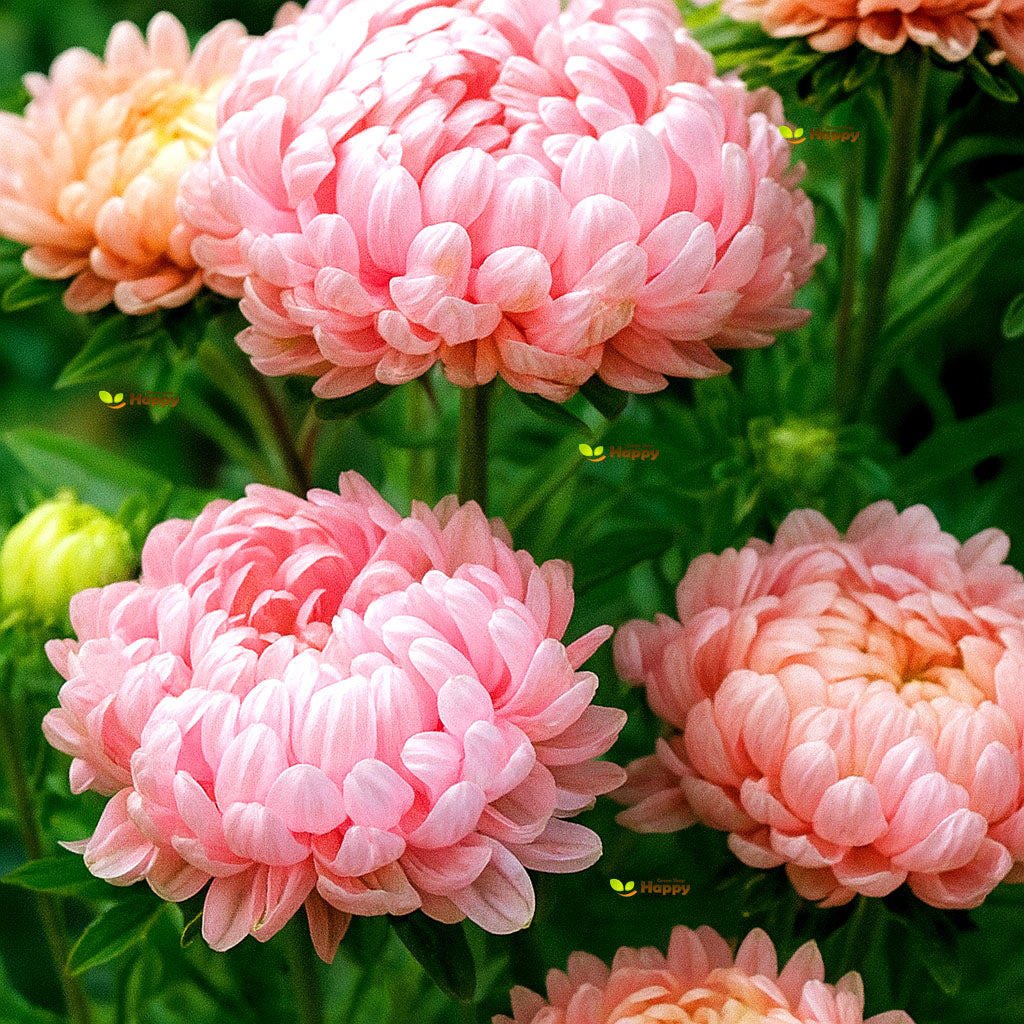

Peony Aster 'Delicate Pink' – Seeds (Callistephus chinensis)
The Peony Aster 'Delicate Pink' is a breathtaking annual with large, fully double flowers that resemble garden peonies. Its soft blush-pink blooms make an elegant display in borders, beds, and cutting gardens. With strong, upright stems and a long flowering season, this variety is also an excellent choice for floral arrangements.
Highlights
-
Large, fully double peony-like blooms
-
Beautiful soft pink color
-
Excellent as a cut flower
-
Long-lasting summer blooms
-
Strong and upright stems
Key Features
-
Botanical Name: Callistephus chinensis
-
Variety: Peony Aster 'Delicate Pink'
-
Seed Count: Approx. seeds per pack
-
Height/Spread: 50–60 cm tall, 25–30 cm spread
-
Position: Full sun, well-drained soil
-
Flowering Period: July–October
Perfect For
-
Cottage gardens
-
Borders and beds
-
Cutting gardens and floral arrangements
-
Elegant pastel displays
Sowing Instructions
-
Sow indoors Feb–Apr at 18–21°C
-
Cover lightly with fine compost or vermiculite
-
Germination: 7–14 days
-
Transplant seedlings when large enough, spacing 25–30 cm apart
-
Harden off before planting outdoors after the last frost
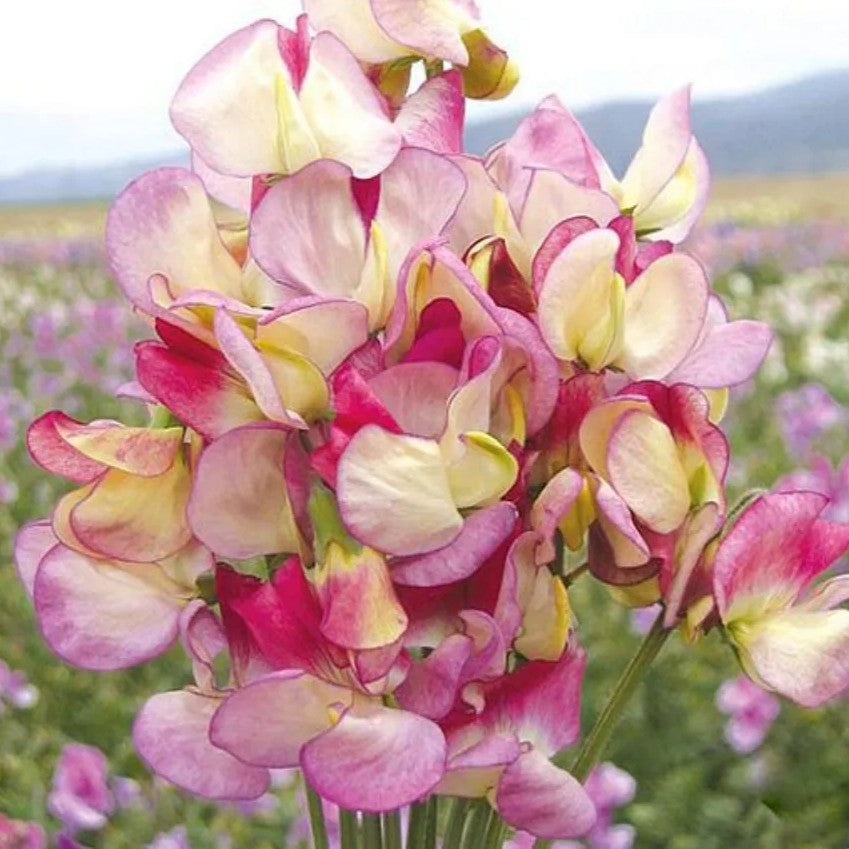
Sweet Pea ‘Spanish Dancer’ 15 Seeds (Lathyrus odoratus)
Add elegance and fragrance to your garden with Sweet Pea ‘Spanish Dancer’ (Lathyrus odoratus). This climbing annual produces exquisite, vibrant pink flowers with a striking magenta edge and a delightful scent. Ideal for trellises, fences, and pergolas, it’s a stunning addition for borders, containers, and cut flower arrangements.
How to Grow
-
Sow seeds indoors in late winter or early spring, or directly outdoors after the last frost.
-
Soak seeds overnight to improve germination.
-
Use well-drained soil in a sunny location.
-
Cover seeds lightly with soil and keep moist until germination (10–14 days).
-
Provide support such as trellises, fences, or netting for climbing.
-
Pinch out the tips of young plants to encourage bushier growth and more blooms.
Key Features
-
Vibrant pink flowers with magenta edges
-
Fragrant, climbing annual perfect for vertical displays
-
Long-flowering, from late spring through summer
-
Excellent for cut flowers and bouquets
-
Attracts pollinators such as bees and butterflies
Ideal For
-
Trellises, pergolas, fences, and arches
-
Flower borders and cottage gardens
-
Containers and patio planters with support
-
Cut flower arrangements for home decoration
Sowing
-
Best time: Late winter to early spring indoors, or after frost outdoors
-
Germination: 10–14 days
-
Pre-soak seeds for best results
-
Prefers full sun and well-drained soil
Quick Tip
-
Regularly remove spent flowers to prolong blooming and maintain vigorous growth.
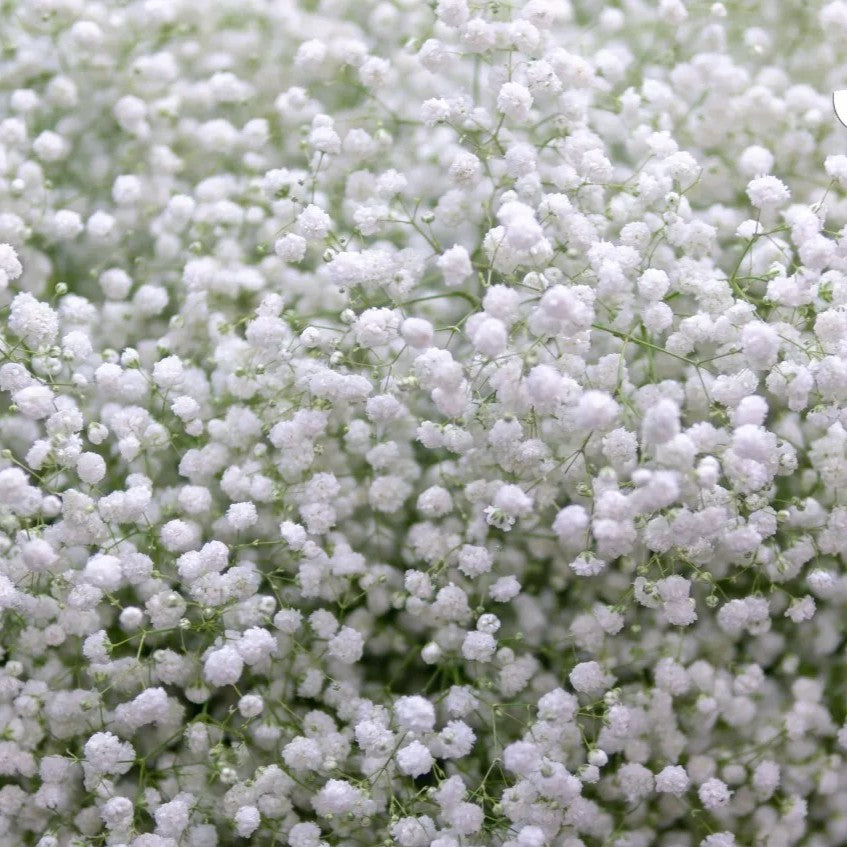
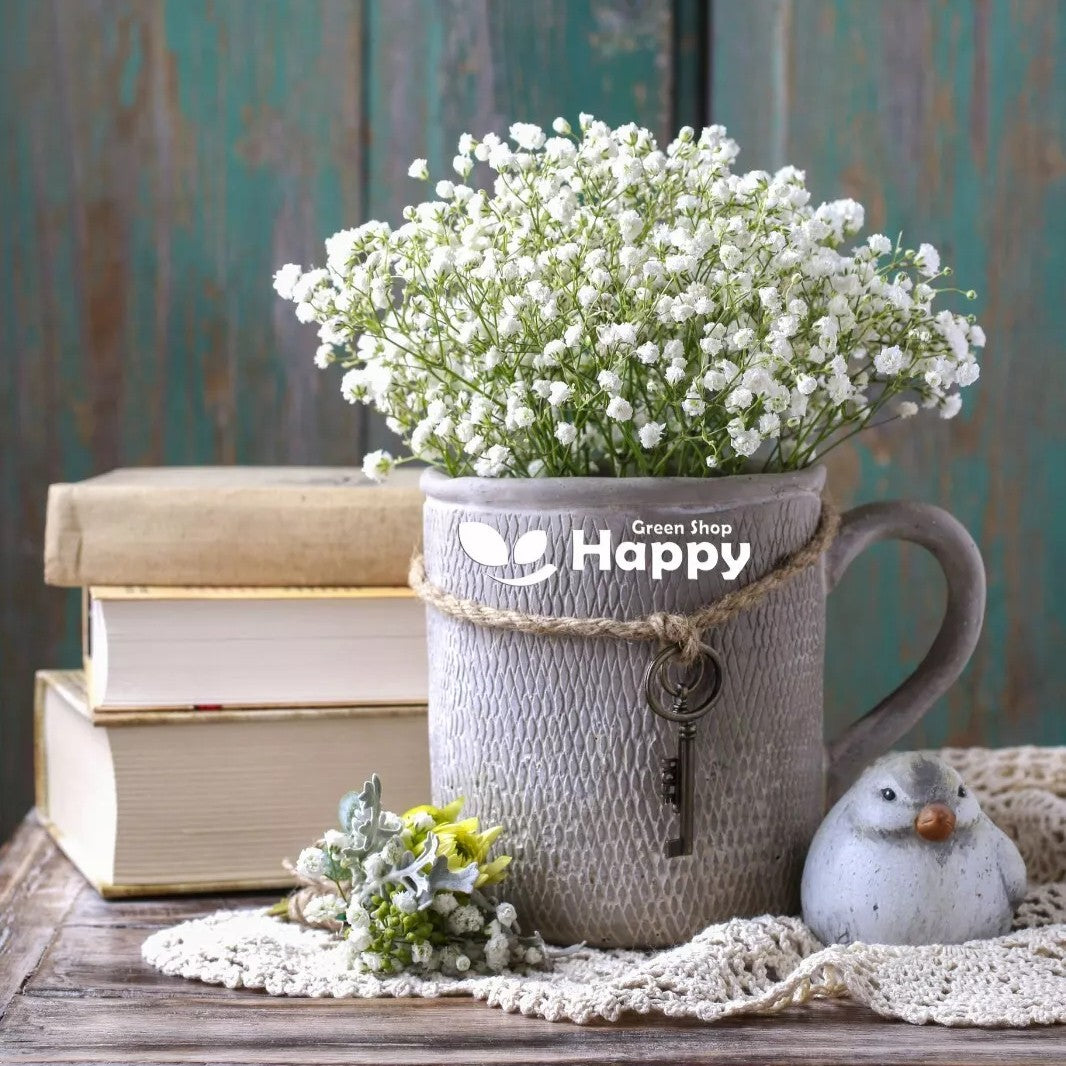
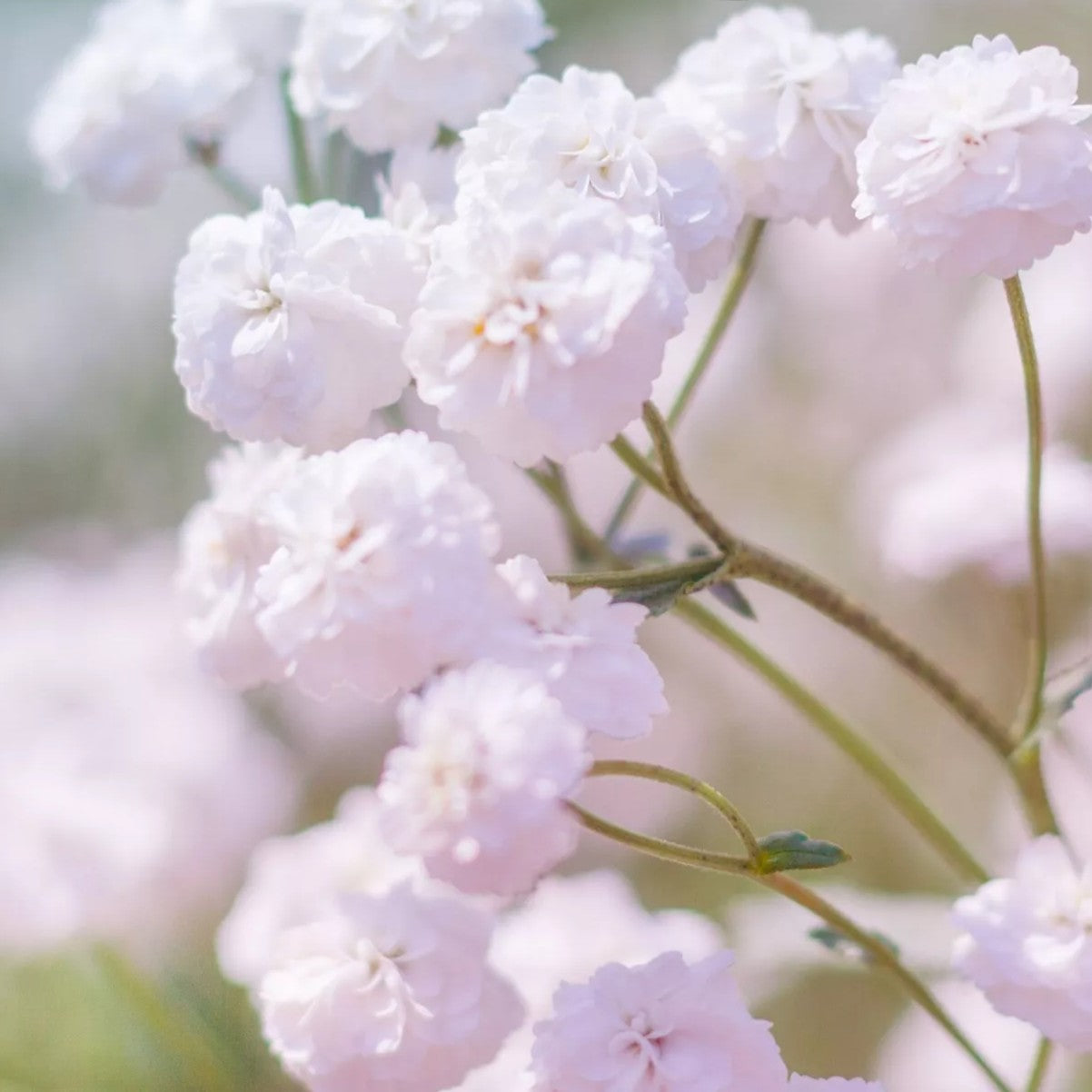
Baby’s Breath ‘Snowflake’ – Seeds (Gypsophila paniculata)
Baby’s Breath ‘Snowflake’ (Gypsophila paniculata) is a delicate perennial producing airy sprays of tiny, pure white flowers from summer to early autumn. Perfect for borders, rockeries, cottage gardens, and floral arrangements, its fine foliage and abundant blooms create a soft, cloud-like effect. Hardy and low-maintenance, this variety attracts pollinators and adds elegance and texture to garden designs.
Why Grow "Snowflake"
-
Airy sprays of tiny white flowers
-
Long flowering season from summer to early autumn
-
Creates soft, cloud-like texture in borders and beds
-
Attracts bees, butterflies, and other pollinators
Key Features
-
Type: Perennial (Gypsophila paniculata)
-
Height: 60–90 cm
-
Flowering: Summer to early autumn
-
Position: Full sun
-
Uses: Borders, rockeries, cottage gardens, cut flowers, pollinator gardens
Ideal For
-
Adding delicate texture and color to borders and beds
-
Rockeries, cottage, and mixed garden designs
-
Cut flower arrangements and floral displays
-
Pollinator-friendly gardens
Sowing & Growing
-
Sow indoors: 6–8 weeks before last frost
-
Sow outdoors: After frost danger has passed
-
Germination: 14–21 days
-
Space seedlings: 25–30 cm apart
-
Prefers well-drained soil and full sun


Blanket Flower ‘Burgundy’ Seeds (Gaillardia aristata)
Bring vibrant late-summer color to your garden with Blanket Flower ‘Burgundy’ (Gaillardia aristata). This hardy perennial produces striking burgundy-red daisy-like blooms with golden tips, perfect for borders, beds, and pollinator-friendly gardens. Easy to grow and long-flowering, it attracts bees and butterflies while adding a cheerful, naturalized look to your landscape.
How to Grow
-
Sow seeds directly outdoors in spring or indoors 6–8 weeks before the last frost.
-
Use well-drained soil in full sun.
-
Scatter seeds thinly and cover lightly with soil.
-
Keep soil moist until germination (10–14 days).
-
Thin seedlings to 25–30 cm apart once established.
-
Deadhead spent flowers to encourage continuous blooming.
Key Features
-
Striking burgundy-red blooms with golden tips
-
Hardy perennial, long-flowering and easy to grow
-
Ideal for borders, beds, and naturalized plantings
-
Attracts bees, butterflies, and other pollinators
-
Adds vibrant late-summer color to garden landscapes
Ideal For
-
Flower borders and cottage gardens
-
Pollinator-friendly garden beds
-
Naturalized and wildflower-style plantings
-
Cutting gardens for fresh bouquets
Sowing
-
Best time: Spring outdoors or 6–8 weeks earlier indoors
-
Germination: 10–14 days
-
Sow thinly, cover lightly, and keep soil moist
-
Prefers full sun and well-drained soil
Quick Tip
-
For extended flowering, sow in drifts or clusters and remove spent blooms regularly.
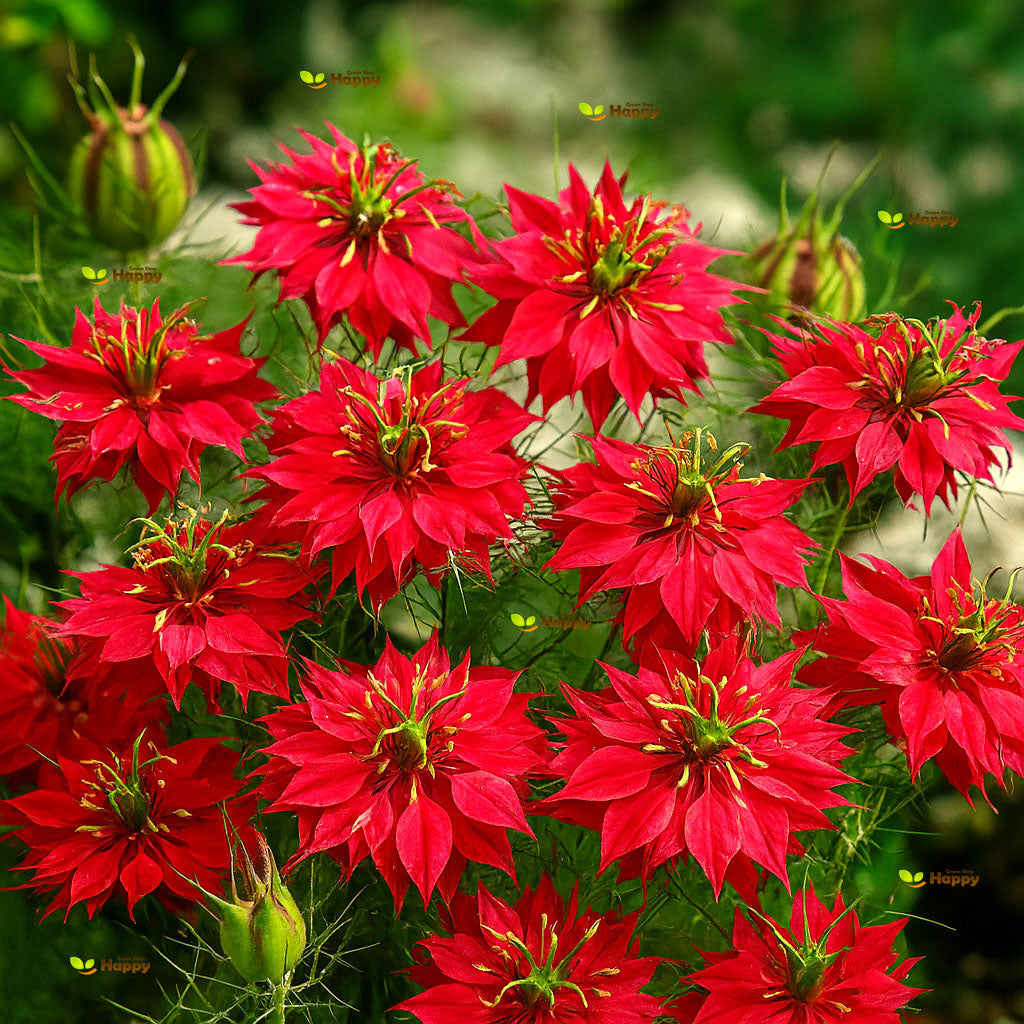
Love-in-a-Mist ‘Persian Jewels’ Red – Seeds (Nigella damascena)
Love-in-a-Mist ‘Persian Jewels’ Red (Nigella damascena) is a charming cottage garden annual with finely cut, ferny foliage and delicate star-shaped flowers in rich shades of ruby and crimson. Its ornamental seed pods add long-lasting interest, making it a favorite for both fresh and dried arrangements. Easy to grow and pollinator-friendly, it’s perfect for borders and wildflower-style plantings.
Why Grow "Persian Jewels Red"
-
Striking ruby-red starry blooms
-
Airy, ferny foliage for soft texture
-
Decorative seed pods for dried use
-
Easy to grow and pollinator-friendly
Key Features
-
Type: Hardy annual (Nigella damascena)
-
Height: 45–60 cm
-
Flowering: June–September
-
Position: Full sun
-
Uses: Borders, wildflower gardens, cut and dried flowers
Ideal For
-
Cottage and wildflower gardens
-
Fresh and dried floral arrangements
-
Pollinator-friendly planting
-
Naturalistic borders
Sowing & Growing
-
Sow outdoors: March–May or August–September for earlier blooms
-
Sow direct, thinly into prepared soil
-
Germination: 14–21 days
-
Thin seedlings to 20–25 cm apart
-
Prefers well-drained soil in full sun

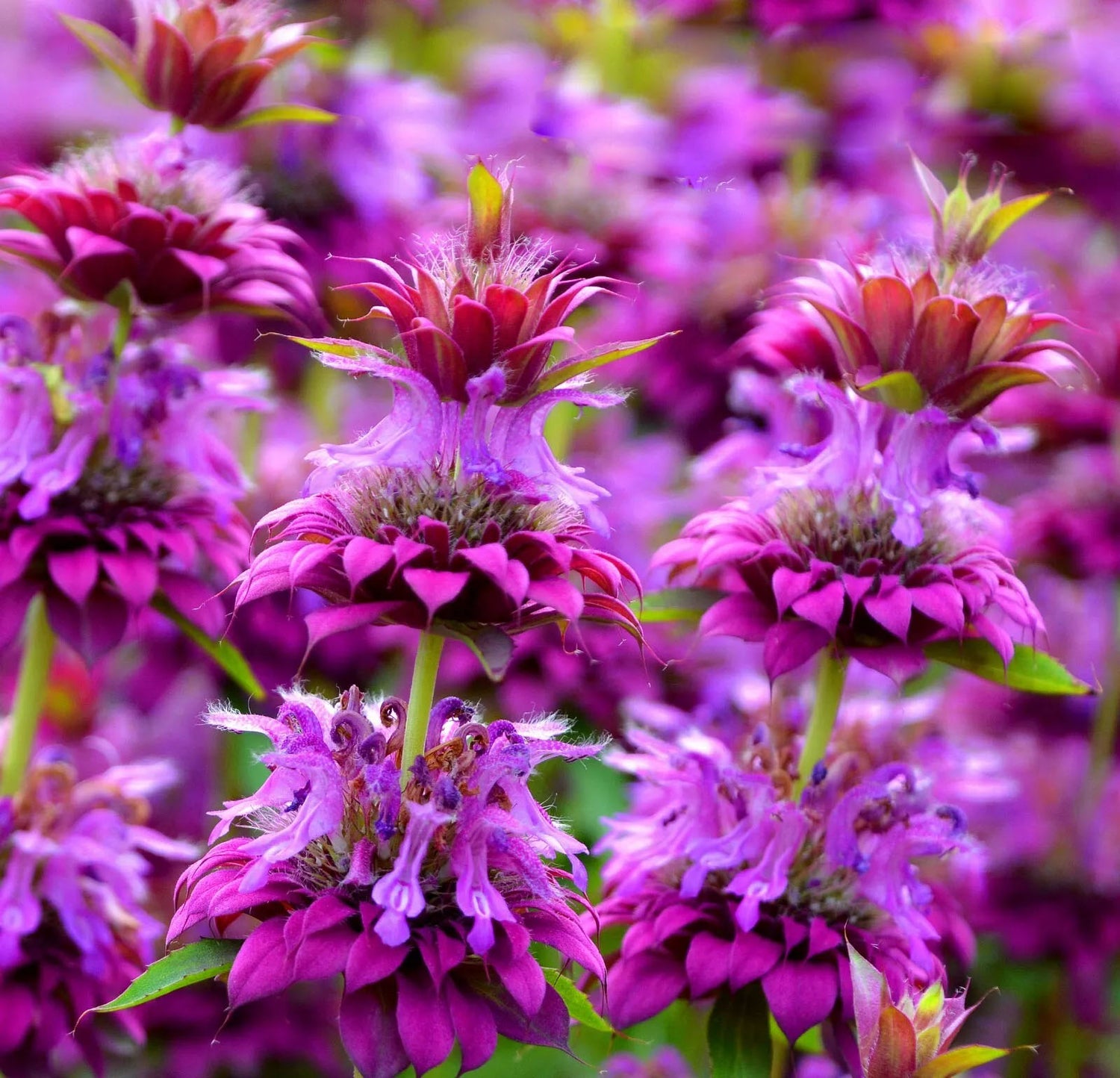
Bee Balm Purple Seeds (Monarda citriodora)
Bee Balm Purple is a vibrant, aromatic perennial that produces dense clusters of fragrant purple flowers attracting bees, butterflies, and hummingbirds. Its aromatic foliage adds texture and scent to borders, cottage gardens, and pollinator-friendly plantings. Easy to grow and long-flowering, it also works beautifully in fresh or dried floral arrangements.
What Makes It Special
-
Bright purple, aromatic blooms
-
Attracts bees, butterflies, and hummingbirds
-
Hardy perennial with long flowering season
Key Features
-
Botanical name: Monarda citriodora
-
Hardy perennial
-
Height: 60–90 cm (24–36 in)
-
Bloom time: Mid to late summer
Ideal For
-
Pollinator-friendly gardens and cottage borders
-
Wildlife gardens and mixed perennial beds
-
Fresh and dried flower arrangements
Sowing
-
Sow indoors Feb–Apr or outdoors May–Jun
-
Cover seeds lightly with soil; keep moist
-
Germination: 14–28 days at 18–22°C
-
Thin seedlings 30–40 cm apart
-
Flowers from the first or second year
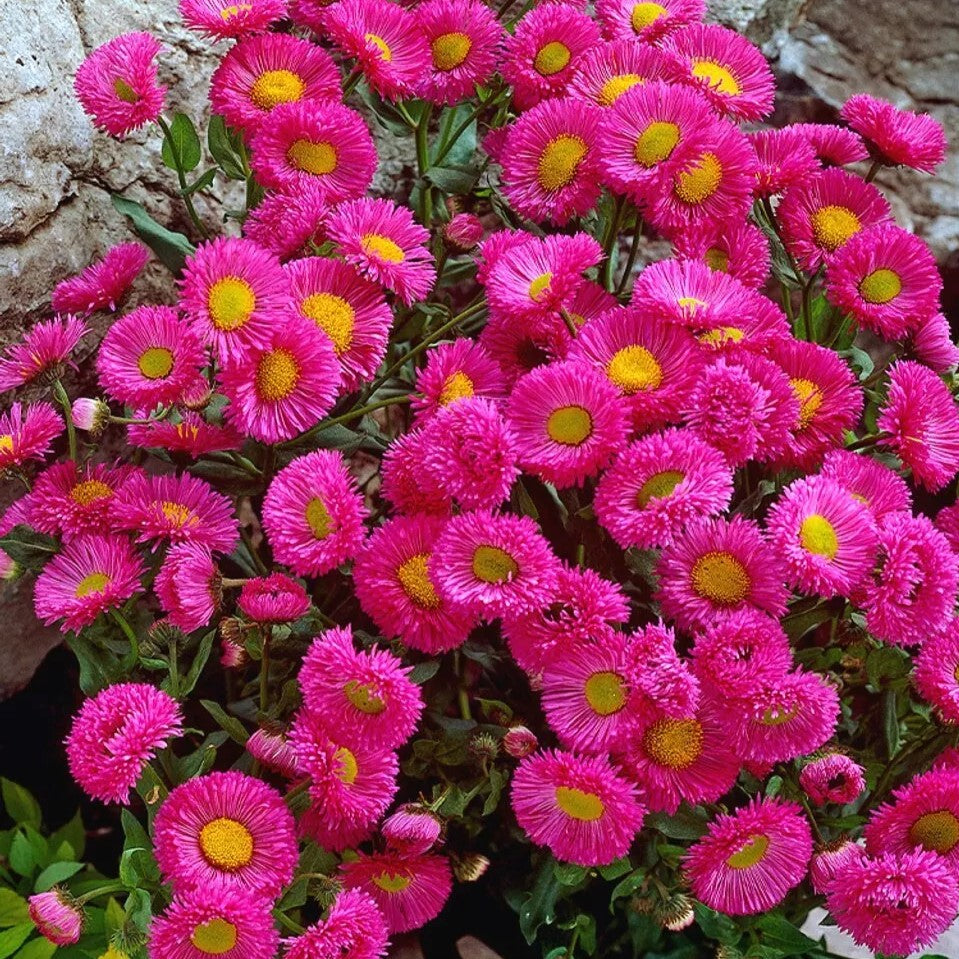
Fleabane Daisy ‘Pink Jewel’ – Seeds (Erigeron speciosus)
Fleabane Daisy ‘Pink Jewel’ (Erigeron speciosus) is a hardy perennial producing masses of cheerful daisy-like blooms in shades of rosy-pink with golden centers. Flowering from early summer into autumn, this variety brings long-lasting color and a natural charm to borders, cottage gardens, and wildlife areas. Easy to grow and drought-tolerant once established, it is a reliable choice for low-maintenance gardens. Its nectar-rich flowers are highly attractive to bees, butterflies, and other pollinators.
Why Grow "Pink Jewel"
-
Masses of rosy-pink daisy-like flowers with golden centers
-
Long flowering season from summer to autumn
-
Hardy, drought-tolerant, and low-maintenance
-
Attracts bees, butterflies, and pollinators
Key Features
-
Type: Perennial (Erigeron speciosus)
-
Height: 40–60 cm
-
Flowering: Early summer to autumn
-
Position: Full sun or partial shade
-
Uses: Borders, cottage gardens, wildlife gardens, cut flowers
Ideal For
-
Adding pink color to borders and beds
-
Naturalistic and cottage-style planting
-
Wildlife-friendly and pollinator gardens
-
Low-maintenance perennial displays
Sowing & Growing
-
Sow indoors: February–April in trays or pots
-
Germination: 14–21 days at 18–22°C
-
Transplant outdoors after frost danger has passed
-
Space seedlings: 30 cm apart
-
Prefers well-drained soil in full sun or light shade
Arkwright's Campion – 250 Seeds (Lychnis arkwrightii ‘Vesuvius’)
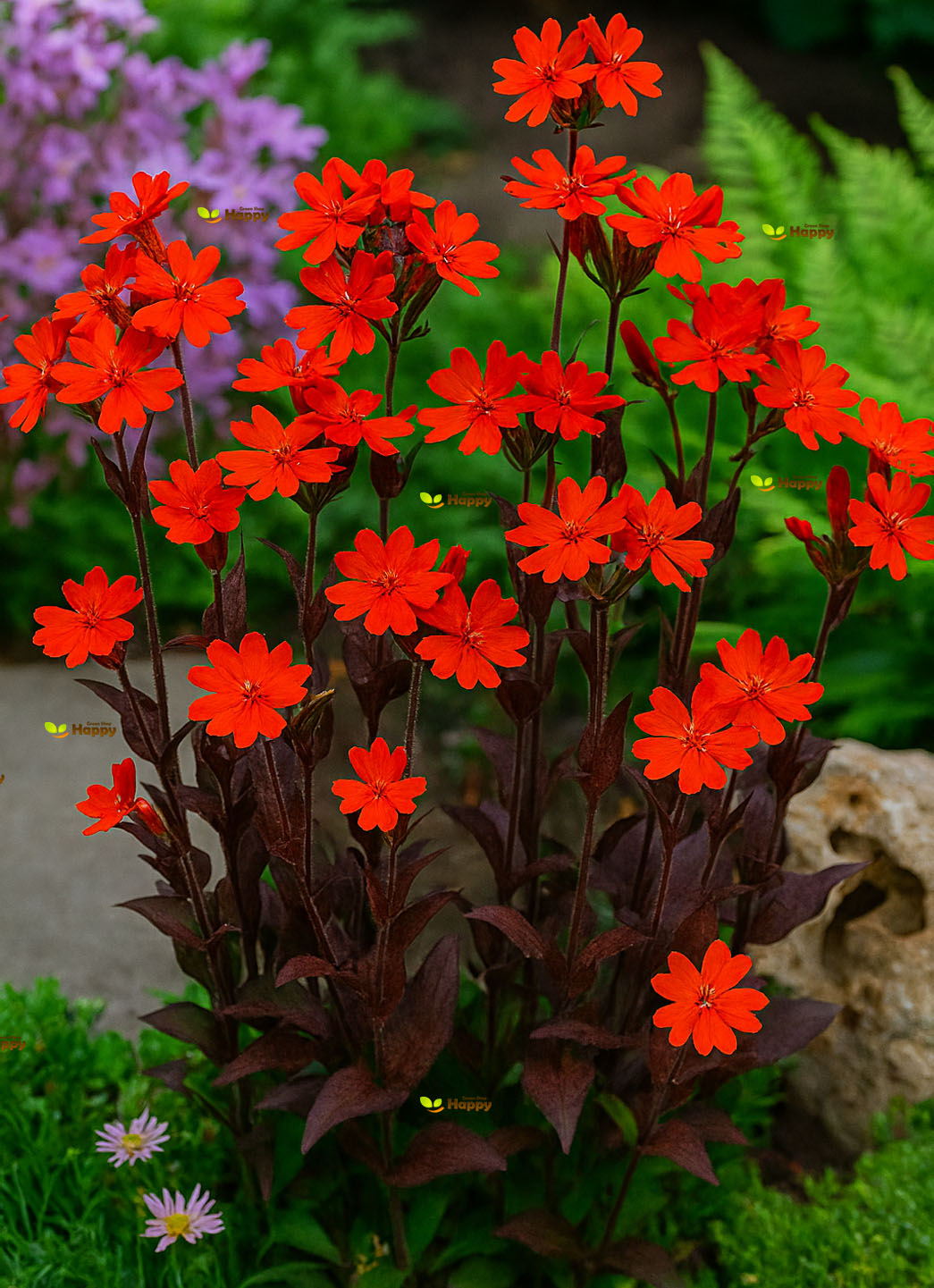
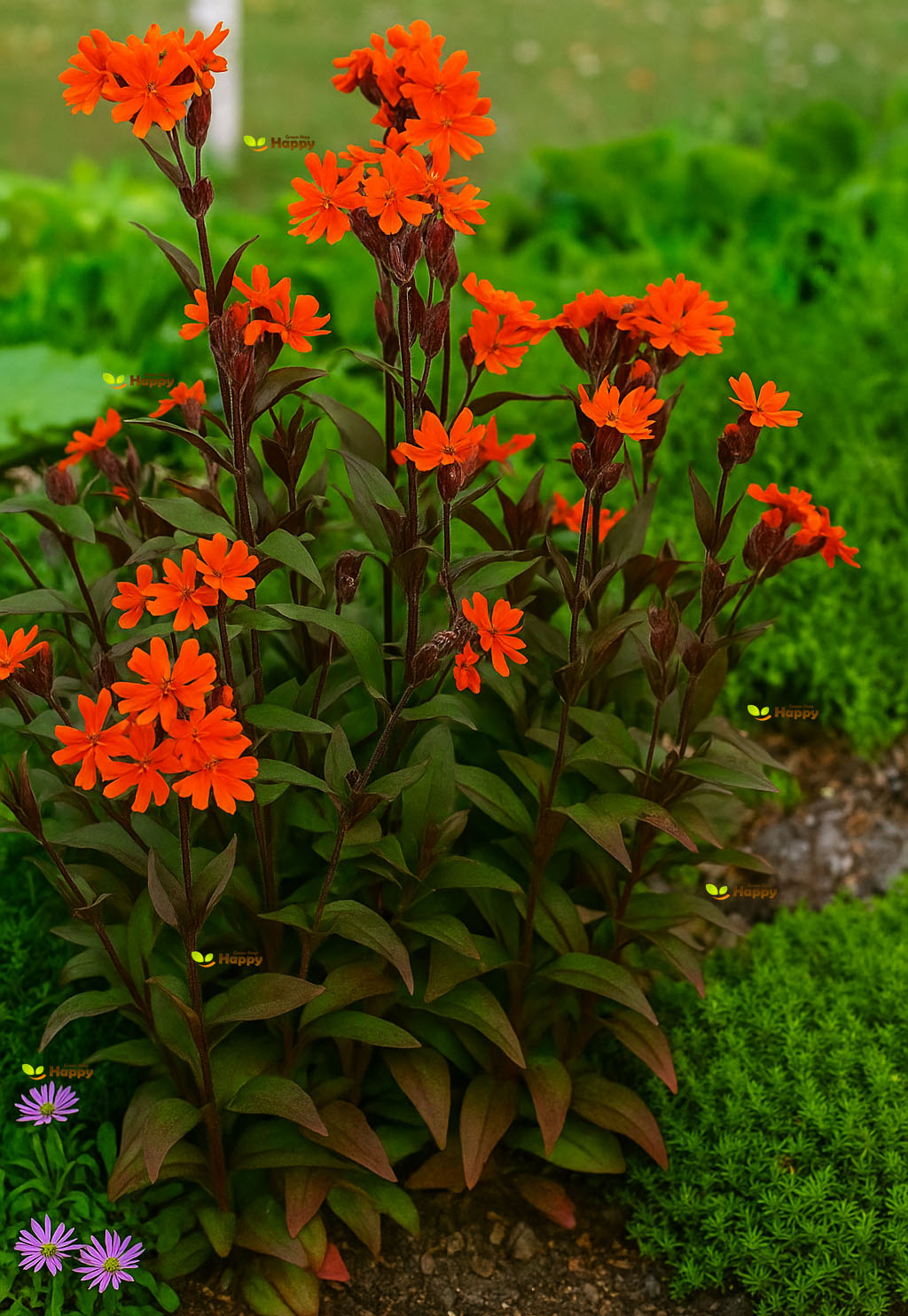
Arkwright’s Campion ‘Vesuvius’ is a striking perennial, treasured for its dazzling contrast of fiery orange-scarlet blooms against deep bronze-purple foliage. Compact yet bold, it creates a dramatic feature in borders, cottage gardens, or mixed perennial beds. Its long-lasting flowers attract pollinators, bringing both beauty and wildlife to the garden.
Why Grow Arkwright’s Campion ‘Vesuvius’?
-
Brilliant scarlet-orange flowers with deep purple foliage
-
Compact habit, perfect for borders and cottage gardens
-
Pollinator-friendly, attracting bees and butterflies
-
Hardy perennial, easy to grow
Key Features
-
Type: Perennial flower
-
Height: 40–50 cm
-
Spread: 30 cm
-
Flowering: June–August
-
Position: Full sun to partial shade
-
Soil: Well-drained, moderately fertile
Sowing & Growing
-
Sow indoors: February–April, lightly cover seeds with compost
-
Germination: 14–21 days at 18–20°C
-
Transplant outdoors after frost, spacing 30 cm apart
-
Cut back after flowering to encourage strong regrowth
Tip: Deadhead regularly to prolong the blooming season.

Swan River Daisy Mixed – Clouds of Colorful, Dainty Blooms
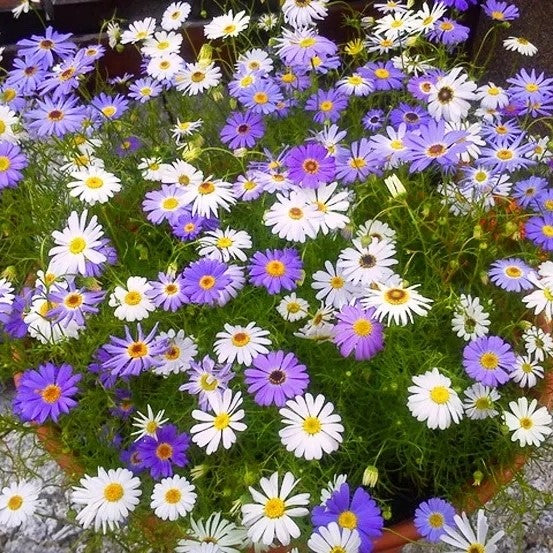
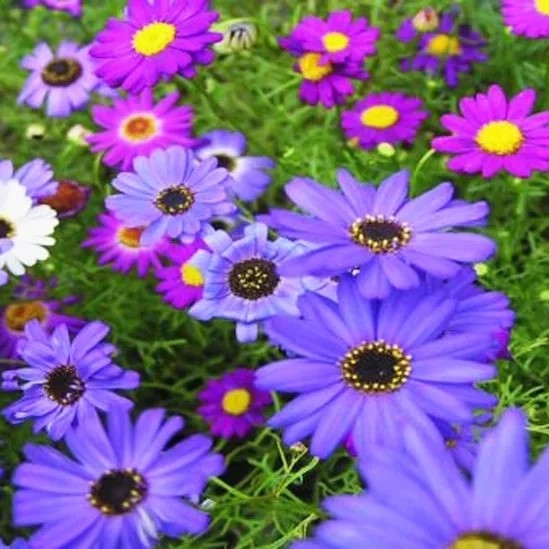
Swan River Daisy Mixed produces masses of small, daisy-like flowers in shades of purple, blue, pink, and white over fine, feathery foliage. Native to Australia, this easy-to-grow annual brings a soft, airy texture and vibrant color to garden beds, borders, and hanging baskets. A prolific bloomer from summer to autumn, it thrives in sunny spots and is perfect for low-maintenance displays.
What Makes It Special
-
Abundant, delicate blooms in a rainbow of pastel shades
-
Adds a light, airy look to gardens and containers
-
Long flowering season with minimal care
-
Tolerates heat and dry conditions once established
-
Attracts pollinators
Key Features
-
Height: 20–30 cm – compact, spreading habit
-
Excellent for ground cover or edging
-
Hardy annual – fast to flower from seed
-
Drought-tolerant and easy to grow
-
Perfect for mass planting
Ideal For
-
Borders, edging, and pathways
-
Hanging baskets and window boxes
-
Cottage and wildflower gardens
-
Low-maintenance summer displays
Sowing
-
Sow indoors 6–8 weeks before last frost or direct sow after frost danger has passed
-
Lightly press seeds into soil; do not cover deeply
-
Germination: 7–14 days at 18–21°C
-
Space plants 15–20 cm apart
-
Prefers full sun and well-drained soil
Showing 9/256


