
Sort by:
26 products
26 products


💜 Lavandula angustifolia True Lavender / English Lavender – Classic Aromatic Perennial with Fragrant Purple Spikes
Lavandula angustifolia, commonly known as true lavender or English lavender, is the classic lavender species prized for its highly fragrant flowers, refined essential oils, and elegant silvery-green foliage. This hardy perennial produces dense spikes of soft purple to violet-blue blooms in summer, attracting bees and pollinators while adding timeless Mediterranean charm to gardens. Ideal for borders, gravel gardens, herb beds, containers, and hedging, it is also perfect for drying, sachets, oils, and culinary use.
Key Features
● True English lavender with exceptional fragrance
● Purple flower spikes rich in essential oils
● Hardy perennial suitable for UK climates
● Excellent for borders, pots, hedging and gravel gardens
● Ideal for drying, sachets, oils and culinary use
How to Sow & Grow Lavandula angustifolia (UK)
Sow indoors: II–IV (February–April) in trays or pots
Transplant outdoors: V–VI (May–June) once plants are established and frost risk has passed
Direct outdoors: IV–V (April–May)
Flowering: VI–VIII (June–August)
Life cycle: Perennial
Germination temperature: 15–20 °C (59–68 °F)
Average germ time: 14–28 days
Depth: Surface sow — do not cover, but press gently into the soil (requires light to germinate)
Light required: Yes
Moisture: Low to moderate; drought tolerant once established
Environment: Full sun
Soil type: Light, well-drained, sandy or gritty soil; dislikes heavy, wet soils
Plant spacing: 30–40 cm (12–16 in)
Height: 40–60 cm (16–24 in)
Sowing & Growing Tips (variety-specific)
● Excellent drainage is essential for long-term success.
● Avoid rich or wet soils to prevent root rot.
● Prune lightly after flowering to maintain compact shape.
● Harvest flowers just as they open for maximum fragrance.
● Perfect for low-maintenance and drought-tolerant gardens.
Special Features
● True lavender species with superior fragrance
● Highly attractive to bees and pollinators
● Classic choice for traditional and Mediterranean gardens
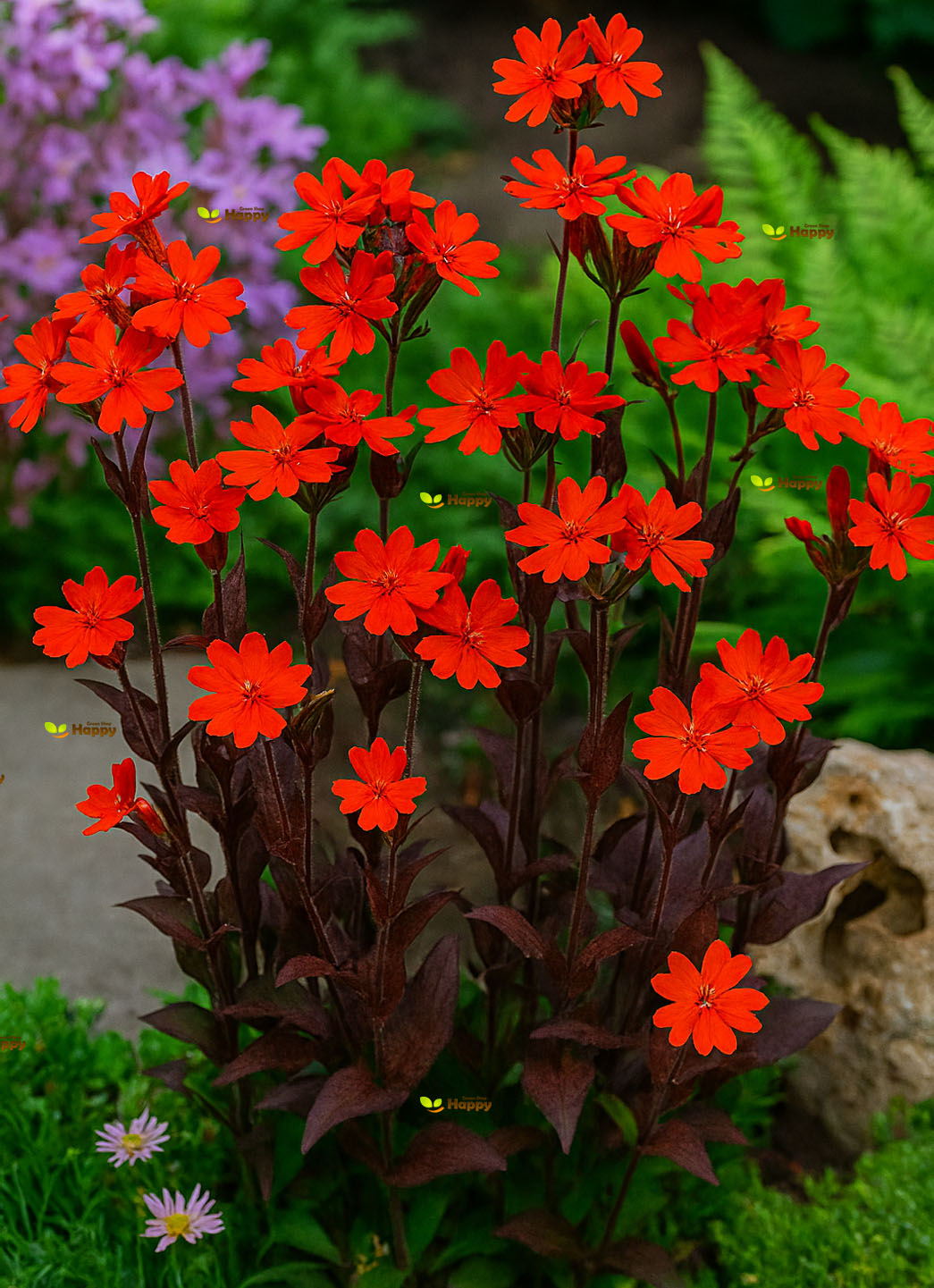
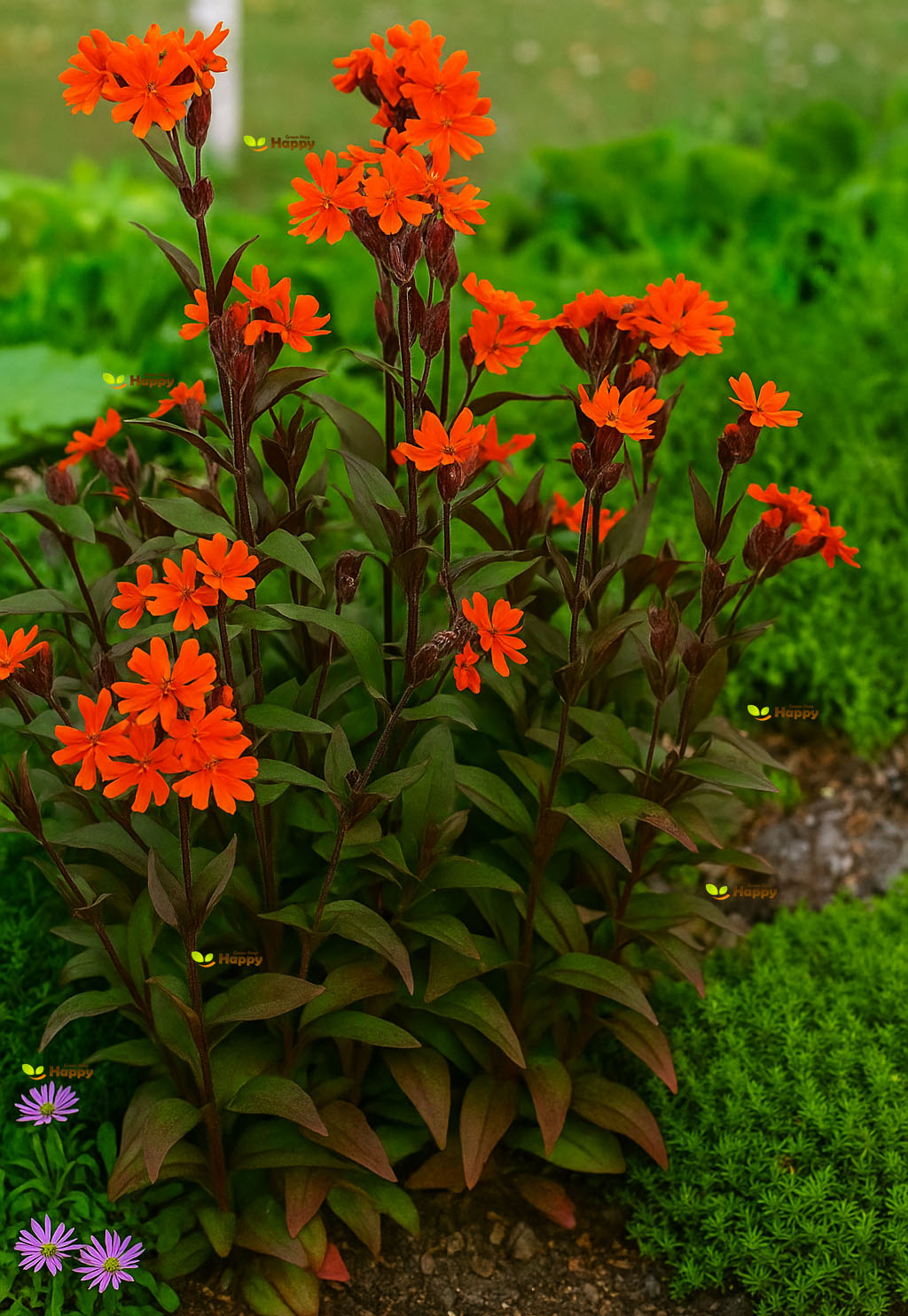
Arkwright's Campion – 250 Seeds (Lychnis arkwrightii ‘Vesuvius’)
Arkwright’s Campion ‘Vesuvius’ is a striking perennial, treasured for its dazzling contrast of fiery orange-scarlet blooms against deep bronze-purple foliage. Compact yet bold, it creates a dramatic feature in borders, cottage gardens, or mixed perennial beds. Its long-lasting flowers attract pollinators, bringing both beauty and wildlife to the garden.
Why Grow Arkwright’s Campion ‘Vesuvius’?
-
Brilliant scarlet-orange flowers with deep purple foliage
-
Compact habit, perfect for borders and cottage gardens
-
Pollinator-friendly, attracting bees and butterflies
-
Hardy perennial, easy to grow
Key Features
-
Type: Perennial flower
-
Height: 40–50 cm
-
Spread: 30 cm
-
Flowering: June–August
-
Position: Full sun to partial shade
-
Soil: Well-drained, moderately fertile
Sowing & Growing
-
Sow indoors: February–April, lightly cover seeds with compost
-
Germination: 14–21 days at 18–20°C
-
Transplant outdoors after frost, spacing 30 cm apart
-
Cut back after flowering to encourage strong regrowth
Tip: Deadhead regularly to prolong the blooming season.
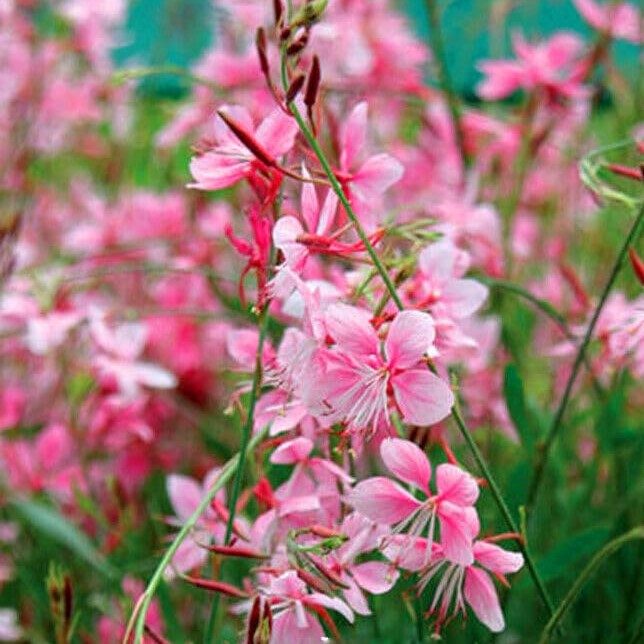
Beeblossom Rosy-White – Seeds (Gaura lindheimeri)
Beeblossom (Gaura lindheimeri) is a graceful perennial, prized for its airy stems and delicate rosy-white flowers that resemble dancing butterflies in the breeze. Flowering over a long season, it adds elegance and movement to borders, cottage gardens, and wildflower-style plantings. Easy to grow and drought-tolerant once established, it thrives in sunny spots and well-drained soil.
Why Grow Beeblossom Rosy-White?
-
Produces clouds of dainty rosy-white blooms
-
Long flowering period, from summer into autumn
-
Perfect for naturalistic, cottage, or pollinator-friendly gardens
-
Drought-tolerant and low-maintenance
Key Features
-
Type: Hardy perennial
-
Height: 60–90 cm
-
Spread: 40–60 cm
-
Flowering: June–October
-
Position: Full sun
-
Soil: Light, well-drained
Sowing & Growing
-
Sow indoors: February–April in trays, lightly cover with compost
-
Germination: 14–30 days at 18–20°C
-
Transplant: When seedlings are large enough, plant outdoors after last frost
-
Spacing: 40 cm apart
-
Can also be sown directly outdoors in May–June
Tip: Beeblossom is ideal for softening borders and pairs beautifully with ornamental grasses.
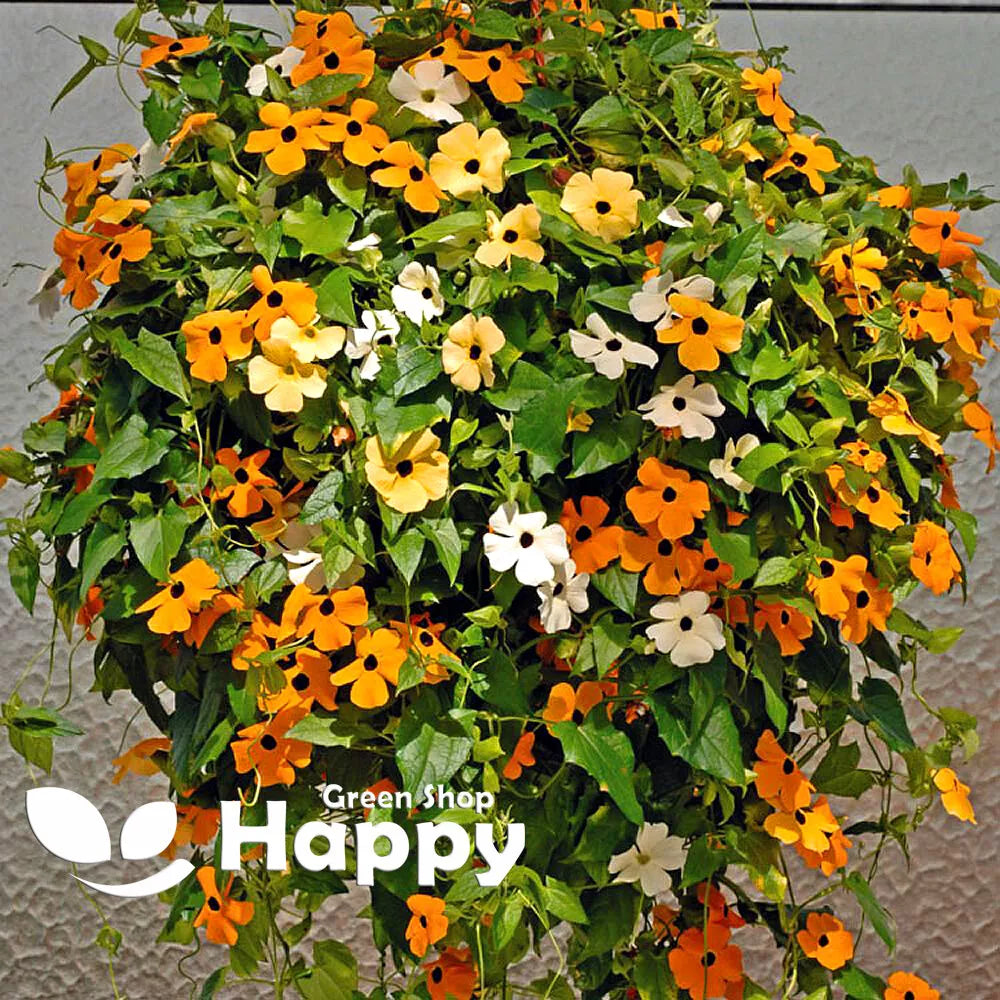
Black-eyed Susan Mix – Seeds
(Thunbergia alata)
Black-eyed Susan Vine (Thunbergia alata) is a fast-growing climber with masses of cheerful, brightly colored blooms in shades of yellow, orange, and cream, each with a characteristic dark center. Perfect for adding a splash of long-lasting color, this mix thrives on trellises, fences, or hanging baskets, creating a vibrant display all summer long.
Why Grow Black-eyed Susan Mix?
-
Free-flowering climber with vivid blooms
-
Long season of color from summer to frost
-
Easy to grow and fast covering
-
Great for both vertical and container gardening
Key Features
-
Type: Annual climber
-
Height: 150–200 cm
-
Flowers: Summer to autumn
-
Position: Full sun or light shade
-
Soil: Fertile, well-drained
Ideal For
-
Covering fences, trellises, and arches
-
Hanging baskets and balcony displays
-
Fast seasonal screening
-
Bright summer color in any garden
Sowing & Growing
-
Sow indoors: February–April in pots/trays at 18–22°C
-
Germination: 14–21 days
-
Transplant: Harden off and plant outside after last frost
-
Outdoor sowing: Late spring in warm soil, directly where plants will climb
-
Support: Provide trellis, netting, or string for climbing habit
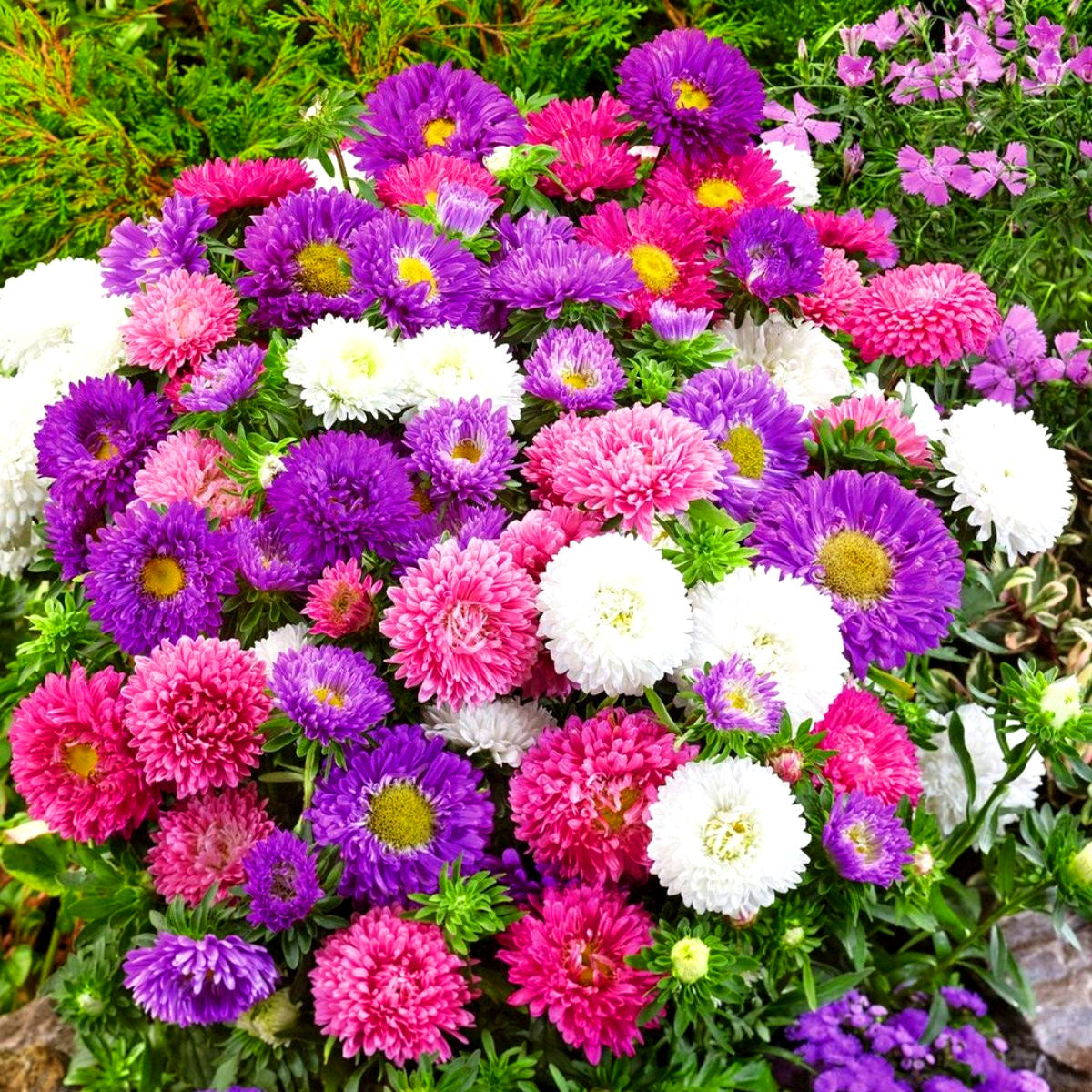
Aster "Color Carpet Mix" – Seeds
(Callistephus chinensis)
Aster "Color Carpet Mix" is a charming dwarf variety that produces a vivid carpet of colorful blooms in late summer and autumn. With compact, bushy growth and daisy-like flowers in shades of pink, purple, red, blue, and white, this mix is perfect for brightening borders, rockeries, and container displays. Long-lasting blooms make them excellent for cutting, bringing cheer indoors as well.
Why Grow Aster "Color Carpet Mix"?
-
Compact, bushy habit with masses of blooms
-
Vibrant mix of summer and autumn colors
-
Long flowering season
-
Great for edging, containers & small gardens
Key Features
-
Type: Half-hardy annual
-
Height: 20–25 cm
-
Blooms: July–October
-
Position: Full sun or partial shade
-
Soil: Well-drained, fertile soil
Ideal For
-
Bedding & edging
-
Rock gardens and low borders
-
Patio containers
-
Cut flower arrangements
Sowing & Growing
-
Sow indoors: February–April, in trays or pots, lightly covering seeds
-
Transplant seedlings outdoors after frost, spacing 20 cm apart
-
Sow outdoors: May, directly where they are to flower
-
Germination: 10–14 days at 18–21°C
-
Remove faded blooms to extend flowering season
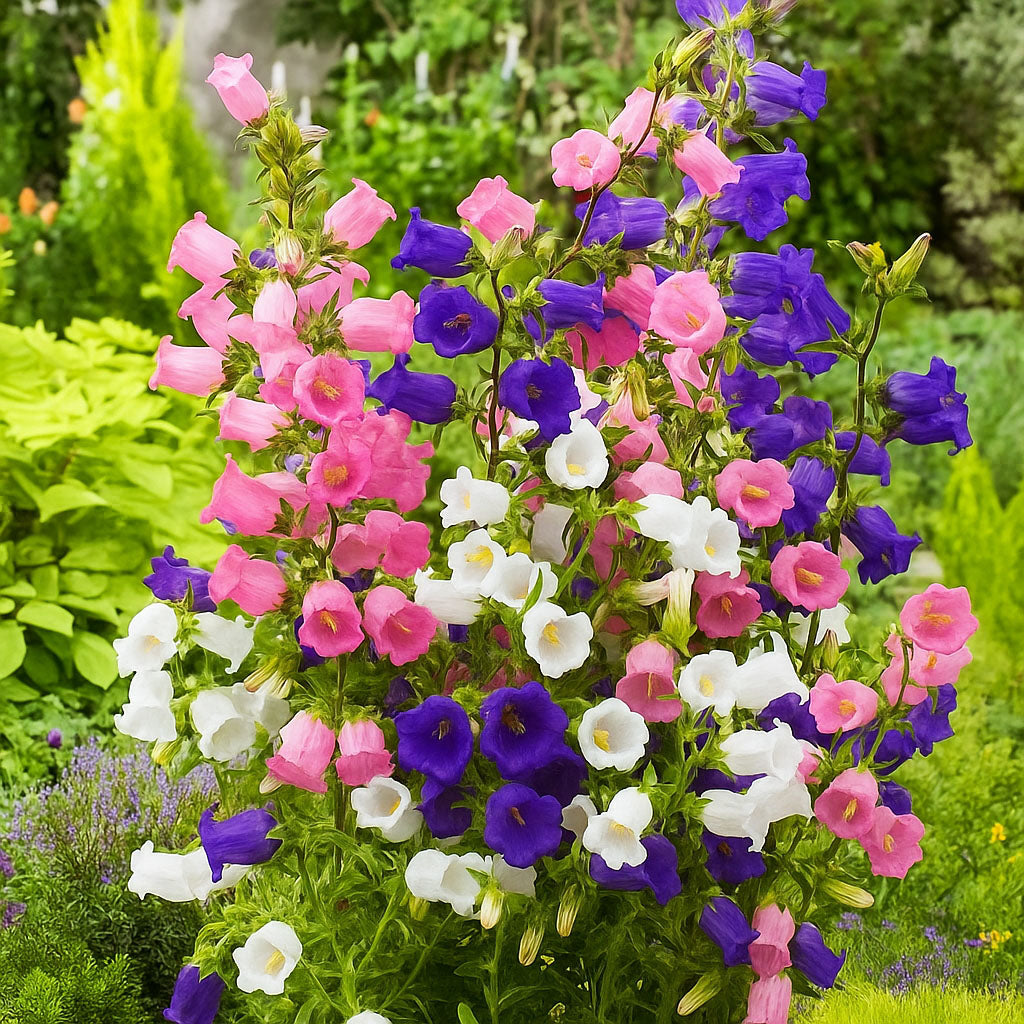
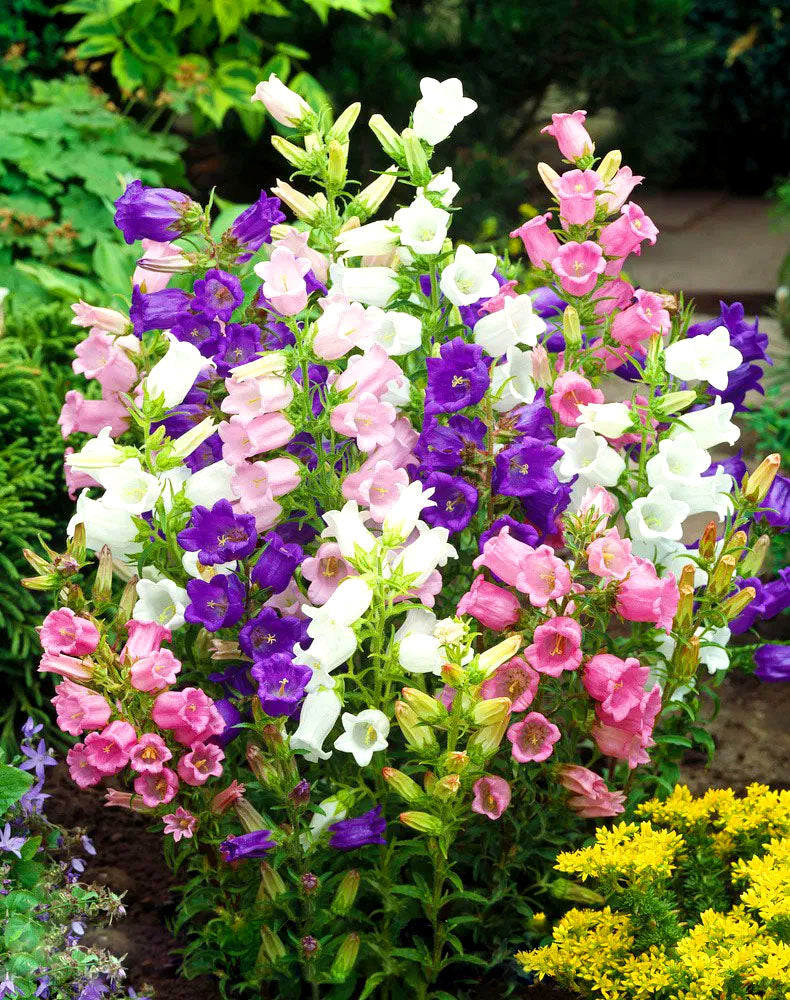
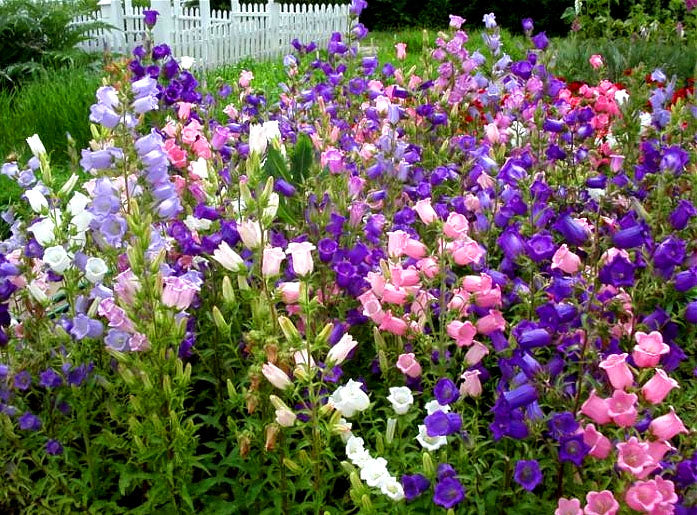
Canterbury Bells Mix Seeds (Campanula medium)
Canterbury Bells are classic biennial flowers cherished for their bell-shaped blooms in a range of vibrant colors. This mix produces tall, elegant stems covered in large, showy flowers that brighten borders, cottage gardens, and cut flower arrangements. With their long-lasting blooms and architectural form, they are perfect for adding vertical interest and charm to any garden.
What Makes It Special
-
Produces bell-shaped flowers in multiple colors
-
Tall, upright growth adds vertical structure to borders
-
Excellent for cut flowers with a long vase life
-
Biennial: flowers in the second year for a reliable display
Key Features
-
Botanical name: Campanula medium
-
Common name: Canterbury Bells
-
Seed count: Approx. seeds per pack
-
Height/Spread: 60–90 cm tall, 25–30 cm spread
-
Position: Full sun to partial shade, well-drained soil
-
Flowering period: Second year; early to mid-summer
-
Lifespan: Biennial
Ideal For
-
Borders and cottage-style gardens
-
Cut flower arrangements
-
Mixed flower beds
-
Pollinator-friendly gardens
Sowing Instructions
-
When to sow:
-
Indoors: February–March for transplanting
-
Outdoors: April–May in well-prepared soil
-
-
How to sow:
-
Sow seeds thinly on surface and lightly press into soil
-
Keep soil moist until germination (10–20 days)
-
-
Transplant/Thin: Space seedlings 25–30 cm apart
-
Care: Protect young plants from frost; stake taller varieties if needed

🌸 Petunia grandiflora F1 ‘Blue Veined’ – Large-Flowered Hybrid with Striking Veined Blooms
Petunia grandiflora F1 ‘Blue Veined’ is an eye-catching large-flowered petunia hybrid producing bold blue to violet blooms highlighted with distinctive darker veining. The flowers are large and showy, creating strong visual impact in containers, hanging baskets, window boxes and bedding displays. Thanks to F1 hybrid vigour, plants are uniform, free-flowering and reliable, performing well throughout the summer season when given sun and regular feeding.
Key Features
● Large grandiflora flowers with decorative blue veining
● F1 hybrid for strong growth and uniform plants
● Long flowering season from early summer to autumn
● Excellent for containers, baskets and bedding
● High ornamental value with intense colour contrast
How to Sow & Grow Petunia ‘Blue Veined’ (UK)
Sow indoors: II–III (February–March)
Transplant outdoors: V–VI (May–June) after last frost
Direct outdoors: Not recommended
Flowering: VI–X (June–October)
Life cycle: Annual
Germination temperature: 20–22 °C (68–72 °F)
Average germ time: 7–14 days
Depth: Surface sow – do not cover; gently press into compost (light required)
Light required: Yes
Moisture: Keep soil evenly moist
Environment: Full sun (tolerates light shade)
Soil type: Fertile, well-drained compost or soil
Plant spacing: 20–25 cm (8–10 in)
Height: 25–30 cm (10–12 in)
Sowing & Growing Tips (variety-specific)
● Start early under cover for the longest flowering period.
● Provide good light to prevent stretching at seedling stage.
● Feed regularly once flowering begins.
● Remove spent flowers or trim lightly to keep plants tidy.
● Protect young plants from cold and strong winds.
Special Features
● Striking veined flower pattern
● Premium F1 hybrid quality
● Excellent summer performance in containers

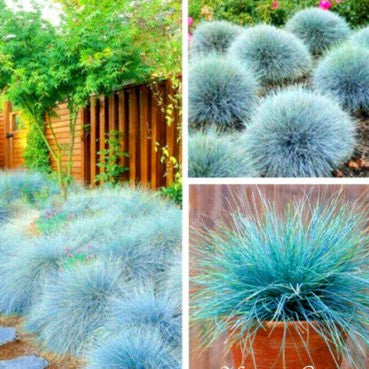
Blue Fescue Grass Seeds (Festuca glauca)
Blue Fescue is a compact, clump-forming ornamental grass prized for its striking silvery-blue foliage and neat rounded habit. It provides year-round interest and a beautiful contrast to flowering plants, rock gardens, or modern landscapes. Easy to grow and low-maintenance, this grass is a top choice for adding texture and color to gardens.
What Makes It Special
-
Stunning steel-blue foliage that keeps its color year-round
-
Compact, tufted shape – perfect for edging or groundcover
-
Extremely hardy and drought-tolerant once established
-
Low-maintenance and versatile in garden design
Key Features
-
Botanical name: Festuca glauca
-
Common name: Blue Fescue
-
Seed count: Approx. seeds per pack
-
Height/Spread: 20–30 cm tall, 25–30 cm spread
-
Position: Full sun; well-drained soil (thrives in poor, dry soils)
-
Flowering period: Summer (produces delicate flower spikes)
-
Lifespan: Hardy perennial
Ideal For
-
Rock gardens and alpine displays
-
Borders and edging along paths
-
Containers and modern minimalist gardens
-
Drought-tolerant or low-maintenance landscapes
-
Adding color contrast to mixed plantings
Sowing Instructions
-
When to sow: February–April indoors or May–June outdoors
-
How to sow:
-
Sow thinly on the surface of moist, well-draining compost
-
Press seeds lightly into the soil, do not cover deeply (light aids germination)
-
Keep at 15–20°C; germination in 14–28 days
-
-
Transplant: When seedlings are large enough, prick out and grow in pots before planting out
-
Planting out: Choose a sunny spot with free-draining soil; avoid overly wet conditions
-
Care: Minimal maintenance required. Cut back old leaves in early spring to encourage fresh growth.


Balcony Flower mix - 0.5g seeds Lobelia Petunia Marigold Busy Lizzie Snapdragon
£1.24
Unit price perBalcony Flower mix - 0.5g seeds Lobelia Petunia Marigold Busy Lizzie Snapdragon
£1.24
Unit price perBalcony Flower Mix – 0.5 g Seeds
Create a vibrant display in pots, window boxes, and hanging baskets with this Balcony Flower Mix. A carefully chosen blend of lobelia, petunia, marigold, busy lizzie, and snapdragon ensures continuous blooms in a rainbow of colors all summer long. Perfect for small spaces, this easy-to-grow mix provides nonstop brightness from early summer until frost.
Why Grow "Balcony Flower Mix"
-
Specially selected for pots, boxes, and baskets
-
Bright, varied colors all season
-
Compact, easy-to-grow varieties
-
Long flowering for summer displays
Key Features
-
Type: Annual flower mix
-
Height: 20–35 cm (varies by species)
-
Flowering: June–October
-
Position: Full sun or partial shade
-
Uses: Balcony boxes, pots, hanging baskets
Ideal For
-
Window boxes and small-space gardening
-
Patio and balcony planters
-
Hanging baskets with trailing and upright forms
-
Continuous summer color
Sowing & Growing
-
Sow indoors: February–April in trays
-
Germination: 10–20 days at 18–22°C
-
Transplant into pots or boxes after frost
-
Space plants 15–20 cm apart
-
Deadhead to extend flowering
Showing 9/26

