
Sort by:
19 products
19 products
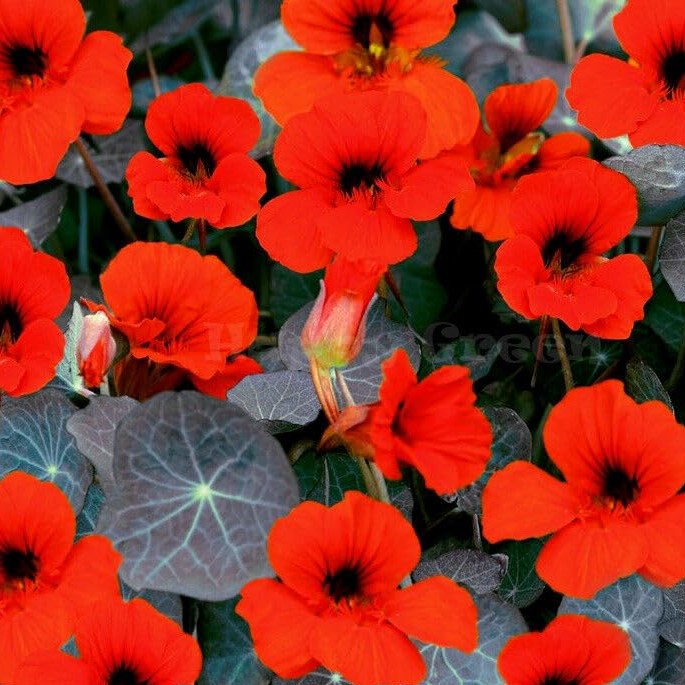
Nasturtium ‘Empress of India’ – Seeds (Tropaeolum nanum)
Nasturtium ‘Empress of India’ (Tropaeolum nanum) is a vibrant annual with striking deep red and dark foliage. Its trailing habit makes it perfect for containers, hanging baskets, and garden borders. Edible flowers and leaves add a peppery flavor to salads and garnishes, while the plant attracts pollinators, creating both beauty and utility in your garden.
Why Grow "Empress of India"
-
Deep red blooms with dark, attractive foliage
-
Trailing habit ideal for containers and hanging baskets
-
Edible flowers and leaves with a peppery taste
-
Attracts bees, butterflies, and other pollinators
Key Features
-
Type: Annual (Tropaeolum nanum)
-
Height: 20–30 cm
-
Flowering: June–September
-
Position: Full sun to partial shade
-
Uses: Containers, hanging baskets, borders, edible garden
Ideal For
-
Edible and ornamental garden planting
-
Hanging baskets and container displays
-
Pollinator-friendly gardens
-
Borders and small garden beds
Sowing & Growing
-
Sow indoors: March–April in trays or pots
-
Sow outdoors: After last frost in prepared soil
-
Germination: 7–14 days at 18–22°C
-
Thin seedlings to 20–25 cm apart
-
Prefers well-drained soil and sunny positions
-
Deadhead to encourage continuous flowering

Pot Marigold Dwarf ‘Sunset Buff’ – Apricot – 1,000 Seeds (Calendula officinalis)
The Dwarf Pot Marigold ‘Sunset Buff’ is a charming, compact variety producing apricot-peach blooms with soft golden undertones. Its warm pastel shades bring a unique elegance to beds, borders, and cottage gardens. Easy to grow and long-flowering, this hardy annual is also edible, with petals traditionally used to decorate salads or for natural dye.
Highlights
-
Distinctive apricot–buff blooms with golden tones
-
Compact, dwarf habit – perfect for pots and borders
-
Long flowering season from early summer to autumn
-
Attracts pollinators and beneficial insects
-
Edible petals for salads and herbal uses
Key Features
-
Botanical Name: Calendula officinalis
-
Variety: Dwarf ‘Sunset Buff’ (Apricot)
-
Seed Count: 1,000 seeds per pack
-
Height/Spread: 25–30 cm tall, compact growth
-
Position: Full sun, well-drained soil
-
Flowering Period: June – October
Perfect For
-
Bedding, borders, and cottage gardens
-
Patio pots and containers
-
Pollinator-friendly gardens
-
Edible flower displays and herbal uses
Sowing Instructions
-
Sow outdoors March–May or August–September for overwintering
-
Sow directly into soil, lightly cover seeds
-
Germination: 7–14 days
-
Thin seedlings to 20–25 cm apart
-
Deadhead regularly for prolonged flowering

Herb Sage – Seeds
(Salvia officinalis)
Herb Sage is a hardy perennial herb prized for its aromatic leaves and culinary versatility. Perfect for seasoning meats, soups, and sauces, its gray-green foliage also adds texture and fragrance to herb gardens. Easy to grow and drought-tolerant once established, it attracts pollinators and enhances both edible and ornamental plantings.
Why Grow Herb Sage?
-
Aromatic leaves for culinary and medicinal use
-
Hardy perennial, drought-tolerant once established
-
Attracts bees and pollinators
-
Adds texture and fragrance to gardens
Key Features
-
Type: Perennial herb
-
Height: 30–60 cm
-
Flowers: Blue-purple, late spring to summer
-
Position: Full sun
-
Soil: Well-drained, moderately fertile
Ideal For
-
Herb and culinary gardens
-
Pollinator-friendly plantings
-
Containers, borders, and rockeries
-
Perennial garden beds
Sowing & Growing
-
Sow indoors: February–April in seed trays
-
Sow outdoors: April–May directly in prepared soil
-
Germination: 14–21 days at 18–20°C
-
Spacing: 25–30 cm apart
-
Care: Moderate watering; prune after flowering to encourage fresh growth
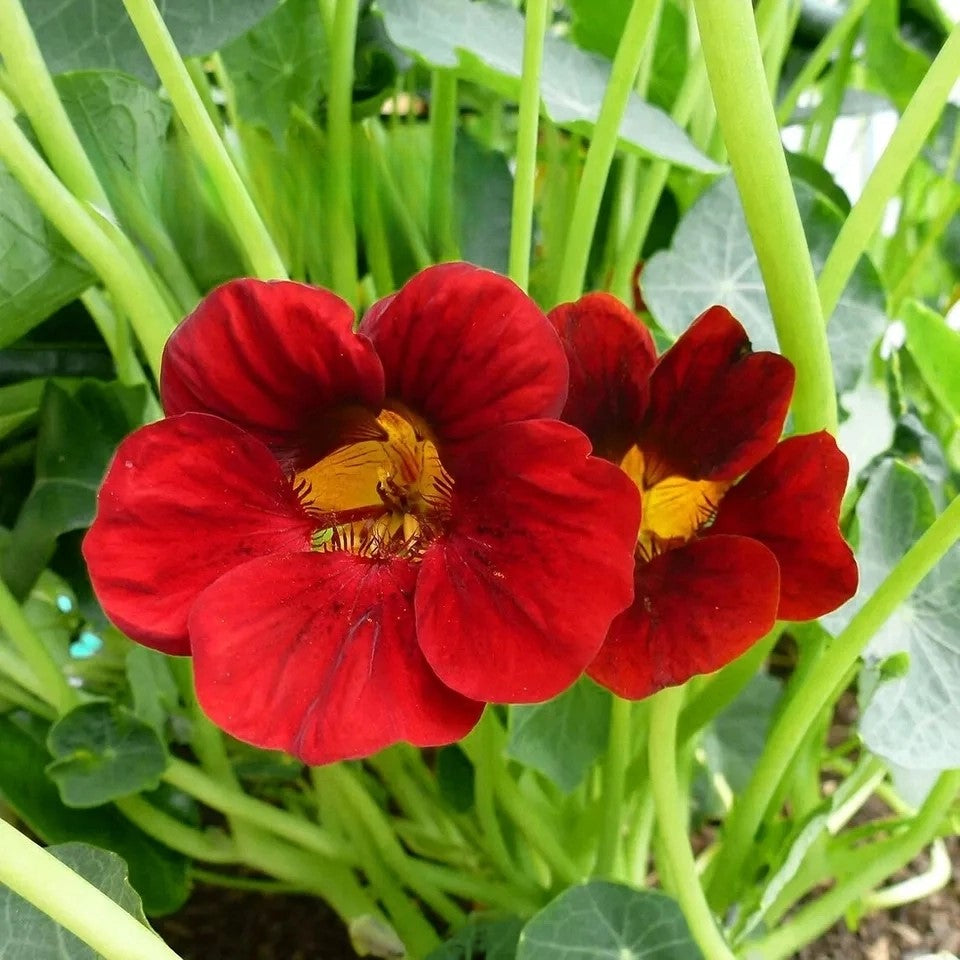
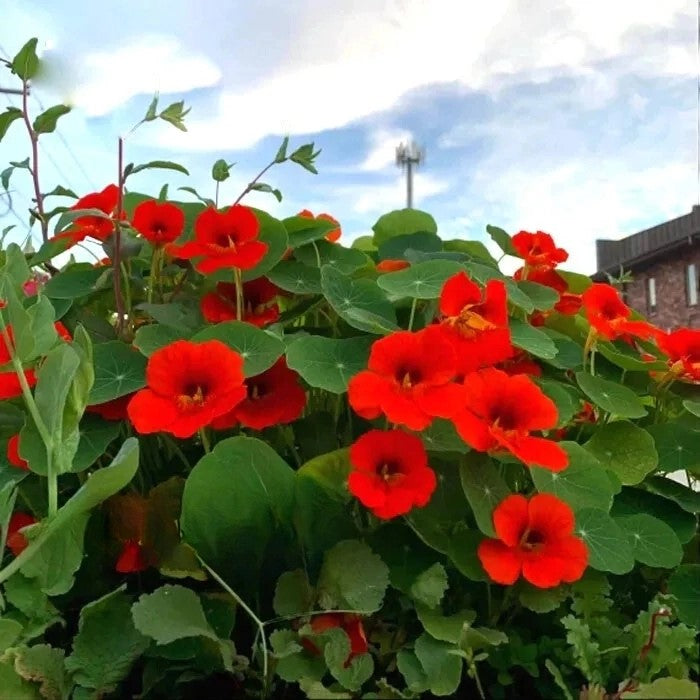
Nasturtium ‘Fiery Festival’ Double Red Seeds (Tropaeolum majus)
Nasturtium ‘Fiery Festival’ is a vibrant annual producing fully double, fiery red blooms with a trailing or bushy habit. Blooming from late spring to autumn, it’s perfect for hanging baskets, containers, and garden borders. Hardy, easy to grow, and edible, its colorful flowers also attract pollinators and add a dramatic splash of color to any garden.
What Makes It Special
-
Fully double, fiery red blooms
-
Edible flowers and attractive to pollinators
-
Hardy, low-maintenance, and long-flowering
Key Features
-
Botanical name: Tropaeolum majus
-
Annual
-
Height: 20–40 cm (bushy) or trailing 50–70 cm
-
Bloom time: Late spring to autumn
Ideal For
-
Hanging baskets, containers, and borders
-
Pollinator-friendly gardens
-
Edible flowers for salads and garnishes
Sowing
-
Sow indoors Feb–Apr or outdoors Apr–Jun
-
Cover seeds lightly with soil
-
Germination: 7–14 days at 18–22°C
-
Space seedlings 25–30 cm apart
-
Flowers the same year
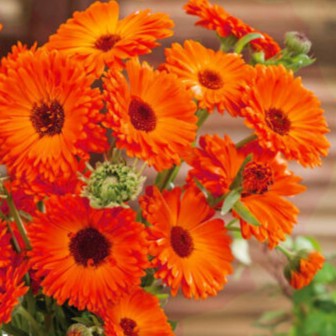
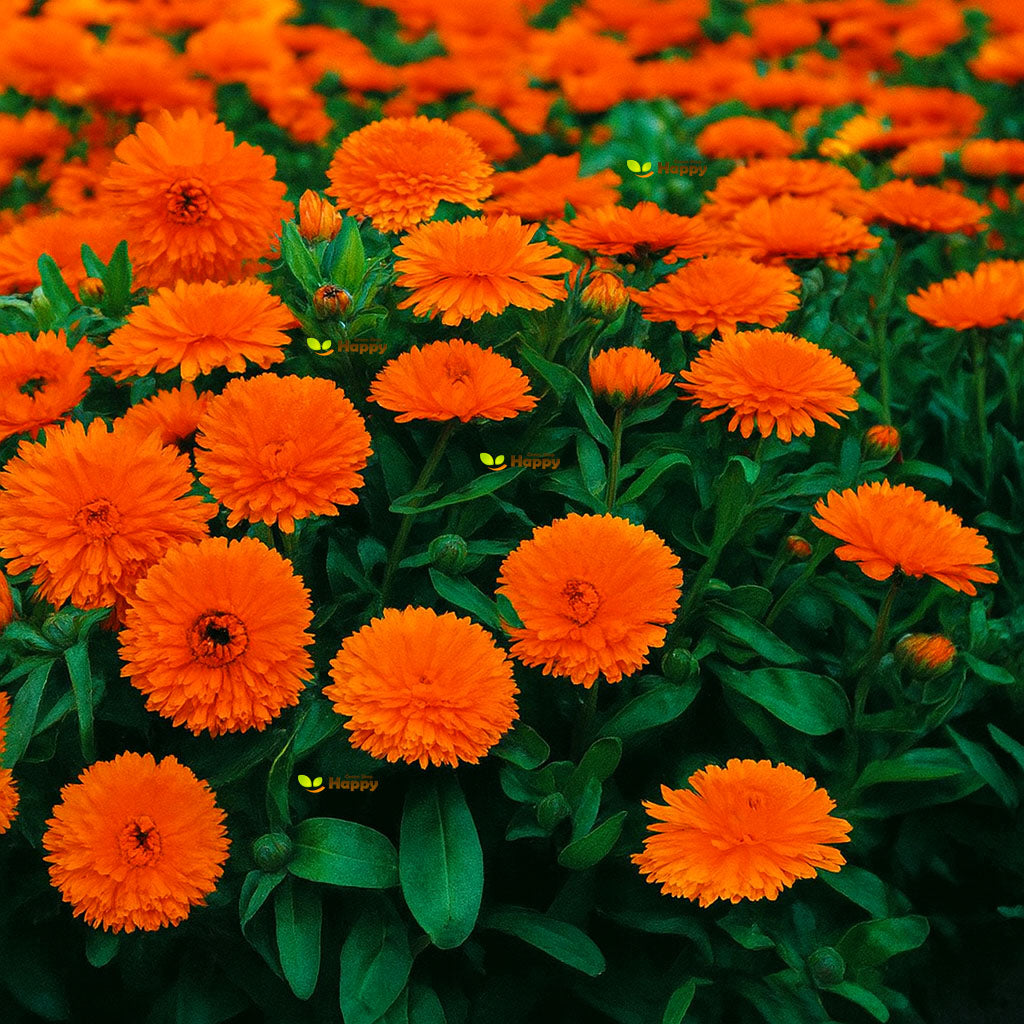
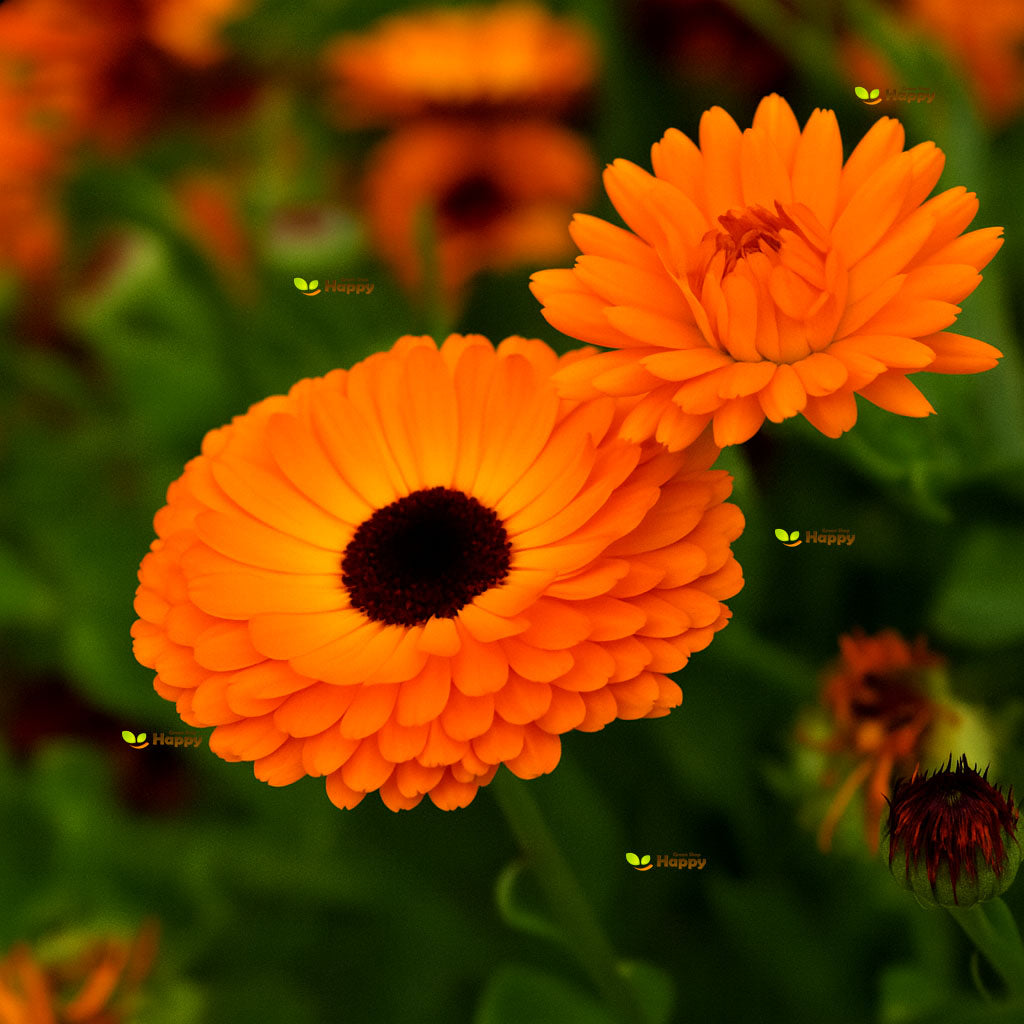
Pot Marigold ‘Geisha Girl’ Seeds (Calendula officinalis)
A charming and easy-to-grow annual, Pot Marigold ‘Geisha Girl’ produces bright, double orange blooms with a cheerful, ruffled appearance. Hardy and long-flowering, this variety is perfect for borders, containers, and edible gardens, attracting pollinators while adding vibrant color from spring through autumn.
What Makes It Special
-
Double, ruffled orange blooms with a striking presence
-
Hardy and low-maintenance, ideal for novice gardeners
-
Attracts bees and butterflies, supports pollinator-friendly gardens
Key Features
-
Botanical name: Calendula officinalis
-
Hardy annual
-
Height: 30–40 cm (12–16 in)
-
Bloom time: Spring to autumn
Ideal For
-
Borders, beds, and edging
-
Containers, pots, and window boxes
-
Pollinator-friendly and edible gardens
Sowing
-
Sow indoors Feb–Apr or outdoors Mar–May
-
Cover lightly with soil and keep moist
-
Germination: 7–14 days at 15–20°C
-
Thin seedlings to 25–30 cm apart
-
Flowers the same year after sowing


POT MARIGOLD NEON - 150 SEEDS - Calendula officinalis double BURGUNDY EDGE
Calendula Neon is one of the most eye-catching varieties, with glowing orange, double flowers edged in burgundy. Calendula is so versatile and so easy to grow from flower seeds! These flowers are cheerful and bright, and they are very attractive to beneficial insects as well. Start seeds alone, in combination with other flowers or in the vegetable garden to repel unwanted insects. It's edible and also a perfect candidate for cutting and flower arrangements. Calendula are drought tolerant plants are a fun and fast-growing annual that are easy to grow from flower seed and simple to care for. It is a great choice for kids and beginning gardeners.
Calendula Officinalis, also known as Pot Marigold, got the name because the dried flowers of the plant were traditionally used in soups and stews to fight off illness. Calendulas are known for many health benefits, but they are most recognized for effectiveness in healing skin problems, such as wounds, burns, insect bites, eczema, shingles and skin ulcers, to name a few. Sow Pot Marigold Seeds directly outdoors after last frost, and cover the flower seeds lightly with peat moss. The plants prefer sunny locations and well-drained soil
Sowing
Season: Annual
Height: 60 cm (24 inches)
Bloom Season: Spring through autumn
Bloom Colour: Orange with a burgundy edge.
Environment: Full sun to partial shade
Soil Type: Moist, well-drained, pH 5.8–6.5
Deer Resistant: Yes
House Plant: No
Latin Name: Calendula Officinalis
Temperature: 21C (70F)
Average Germ Time: 7–14 days
Light Required: No
Depth: Lightly cover with peat moss
Moisture: Keep moist until germination
Plant Spacing: 30 cm (12 inches)
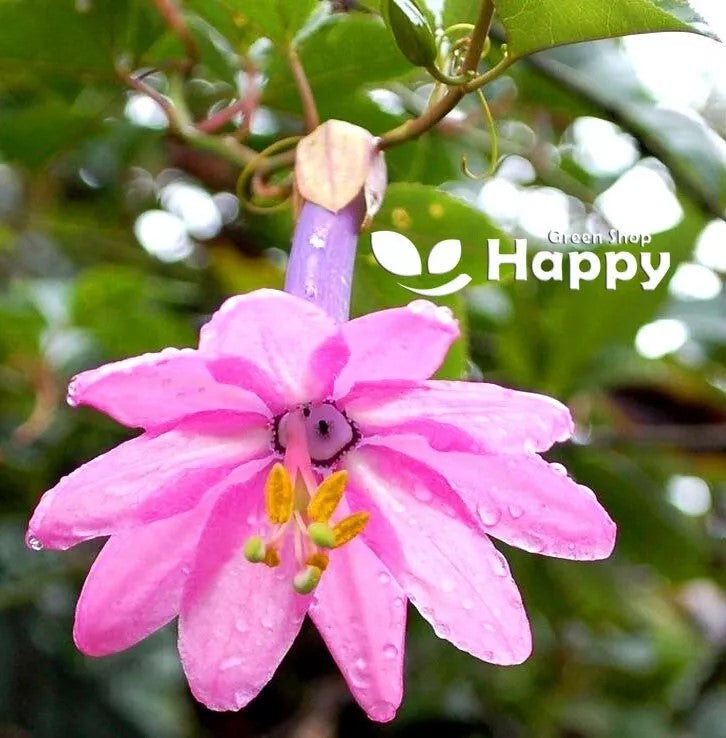

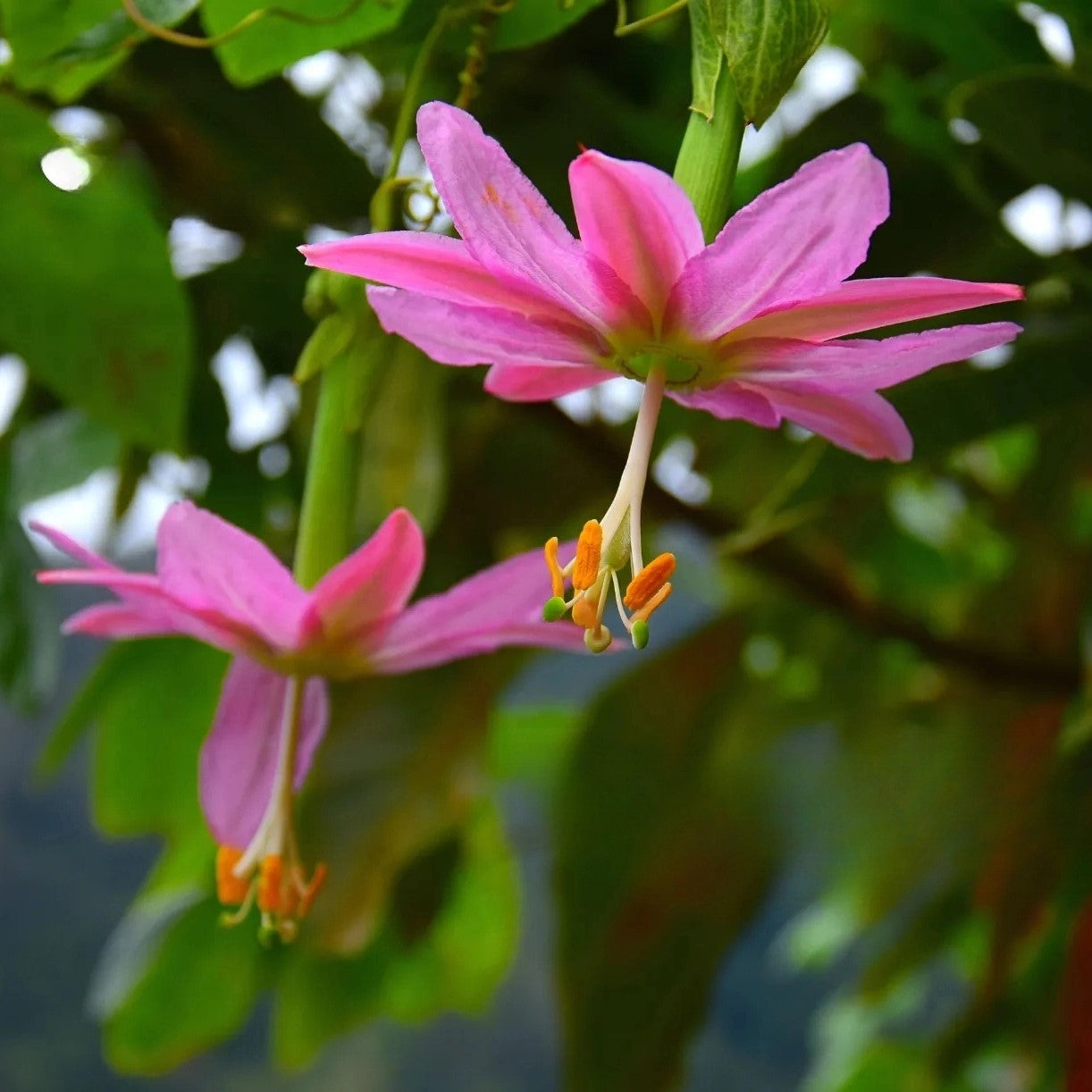
Banana Passionfruit Seeds (Passiflora mollissima)
Banana Passionfruit is a vigorous, fast-growing perennial vine with exotic, banana-shaped fruits and striking passionflower blooms. Ideal for trellises, pergolas, and garden screens, it thrives in sunny, well-drained locations. Hardy and ornamental, it attracts pollinators while producing unique, edible fruits.
What Makes It Special
-
Exotic banana-shaped fruits with sweet, aromatic pulp
-
Striking passionflower blooms
-
Vigorous, fast-growing, and pollinator-friendly
Key Features
-
Botanical name: Passiflora mollissima
-
Perennial vine
-
Height: 3–6 m spread
-
Bloom time: Summer to autumn
-
Fruit: Edible, banana-shaped, aromatic
Ideal For
-
Trellises, pergolas, and garden screens
-
Pollinator-friendly plantings
-
Fruit gardens and ornamental vines
Sowing
-
Sow indoors year-round in a warm environment
-
Cover seeds lightly with soil
-
Germination: 3–6 weeks at 20–25°C
-
Space seedlings 1–2 m apart
-
Fruits and flowers develop 1–2 years after sowing
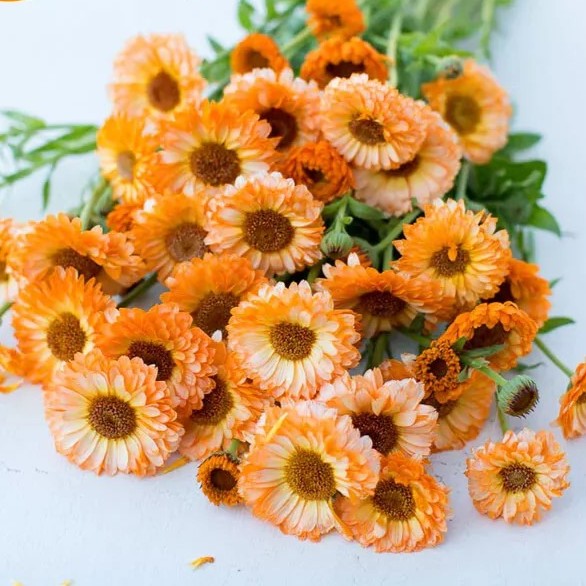
Pot Marigold ‘Double Pink Surprise’ Seeds (Calendula officinalis)
Pot Marigold ‘Double Pink Surprise’ is an annual flower bursting with charming double blooms in soft pink shades. Blooming from early summer to autumn, it adds vibrant color to borders, containers, and cottage gardens. Easy to grow and hardy, it also attracts pollinators and makes excellent cut or edible flowers.
What Makes It Special
-
Double soft pink blooms with long flowering season
-
Hardy and easy-to-grow annual
-
Attracts bees and butterflies; edible petals
Key Features
-
Botanical name: Calendula officinalis
-
Annual
-
Height: 30–50 cm
-
Bloom time: Early summer to autumn
Ideal For
-
Borders, containers, and cottage gardens
-
Pollinator-friendly plantings
-
Cut flowers and edible flower gardens
Sowing
-
Sow outdoors Mar–Jun or indoors Feb–Apr
-
Cover seeds lightly with soil
-
Germination: 7–14 days at 15–20°C
-
Thin seedlings 25–30 cm apart
-
Flowers the same year
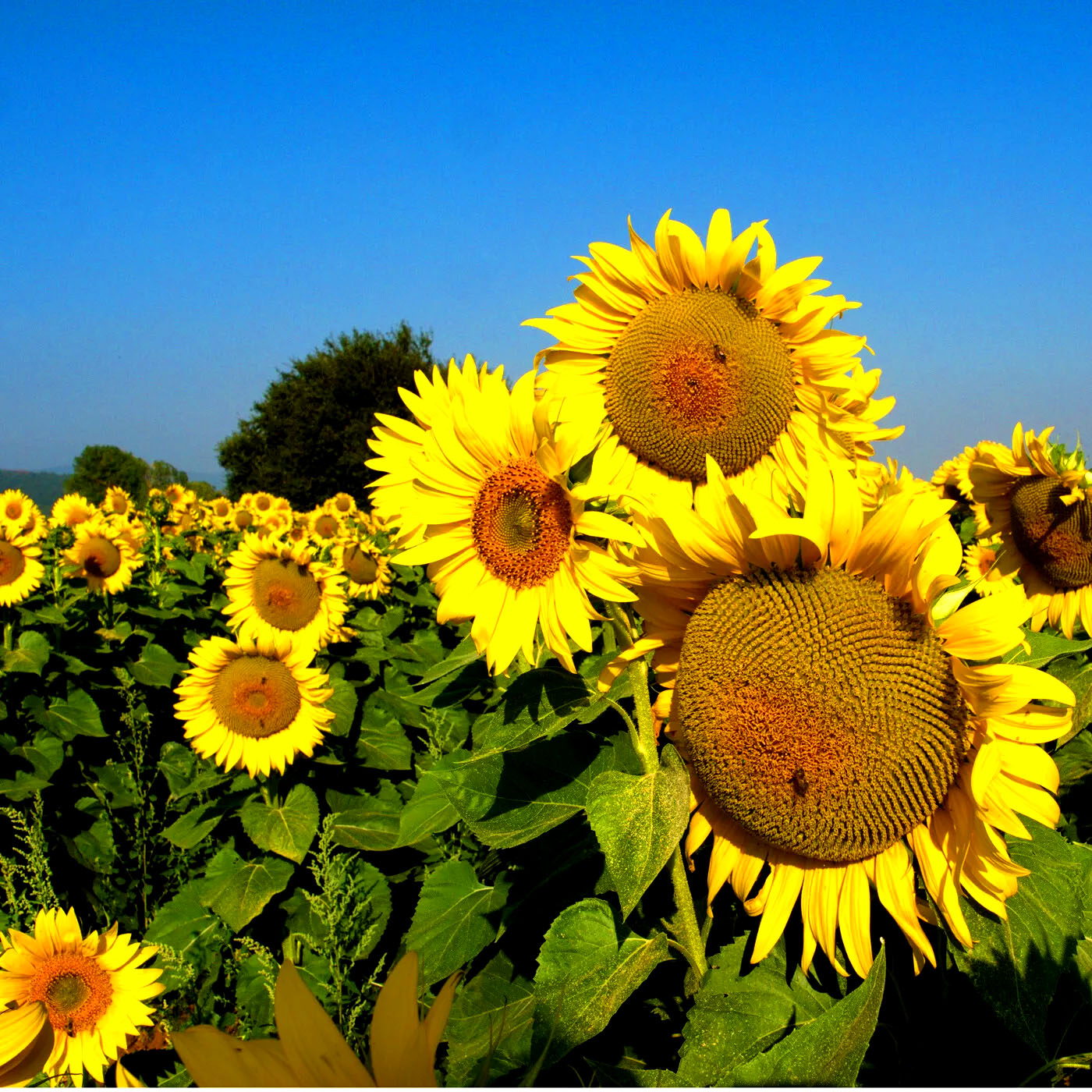
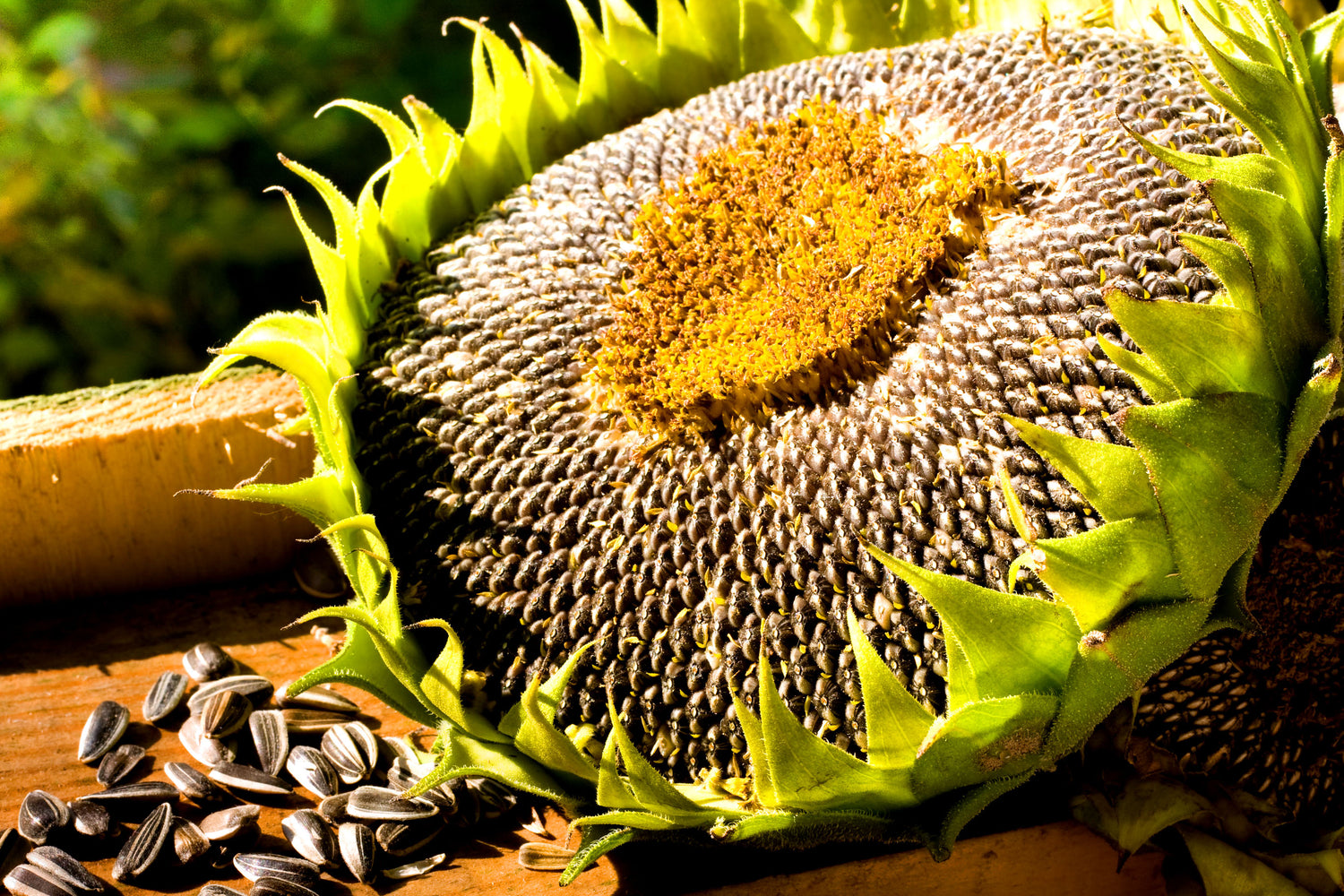

Edible Sunflower Seeds (Helianthus annuus)
Bring bold beauty and flavor to your garden with Edible Sunflower (Helianthus annuus). This classic giant produces tall stems topped with golden-yellow blooms and plump, edible seeds. Both ornamental and practical, sunflowers are perfect for brightening garden spaces while providing a nutritious harvest for roasting or snacking.
How to Grow
-
Sow seeds directly outdoors from mid-spring after the last frost.
-
Choose fertile, well-drained soil in a sunny, sheltered spot.
-
Sow seeds 1.5–2.5 cm deep, spacing plants 30–45 cm apart.
-
Keep soil moist until seedlings are established.
-
Harvest seeds once the flower heads turn brown and dry.
Key Features
-
Produces tall, golden blooms and edible seeds
-
Dual-purpose: ornamental and nutritious
-
Seeds perfect for roasting and healthy snacking
-
Easy to grow and pollinator-friendly
-
Adds height and drama to garden borders and allotments
Ideal For
-
Home gardens, borders, and allotments
-
Harvesting seeds for roasting or snacks
-
Attracting pollinators and beneficial wildlife
-
Gardeners seeking both beauty and practicality
Sowing
-
Best time: Mid to late spring outdoors
-
Depth: 1.5–2.5 cm
-
Spacing: 30–45 cm apart
-
Prefers full sun and fertile, well-drained soil
Quick Tip
-
Cover ripening flower heads with netting to protect seeds from birds before harvest.
Showing 9/19


