
Sort by:
15 products
15 products

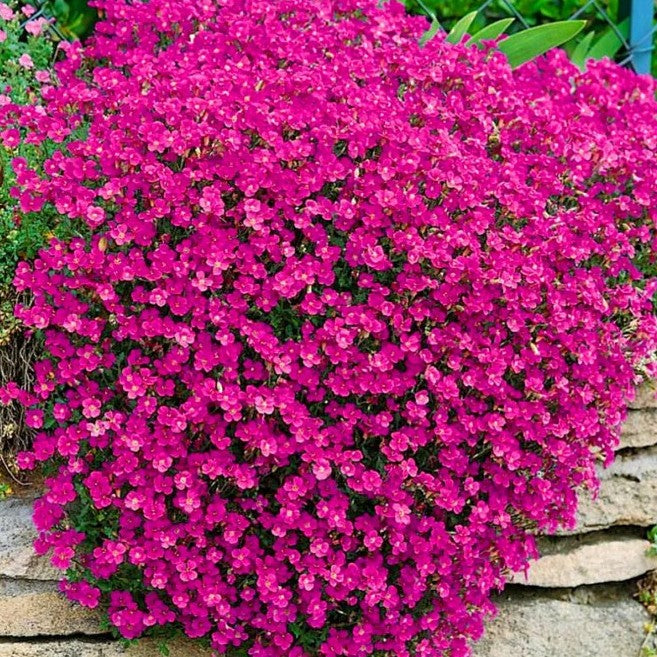
Rock Cress Red – 300 Seeds (Aubrieta cultorum)
Rock Cress Red (Aubrieta cultorum) is a low-growing perennial with vibrant red flowers that form a dense, carpet-like display. Ideal for rockeries, walls, and borders, it blooms in early spring, adding an eye-catching splash of color to gardens. Hardy and easy to grow, it attracts pollinators and thrives in sunny, well-drained spots.
Why Grow "Rock Cress Red"
-
Bright red flowers forming a dense, trailing carpet
-
Early spring blooms for early garden color
-
Hardy, low-maintenance perennial
-
Attracts bees and other pollinators
Key Features
-
Type: Perennial (Aubrieta cultorum)
-
Height: 10–15 cm
-
Flowering: March–May
-
Position: Full sun to partial shade
-
Uses: Rockeries, walls, borders, ground cover
Ideal For
-
Rock gardens and alpine plantings
-
Borders and edging
-
Pollinator-friendly garden spaces
-
Ground cover for sunny spots
Sowing & Growing
-
Sow indoors: February–April in trays
-
Sow outdoors: April–May in prepared soil
-
Germination: 10–20 days at 18–20°C
-
Thin seedlings to 15–20 cm apart
-
Prefers full sun and well-drained soil
-
Prune lightly after flowering to encourage compact growth
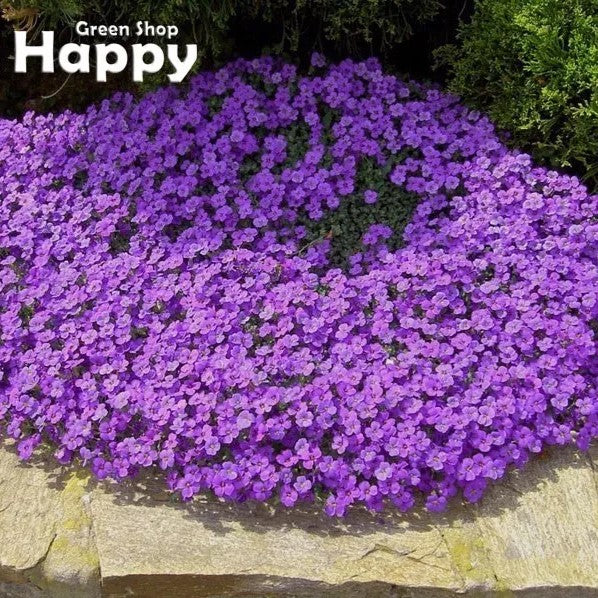
Rock Cress Hendersonii Lilac Seeds (Aubrieta hybrida) – 400 Seeds
Create a vibrant spring display with Rock Cress Hendersonii Lilac (Aubrieta hybrida). This hardy perennial forms dense mats of evergreen foliage adorned with masses of lilac-purple flowers, perfect for rock gardens, borders, and walls. Low-maintenance and spreading, it’s ideal for adding early-season color and attracting pollinators to your garden.
How to Grow
-
Sow indoors in late winter or directly outdoors in spring.
-
Use well-drained soil in a sunny location.
-
Scatter seeds thinly on the surface and press lightly; do not cover.
-
Keep soil moist until germination (14–21 days).
-
Thin seedlings to 15–20 cm apart once established.
-
Allow plants to form a dense mat; trim lightly after flowering if desired.
Key Features
-
Masses of lilac-purple blooms over dense evergreen foliage
-
Hardy perennial, returning year after year
-
Thrives in sunny, well-drained locations
-
Ideal for rock gardens, borders, walls, and edging
-
Attracts bees and other pollinators
Ideal For
-
Rock gardens and sunny borders
-
Garden walls, raised beds, and edging
-
Groundcover in sunny, well-drained areas
-
Pollinator-friendly landscapes
Sowing
-
Best time: Late winter indoors or early spring outdoors
-
Germination: 14–21 days
-
Sow thinly on soil surface, press lightly, do not cover
-
Prefers full sun and well-drained soil
Quick Tip
-
Let plants spread naturally to form a dense, flowering mat; light trimming after flowering promotes fresh growth and keeps the display neat.
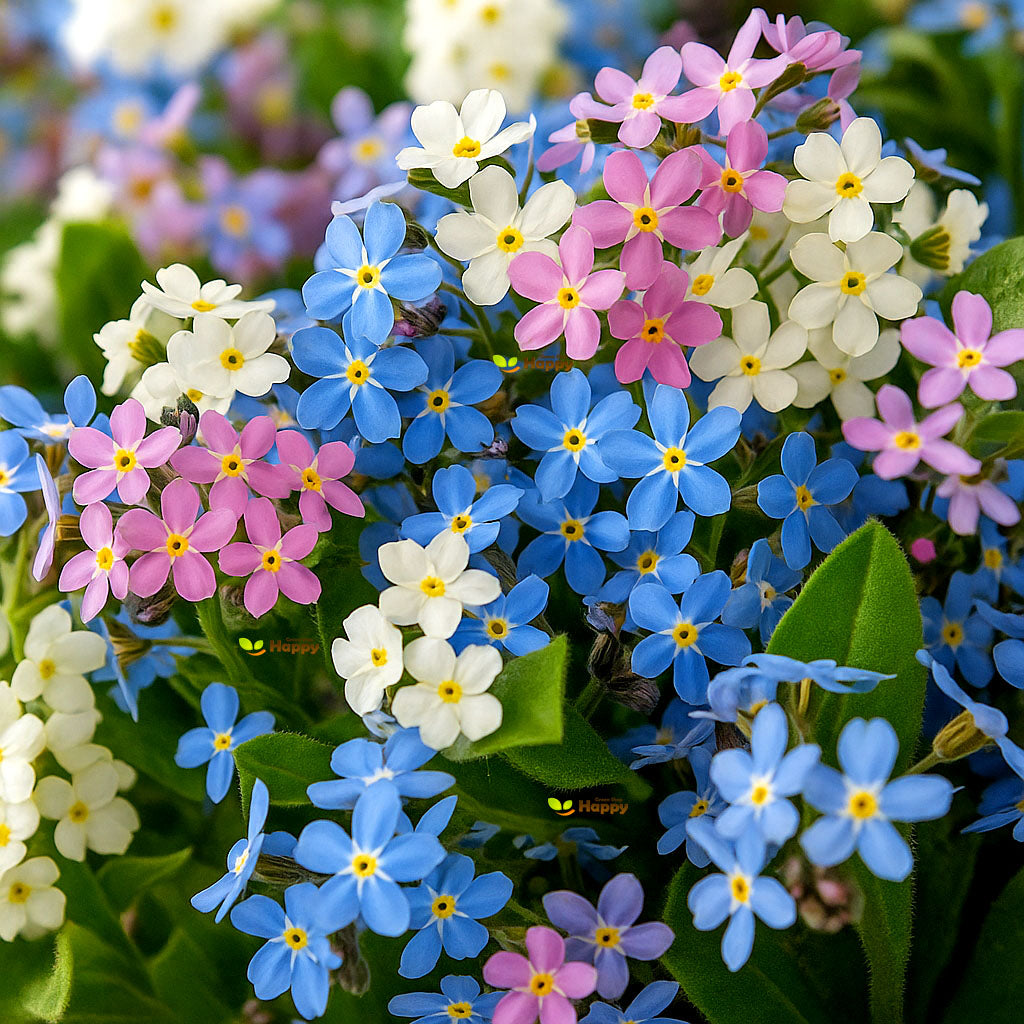
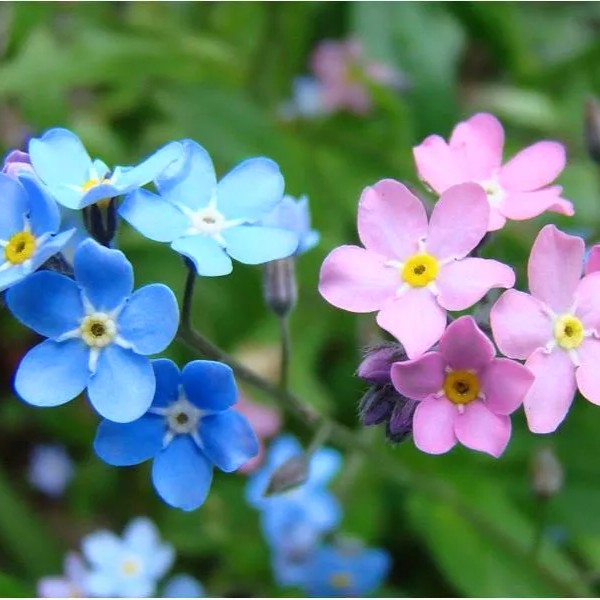
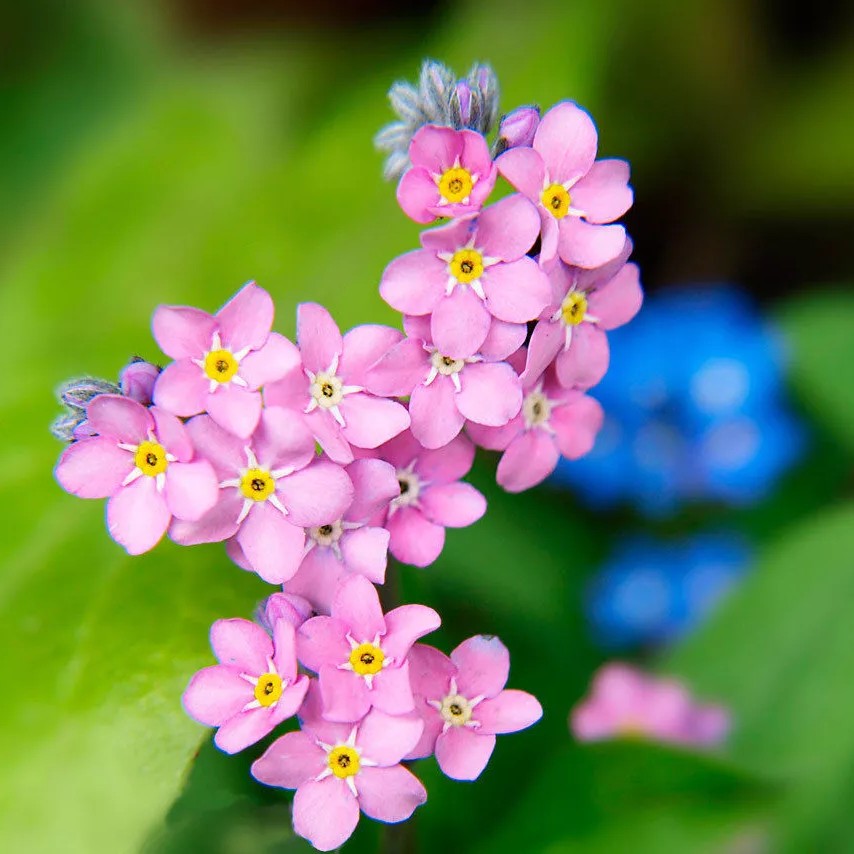
Alpine Forget-Me-Not Mix Seeds (Myosotis alpestris)
The Alpine Forget-Me-Not Mix is a charming, low-growing perennial that produces masses of tiny star-shaped flowers in soft shades of blue, pink, and white. Known for their delicate beauty and sentimental symbolism, forget-me-nots are perfect for naturalizing in borders, rock gardens, and wildflower meadows. These compact plants are especially suited for alpine and cottage garden settings, where they create a cheerful carpet of spring color.
What Makes It Special
-
Beloved for their dainty flowers and long-lasting symbolism of remembrance
-
Compact, low-growing plants ideal for rock gardens and alpine beds
-
Early-season blooms bring vibrant color to spring gardens
-
Excellent for naturalizing and combining with tulips or daffodils
Key Features
-
Botanical name: Myosotis alpestris
-
Variety: Alpine Mix
-
Height/Spread: 15–25 cm tall, 15–20 cm spread
-
Position: Full sun to partial shade; thrives in moist, well-drained soil
-
Flowering period: Spring to early summer
-
Lifespan: Hardy perennial (often grown as biennial in some climates)
Ideal For
-
Rock gardens and alpine beds
-
Cottage gardens and wildflower meadows
-
Spring bulb companions (daffodils, tulips)
-
Borders, edging, and naturalized plantings
Sowing Instructions
-
When to sow: Late spring to early summer (May–July) for flowers the following year.
-
How to sow:
-
Sow thinly in trays or directly in a prepared bed.
-
Cover lightly with fine soil or compost.
-
Keep soil moist until germination (1–3 weeks).
-
-
Transplant/Thin: Space plants 15–20 cm apart.
-
Care: Prefers cool, moist conditions. Allow some plants to self-seed for naturalized drifts.
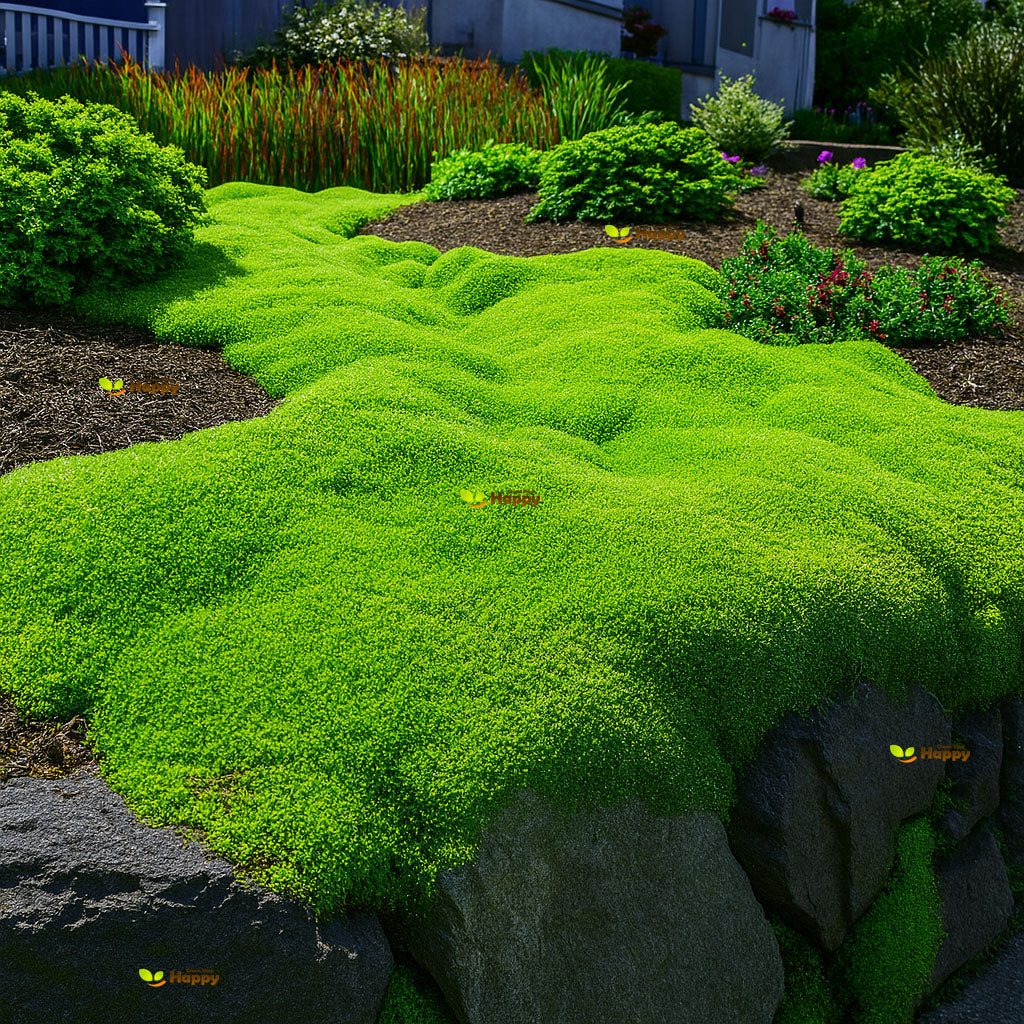
Irish Moss – Seeds (Sagina subulata)
Heath Pearlwort Lawn – Perennial
Irish Moss (Sagina subulata) is a charming, low-growing perennial that forms a lush, dense carpet of vibrant green foliage. Ideal as a natural lawn alternative, it produces tiny, star-like white flowers in late spring to summer, adding a delicate sparkle to its moss-like mat. Soft underfoot and evergreen, it’s perfect for pathways, rockeries, and between stepping stones.
Why Grow Irish Moss?
-
Evergreen groundcover with soft, mossy texture
-
Produces dainty white star flowers in summer
-
Thrives as a lawn substitute or between paving stones
-
Low-maintenance, drought-tolerant once established
Key Features
-
Type: Perennial groundcover
-
Height: 2–5 cm
-
Spread: 15–30 cm
-
Flowers: Late spring to summer
-
Position: Sun to partial shade
-
Soil: Moist, well-drained, prefers slightly acidic soil
Ideal For
-
Lawn alternatives and green carpets
-
Rockeries and alpine gardens
-
Filling gaps between paving stones
-
Borders, containers, and shady spots
Sowing & Growing
-
Sow indoors: Early spring, press seeds lightly into moist compost (do not cover – light aids germination)
-
Germination: 14–28 days at 15–20°C
-
Transplant: When seedlings are strong, plant out after last frost
-
Outdoor sowing: Scatter in prepared soil, gently press down
-
Watering: Keep evenly moist during establishment
Tip: Irish Moss creates a resilient, evergreen carpet that softens paths and borders while suppressing weeds naturally.
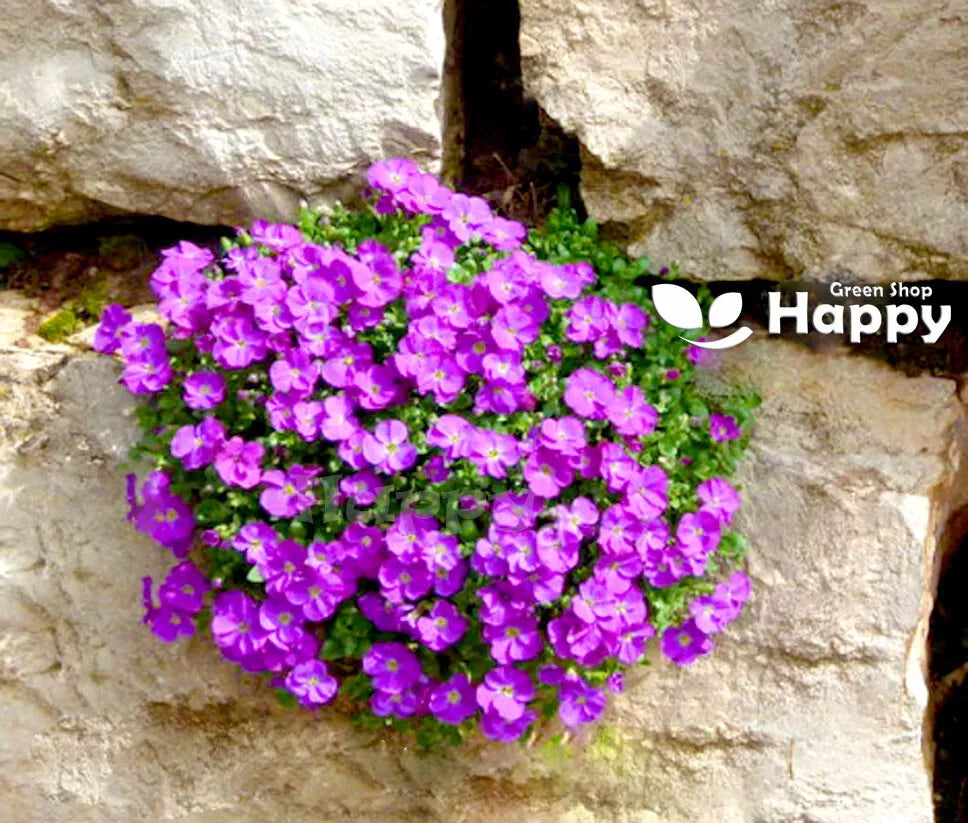
Rock Cress Cascade ‘Leichtlinii’ – Seeds
(Aubrieta cultorum)
Rock Cress Cascade ‘Leichtlinii’ is a hardy perennial that forms a dense, cascading mat of vibrant purple flowers in spring. Perfect for rockeries, walls, and borders, its low-growing habit and abundant blooms create a stunning floral carpet. It’s drought-tolerant, easy to grow, and attracts pollinators.
Why Grow Rock Cress ‘Leichtlinii’?
-
Dense cascading growth with vibrant purple flowers
-
Hardy perennial with long-lasting spring blooms
-
Excellent for rockeries, walls, and borders
-
Attracts bees and butterflies
Key Features
-
Type: Perennial
-
Height: 10–15 cm
-
Flowers: Spring
-
Position: Full sun to partial shade
-
Soil: Well-drained, moderately fertile
Ideal For
-
Rockeries and alpine gardens
-
Walls, slopes, and borders
-
Pollinator-friendly plantings
-
Low-maintenance groundcover
Sowing & Growing
-
Sow indoors: February–April in seed trays
-
Sow outdoors: April–May directly in prepared soil
-
Germination: 14–21 days at 18–20°C
-
Spacing: 15–20 cm apart
-
Care: Minimal maintenance; trim after flowering to maintain shape
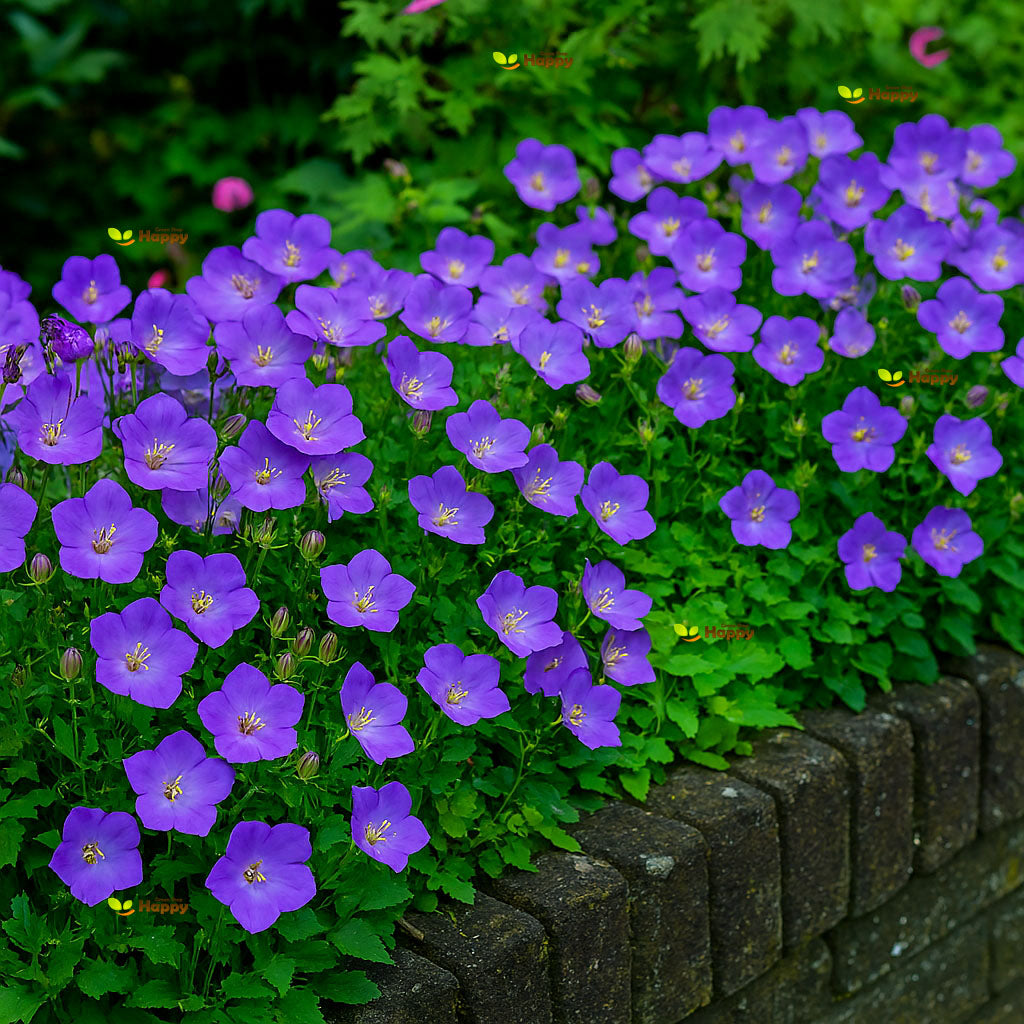
Tussock Bellflower Purple Seeds (Campanula carpatica ‘Purple’)
A compact and hardy perennial, Tussock Bellflower Purple produces charming, deep purple bell-shaped flowers on low mounds of foliage. Ideal for rock gardens, borders, and container planting, this plant adds long-lasting color and attracts pollinators in late spring and early summer.
What Makes It Special
-
Deep purple, bell-shaped flowers on compact mounds
-
Hardy and low-maintenance, perfect for rockeries and borders
-
Attracts bees and butterflies, supporting pollinator gardens
Key Features
-
Botanical name: Campanula carpatica
-
Hardy perennial
-
Height: 15–20 cm (6–8 in)
-
Bloom time: Late spring to early summer
Ideal For
-
Rock gardens and alpine plantings
-
Garden borders and edging
-
Containers, pots, and small garden spaces
Sowing
-
Sow indoors Feb–Apr or outdoors Mar–May
-
Cover lightly with soil and keep moist
-
Germination: 14–28 days at 15–20°C
-
Thin seedlings to 20–25 cm apart
-
Flowers the first or second season after sowing
Rock Cress White Seeds (Arabis caucasica ‘White’)
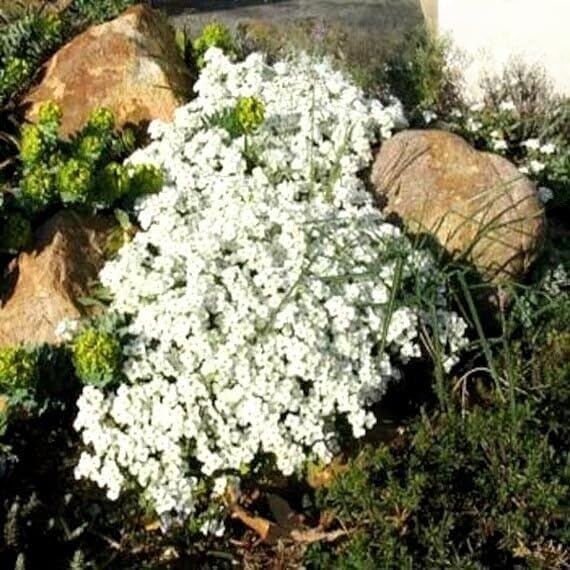
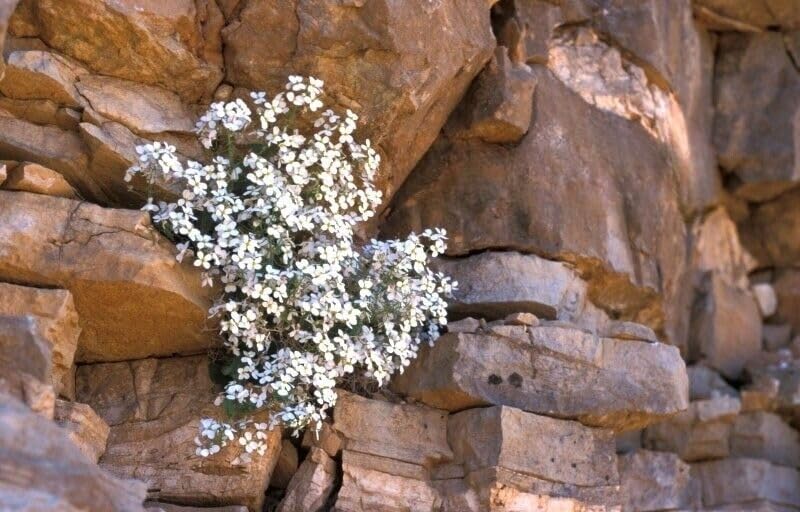
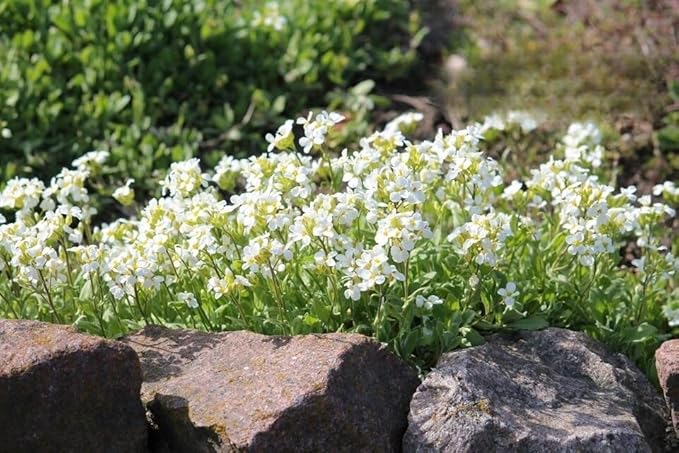
A low-growing and hardy perennial, Rock Cress White produces a carpet of delicate white flowers in early spring, perfect for adding brightness to rock gardens, borders, and containers. Compact and evergreen, it provides early-season color and attracts pollinators.
What Makes It Special
-
Masses of pure white blooms in early spring
-
Compact, low-growing, and evergreen foliage
-
Ideal for rock gardens, borders, and containers
Key Features
-
Botanical name: Arabis caucasica ‘White’
-
Hardy perennial
-
Height: 10–15 cm (4–6 in)
-
Bloom time: Early spring
Ideal For
-
Rock gardens and alpine plantings
-
Borders and edging
-
Container plantings for early-season color
Sowing
-
Sow indoors Feb–Apr or outdoors Mar–May
-
Cover lightly with soil and keep moist
-
Germination: 14–21 days at 15–20°C
-
Thin seedlings 15–20 cm apart
-
Flowers in the first or second season after sowing
Rock Cress 'Cascade Mix' Seeds (Aubrieta cultorum hybrida)
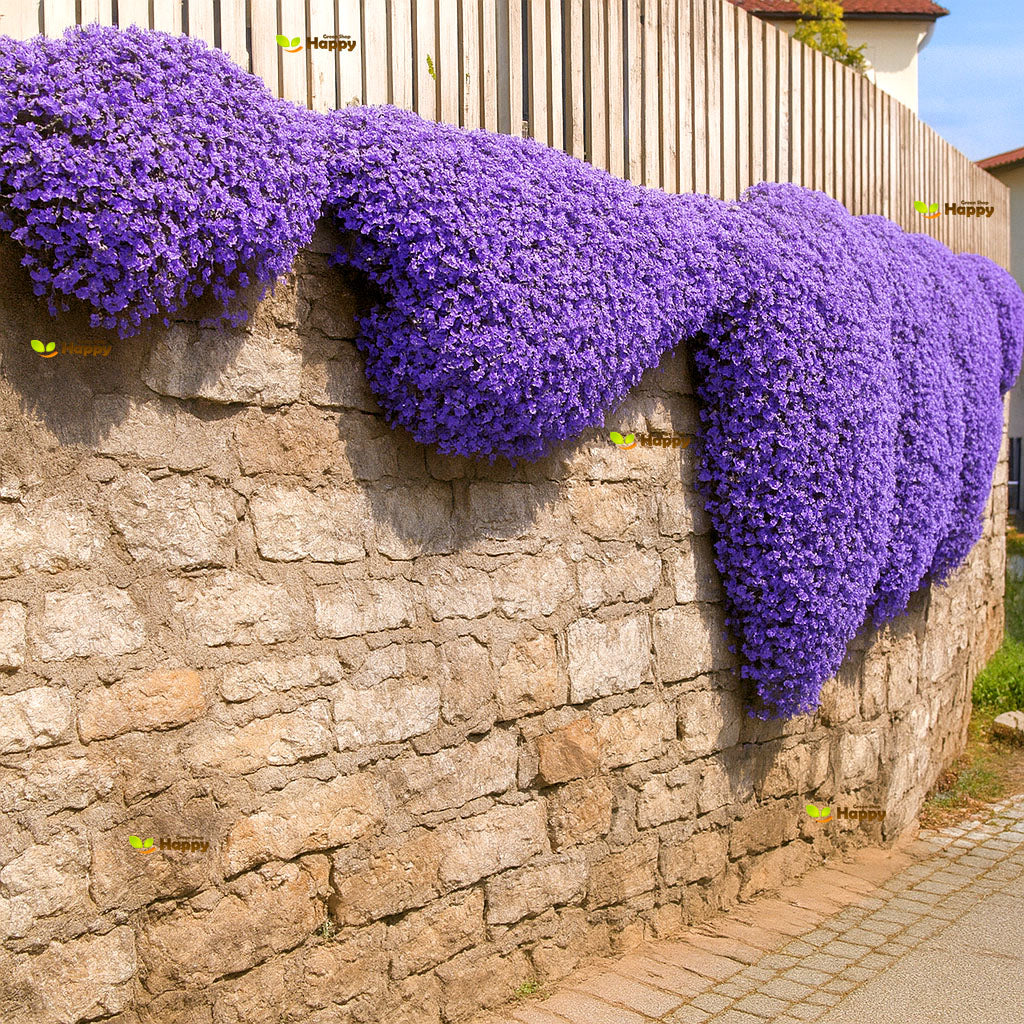
Rock Cress 'Cascade Mix' is a low-growing perennial that creates a carpet of vibrant spring color. Its trailing habit and masses of purple, pink, red, and violet blooms spill beautifully over walls, borders, and rock gardens. Hardy and easy to grow, it’s a spring favorite for adding rich groundcover.
What Makes It Special
-
Produces a cascade of bright spring flowers
-
Excellent for rockeries, walls, and edging
-
Hardy and long-lasting groundcover
Key Features
-
Botanical name: Aubrieta cultorum hybrida
-
Hardy perennial
-
Height: 10–15 cm
-
Bloom time: Spring to early summer
Ideal For
-
Rock gardens and slopes
-
Edging and groundcover
-
Walls, containers, and cottage gardens
Sowing
-
Sow indoors Feb–Apr or outdoors Apr–Jun
-
Lightly cover seeds with soil
-
Germination: 14–21 days at 18–20°C
-
Transplant 20–25 cm apart
-
Flowers from the second year onward
Alpine Forget-Me-Not White Seeds (Myosotis alpestris)
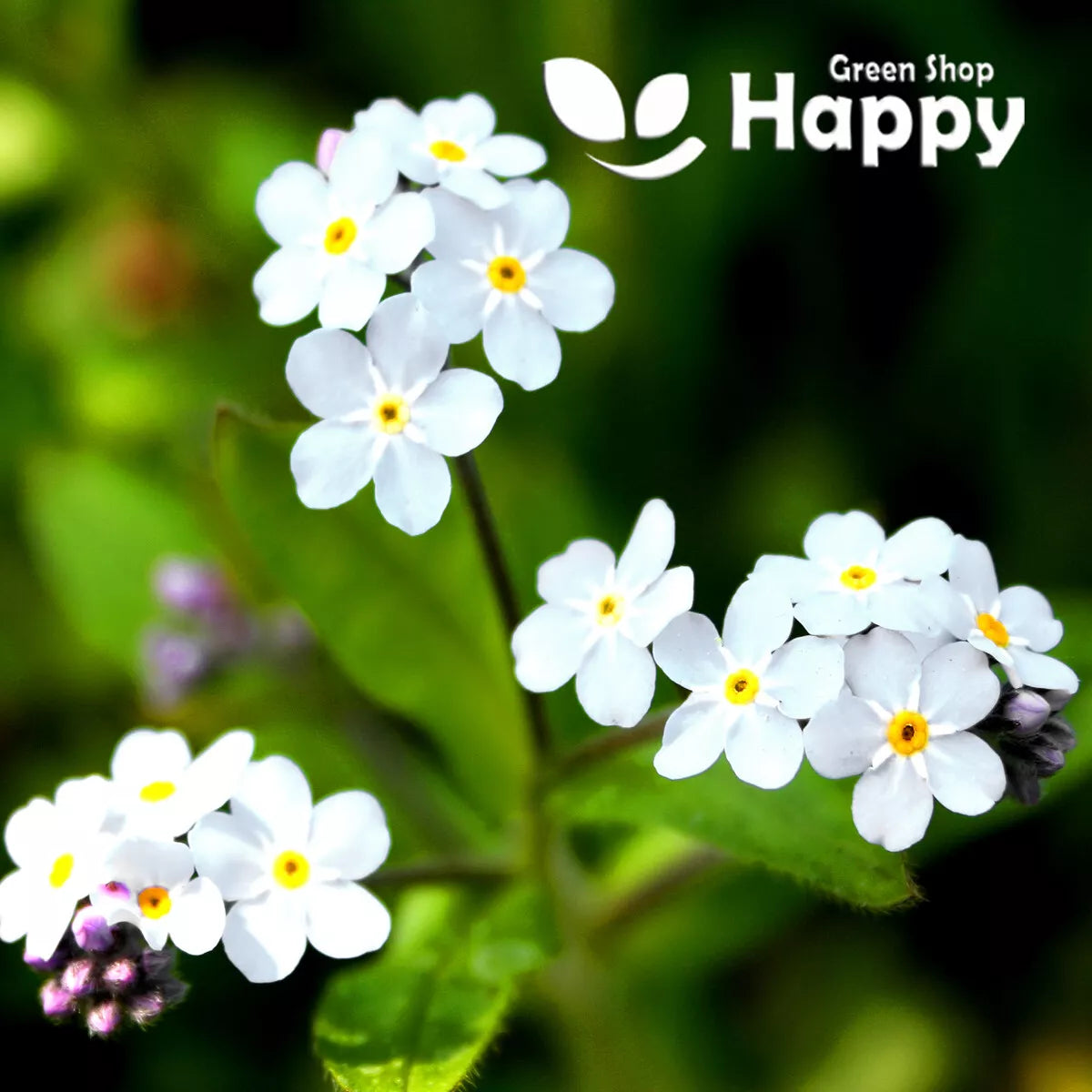
The Alpine Forget-Me-Not White is a rare and elegant form of the classic alpine flower, producing clusters of pure white star-like blooms with delicate yellow centers. Compact and easy to grow, this hardy perennial is perfect for adding a touch of brightness to shady corners, rockeries, and spring borders. Its soft charm makes it a beautiful companion to blue and pink varieties, creating a natural alpine display.
What Makes It Special
-
Unusual snow-white blooms, less common than the classic blue
-
Hardy and resilient, ideal for cool and mountainous conditions
-
A symbol of purity, remembrance, and enduring affection
-
Pairs beautifully with colored alpine flowers and spring bulbs
Key Features
-
Botanical name: Myosotis alpestris
-
Variety: Alpine White
-
Height/Spread: 15–25 cm tall, 15–20 cm spread
-
Position: Full sun to partial shade; prefers moist, well-drained soil
-
Flowering period: Spring to early summer
-
Lifespan: Hardy perennial (often grown as a biennial)
Ideal For
-
Rock gardens and alpine borders
-
Shady garden spots
-
Cottage and wildflower gardens
-
Mixed displays with blue and pink forget-me-nots
-
Spring bulb underplanting (tulips, daffodils, hyacinths)
Sowing Instructions
-
When to sow: Late spring to mid-summer (May–July) for blooms the following spring.
-
How to sow:
-
Sow thinly on trays or directly into finely raked soil outdoors.
-
Cover lightly with soil or compost.
-
Keep moist until germination (10–21 days).
-
-
Transplant/Thin: Space seedlings 15–20 cm apart when large enough to handle.
-
Care: Allow to self-seed naturally for repeat displays year after year.
Showing 9/15

