
Sort by:
145 products
145 products


💜 Lavandula angustifolia True Lavender / English Lavender – Classic Aromatic Perennial with Fragrant Purple Spikes
Lavandula angustifolia, commonly known as true lavender or English lavender, is the classic lavender species prized for its highly fragrant flowers, refined essential oils, and elegant silvery-green foliage. This hardy perennial produces dense spikes of soft purple to violet-blue blooms in summer, attracting bees and pollinators while adding timeless Mediterranean charm to gardens. Ideal for borders, gravel gardens, herb beds, containers, and hedging, it is also perfect for drying, sachets, oils, and culinary use.
Key Features
● True English lavender with exceptional fragrance
● Purple flower spikes rich in essential oils
● Hardy perennial suitable for UK climates
● Excellent for borders, pots, hedging and gravel gardens
● Ideal for drying, sachets, oils and culinary use
How to Sow & Grow Lavandula angustifolia (UK)
Sow indoors: II–IV (February–April) in trays or pots
Transplant outdoors: V–VI (May–June) once plants are established and frost risk has passed
Direct outdoors: IV–V (April–May)
Flowering: VI–VIII (June–August)
Life cycle: Perennial
Germination temperature: 15–20 °C (59–68 °F)
Average germ time: 14–28 days
Depth: Surface sow — do not cover, but press gently into the soil (requires light to germinate)
Light required: Yes
Moisture: Low to moderate; drought tolerant once established
Environment: Full sun
Soil type: Light, well-drained, sandy or gritty soil; dislikes heavy, wet soils
Plant spacing: 30–40 cm (12–16 in)
Height: 40–60 cm (16–24 in)
Sowing & Growing Tips (variety-specific)
● Excellent drainage is essential for long-term success.
● Avoid rich or wet soils to prevent root rot.
● Prune lightly after flowering to maintain compact shape.
● Harvest flowers just as they open for maximum fragrance.
● Perfect for low-maintenance and drought-tolerant gardens.
Special Features
● True lavender species with superior fragrance
● Highly attractive to bees and pollinators
● Classic choice for traditional and Mediterranean gardens

Tall Snapdragon Mixed Seeds (Antirrhinum majus ‘Maximus’)
Tall Snapdragon Mixed is a classic garden favorite featuring spikes of vibrant, tubular flowers in a mix of colors. Its tall, upright growth makes it perfect for borders, beds, and cut flower arrangements. Loved for its long flowering season and striking vertical display, it brings charm and elegance to any garden.
What Makes It Special
-
Vibrant tubular flowers in assorted colors
-
Tall, upright growth ideal for dramatic borders and cut flowers
-
Long-flowering and easy to grow
-
Attracts pollinators such as bees and butterflies
Key Features
-
Botanical name: Antirrhinum majus ‘Maximus’
-
Variety: Mixed
-
Seed count: Approx. seeds per pack
-
Height/Spread: 60–90 cm tall, 20–30 cm spread
-
Position: Full sun; well-drained, fertile soil
-
Flowering period: June–September
Ideal For
-
Back borders and garden beds
-
Cut flower arrangements
-
Pollinator-friendly gardens
-
Adding vertical color and structure to summer gardens
Sowing Instructions
-
When to sow: February–April indoors; March–May outdoors
-
How to sow:
-
Sow seeds thinly on the surface of moist seed compost and press lightly
-
Germination occurs in 10–14 days at 18–20°C
-
-
Transplanting: Plant seedlings outdoors 20–25 cm apart after frost
-
Care: Water moderately; remove faded flowers to encourage continuous blooming
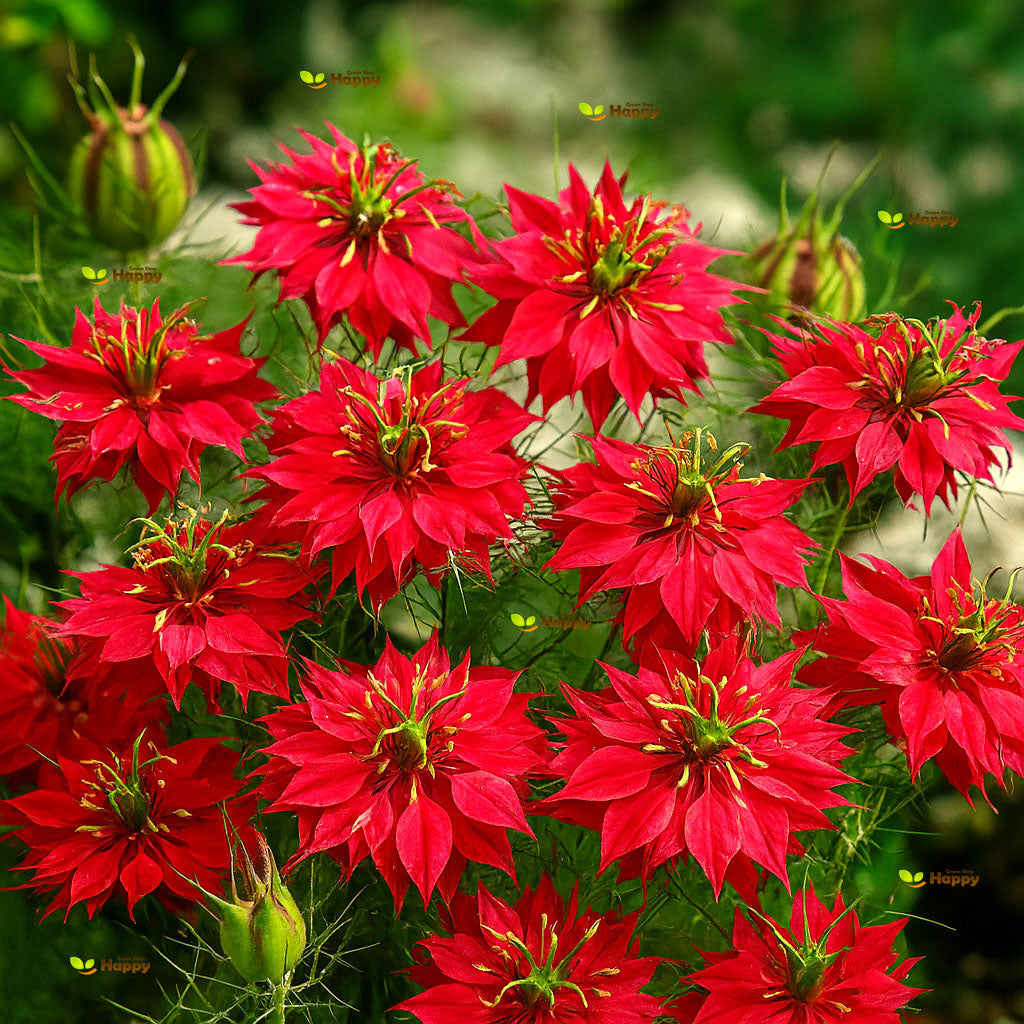
Love-in-a-Mist ‘Persian Jewels’ Red – Seeds (Nigella damascena)
Love-in-a-Mist ‘Persian Jewels’ Red (Nigella damascena) is a charming cottage garden annual with finely cut, ferny foliage and delicate star-shaped flowers in rich shades of ruby and crimson. Its ornamental seed pods add long-lasting interest, making it a favorite for both fresh and dried arrangements. Easy to grow and pollinator-friendly, it’s perfect for borders and wildflower-style plantings.
Why Grow "Persian Jewels Red"
-
Striking ruby-red starry blooms
-
Airy, ferny foliage for soft texture
-
Decorative seed pods for dried use
-
Easy to grow and pollinator-friendly
Key Features
-
Type: Hardy annual (Nigella damascena)
-
Height: 45–60 cm
-
Flowering: June–September
-
Position: Full sun
-
Uses: Borders, wildflower gardens, cut and dried flowers
Ideal For
-
Cottage and wildflower gardens
-
Fresh and dried floral arrangements
-
Pollinator-friendly planting
-
Naturalistic borders
Sowing & Growing
-
Sow outdoors: March–May or August–September for earlier blooms
-
Sow direct, thinly into prepared soil
-
Germination: 14–21 days
-
Thin seedlings to 20–25 cm apart
-
Prefers well-drained soil in full sun
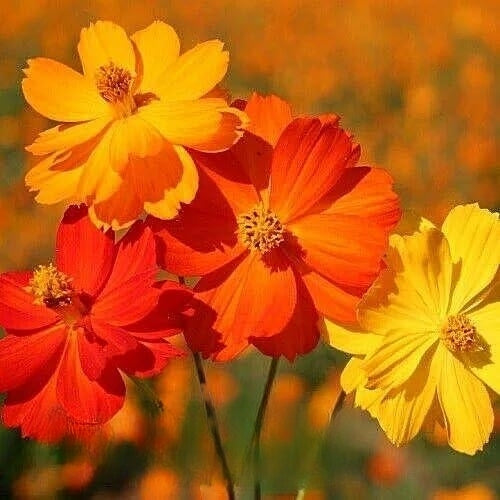
Dwarf Cosmos 'Carpet' Mix – Seeds
(Cosmos sulphureus semidouble)
Dwarf Cosmos 'Carpet' Mix produces compact, bushy plants covered in a dazzling blend of orange, yellow, and red semi-double blooms. Unlike taller cosmos varieties, this dwarf mix stays low, creating a brilliant “carpet” of color perfect for borders, bedding, or pots. Easy to grow and tolerant of poor soil, heat, and drought, it flowers all summer long.
Key Features
-
Type: Half-hardy annual
-
Height: 25–40 cm
-
Spread: 25–30 cm
-
Flowering: June–October
-
Position: Full sun
-
Soil: Light, well-drained
Ideal For
-
Bedding displays & borders
-
Pots and containers
-
Edging paths
-
Pollinator-friendly gardens
Sowing & Growing
-
Sow indoors: March–April, germinate at 18–22°C
-
Sow outdoors: April–May after frost
-
Transplant or thin to 25–30 cm spacing
-
Deadhead regularly to extend blooming
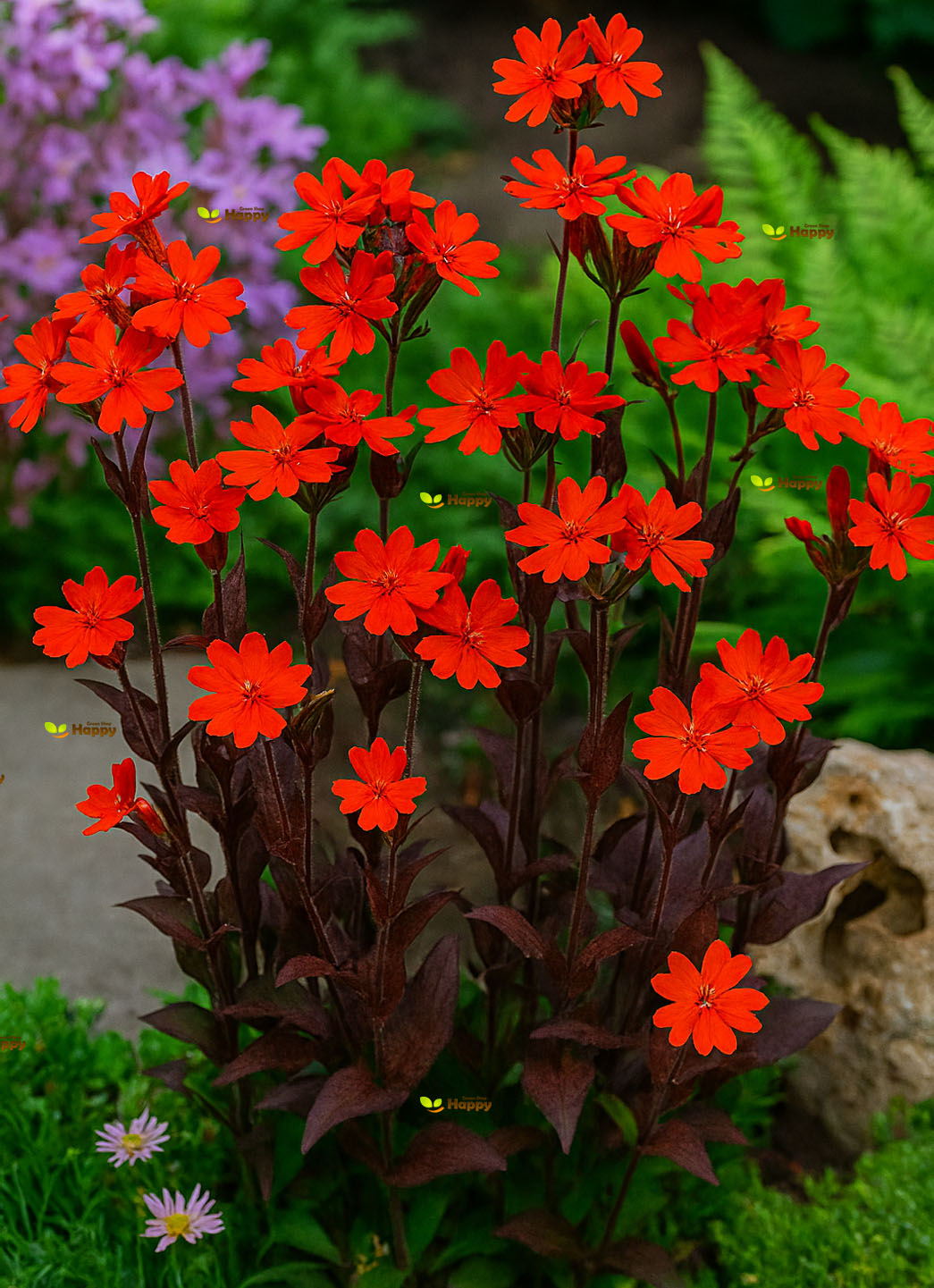
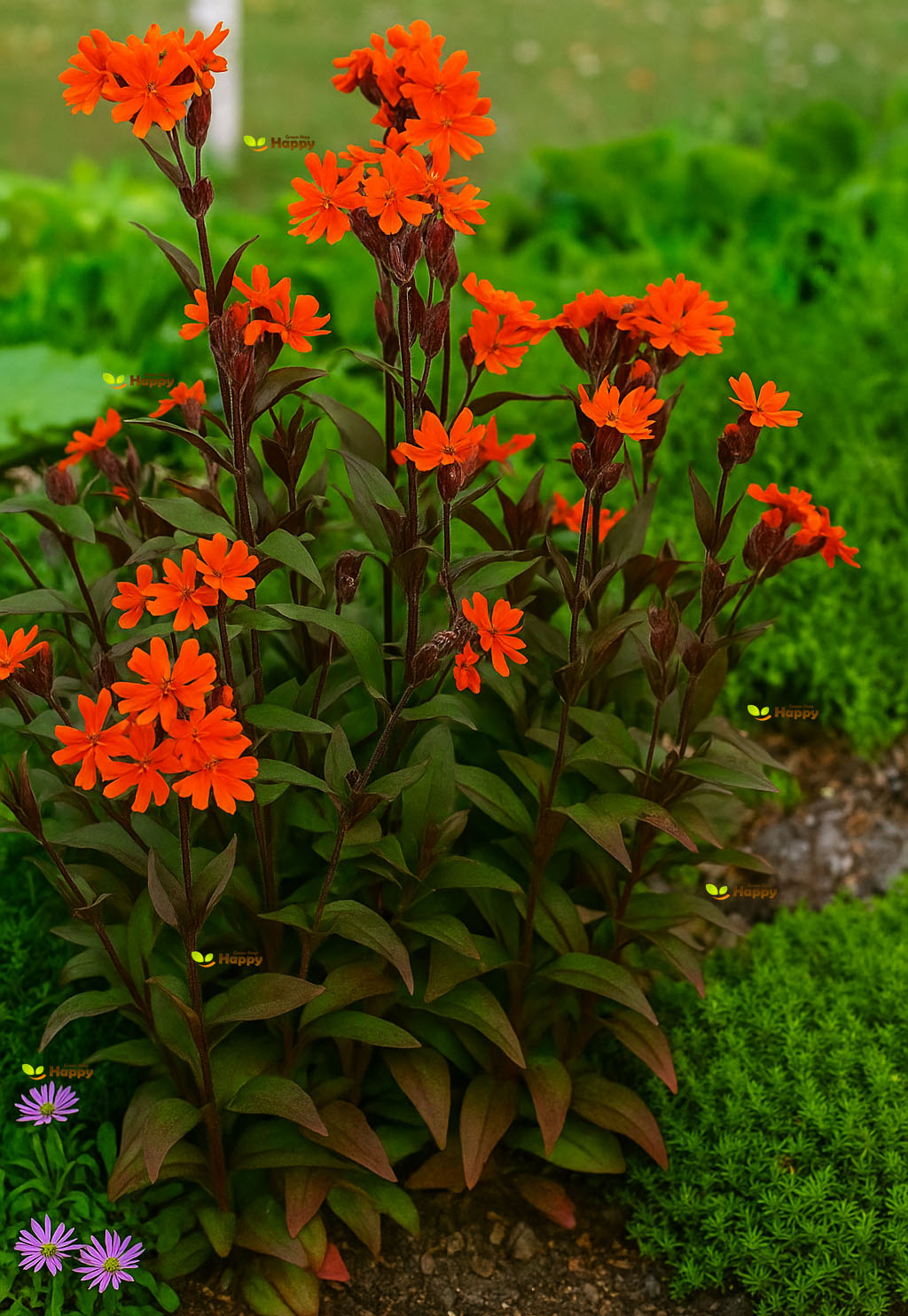
Arkwright's Campion – 250 Seeds (Lychnis arkwrightii ‘Vesuvius’)
Arkwright’s Campion ‘Vesuvius’ is a striking perennial, treasured for its dazzling contrast of fiery orange-scarlet blooms against deep bronze-purple foliage. Compact yet bold, it creates a dramatic feature in borders, cottage gardens, or mixed perennial beds. Its long-lasting flowers attract pollinators, bringing both beauty and wildlife to the garden.
Why Grow Arkwright’s Campion ‘Vesuvius’?
-
Brilliant scarlet-orange flowers with deep purple foliage
-
Compact habit, perfect for borders and cottage gardens
-
Pollinator-friendly, attracting bees and butterflies
-
Hardy perennial, easy to grow
Key Features
-
Type: Perennial flower
-
Height: 40–50 cm
-
Spread: 30 cm
-
Flowering: June–August
-
Position: Full sun to partial shade
-
Soil: Well-drained, moderately fertile
Sowing & Growing
-
Sow indoors: February–April, lightly cover seeds with compost
-
Germination: 14–21 days at 18–20°C
-
Transplant outdoors after frost, spacing 30 cm apart
-
Cut back after flowering to encourage strong regrowth
Tip: Deadhead regularly to prolong the blooming season.

Dwarf Sunflower 'Sunspot' Seeds (Helianthus annuus)
The Dwarf Sunflower 'Sunspot' is a compact variety producing giant golden-yellow blooms up to 25 cm wide on sturdy dwarf stems. Reaching just 45–60 cm in height, it’s perfect for small gardens, borders, and containers while still giving the dramatic effect of traditional tall sunflowers. A favorite for children’s gardens and excellent as a cut flower.
What Makes It Special
-
Dwarf habit with impressively large flowers
-
Perfect for pots, small gardens, or children’s growing projects
-
Sturdy stems resist wind and rarely need staking
-
Attracts pollinators and makes excellent cut flowers
Key Features
-
Botanical name: Helianthus annuus
-
Variety: 'Sunspot'
-
Seed count: Approx. seeds per pack
-
Height/Spread: 45–60 cm tall, 20–30 cm spread
-
Position: Full sun; well-drained soil
-
Flowering period: July–September
Ideal For
-
Pots and containers
-
Children’s gardens and school projects
-
Borders and bedding schemes
-
Cut flower arrangements
Sowing Instructions
-
When to sow: March–May indoors; April–June outdoors
-
How to sow:
-
Sow seeds 1.5 cm deep in pots or directly outdoors after frost
-
Germination takes 7–14 days at 15–20°C
-
-
Transplanting: Plant seedlings outdoors after frost risk has passed
-
Care: Water regularly in dry conditions; dwarf plants are sturdy and easy to grow.

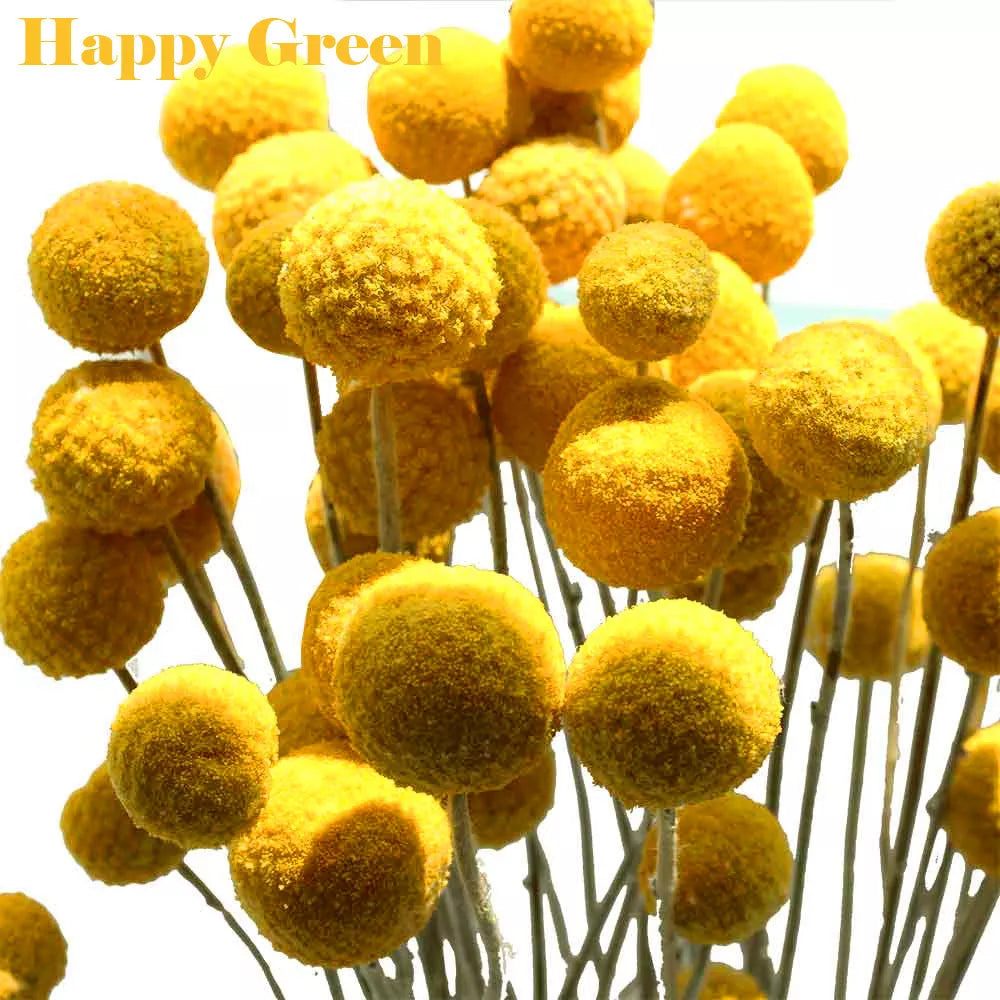
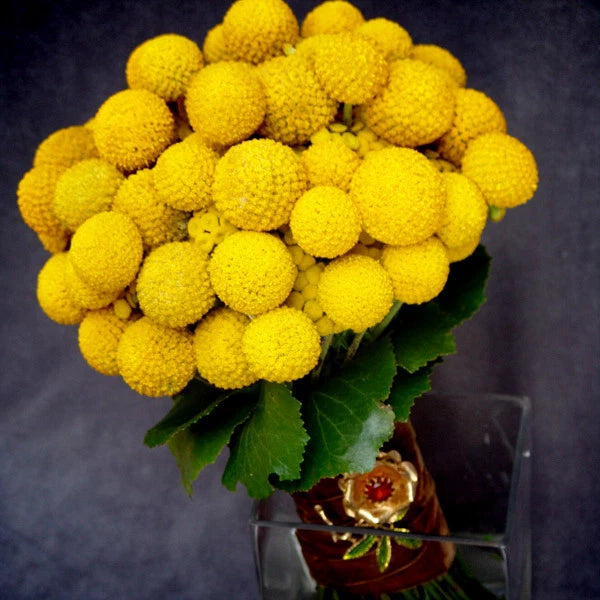
Drumstick Flower 'Billy Button' – 300 Seeds (Craspedia globosa)
Brighten your garden with the iconic Billy Button, known for its cheerful, round, golden-yellow flower heads on tall, slender stems. Perfect for borders, bouquets, and long-lasting dried arrangements, this hardy perennial adds a whimsical touch to any garden or floral display.
What Makes It Special
-
Iconic globe-shaped, bright yellow blooms
-
Long-lasting in fresh bouquets or dried arrangements
-
Hardy, low-maintenance, and drought-tolerant
-
Adds vertical interest with tall stems
Key Features
-
Height: 60–90 cm
-
Full sun loving, prefers well-drained soil
-
Flowers June–September
-
Excellent for cutting and drying
Ideal For
-
Borders and cottage-style gardens
-
Fresh and dried floral arrangements
-
Pollinator-friendly planting
-
Low-maintenance sunny gardens
Sowing
-
Sow indoors 6–8 weeks before last frost or directly outdoors after danger of frost
-
Cover lightly with soil, keep moist
-
Germination: 10–20 days
-
Thin seedlings to 20–30 cm apart for strong growth
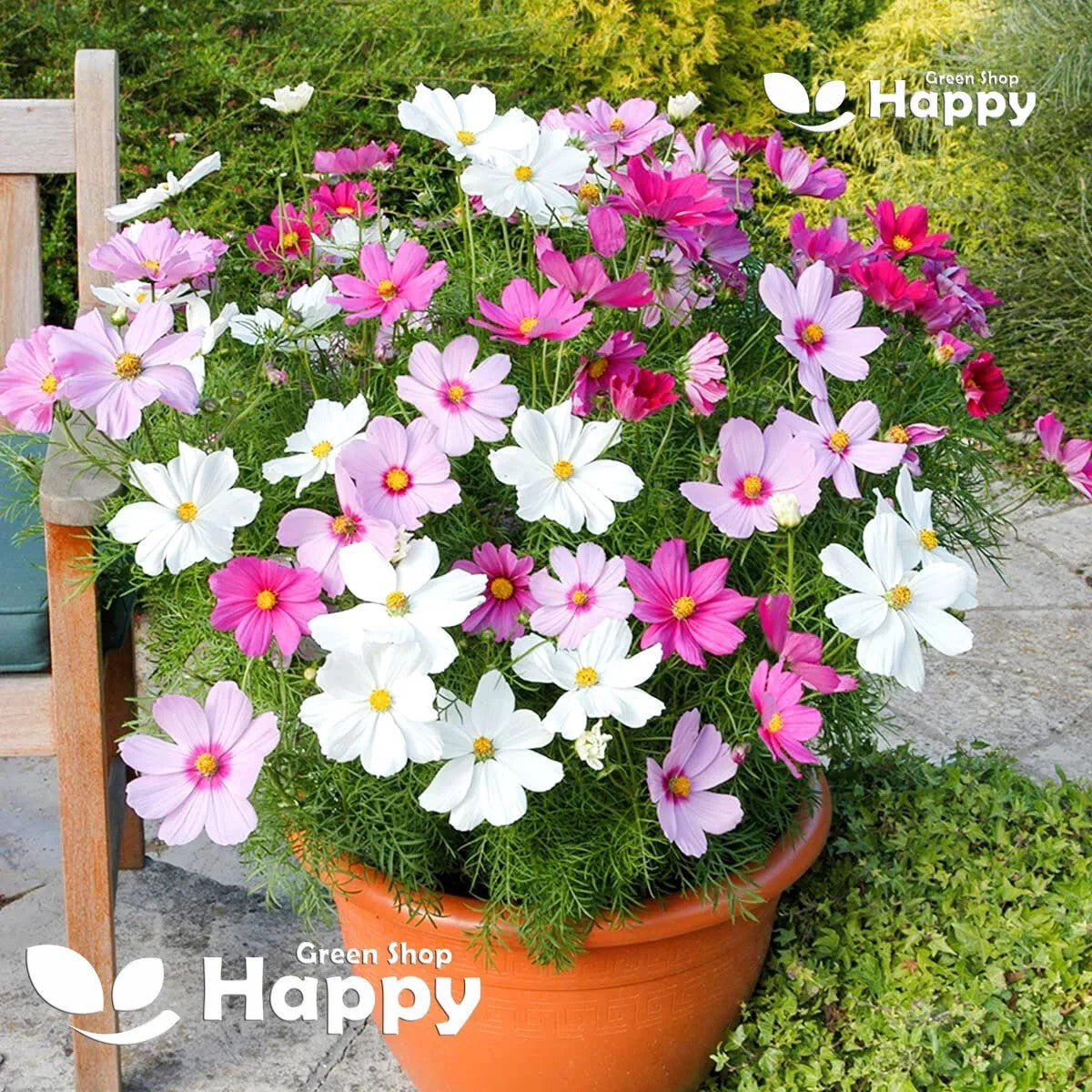
Dwarf Cosmos Early 'Vega' Mix – Seeds (Cosmos bipinnatus)
The Dwarf Cosmos Early 'Vega' Mix is a compact, early-flowering variety of cosmos that produces masses of cheerful, daisy-like blooms in shades of white, pink, and carmine-red. Unlike tall cosmos, 'Vega' grows into neat, bushy plants that stay compact, making it ideal for borders, bedding, patio pots, and containers. This easy-to-grow annual flowers quickly and blooms continuously throughout the summer.
Highlights
-
Dwarf and bushy growth, perfect for smaller spaces
-
Large, bright daisy-like blooms in mixed shades
-
Early-flowering variety for a longer display
-
Low-maintenance and drought-tolerant once established
Key Features
-
Botanical Name: Cosmos bipinnatus
-
Variety: Dwarf Early 'Vega' Mix
-
Seed Count: Approx. seeds per pack
-
Height/Spread: 25–40 cm tall, 20–30 cm spread
-
Position: Full sun, well-drained soil
-
Flowering Period: June–October
Perfect For
-
Patio pots and containers
-
Bedding and borders
-
Compact cottage garden displays
-
Long-lasting cut flowers
Sowing Instructions
-
Sow indoors March–April at 18–21°C
-
Cover seeds lightly with compost or vermiculite
-
Germination: 7–10 days
-
Transplant outdoors after frost risk has passed, spacing 20–25 cm apart
-
Can also be sown directly outdoors April–May
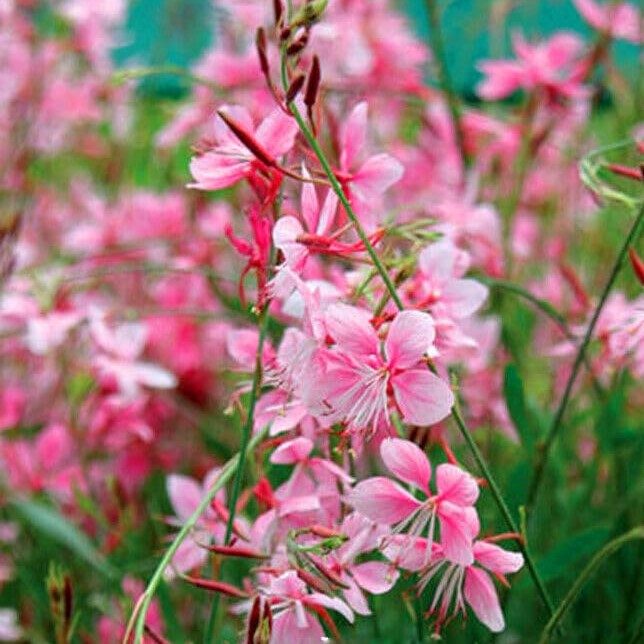
Beeblossom Rosy-White – Seeds (Gaura lindheimeri)
Beeblossom (Gaura lindheimeri) is a graceful perennial, prized for its airy stems and delicate rosy-white flowers that resemble dancing butterflies in the breeze. Flowering over a long season, it adds elegance and movement to borders, cottage gardens, and wildflower-style plantings. Easy to grow and drought-tolerant once established, it thrives in sunny spots and well-drained soil.
Why Grow Beeblossom Rosy-White?
-
Produces clouds of dainty rosy-white blooms
-
Long flowering period, from summer into autumn
-
Perfect for naturalistic, cottage, or pollinator-friendly gardens
-
Drought-tolerant and low-maintenance
Key Features
-
Type: Hardy perennial
-
Height: 60–90 cm
-
Spread: 40–60 cm
-
Flowering: June–October
-
Position: Full sun
-
Soil: Light, well-drained
Sowing & Growing
-
Sow indoors: February–April in trays, lightly cover with compost
-
Germination: 14–30 days at 18–20°C
-
Transplant: When seedlings are large enough, plant outdoors after last frost
-
Spacing: 40 cm apart
-
Can also be sown directly outdoors in May–June
Tip: Beeblossom is ideal for softening borders and pairs beautifully with ornamental grasses.
Showing 9/145

