Sort by:
569 products
569 products
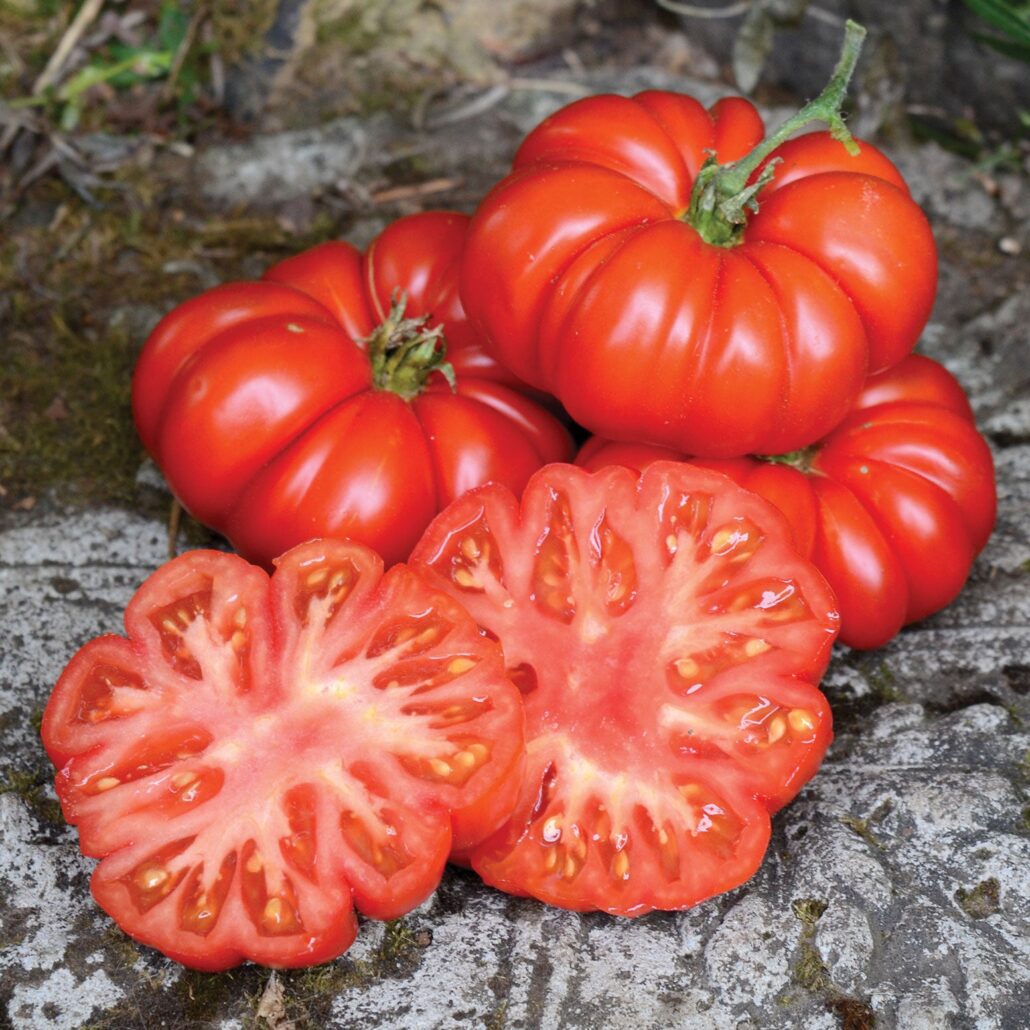


Tomato "Costoluto Fiorentino" – Seeds (Solanum lycopersicum)
Tomato "Costoluto Fiorentino" is a classic Italian heirloom variety, cherished for its deeply ribbed, juicy red fruits and rich, sweet flavor. Perfect for fresh salads, sauces, and canning, this variety is vigorous, high-yielding, and adds authentic Italian taste to home gardens. Its distinctive shape and vibrant color also make it a visual standout in your garden and kitchen.
How to Grow
-
Sow seeds indoors from February to April, 0.5 cm deep in seed trays or pots.
-
Maintain 18–22°C until germination.
-
Transplant seedlings outdoors or into greenhouse after the last frost.
-
Space plants 50–60 cm apart in fertile, well-drained soil with full sun.
-
Support plants with stakes or cages to handle heavy fruits.
Key Features
-
Heirloom Italian tomato with deep ribbed, juicy fruits
-
Rich, sweet flavor ideal for salads, sauces, and canning
-
Vigorous and high-yielding
-
Distinctive appearance and vibrant red color
-
Suitable for outdoor gardens and greenhouse cultivation
Ideal For
-
Fresh salads, sauces, and canning
-
Home gardens and container growing
-
Heirloom tomato collections and culinary use
Sowing & Harvest
-
Sow: February to April
-
Plant out: May to June
-
Harvest: July to September
Quick Tip
-
Regularly remove side shoots and support plants to maximize fruit production and maintain healthy growth.
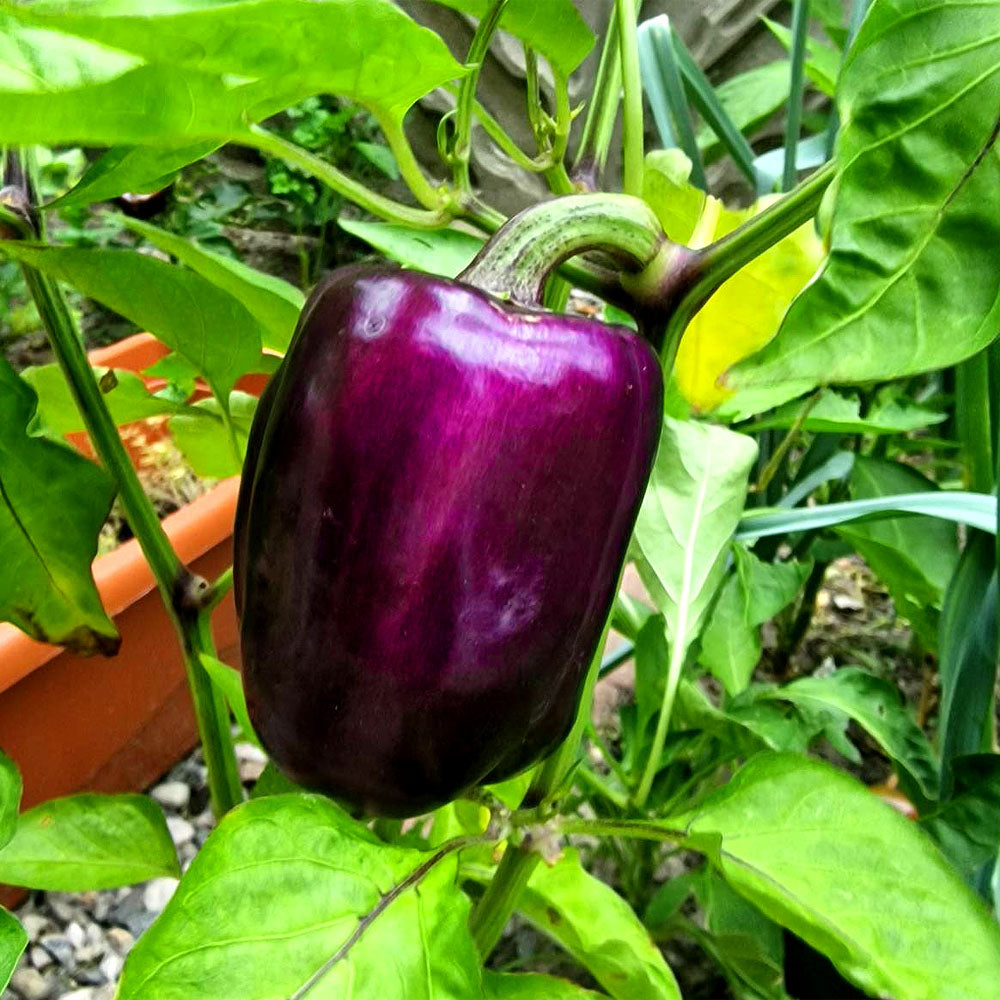
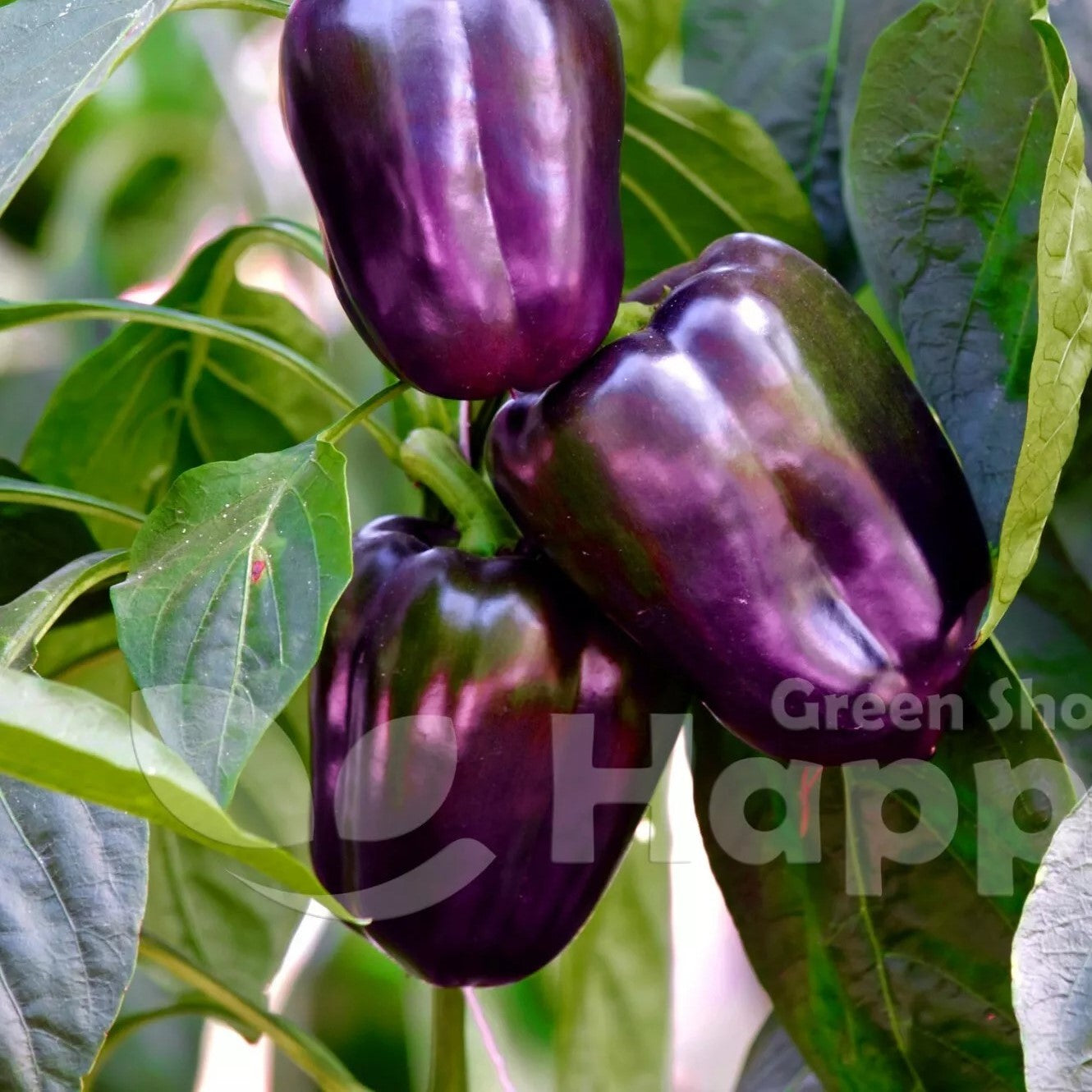
Sweet Pepper 'Purple Bell' Seeds (Capsicum annuum)
Grow something truly eye-catching with Sweet Pepper 'Purple Bell' (Capsicum annuum). This unique variety produces glossy, deep-purple bell peppers that are crisp, juicy, and sweet. Perfect for adding a splash of color to salads, stir-fries, or stuffed dishes, ‘Purple Bell’ combines ornamental beauty with outstanding flavor. Fruits mature from purple to red, giving you a colorful harvest throughout the season.
How to Grow
-
Sow seeds indoors 8–10 weeks before the last frost.
-
Use light, fertile, well-drained soil in full sun.
-
Sow 0.5 cm deep, keeping soil moist at 22–26°C until germination (7–14 days).
-
Transplant outdoors or into containers after frost, spacing 40–50 cm apart.
-
Water regularly and feed with a potassium-rich fertilizer.
Key Features
-
Striking purple bell pepper variety
-
Crisp, sweet, and juicy flavor
-
Fruits mature from purple to red for extended harvest
-
Ideal for containers, patios, or garden beds
-
Ornamental and edible in equal measure
Ideal For
-
Fresh eating and salads
-
Stuffing, roasting, and stir-fries
-
Patio pots and greenhouse growing
-
Gardeners wanting unique, colorful crops
Sowing
-
Best time: Indoors 8–10 weeks before last frost
-
Depth: 0.5 cm
-
Spacing: 40–50 cm apart
-
Prefers warm, sunny conditions and fertile, well-drained soil
Quick Tip
-
Harvest when purple for unique flavor and appearance, or allow to fully ripen to red for maximum sweetness.
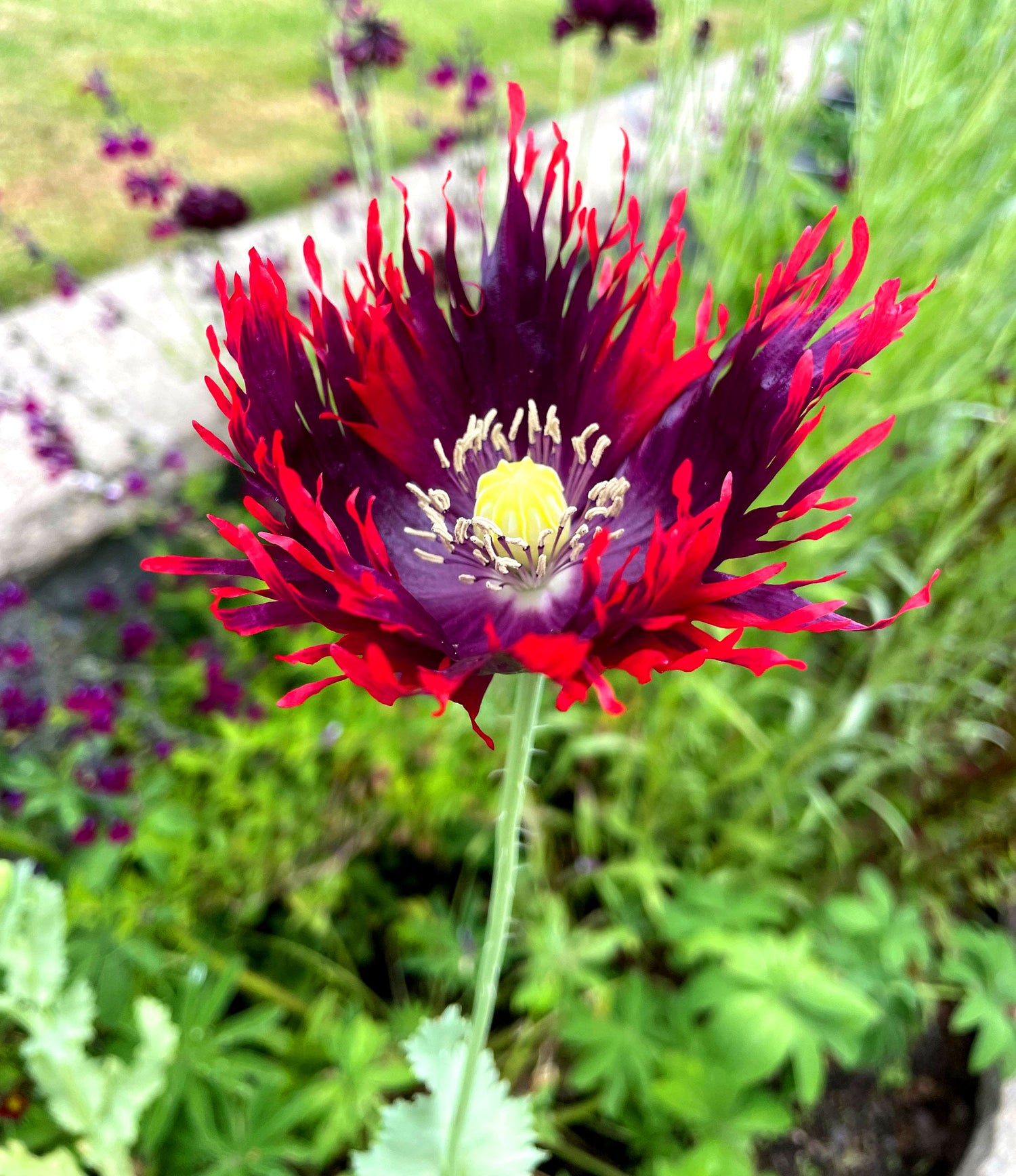
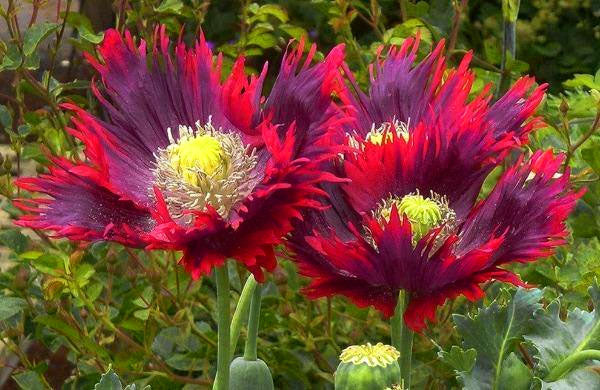
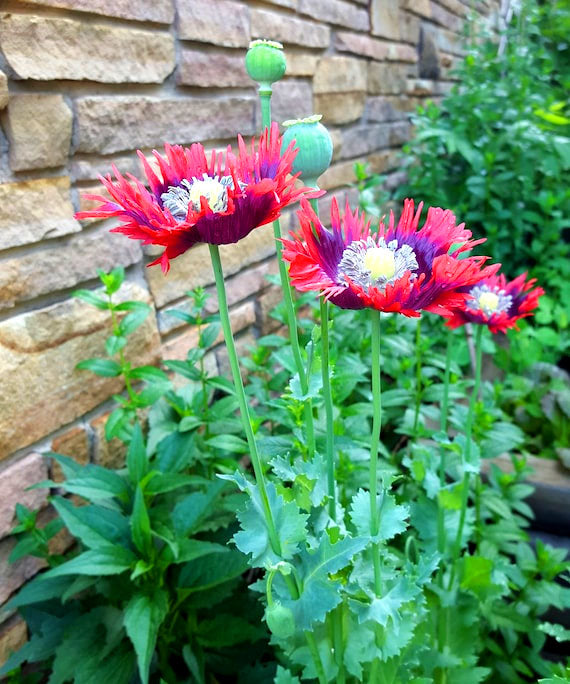
Poppy Peony ‘Drama Queen’ Seeds (Papaver paeoniflorum)
Make a bold statement in your garden with Poppy Peony ‘Drama Queen’ (Papaver paeoniflorum). This annual produces large, double, peony-like blooms in vivid red shades, adding drama and elegance to borders, beds, and cutting gardens. Easy to grow and long-flowering, it’s perfect for creating eye-catching displays and stunning bouquets.
How to Grow
-
Sow seeds directly outdoors in spring after the last frost or indoors 6–8 weeks earlier.
-
Use well-drained soil in a sunny location.
-
Scatter seeds thinly and press lightly onto the soil; do not cover deeply.
-
Keep soil moist until germination (10–20 days).
-
Thin seedlings to 20–30 cm apart once established.
-
Cut flowers regularly to encourage continuous blooming.
Key Features
-
Large, double, peony-like blooms in vivid red
-
Hardy annual, easy to grow and long-flowering
-
Ideal for borders, beds, and cutting gardens
-
Attracts bees, butterflies, and other pollinators
-
Dramatic and eye-catching garden display
Ideal For
-
Flower borders and cottage gardens
-
Cutting gardens for fresh bouquets
-
Containers and patio planters
-
Pollinator-friendly gardens
Sowing
-
Best time: Spring outdoors or 6–8 weeks earlier indoors
-
Germination: 10–20 days
-
Sow thinly, press lightly, do not cover deeply
-
Prefers full sun and well-drained soil
Quick Tip
-
Sow successive batches every 2–3 weeks for a longer flowering season and continuous dramatic blooms.
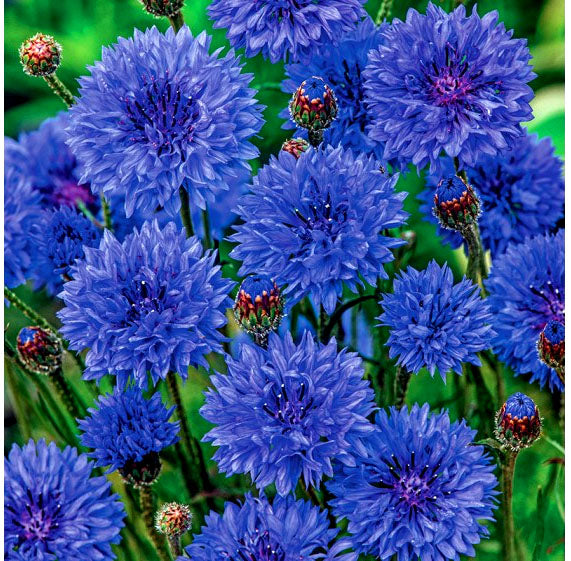
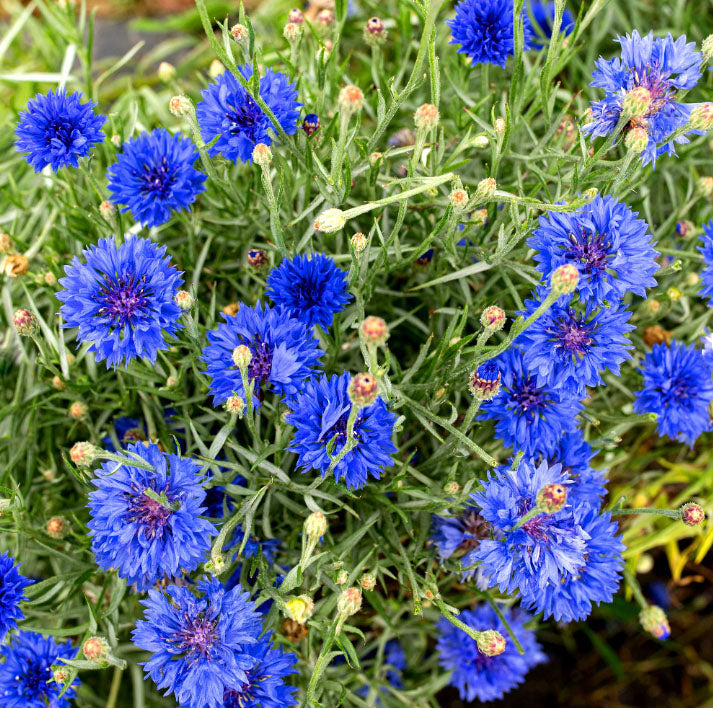
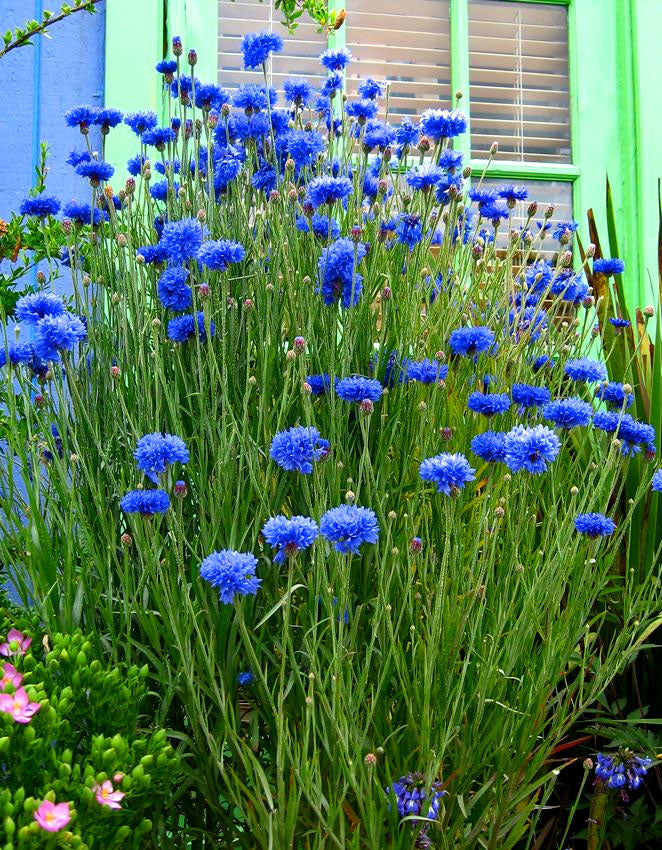
Cornflower ‘Blue Diadem’ Seeds (Centaurea cyanus)
Add classic cottage garden charm with Cornflower ‘Blue Diadem’ (Centaurea cyanus). This annual produces striking deep blue, fringed flowers that bring vibrant color to borders, meadows, and cutting gardens. Easy to grow and long-flowering, it attracts pollinators and creates a timeless, eye-catching display.
How to Grow
-
Sow directly outdoors in spring or autumn.
-
Use well-drained soil in full sun.
-
Scatter seeds thinly and cover lightly with soil.
-
Keep soil moist until germination (7–14 days).
-
Thin seedlings to 20–25 cm apart once established.
-
Deadhead regularly to prolong flowering and maintain plant vigor.
Key Features
-
Striking deep blue, fringed flowers
-
Hardy annual, easy to grow and long-flowering
-
Ideal for borders, meadows, and cutting gardens
-
Attracts bees, butterflies, and other pollinators
-
Classic cottage garden appeal
Ideal For
-
Flower borders and cottage gardens
-
Meadow-style plantings and naturalized areas
-
Cutting gardens for fresh bouquets
-
Pollinator-friendly landscapes
Sowing
-
Best time: Spring or autumn directly outdoors
-
Germination: 7–14 days
-
Sow thinly, cover lightly, and keep soil moist
-
Prefers full sun and well-drained soil
Quick Tip
-
Sow successive batches every 2–3 weeks in spring to extend the flowering season.
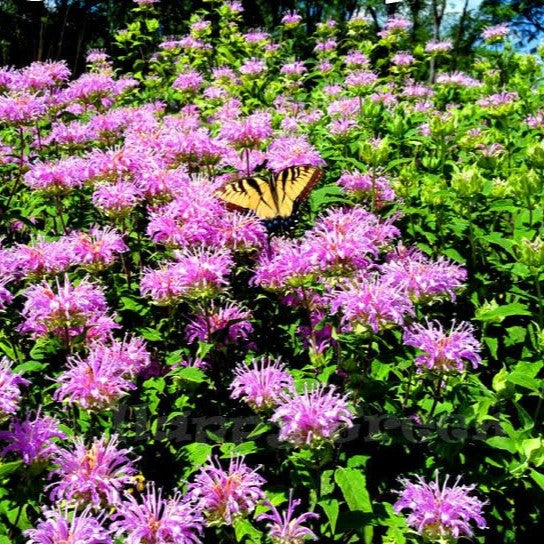
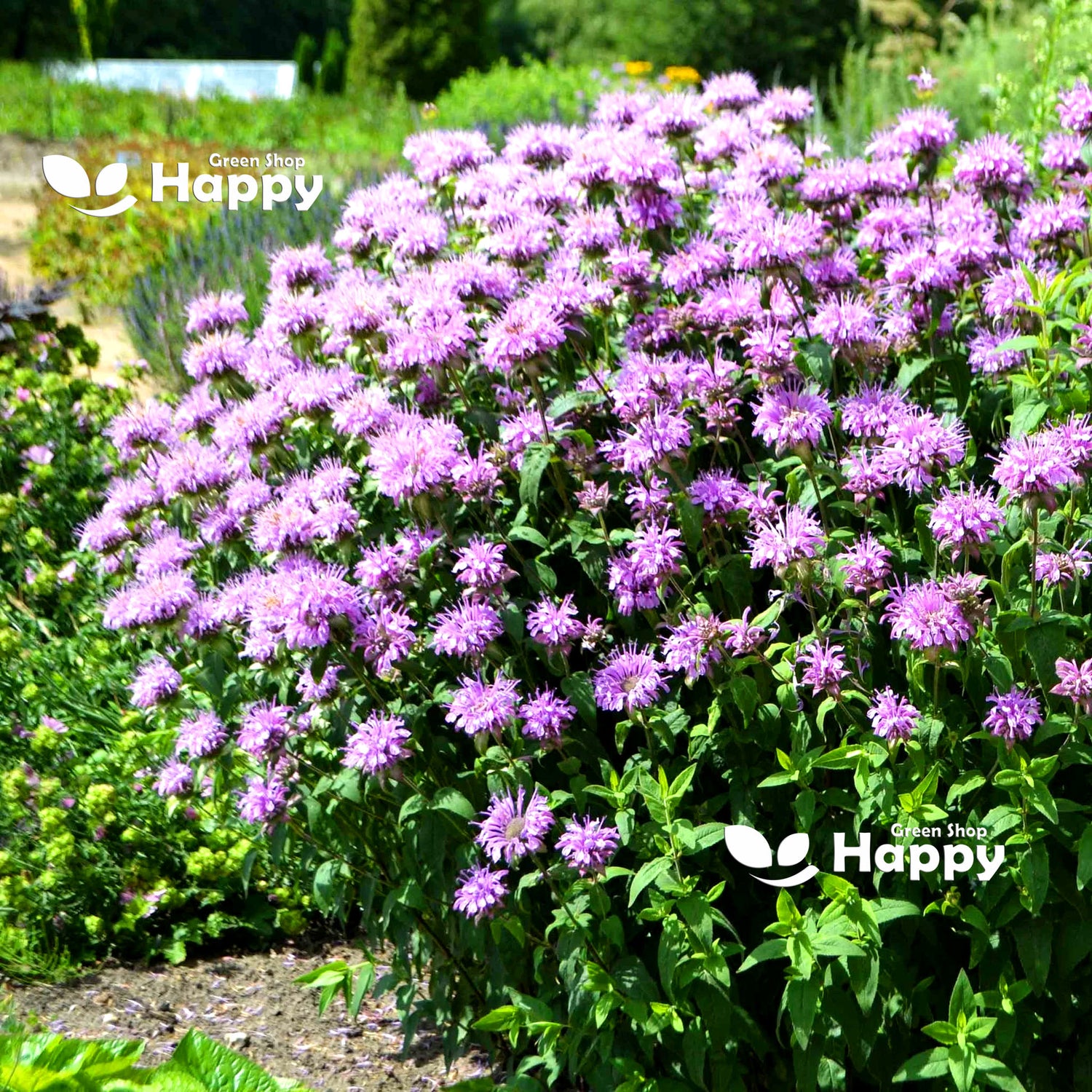
Wild Bergamot – 1,300 Seeds (Monarda fistulosa)
Wild Bergamot (Monarda fistulosa) is a hardy perennial known for its fragrant lavender-pink blooms and aromatic foliage. A favorite of pollinators, it attracts bees, butterflies, and hummingbirds, making it perfect for pollinator gardens, borders, and wildflower meadows. Easy to grow and low-maintenance, it provides long-lasting color and texture from mid-summer to early autumn.
Why Grow "Wild Bergamot"
-
Fragrant lavender-pink blooms
-
Aromatic foliage with medicinal and culinary uses
-
Attracts bees, butterflies, and hummingbirds
-
Hardy and low-maintenance perennial
Key Features
-
Type: Perennial (Monarda fistulosa)
-
Height: 60–90 cm
-
Flowering: July–September
-
Position: Full sun to partial shade
-
Uses: Pollinator gardens, borders, wildflower meadows, cottage gardens
Ideal For
-
Pollinator-friendly gardens
-
Cottage-style or naturalized borders
-
Wildflower meadows
-
Herbal and sensory gardens
Sowing & Growing
-
Sow indoors: February–April in trays
-
Sow outdoors: April–May directly in prepared soil
-
Germination: 10–20 days at 18–22°C
-
Thin seedlings to 30–40 cm apart
-
Prefers well-drained soil and full sun
-
Deadhead to encourage prolonged flowering
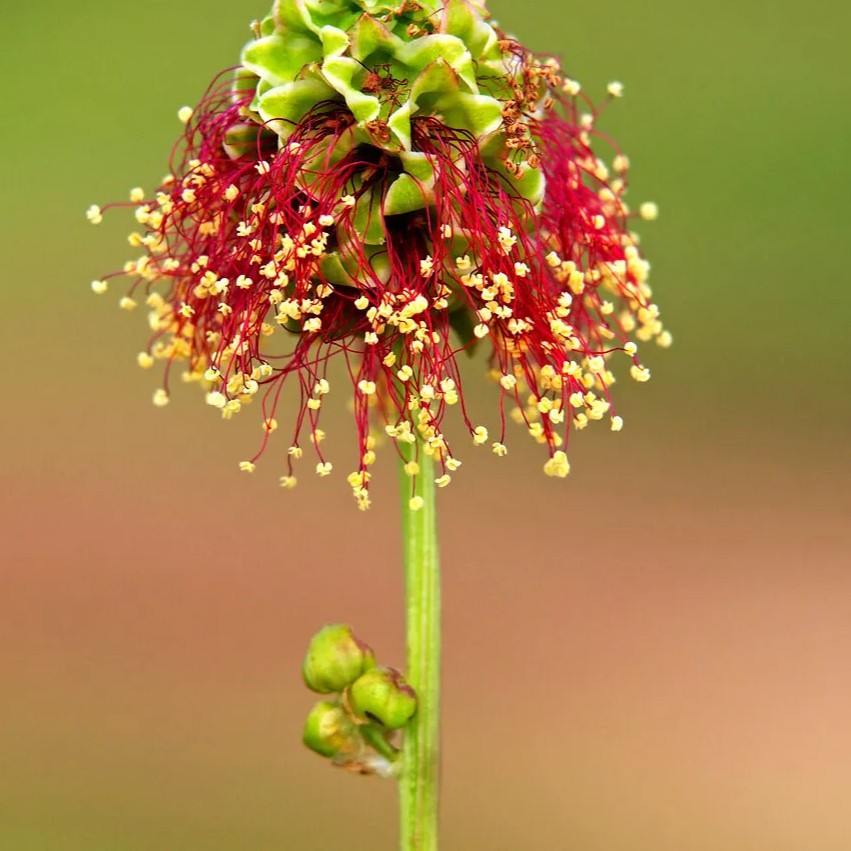
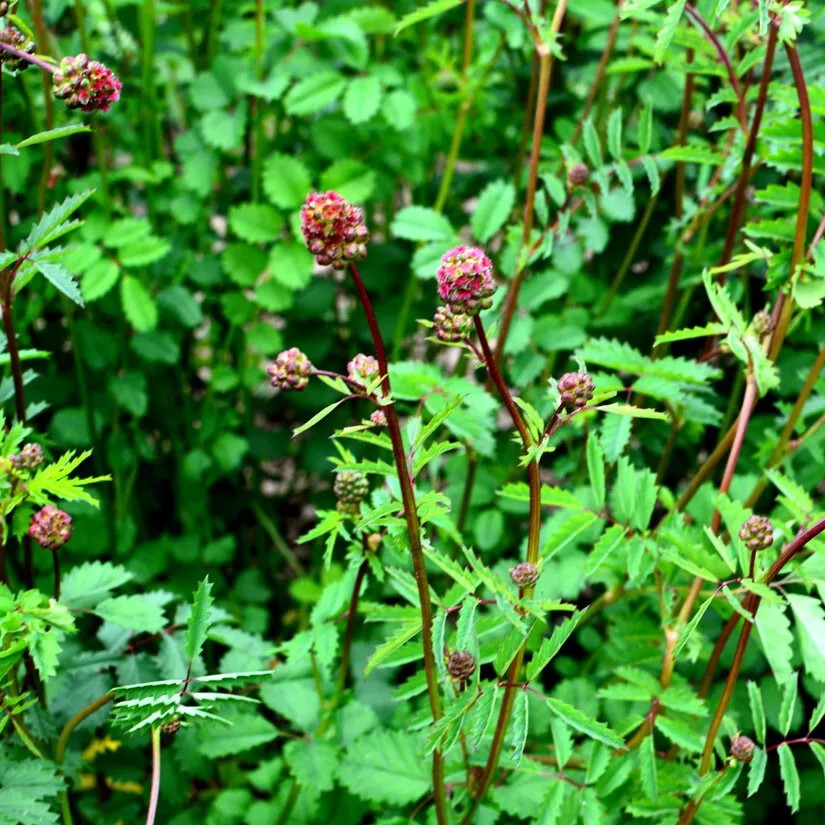
Salad Burnet – Seeds (Sanguisorba minor)
Salad Burnet is a hardy perennial herb known for its fresh, cucumber-like flavor. Its delicate, serrated leaves are perfect for adding to salads, dips, sauces, and refreshing summer drinks. An attractive, low-maintenance plant, it also makes a lovely edging herb for the garden.
This herb is drought-tolerant once established and can be harvested repeatedly throughout the growing season. A traditional herb with both culinary and ornamental value.
How to Grow
-
Sow indoors: March – April
-
Sow outdoors: April – June
-
Depth: 0.5 cm, lightly cover
-
Spacing: 25–30 cm between plants
-
Position: Full sun to partial shade
-
Soil: Well-drained, light to medium soil
-
Watering: Moderate; drought tolerant once mature
Key Features
-
Perennial herb with cucumber-like flavor
-
Ideal for salads, sauces, and refreshing drinks
-
Hardy, drought-tolerant, and low maintenance
-
Attractive edging plant for herb gardens
-
Repeated harvests throughout summer
Harvest
-
Harvesting period: May – October
-
Pick young, fresh leaves regularly for the best flavor.
Short Tip
Snip leaves just before use, as their delicate flavor is best enjoyed fresh.



German Chamomile – Seeds (Matricaria recutita)
Bring calm and fragrance to your garden with German Chamomile, a charming annual herb prized for its daisy-like white flowers and soothing aroma. Traditionally used for herbal teas and natural remedies, this variety is easy to grow, highly productive, and also attracts pollinators to your garden. A perfect choice for herb beds, borders, and pots.
How to Grow
. Sow indoors from February to April, lightly pressing seeds onto the surface of moist compost – do not cover as they need light to germinate
. Transplant seedlings outdoors after the last frost, spacing 20–25 cm apart
. Alternatively, sow outdoors directly in April to May in well-drained soil
. Prefers a sunny position with average to light soil
. Water sparingly, as chamomile thrives in slightly dry conditions
Key Features
. Delicate white blooms with yellow centers
. Traditional herb for calming teas and remedies
. Attracts bees, butterflies, and beneficial insects
. Easy to grow, tolerant of poor soils
. Ideal for borders, herb gardens, and containers
Ideal For
. Herbal tea lovers and home remedies
. Pollinator-friendly gardens
. Cottage gardens and borders
. Container growing
Sowing & Harvest
. Sow: February – May
. Harvest: June – September
Quick Tip
Harvest flowers on warm, dry days and dry them for homemade chamomile tea with the best flavor and aroma.


Chives 'Bohemia' - 1000 seeds (Allium schoenoprasum) - Hardy Perennial - Overwintering
£1.15
Unit price perChives 'Bohemia' - 1000 seeds (Allium schoenoprasum) - Hardy Perennial - Overwintering
£1.15
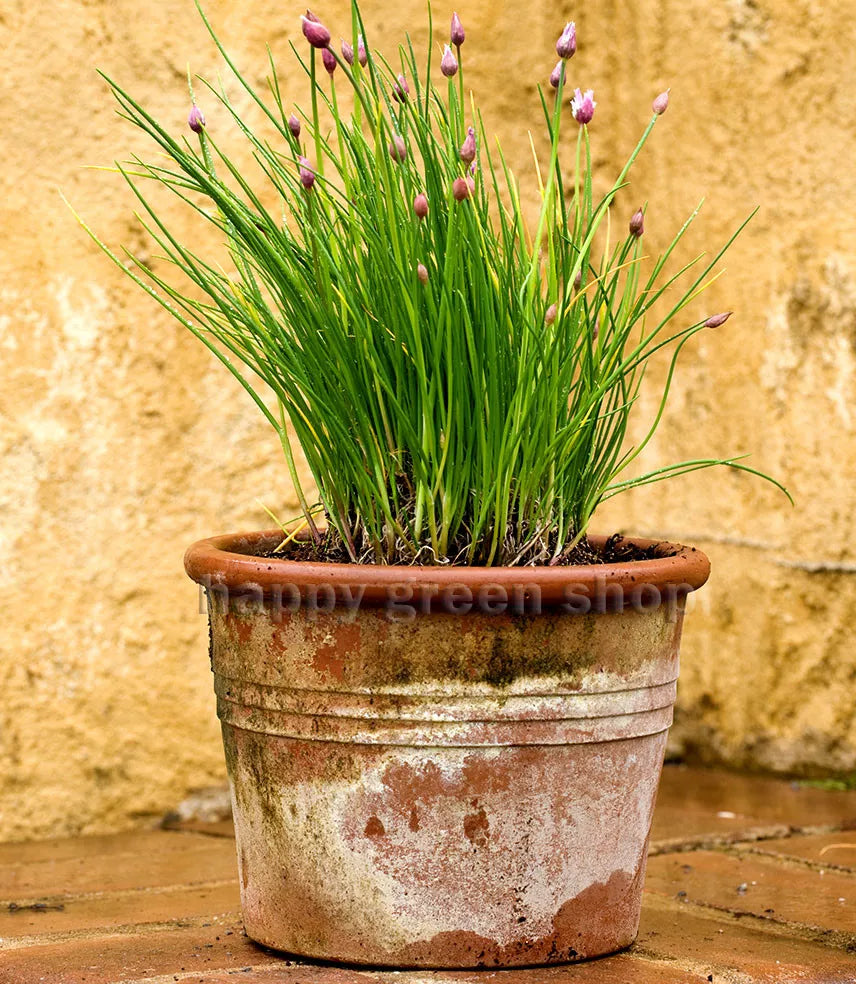
Unit price perChives ‘Bohemia’ – Seeds (Allium schoenoprasum) – Hardy Perennial
Chives ‘Bohemia’ is a hardy perennial herb, perfect for overwintering and providing fresh growth year after year. Known for its fine, hollow green leaves and mild onion flavor, it’s a versatile kitchen herb ideal for salads, soups, sauces, and garnishes. In summer, attractive purple-pink flowers appear, loved by bees and pollinators, making this a decorative as well as useful garden plant.
How to Grow
-
Sow indoors: February – April in pots or trays at 15–20°C.
-
Sow outdoors: April – July in finely prepared soil.
-
Thin or transplant seedlings to 20 cm apart.
-
Prefers full sun or partial shade and well-drained soil.
-
Cut regularly to encourage fresh growth.
Key Features
-
Hardy perennial herb with overwintering growth
-
Fine, mild onion-flavored leaves
-
Decorative purple flowers attract pollinators
-
Easy to grow in pots, borders, or herb gardens
-
Reliable year-round harvests
Ideal For
-
Fresh salads, soups, sauces, and garnishes
-
Herb gardens, borders, and containers
-
Attracting bees and pollinators
Sowing & Harvest
-
Sow: February – July
-
Harvest: May – October, with regrowth in spring
Quick Tip
Divide clumps every few years to maintain healthy growth and extend the lifespan of your chive plants.


Yellow Pear Tomato – Seeds (Solanum lycopersicum)
The Yellow Pear Tomato is a charming heirloom variety, producing clusters of small, pear-shaped fruits in a bright golden yellow. With a mild, sweet flavor and firm texture, these tomatoes are perfect for snacking, salads, and garnishes. Highly productive and ornamental, this variety adds a splash of sunshine to your garden and harvest baskets.
How to Grow
-
Sow seeds indoors from February to April, 0.5 cm deep in trays or pots.
-
Maintain a temperature of 18–22°C until germination.
-
Transplant seedlings into larger pots, then plant outdoors or in a greenhouse after frost.
-
Support plants with stakes or cages for heavy clusters of fruit.
Key Features
-
Heirloom variety with unique pear-shaped fruits
-
Bright yellow, bite-sized tomatoes
-
Mild, sweet flavor, perfect for fresh eating
-
Heavy crops over a long season
-
Ornamental and productive for gardens or containers
Ideal For
-
Fresh snacking and salads
-
Colorful vegetable gardens and patio pots
-
Gardeners seeking an heirloom with visual appeal
Sowing & Harvest
-
Sow: February to April
-
Plant out: May to June
-
Harvest: July to September
Quick Tip
-
Regular picking encourages more fruit production throughout the season.
Showing 9/569