
Sort by:
233 products
233 products
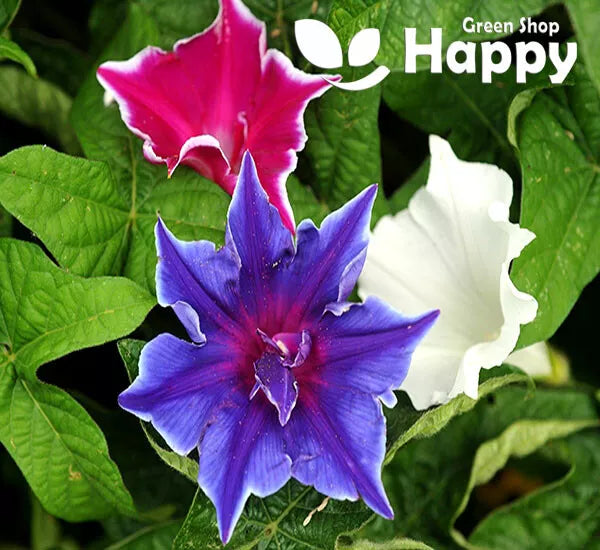
Japanese Morning Glory 'Kikyo Zaki Mix' – Seeds
(Ipomoea nil)
The Japanese Morning Glory 'Kikyo Zaki Mix' is a traditional and highly prized variety, renowned in Japanese horticulture for its uniquely ruffled, star-shaped blooms. This climbing annual produces an extraordinary mix of deep purples, blues, pinks, and whites, each with striking petal forms that set them apart from common morning glories. The lush green foliage and vigorous growth make it a spectacular choice for trellises, fences, or balcony planters.
Key Features
-
Type: Annual climber
-
Height: 2–3 m
-
Spread: 30–40 cm
-
Flowering: July–October
-
Position: Full sun / partial shade
-
Soil: Fertile, well-drained
Ideal For
-
Training up fences, arches, or trellises
-
Balcony or patio containers with supports
-
Creating a vertical display of colour
-
Collectors of rare Japanese heirloom flowers
Sowing & Growing
-
Sow indoors: March–April in pots or trays
-
Sow outdoors: May–June after last frost
-
Nick or soak seeds for 12–24 hours before sowing to aid germination
-
Germination: 7–14 days
-
Plant spacing: 30–40 cm
-
Requires support to climb
-
Prefers full sun but tolerates light shade


California Poppy ‘Golden West’ – 2,500 Seeds (Eschscholzia californica)
California Poppy ‘Golden West’ (Eschscholzia californica) is a vibrant, hardy annual producing brilliant golden-orange blooms that light up borders, meadows, and large-scale plantings. Fast-growing and low-maintenance, it thrives in sunny, well-drained locations and attracts pollinators. Perfect for naturalized gardens or mass displays, it offers long-lasting summer color.
Why Grow "Golden West"
-
Brilliant golden-orange blooms
-
Fast-growing and hardy
-
Long-lasting flowering from spring to summer
-
Attracts bees and other pollinators
Key Features
-
Type: Annual (Eschscholzia californica)
-
Height: 30–45 cm
-
Flowering: May–September
-
Position: Full sun
-
Uses: Borders, meadows, naturalized gardens, mass plantings
Ideal For
-
Large-scale and naturalized plantings
-
Pollinator-friendly gardens
-
Cottage-style or wildflower borders
-
Low-maintenance, sunny garden spaces
Sowing & Growing
-
Sow outdoors: March–May directly in prepared soil
-
Germination: 10–15 days at 15–20°C
-
Thin seedlings to 15–20 cm apart
-
Prefers full sun and well-drained soil
-
Deadhead to prolong flowering if desired
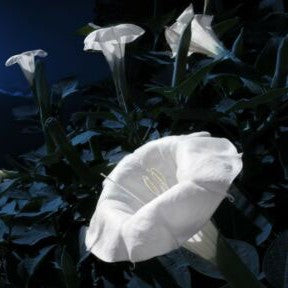
Moonflower – Seeds (Ipomoea noctiflora)
Moonflower is a fast-growing annual climber that produces large, fragrant, pure white blooms which open at dusk and glow in the moonlight. Ideal for evening gardens, patios, and trellises, its sweet scent attracts moths and night pollinators. With lush green foliage and dramatic nighttime flowers, Moonflower adds a magical touch to summer evenings.
Why Grow "Moonflower"
-
Large, pure white blooms that open at night
-
Fragrant flowers perfect for evening gardens
-
Fast-growing annual climber
-
Attracts moths and night pollinators
Key Features
-
Type: Annual climber (Ipomoea noctiflora)
-
Height: 2–3 m
-
Flowering: Summer to early autumn
-
Position: Full sun
-
Uses: Trellises, fences, pergolas, evening gardens, containers
Ideal For
-
Creating magical night-time garden displays
-
Covering arches, fences, and trellises
-
Adding fragrance to patios and seating areas
-
Pollinator-friendly planting for night visitors
Sowing & Growing
-
Sow indoors: 4–6 weeks before last frost
-
Sow outdoors: After frost danger has passed
-
Germination: 10–20 days (soak seeds before sowing)
-
Space seedlings: 30 cm apart
-
Prefers well-drained soil and full sun
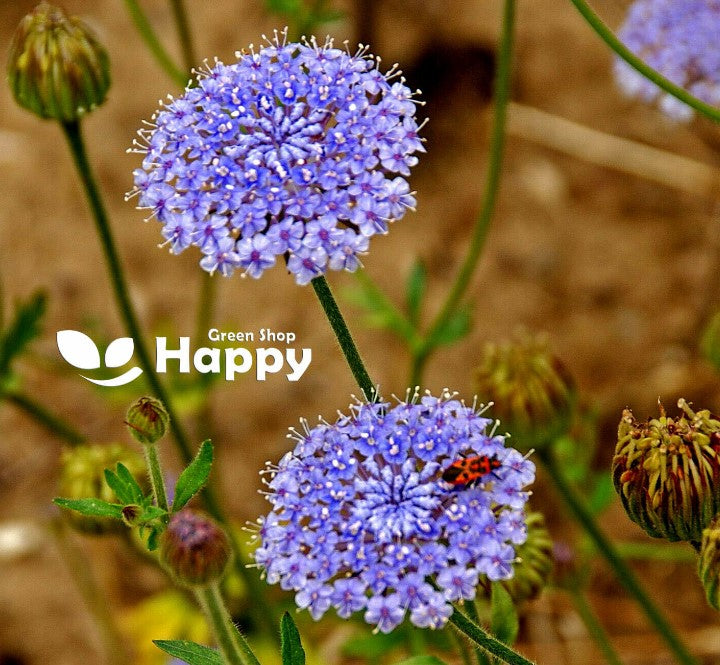
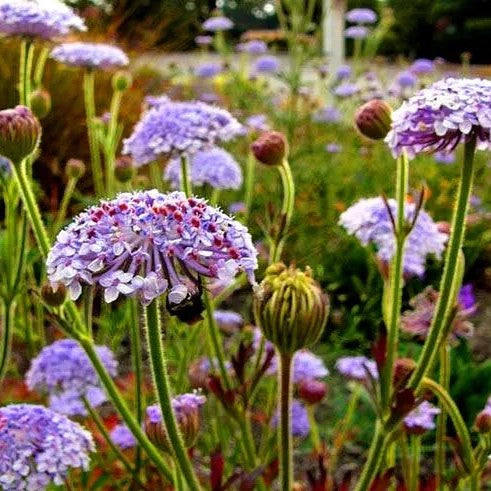
Blue Lace Flower Seeds (Didiscus caeruleus / Trachymene caerulea)
The Blue Lace Flower is an elegant and delicate annual, much loved for its airy umbels of soft sky-blue blossoms. Each flower head resembles lacework, carried on long slender stems, making it ideal for cutting. With its light, lacy texture, this plant brings charm and movement to borders, cottage gardens, and wildflower-style plantings. It is also a superb choice for floral arrangements, both fresh and dried.
What Makes It Special
-
Produces lace-like umbels of pastel blue blooms
-
Excellent cut flower with a long vase life
-
Attractive to bees, butterflies, and pollinators
-
Adds a soft, romantic touch to borders and bouquets
Key Features
-
Botanical name: Didiscus caeruleus / Trachymene caerulea
-
Common name: Blue Lace Flower
-
Seed count: Approx. seeds per pack
-
Height/Spread: 45–60 cm tall, 20–30 cm spread
-
Position: Full sun, well-drained soil
-
Flowering period: Summer to early autumn
-
Lifespan: Half-hardy annual
Ideal For
-
Cottage gardens
-
Wildflower meadows
-
Borders and mixed beds
-
Cut flower and dried arrangements
-
Pollinator-friendly gardens
Sowing Instructions
-
When to sow: March–May indoors, or April–June outdoors after frost has passed
-
How to sow:
-
Sow seeds thinly in trays with seed compost or directly outdoors in fine soil
-
Lightly cover seeds with a thin layer of soil or vermiculite
-
Keep moist until seedlings appear (14–21 days)
-
-
Transplant/Thin: Space plants 20–30 cm apart
-
Care: Deadhead to prolong flowering; provide support in windy sites
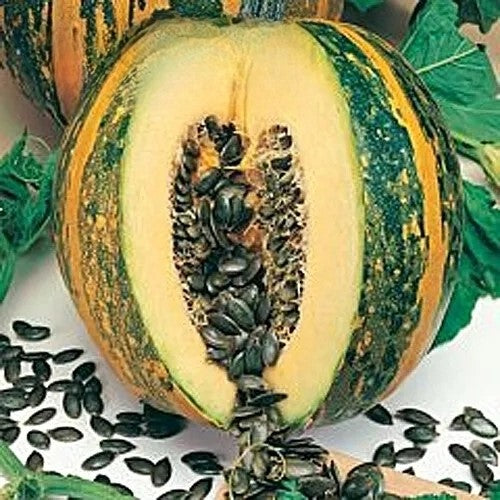
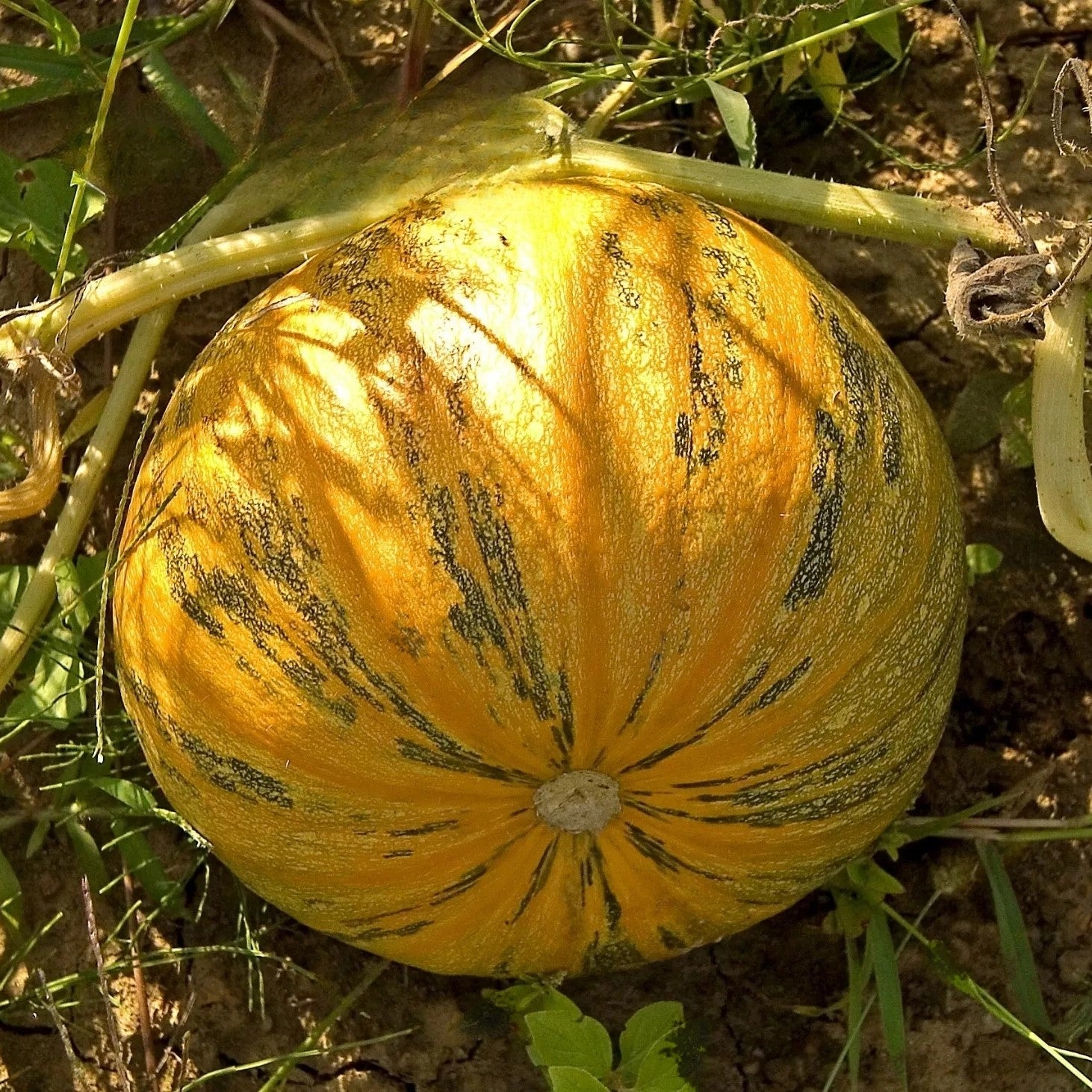
Oil Squash 'Olga' Pumpkin – Seeds (Cucurbita pepo)
The Oil Squash 'Olga' is a versatile pumpkin variety prized for its dense, flavorful flesh and high oil content. Ideal for culinary use, soups, baking, or roasting, 'Olga' produces medium to large, round fruits with smooth skin and rich, orange flesh.
This vigorous plant grows well in garden beds or allotments, providing reliable yields throughout the season. Its robust growth habit and excellent storage qualities make it a practical choice for home gardeners seeking both taste and productivity.
How to Grow
-
Sow outdoors: April – May after last frost
-
Plant spacing: 100–120 cm between plants
-
Position: Full sun
-
Soil: Fertile, well-drained soil enriched with compost
-
Care: Water regularly and mulch to retain moisture; remove weeds to support healthy growth
Key Features
-
Medium to large, round pumpkins with smooth skin
-
Dense, flavorful flesh ideal for oil extraction, cooking, or baking
-
High-yielding and vigorous plants
-
Good storage qualities for long-term use
-
Suitable for garden beds or allotments
Harvest
-
Harvesting period: 90–120 days after sowing
-
Pick when the skin is fully colored and hard; store in a dry, cool place.
Short Tip
Allow fruits to fully ripen on the vine for maximum flavor and oil content.

Summer Broccoli 'Limba' Seeds (Brassica oleracea)
Enjoy fresh, tender broccoli all summer long with Summer Broccoli 'Limba' (Brassica oleracea). This fast-growing variety produces generous heads and delicious, tender side shoots with a mild, sweet flavor. Unlike overwintering broccoli, 'Limba' thrives in warmer months, offering a steady crop of nutritious florets for your kitchen table.
How to Grow
-
Sow seeds indoors in early spring or directly outdoors after the last frost.
-
Use fertile, well-drained soil in full sun.
-
Sow 1 cm deep and thin seedlings to 45 cm apart.
-
Keep soil moist and protect from pests.
-
Harvest when heads are compact and firm, cutting to encourage side shoots.
Key Features
-
Quick-growing summer broccoli variety
-
Produces compact heads and side shoots
-
Mild, sweet, and tender flavor
-
Continuous cropping through the summer season
-
Nutritious and versatile in the kitchen
Ideal For
-
Summer vegetable gardens
-
Fresh cooking, steaming, or stir-fries
-
Healthy, homegrown side dishes
-
Gardeners seeking fast and productive crops
Sowing
-
Best time: Early spring to early summer
-
Depth: 1 cm
-
Spacing: 45 cm apart
-
Prefers full sun and fertile, moist, well-drained soil
Quick Tip
-
Harvest heads promptly to keep plants producing fresh side shoots all summer.
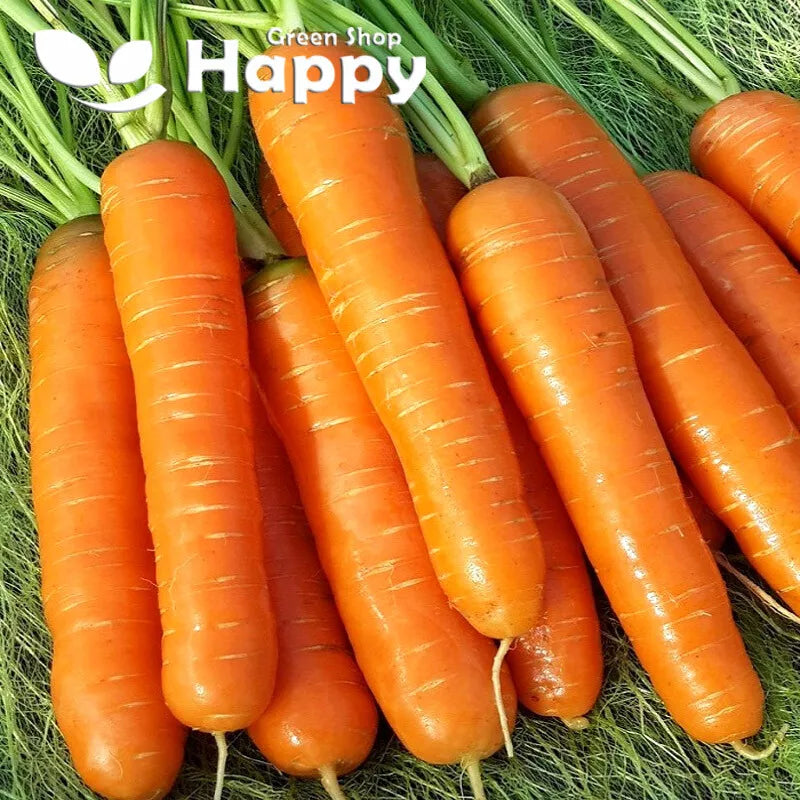
Carrot ‘Cortina’ F1 Seeds (Daucus carota)
Grow sweet, uniform carrots with Carrot ‘Cortina’ F1 (Daucus carota). This early-maturing hybrid produces smooth, tapered, bright orange roots with excellent flavor, perfect for fresh salads, cooking, and roasting. Hardy and highly productive, it’s ideal for vegetable gardens, raised beds, and succession sowing for a continuous harvest.
How to Grow
-
Sow seeds directly outdoors from early spring to midsummer.
-
Use fertile, well-drained soil in full sun.
-
Sow seeds 1 cm deep and thin seedlings to 5–8 cm apart.
-
Keep soil consistently moist for optimal germination (10–14 days).
-
Harvest roots when fully grown but still tender for best flavor.
Key Features
-
Smooth, tapered, bright orange roots
-
Early-maturing and high-yield F1 hybrid
-
Sweet and flavorful, ideal for salads, cooking, and roasting
-
Reliable and easy to grow
-
Suitable for succession sowing for continuous harvest
Ideal For
-
Vegetable gardens, raised beds, and allotments
-
Fresh salads, cooking, and roasting
-
Succession sowing for steady harvests
-
Homegrown culinary use
Sowing
-
Best time: Early spring to midsummer outdoors
-
Depth: 1 cm
-
Spacing: Thin to 5–8 cm apart
-
Prefers full sun and fertile, well-drained soil
Quick Tip
-
Sow in successive batches every 2–3 weeks for a continuous supply of sweet, tender carrots.
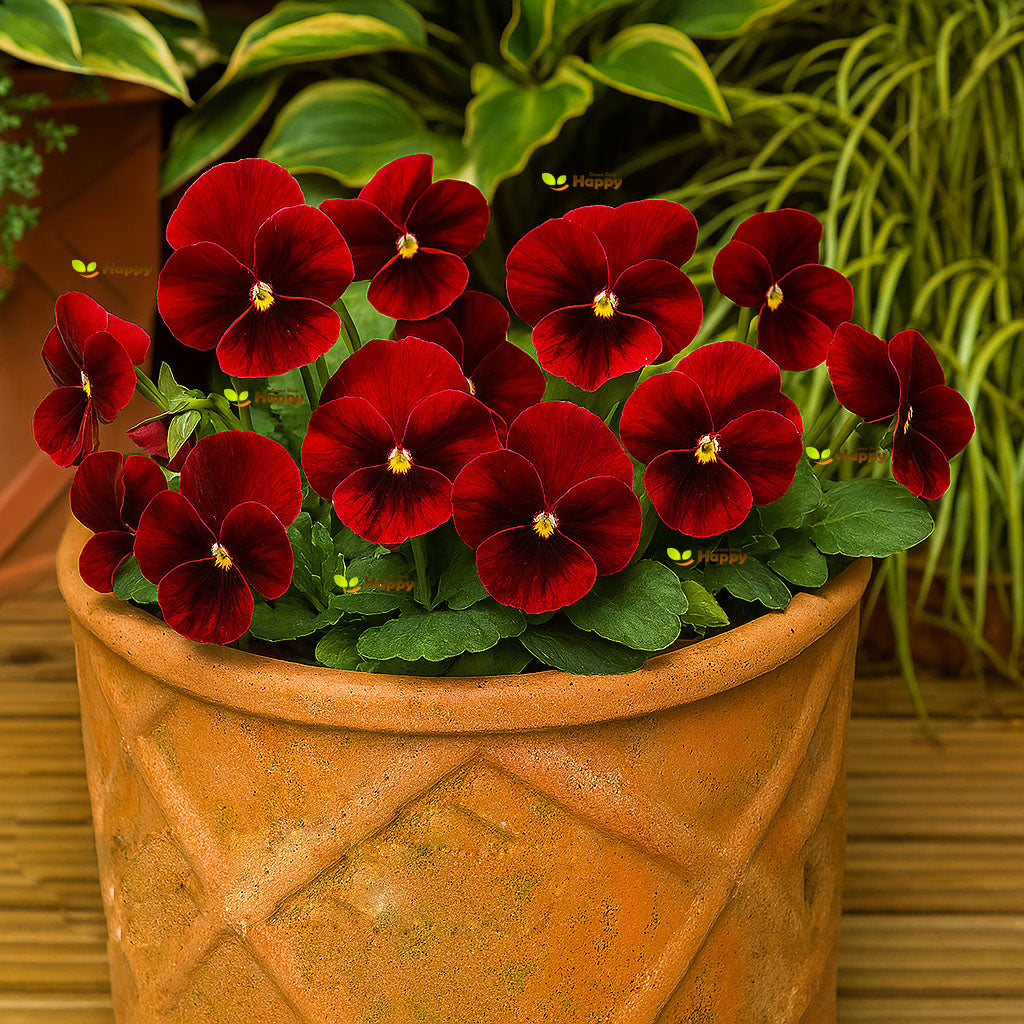
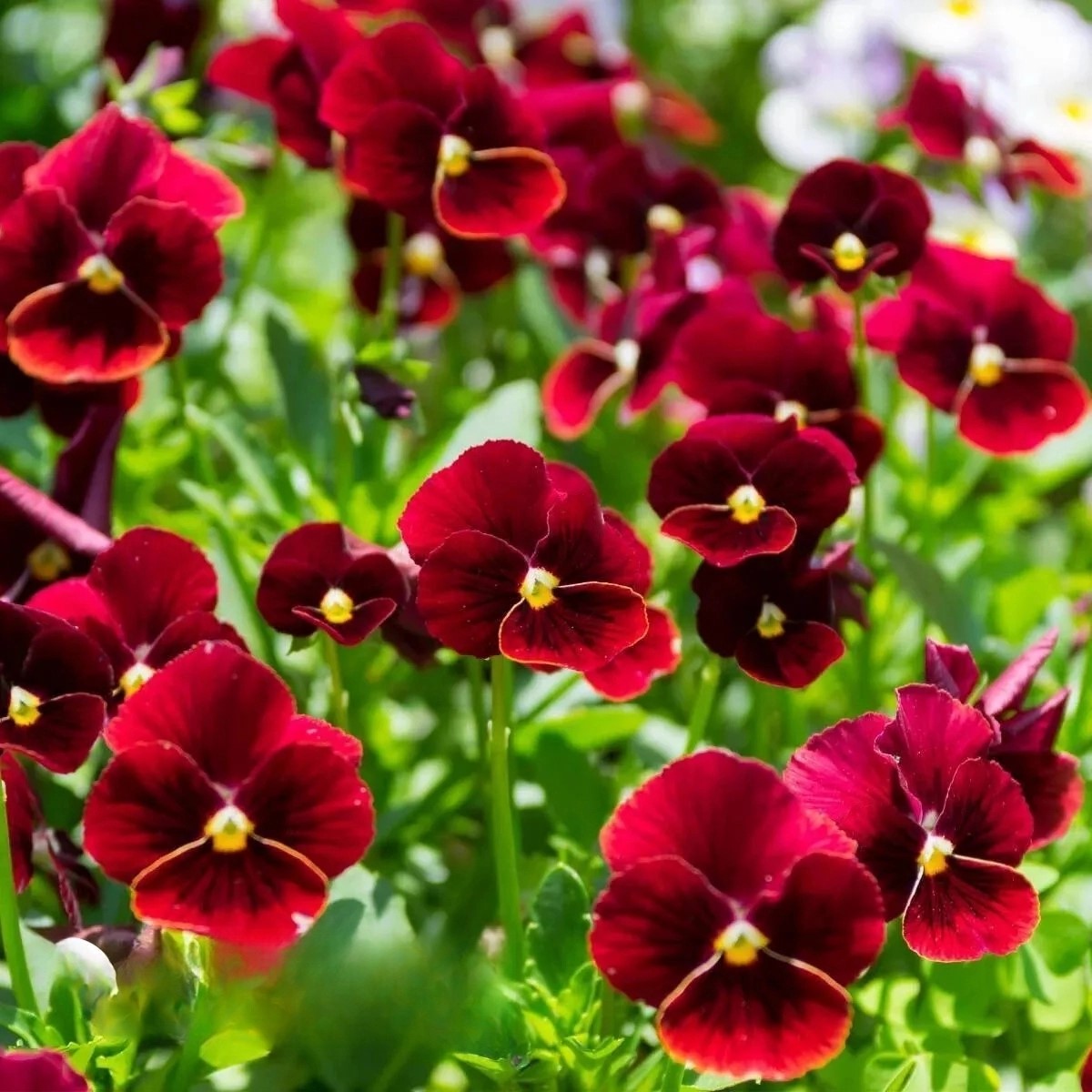
Horned Pansy 'Arkwright Ruby' Seeds (Viola cornuta)
Add a touch of elegance to your garden with Horned Pansy 'Arkwright Ruby'. This charming perennial produces velvety deep ruby-red blooms with golden centers, creating a striking contrast. Compact and free-flowering, it’s ideal for borders, rockeries, containers, and bedding.
What Makes It Special
-
Rich ruby-red flowers with glowing yellow eyes
-
Long flowering season from spring into autumn
-
Hardy, compact, and easy to grow
Key Features
-
Botanical name: Viola cornuta
-
Hardy perennial, often grown as biennial
-
Height: 15–20 cm
-
Spread: 20 cm
-
Blooms: April–October
Ideal For
-
Bedding and containers
-
Rock gardens and edging
-
Pollinator-friendly displays
Sowing
-
Sow indoors: February–April or September–October
-
Cover seeds lightly; germination takes 14–21 days at 15–20°C
-
Transplant seedlings to sunny or part-shade positions
-
Flowers the following spring if autumn sown
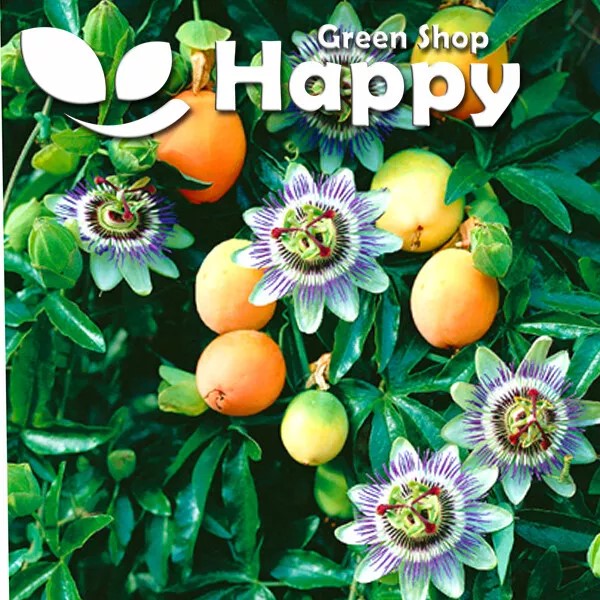
Passion Flower Seeds (Passiflora caerulea)
Exotic and captivating, Passion Flower produces intricate star-shaped blooms with white petals and striking blue-purple filaments. A vigorous climber, it brings drama and elegance to walls, trellises, and fences. Hardy in mild climates and excellent for attracting pollinators, this unique plant also bears ornamental fruit after flowering.
What Makes It Special
-
Exotic, intricate blue-white flowers
-
Vigorous climber for vertical spaces
-
Attracts bees, butterflies, and pollinators
Key Features
-
Botanical name: Passiflora caerulea
-
Hardy perennial climber
-
Height: 3–6 m (10–20 ft) with support
-
Bloom time: Summer to early autumn
Ideal For
-
Covering trellises, walls, and fences
-
Conservatories and greenhouse cultivation
-
Pollinator-friendly and ornamental gardens
Sowing
-
Soak seeds in warm water for 24 hours before sowing
-
Sow indoors Feb–Apr at 20–25°C
-
Germination: 3–8 weeks (sometimes longer)
-
Transplant seedlings to pots, then outdoors after frost
-
Flowers from the second or third year
Showing 135/233


