
Sort by:
233 products
233 products

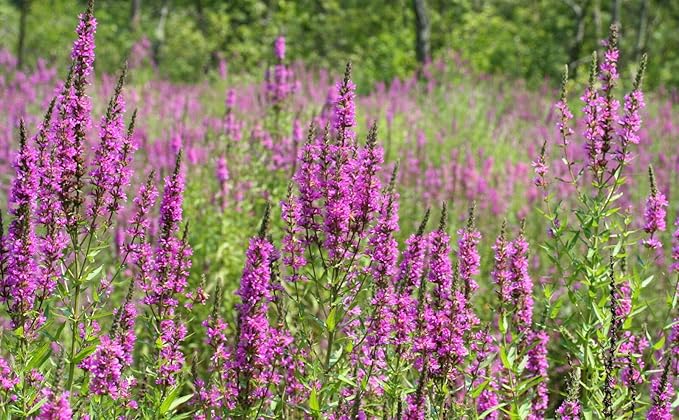
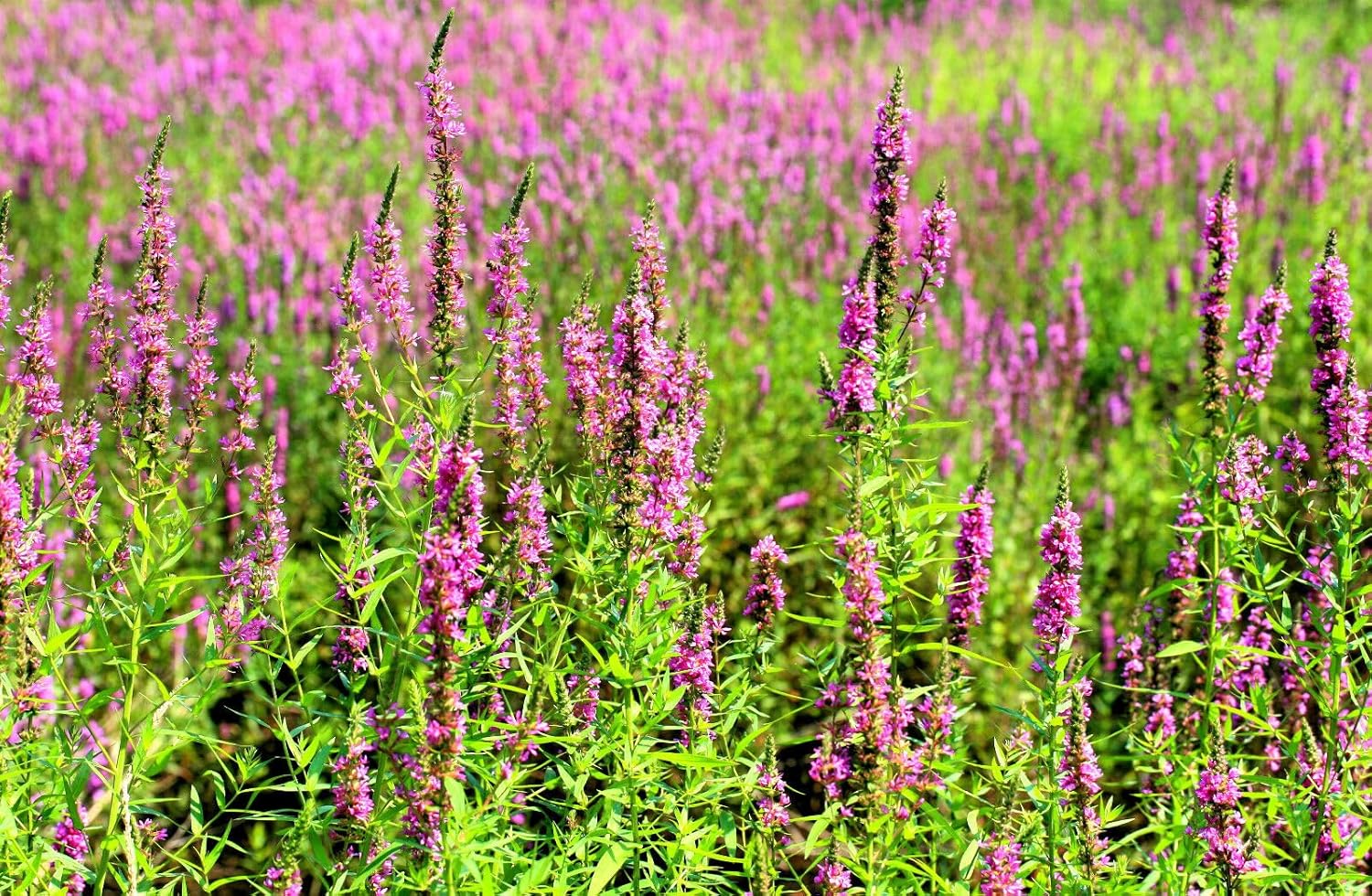
Purple Loosestrife Seeds (Lythrum salicaria)
A striking perennial, Purple Loosestrife produces tall spikes of vibrant purple flowers throughout summer. Hardy and long-flowering, it adds vertical interest and color to borders, wetlands, and naturalistic garden plantings, attracting bees and butterflies.
What Makes It Special
-
Tall spikes of vivid purple flowers
-
Hardy, long-lasting perennial with dramatic vertical presence
-
Attracts pollinators, supporting wildlife-friendly gardens
Key Features
-
Botanical name: Lythrum salicaria
-
Hardy perennial
-
Height: 100–150 cm (3–5 ft)
-
Bloom time: Summer
Ideal For
-
Garden borders and wetland-style plantings
-
Naturalistic and cottage-style gardens
-
Pollinator-friendly landscapes
Sowing
-
Sow indoors Feb–Apr or outdoors Mar–May
-
Cover lightly with soil and keep moist
-
Germination: 14–28 days at 15–20°C
-
Thin seedlings 30–40 cm apart
-
Flowers in the first or second season after sowing
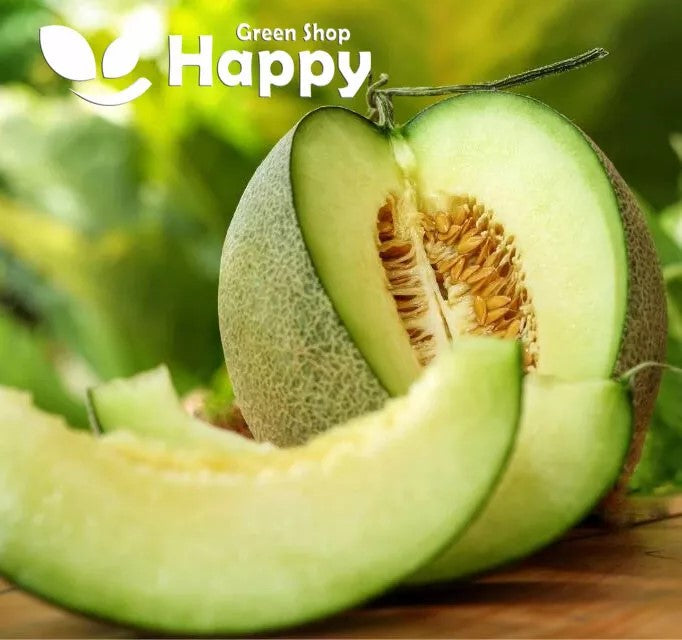
Melon 'Honeydew' – Seeds (Cucumis melo)
Enjoy the sweet, juicy flavor of Honeydew Melon, a classic variety known for its smooth pale green skin and luscious, pale green flesh. Perfect for fresh summer desserts, smoothies, and fruit salads, Honeydew is a highly rewarding melon for home gardeners. With proper care, it produces medium to large fruits that are sweet, fragrant, and full of summer flavor.
How to Grow
. Sow indoors: March – May, 1–2 cm deep in pots or seed trays
. Transplant outdoors: After last frost, spacing 60–80 cm apart in fertile, well-drained soil
. Sow outdoors: May – June, in warm, sunny locations
. Requires consistent watering and full sun for optimal sweetness
. Harvest: When fruits are heavy, with a waxy bloom on the skin and a sweet aroma
Key Features
. Classic Honeydew melon with smooth pale green skin
. Sweet, juicy, aromatic pale green flesh
. Medium to large fruits for fresh eating and salads
. High-yielding and rewarding summer crop
. Ideal for warm, sunny gardens or greenhouse growing
Ideal For
. Fresh summer desserts, fruit salads, and smoothies
. Home gardens and allotments
. Greenhouse cultivation for earlier harvests
. Gardeners seeking fragrant, sweet melons
Sowing & Harvest
. Sow: March – June
. Harvest: August – September
Quick Tip
For sweeter fruits, provide full sun, warm soil, and consistent watering, and avoid overhead watering to reduce the risk of fungal disease.
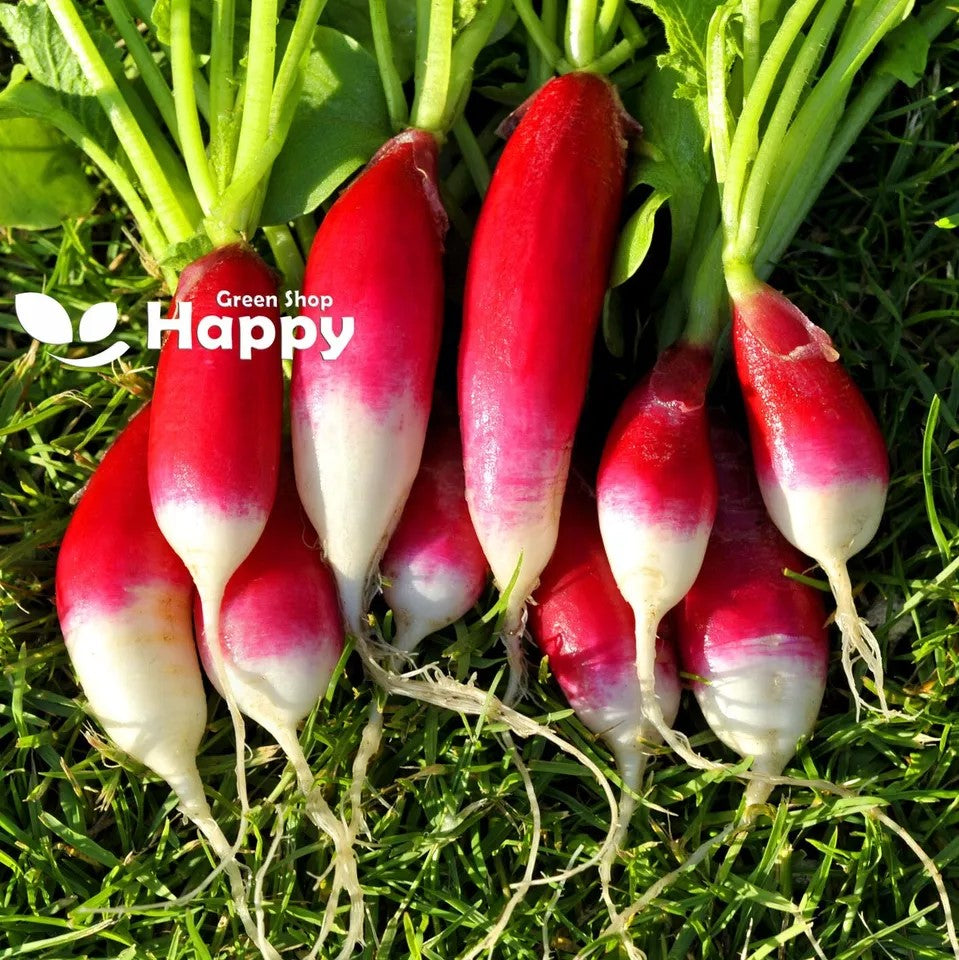
Radish 'Mila' French Breakfast Type – Seeds (Raphanus sativus)
The Radish 'Mila' is a classic French Breakfast type, producing crisp, elongated roots with bright red tops and clean white tips. With a mild, refreshing flavor and crunchy texture, these radishes are perfect for salads, snacking, and garnishes. Fast-growing and reliable, they thrive in most garden soils and can be harvested just weeks after sowing.
How to Grow
-
Sow seeds directly outdoors from March to September.
-
Plant 1 cm deep in rows 15 cm apart.
-
Keep soil moist for tender, crisp roots.
-
Harvest when roots reach 5–7 cm long for best flavor.
Key Features
-
Classic French Breakfast radish variety
-
Crisp red roots with white tips
-
Mild, refreshing flavor
-
Quick-growing crop, ready in weeks
-
Ideal for successive sowings
Ideal For
-
Fresh salads and snacks
-
Spring and summer sowings
-
Beginner gardeners and quick crops
Sowing & Harvest
-
Sow: March to September
-
Harvest: April to October
Quick Tip
-
Sow little and often for a continuous supply of tender, crunchy radishes.


Dwarf Hollyhock ‘Queeny’ Purple – Seeds
(Althaea rosea) – Perennial, often grown as biennial
The Dwarf Hollyhock ‘Queeny’ Purple is a compact variety of the traditional cottage garden favorite. Unlike tall hollyhocks, this dwarf strain grows to a manageable height, making it suitable even for smaller gardens, pots, or the front of borders. It produces large, ruffled, purple blooms that flower generously from summer into autumn, creating a bold and dramatic display.
Key Features
-
Type: Hardy perennial (often grown as biennial)
-
Height: 60–80 cm
-
Spread: 40 cm
-
Flowers: Large, rich purple, semi-double to double blooms
-
Blooming period: June–September
-
Position: Full sun
-
Soil: Well-drained, fertile soil
Ideal For
-
Cottage gardens
-
Mixed borders
-
Container planting
-
Pollinator-friendly gardens (attracts bees & butterflies)
Sowing & Growing
-
Sow indoors: February–April in trays with seed compost, lightly cover with soil
-
Germination: 14–21 days at 18–22°C
-
Transplant: When large enough, harden off and plant outdoors after frost
-
Direct sowing: April–May in flowering position
-
Care: Water well in dry weather and remove faded flowers to encourage longer blooming
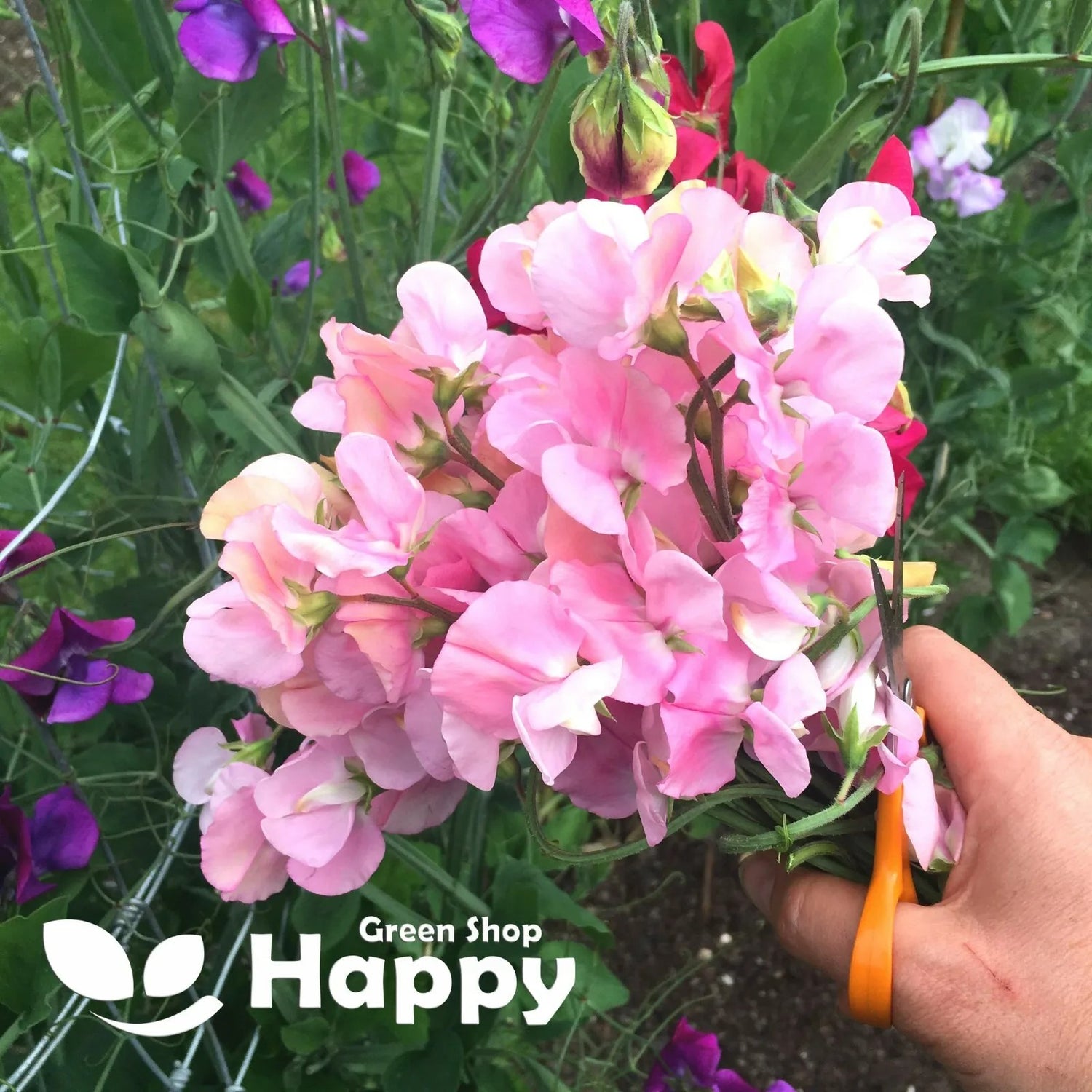
Sweet Pea 'Neille Viner' – Seeds
(Lathyrus odoratus)
Sweet Pea 'Neille Viner' is a classic climbing annual admired for its soft, delicate pink blooms and strong, sweet fragrance. Its long stems are perfect for cutting, while its vigorous climbing habit creates a stunning display on trellises, fences, or arches. Ideal for adding colour and scent to summer gardens, this variety is a favorite among gardeners and florists alike.
Key Features
-
Type: Hardy annual
-
Height: 180–240 cm (climber)
-
Flowering: June–September
-
Position: Full sun
-
Soil: Fertile, well-drained
-
Uses: Trellises, fences, arches, cut flowers
Ideal For
-
Vertical garden displays
-
Cut flower arrangements
-
Cottage-style gardens
-
Fragrant garden corners
Sowing & Growing
-
Sow indoors: January–April in pots or trays
-
Sow outdoors: April–May directly in soil
-
Germination: 10–20 days at 15–20°C
-
Plant out after last frost, spacing 20–30 cm
-
Provide climbing support
-
Regular deadheading encourages more blooms

Toothache Plant – Seeds (Spilanthes oleracea)
The Toothache Plant (Spilanthes oleracea) is an unusual and fascinating herb, known for its small, bright red flowers and unique tingling effect when chewed. Traditionally used for its medicinal properties, it adds interest to herb gardens, containers, and edible landscaping. Easy to grow and fast-maturing, it’s a conversation-starting plant that also attracts pollinators.
Why Grow "Toothache Plant"
-
Bright red, cone-shaped flowers
-
Unique tingling sensation when chewed
-
Traditional medicinal and culinary uses
-
Attracts bees and other pollinators
Key Features
-
Type: Annual herb (Spilanthes oleracea)
-
Height: 30–60 cm
-
Flowering: Summer
-
Position: Full sun, well-drained soil
-
Uses: Herb gardens, containers, edible landscaping, pollinator-friendly plantings
Ideal For
-
Herb and medicinal gardens
-
Container and patio planting
-
Pollinator-friendly gardens
-
Educational or conversation-starting gardens
Sowing & Growing
-
Sow indoors: February–April in seed trays
-
Sow outdoors: April–May after frost
-
Germination: 10–20 days at 18–22°C
-
Transplant seedlings 25–30 cm apart
-
Prefers full sun and moderately fertile soil
-
Keep soil moist for best growth
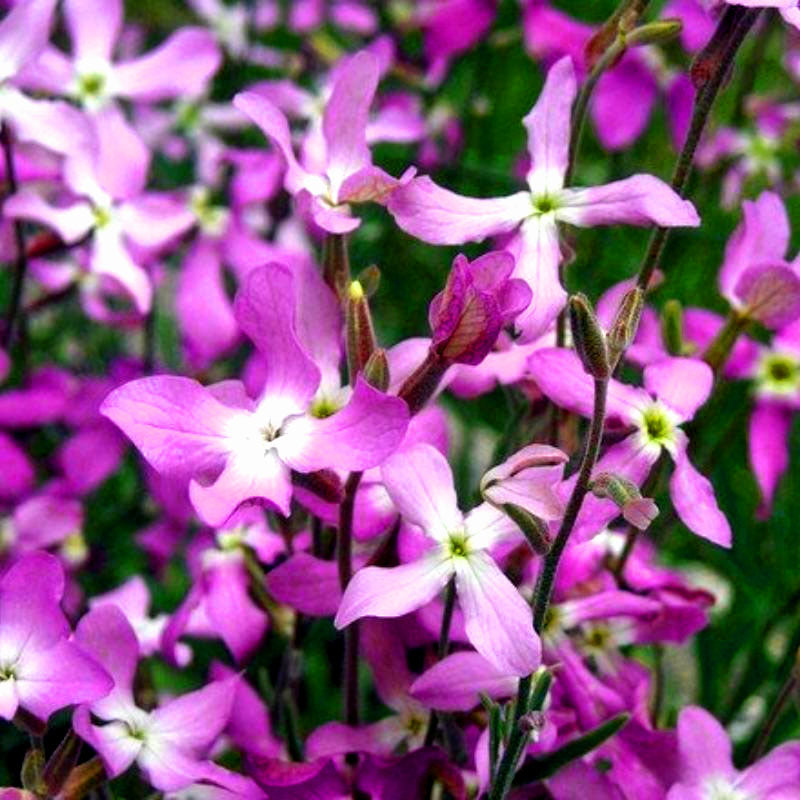
Night Scented Stock – 5 000 Seeds (Matthiola bicornis)
Bring magic to your summer evenings with Night Scented Stock. By day, its blooms are modest, but as dusk falls, they release an irresistible sweet fragrance that perfumes the air. A must-have for evening gardens, patios, and containers.
What Makes It Special
-
Intensely fragrant blooms at night
-
Easy to grow with minimal care
-
Attracts evening pollinators and creates a romantic garden atmosphere
Key Features
-
Height: 40–50 cm
-
Annual, fast-growing
-
Best fragrance released at dusk and night
-
Ideal for evening relaxation spaces
Ideal For
-
Scented night gardens
-
Patio containers near seating areas
-
Borders and cottage gardens
Sowing
-
Sow outdoors Mar–May directly where they are to flower
-
Sow thinly in well-prepared, free-draining soil
-
Cover lightly with soil and keep moist
-
Germination: 10–20 days
-
Thin seedlings to 15–20 cm apart


Butterhead Lettuce 'May King' – Seeds
Butterhead Lettuce 'May King' is an early, hardy variety prized for its tender, buttery leaves and mild, sweet flavor. Perfect for fresh salads, sandwiches, and garnishes, it delivers crisp, flavorful heads even in cooler spring conditions.
Easy to grow, this reliable lettuce is ideal for home gardens, raised beds, or container cultivation.
How to Grow
-
Sow outdoors: March – May
-
Plant spacing: 20–25 cm between plants
-
Position: Full sun to partial shade
-
Soil: Fertile, well-drained soil enriched with compost
-
Care: Keep soil moist; thin seedlings to ensure healthy growth
Key Features
-
Early, hardy butterhead lettuce with tender, buttery leaves
-
Mild and sweet flavor ideal for salads and sandwiches
-
Suitable for cool-season gardening
-
Compact growth, perfect for beds or containers
-
Reliable and easy to cultivate
Harvest
-
Harvesting period: 50–60 days after sowing
-
Pick outer leaves for continuous harvest or harvest entire heads when mature.
Short Tip
Sow successively every 2–3 weeks for a continuous supply of fresh, tender leaves.
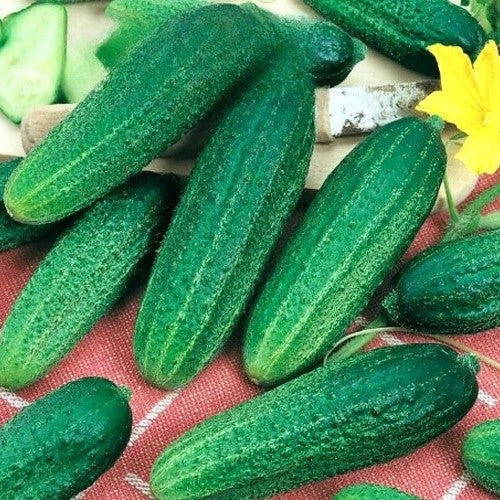
Cucumber Gherkin F1 'Santana' – Seeds (Cucumis sativus)
The Cucumber Gherkin F1 'Santana' is a high-performing hybrid variety that produces uniform, dark green, small cucumbers perfect for pickling or fresh consumption. Known for its compact growth and consistent yields, 'Santana' delivers crisp, tender, and flavorful fruits that retain their quality even during storage.
Ideal for home gardeners and commercial growers alike, this variety thrives in both open fields and protected environments like greenhouses. Its vigorous growth and disease resistance make it a reliable choice for a productive season.
How to Grow
-
Sow indoors: February – March for early harvest
-
Sow outdoors: April – May after last frost
-
Plant spacing: 30–40 cm between plants, 100 cm between rows
-
Position: Full sun
-
Soil: Fertile, well-drained soil enriched with compost
-
Care: Provide support if needed; consistent watering ensures crisp fruits
Key Features
-
High-yielding F1 hybrid gherkin
-
Uniform, dark green, small cucumbers ideal for pickling
-
Crisp, tender, and flavorful fruits
-
Vigorous, disease-resistant plants
-
Suitable for open field or greenhouse cultivation
Harvest
-
Harvesting period: 50–60 days after sowing
-
Pick cucumbers regularly to encourage continuous fruiting.
Short Tip
For the best pickling cucumbers, harvest when fruits are 7–10 cm long – small and tender with optimal flavor.
Showing 144/233

