
Sort by:
74 products
74 products
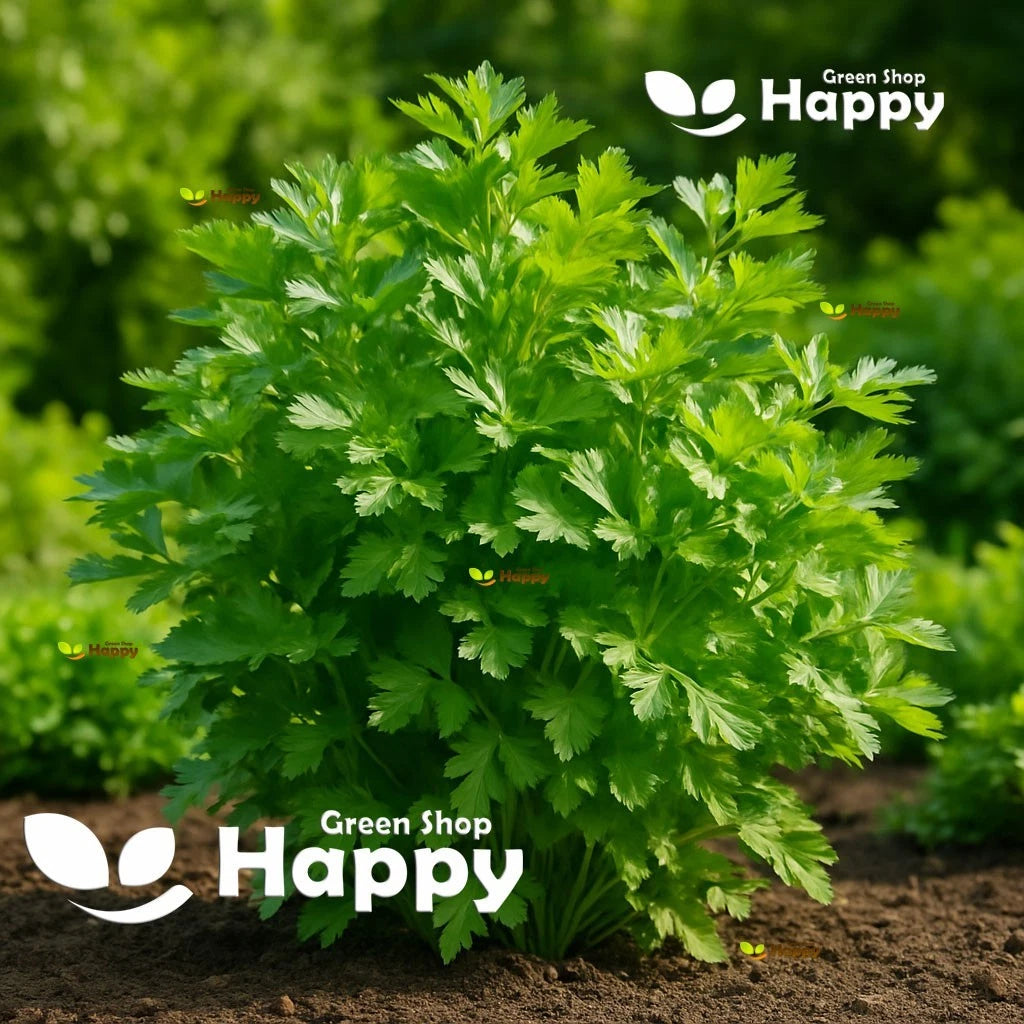

Parsley 'Italian Giant' Seeds (Petroselinum crispum)
Enjoy rich flavor and lush harvests with Parsley 'Italian Giant', a robust flat-leaf variety prized for its strong, aromatic taste and vigorous growth. With large, dark green leaves and a long cutting period, it’s perfect for garnishing, cooking, and seasoning. Easy to grow in the garden or containers, it’s a must-have herb for every kitchen gardener.
How to Grow
-
Sow indoors in early spring or directly outdoors after frost.
-
Use fertile, moist, well-drained soil in sun or partial shade.
-
Sow seeds 0.5 cm deep in rows 25–30 cm apart.
-
Thin seedlings to 20–25 cm apart for strong plants.
-
Harvest regularly to encourage new growth.
Key Features
-
Flat-leaf parsley with strong, aromatic flavor
-
Vigorous, robust growth and large green leaves
-
Long cutting period for continuous harvest
-
Ideal for cooking, garnishing, and seasoning
-
Grows well in beds, pots, and herb gardens
Ideal For
-
Garnishes and fresh salads
-
Cooking and seasoning sauces, soups, and stews
-
Herb gardens and containers
-
Gardeners who want reliable, productive herbs
Sowing
-
Best time: Spring, or indoors earlier
-
Depth: 0.5 cm
-
Spacing: Thin to 20–25 cm apart
-
Prefers moist, fertile, well-drained soil
Quick Tip
-
Soak seeds overnight before sowing to improve germination.

Pointed Red Cabbage ‘Kalibos’ – Seeds
(Brassica oleracea L.)
Pointed Red Cabbage ‘Kalibos’ is an exceptional variety combining the sweet flavor of pointed cabbage with the deep red color of traditional red cabbage. The tight, conical heads are medium-sized, firm, and full of crisp, tender leaves with a mild, slightly sweet taste—perfect for salads, coleslaws, and light cooking.
Key Features
-
Type: Red pointed cabbage
-
Head Shape: Conical, medium-sized, dense
-
Color: Deep purple-red
-
Taste: Sweet, mild, and crisp
-
Days to Maturity: 110–120 days
-
Harvest Period: Late summer to autumn
-
Storage: Good short-term storage variety
Ideal For
-
Home gardens and allotments
-
Fresh salads and coleslaws
-
Cooking, fermenting, and pickling
Sowing & Growing
-
Sow indoors: February – April
-
Transplant outdoors: April – May
-
Harvest: August – October
-
Spacing: 40 × 50 cm
-
Position: Sunny, sheltered spot
-
Soil: Fertile, moist, well-drained soil enriched with compost
Care Tips
-
Keep soil consistently moist for tender heads.
-
Apply organic fertilizer or compost during growth.
-
Protect from cabbage butterflies with netting.

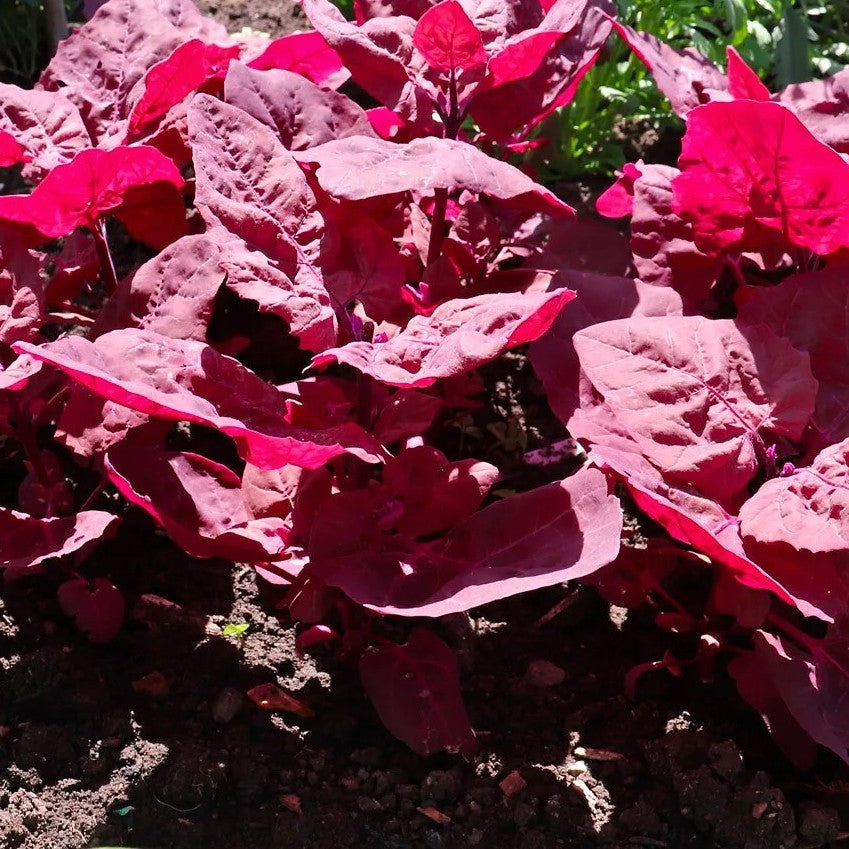
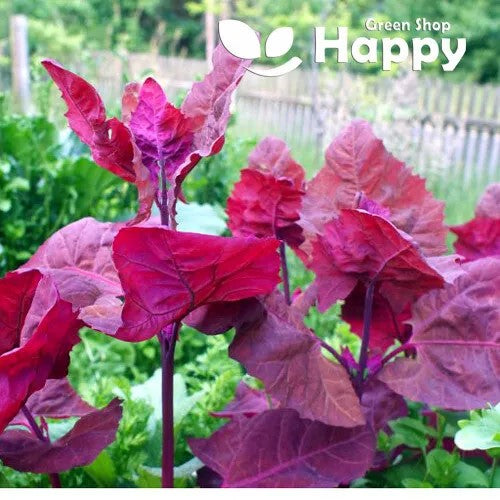
French Spinach - Purple spinach baby leaf - 250 seeds (Atriplex hortensis Orach)
£1.24
Unit price perFrench Spinach - Purple spinach baby leaf - 250 seeds (Atriplex hortensis Orach)
£1.24
Unit price perFrench Spinach – Purple Spinach Baby Leaf Seeds (Atriplex hortensis, Orach)
Bring color and nutrition to your garden with French Spinach (Atriplex hortensis), also known as Orach. This fast-growing heirloom green produces striking purple-red baby leaves with a mild, spinach-like flavor. Perfect for salads, stir-fries, and garnishes, it’s a fantastic alternative to traditional spinach, especially in warmer weather when spinach tends to bolt. Easy to grow and beautiful in the garden, it’s both ornamental and edible.
How to Grow
-
Sow directly outdoors from spring through summer.
-
Prefers fertile, well-drained soil in sun or partial shade.
-
Sow thinly 1–1.5 cm deep in rows 30 cm apart.
-
Thin seedlings to 20–25 cm for mature plants, or harvest young as baby leaves.
-
Pick regularly to encourage fresh growth.
Key Features
-
Deep purple-red baby leaves with mild spinach flavor
-
Excellent heat tolerance, less prone to bolting
-
Can be harvested young or grown to full size
-
Dual-purpose: edible and ornamental
-
Easy to grow and highly productive
Ideal For
-
Baby leaf salads and gourmet mixes
-
Stir-fries, soups, and steamed greens
-
Gardeners in warm climates
-
Edible landscaping and colorful borders
Sowing
-
Best time: Spring through summer
-
Depth: 1–1.5 cm
-
Spacing: Thin to 20–25 cm apart
-
Grows best in sun or light shade
Quick Tip
-
Harvest young leaves frequently for the best flavor and to keep plants producing longer.
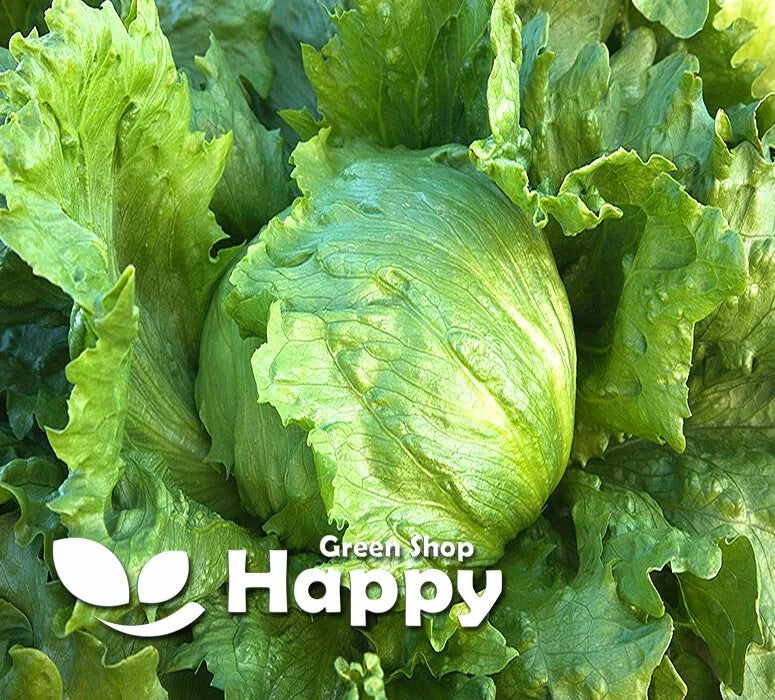
Iceberg Lettuce ‘Great Lakes 118’ Seeds (Lactuca sativa)
Grow crisp, refreshing heads with Iceberg Lettuce ‘Great Lakes 118’ (Lactuca sativa). This classic variety produces firm, compact, light-green heads with a crunchy texture, perfect for fresh salads, sandwiches, and burgers. Easy to grow and early-maturing, it’s ideal for vegetable gardens, raised beds, and continuous harvests.
How to Grow
-
Sow seeds directly outdoors from early spring to early summer, or indoors for transplanting.
-
Use fertile, well-drained soil in full sun to partial shade.
-
Sow seeds thinly and cover lightly with soil; keep moist until germination (7–14 days).
-
Thin seedlings to 25–30 cm apart for healthy head development.
-
Harvest heads when firm and fully formed, before they bolt.
Key Features
-
Firm, compact, light-green heads with crunchy texture
-
Early-maturing and easy to grow
-
Ideal for fresh salads, sandwiches, and burgers
-
Reliable and productive in temperate climates
-
Suitable for outdoor or protected cultivation
Ideal For
-
Vegetable gardens, raised beds, and allotments
-
Fresh salads, sandwiches, and burgers
-
Continuous harvest with succession sowing
-
Homegrown kitchen gardens
Sowing
-
Best time: Early spring to early summer outdoors or indoors for transplanting
-
Germination: 7–14 days
-
Spacing: Thin to 25–30 cm apart
-
Prefers full sun to partial shade and fertile, well-drained soil
Quick Tip
-
Sow in successive batches every 2–3 weeks to enjoy a continuous supply of crisp heads.

Chinese Cabbage 'Hilton' – Seeds (Brassica oleracea)
Chinese Cabbage 'Hilton' is a highly productive, reliable variety that produces large, barrel-shaped heads with crisp, pale green leaves and a sweet, mild flavor. Popular in Asian cuisine, it’s perfect for stir-fries, soups, salads, and traditional dishes like kimchi.
Fast-growing and versatile, 'Hilton' is ideal for both spring and late-summer sowings, offering gardeners a quick and rewarding crop.
How to Grow
. Sow indoors from March to May or directly outdoors from April
. For autumn crops, sow again from July to August
. Space plants 30–40 cm apart in fertile, moist soil
. Prefers cooler growing conditions for best results
. Protect young plants from pests such as flea beetles
Key Features
. Large, dense heads of sweet, tender leaves
. Quick-growing variety, ready in 60–75 days
. Excellent for stir-fries, salads, soups, and kimchi
. Can be grown in spring or late summer for staggered harvests
. High yields and reliable performance
Sowing & Harvest
. Sow from March to May or July to August
. Harvest from June to October
Short Tip
For the best flavor, harvest before heads become too mature, as older leaves can turn bitter.
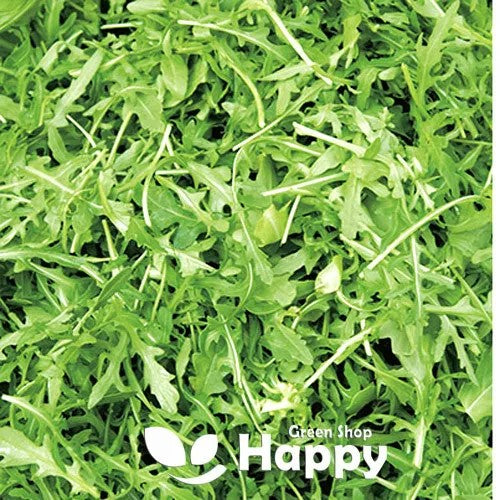
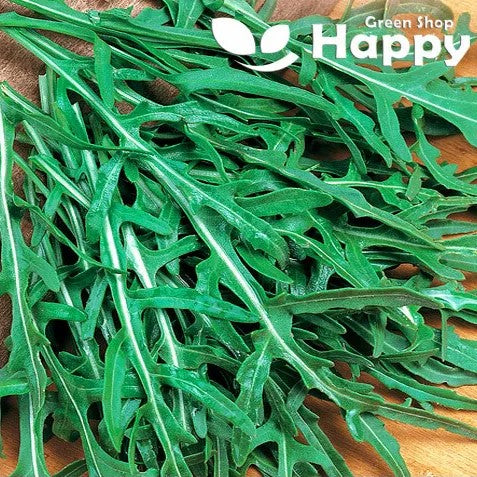
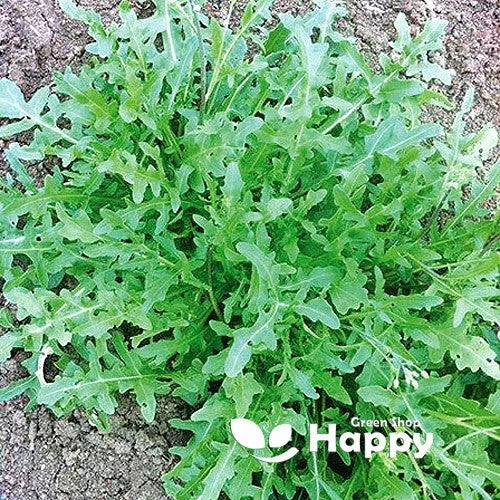
Baby Leaf Arugula – Wild Wall Rocket – Seeds (Diplotaxis muralis)
Wild Wall Rocket (Diplotaxis muralis) is a vigorous, fast-growing salad green with small, deeply serrated leaves and a strong, peppery flavor. Perfect as a baby leaf crop, it adds a zesty kick to salads, sandwiches, and garnishes. Compared to regular arugula, it has a more intense taste and exceptional regrowth, making it ideal for repeat harvests throughout the season.
How to Grow
-
Sow directly outdoors from March to September in shallow drills (0.5 cm deep).
-
Space rows 15–20 cm apart.
-
For baby leaves, harvest when young; for larger plants, thin seedlings to 10 cm apart.
-
Prefers full sun to partial shade and well-drained soil.
-
Water regularly to prevent leaves from becoming too spicy.
Key Features
-
Strong, peppery flavor – spicier than standard arugula
-
Quick-growing, ready to cut in just 3–5 weeks
-
Continuous regrowth after cutting (cut & come again)
-
Excellent for salads, sandwiches, and garnishes
-
Rich in vitamins A, C, and minerals
Ideal For
-
Baby leaf production
-
Salad mixes and kitchen gardens
-
Gardeners looking for a stronger, wild arugula flavor
Sowing & Harvest
-
Sow: March – September
-
Harvest: April – October (baby leaves in 3–5 weeks)
Quick Tip
-
To enjoy tender leaves, pick regularly before plants flower. Succession sow every 2–3 weeks for a continuous supply.
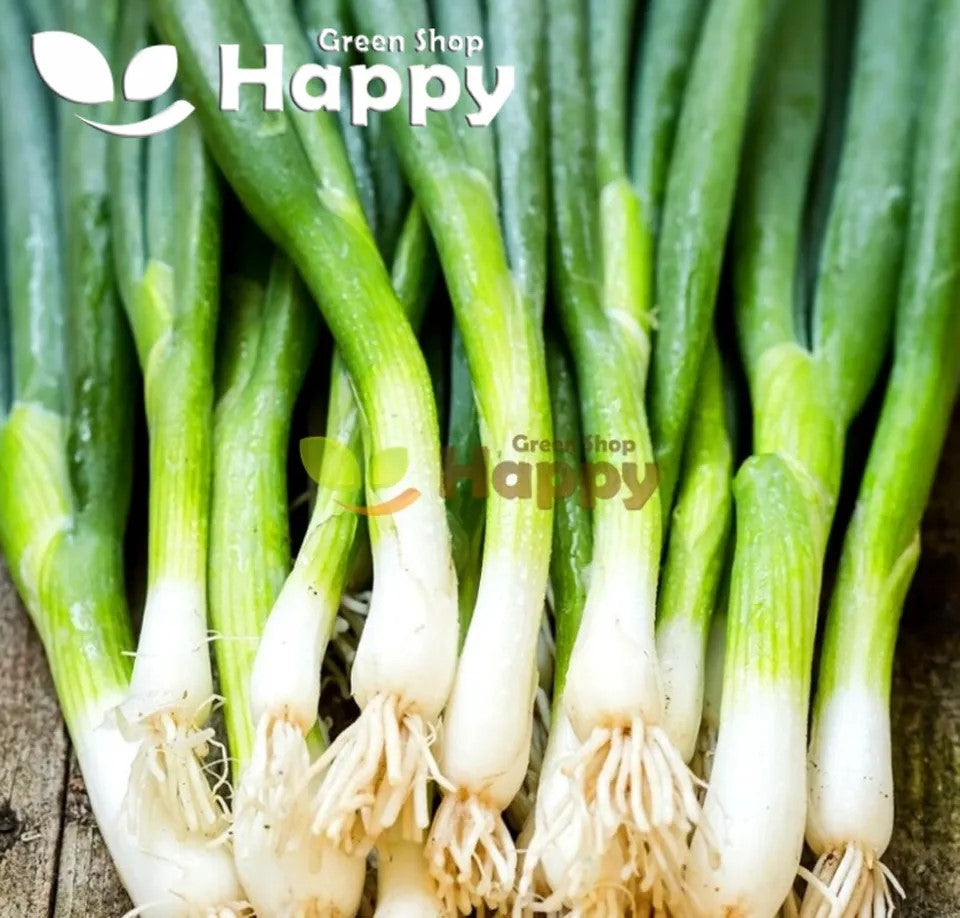
Welsh Onion 'Kroll' – Seeds (Allium fistulosum)
The Welsh Onion 'Kroll' is a hardy and versatile perennial onion grown for its slender, upright stems and mild, onion-like flavor. Unlike bulb onions, it does not form bulbs but produces clusters of long, hollow stems that can be cut and used fresh like spring onions or left to grow for a stronger flavor. An easy, cut-and-come-again crop that thrives year after year.
How to Grow
-
Sow seeds outdoors from March to July or indoors earlier for transplanting.
-
Sow thinly, 1 cm deep, in rows 20 cm apart.
-
Thin seedlings to 10 cm spacing once established.
-
Prefers well-drained, fertile soil in full sun.
-
Harvest by cutting stems as required, leaving roots intact for regrowth.
Key Features
-
Perennial onion producing clusters of hollow stems
-
Mild, fresh onion flavor
-
Easy cut-and-come-again harvest
-
Hardy and long-lived in the garden
-
Perfect alternative to spring onions
Ideal For
-
Soups, salads, stir-fries, and garnishes
-
Kitchen gardens, allotments, and containers
-
Low-maintenance perennial cropping
-
Year-round use in cooking
Sowing & Harvest
-
Sow: March to July
-
Depth: 1 cm
-
Spacing: 10 cm between plants, 20 cm between rows
-
Harvest: June to October, with regrowth year after year
Quick Tip
-
Divide clumps every few years to keep plants vigorous and productive.
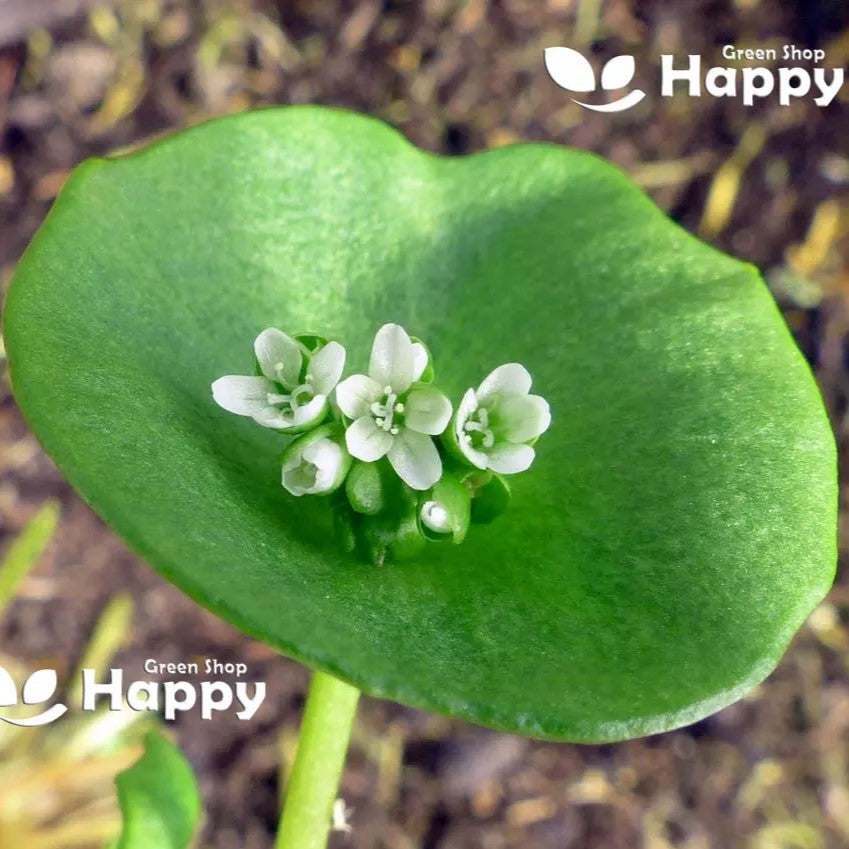
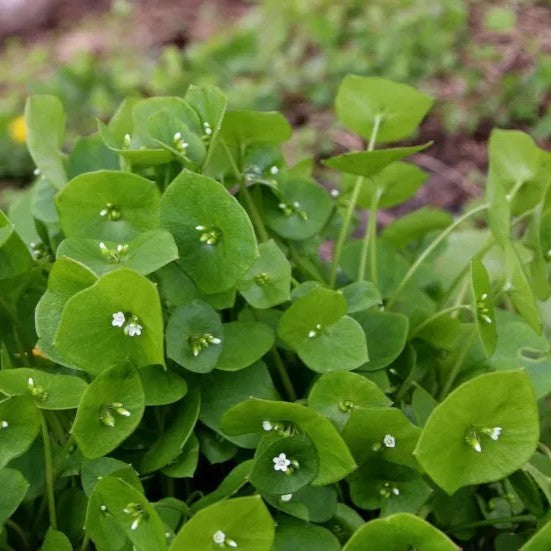
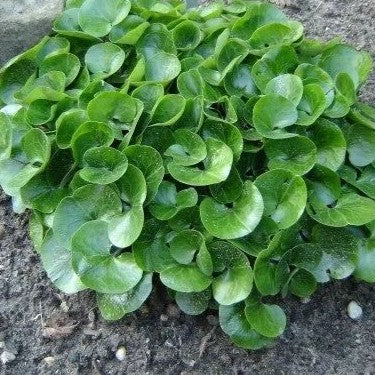
Winter Purslane Salad Seeds (Claytonia perfoliata)
Enjoy fresh, nutritious greens even in the colder months with Winter Purslane Salad (Claytonia perfoliata). Also known as Miner’s Lettuce, this hardy leafy green thrives in cool conditions, producing tender, mild-flavored leaves packed with vitamins. Easy to grow and quick to harvest, it’s a superb choice for salads, garnishes, and year-round kitchen gardens.
How to Grow
-
Sow directly outdoors from late summer to early spring.
-
Choose fertile, well-drained soil in partial shade or light sun.
-
Scatter seeds thinly on the surface and lightly cover with soil.
-
Keep soil moist until germination, which takes 10–20 days.
-
Thin seedlings to 10–15 cm apart as they grow.
-
Harvest young leaves regularly to encourage new growth.
Key Features
-
Nutritious leafy green, rich in vitamins C and A
-
Mild, succulent leaves with a fresh, tangy flavor
-
Thrives in cooler weather and tolerates light frost
-
Fast-growing, perfect for cut-and-come-again harvests
-
Suitable for beds, borders, containers, or greenhouse growing
Ideal For
-
Autumn, winter, and spring salads
-
Continuous harvesting for fresh kitchen use
-
Small gardens, allotments, or balcony planters
-
Cold-climate gardeners seeking reliable greens
Sowing
-
Best time: Late summer to early spring
-
Germination: 10–20 days
-
Sow thinly and cover lightly with fine soil
-
Prefers cool, moist conditions for best results
Quick Tip
-
Successive sowings every few weeks will ensure a steady supply of tender leaves throughout the cooler seasons.
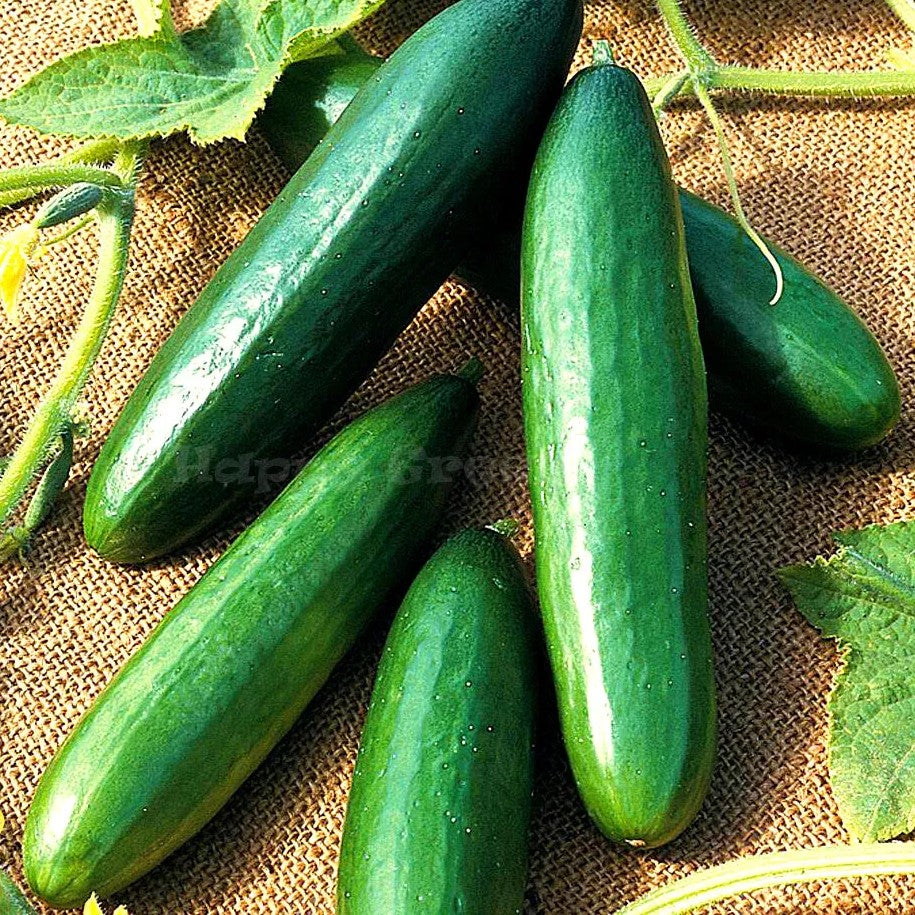
Cucumber ‘Obelix’ F1 – Seeds (Cucumis sativus)
Cucumber ‘Obelix’ F1 is a strong, reliable hybrid variety producing long, smooth, dark green fruits with a crisp bite and refreshing taste. Ideal for slicing and salads, this cucumber offers excellent disease resistance and a heavy yield over a long season. Perfect for both outdoor beds and greenhouse cultivation, it’s a gardener’s favorite for consistent quality.
How to Grow
-
Sow indoors: April – May in pots at 20–25°C.
-
Transplant outdoors or into greenhouse after last frost.
-
Space plants 60 cm apart.
-
Train up supports or trellis for straighter fruits.
-
Keep soil fertile and well-watered for best results.
Key Features
-
F1 hybrid with vigorous growth
-
Long, smooth, dark green fruits
-
Crisp, mild, refreshing flavor
-
Excellent disease resistance
-
Suitable for outdoor or greenhouse growing
Ideal For
-
Fresh salads and healthy snacking
-
Summer-long harvests
-
Home gardens, polytunnels, and allotments
Sowing & Harvest
-
Sow: April – May
-
Harvest: June – September
Quick Tip
Harvest regularly to encourage continuous cropping and prevent fruits from becoming oversized.
Showing 27/74

