
Sort by:
83 products
83 products
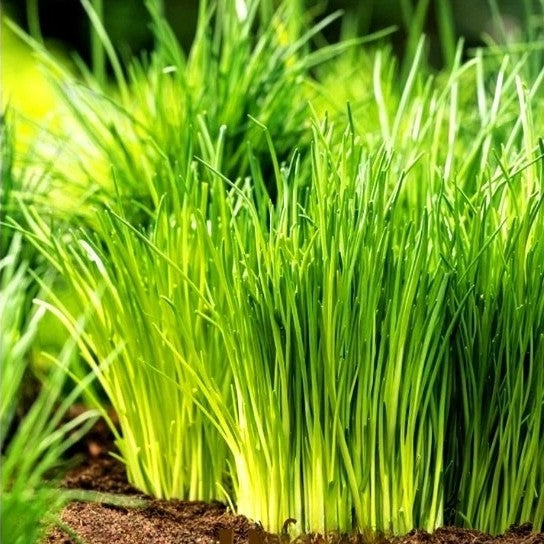
Fine Leaved Chives Seeds (Allium schoenoprasum)
Add fresh, mild onion flavor to your dishes with Fine Leaved Chives, a classic herb with slender, dark green leaves and delicate edible flowers. Ideal for salads, soups, sauces, and garnishes, this perennial herb is easy to grow and provides harvests year after year. Its compact growth habit makes it perfect for garden beds, borders, and containers.
How to Grow
-
Sow indoors 6–8 weeks before the last frost or directly outdoors in spring.
-
Prefers fertile, well-drained soil in full sun or light shade.
-
Sow seeds 0.5 cm deep in rows 20–25 cm apart.
-
Thin seedlings to 15 cm apart.
-
Harvest leaves regularly to encourage bushy growth.
Key Features
-
Perennial herb with fine, slender leaves
-
Mild, fresh onion flavor for culinary use
-
Compact and easy to grow in beds or containers
-
Long-lasting harvest year after year
-
Attractive edible purple flowers
Ideal For
-
Fresh salads, soups, sauces, and garnishes
-
Container and herb gardens
-
Gardeners seeking perennial, low-maintenance herbs
-
Adding flavor and ornamental interest to beds
Sowing
-
Best time: Early spring indoors or direct sow outdoors
-
Depth: 0.5 cm
-
Row spacing: 20–25 cm
-
Plant spacing: Thin to 15 cm apart
-
Harvest: From 8–10 weeks after sowing
Quick Tip
-
Trim leaves regularly to promote fresh, tender growth and prevent flowering if desired.
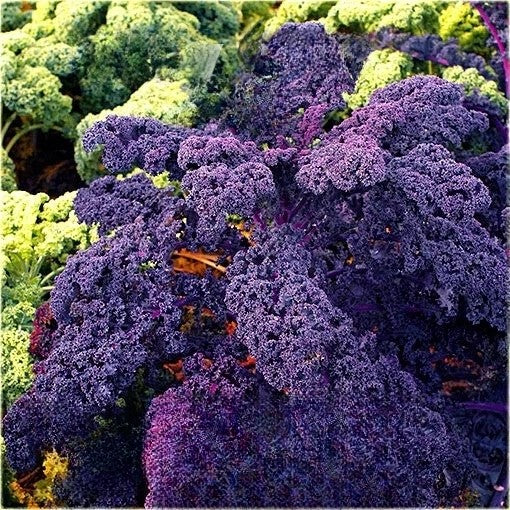
Kale 'Scarlet' – Seeds (Brassica oleracea)
The Kale 'Scarlet' is a stunning ornamental and culinary variety, prized for its deeply curled, frilly leaves that turn a rich purple-red as temperatures drop. This hardy kale is packed with vitamins and minerals, offering a sweet, mild flavor that improves after the first frosts.
Beautiful in the garden and nutritious in the kitchen, it’s perfect for salads, smoothies, sautés, and winter soups.
How to Grow
-
Sow indoors: March – May
-
Sow outdoors: April – June
-
Transplant/Thin: 40–50 cm apart
-
Soil: Fertile, well-drained, moisture-retentive
-
Position: Full sun or partial shade
-
Care: Water regularly and protect young plants from pests
Key Features
-
Striking deep-red, frilly leaves
-
Sweet flavor enhanced by frost
-
Very hardy, withstands winter cold
-
Rich in vitamins A, C, and K
-
Dual-purpose: ornamental and edible
Sowing & Harvest
-
Sow: March – June
-
Harvest: October – March
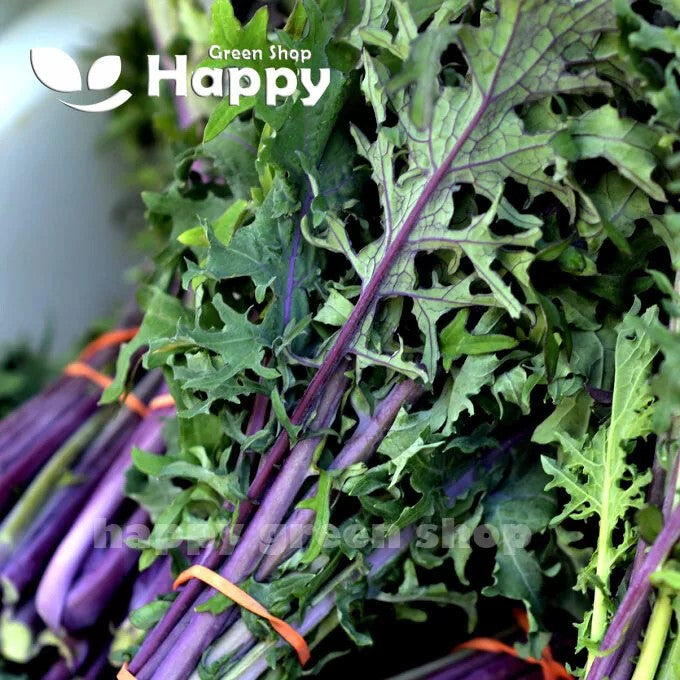
Kale 'Red Russian' Seeds (Brassica oleracea)
Bring color and nutrition to your garden with Kale 'Red Russian', a hardy variety with tender, oak-shaped leaves flushed with purple-red veins. Sweeter and milder than many other kales, it’s perfect for salads, smoothies, steaming, and stir-fries. Cold-hardy and easy to grow, it thrives from early spring to late winter, providing a long season of nutrient-rich harvests.
How to Grow
-
Sow indoors in early spring or direct outdoors from spring to mid-summer.
-
Prefers fertile, well-drained soil in full sun or partial shade.
-
Sow 1 cm deep in rows 45 cm apart.
-
Thin or transplant seedlings to 40–50 cm apart.
-
Harvest young leaves for salads or allow plants to mature for larger leaves.
Key Features
-
Attractive purple-red veined leaves with tender texture
-
Mild, sweet flavor compared to traditional kales
-
Cold-hardy and reliable through autumn and winter
-
Perfect for cut-and-come-again harvesting
-
Nutrient-rich superfood, high in vitamins and minerals
Ideal For
-
Fresh salads and smoothies
-
Stir-fries, soups, and steaming
-
Year-round kitchen gardens
-
Gardeners seeking hardy, reliable greens
Sowing
-
Best time: March to July
-
Depth: 1 cm
-
Row spacing: 45 cm
-
Plant spacing: 40–50 cm
-
Harvest: From 6–8 weeks after sowing
Quick Tip
-
Harvest young leaves regularly to promote fresh growth and sweeter flavor.
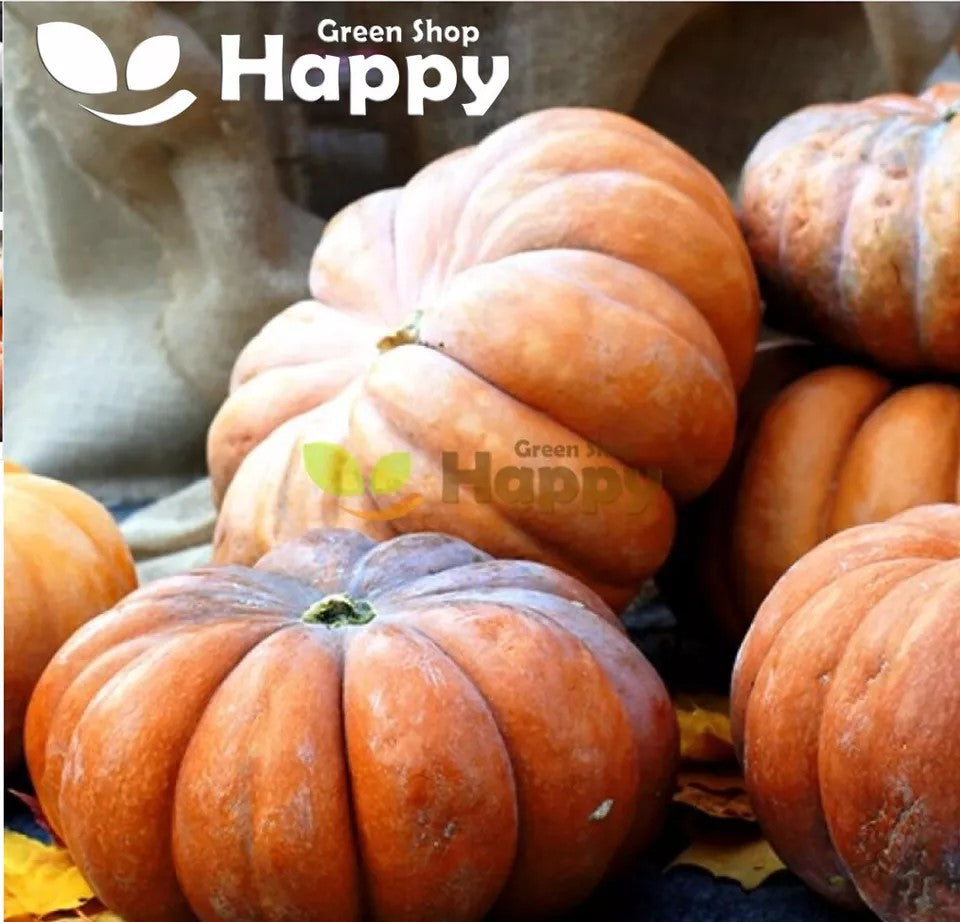
Pumpkin 'Muscade de Provence' – Seeds (Cucurbita moschata)
The Pumpkin 'Muscade de Provence' is a traditional French winter squash renowned for its rich, nutty flavor and smooth, orange flesh. Producing medium to large, round to slightly flattened fruits, this variety is perfect for soups, roasting, baking, and preserves. Its excellent storage qualities make it ideal for autumn harvests and long-term use.
How to Grow
-
Sow seeds indoors from April or directly outdoors from May once the soil is warm.
-
Plant 2–3 seeds per hole, 2–3 cm deep, thinning to the strongest seedling.
-
Space plants 90–120 cm apart in sunny, fertile, well-drained soil.
-
Water consistently and mulch to retain moisture.
-
Harvest fruits when the skin is hard and deep orange.
Key Features
-
Rich, nutty-flavored orange flesh
-
Medium to large, round to slightly flattened fruits
-
Excellent storage qualities for winter use
-
Ideal for soups, roasting, baking, and preserves
-
Vigorous, high-yielding plants
Ideal For
-
Autumn harvests and long-term storage
-
Culinary use: soups, roasting, and baking
-
Home gardens, allotments, and specialty pumpkin collections
Sowing & Harvest
-
Sow: April to May
-
Spacing: 90–120 cm between plants
-
Harvest: September to October
Quick Tip
-
Leave pumpkins on the vine until the skin hardens and the stem starts to brown for optimal storage.
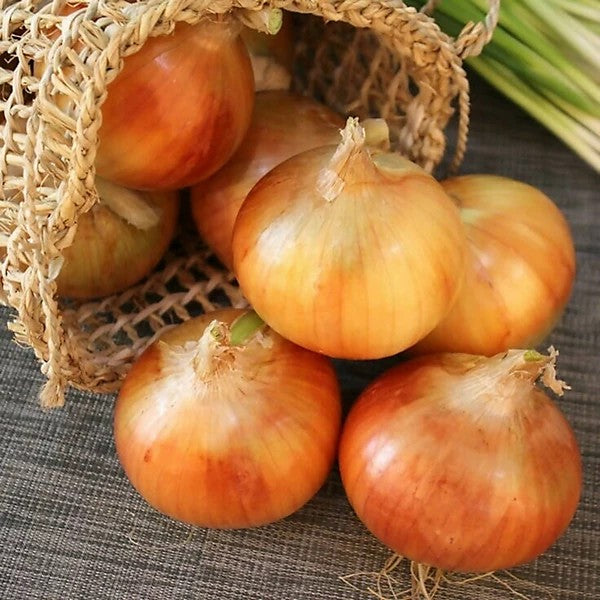
Onion "Augusta" – Seeds (Allium cepa)
The Onion "Augusta" is a reliable, high-quality variety producing uniform, golden-yellow bulbs with firm flesh and excellent storage ability. Known for its good resistance to bolting and disease, Augusta is ideal for both kitchen gardeners and allotment growers seeking dependable harvests. Its mild, well-balanced flavor makes it versatile for everyday cooking.
How to Grow
-
Sow indoors from January to March for transplanting, or direct outdoors from March to April.
-
Sow thinly, 1 cm deep, in rows 25–30 cm apart.
-
Prefers fertile, well-drained soil in full sun.
-
Thin seedlings to 10 cm apart to allow bulbs to swell.
-
Water regularly during dry periods.
Key Features
-
Uniform, golden-yellow bulbs
-
Mild, versatile flavor
-
Good resistance to bolting
-
Excellent storage potential
-
Easy to grow, reliable yields
Ideal For
-
Everyday cooking – soups, salads, stir-fries, roasting
-
Long-term storage after harvest
-
Kitchen gardens and allotments
Sowing & Harvest
-
Sow: January to April
-
Depth: 1 cm
-
Spacing: 10 cm between plants, 25–30 cm between rows
-
Harvest: August to September
Quick Tip
-
Lift onions when the tops begin to yellow and bend over. Dry thoroughly before storing in a cool, airy place.

Parsley Hamburg 'Alba' – Seeds (Petroselinum crispum)
Parsley Hamburg 'Alba' is a dual-purpose variety grown both for its large, white, parsnip-like roots and its flavorful parsley leaves. The roots are excellent roasted, boiled, or grated raw into salads, while the leaves can be used fresh as a garnish or in cooking. A versatile and easy-to-grow addition to the kitchen garden.
How to Grow
-
Sow outdoors: March – July, directly into well-prepared soil.
-
Thin seedlings to 15 cm apart in rows 30 cm apart.
-
Prefers fertile, light, well-drained soil.
-
Water regularly for strong root development.
Key Features
-
Root parsley variety with sweet, nutty flavor
-
Dual-purpose: edible roots & aromatic leaves
-
Easy to grow and hardy in most soils
-
Stores well after harvest
-
Great for soups, stews, roasting, and garnishing
Ideal For
-
Root vegetable dishes
-
Fresh parsley leaves for cooking
-
Kitchen gardens and allotments
Sowing & Harvest
-
Sow: March – July
-
Harvest: October – December
Quick Tip
For the best roots, loosen soil well before sowing to allow long, straight growth.
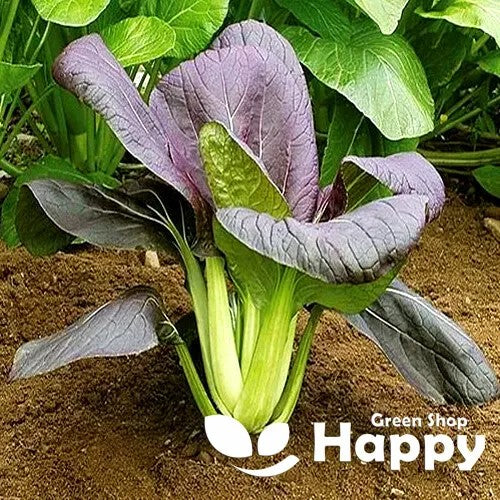
Pak Choi Red 'Inferno' – Seeds (Brassica chinensis)
Bring vibrant color and rich flavor to your garden with Pak Choi Red 'Inferno'. This striking variety produces broad, deep-red leaves with green stems, offering a mild mustard flavor that is perfect for stir-fries, salads, and steaming. Fast-growing and highly productive, it thrives in cooler weather, making it an excellent choice for spring and autumn crops.
How to Grow
-
Sow outdoors from March to August, or under cover for early/late crops.
-
Sow thinly, 1 cm deep, in rows 25–30 cm apart.
-
Thin seedlings to 15–20 cm spacing.
-
Prefers moist, fertile, well-drained soil in sun or partial shade.
-
Harvest young for tender leaves or mature heads.
Key Features
-
Striking red-leaved Pak Choi variety
-
Mild mustard flavor with crunchy stems
-
Fast-growing and versatile in the kitchen
-
Thrives in cooler weather and resists bolting
-
Excellent for cut-and-come-again harvesting
Ideal For
-
Asian-inspired stir-fries and soups
-
Fresh salads and garnishes
-
Steaming, sautéing, or pickling
-
Kitchen gardens, raised beds, and containers
Sowing & Harvest
-
Sow: March to August
-
Depth: 1 cm
-
Spacing: 15–20 cm between plants, 25–30 cm between rows
-
Harvest: May to October
Quick Tip
-
Keep soil consistently moist to prevent plants from bolting, especially in summer.
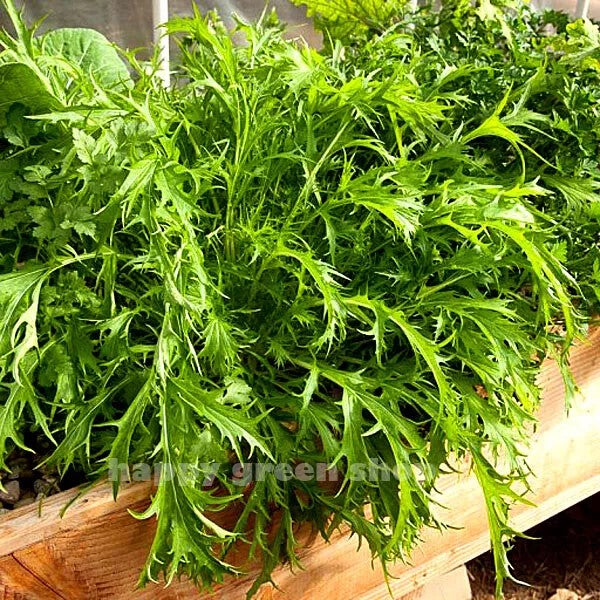


Mizuna – Seeds (Brassica rapa var. japonica)
A staple of Japanese cuisine, Mizuna is a fast-growing leafy green with elegant, feathery leaves and a mild, peppery flavor. Often used in salads, stir-fries, and soups, it’s highly versatile and easy to grow. Mizuna is also very cold-tolerant, making it an excellent choice for year-round harvests, especially in spring and autumn.
How to Grow
-
Sow outdoors from March to September or under cover in winter for year-round harvest.
-
Sow thinly, 0.5 cm deep, in rows 15–20 cm apart.
-
Prefers moist, fertile, well-drained soil in sun or partial shade.
-
Harvest leaves young for salads or allow plants to mature for cooking.
Key Features
-
Japanese mustard green with feathery leaves
-
Mild, peppery taste – great for salads, stir-fries & soups
-
Fast-growing and highly productive
-
Cold-hardy and suitable for year-round cultivation
-
Cut-and-come-again variety for continuous harvest
Ideal For
-
Asian-inspired cooking
-
Salads, soups, and stir-fries
-
Kitchen gardens, raised beds, or containers
-
Succession sowing for steady supply
Sowing & Harvest
-
Sow: March to September (under cover in winter)
-
Depth: 0.5 cm
-
Spacing: 15–20 cm
-
Harvest: 3–6 weeks after sowing
Quick Tip
-
Regular harvesting of young leaves will extend the cropping period and prevent the plants from bolting.
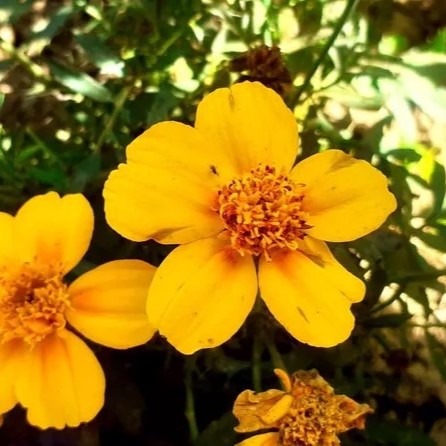
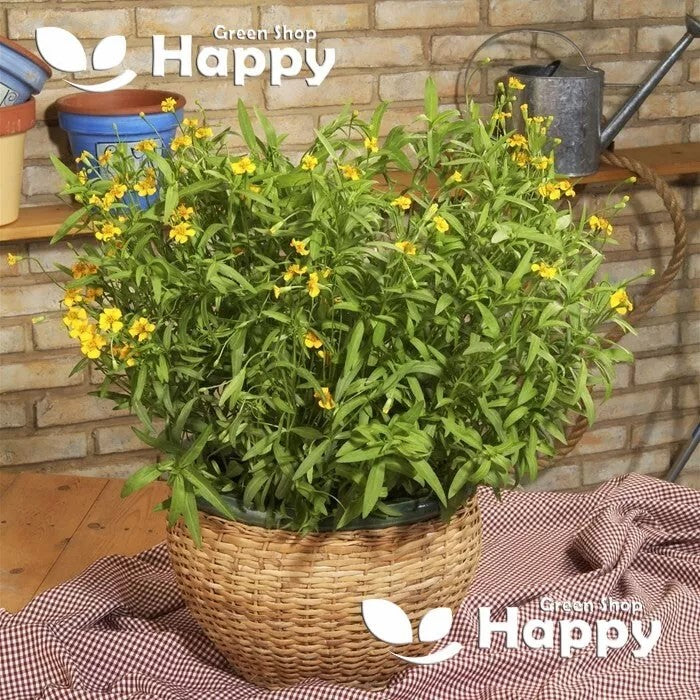

Mexican Tarragon – Seeds
(Tagetes lucida) – Perennial Herb / Ornamental
Mexican Tarragon, also known as Sweet Mace or Spanish Tarragon, is a versatile plant prized both as a culinary herb and a decorative flower. It produces bright golden-yellow blossoms and aromatic leaves with a distinctive anise-like flavor, often used as a substitute for French tarragon in cooking. Highly valued in traditional medicine and rituals, it is also a magnet for pollinators like bees and butterflies.
Key Features
-
Type: Tender perennial (often grown as annual in cooler climates)
-
Height: 45–75 cm
-
Spread: 30–40 cm
-
Flowers: Clusters of golden-yellow blooms
-
Blooming period: Summer to autumn
-
Position: Full sun
-
Soil: Well-drained, moderately fertile soil
-
Other: Aromatic foliage; edible herb
Ideal For
-
Herb and kitchen gardens
-
Summer borders and cottage gardens
-
Pollinator-friendly gardens
-
Containers and pots
-
Edible landscaping
Culinary & Herbal Uses
-
Leaves used fresh or dried in soups, sauces, chicken, and fish dishes
-
Herbal teas with calming properties
-
Traditional medicinal and ceremonial uses
Sowing & Growing
-
Sow indoors: February–April in seed trays with light soil.
-
Germination: 7–14 days at 18–22°C.
-
Transplant: Harden off and plant outdoors after the last frost.
-
Care: Prefers sunny, warm positions. Pinch young shoots to encourage bushiness. Harvest leaves before flowering for best flavor.
Showing 45/83


