Sort by:
572 products
572 products


Yellow Pear Tomato – Seeds (Solanum lycopersicum)
The Yellow Pear Tomato is a charming heirloom variety, producing clusters of small, pear-shaped fruits in a bright golden yellow. With a mild, sweet flavor and firm texture, these tomatoes are perfect for snacking, salads, and garnishes. Highly productive and ornamental, this variety adds a splash of sunshine to your garden and harvest baskets.
How to Grow
-
Sow seeds indoors from February to April, 0.5 cm deep in trays or pots.
-
Maintain a temperature of 18–22°C until germination.
-
Transplant seedlings into larger pots, then plant outdoors or in a greenhouse after frost.
-
Support plants with stakes or cages for heavy clusters of fruit.
Key Features
-
Heirloom variety with unique pear-shaped fruits
-
Bright yellow, bite-sized tomatoes
-
Mild, sweet flavor, perfect for fresh eating
-
Heavy crops over a long season
-
Ornamental and productive for gardens or containers
Ideal For
-
Fresh snacking and salads
-
Colorful vegetable gardens and patio pots
-
Gardeners seeking an heirloom with visual appeal
Sowing & Harvest
-
Sow: February to April
-
Plant out: May to June
-
Harvest: July to September
Quick Tip
-
Regular picking encourages more fruit production throughout the season.

Tomato Trailing 'Gardenperle' Seeds (Solanum lycopersicum)
Add a cascade of flavor and color to your garden with Tomato 'Gardenperle', a trailing cherry tomato variety perfect for hanging baskets, pots, and containers. Producing abundant clusters of small, sweet, red fruits all season long, this compact plant is a delight for fresh snacking, salads, and garnishes. Easy to grow and highly ornamental, it’s an excellent choice for small spaces and patio gardens.
How to Grow
-
Sow indoors 6–8 weeks before the last frost.
-
Transplant outdoors or into large containers after frost has passed.
-
Plant in full sun with fertile, well-drained soil.
-
Sow 0.5 cm deep and space plants 30–40 cm apart.
-
Provide regular watering and feed for maximum yield.
Key Features
-
Trailing cherry tomato variety
-
Sweet, bite-sized red fruits
-
Perfect for hanging baskets and pots
-
Compact and ornamental growth habit
-
Heavy cropping throughout summer
Ideal For
-
Patio and balcony gardens
-
Hanging baskets and window boxes
-
Fresh snacking and salads
-
Gardeners with limited space
Sowing
-
Best time: Indoors in early spring
-
Depth: 0.5 cm
-
Spacing: 30–40 cm apart
-
Prefers sunny, sheltered spots with fertile soil
Quick Tip
-
Pinch out side shoots sparingly; allow natural trailing for maximum cascading effect.


Hyssop Seeds (Hyssopus officinalis)
Grow a timeless herb with Hyssop (Hyssopus officinalis), a fragrant perennial prized for its aromatic leaves and striking blue-purple flowers. Traditionally used in herbal teas, remedies, and as a seasoning, hyssop also attracts pollinators and adds beauty to borders, herb gardens, and containers. Hardy and versatile, it’s an essential plant for both culinary and medicinal use.
How to Grow
-
Sow seeds indoors in spring or directly outdoors after the last frost.
-
Use well-drained, light soil in a sunny location.
-
Sow seeds 0.5 cm deep and thin seedlings to 30–40 cm apart.
-
Keep soil lightly moist until germination (14–21 days).
-
Harvest leaves and flowers throughout summer for fresh or dried use.
Key Features
-
Aromatic herb with blue-purple blooms
-
Culinary, medicinal, and herbal tea uses
-
Attracts bees, butterflies, and pollinators
-
Hardy perennial, easy to grow
-
Adds beauty and fragrance to the garden
Ideal For
-
Herb gardens, borders, and containers
-
Herbal teas, remedies, and cooking
-
Attracting pollinators and beneficial insects
-
Gardeners seeking hardy, multipurpose plants
Sowing
-
Best time: Spring indoors or after frost outdoors
-
Depth: 0.5 cm
-
Spacing: 30–40 cm apart
-
Prefers full sun and well-drained soil
Quick Tip
-
Trim plants after flowering to encourage bushier growth and a second flush of blooms.

Edible Sunflower Seeds (Helianthus annuus)
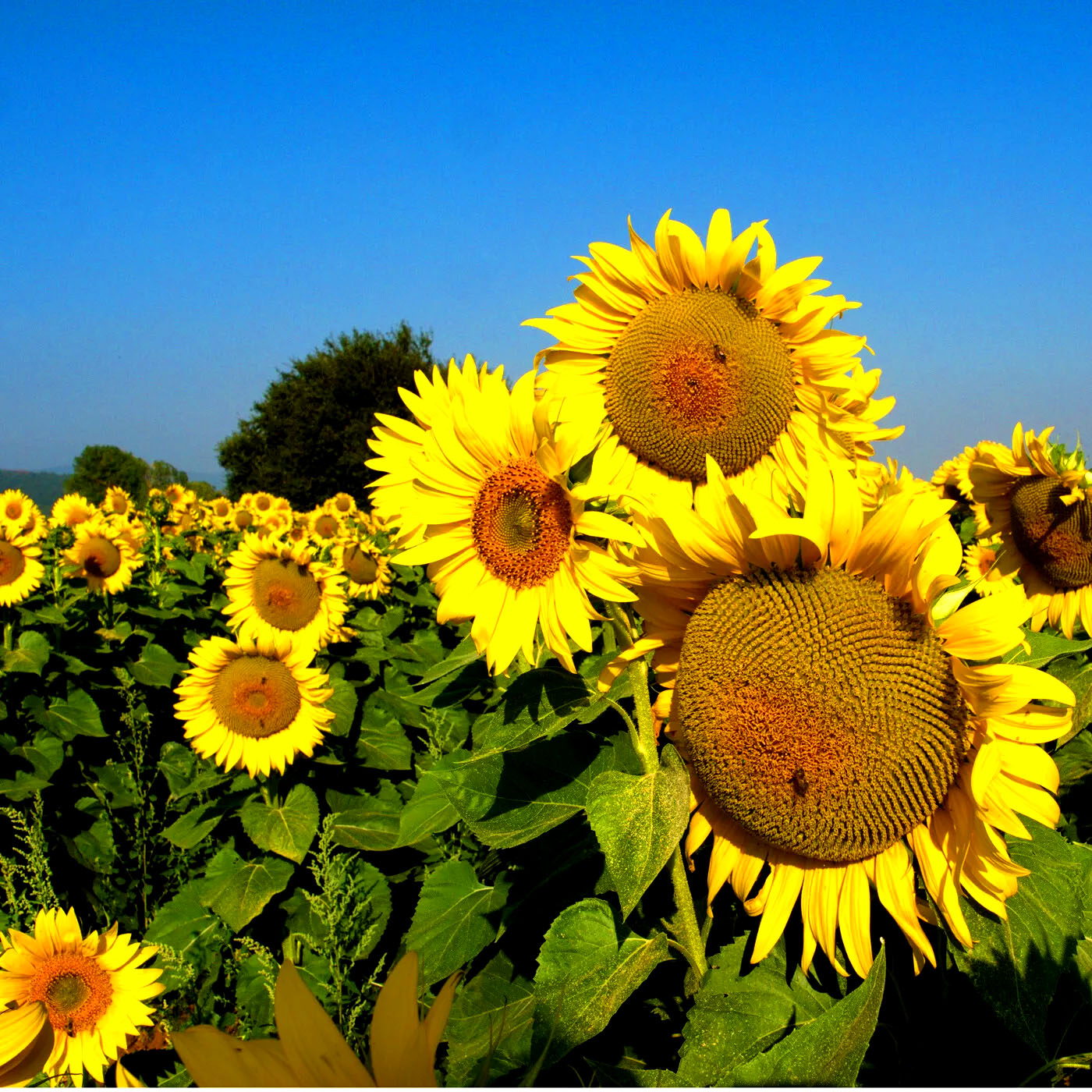
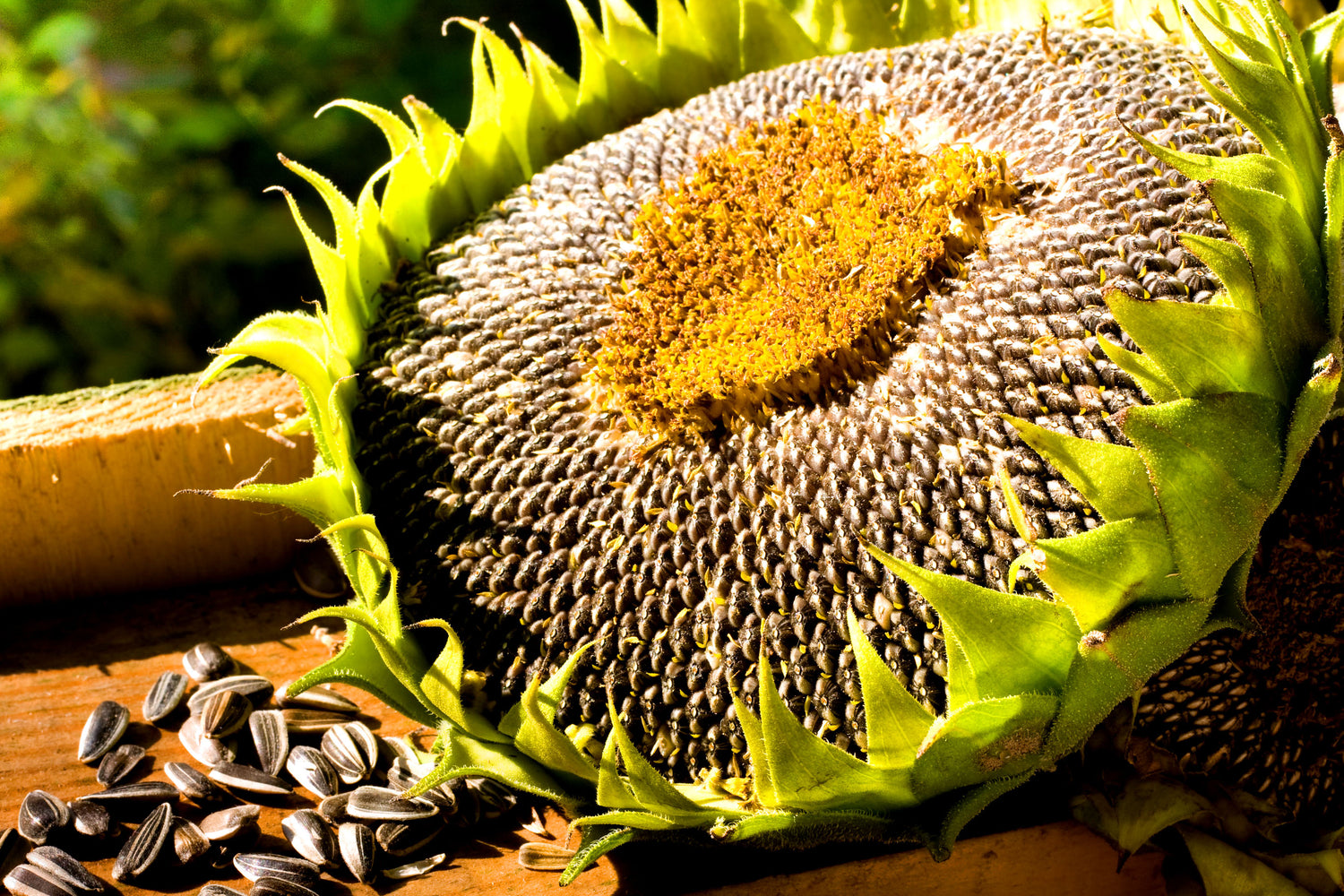
Bring bold beauty and flavor to your garden with Edible Sunflower (Helianthus annuus). This classic giant produces tall stems topped with golden-yellow blooms and plump, edible seeds. Both ornamental and practical, sunflowers are perfect for brightening garden spaces while providing a nutritious harvest for roasting or snacking.
How to Grow
-
Sow seeds directly outdoors from mid-spring after the last frost.
-
Choose fertile, well-drained soil in a sunny, sheltered spot.
-
Sow seeds 1.5–2.5 cm deep, spacing plants 30–45 cm apart.
-
Keep soil moist until seedlings are established.
-
Harvest seeds once the flower heads turn brown and dry.
Key Features
-
Produces tall, golden blooms and edible seeds
-
Dual-purpose: ornamental and nutritious
-
Seeds perfect for roasting and healthy snacking
-
Easy to grow and pollinator-friendly
-
Adds height and drama to garden borders and allotments
Ideal For
-
Home gardens, borders, and allotments
-
Harvesting seeds for roasting or snacks
-
Attracting pollinators and beneficial wildlife
-
Gardeners seeking both beauty and practicality
Sowing
-
Best time: Mid to late spring outdoors
-
Depth: 1.5–2.5 cm
-
Spacing: 30–45 cm apart
-
Prefers full sun and fertile, well-drained soil
Quick Tip
-
Cover ripening flower heads with netting to protect seeds from birds before harvest.
Early Pea ‘Kelvedon Wonder’ Seeds (Pisum sativum)
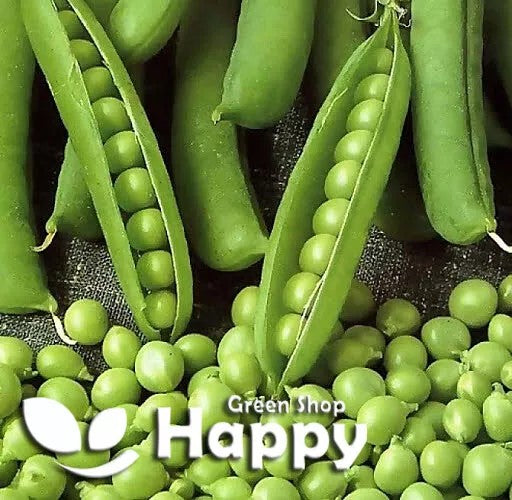
Harvest sweet, tender peas early in the season with Early Pea ‘Kelvedon Wonder’ (Pisum sativum). This climbing variety produces long, plump pods packed with flavorful peas, perfect for fresh eating, steaming, or freezing. Hardy and highly productive, it’s ideal for vegetable gardens, allotments, and homegrown culinary delights.
How to Grow
-
Sow seeds directly outdoors from early spring as soon as the soil can be worked.
-
Use well-drained, fertile soil in full sun to partial shade.
-
Sow seeds 3–5 cm deep and 5–7 cm apart in rows 50–60 cm apart.
-
Provide stakes, netting, or a trellis for climbing growth.
-
Keep soil consistently moist but not waterlogged.
-
Harvest pods when fully formed but still tender for best flavor.
Key Features
-
Early-maturing variety with long, plump, sweet pods
-
Hardy climbing and highly productive
-
Ideal for fresh eating, steaming, or freezing
-
Easy to grow in temperate climates
-
Perfect for vegetable gardens and allotments
Ideal For
-
Early-season vegetable gardens and allotments
-
Fresh harvest for cooking or freezing
-
Climbing support with trellises or stakes
-
Companion planting with nitrogen-fixing crops
Sowing
-
Best time: Early spring outdoors
-
Depth: 3–5 cm
-
Spacing: 5–7 cm apart, rows 50–60 cm apart
-
Prefers full sun to partial shade and fertile, well-drained soil
Quick Tip
-
Sow successive batches every 2–3 weeks for a continuous early-season harvest.


Blanket Flower ‘Burgundy’ Seeds (Gaillardia aristata)
Bring vibrant late-summer color to your garden with Blanket Flower ‘Burgundy’ (Gaillardia aristata). This hardy perennial produces striking burgundy-red daisy-like blooms with golden tips, perfect for borders, beds, and pollinator-friendly gardens. Easy to grow and long-flowering, it attracts bees and butterflies while adding a cheerful, naturalized look to your landscape.
How to Grow
-
Sow seeds directly outdoors in spring or indoors 6–8 weeks before the last frost.
-
Use well-drained soil in full sun.
-
Scatter seeds thinly and cover lightly with soil.
-
Keep soil moist until germination (10–14 days).
-
Thin seedlings to 25–30 cm apart once established.
-
Deadhead spent flowers to encourage continuous blooming.
Key Features
-
Striking burgundy-red blooms with golden tips
-
Hardy perennial, long-flowering and easy to grow
-
Ideal for borders, beds, and naturalized plantings
-
Attracts bees, butterflies, and other pollinators
-
Adds vibrant late-summer color to garden landscapes
Ideal For
-
Flower borders and cottage gardens
-
Pollinator-friendly garden beds
-
Naturalized and wildflower-style plantings
-
Cutting gardens for fresh bouquets
Sowing
-
Best time: Spring outdoors or 6–8 weeks earlier indoors
-
Germination: 10–14 days
-
Sow thinly, cover lightly, and keep soil moist
-
Prefers full sun and well-drained soil
Quick Tip
-
For extended flowering, sow in drifts or clusters and remove spent blooms regularly.
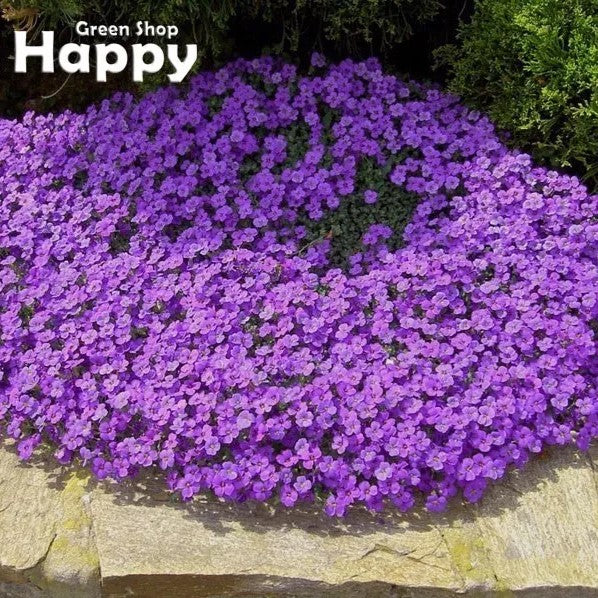
Rock Cress Hendersonii Lilac Seeds (Aubrieta hybrida) – 400 Seeds
Create a vibrant spring display with Rock Cress Hendersonii Lilac (Aubrieta hybrida). This hardy perennial forms dense mats of evergreen foliage adorned with masses of lilac-purple flowers, perfect for rock gardens, borders, and walls. Low-maintenance and spreading, it’s ideal for adding early-season color and attracting pollinators to your garden.
How to Grow
-
Sow indoors in late winter or directly outdoors in spring.
-
Use well-drained soil in a sunny location.
-
Scatter seeds thinly on the surface and press lightly; do not cover.
-
Keep soil moist until germination (14–21 days).
-
Thin seedlings to 15–20 cm apart once established.
-
Allow plants to form a dense mat; trim lightly after flowering if desired.
Key Features
-
Masses of lilac-purple blooms over dense evergreen foliage
-
Hardy perennial, returning year after year
-
Thrives in sunny, well-drained locations
-
Ideal for rock gardens, borders, walls, and edging
-
Attracts bees and other pollinators
Ideal For
-
Rock gardens and sunny borders
-
Garden walls, raised beds, and edging
-
Groundcover in sunny, well-drained areas
-
Pollinator-friendly landscapes
Sowing
-
Best time: Late winter indoors or early spring outdoors
-
Germination: 14–21 days
-
Sow thinly on soil surface, press lightly, do not cover
-
Prefers full sun and well-drained soil
Quick Tip
-
Let plants spread naturally to form a dense, flowering mat; light trimming after flowering promotes fresh growth and keeps the display neat.
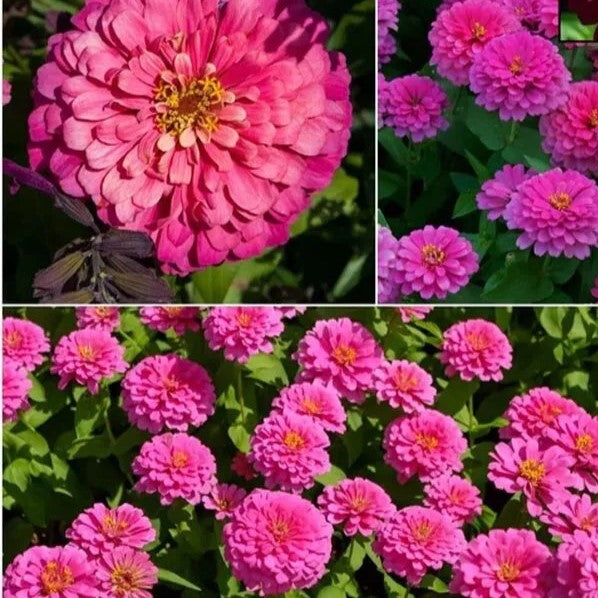
Zinnia Luminosa Pink Seeds (Zinnia elegans)
Add a bright splash of color to your garden with Zinnia Luminosa Pink (Zinnia elegans). This annual produces large, vivid pink blooms that stand out in beds, borders, and containers. Easy to grow and long-flowering, it’s perfect for adding cheerful summer and autumn color as well as for fresh cut flower arrangements.
How to Grow
-
Sow indoors in early spring or directly outdoors after the last frost.
-
Use well-drained soil in a sunny location.
-
Lightly cover seeds with soil and keep moist until germination (7–14 days).
-
Thin seedlings to 20–25 cm apart to ensure healthy growth.
-
Water regularly but avoid waterlogging.
-
Deadhead spent flowers to encourage continuous blooming.
Key Features
-
Large, vivid pink dahlia-like blooms
-
Long-flowering annual from summer through autumn
-
Easy to grow and maintain, ideal for beginners
-
Perfect for fresh cut flowers and bouquets
-
Attracts pollinators including bees and butterflies
Ideal For
-
Flower beds and borders
-
Containers, patio planters, and window boxes
-
Cutting gardens for fresh bouquets
-
Pollinator-friendly landscapes
Sowing
-
Best time: Early spring indoors or after frost outdoors
-
Germination: 7–14 days
-
Sow thinly, cover lightly, and keep soil moist
-
Prefers full sun and well-drained soil
Quick Tip
-
Regular deadheading keeps blooms vibrant and prolongs flowering throughout the season.
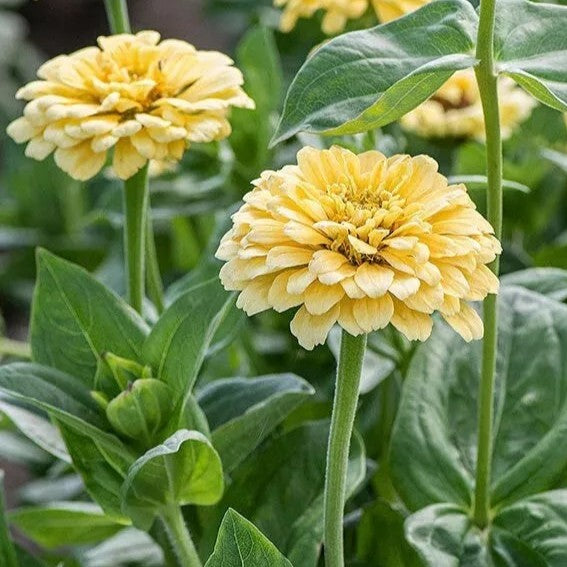
Zinnia Dahliaflowered ‘Isabellina’ Seeds (Zinnia elegans)
Bring soft elegance to your garden with Zinnia Dahliaflowered ‘Isabellina’ (Zinnia elegans). This annual produces large, dahlia-like blooms in delicate pastel shades of cream and soft pink, creating a subtle yet striking display in borders, beds, and containers. Easy to grow and long-flowering, it’s perfect for adding charm and color to summer and autumn gardens.
How to Grow
-
Sow indoors in early spring or directly outdoors after the last frost.
-
Use well-drained soil in a sunny location.
-
Lightly cover seeds with soil and keep moist until germination (7–14 days).
-
Thin seedlings to 20–25 cm apart for healthy growth.
-
Water regularly but avoid waterlogging.
-
Deadhead spent blooms to encourage continuous flowering.
Key Features
-
Large, dahlia-like flowers in soft pastel shades
-
Long-flowering annual, summer through autumn
-
Easy to grow and maintain, ideal for beginners
-
Perfect for fresh cut flowers and bouquets
-
Attracts pollinators including bees and butterflies
Ideal For
-
Flower beds and borders
-
Containers, patio planters, and window boxes
-
Cutting gardens for fresh bouquets
-
Pollinator-friendly gardens
Sowing
-
Best time: Early spring indoors or after frost outdoors
-
Germination: 7–14 days
-
Sow thinly, cover lightly, and keep soil moist
-
Prefers full sun and well-drained soil
Quick Tip
-
Regular deadheading keeps blooms fresh and encourages continuous flowering.
Showing 18/572