Sort by:
59 products
59 products

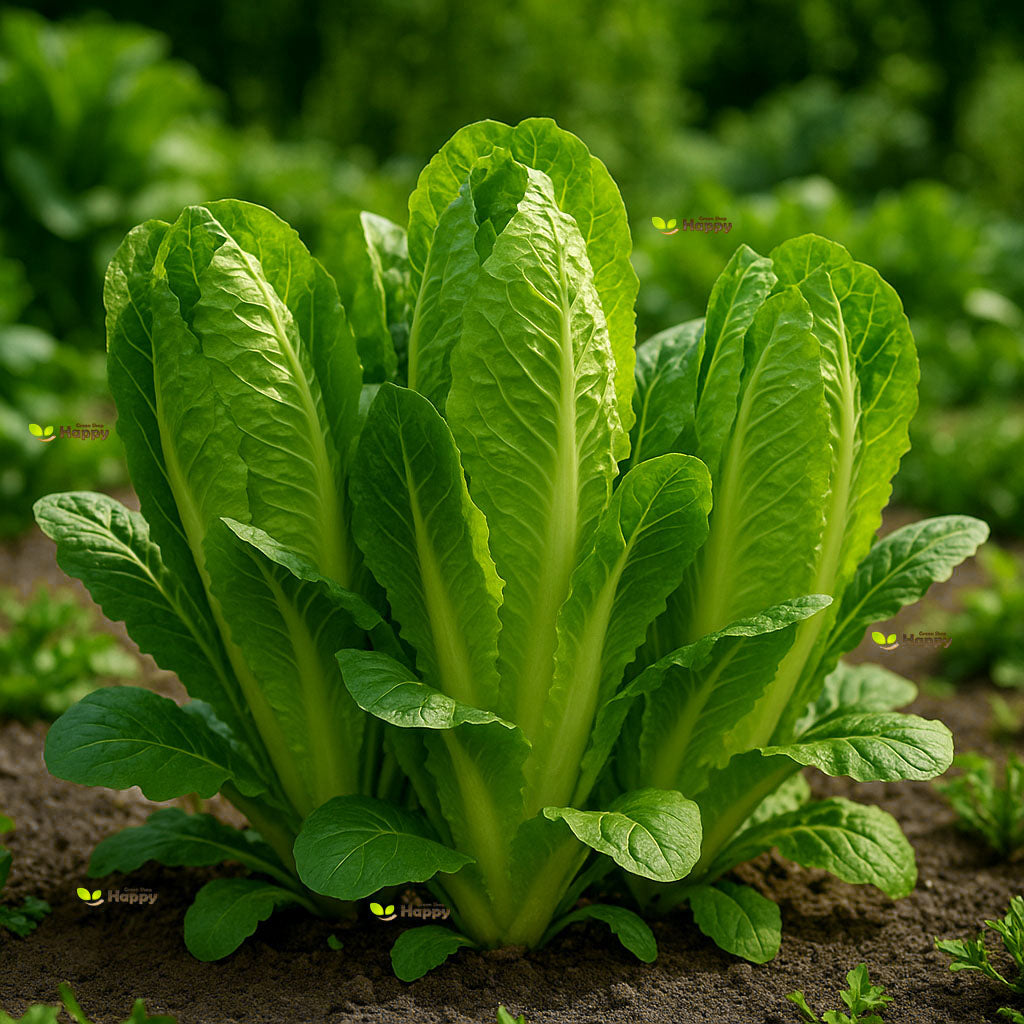
French Mixed Salad – 1000 Seeds (Lactuca sativa)
French Mixed Salad is a versatile, easy-to-grow lettuce mix ideal for fresh, homegrown salads. This collection offers a variety of leaf shapes, colors, and textures, creating a visually appealing and flavorful mix for everyday meals. Fast-growing and tender, it is perfect for cutting and continual harvests throughout the season.
Key Features
-
Variety: Mixed leaf types and colors
-
Growth Habit: Loose-leaf, fast-growing
-
Maturity: 40–60 days
-
Flavor: Mild, tender, and crisp
-
Use: Fresh salads, garnishes, and sandwiches
-
Harvest: Cut-and-come-again for continuous picking
Ideal For
-
Home vegetable gardens
-
Container and balcony growing
-
Continuous harvest for fresh salads
-
Mixed salad bowls and culinary use
Sowing & Growing
-
Sow outdoors: March–August
-
Depth: 0.5–1 cm
-
Spacing: 15–20 cm
-
Position: Full sun to partial shade
-
Soil: Fertile, well-drained soil
-
Care: Keep soil consistently moist for tender leaves


🎃 Cucurbita pepo ‘Baby Bear’ – Compact Pumpkin with Perfect Small Fruits for Autumn Displays
‘Baby Bear’ is a popular mini pumpkin variety bred for producing uniform, small-sized fruits with a classic pumpkin shape. The bright orange pumpkins are smooth, well-rounded and typically weigh 0.5–1 kg (1–2 lb), making them ideal for decorative use, children’s growing projects and autumn displays.
Plants are compact and bush-type, requiring much less space than traditional trailing pumpkins, which makes ‘Baby Bear’ especially suitable for small gardens, raised beds and containers. The fruits also have edible flesh and can be used for simple cooking or baking, though they are mainly grown for ornamental purposes.
Key Features
● Small, uniform pumpkins ideal for decoration
● Compact bush plants – space-saving variety
● Bright orange fruits with classic pumpkin shape
● Suitable for gardens, raised beds and containers
● Easy to grow and reliable performer
How to Sow & Grow Pumpkin ‘Baby Bear’ (UK)
Sow indoors: IV (April)
Transplant outdoors: V–VI (May–June) after last frost
Direct outdoors: V–VI (May–June) in warm soil
Harvest: IX–X (September–October)
Life cycle: Annual
Germination temperature: 18–24 °C (64–75 °F)
Average germ time: 7–10 days
Depth: 2–3 cm (1 in)
Light required: Yes
Moisture: Regular watering
Environment: Full sun
Soil type: Fertile, well-drained soil
Plant spacing: 60–80 cm (2–2.5 ft)
Fruit size: approx. 0.5–1 kg (1–2 lb)
Sowing & Growing Tips (variety-specific)
● Bush habit makes this variety easy to manage.
● Feed regularly to support steady fruit production.
● Harvest when fruits are fully coloured and rind is hard.
● Lift fruits off damp soil to prevent rot.
● Excellent choice for decorative autumn harvests.
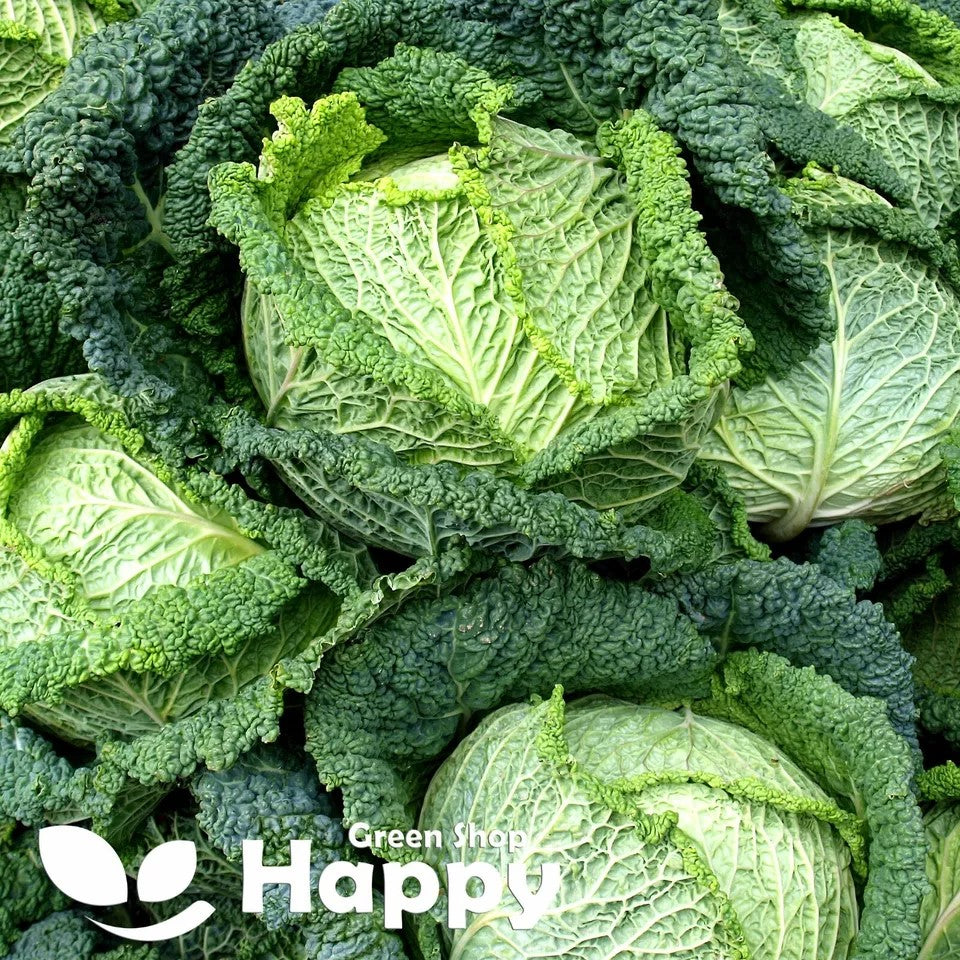
Winter Savoy Cabbage 'Vertus 2' – Seeds (Brassica oleracea)
The Winter Savoy Cabbage 'Vertus 2' is a traditional, hardy variety producing large, dense, medium-green heads with attractive crinkled leaves. It is highly reliable for late autumn and winter harvests, offering sweet, tender leaves perfect for both cooking and fresh use.
This variety thrives in colder climates, with excellent frost resistance that enhances its flavor and texture. A top choice for gardeners seeking a dependable winter vegetable.
How to Grow
-
Sow indoors: March – May
-
Sow outdoors: April – June
-
Transplant/Thin: 40–50 cm apart
-
Soil: Fertile, firm, moisture-retentive
-
Position: Full sun
-
Care: Keep soil consistently moist and protect young plants from cabbage pests
Key Features
-
Traditional winter savoy cabbage variety
-
Large, dense heads with crinkled leaves
-
Excellent frost resistance and winter hardiness
-
Sweet, tender flavor ideal for cooking
-
Reliable and productive for cold seasons
Sowing & Harvest
-
Sow: March – June
-
Harvest: October – February

Pink Thai Egg Tomato – Seeds
(Solanum lycopersicum)
Pink Thai Egg Tomato is a rare heirloom variety from Thailand known for its egg-shaped, rose-pink fruits and exceptional productivity. The smooth, glossy tomatoes grow in clusters and have a sweet, mild flavor with low acidity, making them perfect for fresh salads, salsas, and light cooking. Compact and hardy, this variety thrives in both warm and temperate climates.
Key Features
-
Fruit Shape: Small, egg-shaped
-
Color: Pink to rose-red
-
Flavor: Mild, sweet, and low-acid
-
Growth Habit: Indeterminate
-
Days to Maturity: 70–80 days
-
Yield: Heavy cropper with clusters of uniform fruits
Ideal For
-
Greenhouses, gardens, and containers
-
Fresh eating and gourmet dishes
-
Heirloom and specialty tomato collections
Sowing & Growing
-
Sow indoors: February – April
-
Transplant outdoors: After last frost
-
Harvest: July – October
-
Spacing: 45–60 cm apart
-
Position: Full sun, sheltered
-
Soil: Rich, well-drained compost
Care Tips
-
Support with stakes or cages for best yield.
-
Water regularly and feed with tomato fertilizer once flowering begins.

Pointed Red Cabbage ‘Kalibos’ – Seeds
(Brassica oleracea L.)
Pointed Red Cabbage ‘Kalibos’ is an exceptional variety combining the sweet flavor of pointed cabbage with the deep red color of traditional red cabbage. The tight, conical heads are medium-sized, firm, and full of crisp, tender leaves with a mild, slightly sweet taste—perfect for salads, coleslaws, and light cooking.
Key Features
-
Type: Red pointed cabbage
-
Head Shape: Conical, medium-sized, dense
-
Color: Deep purple-red
-
Taste: Sweet, mild, and crisp
-
Days to Maturity: 110–120 days
-
Harvest Period: Late summer to autumn
-
Storage: Good short-term storage variety
Ideal For
-
Home gardens and allotments
-
Fresh salads and coleslaws
-
Cooking, fermenting, and pickling
Sowing & Growing
-
Sow indoors: February – April
-
Transplant outdoors: April – May
-
Harvest: August – October
-
Spacing: 40 × 50 cm
-
Position: Sunny, sheltered spot
-
Soil: Fertile, moist, well-drained soil enriched with compost
Care Tips
-
Keep soil consistently moist for tender heads.
-
Apply organic fertilizer or compost during growth.
-
Protect from cabbage butterflies with netting.
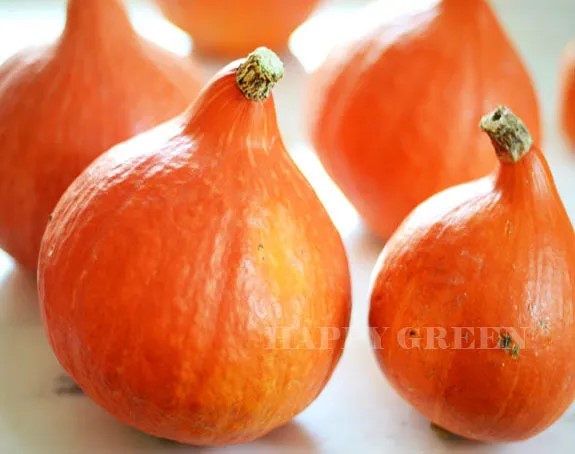
Squash 'Uchiki Kuri' Seeds (Cucurbita maxima)
Discover the gourmet favorite Squash 'Uchiki Kuri', also known as the Red Kuri or Onion Squash. This reliable Japanese variety produces small, tear-drop shaped fruits with vibrant orange skin and rich, nutty-sweet golden flesh. Perfect for roasting, soups, curries, and baking, it’s a versatile squash that stores well for winter use.
How to Grow
-
Sow indoors in late spring or directly outdoors after frost.
-
Prefers fertile, well-drained soil in full sun.
-
Sow 2–3 seeds 2 cm deep in small pots or stations.
-
Transplant or thin to one strong plant per station, 90–120 cm apart.
-
Water regularly and feed for strong growth.
Key Features
-
Traditional Japanese squash with bright orange fruits
-
Nutty, sweet flavor with smooth golden flesh
-
Compact, manageable fruits (1–2 kg each)
-
Stores well for winter use
-
High-yielding and easy to grow
Ideal For
-
Roasting, soups, curries, and baking
-
Winter storage and long-lasting kitchen use
-
Home gardeners seeking gourmet squash varieties
-
Allotments, vegetable beds, or spacious gardens
Sowing
-
Best time: April to June
-
Depth: 2 cm
-
Spacing: 90–120 cm between plants
-
Position: Full sun, fertile soil
-
Harvest: September to October
Quick Tip
-
Cure fruits in the sun after harvest for longer storage life and enhanced sweetness.


Strawberry Stick – Seeds
(Chenopodium foliosum)
Strawberry Stick is a unique annual plant grown for its bright red, strawberry-like seeds. These edible seeds are not only nutritious but also add a decorative touch to gardens. Its upright, bushy habit makes it perfect for borders, vegetable gardens, and ornamental planting. Easy to grow and drought-tolerant, it’s both practical and attractive.
Why Grow Strawberry Stick?
-
Bright red, edible seeds
-
Attractive upright, bushy foliage
-
Nutritious and ornamental
-
Easy to grow and drought-tolerant
Key Features
-
Type: Annual
-
Height: 50–80 cm
-
Flowers: Summer
-
Position: Full sun to partial shade
-
Soil: Well-drained, fertile
Ideal For
-
Vegetable gardens and edible landscaping
-
Borders and ornamental plantings
-
Pollinator-friendly gardens
-
Low-maintenance garden displays
Sowing & Growing
-
Sow indoors: February–April in seed trays
-
Sow outdoors: April–May in prepared soil
-
Germination: 10–14 days at 18–20°C
-
Spacing: 25–30 cm apart
-
Care: Moderate watering; remove weeds for best growth
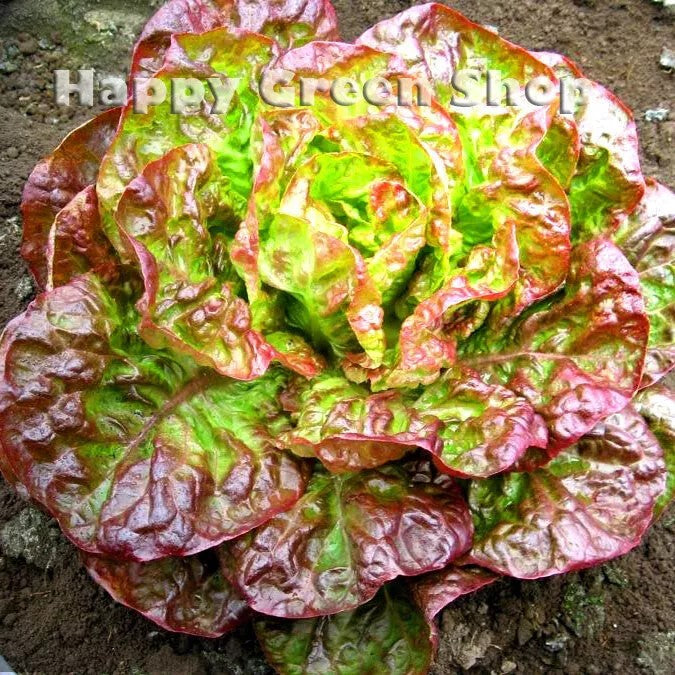

Batavian Lettuce 'Canasta' – Seeds (Lactuca sativa)
Enjoy crisp and tender leaves with Batavian Lettuce 'Canasta', a traditional variety known for its red-tinted, crinkled heads and excellent bolt resistance. This semi-heading lettuce produces large, crunchy leaves with a mild, sweet flavor, perfect for fresh salads or as a base for summer dishes. Hardy and versatile, 'Canasta' thrives even in warmer weather, making it a reliable choice for gardeners.
How to Grow
. Sow indoors from February to April or directly outdoors from March to July
. Sow thinly, 0.5 cm deep, in rows 25–30 cm apart
. Thin seedlings to 20–25 cm apart to allow full head development
. Prefers full sun and fertile, well-drained soil
. Water consistently to prevent bitterness and promote tender leaves
Key Features
. Traditional Batavian lettuce with semi-heading form
. Large, crisp leaves with red-tinged edges
. Mild, sweet flavor perfect for fresh salads
. Excellent bolt resistance in warm conditions
. Easy to grow and high yielding
Ideal For
. Summer salads and fresh eating
. Home gardens and allotments
. Gardeners seeking heat-tolerant lettuce
. Companion planting in vegetable beds
Sowing & Harvest
. Sow: February – July
. Harvest: May – September
Quick Tip
Harvest outer leaves regularly to encourage continuous growth, or allow full heads to form for a crunchy centerpiece lettuce.
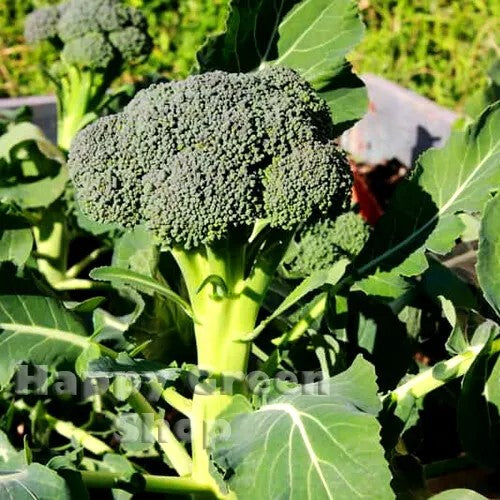
Winter Broccoli 'Ramoso Calabrese' Seeds (Brassica oleracea)
Enjoy fresh, homegrown broccoli even in the cooler months with Winter Broccoli 'Ramoso Calabrese'. This traditional Italian variety is prized for its tender green shoots and rich, nutty flavor. Perfect for winter cropping, it produces multiple side shoots after the main head is cut, extending your harvest well into the season. A reliable and tasty addition to any winter vegetable garden.
How to Grow
-
Sow indoors from March to May or outdoors from April to June.
-
Transplant seedlings when large enough, spacing 45–60 cm apart.
-
Prefers fertile, well-drained soil in full sun.
-
Keep plants well-watered during dry spells.
-
Harvest main head first, then enjoy repeat harvests from side shoots.
Key Features
-
Traditional Italian winter broccoli variety
-
Produces tender, nutty-flavored green heads
-
Multiple side shoots for extended cropping
-
Hardy and reliable in cooler conditions
-
Great for steaming, roasting, or stir-fries
Ideal For
-
Winter and early spring vegetable gardens
-
Gardeners who want extended harvests
-
Nutritious, homegrown cooking
-
Allotments and kitchen gardens
Sowing
-
Best time: March to June
-
Depth: 1 cm
-
Spacing: 45–60 cm between plants
-
Position: Full sun, fertile soil
-
Harvest: November to March
Quick Tip
-
Cut the central head early to encourage plenty of side shoots for a longer, more abundant harvest.
Showing 27/59