
Sort by:
557 products
557 products
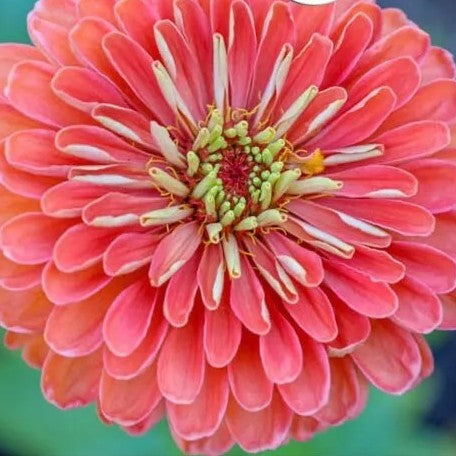
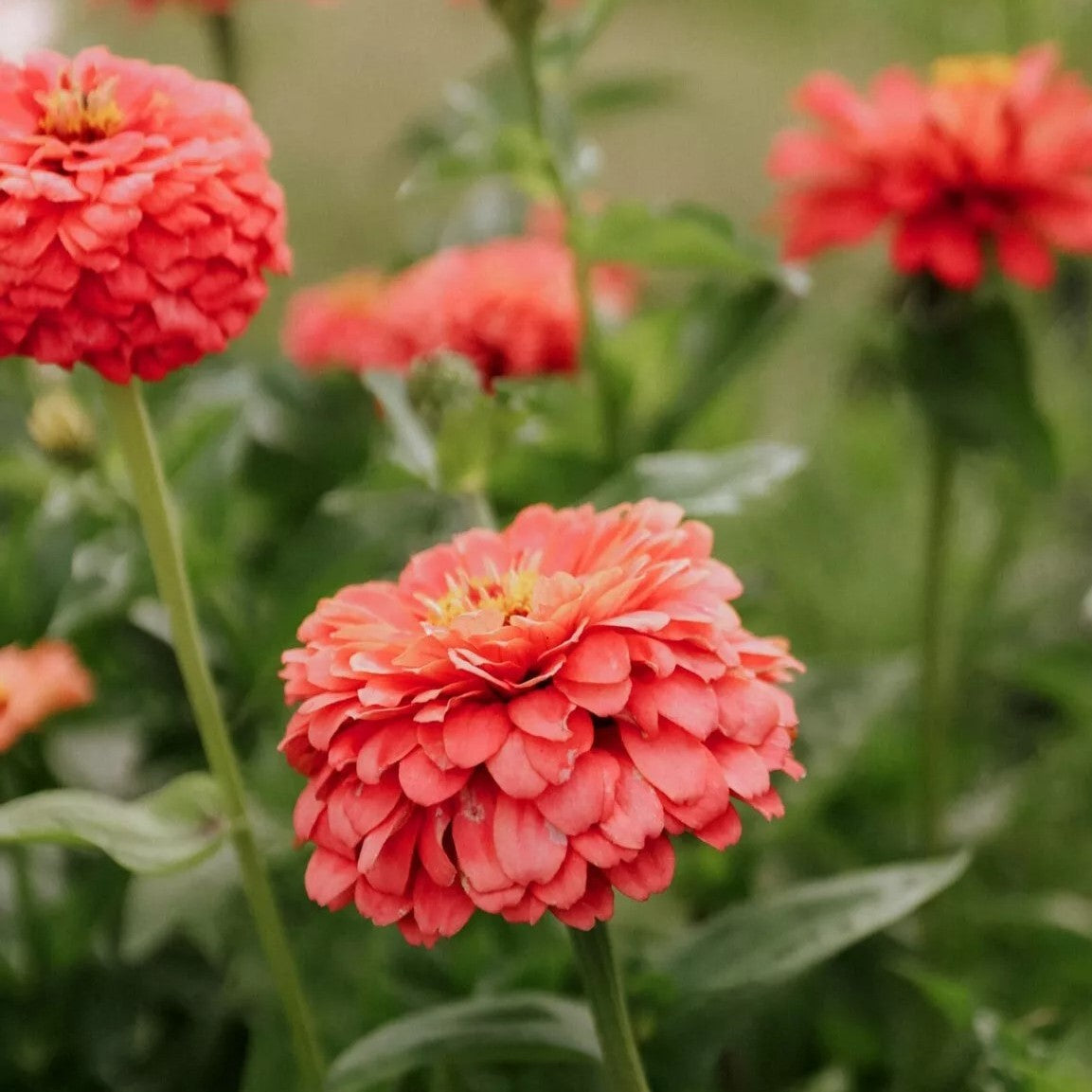
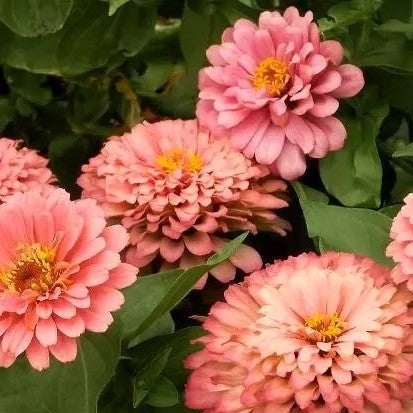
Zinnia Dahliaflowered ‘Salamon Queen’ Seeds (Zinnia elegans)
Bring bold color and classic charm to your garden with Zinnia Dahliaflowered ‘Salamon Queen’ (Zinnia elegans). This annual produces large, dahlia-like blooms in rich pink shades, adding vibrant flair to borders, beds, and containers. Easy to grow and long-flowering, it’s perfect for brightening your garden from summer to autumn and for cut flower arrangements.
How to Grow
-
Sow indoors in early spring or directly outdoors after the last frost.
-
Use well-drained soil in a sunny location.
-
Lightly cover seeds with soil and keep moist until germination (7–14 days).
-
Thin seedlings to 20–25 cm apart to ensure healthy growth.
-
Water regularly, avoiding waterlogging.
-
Deadhead spent flowers to encourage continuous blooms.
Key Features
-
Large, dahlia-like blooms in vibrant pink shades
-
Long-flowering annual, summer through autumn
-
Easy to grow and maintain, ideal for beginners
-
Excellent for fresh cut flowers and bouquets
-
Attracts pollinators including bees and butterflies
Ideal For
-
Flower beds and borders
-
Containers, patio planters, and window boxes
-
Cutting gardens for fresh bouquets
-
Pollinator-friendly landscapes
Sowing
-
Best time: Early spring indoors or after frost outdoors
-
Germination: 7–14 days
-
Sow thinly, cover lightly, and keep soil moist
-
Prefers full sun and well-drained soil
Quick Tip
-
Deadhead regularly to prolong flowering and maintain vibrant blooms throughout the season.
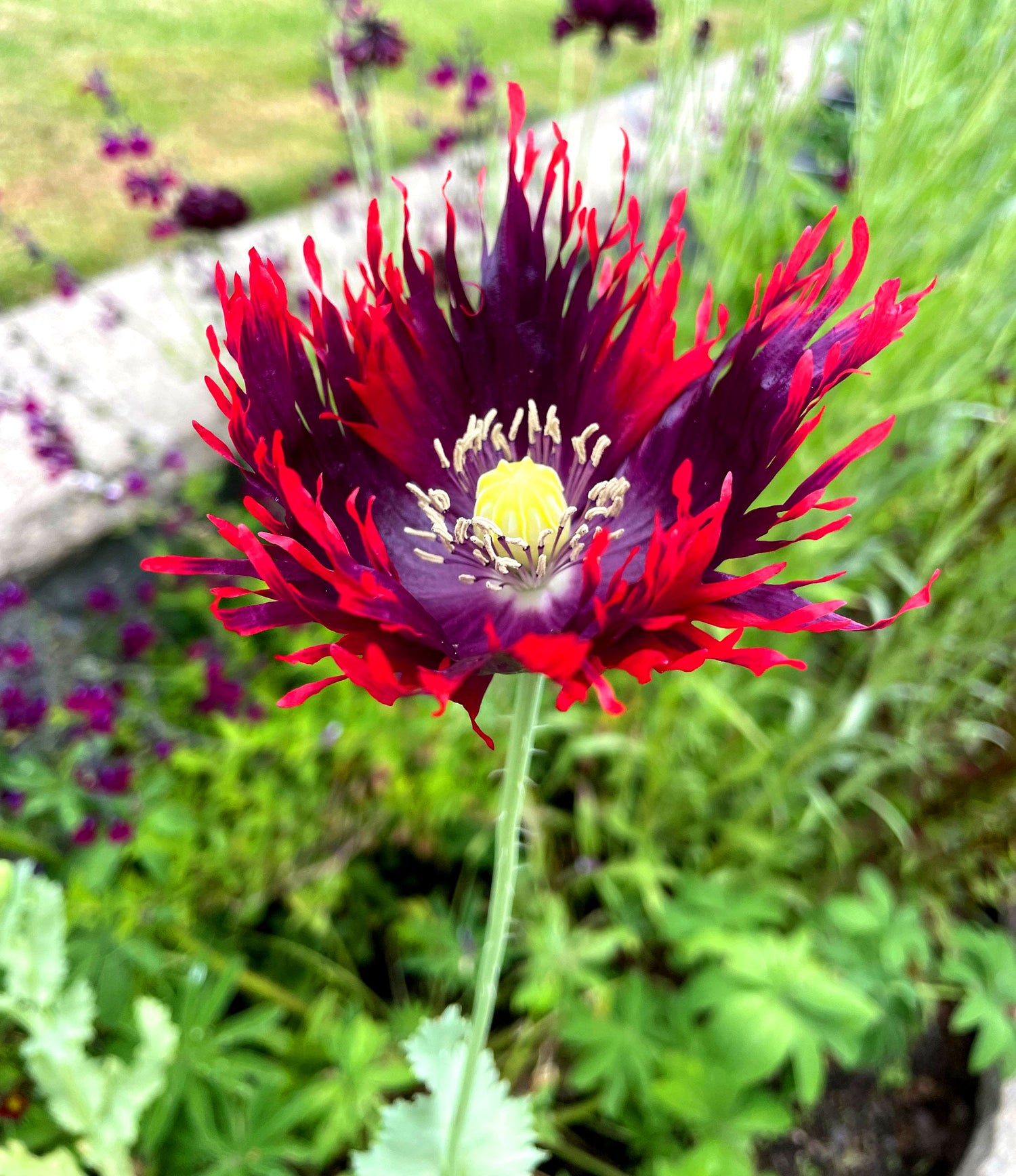
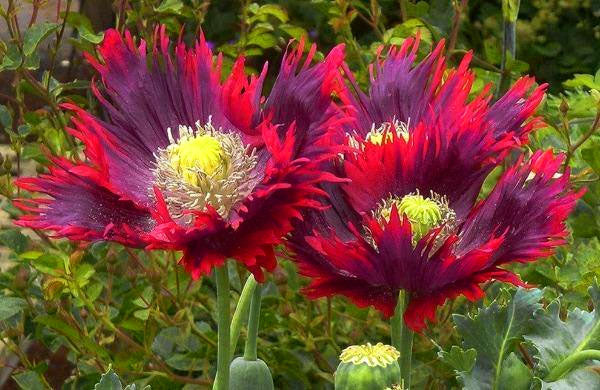
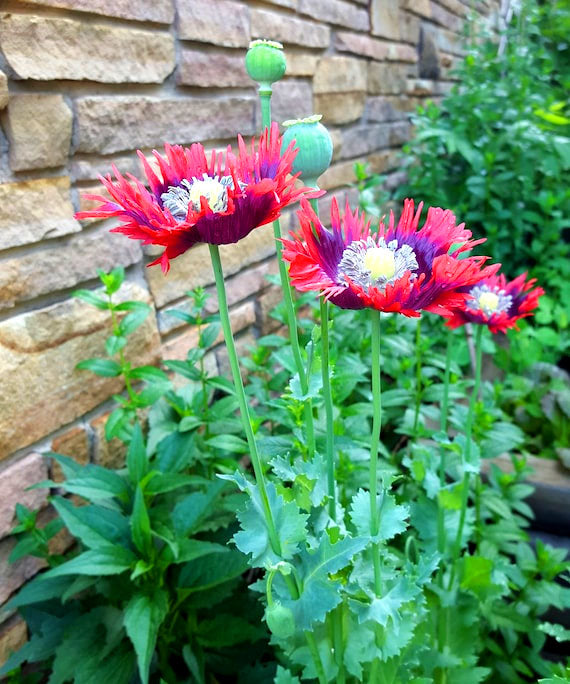
Poppy Peony ‘Drama Queen’ Seeds (Papaver paeoniflorum)
Make a bold statement in your garden with Poppy Peony ‘Drama Queen’ (Papaver paeoniflorum). This annual produces large, double, peony-like blooms in vivid red shades, adding drama and elegance to borders, beds, and cutting gardens. Easy to grow and long-flowering, it’s perfect for creating eye-catching displays and stunning bouquets.
How to Grow
-
Sow seeds directly outdoors in spring after the last frost or indoors 6–8 weeks earlier.
-
Use well-drained soil in a sunny location.
-
Scatter seeds thinly and press lightly onto the soil; do not cover deeply.
-
Keep soil moist until germination (10–20 days).
-
Thin seedlings to 20–30 cm apart once established.
-
Cut flowers regularly to encourage continuous blooming.
Key Features
-
Large, double, peony-like blooms in vivid red
-
Hardy annual, easy to grow and long-flowering
-
Ideal for borders, beds, and cutting gardens
-
Attracts bees, butterflies, and other pollinators
-
Dramatic and eye-catching garden display
Ideal For
-
Flower borders and cottage gardens
-
Cutting gardens for fresh bouquets
-
Containers and patio planters
-
Pollinator-friendly gardens
Sowing
-
Best time: Spring outdoors or 6–8 weeks earlier indoors
-
Germination: 10–20 days
-
Sow thinly, press lightly, do not cover deeply
-
Prefers full sun and well-drained soil
Quick Tip
-
Sow successive batches every 2–3 weeks for a longer flowering season and continuous dramatic blooms.


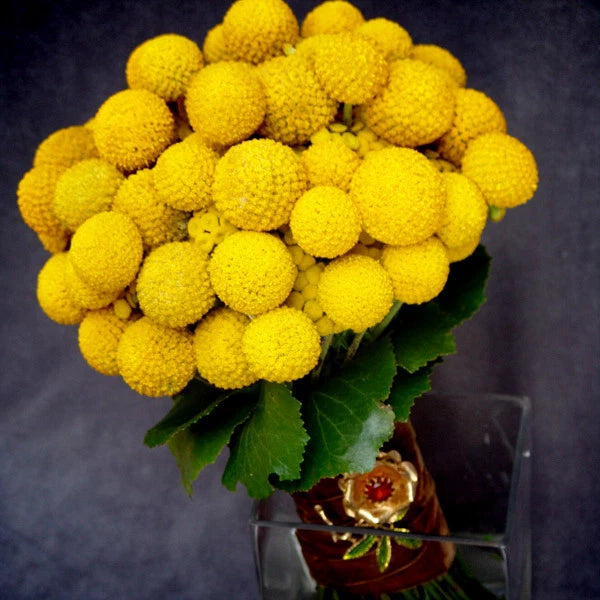
Drumstick Flower 'Billy Button' – 300 Seeds (Craspedia globosa)
Brighten your garden with the iconic Billy Button, known for its cheerful, round, golden-yellow flower heads on tall, slender stems. Perfect for borders, bouquets, and long-lasting dried arrangements, this hardy perennial adds a whimsical touch to any garden or floral display.
What Makes It Special
-
Iconic globe-shaped, bright yellow blooms
-
Long-lasting in fresh bouquets or dried arrangements
-
Hardy, low-maintenance, and drought-tolerant
-
Adds vertical interest with tall stems
Key Features
-
Height: 60–90 cm
-
Full sun loving, prefers well-drained soil
-
Flowers June–September
-
Excellent for cutting and drying
Ideal For
-
Borders and cottage-style gardens
-
Fresh and dried floral arrangements
-
Pollinator-friendly planting
-
Low-maintenance sunny gardens
Sowing
-
Sow indoors 6–8 weeks before last frost or directly outdoors after danger of frost
-
Cover lightly with soil, keep moist
-
Germination: 10–20 days
-
Thin seedlings to 20–30 cm apart for strong growth

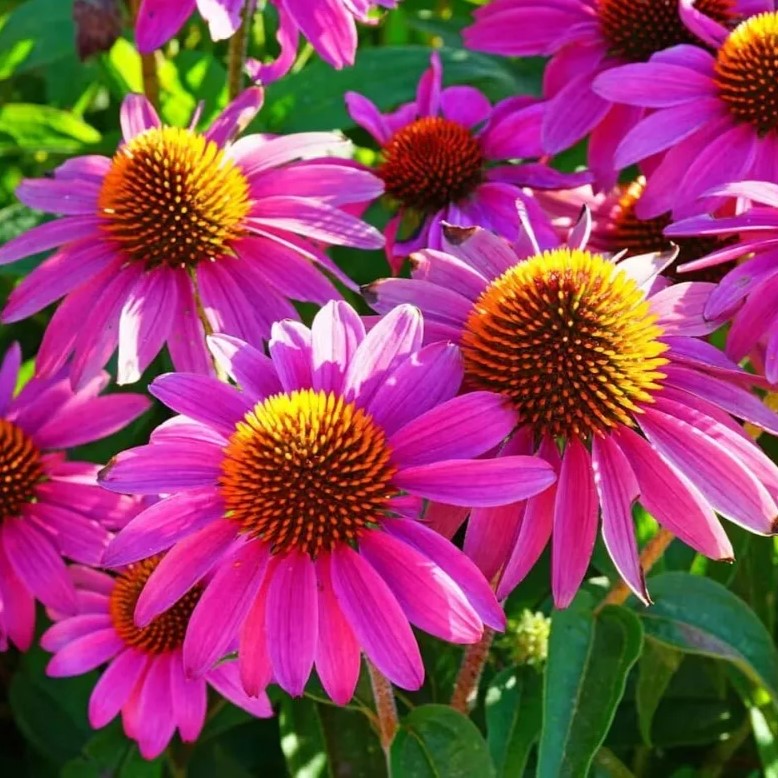
Coneflower Purple 'Ruby Star' Seeds (Echinacea purpurea)
Coneflower ‘Ruby Star’ is a robust perennial with large, daisy-like blooms in vivid purple-red, centered with coppery cones. Strong stems hold the flowers upright, making them excellent for cutting while also drawing in bees, butterflies, and other pollinators. Hardy and low-maintenance, it’s a summer garden essential.
What Makes It Special
-
Bold ruby-purple blooms with copper centers
-
Loved by pollinators and birds (seed heads in autumn)
-
Drought-tolerant and long-lasting perennial
Key Features
-
Botanical name: Echinacea purpurea
-
Hardy perennial
-
Height: 80–100 cm
-
Bloom time: Summer to early autumn
Ideal For
-
Borders and prairie-style gardens
-
Pollinator-friendly plantings
-
Cut flowers and naturalized areas
Sowing
-
Sow indoors Feb–Apr or outdoors Apr–Jun
-
Lightly cover seeds with soil
-
Germination: 14–28 days at 18–22°C
-
Transplant 40–50 cm apart
-
Flowers from the second year onward


Zinnia Dahlia ‘Super Yoga’ – Giant, Fully Double Blooms for Maximum Impact
Zinnia Dahlia ‘Super Yoga’ produces huge, fully double blooms in brilliant, bold colors, making it a showpiece for borders and cutting gardens. These tall, vigorous plants thrive in full sun and summer heat, delivering long-lasting flowers that are perfect for arrangements and garden displays from summer right through to frost.
What Makes It Special
-
Giant dahlia-type blooms in vibrant mixed shades
-
Excellent for high-impact borders and large bouquets
-
Long stems and strong structure for cutting
-
Heat- and sun-loving with season-long blooms
-
Perfect for gardeners seeking bold, statement flowers
Key Features
-
Height: 75–90 cm – tall, sturdy plants
-
Excellent vase life
-
Attracts bees, butterflies, and pollinators
-
Easy to grow from seed
-
Perfect for showy summer arrangements
Ideal For
-
Cutting gardens and large floral arrangements
-
Tall mixed borders
-
Pollinator-friendly garden designs
-
Summer-long colorful displays
Sowing
-
Sow indoors 4–6 weeks before last frost or direct sow after frost danger has passed
-
Cover seeds lightly with fine soil
-
Germination: 5–10 days at 21–24°C
-
Space plants 30–40 cm apart
-
Prefers full sun and well-drained soil
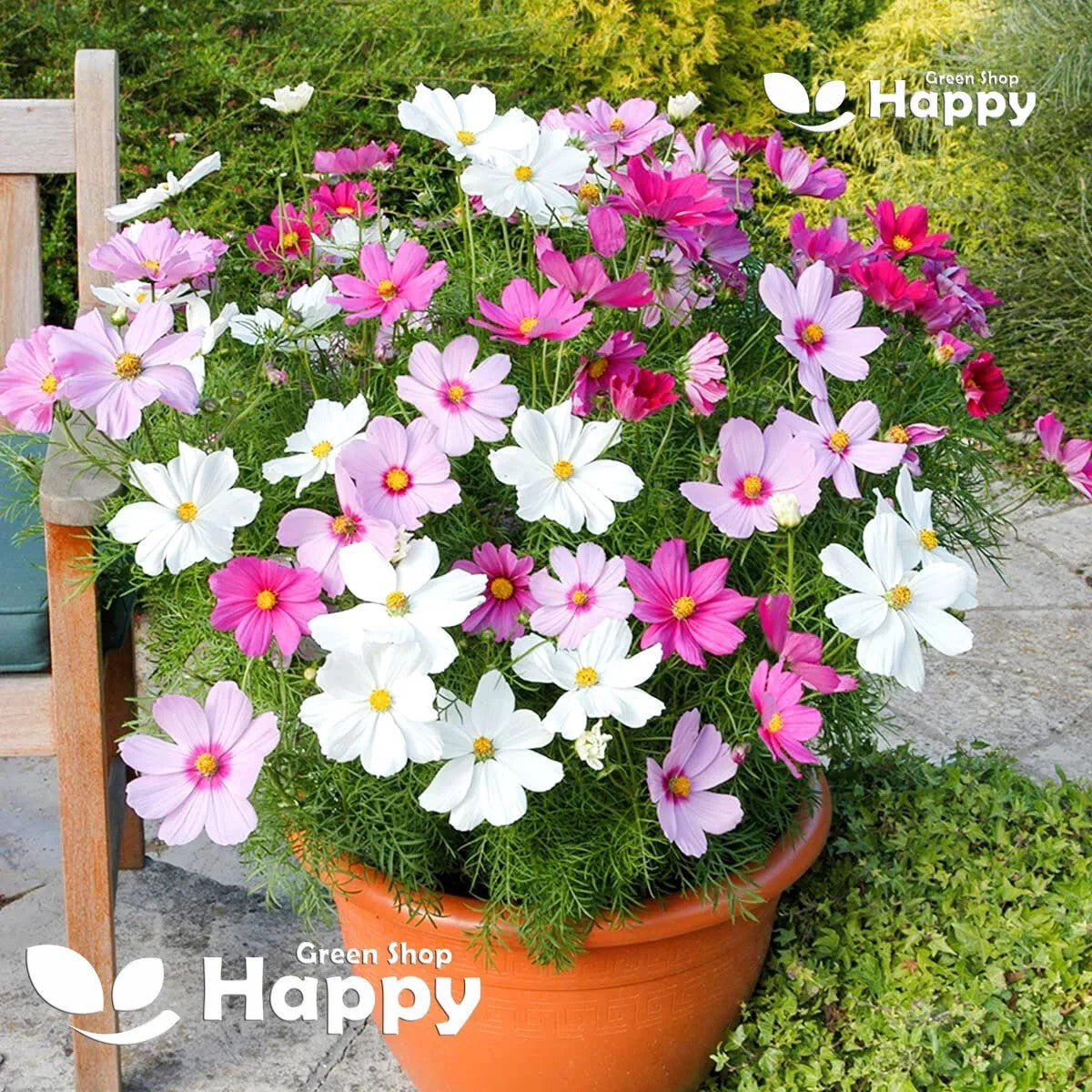
Dwarf Cosmos Early 'Vega' Mix – Seeds (Cosmos bipinnatus)
The Dwarf Cosmos Early 'Vega' Mix is a compact, early-flowering variety of cosmos that produces masses of cheerful, daisy-like blooms in shades of white, pink, and carmine-red. Unlike tall cosmos, 'Vega' grows into neat, bushy plants that stay compact, making it ideal for borders, bedding, patio pots, and containers. This easy-to-grow annual flowers quickly and blooms continuously throughout the summer.
Highlights
-
Dwarf and bushy growth, perfect for smaller spaces
-
Large, bright daisy-like blooms in mixed shades
-
Early-flowering variety for a longer display
-
Low-maintenance and drought-tolerant once established
Key Features
-
Botanical Name: Cosmos bipinnatus
-
Variety: Dwarf Early 'Vega' Mix
-
Seed Count: Approx. seeds per pack
-
Height/Spread: 25–40 cm tall, 20–30 cm spread
-
Position: Full sun, well-drained soil
-
Flowering Period: June–October
Perfect For
-
Patio pots and containers
-
Bedding and borders
-
Compact cottage garden displays
-
Long-lasting cut flowers
Sowing Instructions
-
Sow indoors March–April at 18–21°C
-
Cover seeds lightly with compost or vermiculite
-
Germination: 7–10 days
-
Transplant outdoors after frost risk has passed, spacing 20–25 cm apart
-
Can also be sown directly outdoors April–May
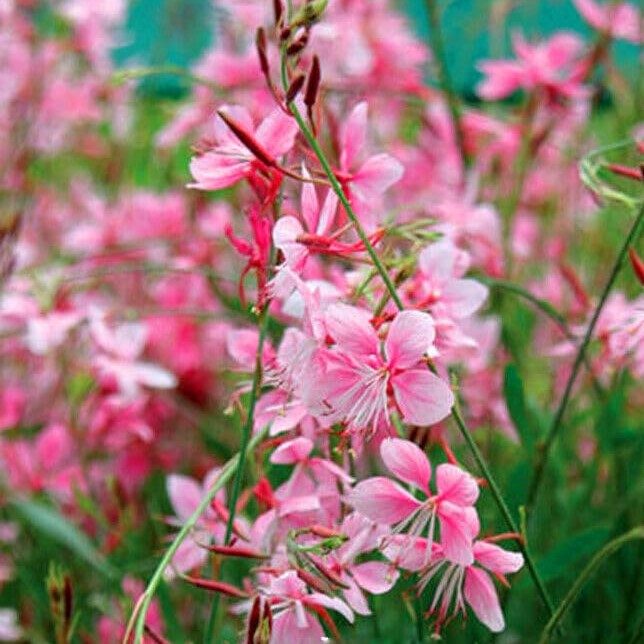
Beeblossom Rosy-White – Seeds (Gaura lindheimeri)
Beeblossom (Gaura lindheimeri) is a graceful perennial, prized for its airy stems and delicate rosy-white flowers that resemble dancing butterflies in the breeze. Flowering over a long season, it adds elegance and movement to borders, cottage gardens, and wildflower-style plantings. Easy to grow and drought-tolerant once established, it thrives in sunny spots and well-drained soil.
Why Grow Beeblossom Rosy-White?
-
Produces clouds of dainty rosy-white blooms
-
Long flowering period, from summer into autumn
-
Perfect for naturalistic, cottage, or pollinator-friendly gardens
-
Drought-tolerant and low-maintenance
Key Features
-
Type: Hardy perennial
-
Height: 60–90 cm
-
Spread: 40–60 cm
-
Flowering: June–October
-
Position: Full sun
-
Soil: Light, well-drained
Sowing & Growing
-
Sow indoors: February–April in trays, lightly cover with compost
-
Germination: 14–30 days at 18–20°C
-
Transplant: When seedlings are large enough, plant outdoors after last frost
-
Spacing: 40 cm apart
-
Can also be sown directly outdoors in May–June
Tip: Beeblossom is ideal for softening borders and pairs beautifully with ornamental grasses.
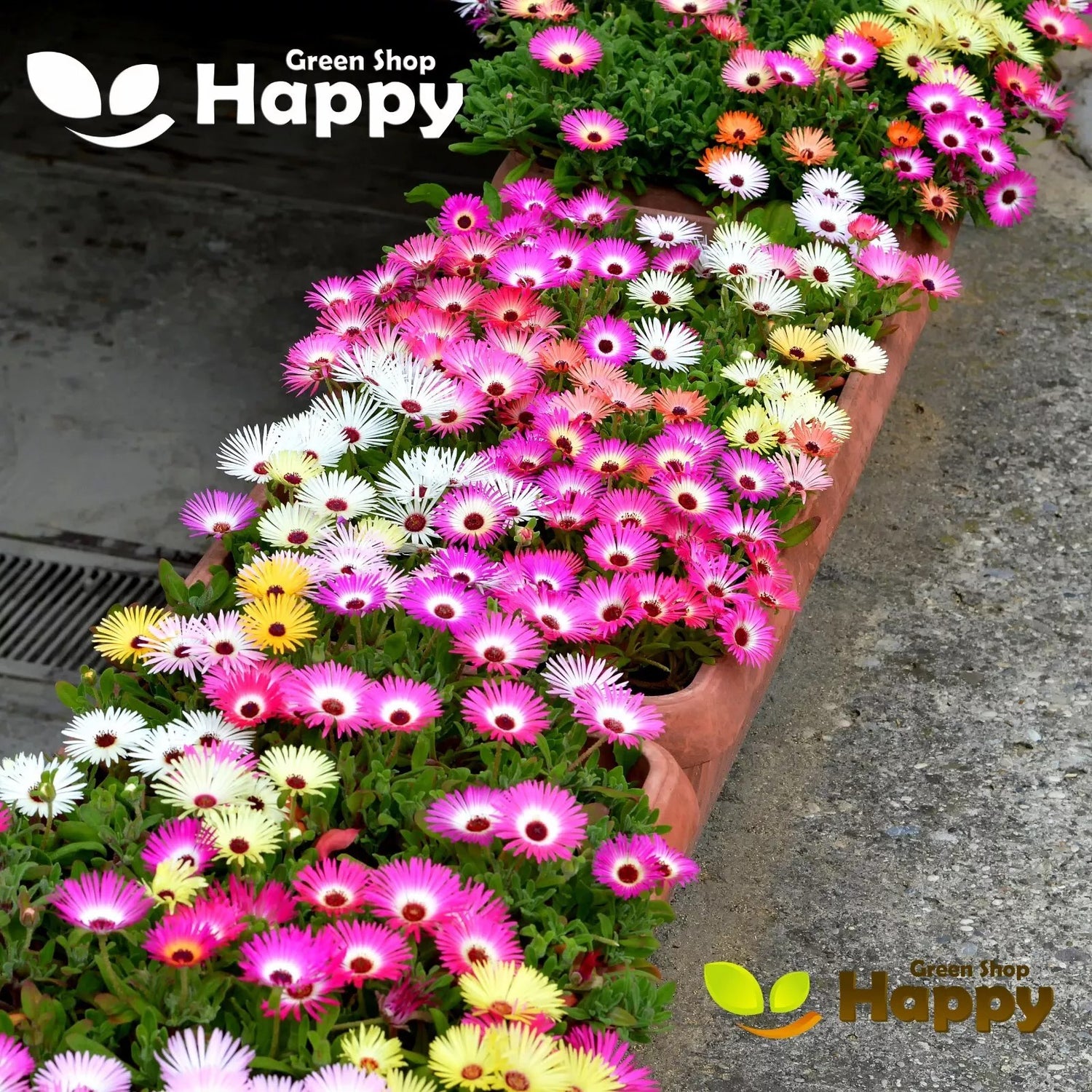
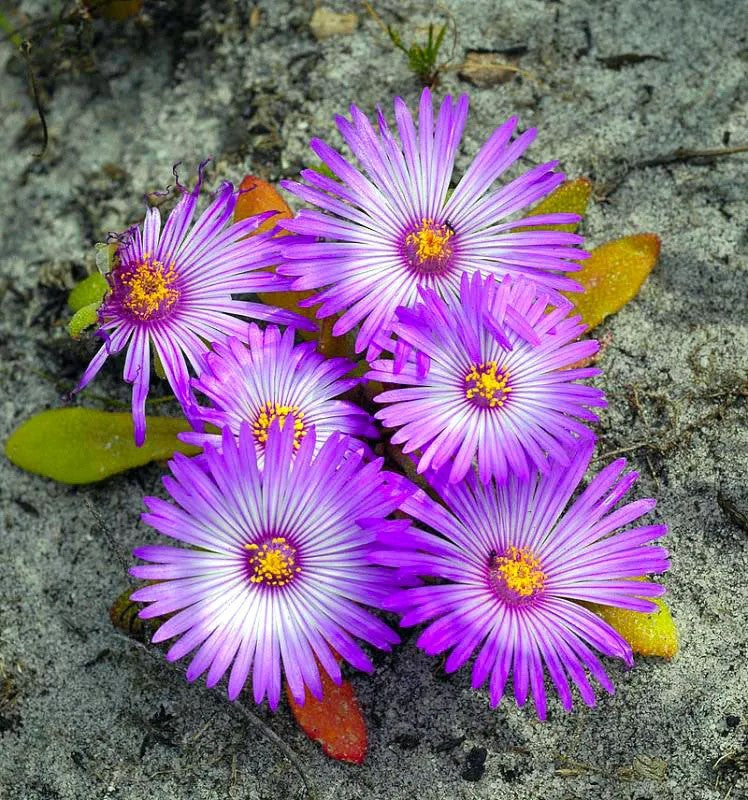
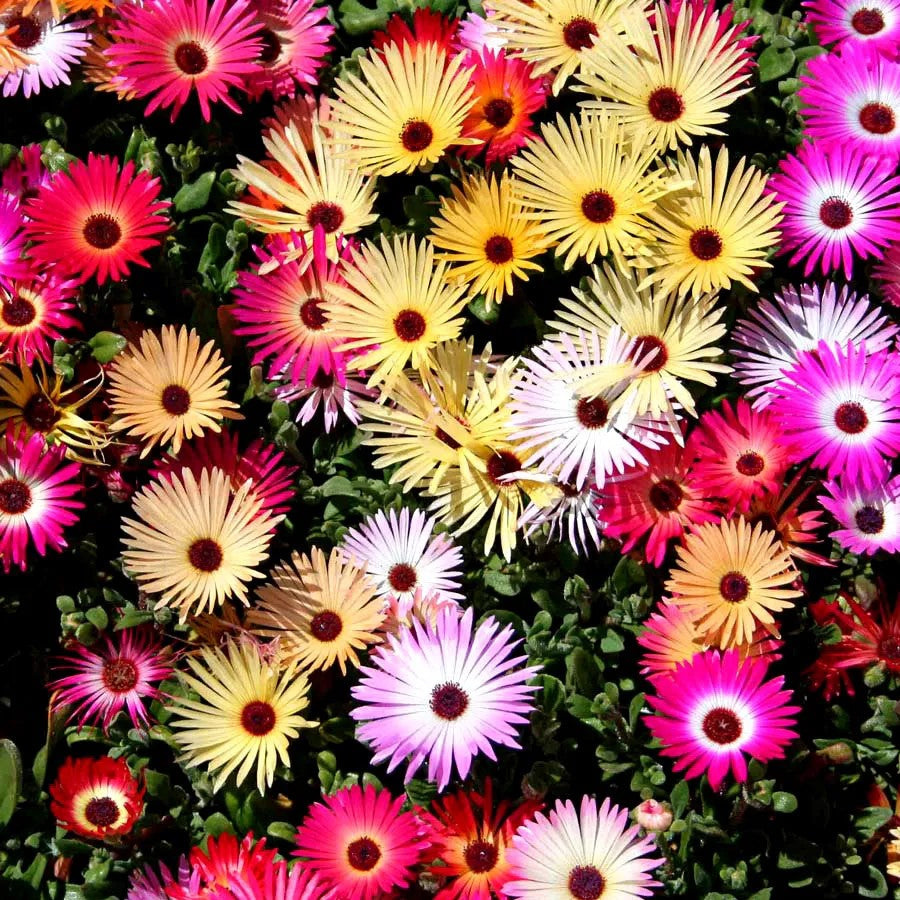
Livingstone Daisy Mixed – Seeds (Dorotheanthus bellidiformis)
The Livingstone Daisy Mixed is a dazzling carpet-forming annual that produces masses of daisy-like blooms in vibrant shades of pink, red, orange, yellow, and white. The flowers open wide in full sunlight, creating a striking display over their low-growing, succulent foliage. Perfect for hot, dry, sunny spots, this cheerful mix brightens up any summer garden with its jewel-like colors.
What Makes It Special
-
Brilliant mix of jewel-toned daisy flowers
-
Thrives in poor, dry soils and full sun
-
Excellent ground cover for summer displays
-
Compact, trailing habit ideal for edging and containers
Key Features
-
Botanical name: Dorotheanthus bellidiformis
-
Common name: Livingstone Daisy / Ice Plant
-
Variety: Mixed colors
-
Seed count: Approx. seeds per pack
-
Height/Spread: 10–15 cm tall, spreading up to 20 cm
-
Position: Full sun; well-drained soil
-
Flowering period: Summer (June–September)
Ideal For
-
Bedding and edging
-
Rockeries and gravel gardens
-
Containers and window boxes
-
Drought-tolerant displays in sunny spots
Sowing Instructions
-
When to sow: February–April indoors, or May outdoors after frost
-
How to sow:
-
Sow seeds on the surface of fine, moist compost; do not cover (light aids germination)
-
Keep at 18–20°C; germination in 10–21 days
-
-
After germination:
-
Transplant seedlings when large enough to handle
-
Harden off and plant outdoors 10–15 cm apart in sunny, free-draining soil
-
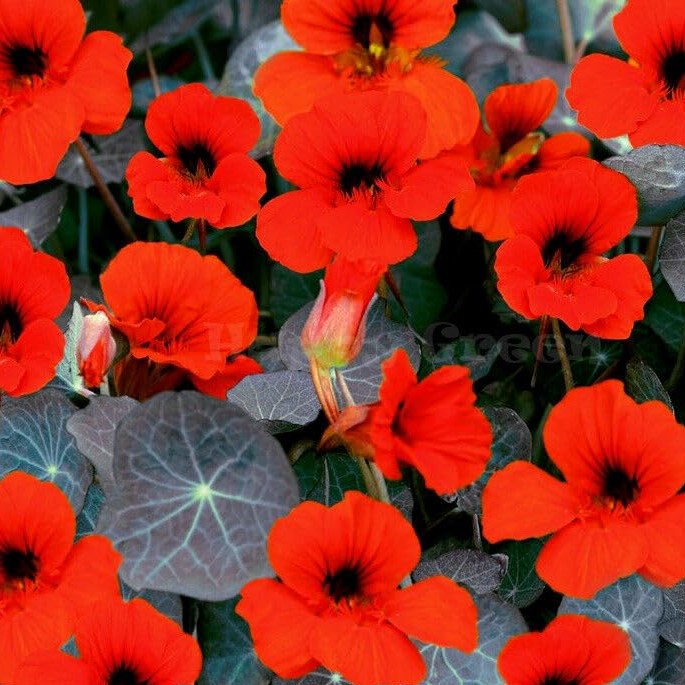
Nasturtium ‘Empress of India’ – Seeds (Tropaeolum nanum)
Nasturtium ‘Empress of India’ (Tropaeolum nanum) is a vibrant annual with striking deep red and dark foliage. Its trailing habit makes it perfect for containers, hanging baskets, and garden borders. Edible flowers and leaves add a peppery flavor to salads and garnishes, while the plant attracts pollinators, creating both beauty and utility in your garden.
Why Grow "Empress of India"
-
Deep red blooms with dark, attractive foliage
-
Trailing habit ideal for containers and hanging baskets
-
Edible flowers and leaves with a peppery taste
-
Attracts bees, butterflies, and other pollinators
Key Features
-
Type: Annual (Tropaeolum nanum)
-
Height: 20–30 cm
-
Flowering: June–September
-
Position: Full sun to partial shade
-
Uses: Containers, hanging baskets, borders, edible garden
Ideal For
-
Edible and ornamental garden planting
-
Hanging baskets and container displays
-
Pollinator-friendly gardens
-
Borders and small garden beds
Sowing & Growing
-
Sow indoors: March–April in trays or pots
-
Sow outdoors: After last frost in prepared soil
-
Germination: 7–14 days at 18–22°C
-
Thin seedlings to 20–25 cm apart
-
Prefers well-drained soil and sunny positions
-
Deadhead to encourage continuous flowering
Showing 27/557


