
Sort by:
51 products
51 products
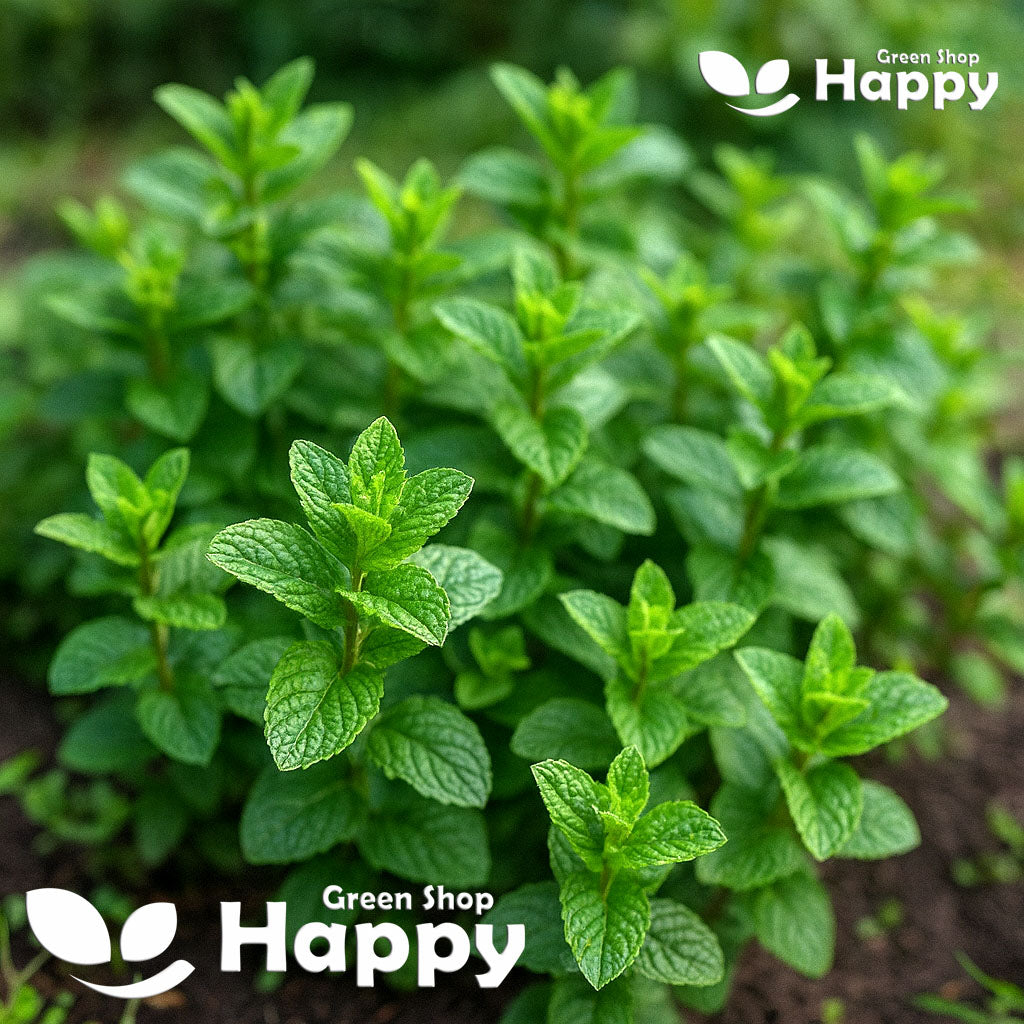

Mentha spicata, commonly known as Spearmint, is a vigorous hardy perennial herb prized for its fresh, sweet mint flavour and intensely aromatic green leaves. Softer and less sharply mentholated than peppermint, its refreshing flavour makes it one of the most versatile mints for everyday culinary use.
Fresh leaves are excellent in teas, cold drinks, salads, sauces, desserts and traditional mint sauce, and can also be dried for later use. Spearmint is extremely productive once established, producing repeated harvests of fresh foliage throughout the growing season. Its spreading habit makes it particularly well suited to containers, where growth can be easily controlled, while summer flower spikes are also attractive to bees and other pollinating insects.
● Fresh, sweet and highly aromatic classic mint flavour
● Suitable for growing indoors in pots for fresh mint close at hand
● Excellent for teas, cold drinks, sauces, salads and desserts
● Productive cut-and-come-again herb for repeated harvesting
● Hardy perennial that returns year after year
● Easy to grow in containers where its vigorous spread can be controlled
● Kitchen herb gardens
● Indoor windowsill growing
● Patio containers
● Fresh herbal teas and drinks
● Culinary harvesting
● Pollinator-friendly herb gardens
● Surface sow the very small seeds and gently press them onto moist compost without covering, as light aids germination.
● Spearmint can also be grown indoors in a pot on a bright windowsill. Provide plenty of natural light, keep the compost evenly moist and harvest stems regularly to encourage fresh leafy growth.
● For the most useful culinary growth, harvest or trim stems regularly to encourage fresh, tender shoots and prevent plants becoming coarse.
● Grow Spearmint in a large container if you want to restrict its vigorous underground spread; plants grown directly in open soil can spread rapidly through rhizomes.
● Keep plants consistently watered during dry periods, especially when growing in containers, as moisture encourages lush, tender leaf production.
● For the best flavour and aroma, harvest leafy stems before flowering; regular cutting can also delay flowering and extend the supply of fresh leaves.
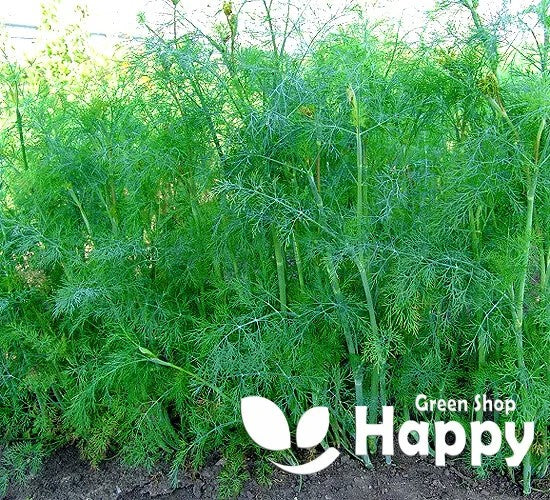
Dill 'Bouquet' – Seeds (Anethum graveolens)
Dill 'Bouquet' is a fast-growing herb prized for its aromatic leaves, seeds, and delicate yellow flower heads. This popular variety is widely used in the kitchen – perfect for seasoning fish, pickles, sauces, salads, and soups. Its feathery foliage is also highly decorative, making it a dual-purpose plant for culinary and ornamental use.
How to Grow
-
Sow outdoors: April – July directly where plants are to grow.
-
Soil: Well-drained, fertile soil in full sun.
-
Spacing: Thin seedlings to 20–30 cm apart.
-
Water regularly to keep soil moist but not waterlogged.
Key Features
-
Popular dill variety with strong flavor
-
Aromatic leaves, seeds, and flower heads
-
Fast-growing and easy to cultivate
-
Great for fresh use or drying
-
Decorative feathery foliage
Ideal For
-
Herb gardens and borders
-
Culinary use in pickling, sauces, and fish dishes
-
Companion planting with cucumbers and cabbages
Sowing & Harvest
-
Sow: April – July
-
Harvest: Leaves from May onwards, seeds in late summer
Quick Tip
Harvest leaves early in the morning for maximum flavor. Sow little and often for a continuous supply throughout the season.
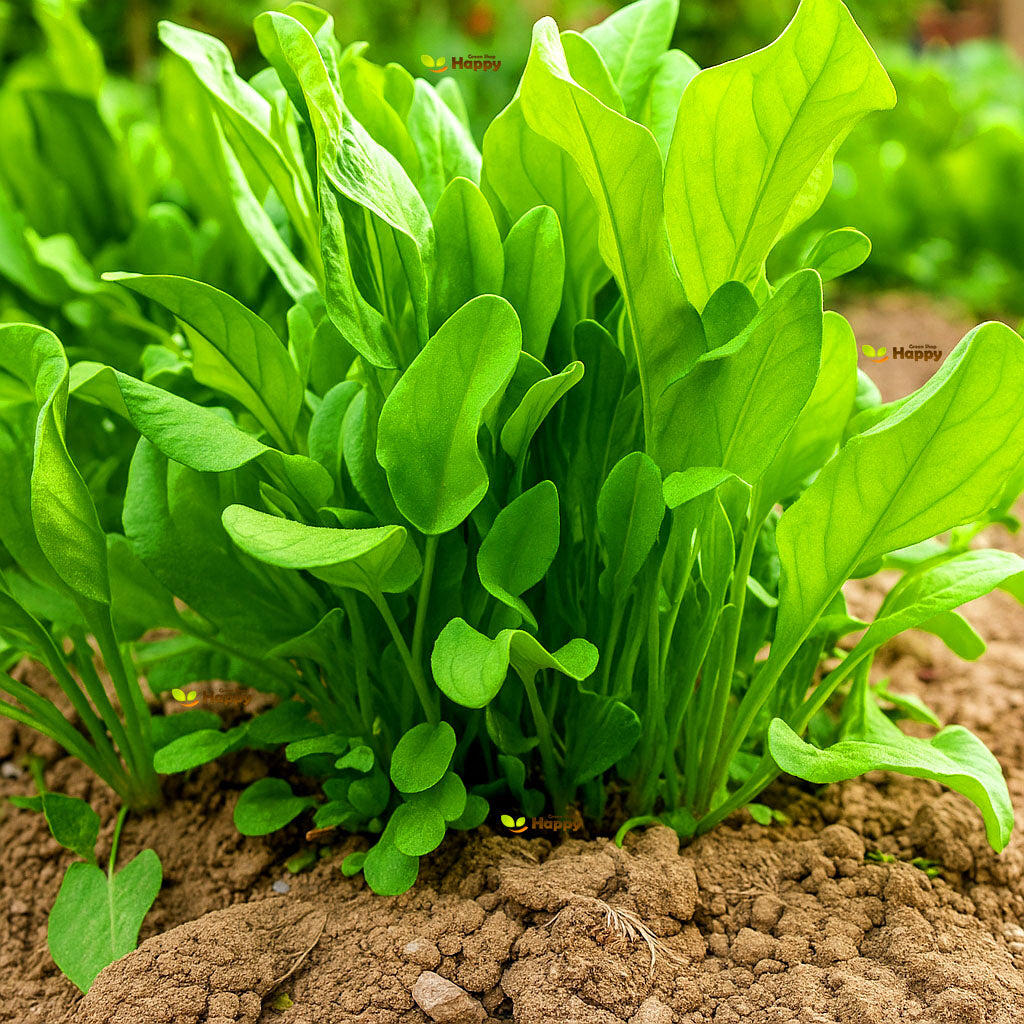
Sorrel 'Blonde de Lyon' Seeds (Rumex acetosa)
Brighten up your kitchen garden with Sorrel 'Blonde de Lyon', a traditional French variety producing tender, pale green leaves with a tangy, lemony flavor. Perfect for soups, sauces, salads, and omelets, this perennial herb grows quickly and provides harvests over a long season. Its sharp, refreshing taste makes it a gourmet favorite in classic French cuisine.
How to Grow
-
Sow indoors in early spring or directly outdoors once soil warms.
-
Prefers fertile, moist, well-drained soil in full sun or partial shade.
-
Sow 0.5–1 cm deep in rows 30–40 cm apart.
-
Thin seedlings to 20–25 cm apart for strong growth.
-
Harvest young leaves regularly to encourage new growth.
Key Features
-
French heirloom sorrel with pale green, tender leaves
-
Distinct lemony flavor, perfect for culinary use
-
Perennial, reliable harvest year after year
-
Early cropping and fast-growing
-
Excellent for soups, sauces, salads, and garnishes
Ideal For
-
Traditional French cooking
-
Adding zest to salads and omelets
-
Perennial herb gardens
-
Home cooks and gourmet gardeners
Sowing
-
Best time: Spring or early summer
-
Depth: 0.5–1 cm
-
Spacing: Thin to 20–25 cm, rows 30–40 cm apart
-
Prefers moist, fertile soil in sun or partial shade
Quick Tip
-
Cut back flowering stems to prolong leaf production and maintain flavor.

Dwarf Dill ‘Compatto’ – 1000 Seeds (Anethum graveolens)
Description:
Enhance your kitchen garden with Dwarf Dill ‘Compatto’ (Anethum graveolens), a compact, bushy herb perfect for small spaces. Producing feathery green foliage with a strong, aromatic flavor, it’s ideal for seasoning soups, salads, pickles, and fish dishes. This easy-to-grow, fast-maturing variety is suitable for containers, borders, and herb gardens, attracting beneficial insects while providing fresh, flavorful leaves throughout the growing season.
Key Features
-
Compact, bushy growth habit ideal for small gardens
-
Aromatic feathery foliage for culinary use
-
Fast-growing and easy to cultivate
-
Attracts beneficial insects
-
Suitable for containers and herb beds
Ideal For
-
Kitchen and container gardens
-
Herb borders and mixed plantings
-
Culinary use: salads, soups, pickles, and fish
-
Pollinator-friendly herb gardens
Sowing & Growing
-
Sow Indoors: February–April
-
Sow Outdoors: March–May
-
Germination: 7–14 days at 15–20°C
-
Height: 25–30 cm
-
Spacing: 20–25 cm apart
-
Light: Full sun
-
Soil: Well-drained, fertile
Care Tips
-
Water moderately and keep soil evenly moist
-
Harvest leaves regularly to encourage bushy growth
-
Mulch lightly to retain moisture
-
Can self-seed for future crops
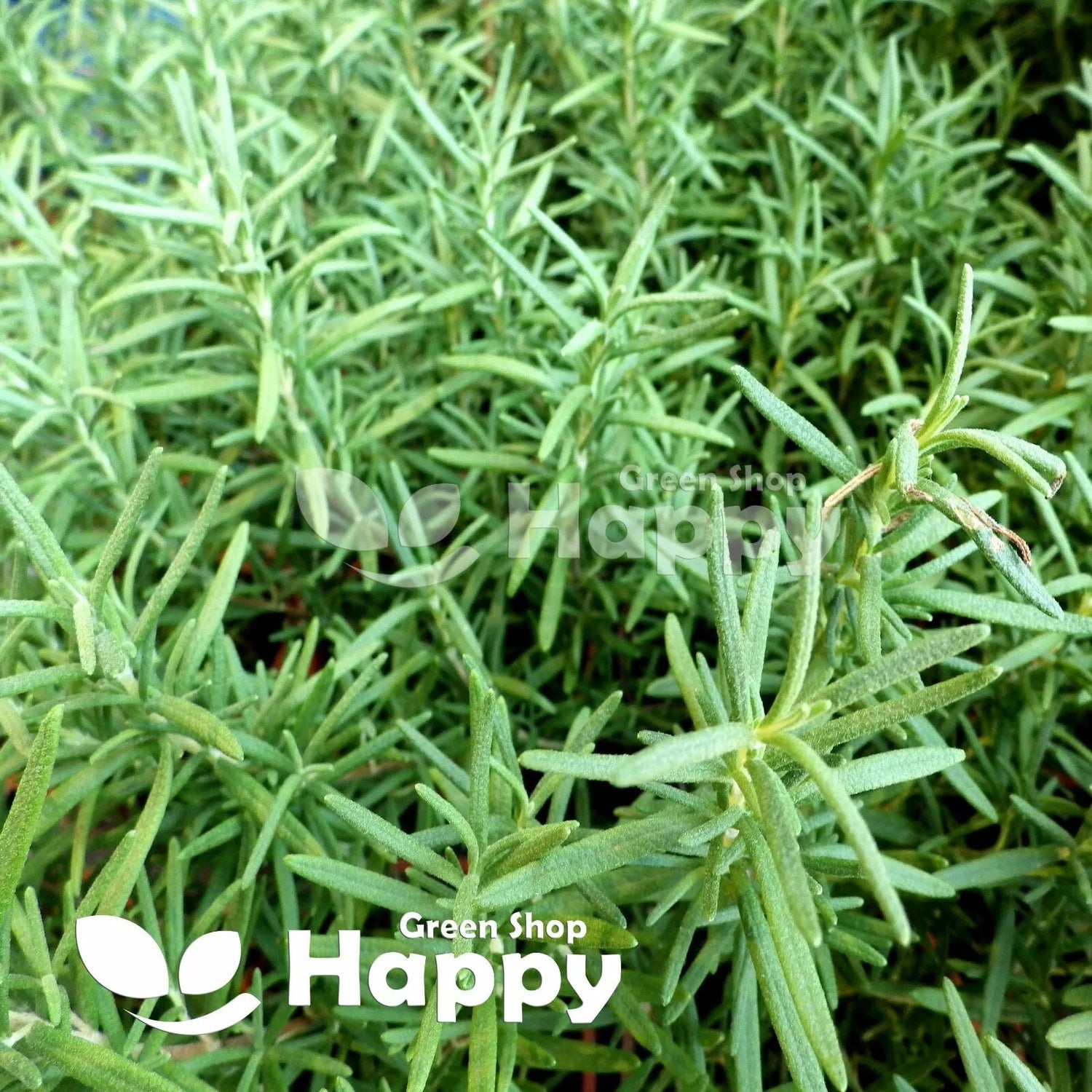
Russian Tarragon – Seeds (Artemisia dracunculus)
Russian Tarragon is a hardy perennial herb valued for its anise-like flavor and aromatic leaves. While milder than French tarragon, it grows easily from seed, making it an excellent choice for gardeners who want a reliable and vigorous herb. Perfect for flavoring chicken, fish, salads, and sauces, it also makes a decorative addition to herb gardens with its fine, slender foliage.
How to Grow
-
Sow indoors: March – May in seed trays or pots.
-
Transplant outdoors: After last frost into a sunny, sheltered position.
-
Soil: Well-drained, light soil.
-
Spacing: 30–45 cm apart.
-
Water moderately, avoid waterlogging.
Key Features
-
Hardy perennial, easy to grow from seed
-
Aromatic leaves with mild anise flavor
-
Reliable alternative to French tarragon
-
Drought-tolerant once established
-
Attractive foliage for herb borders
Ideal For
-
Herb gardens and kitchen gardens
-
Flavoring chicken, fish, soups, and sauces
-
Growing in pots, raised beds, or borders
Sowing & Harvest
-
Sow: March – May
-
Harvest: July – October
Quick Tip
Pinch back growing tips to encourage bushy growth. For best flavor, harvest young leaves before flowering.
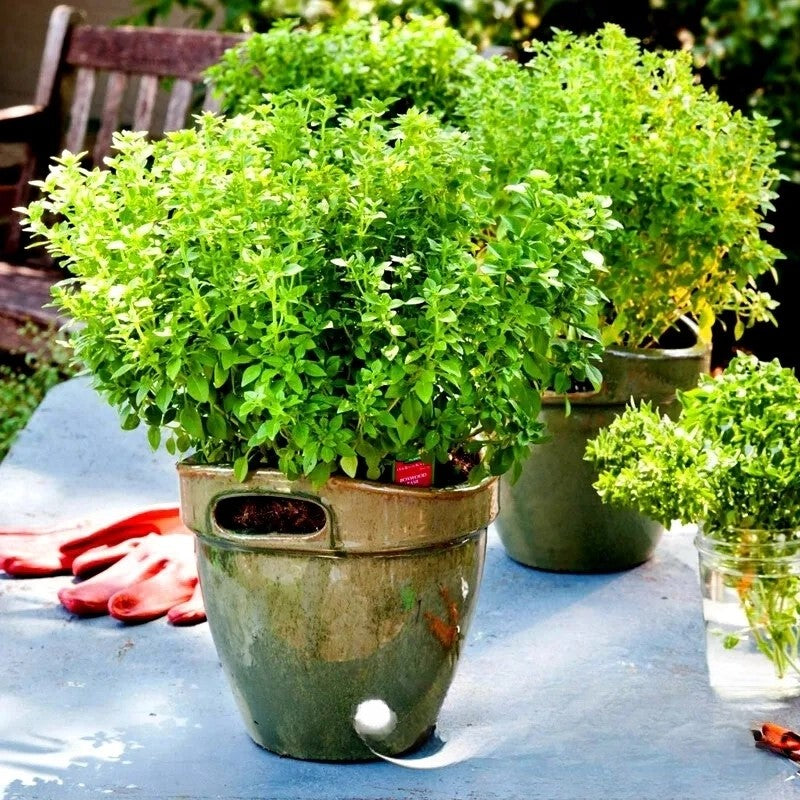
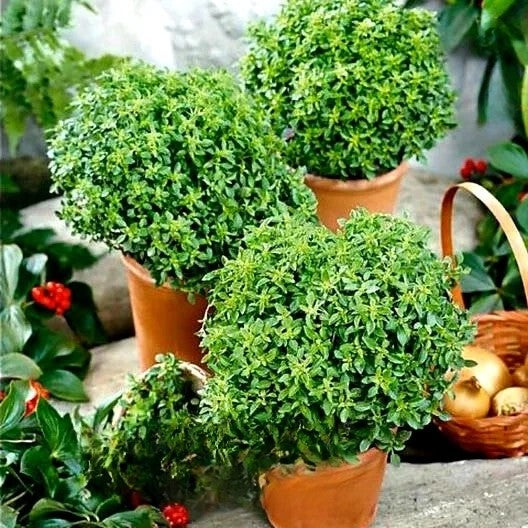
Dwarf Minette Greek Basil – 500 Seeds (Ocimum basilicum)
Dwarf Minette Greek Basil is a compact, aromatic basil variety prized for its small, flavorful leaves and strong fragrance. Ideal for Mediterranean cooking, pesto, salads, and garnishes, this basil brings a fresh, aromatic touch to every dish.
Its dwarf habit makes it perfect for garden beds, containers, or windowsills. Easy to grow and fast-maturing, Dwarf Minette Greek Basil provides a steady harvest throughout the growing season.
How to Grow
-
Sow indoors: February – April
-
Sow outdoors: After last frost, spacing 20–25 cm apart
-
Position: Full sun
-
Soil: Fertile, well-drained soil enriched with compost
-
Care: Water moderately; pinch back tips to encourage bushy growth
Key Features
-
Compact dwarf variety with small, flavorful leaves
-
Strong aromatic flavor ideal for Mediterranean dishes, pesto, salads, and garnishes
-
Fast-growing and easy to maintain
-
Suitable for garden beds, containers, or windowsills
-
Continuous harvest when trimmed regularly
Harvest
-
Harvesting period: 60–75 days after sowing
-
Pick leaves regularly to promote new growth and maintain flavor.
Short Tip
Pinch back the growing tips regularly to encourage bushy plants and maximize leaf production.
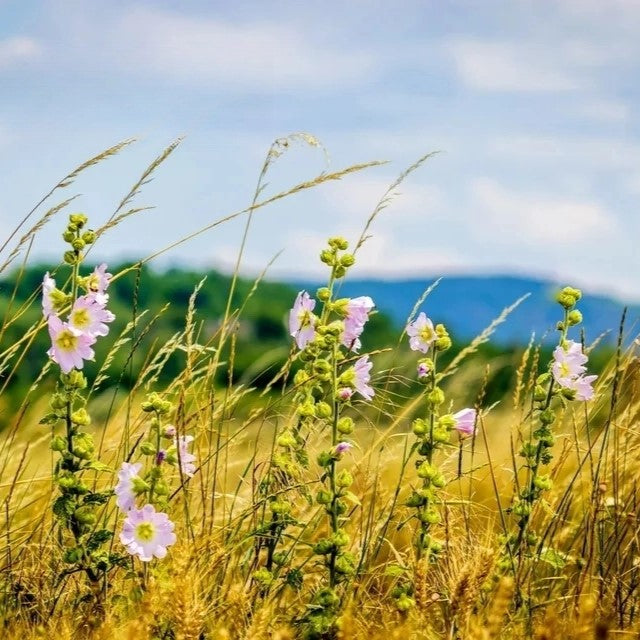
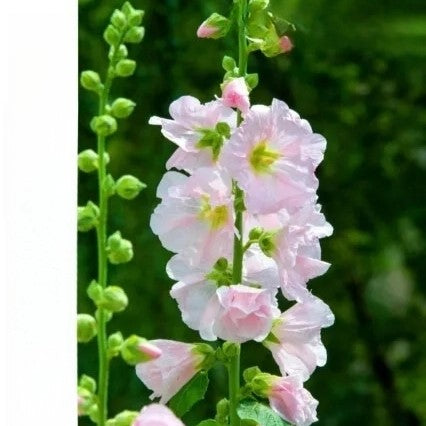
Marsh Mallow – Seeds (Althaea officinalis)
Marsh Mallow is a hardy perennial herb known for its tall, elegant growth and soft, velvety leaves. Traditionally valued for its medicinal properties, its roots and leaves can be used in herbal remedies, teas, and natural skincare preparations. The plant also produces attractive pale pink flowers that add charm to herb and cottage gardens.
Ideal for garden beds, borders, and natural herbal plots, Marsh Mallow is easy to grow and low-maintenance once established.
How to Grow
-
Sow indoors: February – April
-
Sow outdoors: April – May
-
Depth: 0.5–1 cm
-
Spacing: 40–50 cm between plants
-
Position: Full sun to partial shade
-
Soil: Fertile, well-drained, moist
-
Watering: Regular watering until established
Key Features
-
Hardy perennial herb with medicinal and culinary uses
-
Soft, velvety leaves and pale pink flowers
-
Ideal for teas, herbal remedies, and natural skincare
-
Low-maintenance once established
-
Suitable for herb gardens, borders, and cottage gardens
Harvest
-
Harvesting period: Summer – Autumn
-
Pick leaves and flowers as needed; roots can be harvested in autumn for medicinal use.
Short Tip
For a continuous supply, harvest leaves selectively and leave some to flower for seeds.
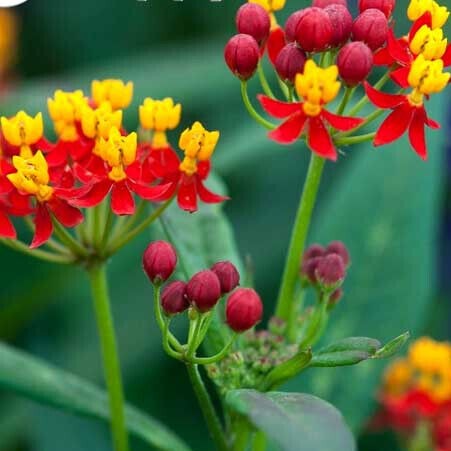
Mexican Butterfly Weed ‘Red’ – Seeds (Asclepias curassavica)
Mexican Butterfly Weed ‘Red’ is a vibrant, nectar-rich perennial attracting butterflies, bees, and hummingbirds. Its bright red, clustered flowers bloom from summer to autumn, creating a bold splash of color in borders, beds, and pollinator gardens. Easy to grow and low-maintenance, this variety supports wildlife while adding tropical flair and long-lasting beauty to your garden.
Why Grow "Red Mexican Butterfly Weed"
-
Bright red, clustered flowers from summer to autumn
-
Nectar-rich, attracting butterflies, bees, and hummingbirds
-
Low-maintenance and easy to grow
-
Perfect for pollinator-friendly gardens and vibrant borders
Key Features
-
Type: Perennial (Asclepias curassavica)
-
Height: 60–90 cm
-
Flowering: Summer to autumn
-
Position: Full sun
-
Uses: Borders, beds, pollinator gardens, wildlife-friendly planting
Ideal For
-
Supporting pollinators and wildlife in the garden
-
Adding bright red color to borders and beds
-
Cottage and mixed garden designs
-
Gardeners seeking low-maintenance, nectar-rich plants
Sowing & Growing
-
Sow indoors: 6–8 weeks before last frost
-
Sow outdoors: After frost danger has passed
-
Germination: 10–20 days
-
Space seedlings: 30–40 cm apart
-
Prefers well-drained soil and full sun

Dwarf Parsley 'Moss Curled 2' Seeds (Petroselinum crispum)
Enhance your garden and kitchen with Dwarf Parsley 'Moss Curled 2', a compact, slow-growing variety producing dense, bright green, finely curled leaves. Ideal for both ornamental and culinary use, its vibrant foliage adds texture to salads, garnishes, and cooked dishes. Perfect for containers, herb beds, and borders, it’s a versatile herb for every gardener.
How to Grow
-
Sow indoors in early spring or directly outdoors after frost.
-
Use fertile, well-drained soil in sun or partial shade.
-
Sow seeds 0.5 cm deep in rows 20–25 cm apart.
-
Thin seedlings to 15–20 cm apart for strong growth.
-
Harvest leaves regularly to encourage bushiness.
Key Features
-
Dwarf, slow-growing parsley with finely curled, bright green leaves
-
Dual-purpose: culinary use and ornamental appeal
-
Compact size suitable for containers and small gardens
-
Long cutting period for continuous harvest
-
Easy to grow for beginners and experienced gardeners
Ideal For
-
Fresh salads, garnishes, and cooked dishes
-
Container gardens, herb beds, and borders
-
Gardeners seeking compact, productive herbs
-
Year-round kitchen harvest
Sowing
-
Best time: Spring or early summer
-
Depth: 0.5 cm
-
Row spacing: 20–25 cm
-
Plant spacing: Thin to 15–20 cm apart
-
Position: Sun or partial shade, fertile soil
Quick Tip
-
Pinch outer leaves regularly to encourage bushier growth and longer harvests.
Showing 36/51

