
Sort by:
51 products
51 products

🌿 Ocimum basilicum Basil ‘Gecofure’ – Compact Genovese-Type Basil Ideal for Pots and Containers
‘Gecofure’ is a compact Genovese basil variety specially selected for pot and container production. It forms dense, well-branched plants with medium-sized, glossy green leaves and a classic sweet basil aroma and flavour. Compared to standard Genovese basil, ‘Gecofure’ grows shorter and more uniform, making it perfect for windowsills, balconies, patio containers and supermarket-style pot basil. Excellent regrowth after cutting ensures a continuous harvest throughout the season.
Key Features
● Compact Genovese-type basil with classic sweet flavour
● Dense, uniform plants ideal for pot production
● Excellent regrowth after cutting
● Perfect for containers, windowsills and balconies
● Suitable for fresh use, pesto and Mediterranean dishes
How to Sow & Grow Basil ‘Gecofure’ (UK)
Sow indoors: III–V (March–May)
Transplant outdoors: V–VI (May–June) once frost risk has passed
Direct outdoors: V–VI (May–June) in warm conditions
Harvest: VI–IX (June–September)
Life cycle: Annual
Germination temperature: 20–25 °C (68–77 °F)
Average germ time: 7–14 days
Depth: 0.5 cm (¼ in)
Light required: Yes
Moisture: Keep soil evenly moist
Environment: Full sun (warm, sheltered position)
Soil type: Fertile, well-drained compost or soil
Plant spacing: 15–20 cm (6–8 in)
Height: 20–30 cm (8–12 in)
Sowing & Growing Tips (variety-specific)
● Sow several seeds per pot for a full, bushy plant.
● Pinch regularly to prevent flowering and promote leaf growth.
● Grow indoors or under cover for best results in cooler climates.
● Avoid cold drafts and temperatures below 10 °C (50 °F).
● Harvest little and often for continuous production.
Special Features
● Specifically bred for compact pot production
● Classic Genovese basil flavour in a smaller plant
● Ideal for home kitchens and retail pot basil
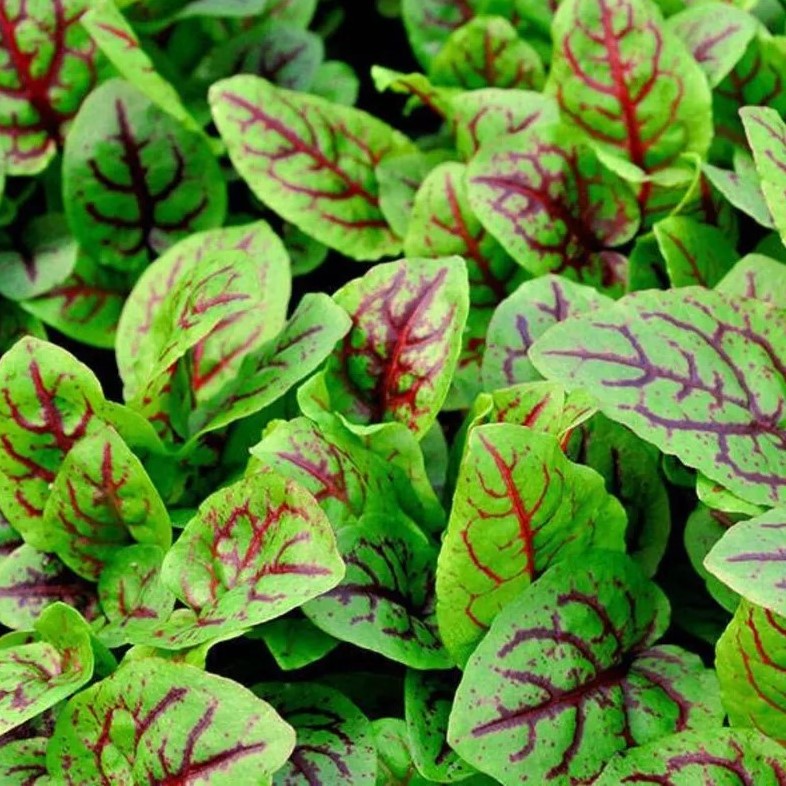
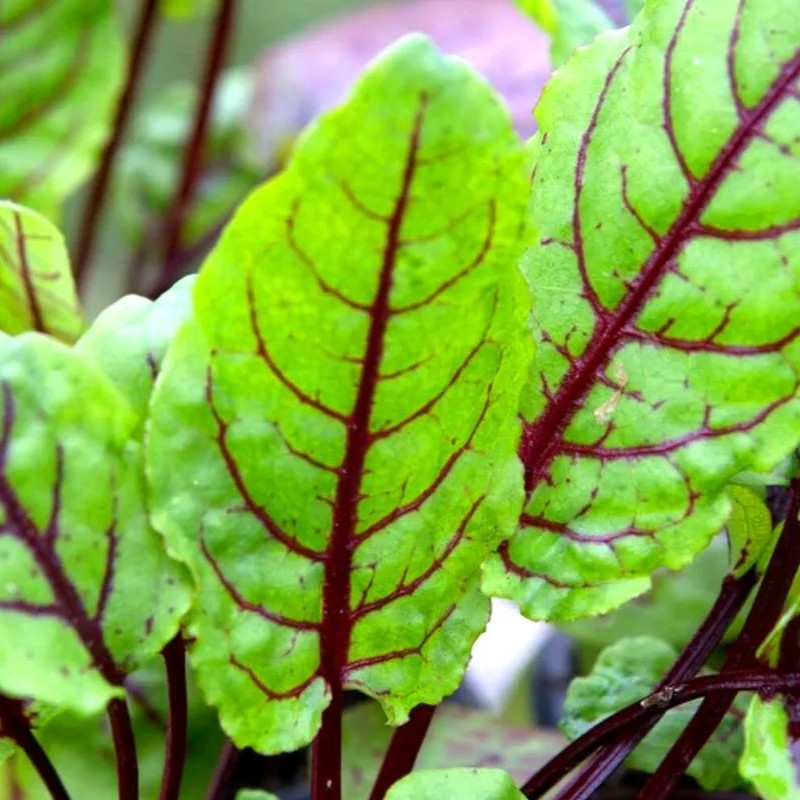
Sorrel 'Bloody Dock' – Seeds (Rumex sanguineus)
Sorrel 'Bloody Dock' is a striking perennial herb known for its vibrant red-veined leaves and tangy, lemony flavor. Perfect for salads, soups, sauces, and garnishes, it adds both visual appeal and a refreshing zest to culinary creations.
Easy to grow and hardy, this variety thrives in garden beds, borders, or containers, providing both ornamental beauty and flavorful leaves throughout the growing season.
How to Grow
-
Sow outdoors: March – June
-
Plant spacing: 20–25 cm between plants
-
Position: Full sun to partial shade
-
Soil: Moist, fertile, well-drained soil
-
Care: Water regularly; remove older leaves to encourage new growth
Key Features
-
Perennial herb with striking red-veined leaves
-
Tangy, lemony flavor perfect for salads, soups, and sauces
-
Hardy and easy to grow
-
Suitable for garden beds, borders, or containers
-
Adds both ornamental and culinary value
Harvest
-
Harvesting period: 50–70 days after sowing
-
Pick young leaves regularly for the best flavor and tender texture.
Short Tip
Harvest leaves from the outer edges to encourage continuous growth and maintain vibrant color.
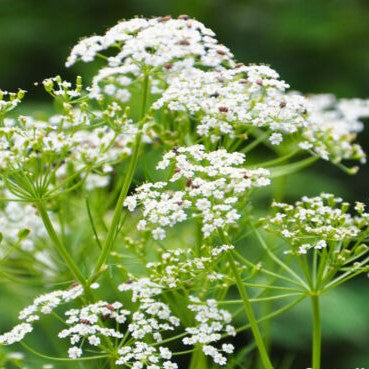
Caraway Seeds (Carum carvi)
Grow aromatic, versatile seeds with Caraway (Carum carvi). This hardy biennial herb produces feathery green foliage and crescent-shaped seeds with a warm, slightly sweet flavor, perfect for bread, cooking, and herbal remedies. Easy to grow, it’s ideal for herb gardens, kitchen beds, and pollinator-friendly plantings.
How to Grow
-
Sow seeds directly outdoors from early spring to early summer.
-
Use fertile, well-drained soil in full sun.
-
Sow seeds 0.5–1 cm deep and thin seedlings to 20–25 cm apart.
-
Keep soil consistently moist for germination (10–20 days).
-
Harvest seeds in late summer when the seed heads turn brown; cut and dry them for storage.
Key Features
-
Feathery green foliage and aromatic crescent-shaped seeds
-
Biennial, hardy, and easy to grow
-
Ideal for baking, cooking, and herbal remedies
-
Attracts pollinators and enhances garden biodiversity
-
Suitable for herb gardens, kitchen beds, and companion planting
Ideal For
-
Herb gardens and kitchen beds
-
Baking, cooking, and spice blends
-
Pollinator-friendly gardens
-
Homegrown culinary and medicinal use
Sowing
-
Best time: Early spring to early summer outdoors
-
Depth: 0.5–1 cm
-
Spacing: Thin to 20–25 cm apart
-
Prefers full sun and fertile, well-drained soil
Quick Tip
-
Harvest seeds when seed heads are fully brown and dry them in a warm, airy place for long-term storage.
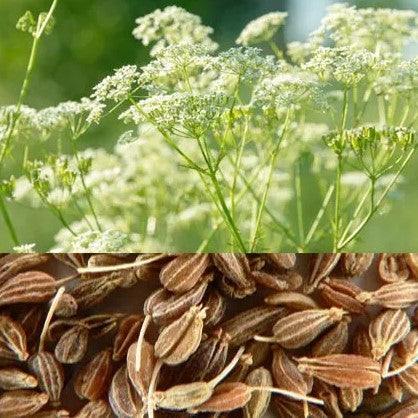
Anise Seeds (Pimpinella anisum)
Grow your own aromatic spice with Anise (Pimpinella anisum). Known for its sweet, licorice-like flavor, this ancient herb produces delicate white umbels and seeds prized for baking, teas, liqueurs, and herbal remedies. A beautiful and useful plant, anise thrives in sunny spots and brings fragrance and flavor to both the garden and kitchen.
How to Grow
-
Sow seeds directly outdoors in spring after the last frost.
-
Choose well-drained, fertile soil in full sun.
-
Sow seeds 0.5–1 cm deep, spacing plants 20–30 cm apart.
-
Keep soil moist during germination (14–21 days).
-
Harvest seeds when flower heads turn brown and dry.
Key Features
-
Sweet, aromatic seeds with licorice-like flavor
-
Useful in baking, teas, and herbal medicine
-
Delicate white flowers that attract pollinators
-
Ancient herb with culinary and medicinal history
-
Easy to grow in sunny, well-drained soil
Ideal For
-
Culinary use in baked goods, teas, and liqueurs
-
Herbal remedies and natural medicine gardens
-
Pollinator-friendly gardens with fragrant blooms
-
Gardeners seeking dual-purpose beauty and flavor
Sowing
-
Best time: Spring, after last frost
-
Depth: 0.5–1 cm
-
Spacing: 20–30 cm apart
-
Prefers full sun and well-drained soil
Quick Tip
-
Harvest seeds early in the morning when flower heads are dry, then store in an airtight container to preserve their aromatic flavor.
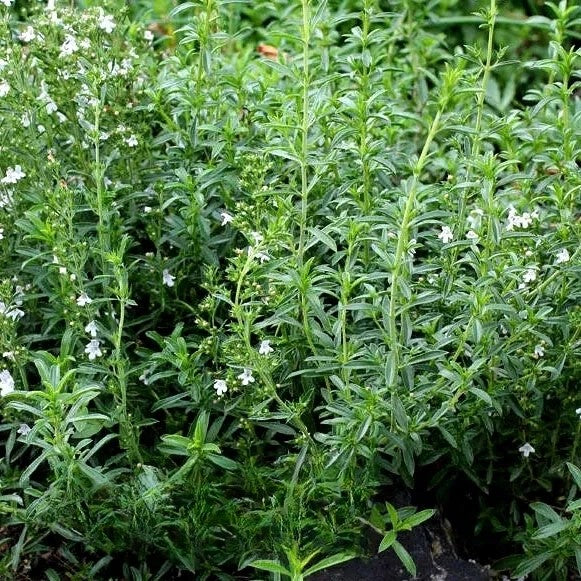
Summer Savory 'Midget' – Seeds (Satureja hortensis)
Summer Savory ‘Midget’ is a compact, fast-growing annual herb, prized for its spicy, peppery flavour that resembles thyme and oregano. This dwarf variety is especially suited for container growing, raised beds, and small herb gardens.
Traditionally used to season bean dishes, meats, soups, and stews, it is also excellent fresh or dried as a versatile culinary herb. With its neat, bushy growth habit and aromatic leaves, ‘Midget’ is both decorative and useful in the kitchen.
How to Grow
-
Sow indoors: March – April in pots or trays
-
Sow outdoors: April – June, directly into prepared soil
-
Depth: Lightly cover seeds with soil (approx. 0.5 cm)
-
Spacing: 20–25 cm between plants
-
Position: Sunny, well-drained spot
-
Soil: Light, sandy, moderately fertile
Key Features
-
Compact dwarf variety – ideal for pots and small spaces
-
Distinct peppery flavour – a classic bean seasoning
-
Culinary herb for meats, stews, soups, and sauces
-
Can be used fresh or dried
-
Hardy, quick-growing, and easy to maintain
Harvesting
-
Harvest from: June – September
-
Pick fresh leaves regularly to encourage new growth.
-
For winter use, cut and dry whole sprigs just before flowering.
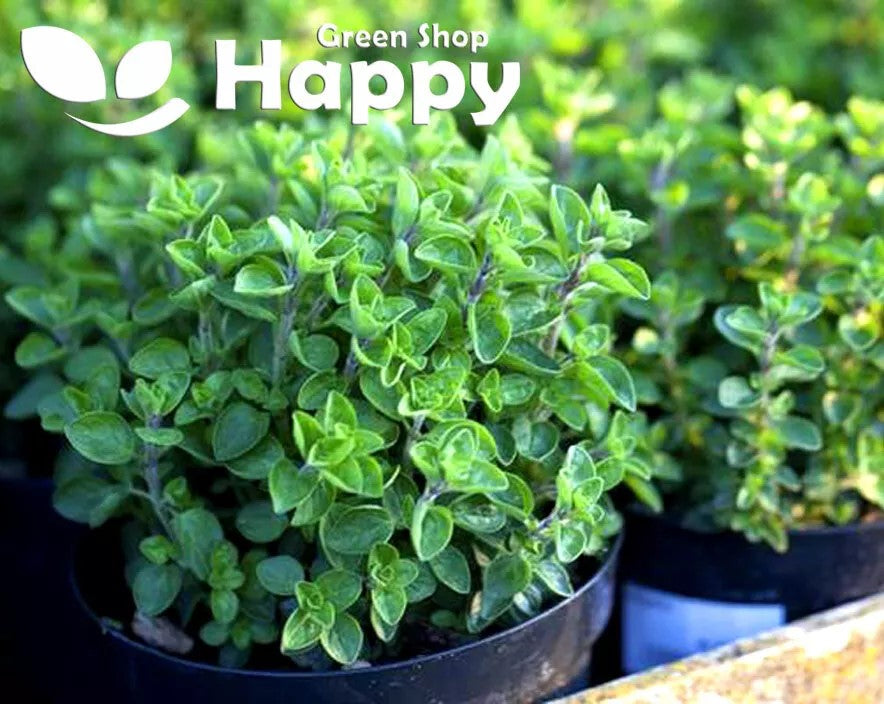
Origanum hirtum, also known as Greek Oregano, is a hardy perennial herb prized for its exceptionally strong flavour and intense aroma. The small, dark green aromatic leaves are the traditional oregano used in Greek and Mediterranean cooking, adding a distinctive spicy character to pizzas, tomato sauces, grilled meats, vegetables and salads.
Easy to grow and highly reliable, Greek Oregano forms a compact, bushy plant with clusters of small white flowers that attract bees and other pollinating insects. It thrives in sunny, well-drained conditions and is ideal for herb gardens, containers, rockeries and dry Mediterranean-style planting where the leaves develop their strongest flavour.
● Authentic Greek oregano with intense spicy flavour
● Essential herb for Mediterranean cooking
● Aromatic leaves can be used fresh or dried
● Hardy perennial returning year after year
● Flowers attract bees and other pollinating insects
● Mediterranean herb gardens
● Kitchen gardens
● Patio containers
● Rockeries and gravel gardens
● Wildlife-friendly planting
● Do not cover seeds deeply, as Greek Oregano seeds need light to germinate successfully.
● Grow in poorer, well-drained soil rather than overly rich conditions, as lower fertility helps maintain a stronger flavour.
● Harvest stems just before flowering when essential oils and flavour are at their peak.
● Cut plants back after flowering to maintain a compact, bushy shape and encourage fresh growth.
● Allow some flowers to remain, as Greek Oregano is highly attractive to bees and other beneficial insects.
Showing 51/51


