
Sort by:
237 products
237 products
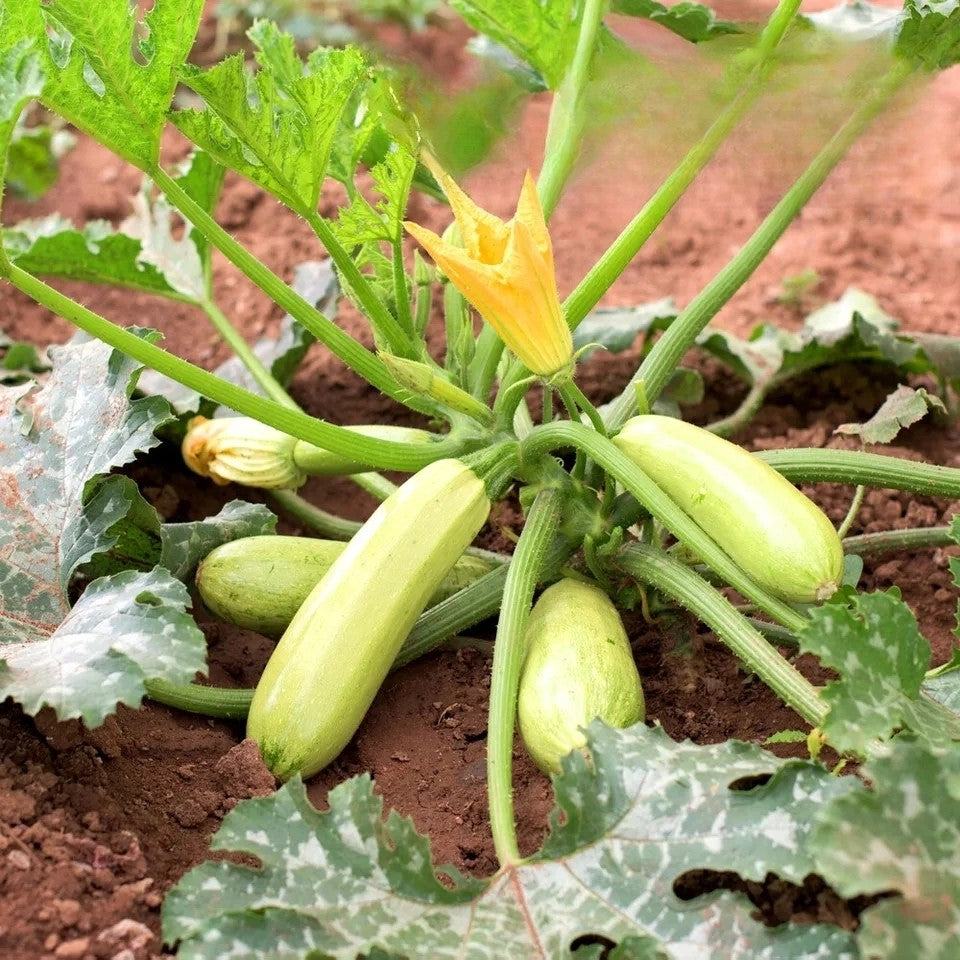
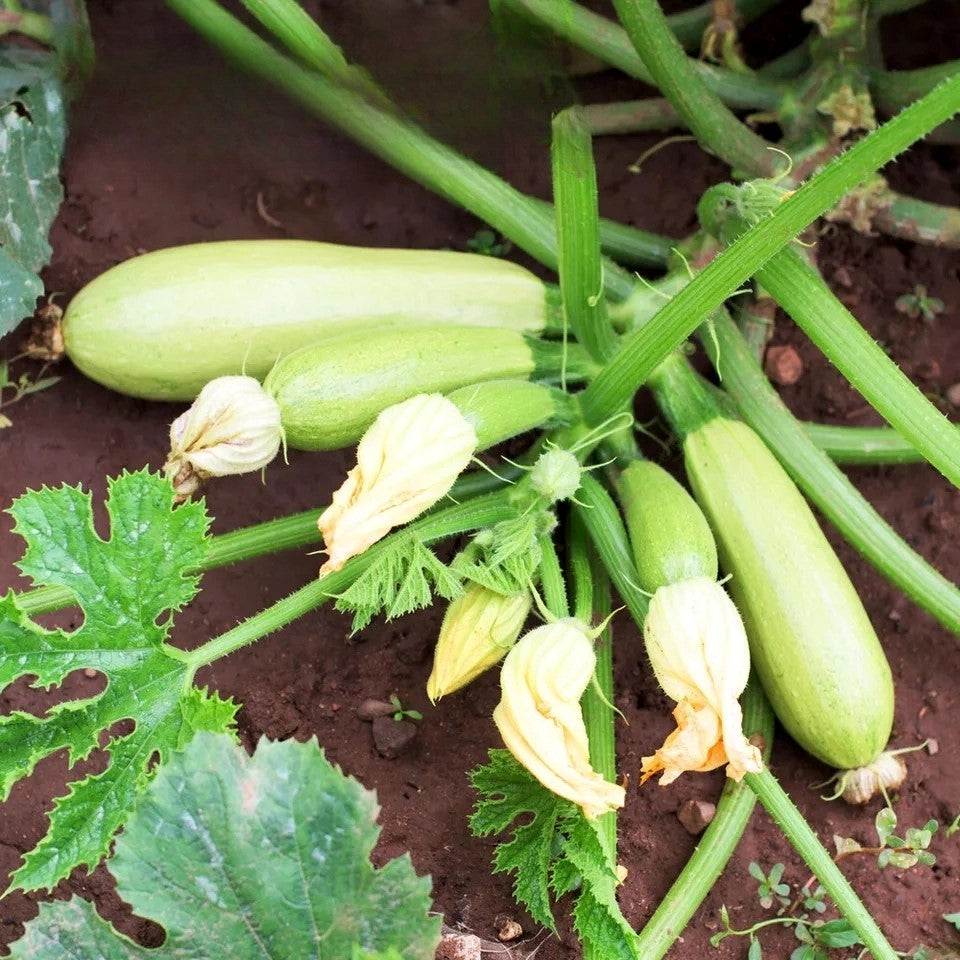
Courgette 'Bolognese' – Seeds (Cucurbita pepo)
Bring the taste of Italy to your garden with Courgette 'Bolognese', a prolific heirloom variety prized for its slender, dark green fruits and tender, flavorful flesh. Perfect for summer kitchens, these versatile courgettes are ideal for sautéing, grilling, stuffing, and fresh salads. Easy to grow and highly productive, 'Bolognese' is a favorite among gardeners seeking reliable yields and gourmet flavor.
How to Grow
. Sow indoors: March – May, 1–2 cm deep in pots
. Transplant outdoors: After last frost, spacing 70–90 cm apart
. Sow outdoors: May – June in fertile, well-drained soil
. Prefers full sun with regular watering
. Harvest: 15–20 cm long for the best texture and flavor
Key Features
. Italian heirloom zucchini with dark green skin
. Tender, mild-flavored flesh suitable for a variety of dishes
. High-yielding and early-producing variety
. Ideal for sautéing, grilling, stuffing, or salads
. Compact plant suitable for home gardens
Ideal For
. Fresh summer cooking and Italian cuisine
. Home gardeners seeking reliable yields
. Gourmet dishes including stuffed or roasted courgettes
. Small vegetable beds or allotments
Sowing & Harvest
. Sow: March – June
. Harvest: June – September
Quick Tip
Pick courgettes when young and slender to ensure the most tender flesh and to encourage continued fruiting.
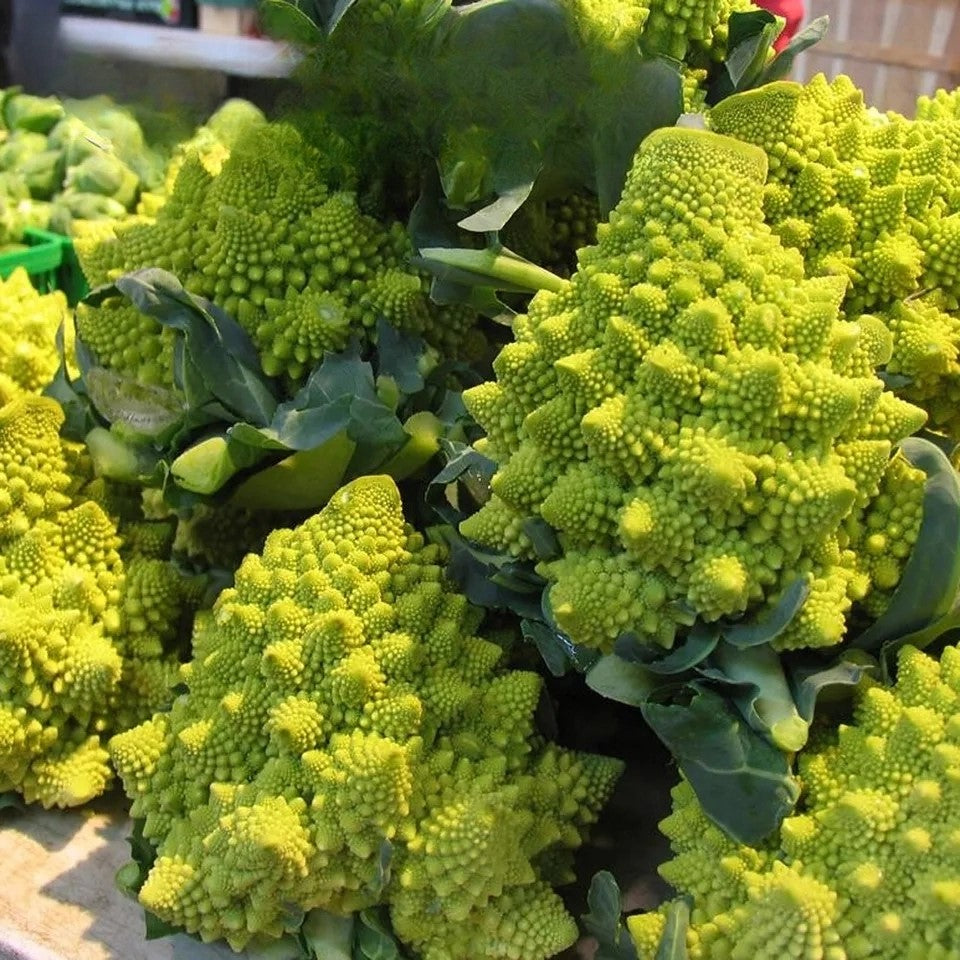
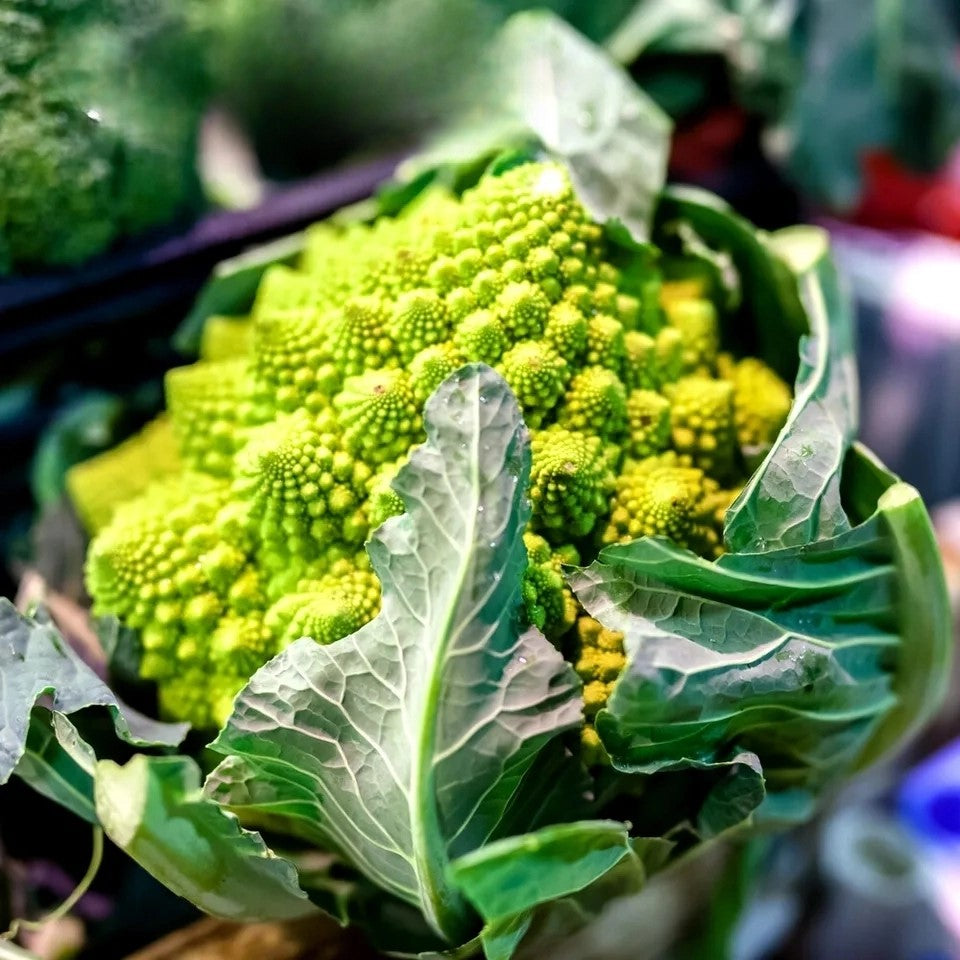
Cauliflower 'Romanesco Natalino' – Seeds (Brassica oleracea)
Cauliflower ‘Romanesco Natalino’ is an extraordinary Italian heirloom, admired for its striking spiral, lime-green heads with a unique fractal pattern. More than just a showpiece, this variety is nutritious, delicious, and versatile – offering a slightly nutty, delicate flavor that works well roasted, steamed, or enjoyed raw in salads. Highly ornamental yet productive, it’s a standout addition to any vegetable garden.
How to Grow
-
Sow indoors: February – May in seed trays or pots.
-
Sow outdoors: May – June, directly into well-prepared soil.
-
Transplant: Harden off young plants and set them 60 cm apart in fertile ground.
-
Position: Full sun, rich, firm soil with good drainage.
-
Care: Keep soil consistently moist and protect young plants from pests.
Key Features
-
Stunning lime-green spiral florets
-
Mild, nutty flavor – more delicate than standard cauliflower
-
Traditional Italian variety
-
Attractive and productive crop
Ideal For
-
Kitchen gardens and allotments
-
Chefs and home cooks looking for something unique
-
Roasting, steaming, or eating raw
-
Eye-catching centerpiece in vegetable beds
Sowing & Harvest
-
Sow: February – June
-
Harvest: September – November
Quick Tip
For the best curds, ensure consistent watering and feed with a high-potassium fertiliser as heads develop.
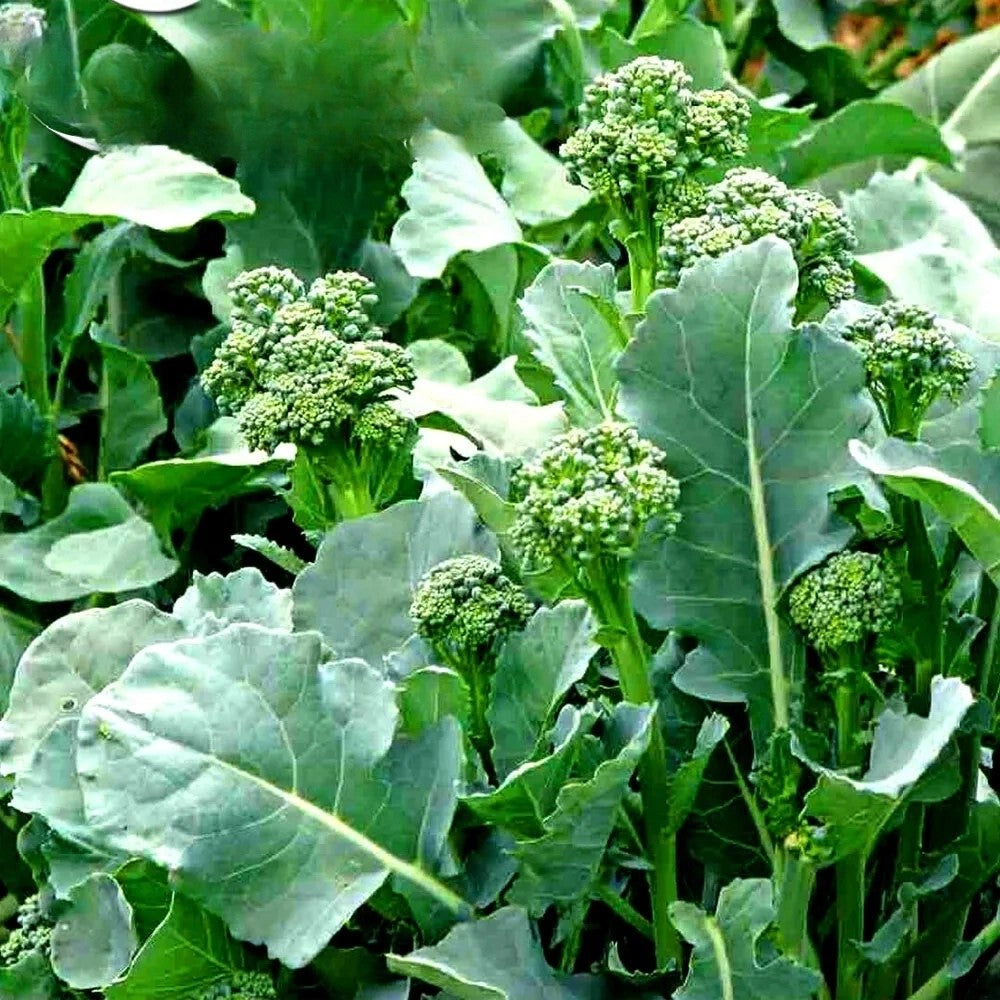
Broccoletto 'Quarantino' – Seeds
(Brassica rapa) – Traditional Italian Spring Green
Broccoletto 'Quarantino' is a classic Italian leafy vegetable, prized for its tender, flavorful shoots and leaves. Belonging to the Brassica rapa family, this variety is fast-growing and ready to harvest in just 40 days – hence the name Quarantino (“forty days”). It is widely used in traditional Italian cuisine, either lightly steamed, sautéed with olive oil and garlic, or added to soups and pasta dishes.
Key Features
-
Type: Hardy leafy green (annual/biannual)
-
Growth: Vigorous, compact, fast-maturing (around 40 days)
-
Flavor: Tender, slightly peppery and nutty taste
-
Harvest: Young leaves and shoots for continuous picking
-
Use: Italian cuisine, stir-fries, soups, pasta, and side dishes
Ideal For
-
Traditional Italian cooking
-
Cut-and-come-again harvests
-
Quick, reliable leafy green supply
-
Kitchen gardens and allotments
Sowing & Growing
-
Sow outdoors: March–September, in rows or broadcast.
-
Spacing: 20–30 cm between plants.
-
Soil: Fertile, well-drained soil enriched with compost.
-
Sunlight: Full sun to partial shade.
-
Harvest: From 40 days after sowing, cut young shoots regularly to encourage new growth.
Care Tips
-
Keep soil moist for tender leaves.
-
Harvest frequently to prolong production.
-
Best enjoyed fresh – tender shoots have peak flavor.
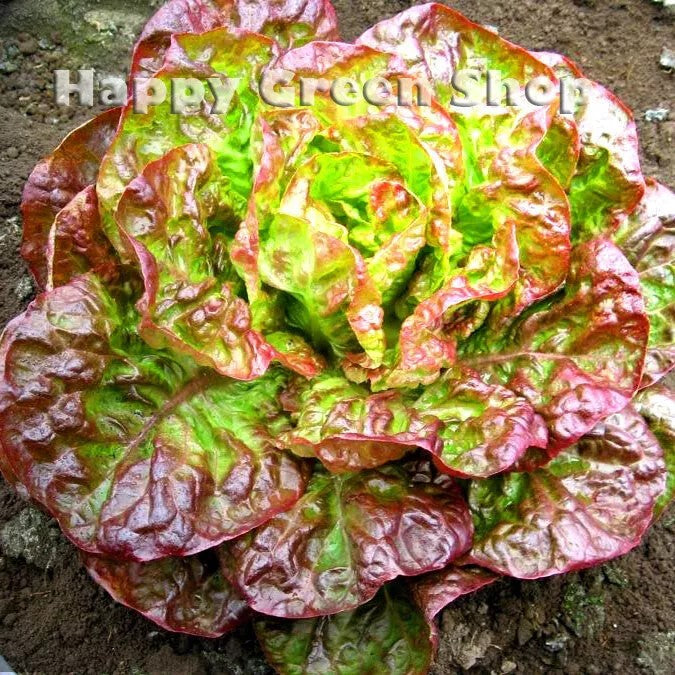

Batavian Lettuce 'Canasta' – Seeds (Lactuca sativa)
Enjoy crisp and tender leaves with Batavian Lettuce 'Canasta', a traditional variety known for its red-tinted, crinkled heads and excellent bolt resistance. This semi-heading lettuce produces large, crunchy leaves with a mild, sweet flavor, perfect for fresh salads or as a base for summer dishes. Hardy and versatile, 'Canasta' thrives even in warmer weather, making it a reliable choice for gardeners.
How to Grow
. Sow indoors from February to April or directly outdoors from March to July
. Sow thinly, 0.5 cm deep, in rows 25–30 cm apart
. Thin seedlings to 20–25 cm apart to allow full head development
. Prefers full sun and fertile, well-drained soil
. Water consistently to prevent bitterness and promote tender leaves
Key Features
. Traditional Batavian lettuce with semi-heading form
. Large, crisp leaves with red-tinged edges
. Mild, sweet flavor perfect for fresh salads
. Excellent bolt resistance in warm conditions
. Easy to grow and high yielding
Ideal For
. Summer salads and fresh eating
. Home gardens and allotments
. Gardeners seeking heat-tolerant lettuce
. Companion planting in vegetable beds
Sowing & Harvest
. Sow: February – July
. Harvest: May – September
Quick Tip
Harvest outer leaves regularly to encourage continuous growth, or allow full heads to form for a crunchy centerpiece lettuce.
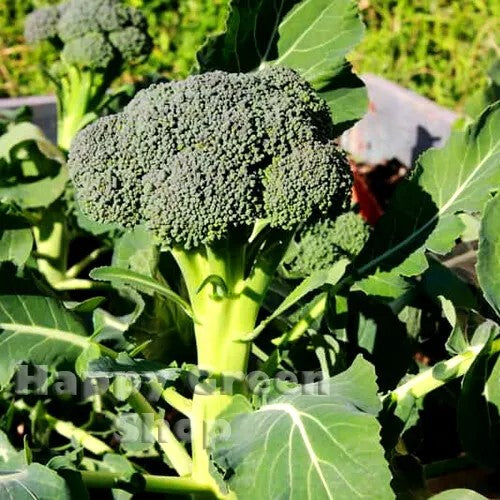
Winter Broccoli 'Ramoso Calabrese' Seeds (Brassica oleracea)
Enjoy fresh, homegrown broccoli even in the cooler months with Winter Broccoli 'Ramoso Calabrese'. This traditional Italian variety is prized for its tender green shoots and rich, nutty flavor. Perfect for winter cropping, it produces multiple side shoots after the main head is cut, extending your harvest well into the season. A reliable and tasty addition to any winter vegetable garden.
How to Grow
-
Sow indoors from March to May or outdoors from April to June.
-
Transplant seedlings when large enough, spacing 45–60 cm apart.
-
Prefers fertile, well-drained soil in full sun.
-
Keep plants well-watered during dry spells.
-
Harvest main head first, then enjoy repeat harvests from side shoots.
Key Features
-
Traditional Italian winter broccoli variety
-
Produces tender, nutty-flavored green heads
-
Multiple side shoots for extended cropping
-
Hardy and reliable in cooler conditions
-
Great for steaming, roasting, or stir-fries
Ideal For
-
Winter and early spring vegetable gardens
-
Gardeners who want extended harvests
-
Nutritious, homegrown cooking
-
Allotments and kitchen gardens
Sowing
-
Best time: March to June
-
Depth: 1 cm
-
Spacing: 45–60 cm between plants
-
Position: Full sun, fertile soil
-
Harvest: November to March
Quick Tip
-
Cut the central head early to encourage plenty of side shoots for a longer, more abundant harvest.

Swiss Chard ‘Orange Glory’ – 180 Seeds
(Beta vulgaris)
Swiss Chard ‘Orange Glory’ is a striking, high-yielding variety with vibrant orange stems and glossy, deep-green leaves. Both ornamental and edible, it brings colour to the garden while offering tender, flavorful leaves perfect for cooking, steaming, or using fresh in salads. Highly productive, hardy, and easy to grow throughout the season.
Key Features
-
Stem Colour: Bright orange
-
Growth: Vigorous, long-lasting, cut-and-come-again
-
Flavor: Mild, earthy, sweet
-
Use: Salads, sautés, soups, stir-fries
-
Harvest: 60–70 days
Ideal For
-
Vegetable beds, raised beds, borders, and containers
-
Colourful edible landscaping
-
Continuous harvesting throughout summer and autumn
Sowing & Growing
-
Sow outdoors: March – July
-
Spacing: 30–40 cm apart
-
Position: Full sun or partial shade
-
Soil: Fertile, moist, well-drained
-
Harvest: May – October
Care Tips
-
Harvest outer leaves regularly to encourage new growth.
-
Water consistently for tender leaves and vibrant stems.

Tomato 'Currant' F1 – Seeds (Solanum lycopersicum)
Tomato 'Currant' F1 is a unique variety producing clusters of tiny, jewel-like fruits, each about the size of a red currant. Despite their small size, these tomatoes are incredibly sweet, aromatic, and packed with flavor. Perfect for snacking straight from the vine, garnishing dishes, or adding a gourmet twist to salads, they are both decorative and delicious.
This vigorous F1 hybrid grows strongly and yields long trusses with dozens of bite-sized fruits, ensuring a bountiful harvest all summer long.
How to Grow
. Sow indoors from February to April, 0.5 cm deep in seed trays or pots
. Transplant outdoors or in greenhouse after the last frost, spacing 40–60 cm
. Prefers fertile, well-drained soil in full sun
. Support with stakes, canes, or cages
. Pick regularly to extend harvest season
Key Features
. F1 hybrid – high-yielding and vigorous
. Produces long trusses of tiny, currant-sized tomatoes
. Exceptionally sweet, rich tomato flavor
. Perfect for salads, snacks, and garnishes
. Suitable for greenhouse or outdoor growing
Sowing & Harvest
. Sow from February to April
. Harvest from July to September
Short Tip
Harvest fruits daily once ripe to enjoy maximum sweetness and encourage further production.

🍅 Solanum lycopersicum Pink Tomato ‘Brandywine’ – Classic Heirloom with Exceptional Flavour
‘Brandywine’ is one of the most famous heirloom pink tomatoes, prized worldwide for its outstanding, rich and complex flavour. The large, beefsteak-type fruits are soft pink to rose-red, often slightly ribbed, with juicy flesh and a perfect balance of sweetness and acidity. Plants are vigorous and typically potato-leaf type, producing heavy crops of large tomatoes ideal for fresh eating, slicing, salads and sandwiches. A must-grow variety for tomato connoisseurs.
Key Features
● Large pink beefsteak tomatoes with superb flavour
● Classic heirloom variety with potato-leaf foliage
● Juicy, meaty flesh ideal for slicing
● Best for fresh use and gourmet dishes
● Popular variety among home gardeners and chefs
How to Sow & Grow Tomato ‘Brandywine’ (UK)
Sow indoors: II–III (February–March)
Transplant outdoors: V–VI (May–June) after last frost
Direct outdoors: Not recommended
Harvest: VII–IX (July–September)
Life cycle: Annual
Germination temperature: 20–25 °C (68–77 °F)
Average germ time: 7–14 days
Depth: 0.5 cm (¼ in)
Light required: Yes
Moisture: Keep soil evenly moist
Environment: Full sun
Soil type: Fertile, well-drained soil rich in organic matter
Plant spacing: 45–60 cm (18–24 in)
Height: 150–180 cm (59–71 in)
Sowing & Growing Tips (variety-specific)
● Requires staking or support due to large fruit size.
● Best grown under cover or in a warm, sheltered position in cooler climates.
● Feed regularly once flowering begins.
● Water consistently to prevent fruit cracking.
● Harvest when fully coloured for best flavour.
Special Features
● Legendary heirloom tomato with premium taste
● Large, attractive pink fruits
● Excellent choice for gourmet and heritage gardens

Red Carrot ‘Korina’ Seeds (Daucus carota)
Add vibrant color to your garden with Red Carrot ‘Korina’ (Daucus carota). This early-maturing variety produces bright red, tapered roots with sweet, crisp flesh, perfect for salads, cooking, and roasting. Easy to grow and highly productive, it’s ideal for vegetable gardens, raised beds, and succession sowing.
How to Grow
-
Sow seeds directly outdoors from early spring to midsummer.
-
Use fertile, well-drained soil in full sun.
-
Sow seeds 1 cm deep and thin seedlings to 5–8 cm apart.
-
Keep soil consistently moist to support germination (10–14 days).
-
Harvest roots when they reach full size but remain tender for best flavor.
Key Features
-
Bright red, sweet, and crisp tapered roots
-
Early-maturing and easy to grow
-
Ideal for salads, cooking, and roasting
-
Reliable and productive in temperate climates
-
Suitable for succession sowing for continuous harvest
Ideal For
-
Vegetable gardens, raised beds, and kitchen gardens
-
Fresh salads, cooking, and roasting
-
Succession sowing for continuous harvest
-
Homegrown culinary use
Sowing
-
Best time: Early spring to midsummer outdoors
-
Depth: 1 cm
-
Spacing: Thin to 5–8 cm apart
-
Prefers full sun and fertile, well-drained soil
Quick Tip
-
Sow in successive batches every 2–3 weeks to enjoy a steady supply of vibrant, sweet roots.
Showing 90/237


