
Sort by:
237 products
237 products

Red Carrot ‘Korina’ Seeds (Daucus carota)
Add vibrant color to your garden with Red Carrot ‘Korina’ (Daucus carota). This early-maturing variety produces bright red, tapered roots with sweet, crisp flesh, perfect for salads, cooking, and roasting. Easy to grow and highly productive, it’s ideal for vegetable gardens, raised beds, and succession sowing.
How to Grow
-
Sow seeds directly outdoors from early spring to midsummer.
-
Use fertile, well-drained soil in full sun.
-
Sow seeds 1 cm deep and thin seedlings to 5–8 cm apart.
-
Keep soil consistently moist to support germination (10–14 days).
-
Harvest roots when they reach full size but remain tender for best flavor.
Key Features
-
Bright red, sweet, and crisp tapered roots
-
Early-maturing and easy to grow
-
Ideal for salads, cooking, and roasting
-
Reliable and productive in temperate climates
-
Suitable for succession sowing for continuous harvest
Ideal For
-
Vegetable gardens, raised beds, and kitchen gardens
-
Fresh salads, cooking, and roasting
-
Succession sowing for continuous harvest
-
Homegrown culinary use
Sowing
-
Best time: Early spring to midsummer outdoors
-
Depth: 1 cm
-
Spacing: Thin to 5–8 cm apart
-
Prefers full sun and fertile, well-drained soil
Quick Tip
-
Sow in successive batches every 2–3 weeks to enjoy a steady supply of vibrant, sweet roots.
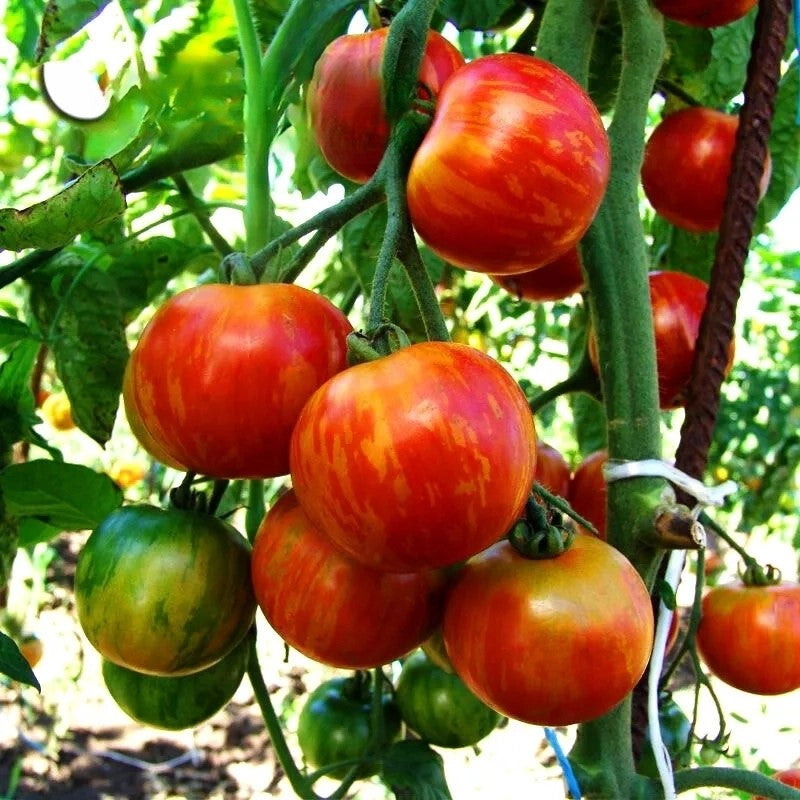
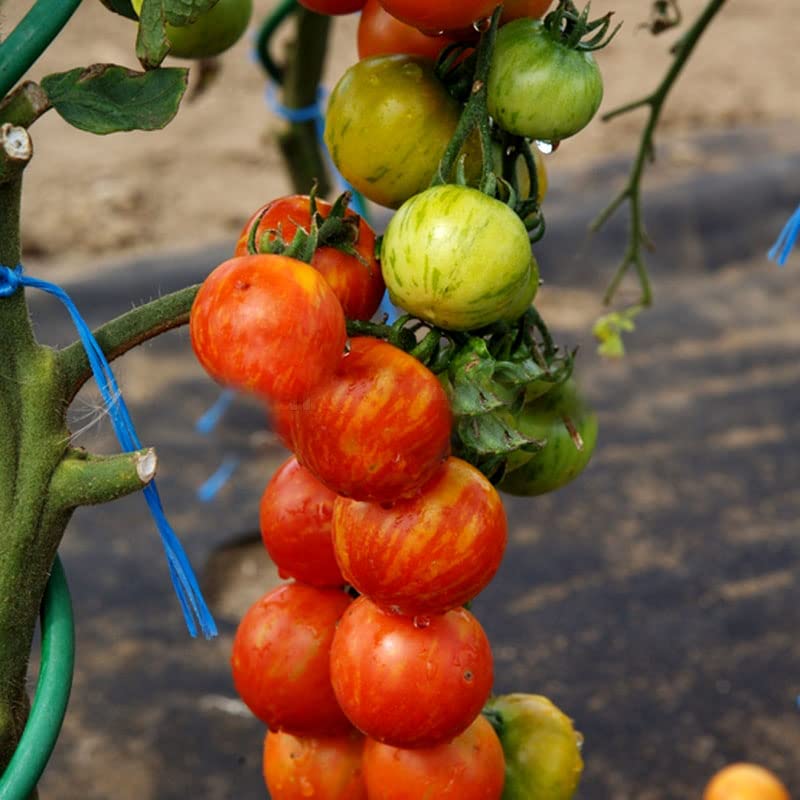
Tomato 'Duo Striped' – Seeds (Solanum lycopersicum)
The Tomato 'Duo Striped' is a visually striking and flavorful variety producing medium-sized, round fruits with a unique dual-color striped pattern. Its sweet, juicy flesh makes it perfect for fresh salads, roasting, sandwiches, or snacking straight from the garden.
This vigorous tomato plant thrives in both garden beds and containers, offering a high yield of attractive fruits throughout the season. 'Duo Striped' combines ornamental charm with culinary versatility, making it a standout addition to any home garden.
How to Grow
-
Sow indoors: February – April
-
Transplant outdoors: After last frost, spacing 40–50 cm apart
-
Position: Full sun
-
Soil: Fertile, well-drained soil enriched with compost
-
Care: Support plants with stakes or cages; water consistently to maintain fruit quality
Key Features
-
Medium-sized, round tomatoes with unique dual-color stripes
-
Sweet, juicy, and flavorful flesh
-
High-yielding, vigorous plants
-
Suitable for garden beds and containers
-
Perfect for fresh eating, salads, roasting, and snacking
Harvest
-
Harvesting period: 65–80 days after sowing
-
Pick fruits when fully colored and firm for optimal taste.
Short Tip
Grow in full sun and harvest regularly to enjoy continuous production of colorful, flavorful tomatoes.
Italian Climbing Black Bean Super Marconi Grano Nero - 20 seeds (Phaseolus vulgaris)
£1.24
Unit price perItalian Climbing Black Bean Super Marconi Grano Nero - 20 seeds (Phaseolus vulgaris)
£1.24
Unit price perItalian Climbing Black Bean 'Super Marconi Grano Nero' – Seeds
(Phaseolus vulgaris) – Heirloom Italian Pole Bean
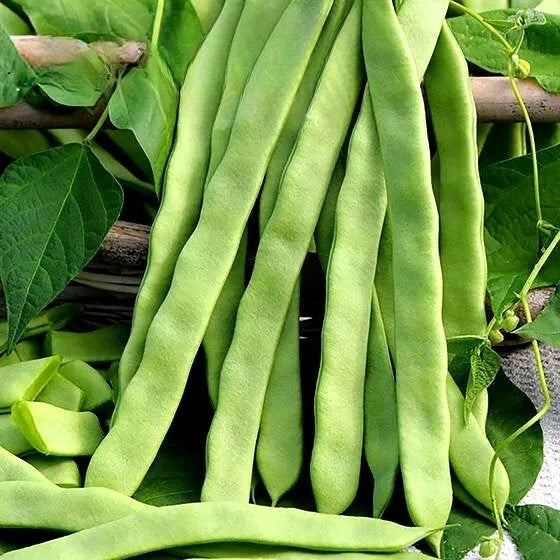
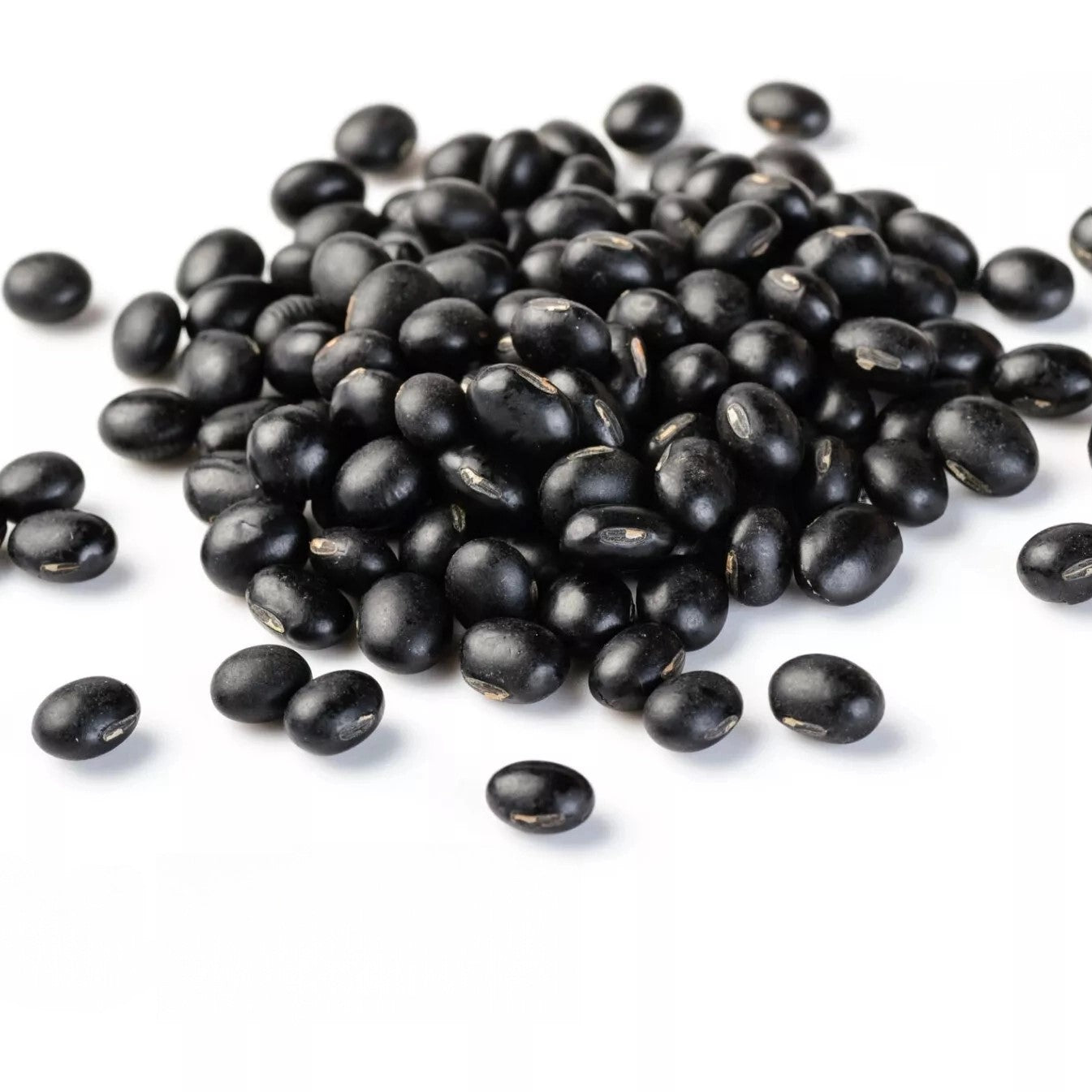
The ‘Super Marconi Grano Nero’ climbing bean is a traditional Italian variety known for its long, flat pods and striking black beans inside. Highly productive, vigorous, and climbing up to 2–3 meters, it requires staking or trellising. Its pods are tender and delicious when young, while the mature black beans can be dried and stored for hearty soups, stews, and traditional Italian dishes.
Key Features
-
Type: Climbing pole bean (annual legume)
-
Height: 200–300 cm with support
-
Pods: Long, flat, tender, up to 20–25 cm
-
Seeds: Black beans inside when mature
-
Harvest: 65–75 days from sowing
-
Special: Dual-purpose – eat fresh pods or dry beans
Ideal For
-
Fresh harvesting as flat green beans
-
Drying and storing beans for winter dishes
-
Italian and Mediterranean cuisine
-
Vertical gardening with trellises or poles
Sowing & Growing
-
Sow outdoors: May–July, once soil warms (min. 15°C)
-
Spacing: 50 cm between rows, 10–15 cm between plants
-
Support: Needs poles, netting, or trellis
-
Soil: Fertile, well-drained, rich in organic matter
-
Sunlight: Full sun
-
Watering: Consistent, especially during pod setting
Care Tips
-
Harvest young pods regularly to encourage continuous production.
-
Allow some pods to fully mature for drying black beans.
-
Rotate crops yearly to maintain healthy soil.
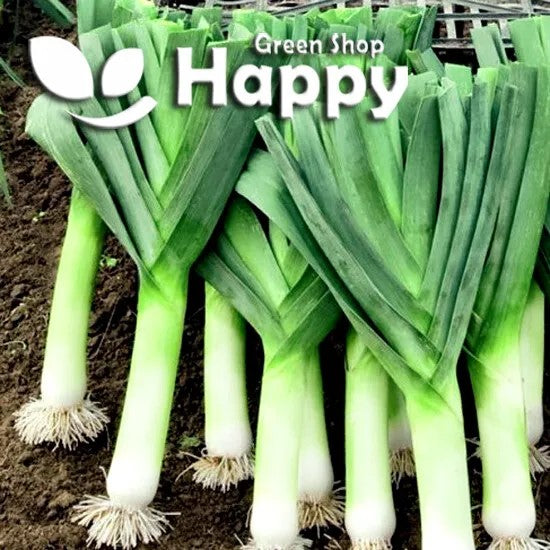
Winter Leek ‘Elephant’ – 400 Seeds
(Allium porrum) – Giant Winter Leek
The Winter Leek ‘Elephant’ is a traditional variety producing thick, tall stems with excellent cold tolerance, making it perfect for harvesting right through the winter months. With its mild, sweet onion-like flavor and robust size, it is a reliable crop for the kitchen garden. Ideal for soups, stews, roasting, and classic leek dishes.
Key Features
-
Type: Winter-hardy leek
-
Stems: Thick, long, and upright
-
Flavor: Mild, sweet, and tender
-
Harvest period: November to March
-
Position: Full sun or partial shade
-
Soil: Fertile, well-drained, moisture-retentive
Ideal For
-
Winter harvesting and extended cropping
-
Soups, stews, casseroles, and roasting
-
Kitchen gardens, allotments, and small farms
-
Cold-climate vegetable production
Sowing & Growing
-
Sow indoors: January–March in modules or seed trays.
-
Sow outdoors: March–April in a prepared seedbed.
-
Transplant: May–June, spacing 15 cm apart in rows 30–40 cm apart.
-
Harvest: From late autumn through to early spring.
Care Tips
-
Earth up around stems to blanch them and keep them tender.
-
Keep soil moist during dry spells.
-
Rotate crops yearly to avoid onion pests and diseases.
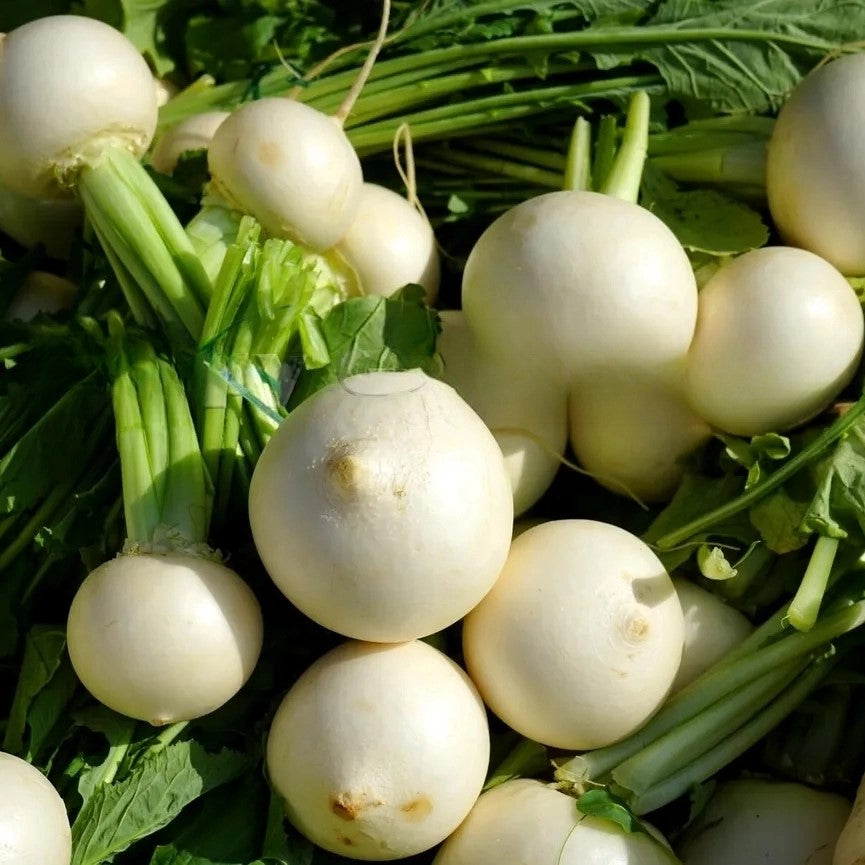
Turnip 'Snowball' – Seeds (Brassica rapa)
Grow crisp, tender, and sweet Turnip 'Snowball', a classic variety known for its round, white roots and mild flavor. Ideal for roasting, steaming, or fresh in salads, this easy-to-grow turnip is perfect for home gardens, allotments, and container planting. Quick to mature, it provides a reliable harvest of uniform, flavorful roots throughout the season.
How to Grow
. Sow outdoors: March – July, 1–2 cm deep in rows 30 cm apart
. Thin seedlings to 8–10 cm apart for proper root development
. Prefers fertile, well-drained soil in full sun or partial shade
. Keep soil consistently moist for tender, sweet roots
. Harvest: 50–60 days after sowing, when roots are 5–8 cm in diameter
Key Features
. Classic white round turnip with mild, sweet flavor
. Quick-maturing and easy-to-grow
. Ideal for roasting, steaming, or fresh salads
. Produces uniform, tender roots
. Suitable for home gardens, allotments, and containers
Ideal For
. Fresh eating, roasting, and steaming
. Gardeners seeking reliable, fast-growing root vegetables
. Succession sowing for continuous harvest
. Companion planting with peas, onions, or cabbage
Sowing & Harvest
. Sow: March – July
. Harvest: May – September
Quick Tip
For tender, flavorful roots, harvest turnips promptly when they reach 5–8 cm; leaving them too long can result in woody texture.
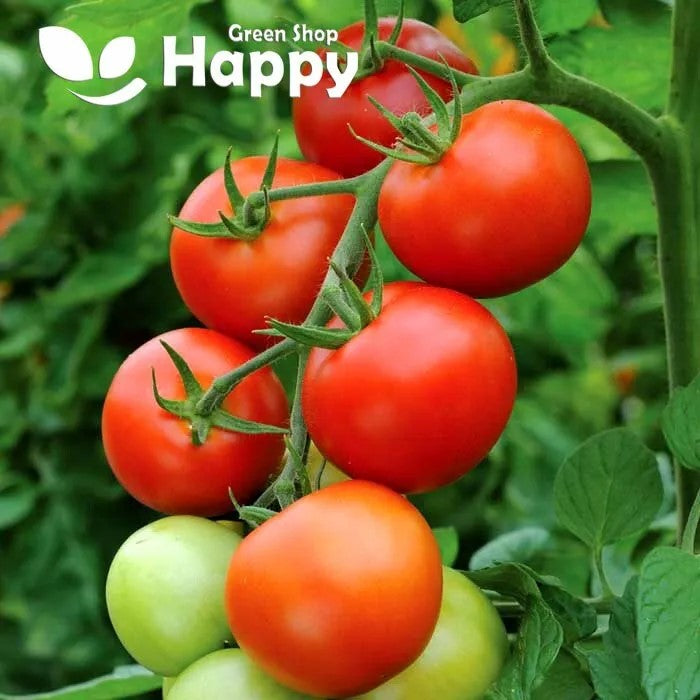
Tomato 'Moneymaker' – Seeds (Solanum lycopersicum)
The classic Tomato 'Moneymaker' is one of the most popular and reliable heirloom tomato varieties. Renowned for its heavy yields of medium-sized, bright red fruits, it produces smooth, round tomatoes with excellent flavor. Perfect for salads, sandwiches, and everyday cooking, ‘Moneymaker’ is an indeterminate (cordon) variety, meaning it will continue to grow and produce fruit all summer with proper support.
How to Grow
-
Sow indoors: February – April in seed trays or pots.
-
Transplant: Once seedlings are strong, plant out into greenhouse, polytunnel, or a sunny, sheltered outdoor spot after last frost.
-
Spacing: 45–60 cm apart with support canes or trellis.
-
Pinch out side shoots to encourage strong vertical growth and abundant fruiting.
Key Features
-
Classic heirloom tomato variety
-
Heavy cropper with reliable yields
-
Medium-sized, smooth, red fruits
-
Excellent flavor – great for salads & cooking
-
Indeterminate (cordon) – needs staking or training
Ideal For
-
Greenhouse or outdoor growing
-
Fresh eating, cooking, and preserving
-
Gardeners who want a reliable, time-tested tomato
Sowing & Harvest
-
Sow: February – April
-
Harvest: July – October
Quick Tip
For the best flavor, allow tomatoes to ripen fully on the vine before picking. Regular feeding with a tomato fertilizer will boost yields.
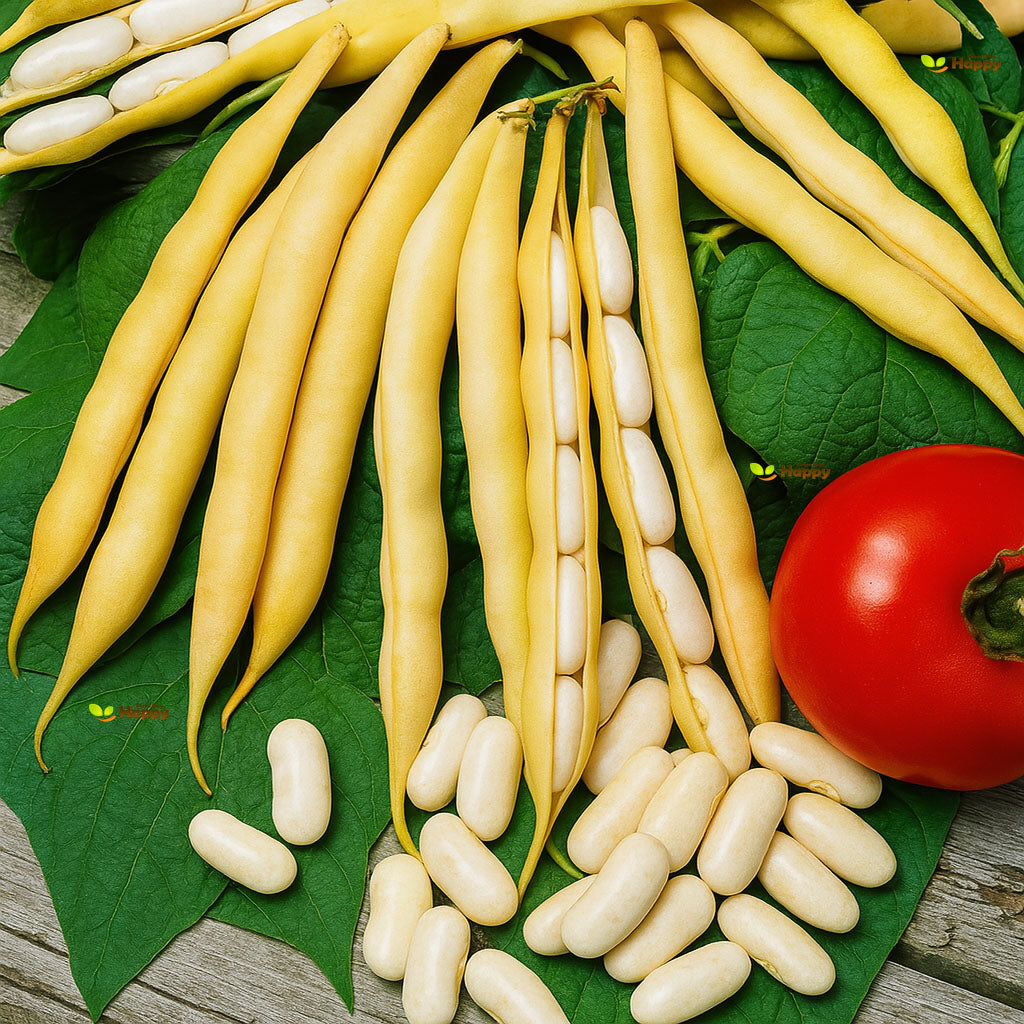
Dwarf Bean 'Goldpantera' Seeds (Phaseolus vulgaris)
Grow a heavy crop of delicious golden-yellow beans with Dwarf Bean 'Goldpantera'. This compact, bushy variety produces straight, stringless pods with a sweet, tender flavor. Easy to grow and requiring no support, it’s perfect for small gardens, raised beds, or containers. Reliable and productive, ‘Goldpantera’ is excellent for steaming, stir-fries, and freezing.
How to Grow
-
Sow outdoors from May to July once frost has passed.
-
Prefers fertile, well-drained soil in a sunny, sheltered spot.
-
Sow 3–5 cm deep, spacing seeds 10 cm apart in rows 40–45 cm apart.
-
Keep soil moist, especially during flowering and pod formation.
-
Harvest regularly to encourage continuous cropping.
Key Features
-
Compact dwarf habit, no staking needed
-
High yields of golden-yellow pods
-
Stringless, tender texture with sweet flavor
-
Perfect for fresh eating, cooking, or freezing
-
Reliable cropper with minimal care
Ideal For
-
Home gardeners with limited space
-
Container and raised bed growing
-
Fresh summer meals and preserving
-
Easy, rewarding harvests all season
Sowing
-
Best time: May to July
-
Depth: 3–5 cm
-
Spacing: 10 cm between plants, 40–45 cm between rows
-
Position: Full sun
-
Harvest: July to September
Quick Tip
-
For the best taste, pick beans young and tender before the seeds inside begin to swell.
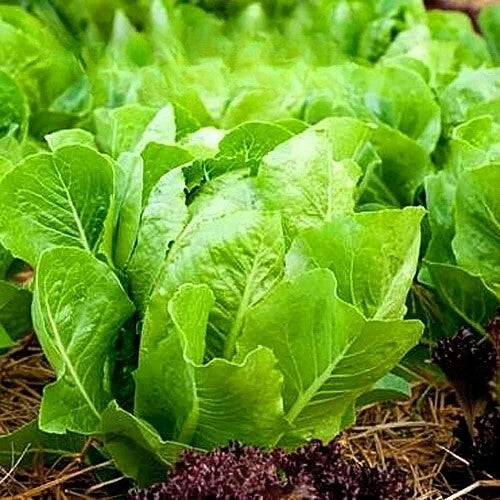
Romaine Lettuce 'White Dunsel' – Seeds (Lactuca sativa)
Romaine Lettuce 'White Dunsel' is a crisp, flavorful variety with pale green, elongated leaves forming a tight, upright head. Its crunchy texture and mild, sweet flavor make it perfect for fresh salads, sandwiches, and wraps.
This variety is fast-growing, reliable, and suitable for spring, summer, and autumn harvests. Ideal for home gardens, raised beds, or containers.
How to Grow
-
Sow outdoors: March – July
-
Depth: 0.5–1 cm
-
Spacing: 20–25 cm between plants, rows 30–35 cm apart
-
Position: Full sun to partial shade
-
Soil: Fertile, well-drained, rich in organic matter
-
Watering: Keep soil consistently moist for tender, crisp leaves
Key Features
-
Crisp, pale green leaves with mild, sweet flavor
-
Forms a tight, upright head
-
Fast-growing and reliable variety
-
Ideal for salads, sandwiches, and wraps
-
Suitable for home gardens, raised beds, and containers
Harvest
-
Harvesting period: 6–8 weeks after sowing
-
Pick outer leaves as needed or harvest entire head when mature.
Short Tip
Succession sow every 2–3 weeks for a continuous supply of fresh leaves.
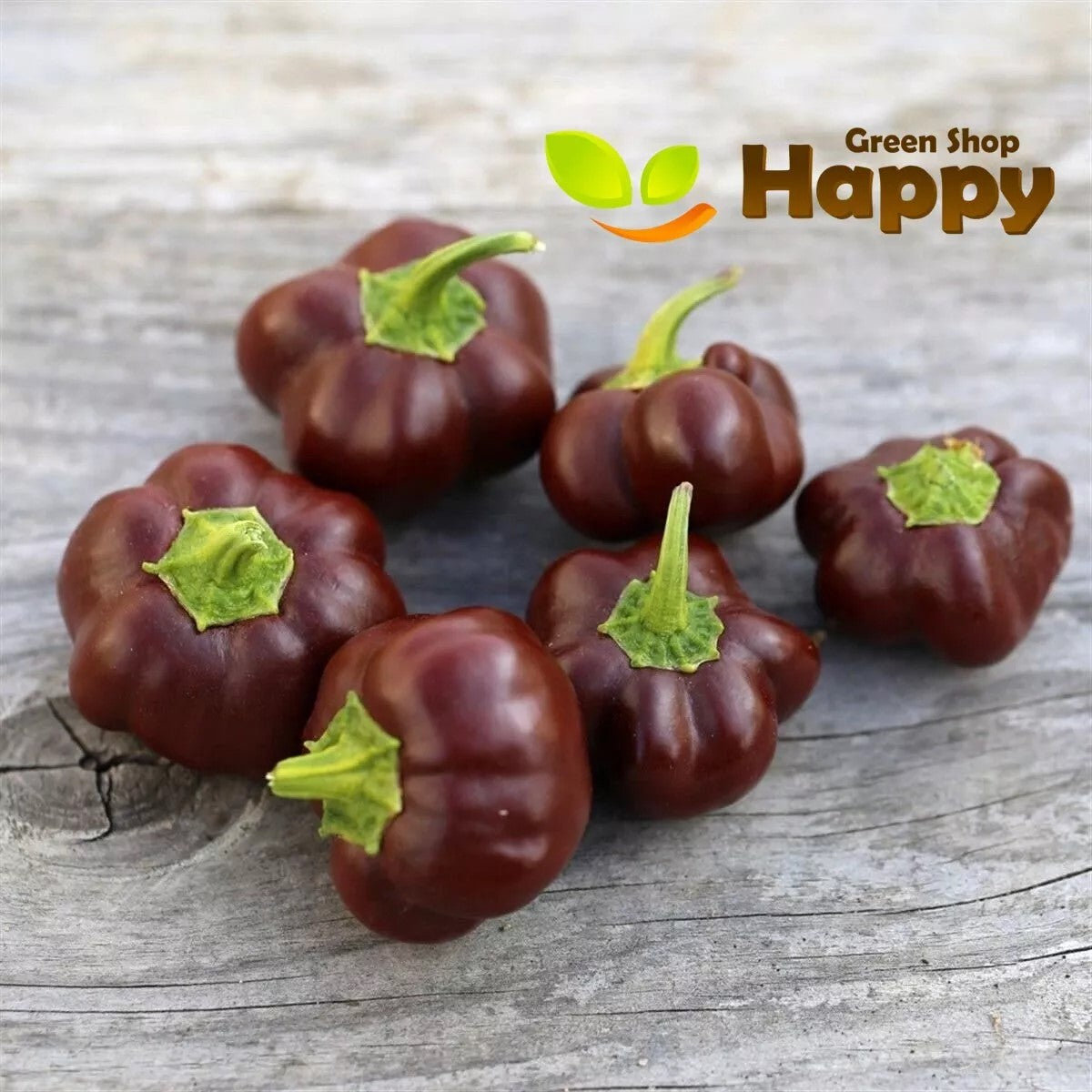
Sweet Pepper 'Mini Bell' Chocolate – Seeds (Capsicum annuum)
The Sweet Pepper 'Mini Bell' Chocolate is a compact, ornamental, and edible variety producing small, bell-shaped fruits that mature from green to a rich, chocolate brown. Crisp, sweet, and juicy, these peppers are perfect for snacking, salads, roasting, or garnishing dishes. Ideal for containers, patios, or small garden spaces, they combine vibrant color with delicious flavor.
How to Grow
-
Sow seeds indoors from February to April, 0.5 cm deep.
-
Keep at 20–25°C until germination.
-
Transplant seedlings outdoors or into containers after the last frost.
-
Space plants 30–40 cm apart in fertile, well-drained soil with full sun.
-
Provide support if needed and maintain consistent moisture.
Key Features
-
Compact plant producing small, bell-shaped chocolate-brown peppers
-
Crisp, sweet, and juicy flavor
-
Ideal for containers, patios, and small gardens
-
High ornamental value with edible fruits
-
Perfect for fresh eating, roasting, and garnishing
Ideal For
-
Snacking, salads, and cooking
-
Decorative kitchen gardens and container cultivation
-
Gardeners seeking colorful, compact, and productive pepper varieties
Sowing & Harvest
-
Sow: February to April
-
Plant out: May to June
-
Harvest: July to September
Quick Tip
-
Pick peppers when fully colored for the sweetest flavor and best visual appeal.
Showing 99/237