
Sort by:
237 products
237 products
Curly Kale 'Sympatic' – Seeds (Brassica oleracea var. sabellica)
The Curly Kale 'Sympatic' is a vigorous and reliable kale variety, known for its decorative, tightly curled green leaves and excellent winter hardiness. This hardy leafy green thrives in cooler weather and can be harvested for many months, making it a staple crop for any kitchen garden.
Kale 'Sympatic' has a sweet, mild flavor that improves after the first frosts, when the leaves become more tender and less bitter. Perfect for soups, stews, stir-fries, smoothies, or simply steamed as a healthy side. The upright plants are also highly ornamental, adding texture and vibrant color to vegetable beds and borders.
How to Grow
-
Sow indoors: March – May
-
Sow outdoors: April – June, thinly in rows 1 cm deep
-
Transplant/Thin: 45 cm apart when seedlings are large enough
-
Position: Full sun or partial shade
-
Soil: Moist, fertile, well-drained soil enriched with compost
-
Care: Water regularly and protect young plants from cabbage pests
Key Features
-
Hardy curly kale with decorative, ruffled leaves
-
Reliable growth and long cropping season
-
Flavour sweetens after frost
-
Nutrient-rich superfood, packed with vitamins A, C, and K
-
Great for winter harvests when little else grows
Harvest
-
Harvesting period: October – March
-
Pick outer leaves regularly, allowing the plant to continue producing throughout winter.
Short Tip
For the sweetest flavor, leave plants in the ground until after the first frosts – the cold enhances the natural sugars in the leaves.
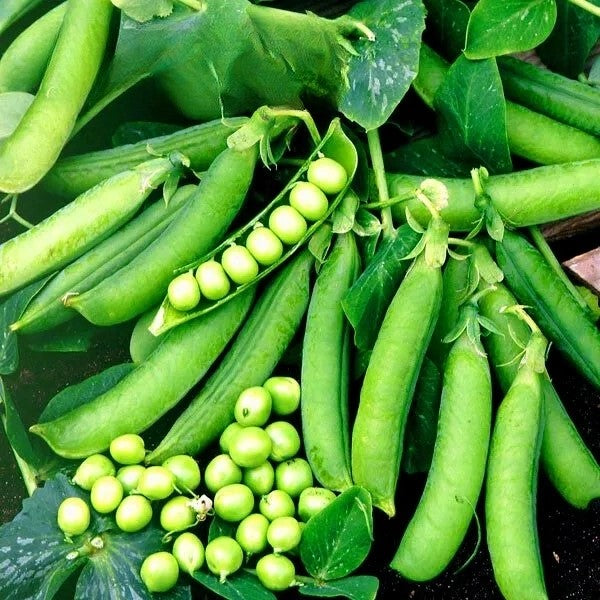
Pea ‘Onward’ Seeds (Pisum sativum)
Enjoy a reliable and early harvest with Pea ‘Onward’ (Pisum sativum). This hardy climbing variety produces long, tender pods filled with sweet, flavorful peas, perfect for fresh eating, steaming, or freezing. Easy to grow and highly productive, it’s ideal for vegetable gardens, allotments, and homegrown culinary use.
How to Grow
-
Sow seeds directly outdoors from early spring as soon as the soil can be worked.
-
Use well-drained, fertile soil in full sun to partial shade.
-
Sow seeds 3–5 cm deep and 5–7 cm apart in rows 50–60 cm apart.
-
Provide stakes, netting, or a trellis for climbing growth.
-
Keep soil consistently moist but not waterlogged.
-
Harvest pods when fully formed but still tender for best flavor.
Key Features
-
Early-maturing climbing variety with long, tender pods
-
Hardy and highly productive
-
Ideal for fresh eating, steaming, or freezing
-
Easy to grow in temperate climates
-
Perfect for vegetable gardens and allotments
Ideal For
-
Vegetable gardens and allotments
-
Fresh harvest for cooking and freezing
-
Climbing support with trellises or stakes
-
Companion planting with nitrogen-fixing crops
Sowing
-
Best time: Early spring outdoors
-
Depth: 3–5 cm
-
Spacing: 5–7 cm apart, rows 50–60 cm apart
-
Prefers full sun to partial shade and fertile, well-drained soil
Quick Tip
-
Sow successive batches every 2–3 weeks to enjoy a continuous early-season harvest.
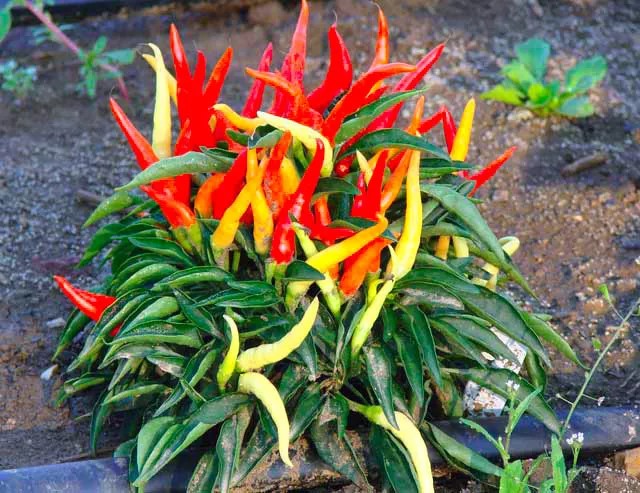
Chilli Pepper ‘Cayenne’ – 130 Seeds (Capsicum annuum)
Spice up your garden with Chilli Pepper ‘Cayenne’ (Capsicum annuum). This classic variety produces long, slender, bright red fruits with medium heat, perfect for fresh use, drying, or cooking. Easy to grow and highly productive, it adds flavor and color to your garden while attracting pollinators.
How to Grow
-
Sow seeds indoors 8–10 weeks before the last frost.
-
Use well-drained, fertile soil in a warm, sunny location.
-
Sow seeds 0.5 cm deep and keep the soil consistently moist.
-
Maintain a temperature of 20–25°C for optimal germination (10–14 days).
-
Transplant seedlings outdoors after all risk of frost has passed, spacing 30–40 cm apart.
-
Provide support if necessary and water regularly.
-
Harvest fruits when fully red and firm.
Key Features
-
Long, slender, bright red fruits with medium heat
-
Highly productive and easy to grow
-
Ideal for fresh eating, drying, or cooking
-
Attracts pollinators and adds color to the garden
-
Perfect for homegrown spice and culinary use
Ideal For
-
Vegetable gardens and kitchen gardens
-
Fresh harvest for cooking, drying, or preserving
-
Patio containers and greenhouse growing
-
Adding color and spice to meals
Sowing
-
Best time: 8–10 weeks before last frost indoors
-
Depth: 0.5 cm
-
Spacing: 30–40 cm apart outdoors
-
Prefers full sun, warm conditions, and fertile, well-drained soil
Quick Tip
-
Pinch growing tips to encourage bushier plants and higher fruit yield.
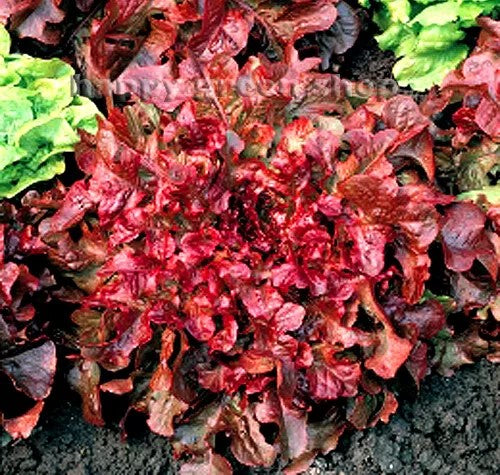
Lettuce 'Red Salad Bowl' Seeds (Lactuca sativa)
Brighten your salads with Lettuce 'Red Salad Bowl' (Lactuca sativa), a stunning loose-leaf variety producing deeply cut, oak-leaf shaped leaves in rich red-bronze tones. Tender, flavorful, and non-hearting, it offers a continuous supply of leaves when harvested regularly. Perfect for cut-and-come-again growing, this lettuce adds both color and taste to the summer garden.
How to Grow
-
Sow seeds outdoors from spring to late summer.
-
Use fertile, moist, well-drained soil in full sun or partial shade.
-
Sow thinly at 0.5 cm depth in rows 25–30 cm apart.
-
Thin seedlings to 20 cm spacing for best growth.
-
Harvest young leaves regularly to encourage new growth.
Key Features
-
Loose-leaf lettuce with oak-shaped red leaves
-
Tender texture and mild, pleasant flavor
-
Cut-and-come-again for continuous harvests
-
Heat-tolerant and slow to bolt compared to other lettuces
-
Attractive color for salads and garnishes
Ideal For
-
Fresh salads and sandwiches
-
Continuous harvesting through summer
-
Containers, raised beds, and garden borders
-
Gardeners seeking a colorful, easy-to-grow lettuce
Sowing
-
Best time: Spring to late summer
-
Depth: 0.5 cm
-
Spacing: 20 cm apart
-
Prefers moist, fertile, well-drained soil
Quick Tip
-
Sow little and often for a steady supply of fresh, colorful leaves all season.
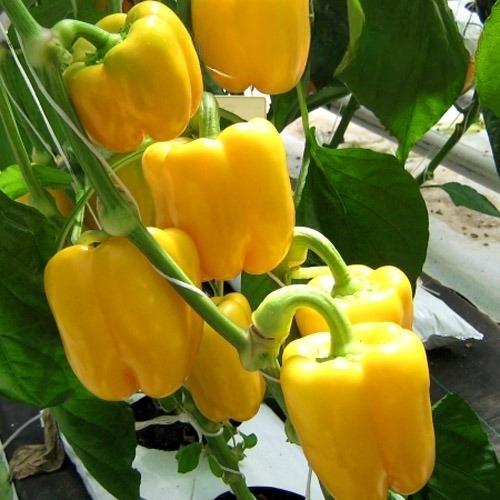
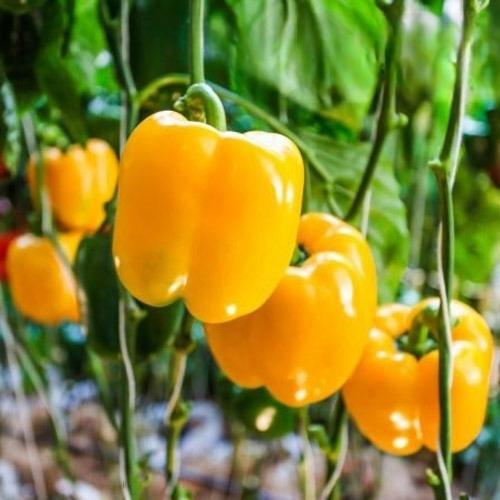
Sweet Pepper 'California Wonder' Yellow – Seeds (Capsicum annuum)
The California Wonder Yellow is a classic sweet pepper variety, prized for its large, blocky bell-shaped fruits that ripen from green to a vibrant golden yellow. The peppers are thick-walled, crisp, and juicy with a sweet, mild flavour, making them perfect for fresh salads, stuffing, roasting, or grilling.
A reliable, heavy-cropping variety that performs well both outdoors in warm, sunny spots and under glass in cooler climates.
How to Grow
-
Sow indoors: February – April at 20–25°C
-
Transplant outdoors/greenhouse: After last frost, when plants are strong
-
Plant spacing: 40–50 cm apart
-
Position: Full sun, sheltered location or greenhouse
-
Soil: Fertile, well-drained, moisture-retentive
-
Care: Water consistently and feed with a high-potash fertiliser when fruits set
Key Features
-
Large, blocky, sweet yellow bell peppers
-
Thick-walled, juicy, and versatile in cooking
-
High-yielding, reliable variety
-
Suitable for outdoor beds, pots, or greenhouse growing
-
Harvested green or fully ripe for sweeter flavour
Sowing & Harvest
-
Sow: February – April
-
Harvest: July – October
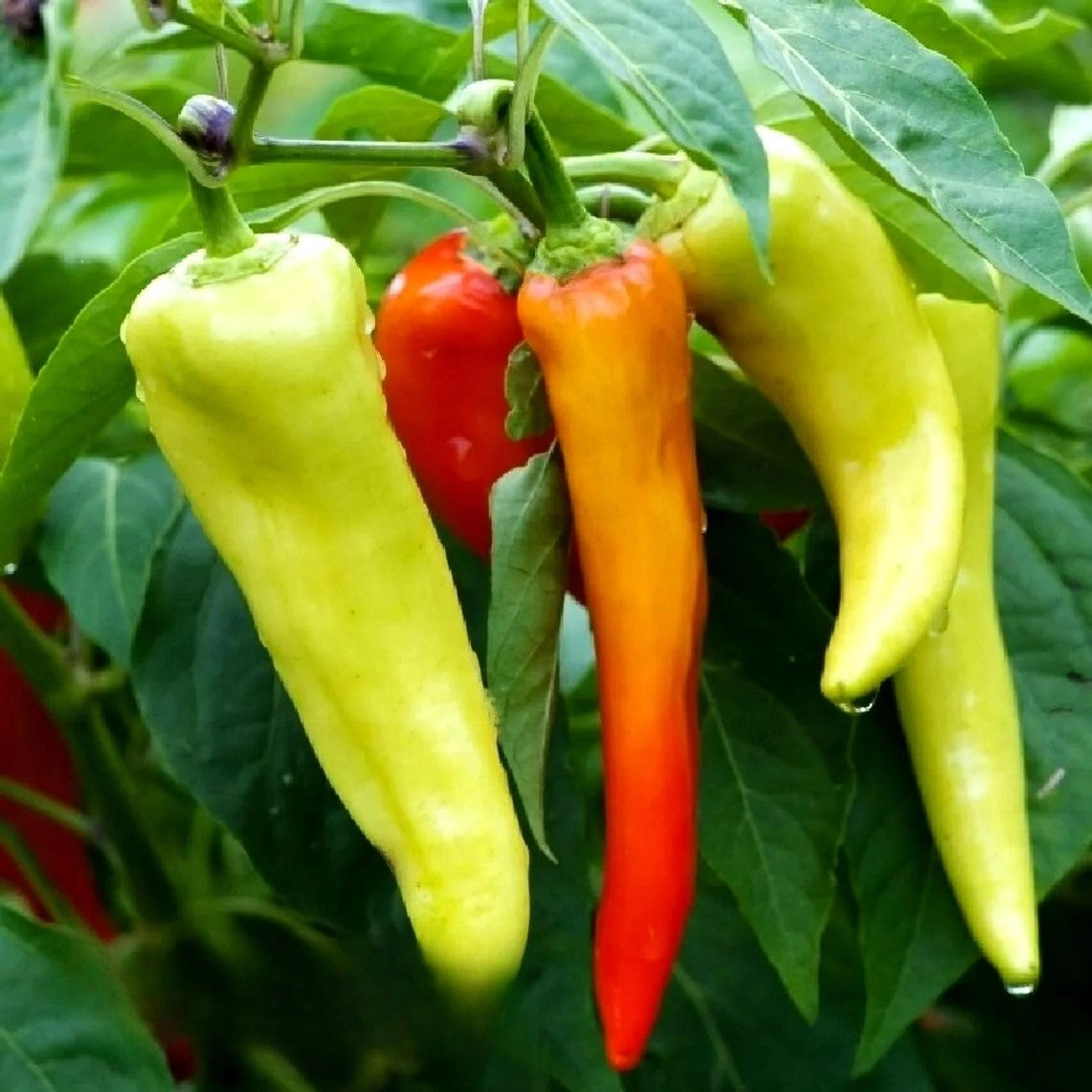
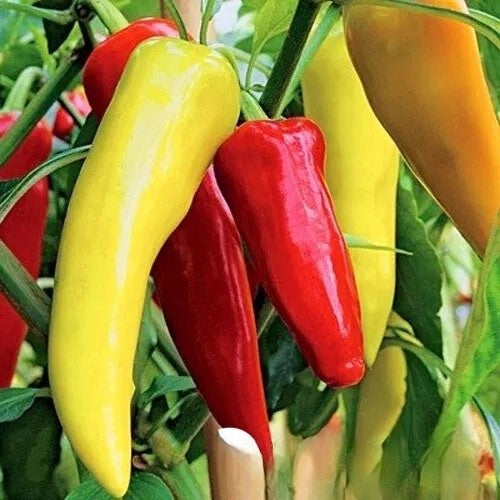
Horn Hot Chilli Pepper 'Harriet' – 30 Seeds (Capsicum annuum)
The Horn Hot Chilli Pepper 'Harriet' is a fiery, high-yielding variety producing long, horn-shaped fruits with a strong, vibrant heat and intense flavor. Perfect for spicing up sauces, salsas, pickles, or fresh dishes, this chilli is a must-have for hot pepper enthusiasts and adventurous gardeners.
Compact yet vigorous, 'Harriet' thrives in containers, garden beds, or greenhouses. Its early and prolific fruiting ensures a continuous harvest of bright, glossy red peppers throughout the season.
How to Grow
-
Sow indoors: February – March
-
Transplant outdoors: After last frost, spacing 40–50 cm apart
-
Position: Full sun
-
Soil: Fertile, well-drained soil enriched with compost
-
Care: Keep soil evenly moist; provide support for heavier fruit clusters
Key Features
-
Long, horn-shaped hot peppers with intense flavor
-
Vigorous, compact plants – ideal for containers and gardens
-
Early and prolific fruiting for continuous harvest
-
Perfect for sauces, salsas, pickling, and fresh dishes
-
Easy-to-grow variety for home gardeners and spice lovers
Harvest
-
Harvesting period: 70–85 days after sowing
-
Pick when bright red for full heat and flavor.
Short Tip
Use gloves when harvesting and handling ripe fruits to avoid skin irritation from capsaicin.

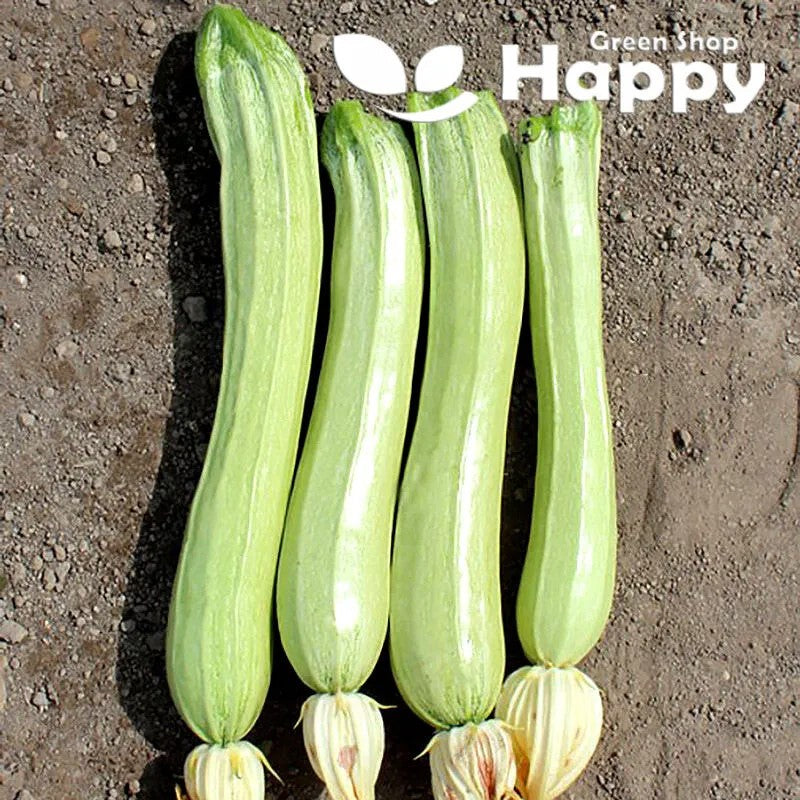
Courgette 'Lungo Blanco' – Seeds (Cucurbita pepo)
Courgette 'Lungo Blanco' is a striking variety of zucchini that produces elegant, elongated fruits with a pale, creamy-white skin. Its tender flesh is mild and sweet, making it ideal for grilling, sautéing, roasting, or enjoying fresh in salads. This highly productive plant yields continuously through summer and is perfect for both home gardens and allotments.
How to Grow
-
Sow indoors from March to April in pots, or outdoors after the last frost from May to June.
-
Sow seeds 2–3 cm deep.
-
Transplant or thin seedlings to 60 cm apart in fertile, well-drained soil.
-
Provide full sun and regular watering for best yields.
-
Harvest fruits young for the best flavor and tenderness.
Key Features
-
Unique pale white, elongated zucchini fruits
-
Sweet, mild flavor with tender flesh
-
Continuous harvest throughout summer
-
Easy to grow and high-yielding
-
Excellent for grilling, roasting, stir-fries, or raw dishes
Ideal For
-
Home gardens and allotments
-
Mediterranean and summer cooking
-
Gardeners seeking a unique zucchini variety
Sowing & Harvest
-
Sow: March – June
-
Spacing: 60 cm
-
Harvest: June – September
Quick Tip
-
Pick fruits regularly when 15–20 cm long to encourage further production and prevent plants from becoming exhausted.

Leek ‘Blue de Solaise’ – Seeds
(Allium porrum)
Leek ‘Blue de Solaise’ is a traditional French heirloom variety celebrated for its exceptional winter hardiness and striking blue-green foliage that turns a beautiful deep violet-blue tint in cold weather. Producing thick, tender, and flavorful stems, this leek is perfect for soups, stews, and roasting. A reliable and decorative addition to the vegetable garden, it stands well in the ground through the winter months.
Key Features
-
Type: Heirloom winter leek variety
-
Plant Height: 40–50 cm
-
Stem: Thick, white, and tender
-
Foliage: Blue-green with violet tones in frost
-
Flavor: Mild, sweet, and rich
-
Days to Maturity: 110–130 days
-
Hardiness: Excellent frost resistance
-
Harvest Period: Late autumn to early spring
Ideal For
-
Winter and early spring harvests
-
Cold climates and overwintering
-
Home gardens and traditional kitchen gardens
Sowing & Growing
-
Sow indoors: February – April
-
Transplant outdoors: May – June
-
Harvest: November – March
-
Spacing: 15 × 30 cm
-
Position: Full sun
-
Soil: Deep, fertile, well-drained soil
Care Tips
-
Hill up soil around stems to encourage long white shanks.
-
Apply mulch to retain moisture and protect roots in winter.
-
Ideal for succession sowing to extend harvest.

🌿 Foeniculum vulgare Common Fennel – Aromatic Herb with Feathery Foliage and Edible Seeds
Common Fennel is a classic aromatic perennial herb grown for its feathery, blue-green foliage, yellow umbel flowers, and highly fragrant seeds. With a distinctive sweet aniseed flavour, it is valued in both culinary and medicinal use. The leaves, seeds and young stems are all edible, while the tall, elegant plants add structure to herb gardens, borders and wildlife-friendly plantings.
Key Features
● Aromatic herb with sweet aniseed flavour
● Feathery blue-green foliage and yellow flowers
● Edible leaves and seeds for cooking and teas
● Attractive to bees and beneficial insects
● Decorative and useful herb for gardens
How to Sow & Grow Common Fennel (UK)
Direct sowing recommended – dislikes transplanting
Direct outdoors: IV–VI (April–June)
Harvest: VI–IX (June–September) for leaves, later for seeds
Life cycle: Perennial (often grown as a short-lived perennial or annual)
Germination temperature: 15–20 °C (59–68 °F)
Average germ time: 7–14 days
Depth: 0.5–1 cm (¼–½ in)
Light required: Yes
Moisture: Moderate; drought-tolerant once established
Environment: Full sun
Soil type: Well-drained, light soil
Plant spacing: 30–40 cm (12–16 in)
Height: 120–180 cm (47–71 in)
Sowing & Growing Tips (variety-specific)
● Choose a permanent position, as fennel dislikes root disturbance.
● Avoid planting near dill or coriander to prevent cross-pollination.
● Cut leaves regularly to encourage fresh growth.
● Allow flowers to set seed for culinary or herbal use.
● Very low maintenance once established.
Special Features
● Classic culinary and medicinal herb
● Tall, elegant growth with ornamental value
● Excellent pollinator plant
Showing 108/237

