Sort by:
237 products
237 products
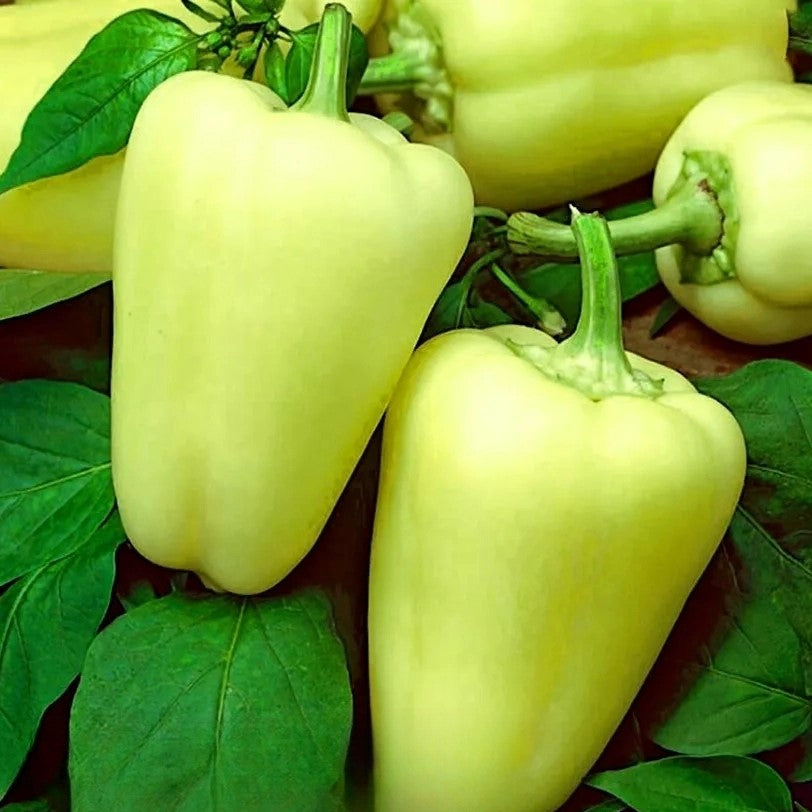
Sweet Pepper ‘Citrina’ – Seeds
(Capsicum annuum) – Compact Yellow Sweet Pepper
The ‘Citrina’ sweet pepper is a charming, compact variety that produces an abundance of bright lemon-yellow fruits. The peppers are small, blocky, and full of crisp, sweet flavor, making them perfect for snacking, salads, stuffing, and grilling. Its compact habit makes it ideal for pots, containers, or small gardens, while still offering a generous harvest.
Key Features
-
Plant type: Annual
-
Growth habit: Compact, bushy
-
Fruit: Small blocky peppers
-
Color: Lemon-yellow
-
Flavor: Mild and sweet
-
Height: 40–50 cm
-
Position: Full sun, sheltered
-
Soil: Fertile, well-drained
Ideal For
-
Patio pots and balcony containers
-
Kitchen gardens and raised beds
-
Fresh eating, grilling, and stuffing
-
Attractive ornamental & edible planting
Sowing & Growing
-
Sow indoors: February–April, 0.5 cm deep in seed trays or pots.
-
Germination: 10–21 days at 20–25°C.
-
Transplant: Into larger pots once seedlings are strong.
-
Plant out: May–June after last frost, spacing 35–40 cm apart.
-
Harvest: July–September.
Care Tips
-
Prefers a warm, sunny, sheltered spot.
-
Water regularly but avoid waterlogging.
-
Feed with a high-potash fertilizer once fruits set.
-
Harvest regularly to encourage continuous cropping.

🌱 Raphanus sativus Radish ‘Viola’ – Smooth Purple Radish with Crisp, Mild Flesh
‘Viola’ is an attractive purple-skinned radish variety producing round, smooth roots with crisp white flesh and a mild, slightly sweet flavour. Bred for quick growth and uniform shape, it is ideal for spring and autumn sowing, performing reliably even in cooler conditions. The vibrant purple skin adds colour to the vegetable garden and makes this radish especially appealing for fresh salads, garnishes and market displays.
Key Features
● Smooth, round roots with deep purple skin
● Crisp white flesh with mild, pleasant flavour
● Fast-growing and easy to grow
● Excellent uniformity and appearance
● Ideal for salads, fresh eating and bunching
How to Sow & Grow Radish ‘Viola’ (UK)
Direct sowing recommended – do not transplant
Direct outdoors: III–IX (March–September)
Harvest: IV–X (April–October)
Life cycle: Annual
Germination temperature: 8–20 °C (46–68 °F)
Average germ time: 5–10 days
Depth: 1–1.5 cm (½ in)
Light required: Yes
Moisture: Keep soil evenly moist
Environment: Full sun to partial shade
Soil type: Light, fertile, well-drained soil
Plant spacing: Thin to 3–5 cm (1–2 in)
Harvest size: Ready in 25–35 days
Sowing & Growing Tips (variety-specific)
● Sow little and often for continuous harvests.
● Harvest promptly to maintain tenderness.
● Avoid drought to prevent strong or pithy roots.
● Performs well in cooler parts of the season.
● Suitable for beds, containers and raised beds.
Special Features
● Decorative purple radish variety
● Quick and reliable crop
● Excellent choice for home gardens and markets
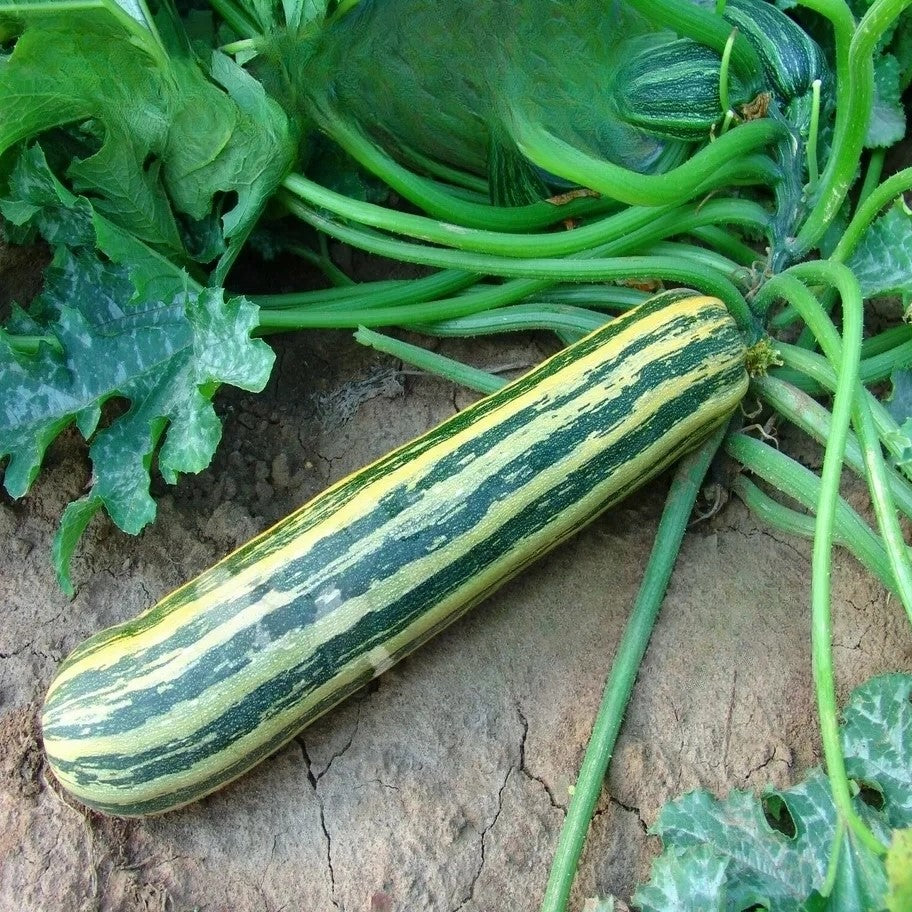
Courgette 'Tapir' – Seeds (Cucurbita pepo)
The Courgette 'Tapir' is a reliable, high-yielding variety that produces glossy, dark green fruits with excellent flavor and texture. Its uniform shape and smooth skin make it an ideal choice for home gardens and allotments. A vigorous and productive plant, it ensures a steady supply of fresh courgettes throughout the summer.
Best harvested young for tender flesh and mild taste, 'Tapir' courgettes are versatile in the kitchen – perfect for grilling, stir-fries, baking, or slicing into salads.
How to Grow
-
Sow indoors: April – May in pots or seed trays
-
Sow outdoors: Late May – June after frost has passed
-
Spacing: 60–90 cm apart
-
Soil: Rich, well-drained, moisture-retentive soil
-
Position: Full sun
-
Care: Water regularly and pick fruits frequently to encourage further cropping
Key Features
-
Glossy, dark green courgettes with tender texture
-
High-yielding and uniform fruiting variety
-
Versatile in the kitchen – use fresh, cooked, or baked
-
Vigorous and reliable cropper throughout summer
-
Easy to grow in beds, borders, or large containers
Sowing & Harvest
-
Sow: April – June
-
Harvest: July – September
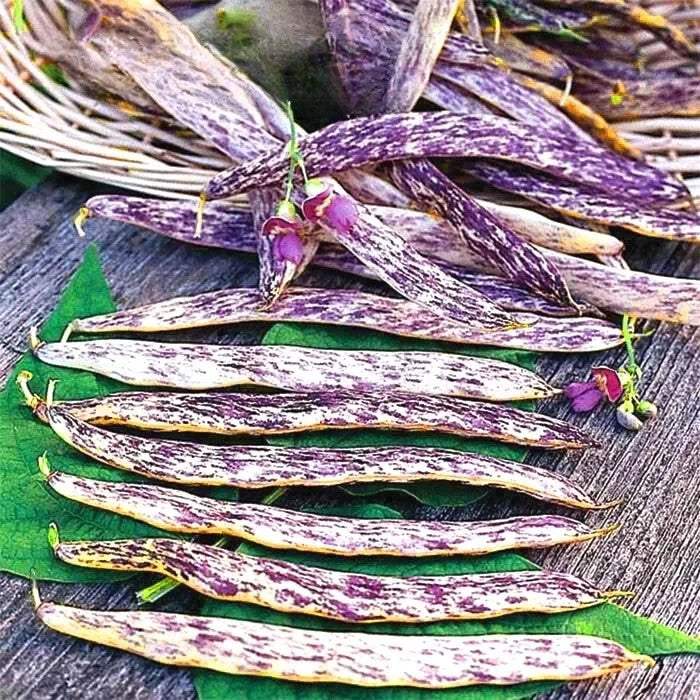
Dwarf Bean 'Merveille de Piemonte' – Seeds
(Phaseolus vulgaris) – Classic French Bush Bean
The 'Merveille de Piemonte' dwarf bean is a traditional French variety valued for its tender, stringless pods with a delicate flavor. Compact and easy to grow, this bush-type bean does not require staking and produces generously over a long harvest period. Perfect for home gardens, allotments, or pots.
Key Features
-
Type: Dwarf bush bean (annual legume)
-
Height: 40–50 cm
-
Pods: Straight, green, stringless, 12–15 cm long
-
Harvest: 55–65 days from sowing
-
Special: High-yielding, tender and flavorful
Ideal For
-
Fresh harvesting and steaming
-
Freezing or preserving
-
Compact gardens and raised beds
-
Classic French kitchen gardens
Sowing & Growing
-
Sow outdoors: May–July, when soil is warm (min. 15°C)
-
Spacing: 40 cm between rows, 5–7 cm between seeds
-
Soil: Fertile, well-drained, moderately moist
-
Sunlight: Full sun
-
Watering: Regular, especially during flowering and pod formation
Care Tips
-
Avoid sowing in cold, wet soil – beans thrive in warmth.
-
Succession sow every 2 weeks for extended harvest.
-
Mulching helps conserve soil moisture.
Red Onion ‘Scarlet’ Seeds (Allium cepa)
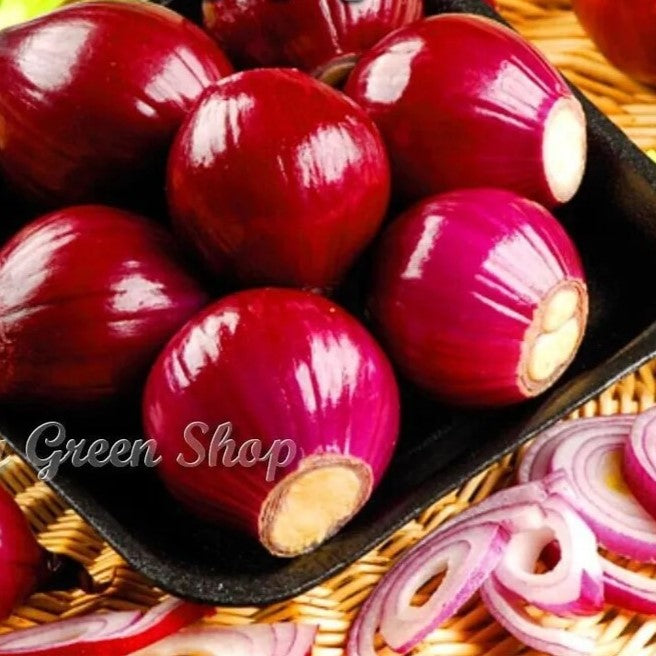
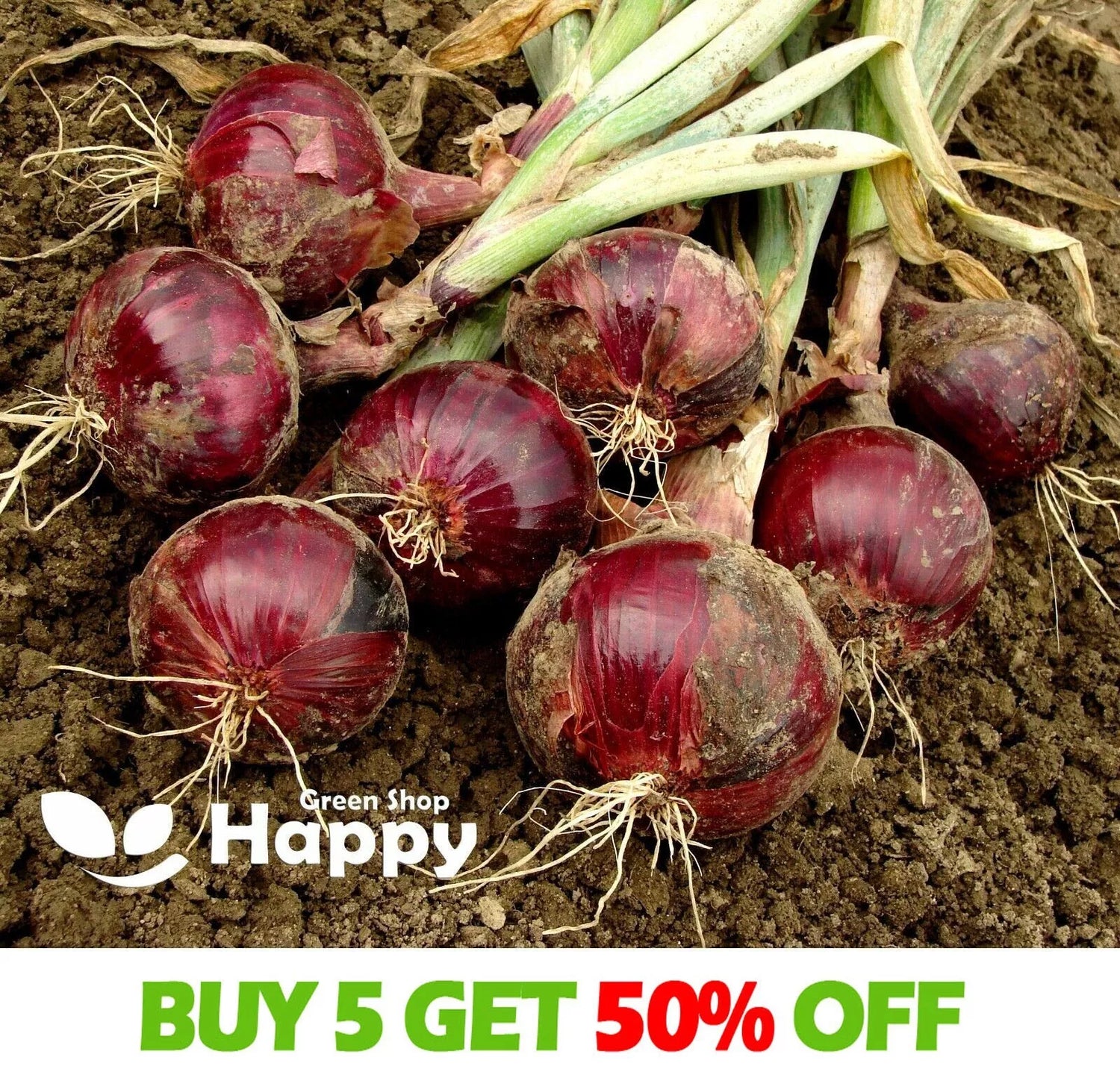
Grow vibrant, richly flavored bulbs with Red Onion ‘Scarlet’ (Allium cepa). This reliable variety produces medium to large, deep red onions with crisp flesh and a sweet yet tangy taste. Perfect for fresh salads, roasting, pickling, and cooking, it’s a versatile kitchen essential and a favorite for home gardeners.
How to Grow
-
Sow seeds indoors in early spring or directly outdoors once soil warms.
-
Use fertile, well-drained soil in full sun.
-
Sow seeds 0.5–1 cm deep and thin seedlings to 10–15 cm apart.
-
Keep soil evenly moist during germination (10–14 days).
-
Harvest bulbs when tops fall over and cure in a dry, airy space.
Key Features
-
Produces medium to large, deep red bulbs
-
Sweet yet tangy flavor with crisp texture
-
Versatile: great for salads, pickling, roasting, and cooking
-
Reliable and productive garden variety
-
Stores well after curing
Ideal For
-
Fresh salads and garnishes
-
Pickling, roasting, and cooking
-
Home gardens, allotments, and raised beds
-
Gardeners seeking colorful, flavorful onions
Sowing
-
Best time: Early spring indoors or outdoors after frost
-
Depth: 0.5–1 cm
-
Spacing: 10–15 cm apart
-
Prefers full sun and well-drained, fertile soil
Quick Tip
-
For sweeter onions, keep soil consistently moist during growth and avoid letting it dry out.
Courgette 'Stiato d'Italia' – Seeds (Cucurbita pepo)
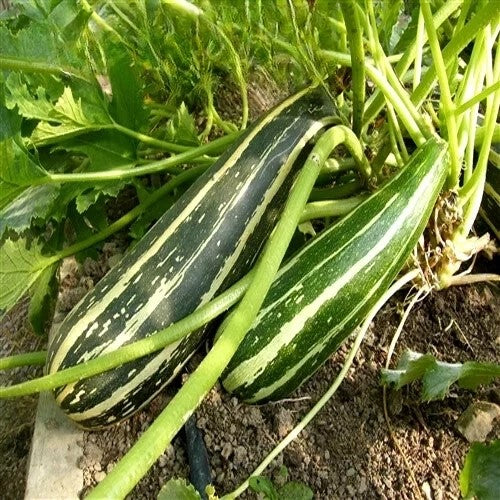
Add authentic Italian flavor to your garden with Courgette 'Stiato d'Italia', an heirloom variety renowned for its striped green fruits and tender, sweet flesh. Perfect for summer harvests, these elegant courgettes are ideal for grilling, roasting, stuffing, or fresh salads. Prolific and easy to grow, 'Stiato d'Italia' combines visual appeal with gourmet taste.
How to Grow
. Sow indoors: March – May, 1–2 cm deep in pots
. Transplant outdoors: After last frost, spacing 70–90 cm apart
. Sow outdoors: May – June in fertile, well-drained soil
. Prefers full sun and regular watering
. Harvest fruits 15–20 cm long for the best flavor and texture
Key Features
. Italian heirloom zucchini with striking striped green skin
. Tender, mild-flavored flesh for versatile cooking
. Prolific and early-bearing variety
. Perfect for grilling, roasting, stuffing, or salads
. Decorative, uniform fruits ideal for home gardens
Ideal For
. Fresh summer cooking and Italian dishes
. Gardeners seeking unique and attractive courgettes
. Small vegetable beds, allotments, or containers
. Gourmet recipes including stuffed or roasted zucchini
Sowing & Harvest
. Sow: March – June
. Harvest: June – September
Quick Tip
Harvest regularly when fruits are young and slender to encourage continuous production throughout the season.
Roma Tomato 'San Marzano 2' – Seeds (Solanum lycopersicum)
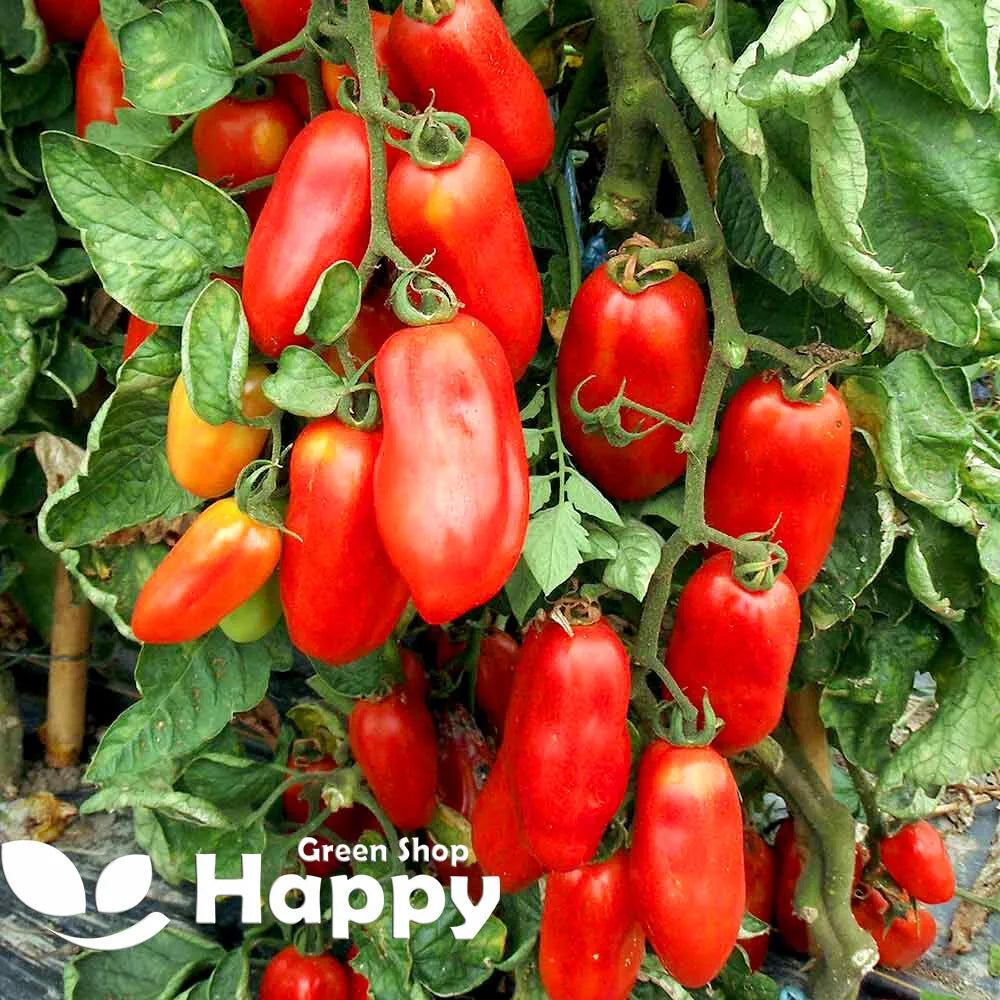
The world-famous San Marzano 2 Roma Tomato is a classic Italian plum tomato variety, celebrated for its rich, sweet flavor, meaty texture, and low seed count. Renowned as the finest tomato for sauces, passata, and canning, this variety produces long, blocky fruits with thick flesh and very little water content – perfect for authentic Italian cooking. A must-have for tomato lovers and gardeners seeking reliable, heavy crops.
How to Grow
-
Sow indoors: February – April, 0.5 cm deep in seed trays or pots.
-
Transplant: When seedlings are large enough, pot on and grow in a warm, sunny spot.
-
Plant out: May – June after frost has passed, spacing 45–60 cm apart.
-
Position: Full sun, sheltered site.
-
Support: Needs staking or caging as an indeterminate (cordon) type.
Key Features
-
Famous Italian Roma/Plum tomato variety
-
Thick, meaty flesh – ideal for sauces and canning
-
Produces long, uniform fruits in abundance
-
Excellent flavor – balanced sweetness and acidity
Ideal For
-
Traditional Italian pasta sauces and pizza bases
-
Bottling, drying, or freezing
-
Greenhouses, polytunnels, or outdoor sunny gardens
Sowing & Harvest
-
Sow: February – April
-
Harvest: July – September
Quick Tip
Pinch out side shoots regularly and feed with a tomato fertiliser once flowers set to boost yield and flavor.
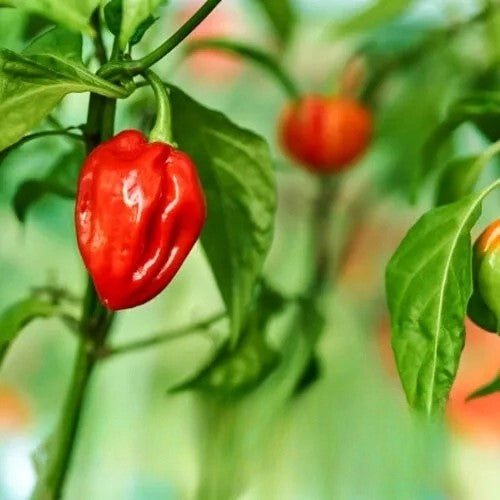
Hot Chilli Pepper 'Habanero' – Seeds (Capsicum annuum)
The Habanero chilli pepper is one of the world’s most famous hot chillies, delivering fiery heat with a unique fruity, citrus-like flavour. Compact yet highly productive, plants produce an abundance of small lantern-shaped peppers that ripen from green to bright orange or red.
A must-grow for chilli lovers, Habaneros are perfect fresh, dried, or made into hot sauces, salsas, and marinades.
How to Grow
-
Sow indoors: February – April, in warmth (20–25°C)
-
Transplant outdoors/greenhouse: After last frost, once plants are strong
-
Plant spacing: 40–50 cm
-
Position: Sunny, sheltered spot or greenhouse
-
Soil: Well-drained, fertile soil or pots with quality compost
-
Care: Keep evenly watered and feed regularly with tomato fertiliser
Key Features
-
Extremely hot chilli variety with fruity flavour
-
Lantern-shaped peppers, ripening to orange or red
-
Great for sauces, salsas, and drying
-
Productive plants, suitable for pots or greenhouse growing
-
Popular with chilli enthusiasts worldwide
Sowing & Harvest
-
Sow: February – April
-
Harvest: July – October

Oak Leaf Lettuce 'Green Salad Bowl' – Seeds (Lactuca sativa)
A true kitchen garden favorite, Oak Leaf Lettuce 'Green Salad Bowl' is a fast-growing, cut-and-come-again variety with long, deeply notched green leaves that resemble oak foliage. Its mild, tender flavor and crisp texture make it perfect for everyday salads. Easy to grow and slow to bolt, it provides a generous harvest of fresh greens all season long.
How to Grow
. Sow indoors from February to April or directly outdoors from March to July
. Sow thinly, 0.5 cm deep in rows 25–30 cm apart
. Thin seedlings to 20 cm apart, or grow closer for baby leaves
. Prefers full sun and moist, fertile, well-drained soil
. Harvest leaves regularly to encourage continuous cropping
Key Features
. Classic oak leaf lettuce with tender green leaves
. Mild flavor, perfect for salads and sandwiches
. Cut-and-come-again variety for extended harvests
. Slow to bolt, even in warmer conditions
. Easy to grow in beds, borders, or containers
Ideal For
. Fresh everyday salads
. Cut-and-come-again harvesting
. Home gardens, pots, and allotments
. Gardeners seeking reliable, easy lettuce
Sowing & Harvest
. Sow: February – July
. Harvest: May – September
Quick Tip
For the best flavor and texture, pick leaves early in the morning when they’re freshest and most tender.
Showing 117/237