
Sort by:
237 products
237 products
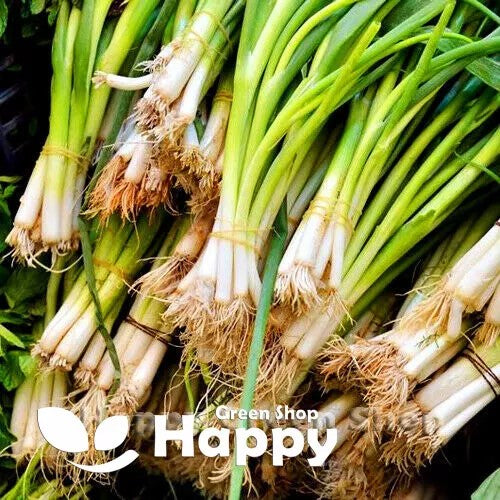
Spring Onion 'White Lisbon' Seeds (Allium cepa)
A classic favorite, Spring Onion 'White Lisbon' is one of the most popular and reliable scallion varieties. It produces crisp, mild-flavored stems with bright white bases and vibrant green tops, perfect for salads, stir-fries, and garnishes. Fast-growing and hardy, it can be sown throughout the season for a continuous supply of fresh spring onions.
How to Grow
-
Sow directly outdoors from early spring to autumn.
-
Prefers light, well-drained soil in full sun.
-
Sow thinly, 1 cm deep in rows 20 cm apart.
-
Thin seedlings to 2–3 cm spacing.
-
Harvest when stems reach pencil thickness.
Key Features
-
Traditional, best-loved spring onion variety
-
Mild, fresh flavor with crisp stems
-
Quick to mature and easy to grow
-
Can be sown successionally for year-round harvest
-
Perfect for beds, borders, or containers
Ideal For
-
Fresh salads and garnishes
-
Stir-fries and Asian dishes
-
Continuous cropping through the season
-
Beginner-friendly gardens and containers
Sowing
-
Best time: February to October
-
Depth: 1 cm
-
Row spacing: 20 cm
-
Plant spacing: Thin to 2–3 cm
-
Harvest: From 8 weeks after sowing
Quick Tip
-
For tender, mild stems, sow little and often to enjoy fresh onions all season long.


Yellow Pear Tomato – Seeds (Solanum lycopersicum)
The Yellow Pear Tomato is a charming heirloom variety, producing clusters of small, pear-shaped fruits in a bright golden yellow. With a mild, sweet flavor and firm texture, these tomatoes are perfect for snacking, salads, and garnishes. Highly productive and ornamental, this variety adds a splash of sunshine to your garden and harvest baskets.
How to Grow
-
Sow seeds indoors from February to April, 0.5 cm deep in trays or pots.
-
Maintain a temperature of 18–22°C until germination.
-
Transplant seedlings into larger pots, then plant outdoors or in a greenhouse after frost.
-
Support plants with stakes or cages for heavy clusters of fruit.
Key Features
-
Heirloom variety with unique pear-shaped fruits
-
Bright yellow, bite-sized tomatoes
-
Mild, sweet flavor, perfect for fresh eating
-
Heavy crops over a long season
-
Ornamental and productive for gardens or containers
Ideal For
-
Fresh snacking and salads
-
Colorful vegetable gardens and patio pots
-
Gardeners seeking an heirloom with visual appeal
Sowing & Harvest
-
Sow: February to April
-
Plant out: May to June
-
Harvest: July to September
Quick Tip
-
Regular picking encourages more fruit production throughout the season.


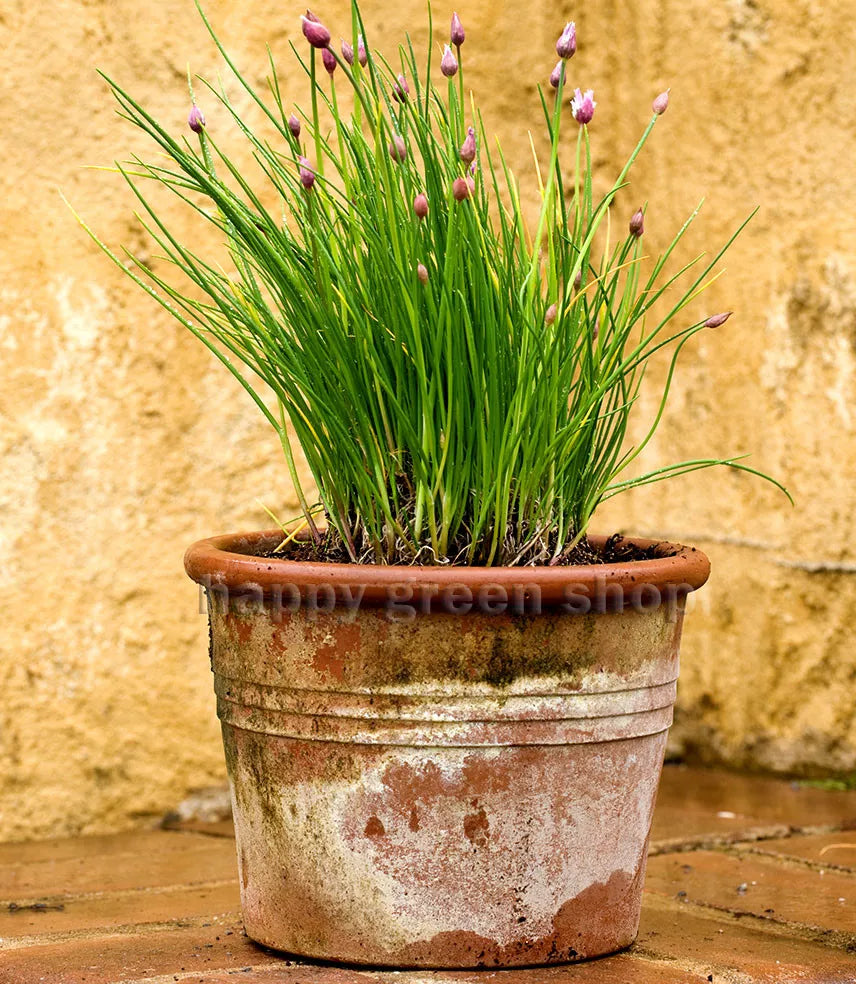
Chives 'Bohemia' - 1000 seeds (Allium schoenoprasum) - Hardy Perennial - Overwintering
£1.24
Unit price perChives 'Bohemia' - 1000 seeds (Allium schoenoprasum) - Hardy Perennial - Overwintering
£1.24
Unit price perChives ‘Bohemia’ – Seeds (Allium schoenoprasum) – Hardy Perennial
Chives ‘Bohemia’ is a hardy perennial herb, perfect for overwintering and providing fresh growth year after year. Known for its fine, hollow green leaves and mild onion flavor, it’s a versatile kitchen herb ideal for salads, soups, sauces, and garnishes. In summer, attractive purple-pink flowers appear, loved by bees and pollinators, making this a decorative as well as useful garden plant.
How to Grow
-
Sow indoors: February – April in pots or trays at 15–20°C.
-
Sow outdoors: April – July in finely prepared soil.
-
Thin or transplant seedlings to 20 cm apart.
-
Prefers full sun or partial shade and well-drained soil.
-
Cut regularly to encourage fresh growth.
Key Features
-
Hardy perennial herb with overwintering growth
-
Fine, mild onion-flavored leaves
-
Decorative purple flowers attract pollinators
-
Easy to grow in pots, borders, or herb gardens
-
Reliable year-round harvests
Ideal For
-
Fresh salads, soups, sauces, and garnishes
-
Herb gardens, borders, and containers
-
Attracting bees and pollinators
Sowing & Harvest
-
Sow: February – July
-
Harvest: May – October, with regrowth in spring
Quick Tip
Divide clumps every few years to maintain healthy growth and extend the lifespan of your chive plants.
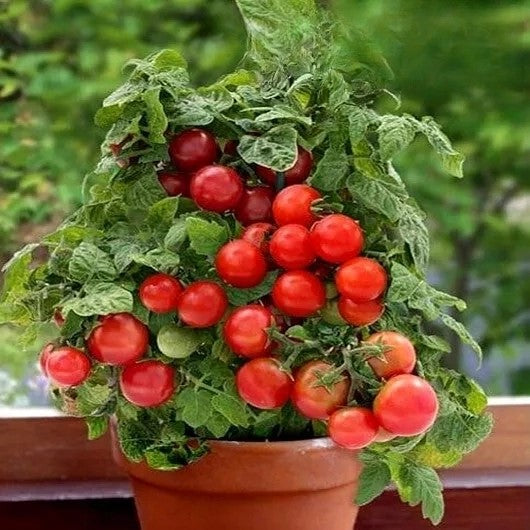
Bush Tomato 'Vilma' – Seeds (Solanum lycopersicum)
The Bush Tomato 'Vilma' is a compact, high-yielding variety producing small, round, flavorful tomatoes with a rich, sweet taste. Its bushy growth habit makes it ideal for container growing, small gardens, or raised beds, offering fresh, homegrown tomatoes even in limited spaces.
'Vilma' is easy to grow and requires minimal support, making it perfect for beginner gardeners or urban growers. The plants provide abundant fruit throughout the season, perfect for salads, snacking, roasting, or sauces.
How to Grow
-
Sow indoors: February – April
-
Transplant outdoors: After last frost, spacing 35–40 cm apart
-
Position: Full sun
-
Soil: Fertile, well-drained soil enriched with compost
-
Care: Keep soil evenly moist; prune lightly to encourage airflow and fruit production
Key Features
-
Compact, bushy plants ideal for containers and small gardens
-
Small, round, sweet tomatoes with excellent flavor
-
High-yielding and easy to grow
-
Perfect for salads, snacking, roasting, and sauces
-
Minimal support required
Harvest
-
Harvesting period: 60–75 days after sowing
-
Pick when fully colored and firm for best flavor and sweetness.
Short Tip
Regular harvesting of ripe fruits encourages continuous production and prevents overripe tomatoes from slowing growth.
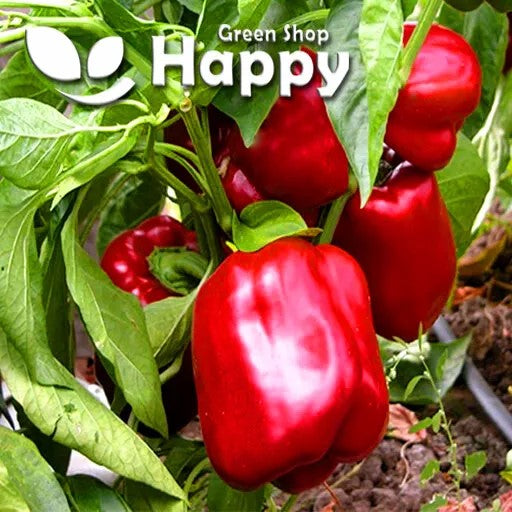
Sweet Bell Pepper 'California Wonder' Red – Seeds (Capsicum annuum)
Sweet Bell Pepper 'California Wonder' Red is a classic, high-yielding variety producing large, blocky, bright red fruits with a sweet, crisp flavor. Perfect for fresh eating, salads, roasting, or stuffing, it is a versatile addition to any vegetable garden.
This vigorous and productive plant thrives in warm, sunny conditions and is ideal for home gardens, greenhouses, and containers.
How to Grow
-
Sow indoors: February – April
-
Transplant outdoors: May – June, after last frost
-
Depth: 0.5–1 cm
-
Spacing: 40–50 cm between plants, rows 60–80 cm apart
-
Position: Full sun, sheltered and warm
-
Soil: Fertile, well-drained, rich in organic matter
-
Watering: Keep soil consistently moist
Key Features
-
Large, blocky, bright red fruits with sweet, crisp flavor
-
High-yielding and vigorous growth
-
Ideal for fresh eating, salads, roasting, and stuffing
-
Suitable for home gardens, greenhouses, and containers
-
Classic, reliable bell pepper variety
Harvest
-
Harvesting period: July – September
-
Pick fruits when fully colored and firm for best flavor.
Short Tip
Regular harvesting encourages continuous production and prevents fruits from becoming overripe.

Carrot "Cosmic Purple" – Seeds (Daucus carota) Heirloom
Carrot 'Cosmic Purple' is a stunning heirloom variety known for its vibrant deep purple skin and bright orange interior. Sweet, crisp, and visually striking, it’s perfect for salads, roasting, or fresh snacking. This unique carrot adds color and flavor to your garden and kitchen alike.
Adaptable and easy to grow, it thrives in home gardens, raised beds, or containers, producing tender roots with a distinctive appearance.
How to Grow
-
Sow outdoors: March – July
-
Plant spacing: 5–8 cm between seedlings
-
Row spacing: 25–30 cm
-
Position: Full sun
-
Soil: Loose, deep, well-drained soil free of stones
-
Care: Keep soil moist; thin seedlings to prevent overcrowding
Key Features
-
Heirloom carrot with deep purple skin and orange core
-
Sweet, crisp flavor suitable for salads, roasting, and snacking
-
Easy to grow in gardens, raised beds, or containers
-
Unique and colorful addition to vegetable gardens
-
Open-pollinated, maintaining true-to-type characteristics
Harvest
-
Harvesting period: 70–80 days after sowing
-
Harvest when roots are tender and fully colored for the best flavor.
Short Tip
Thin seedlings early and harvest consistently to encourage straight, uniform roots with rich color.
Cucamelon 'Mouse Melon' – Seeds (Melothria scabra)
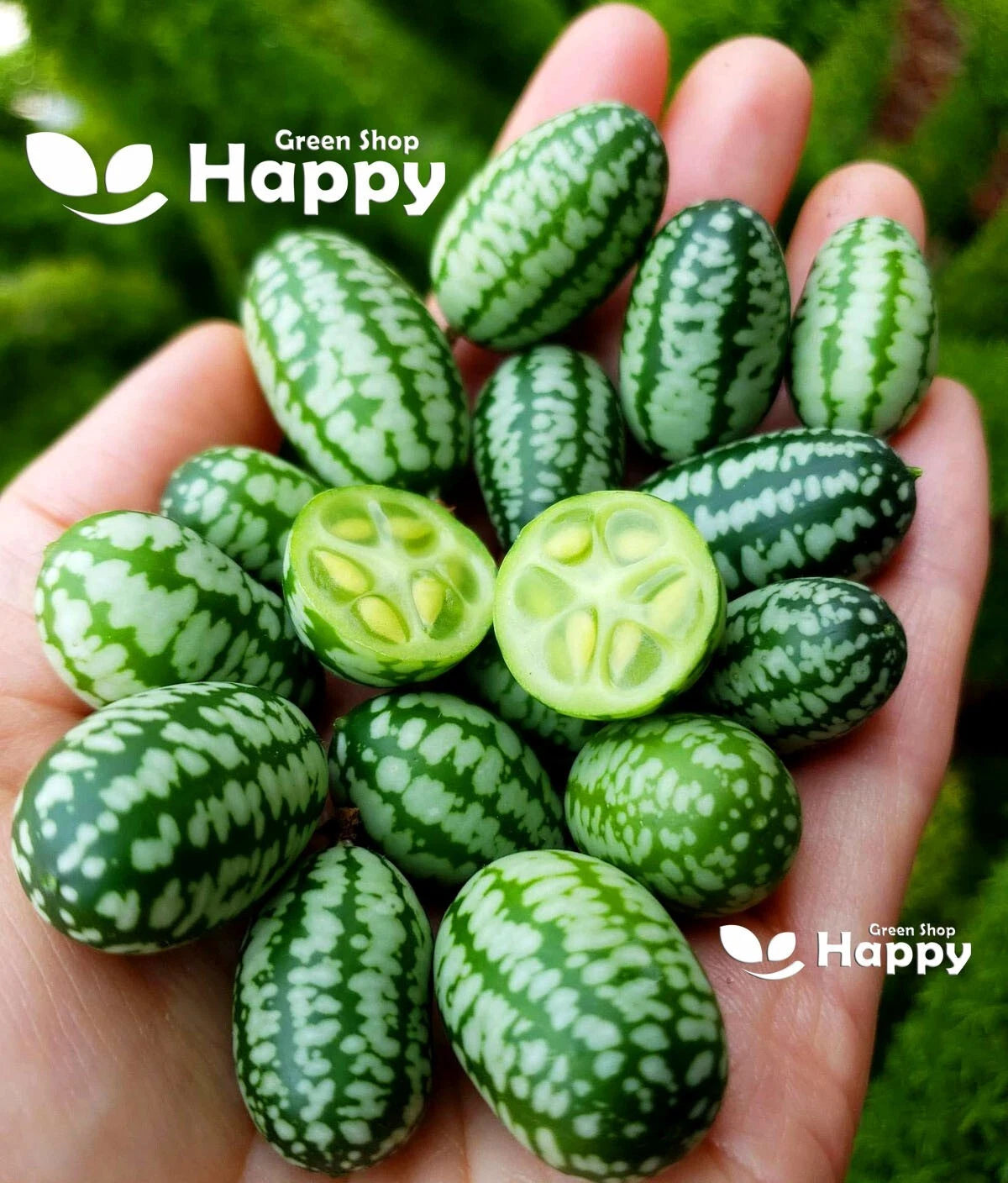
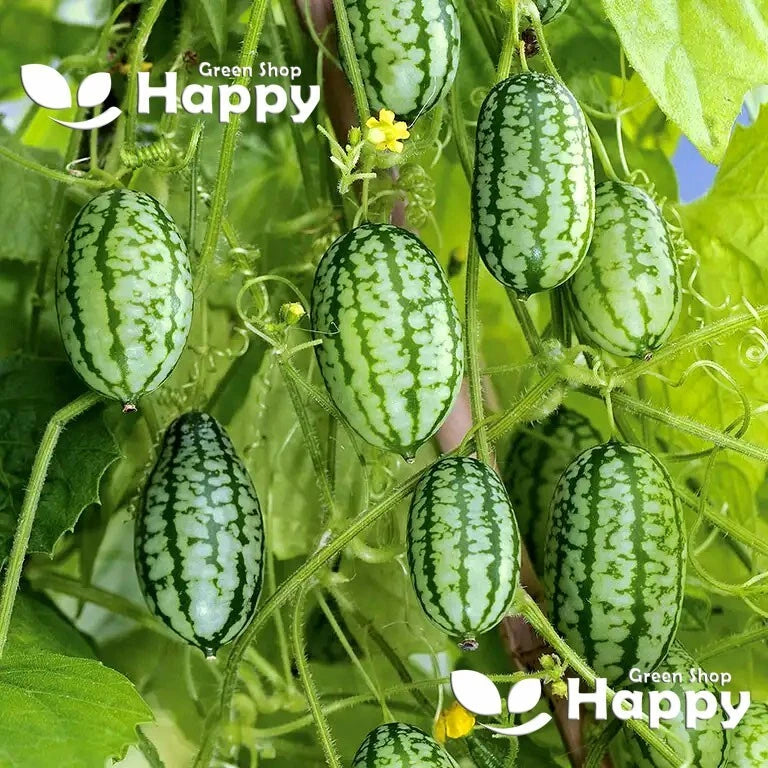
The quirky and delicious Cucamelon, also known as the Mouse Melon or Mexican Sour Gherkin, produces miniature watermelon-lookalike fruits with a refreshing cucumber-like taste and a hint of citrus. These grape-sized fruits are perfect for snacking, adding to salads, or pickling. Easy to grow and highly productive, they are a fun and unique addition to any kitchen garden.
How to Grow
-
Sow indoors from April to May in pots at 20–24°C.
-
Sow 1 cm deep in moist compost.
-
Transplant seedlings into larger pots or outdoors after the last frost.
-
Train plants to climb trellises or supports for the best yield.
-
Harvest fruits when grape-sized and firm.
Key Features
-
Produces tiny fruits resembling watermelons
-
Refreshing cucumber flavor with a citrus twist
-
High-yielding and easy to grow
-
Decorative and fun addition to gardens
-
Perfect for snacking, salads, and pickling
Ideal For
-
Healthy snacking straight from the vine
-
Adding crunch and flavor to salads
-
Homemade pickles and preserves
-
Gardeners looking for unusual and exciting crops
Sowing & Harvest
-
Sow: April to May (indoors)
-
Plant out: Late May to June
-
Spacing: 30–40 cm apart
-
Harvest: July to October
Quick Tip
-
Grow Cucamelons on a trellis or in hanging baskets to make harvesting easier and keep fruits clean.


Arugula ‘Garden Rocket’ Seeds (Eruca sativa)
Bring a peppery kick to your kitchen garden with Arugula ‘Garden Rocket’ (Eruca sativa). This fast-growing leafy green produces tender, deeply lobed leaves with a zesty, mustard-like flavor that’s perfect for salads, sandwiches, pizzas, and pasta dishes. Easy to grow and quick to mature, rocket is a must-have for continuous fresh harvests all season long.
How to Grow
-
Sow seeds directly outdoors from spring through autumn.
-
Use fertile, well-drained soil in full sun or partial shade.
-
Sow seeds 0.5 cm deep in rows, spacing 10–15 cm apart.
-
Keep soil moist for steady growth.
-
Harvest young leaves within 3–5 weeks for the best flavor.
Key Features
-
Fast-growing leafy green with peppery flavor
-
Ready to harvest in just a few weeks
-
Perfect for salads, sandwiches, pizzas, and pasta
-
Easy to grow in beds, borders, or containers
-
Continuous cropping with succession sowing
Ideal For
-
Fresh kitchen use in salads and cooked dishes
-
Containers, raised beds, and garden borders
-
Quick, cut-and-come-again harvesting
-
Gardeners of all skill levels
Sowing
-
Best time: Spring to autumn outdoors
-
Depth: 0.5 cm
-
Spacing: 10–15 cm apart
-
Prefers sun or partial shade with well-drained soil
Quick Tip
-
Sow every 2–3 weeks for a steady supply of young, tender leaves.
Sweet Corn 'Golden Bantam' – Seeds
(Zea mays) – Classic Heirloom Variety
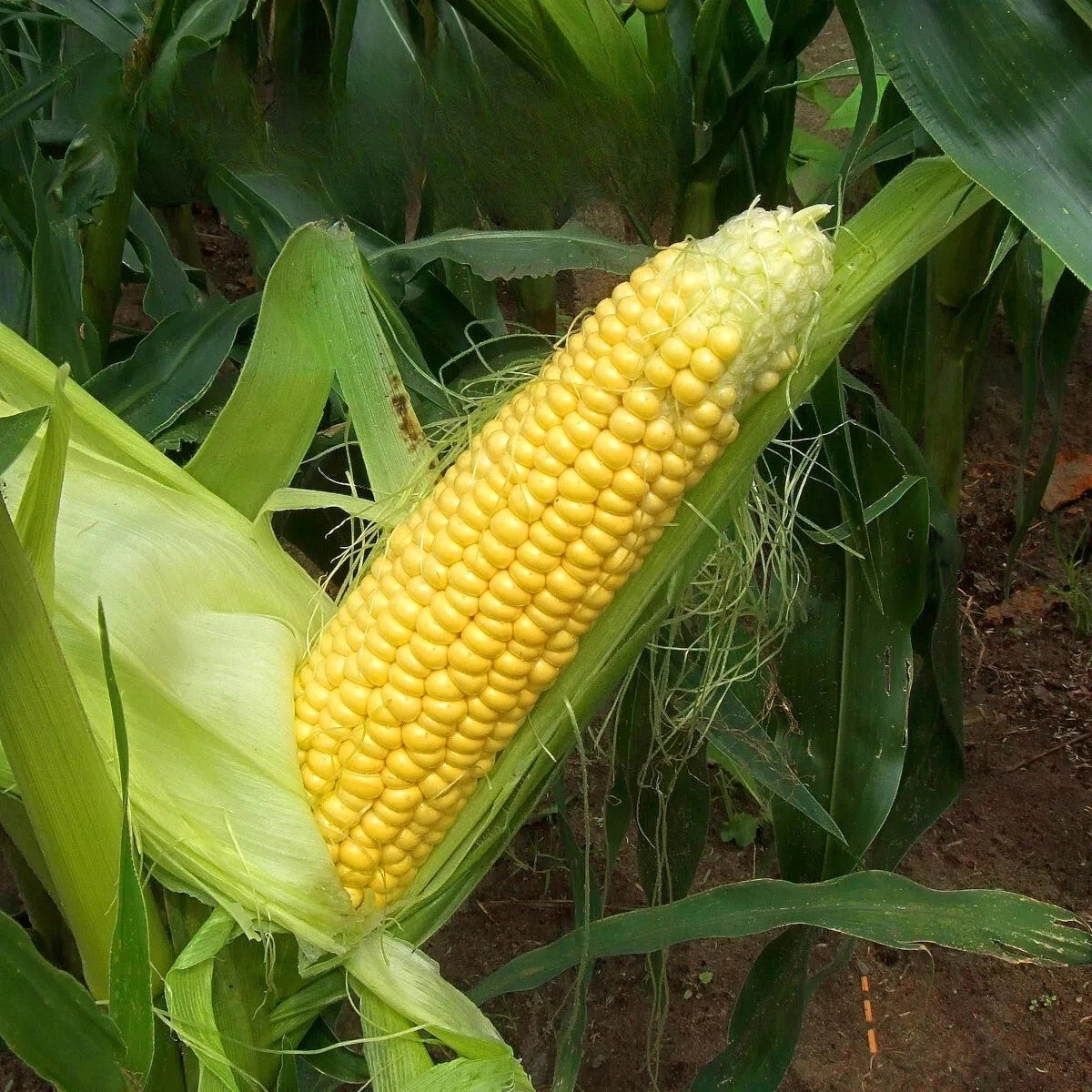
Sweet Corn 'Golden Bantam' is one of the most famous and reliable heirloom corn varieties, loved for its richly flavored golden-yellow kernels. Compact and highly productive, this variety produces medium-sized cobs packed with tender, sweet corn. Known for its adaptability and dependable harvests, it has been a gardener’s favorite for over a century.
Key Features
-
Type: Sweet corn (annual)
-
Height: 150–180 cm tall
-
Cobs: 12–18 cm long, golden-yellow kernels
-
Flavor: Classic sweet and creamy corn taste
-
Harvest: Mid-season (75–90 days after sowing)
-
Heritage: Famous heirloom, first introduced in the early 1900s
Ideal For
-
Home gardens and allotments
-
Fresh eating, grilling, and steaming
-
Freezing and preserving
-
Classic heirloom vegetable collections
Sowing & Growing
-
Sow indoors: April–May, in pots or modules.
-
Sow outdoors: May–June, after frost has passed.
-
Spacing: 20–25 cm between plants; 60 cm between rows.
-
Soil: Rich, fertile, well-drained soil.
-
Sunlight: Full sun, sheltered location.
-
Pollination: Plant in blocks of at least 3–4 rows for best cob formation.
Care Tips
-
Water well, especially during dry periods and when tassels appear.
-
Mulch around the base to retain soil moisture.
-
Harvest when silks turn brown and kernels exude milky juice when pressed.
Showing 18/237


