
Sort by:
237 products
237 products

Cucumber 'Gherkin' F1 Seeds (Cucumis sativus)
Enjoy crisp, crunchy harvests with Cucumber 'Gherkin' F1, a high-yielding hybrid variety bred for pickling and fresh eating. Producing small, uniform cucumbers with tender skins and excellent flavor, this vigorous plant is perfect for jars of homemade pickles or snacking straight from the vine. Reliable and easy to grow, it’s a garden favorite for beginners and experts alike.
How to Grow
-
Sow indoors in late spring or directly outdoors after frost.
-
Prefers rich, well-drained soil in a sunny, sheltered spot.
-
Sow 1–2 cm deep in small pots or stations outdoors.
-
Transplant or thin to 30–40 cm apart.
-
Train plants vertically for best yield and airflow.
Key Features
-
F1 hybrid gherkin cucumber with uniform fruits
-
Crunchy, tender texture and excellent flavor
-
Perfect for pickling and fresh snacking
-
Heavy cropping and disease resistant
-
Suitable for outdoor beds, greenhouses, or containers
Ideal For
-
Homemade pickles and preserves
-
Fresh salads and snacks
-
Small gardens, patios, and greenhouses
-
Gardeners seeking reliable high yields
Sowing
-
Best time: Late spring to early summer
-
Depth: 1–2 cm
-
Spacing: 30–40 cm between plants
-
Requires fertile, moist but well-drained soil in full sun
Quick Tip
-
Pick fruits regularly when young to encourage continuous production.
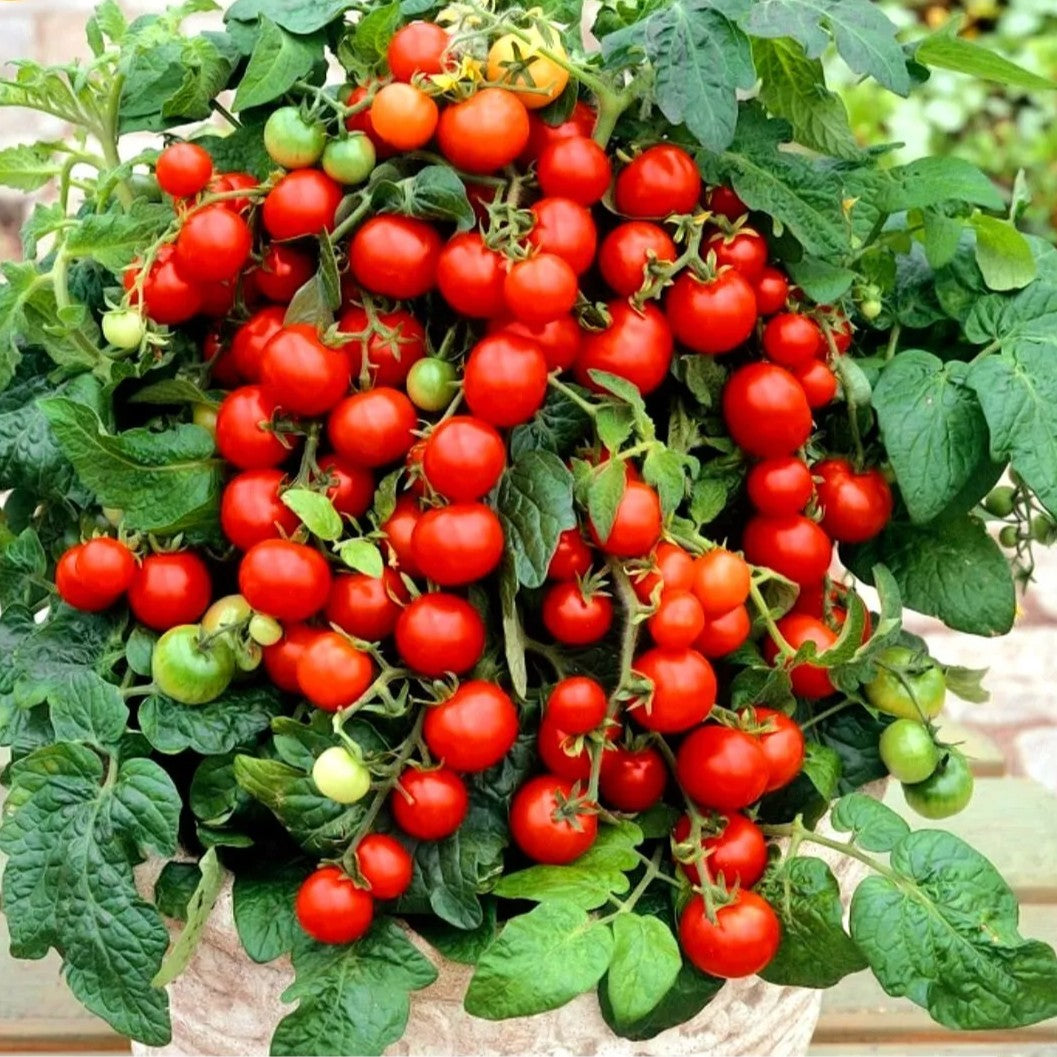
Tomato ‘Maskotka’ – Seeds (Solanum lycopersicum)
Tomato ‘Maskotka’ is a Polish-bred bush variety producing abundant clusters of small, juicy, sweet cherry tomatoes. Compact and naturally trailing, it is perfect for pots, hanging baskets, and containers, making it a favorite for balcony and patio growing. With its reliable crops and rich flavor, ‘Maskotka’ is an excellent choice for fresh snacking, salads, or garnishes.
How to Grow
-
Sow indoors: February – April, 0.5 cm deep in seed trays or pots.
-
Transplant: When seedlings are large enough, move to individual pots. Harden off and plant outdoors after the last frost.
-
Position: Full sun, sheltered spot.
-
Soil: Fertile, well-drained compost.
-
Habit: Compact bush (no need to pinch side shoots).
Key Features
-
Heavy crops of sweet cherry tomatoes
-
Compact, trailing bush – ideal for containers & baskets
-
Early and reliable cropping variety
-
Low-maintenance: no staking or pinching required
Ideal For
-
Pots, hanging baskets, and balcony gardens
-
Fresh eating straight from the plant
-
Salads, garnishes, and healthy snacking
Sowing & Harvest
-
Sow: February – April
-
Harvest: July – September
Quick Tip
‘Maskotka’ thrives in containers with regular feeding and watering. Perfect for those who want high yields with minimal effort.
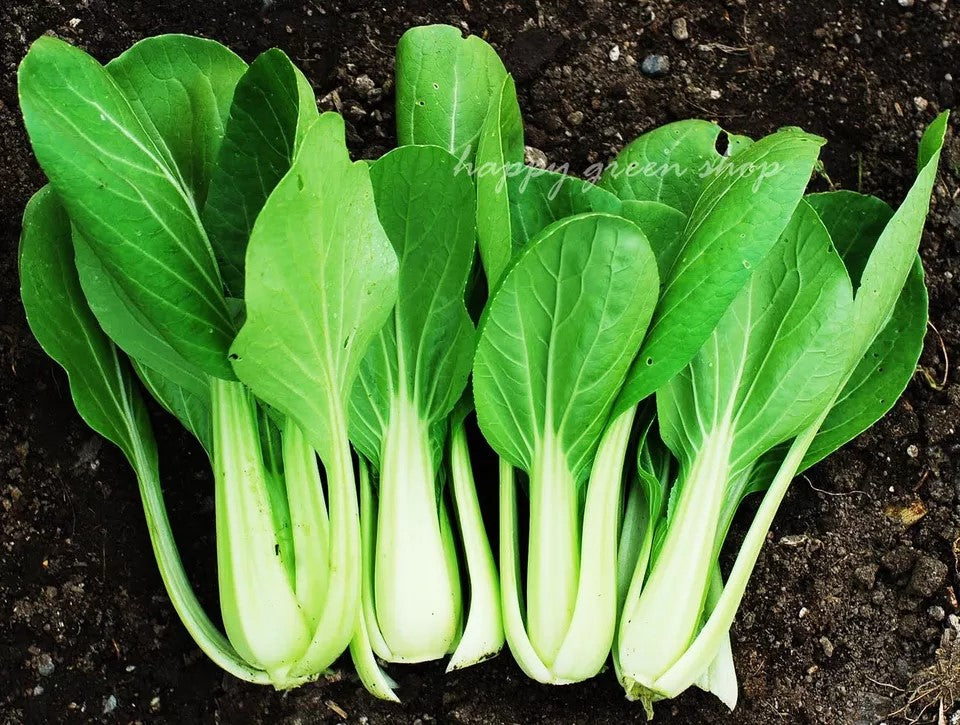
Chinese Cabbage ‘Pak Choi’ Seeds (Brassica oleracea)
Add fresh crunch to your kitchen garden with Chinese Cabbage ‘Pak Choi’ (Brassica oleracea). This fast-growing Asian green produces crisp white stems and tender, glossy green leaves with a mild, sweet flavor. Delicious in stir-fries, soups, and salads, Pak Choi is versatile, nutritious, and easy to grow in beds, borders, or containers.
How to Grow
-
Sow seeds indoors from early spring or directly outdoors from spring to late summer.
-
Use fertile, moist, well-drained soil in full sun or partial shade.
-
Sow seeds 1 cm deep and thin seedlings to 20–25 cm apart.
-
Keep soil consistently moist to prevent bolting.
-
Harvest young leaves as cut-and-come-again or allow plants to mature for full heads.
Key Features
-
Crisp white stems with tender, green leaves
-
Mild, sweet flavor with high nutritional value
-
Fast-growing and productive crop
-
Excellent for stir-fries, soups, and fresh salads
-
Thrives in gardens, raised beds, and containers
Ideal For
-
Stir-fries, soups, and salads
-
Cut-and-come-again harvesting or full heads
-
Home gardens, allotments, and container growing
-
Quick, healthy crops for continuous harvest
Sowing
-
Best time: Spring to late summer
-
Depth: 1 cm
-
Spacing: 20–25 cm apart
-
Prefers full sun or partial shade, fertile and moist soil
Quick Tip
-
Sow in succession every few weeks for a steady supply of fresh, crunchy Pak Choi.

Tomato Trailing 'Gardenperle' Seeds (Solanum lycopersicum)
Add a cascade of flavor and color to your garden with Tomato 'Gardenperle', a trailing cherry tomato variety perfect for hanging baskets, pots, and containers. Producing abundant clusters of small, sweet, red fruits all season long, this compact plant is a delight for fresh snacking, salads, and garnishes. Easy to grow and highly ornamental, it’s an excellent choice for small spaces and patio gardens.
How to Grow
-
Sow indoors 6–8 weeks before the last frost.
-
Transplant outdoors or into large containers after frost has passed.
-
Plant in full sun with fertile, well-drained soil.
-
Sow 0.5 cm deep and space plants 30–40 cm apart.
-
Provide regular watering and feed for maximum yield.
Key Features
-
Trailing cherry tomato variety
-
Sweet, bite-sized red fruits
-
Perfect for hanging baskets and pots
-
Compact and ornamental growth habit
-
Heavy cropping throughout summer
Ideal For
-
Patio and balcony gardens
-
Hanging baskets and window boxes
-
Fresh snacking and salads
-
Gardeners with limited space
Sowing
-
Best time: Indoors in early spring
-
Depth: 0.5 cm
-
Spacing: 30–40 cm apart
-
Prefers sunny, sheltered spots with fertile soil
Quick Tip
-
Pinch out side shoots sparingly; allow natural trailing for maximum cascading effect.
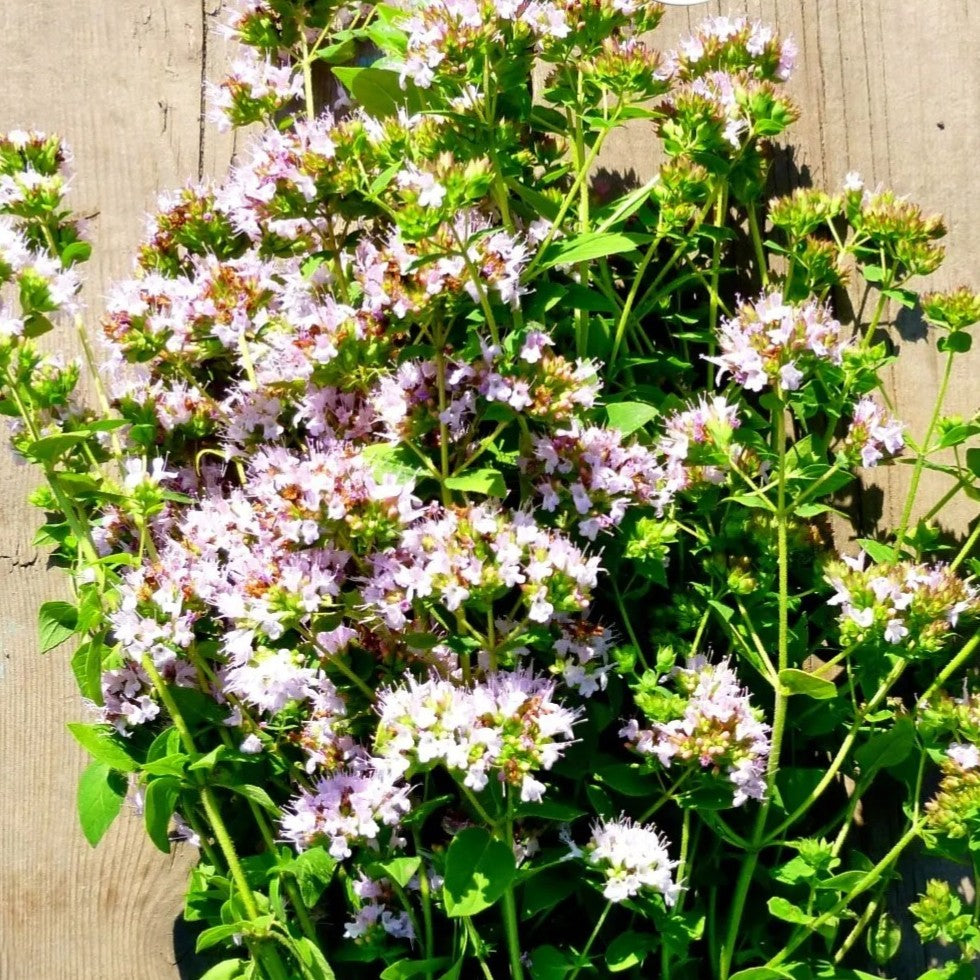

Wild Marjoram – Oregano – Seeds (Origanum vulgare)
Wild Marjoram (Oregano) is a hardy perennial herb cherished for its fragrant leaves and delicate pink-purple flowers. A staple of Mediterranean cooking, oregano adds a rich, earthy flavor to pizzas, pasta, sauces, and roasted vegetables. Beyond the kitchen, its nectar-rich flowers are a magnet for bees and butterflies, making it a wonderful addition to herb gardens, borders, and pollinator-friendly spaces.
How to Grow
-
Sow indoors: March – May in seed trays or pots.
-
Transplant outdoors: After the last frost in a sunny, well-drained spot.
-
Spacing: 25–30 cm apart.
-
Oregano prefers light, well-drained soil and thrives in warm, sunny conditions.
Key Features
-
Aromatic herb essential for Mediterranean cuisine
-
Hardy perennial, easy to grow
-
Attracts bees and butterflies with summer blooms
-
Suitable for pots, containers, or borders
-
Drought-tolerant once established
Ideal For
-
Culinary herb gardens
-
Fresh or dried use in cooking
-
Pollinator-friendly borders
-
Container growing on patios or balconies
Sowing & Harvest
-
Sow: March – May
-
Harvest: June – October (leaves can be harvested fresh or dried)
Quick Tip
For the most intense flavor, harvest oregano leaves just before flowering, and dry them in a cool, airy place.

🌶️ Capsicum annuum Chilli Pepper ‘Jalapeño’ – Classic Mild–Hot Mexican Pepper with High Yields
‘Jalapeño’ is one of the world’s most recognisable chilli peppers, producing thick-walled, glossy green fruits that ripen to deep red. With a mild–medium heat level (2,500–8,000 SHU), it is ideal for salsas, grilling, stuffing, pickling, and everyday cooking. Strong, compact plants are highly productive, offering a long harvest window both in green and fully ripened red stages. Performs exceptionally well in pots, greenhouses, and sunny patios.
Key Features
● Classic Mexican chilli – mild to medium heat
● Thick-walled fruits perfect for stuffing, pickling and grilling
● Harvest green or red for different flavours
● High-yielding, compact plants suitable for containers
● Long cropping season from mid-summer to autumn
How to Sow & Grow Chilli Pepper ‘Jalapeño’ (UK)
Sow indoors: II–IV (February–April) in trays or pots
Transplant outdoors: V–VI (May–June) once nights stay above 10 °C (50 °F)
Direct outdoors: Not recommended (needs warmth)
Harvest: VII–X (July–October)
Germination temperature: 24–28 °C (75–82 °F)
Average germ time: 10–20 days
Depth: 0.5 cm (¼ in)
Light required: Yes
Moisture: Keep soil evenly moist; avoid waterlogging
Environment: Full sun
Soil type: Fertile, well-drained compost; pH 6.0–7.0
Plant spacing: 40 × 40 cm (16 × 16 in)
Height: 60–90 cm (24–36 in)
Sowing & Growing Tips (variety-specific)
● Provide bottom heat for faster germination.
● Pot on seedlings gradually to avoid stress.
● Feed weekly with tomato fertiliser once fruiting starts.
● Support branches when heavily loaded with fruit.
● Harvest regularly to encourage continuous cropping.
Special Features
● Traditional, authentic chilli for Mexican cuisine
● Reliable and productive even in UK summers
● Versatile — harvest green for fresh use or red for heat and sweetnes
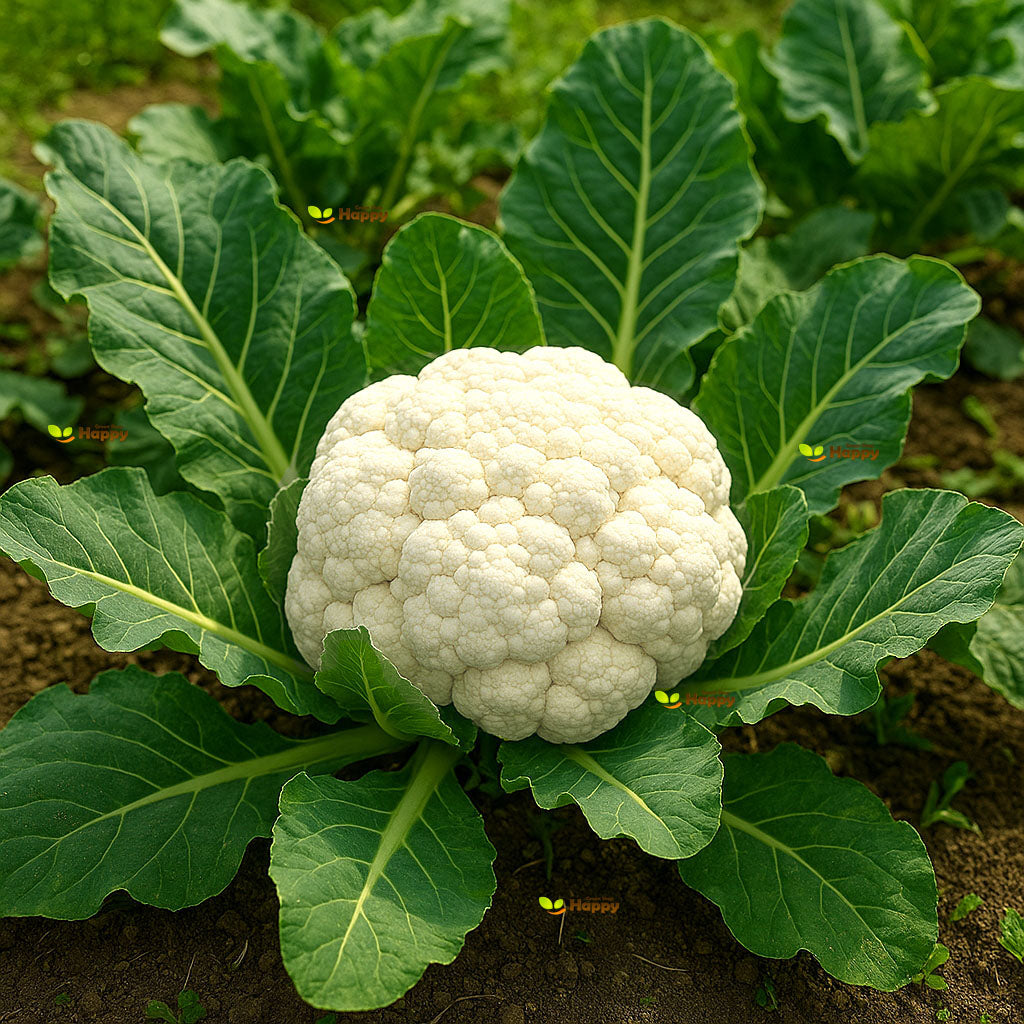
Cauliflower ‘All The Year Round’ – Seeds (Brassica oleracea)
Description:
Enjoy reliable harvests with Cauliflower ‘All The Year Round’ (Brassica oleracea), a versatile and hardy variety suitable for spring, summer, and autumn cropping. It produces compact, white heads with excellent flavor and texture, ideal for steaming, roasting, or use in soups and casseroles. Easy to grow from seed, this dependable cauliflower performs well in most soils and weather conditions, making it perfect for home gardens and allotments.
Key Features
-
Reliable, hardy variety for multiple seasons
-
Compact, firm white curds with great flavor
-
Suitable for spring, summer, and autumn harvests
-
Tolerant of varying weather conditions
-
Easy to grow from seed
Ideal For
-
Home and kitchen gardens
-
Allotments and vegetable plots
-
Fresh cooking, freezing, and preserving
-
Year-round vegetable production
Sowing & Growing
-
Sow Indoors: January–April
-
Sow Outdoors: March–June
-
Transplant Outdoors: April–July
-
Germination: 7–14 days at 15–20°C
-
Spacing: 45–60 cm apart
-
Light: Full sun
-
Soil: Fertile, firm, well-drained
Care Tips
-
Water regularly, especially during dry periods
-
Protect young plants from pests and frost
-
Add compost or organic matter before planting
-
Harvest when heads are firm and white

Onion ‘Ailsa Craig’ – Seeds
(Allium cepa)
Onion ‘Ailsa Craig’ is a traditional British heirloom variety, prized for its extra-large, globe-shaped bulbs and sweet, mild flavor. Known as the “show onion,” it’s a popular choice for exhibition growers and home gardeners alike. The golden-skinned bulbs can reach impressive sizes while maintaining tender, juicy flesh — perfect for slicing, salads, or cooking.
Key Features
-
Type: Bulb onion (Heirloom)
-
Bulb Size: Extra-large, globe-shaped
-
Skin Color: Golden-brown
-
Flesh: White, sweet, and mild
-
Days to Maturity: 100–120 days
-
Storage: Medium (best used fresh)
Ideal For
-
Exhibition and show growing
-
Fresh salads and mild onion dishes
-
Home gardens and allotments
Sowing & Growing
-
Sow indoors: January – February
-
Transplant outdoors: April – May
-
Harvest: August – September
-
Spacing: 10–15 cm apart
-
Position: Full sun
-
Soil: Rich, fertile, well-drained soil
Care Tips
-
Feed regularly for strong bulb growth.
-
Keep soil moist but avoid waterlogging.
-
Lift bulbs once tops start to yellow and fall over.
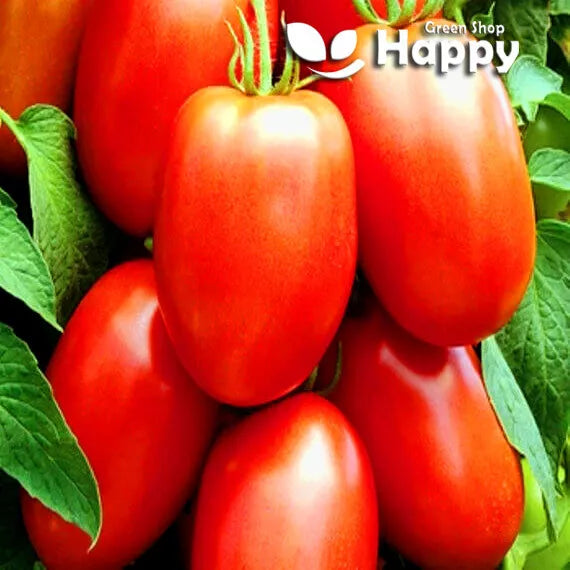
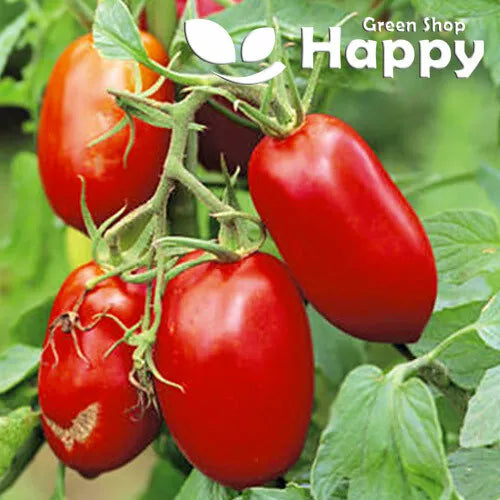
Tomato 'Roma VF' Seeds (Solanum lycopersicum)
Grow one of the most reliable plum tomatoes with Tomato 'Roma VF' (Solanum lycopersicum). This classic variety produces heavy crops of elongated, firm-fleshed fruits with few seeds and rich flavor, making it ideal for sauces, pastes, and cooking. Vigorous and disease-resistant (Verticillium and Fusarium wilt), 'Roma VF' is a dependable choice for gardeners who want both yield and quality.
How to Grow
-
Sow seeds indoors 6–8 weeks before the last frost.
-
Use fertile, well-drained soil in full sun.
-
Sow 0.5 cm deep and keep soil moist at 20–25°C until germination (7–14 days).
-
Transplant outdoors or into greenhouses after frost, spacing 45–60 cm apart.
-
Support plants with stakes or cages for best results.
Key Features
-
Classic plum tomato variety
-
Produces firm, meaty fruits with few seeds
-
Perfect for sauces, pastes, and cooking
-
Resistant to Verticillium and Fusarium wilt
-
High yields and dependable growth
Ideal For
-
Homemade sauces and pastes
-
Cooking, roasting, and preserving
-
Outdoor beds, greenhouses, and containers
-
Gardeners seeking a disease-resistant tomato
Sowing
-
Best time: Indoors 6–8 weeks before last frost
-
Depth: 0.5 cm
-
Spacing: 45–60 cm apart
-
Prefers full sun and fertile, well-drained soil
Quick Tip
-
For maximum flavor, allow fruits to fully ripen on the vine before harvesting.
Showing 36/237

