
Sort by:
237 products
237 products
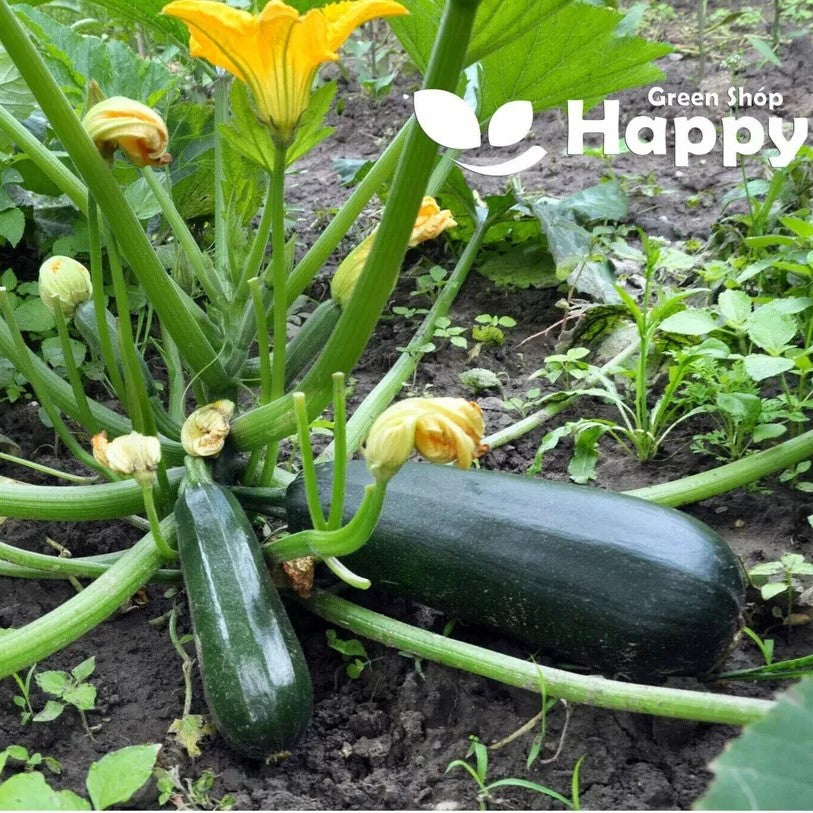
Courgette 'Black Beauty' Seeds (Cucurbita pepo)
A garden favorite for generations, Courgette 'Black Beauty' is a classic variety that produces glossy, dark green fruits with tender flesh and a mild, rich flavor. Prolific and reliable, this courgette will keep producing throughout summer if harvested regularly. Perfect for grilling, roasting, stir-fries, and even baking, it’s a versatile addition to both the garden and the kitchen.
How to Grow
-
Sow indoors from April to May or directly outdoors after frost.
-
Prefers fertile, well-drained soil in a sunny, sheltered position.
-
Sow 2–3 seeds 2 cm deep in pots or stations, thinning to the strongest plant.
-
Space plants 60–80 cm apart to allow room for growth.
-
Keep soil moist and harvest regularly to encourage continuous cropping.
Key Features
-
Classic, reliable courgette variety
-
Glossy dark green fruits with tender flesh
-
Heavy cropper throughout summer
-
Excellent flavor for cooking or eating fresh
-
Easy to grow and very productive
Ideal For
-
Home gardeners and allotments
-
Fresh summer cooking and preserving
-
Raised beds, kitchen gardens, and larger pots
-
Garden-to-table recipes all season long
Sowing
-
Best time: April to June
-
Depth: 2 cm
-
Spacing: 60–80 cm between plants
-
Position: Sunny, fertile soil
-
Harvest: July to September
Quick Tip
-
Pick courgettes while young (10–15 cm long) for the best flavor and to keep plants producing abundantly.
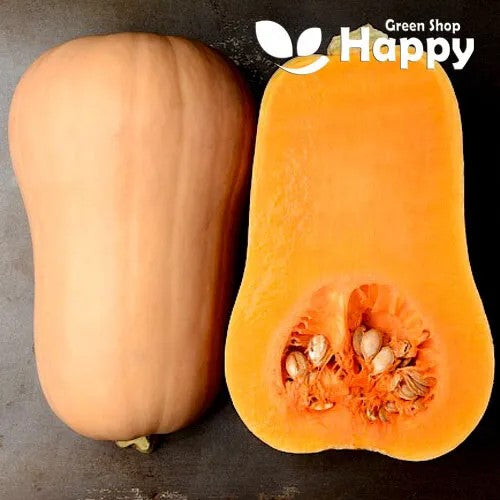
Squash 'Waltham Butternut' Seeds (Cucurbita moschata)
A true garden favorite, Squash 'Waltham Butternut' is a reliable heirloom variety producing pear-shaped fruits with smooth, creamy-orange skin and sweet, nutty flesh. This vigorous plant yields consistently, storing well for months after harvest, making it a staple for soups, roasting, and winter meals.
How to Grow
-
Sow indoors in late spring or directly outdoors after frost.
-
Use fertile, well-drained soil in a sunny, sheltered position.
-
Sow 2–3 seeds per station, 2.5 cm deep, spacing 90–100 cm apart.
-
Thin to the strongest seedling per station.
-
Harvest when fruits turn golden-tan and stems begin to dry.
Key Features
-
Classic butternut squash with pear-shaped fruits
-
Sweet, nutty orange flesh
-
Excellent storage quality for winter use
-
Heavy cropping, vigorous plants
-
Versatile for roasting, soups, and baking
Ideal For
-
Autumn and winter cooking
-
Long-term vegetable storage
-
Home gardens and allotments
-
Nutritious, hearty meals
Sowing
-
Best time: Late spring after frost
-
Depth: 2.5 cm
-
Spacing: 90–100 cm between plants
-
Prefers rich, well-drained soil in full sun
Quick Tip
-
Cure harvested squash in a warm, dry place for 10–14 days to improve sweetness and storage life.
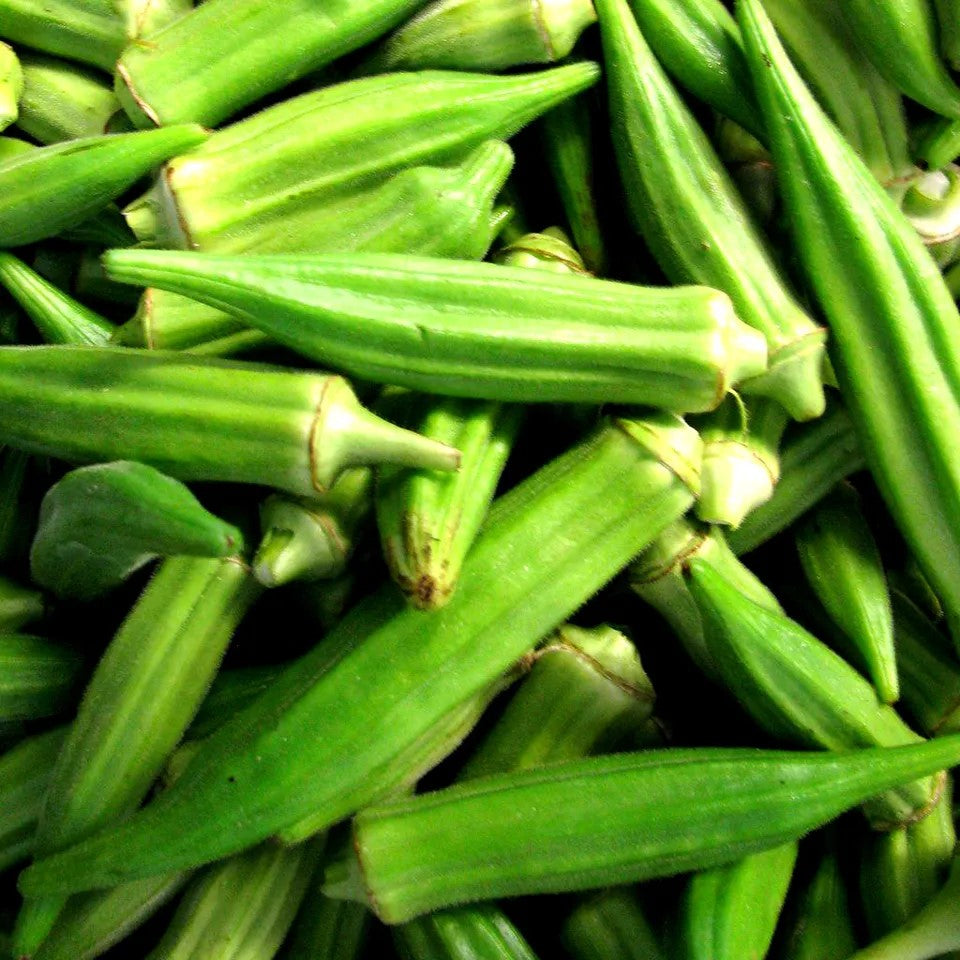
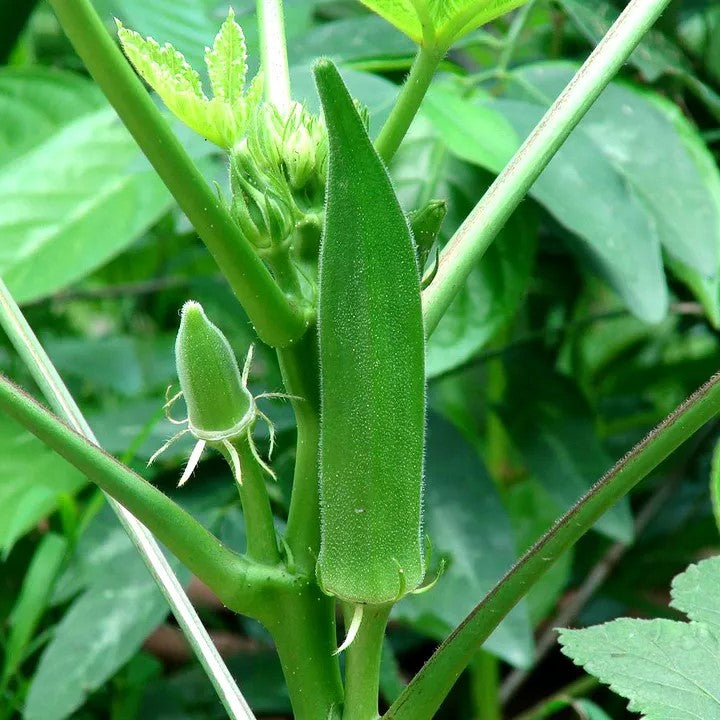
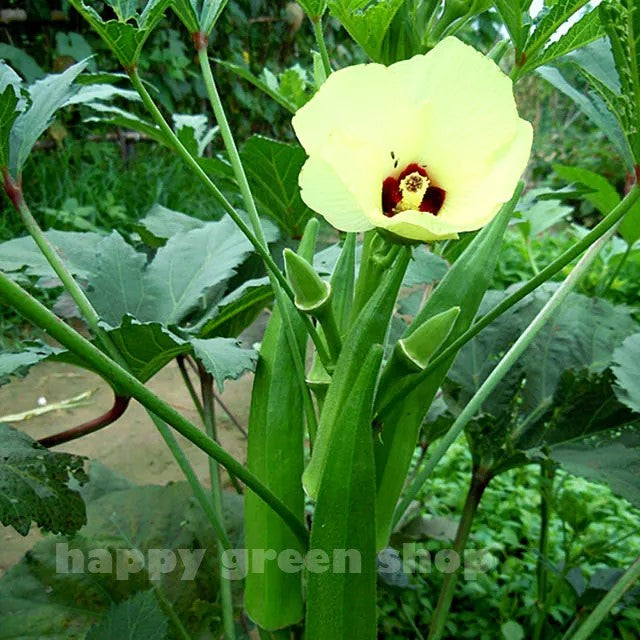
Okra 'Clemson Spineless' – Seeds (Abelmoschus esculentus)
Okra 'Clemson Spineless' is the most popular and widely grown okra variety, prized for its tender, spineless green pods and high yields. A warm-season crop, it thrives in sunny conditions and produces long, slim pods that are perfect for frying, grilling, soups, curries, and traditional gumbo dishes. Compact and productive, it’s ideal for home gardens or allotments.
How to Grow
-
Sow indoors: March – May in pots or modules with heat.
-
Transplant outdoors: After last frost when soil has warmed.
-
Soil: Fertile, well-drained soil in full sun.
-
Spacing: 30–45 cm apart.
-
Water regularly during dry spells to encourage pod production.
Key Features
-
Famous spineless okra variety
-
High-yielding and fast-growing
-
Tender, slim pods with rich flavor
-
Heat-loving annual for summer harvests
-
Perfect for gumbo, curries, soups, and frying
Ideal For
-
Kitchen gardens and allotments
-
Sunny, sheltered growing positions
-
Gardeners who enjoy exotic vegetables
Sowing & Harvest
-
Sow: March – May
-
Harvest: July – October
Quick Tip
Harvest pods when young (7–10 cm long) for the best flavor and tenderness. Picking regularly encourages further production.
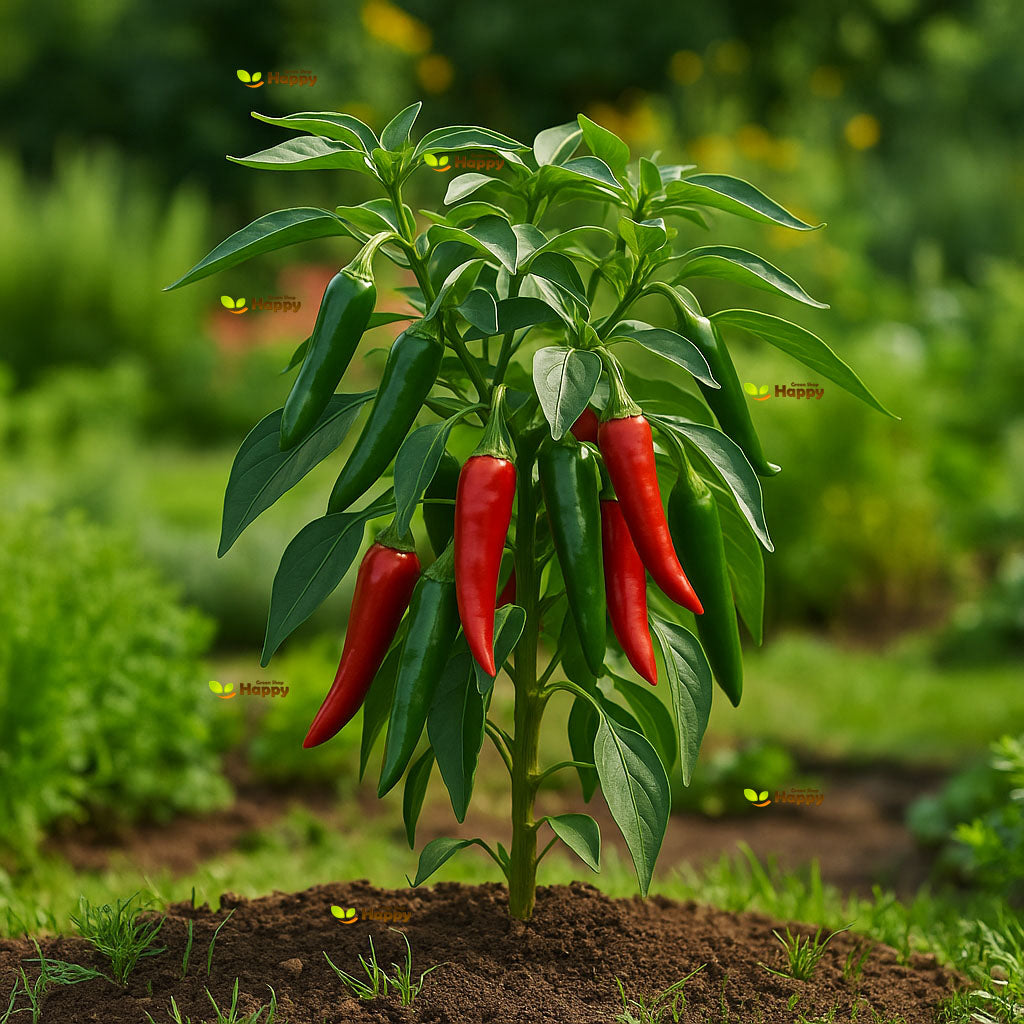
Chilli Pepper Serrano – Seeds (Capsicum annuum)
Description:
Add heat and flavor to your garden with Chilli Pepper Serrano (Capsicum annuum). This popular Mexican variety produces slender, dark green fruits that mature to bright red, offering a medium to hot spice level. Perfect for salsas, sauces, and cooking, Serrano peppers are compact, high-yielding plants suitable for containers, raised beds, or greenhouse cultivation. Easy to grow from seed, they provide a steady harvest throughout the summer.
Key Features
-
Medium-hot chili peppers with rich flavor
-
High-yielding, compact plants
-
Dark green fruits turning bright red at maturity
-
Ideal for salsas, sauces, and culinary use
-
Easy to grow from seed
Ideal For
-
Kitchen gardens, containers, and raised beds
-
Greenhouse cultivation
-
Cooking, sauces, pickling, and fresh use
-
Home gardeners seeking spicy peppers
Sowing & Growing
-
Sow Indoors: February–April
-
Transplant Outdoors: May–June, after frost
-
Germination: 10–14 days at 20–25°C
-
Spacing: 30–40 cm apart
-
Light: Full sun
-
Soil: Fertile, well-drained, rich in organic matter
Care Tips
-
Water consistently, keeping soil evenly moist
-
Fertilize every 2–3 weeks with a balanced or high-potassium fertilizer
-
Remove lower leaves to improve airflow and reduce disease
-
Harvest fruits when fully colored for best flavor
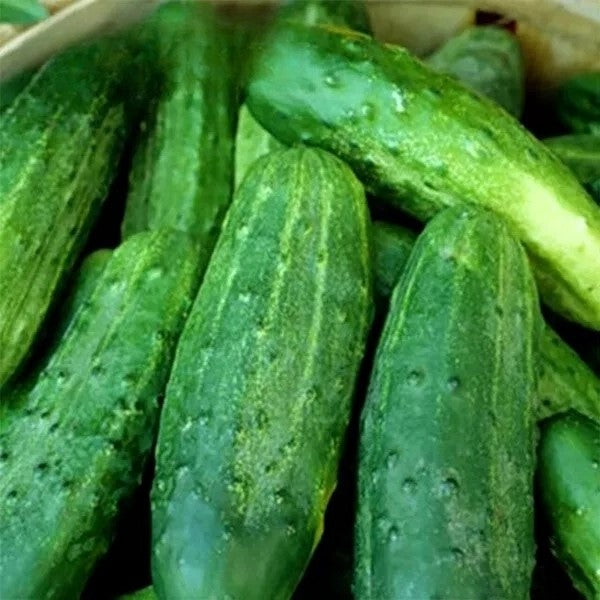
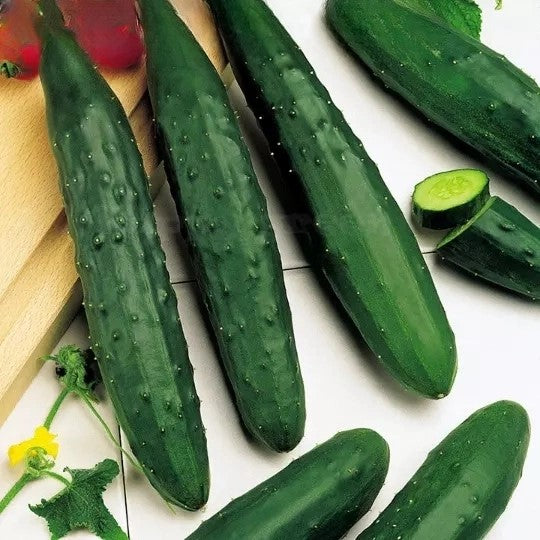
Cucumber 'Marketmore' – Seeds (Cucumis sativus)
Cucumber 'Marketmore' is a classic, reliable outdoor cucumber variety producing dark green, smooth-skinned fruits with crisp texture and excellent flavor. Highly productive and resistant to common diseases, it is perfect for slicing, salads, and fresh eating. Vigorous and easy to grow, ‘Marketmore’ is a favorite among both beginners and experienced gardeners.
How to Grow
-
Sow indoors: April – May in pots or trays.
-
Transplant outdoors: After last frost into a sunny, sheltered spot.
-
Sow direct outdoors: May – June, once soil is warm.
-
Spacing: 45–60 cm apart in rows or beds.
-
Provide regular watering and mulch to keep soil moist.
Key Features
-
Classic slicing cucumber variety
-
Smooth, dark green, uniform fruits
-
Crisp, refreshing flavor
-
Heavy cropping and reliable yields
-
Resistant to common cucumber diseases
Ideal For
-
Outdoor vegetable plots and raised beds
-
Fresh summer salads and sandwiches
-
Gardeners seeking a tried-and-true cucumber variety
Sowing & Harvest
-
Sow: April – June
-
Harvest: July – September
Quick Tip
Pick fruits regularly to encourage continuous production. Avoid letting cucumbers grow too large for the best taste and texture.
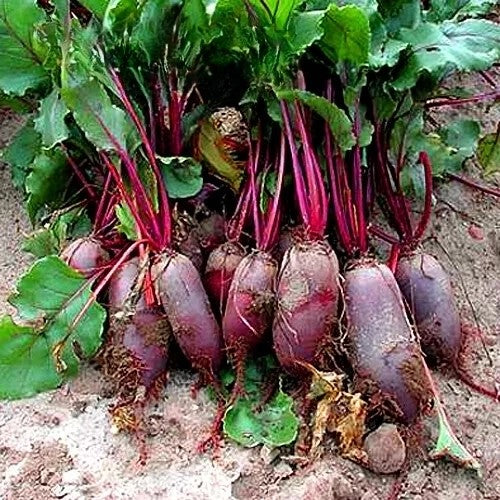
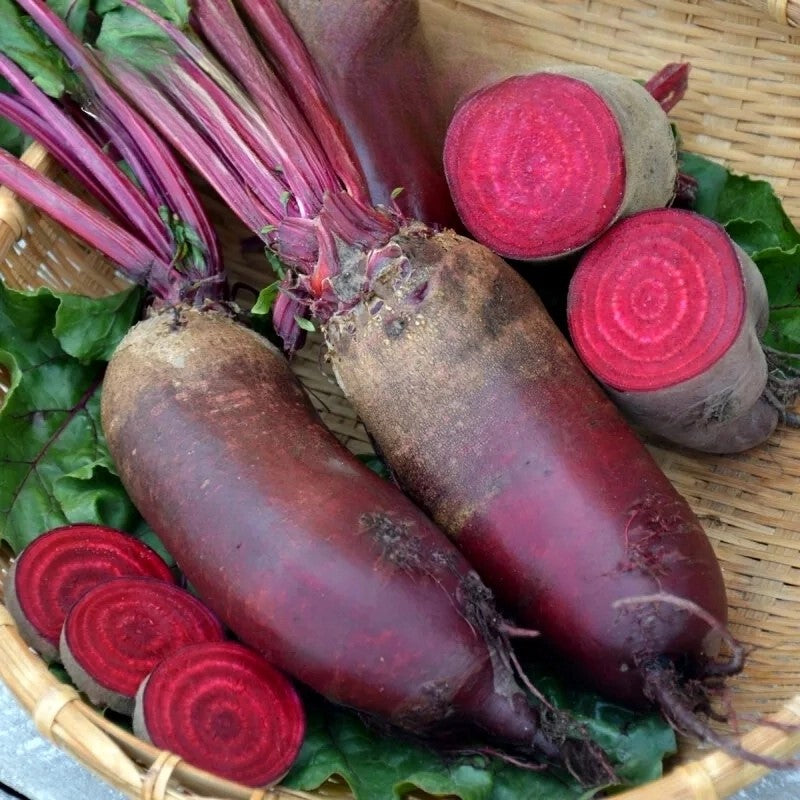
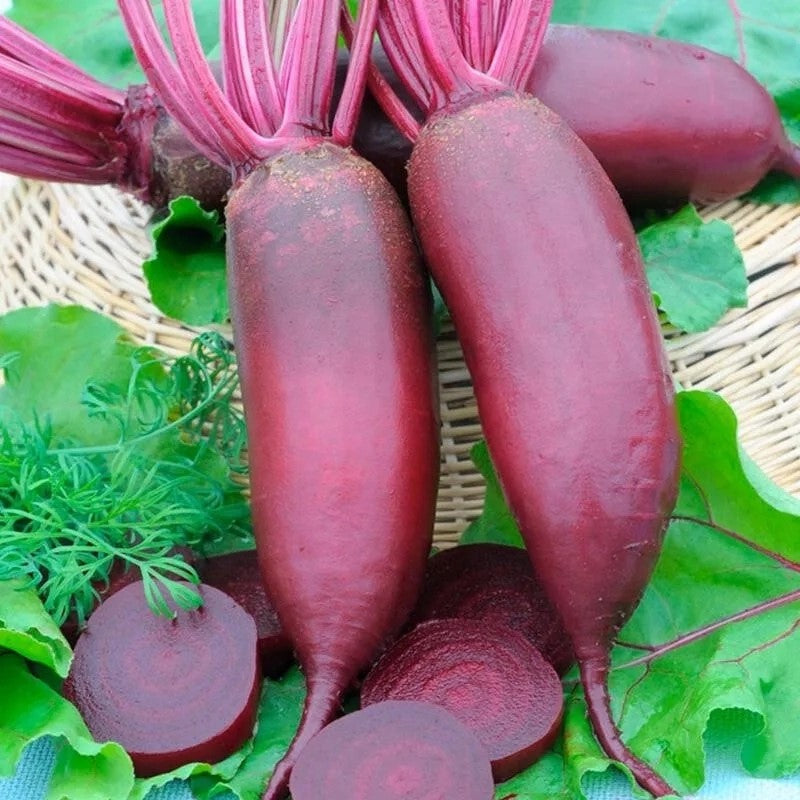
Beetroot 'Alexis' – Seeds
(Beta vulgaris) – Sweet, Tender & Early Harvest Variety
Beetroot 'Alexis' is a reliable, early-maturing variety known for its smooth, uniform, round roots with intensely dark red flesh that remains free of rings. It has a sweet, tender flavor even when roots grow larger, making it suitable for fresh eating, roasting, juicing, and preserving. The variety also shows good resistance to bolting.
Key Features
-
Type: Hardy biennial, grown as annual
-
Roots: Round, uniform, smooth skin
-
Flesh: Deep red, no rings
-
Flavor: Sweet, tender, mild earthy taste
-
Harvest: Early to mid-season
-
Use: Fresh salads, cooking, juicing, pickling, storage
Ideal For
-
Kitchen & home gardens
-
Early cropping with reliable yields
-
Fresh culinary use & winter storage
-
Succession sowing for continuous supply
Sowing & Growing
-
Sow outdoors: April–July, in rows 2–3 cm deep.
-
Spacing: 10 cm between plants, 25–30 cm between rows.
-
Soil: Fertile, light, well-drained, stone-free soil.
-
Harvest: June–October, depending on sowing time.
Care Tips
-
Thin seedlings early to allow roots to swell properly.
-
Keep soil consistently moist for tender, sweet roots.
-
Harvest when small for baby beets or later for larger storage roots.


🎃 Cucurbita pepo Winter Squash ‘Hungarian Blue’ – Rare Steel-Blue Squash with Sweet, Fine-Textured Flesh
‘Hungarian Blue’ is an unusual and visually striking winter squash producing beautifully ribbed fruits in shades of steel-blue to slate-grey. Inside, the deep orange flesh is sweet, dense, and fine-textured, ideal for roasting, soups, baking, and autumn–winter dishes. Fruits typically weigh 2–4 kg, store extremely well, and develop even better flavour after curing. Vigorous, productive plants thrive in sunny conditions and are well suited to kitchen gardens and allotments.
Key Features
● Rare steel-blue ribbed winter squash
● Sweet, dense, fine-grained orange flesh
● Fruits store well into winter
● Productive and vigorous vines
● Excellent for roasting, soups, baking and purées
How to Sow & Grow Winter Squash ‘Hungarian Blue’ (Cucurbita pepo) – UK
Sow indoors: IV–V (April–May) in pots
Transplant outdoors: V–VI (May–June) once frost danger has passed
Direct outdoors: V–VI (May–June) into warm soil
Harvest: IX–X (September–October)
Germination temperature: 18–24 °C (64–75 °F)
Average germ time: 7–14 days
Depth: 2–3 cm (¾–1¼ in)
Light required: Yes
Moisture: Keep soil evenly moist
Environment: Full sun
Soil type: Rich, fertile, moisture-retentive soil; add compost before planting
Plant spacing: 1–1.5 m (3–5 ft)
Vine length: 1.5–2.5 m (5–8 ft)
Sowing & Growing Tips (variety-specific)
● Start indoors for earlier harvests in cooler climates.
● Mulch well to maintain soil moisture and suppress weeds.
● Feed regularly with high-potash fertiliser during fruiting.
● Allow fruits to fully mature on the vine for best flavour.
● Cure harvested fruits in a warm, airy place for 10–14 days.
Special Features
● Rare heirloom colour — striking steel-blue rind
● Stores exceptionally well, improving in sweetness
● Compact vines compared to many winter squash types


Aubergine Eggplant ‘Black Beauty’ – 150 Seeds (Solanum melongena)
Description:
Grow classic, glossy eggplants with Aubergine ‘Black Beauty’ (Solanum melongena). This high-yielding variety produces large, dark purple fruits with tender flesh and mild flavor, perfect for grilling, roasting, or sautéing. Ideal for greenhouses, containers, and garden beds, ‘Black Beauty’ is easy to grow from seed and provides a long harvest throughout the summer. A favorite for home gardeners seeking versatile and productive eggplants.
Key Features
-
Large, glossy dark purple fruits
-
Mild, tender flesh suitable for a variety of dishes
-
High-yielding and long-harvesting variety
-
Easy to grow from seed
-
Ideal for greenhouses, containers, and garden beds
Ideal For
-
Kitchen and home vegetable gardens
-
Containers, raised beds, and greenhouse cultivation
-
Culinary use: grilling, roasting, sautéing
-
Home gardeners seeking productive eggplants
Sowing & Growing
-
Sow Indoors: February–April
-
Transplant Outdoors: May–June, after frost
-
Germination: 7–14 days at 20–25°C
-
Spacing: 50–60 cm apart
-
Support: Optional staking for heavy fruits
-
Light: Full sun
-
Soil: Fertile, well-drained, rich in organic matter
Care Tips
-
Water consistently, keeping soil evenly moist
-
Fertilize every 2–3 weeks with balanced fertilizer
-
Mulch to retain moisture and control weeds
-
Harvest when fruits are fully glossy and firm
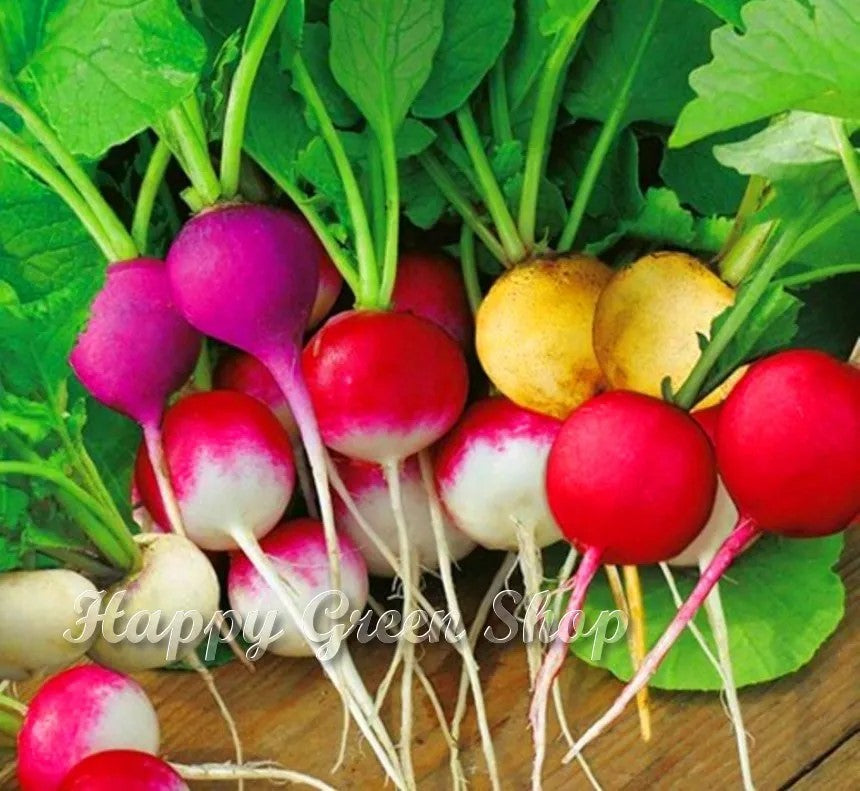
Radish 'Rainbow Mixed' Seeds (Raphanus sativus)
Brighten up your salads with Radish 'Rainbow Mixed', a colorful blend of quick-growing radishes in vibrant shades of red, pink, white, yellow, and purple. Crisp, crunchy, and full of flavor, this mix provides variety in both taste and appearance. Perfect for gardeners who want fast results and a cheerful harvest.
How to Grow
-
Sow directly outdoors from early spring through late summer.
-
Prefers light, well-drained soil in full sun.
-
Sow seeds thinly, 1–1.5 cm deep in rows 15 cm apart.
-
Thin seedlings to 3–5 cm spacing for best roots.
-
Keep soil moist for tender, mild radishes.
Key Features
-
Colorful blend of red, pink, white, yellow, and purple radishes
-
Crisp, crunchy texture with mild to peppery flavor
-
Fast-growing and ready in just a few weeks
-
Adds variety and color to salads and garnishes
-
Suitable for succession sowing for continuous crops
Ideal For
-
Fresh salads, snacks, and garnishes
-
Quick and easy crops for beginners
-
Adding vibrant color to the vegetable patch
-
Continuous harvests through spring and summer
Sowing
-
Best time: March to September
-
Depth: 1–1.5 cm
-
Row spacing: 15 cm
-
Plant spacing: Thin to 3–5 cm
-
Harvest: 3–5 weeks after sowing
Quick Tip
-
Sow little and often for a steady supply of fresh, colorful radishes.
Showing 45/237


