Sort by:
237 products
237 products

Pointed Red Cabbage ‘Kalibos’ – Seeds
(Brassica oleracea L.)
Pointed Red Cabbage ‘Kalibos’ is an exceptional variety combining the sweet flavor of pointed cabbage with the deep red color of traditional red cabbage. The tight, conical heads are medium-sized, firm, and full of crisp, tender leaves with a mild, slightly sweet taste—perfect for salads, coleslaws, and light cooking.
Key Features
-
Type: Red pointed cabbage
-
Head Shape: Conical, medium-sized, dense
-
Color: Deep purple-red
-
Taste: Sweet, mild, and crisp
-
Days to Maturity: 110–120 days
-
Harvest Period: Late summer to autumn
-
Storage: Good short-term storage variety
Ideal For
-
Home gardens and allotments
-
Fresh salads and coleslaws
-
Cooking, fermenting, and pickling
Sowing & Growing
-
Sow indoors: February – April
-
Transplant outdoors: April – May
-
Harvest: August – October
-
Spacing: 40 × 50 cm
-
Position: Sunny, sheltered spot
-
Soil: Fertile, moist, well-drained soil enriched with compost
Care Tips
-
Keep soil consistently moist for tender heads.
-
Apply organic fertilizer or compost during growth.
-
Protect from cabbage butterflies with netting.
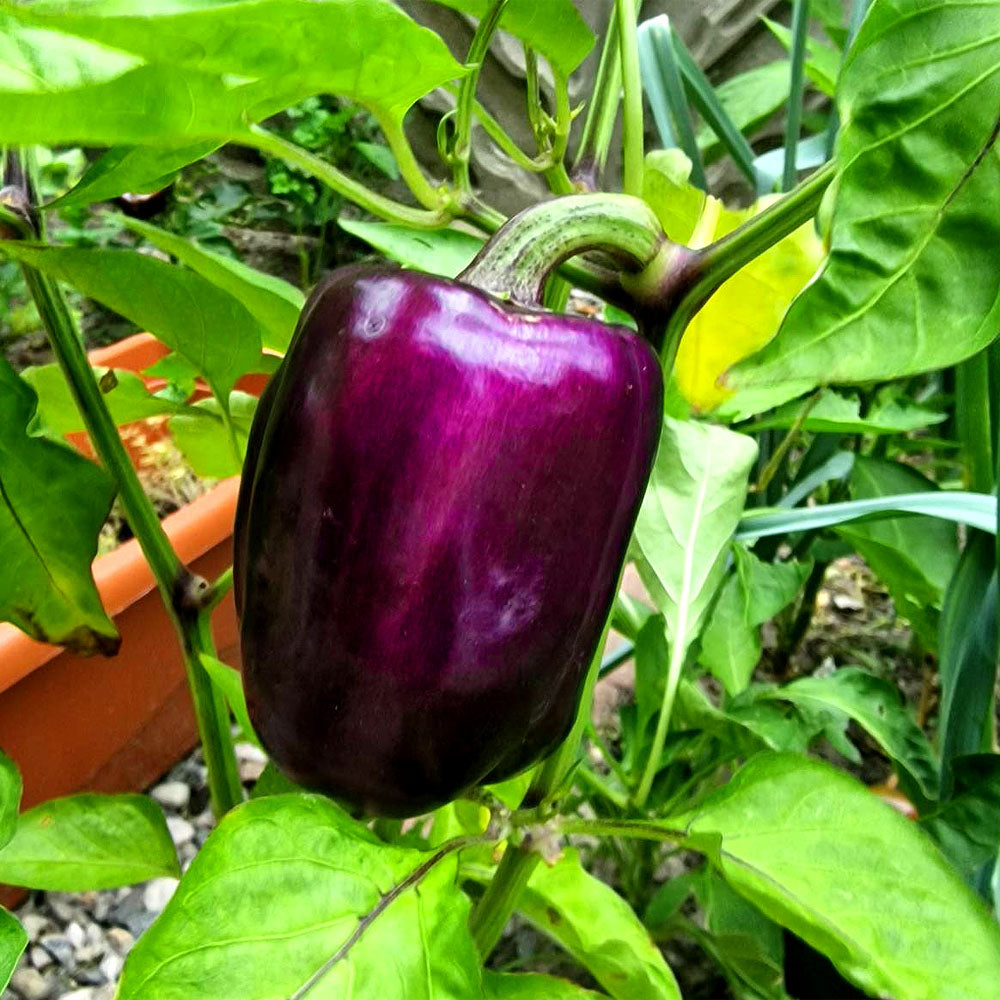
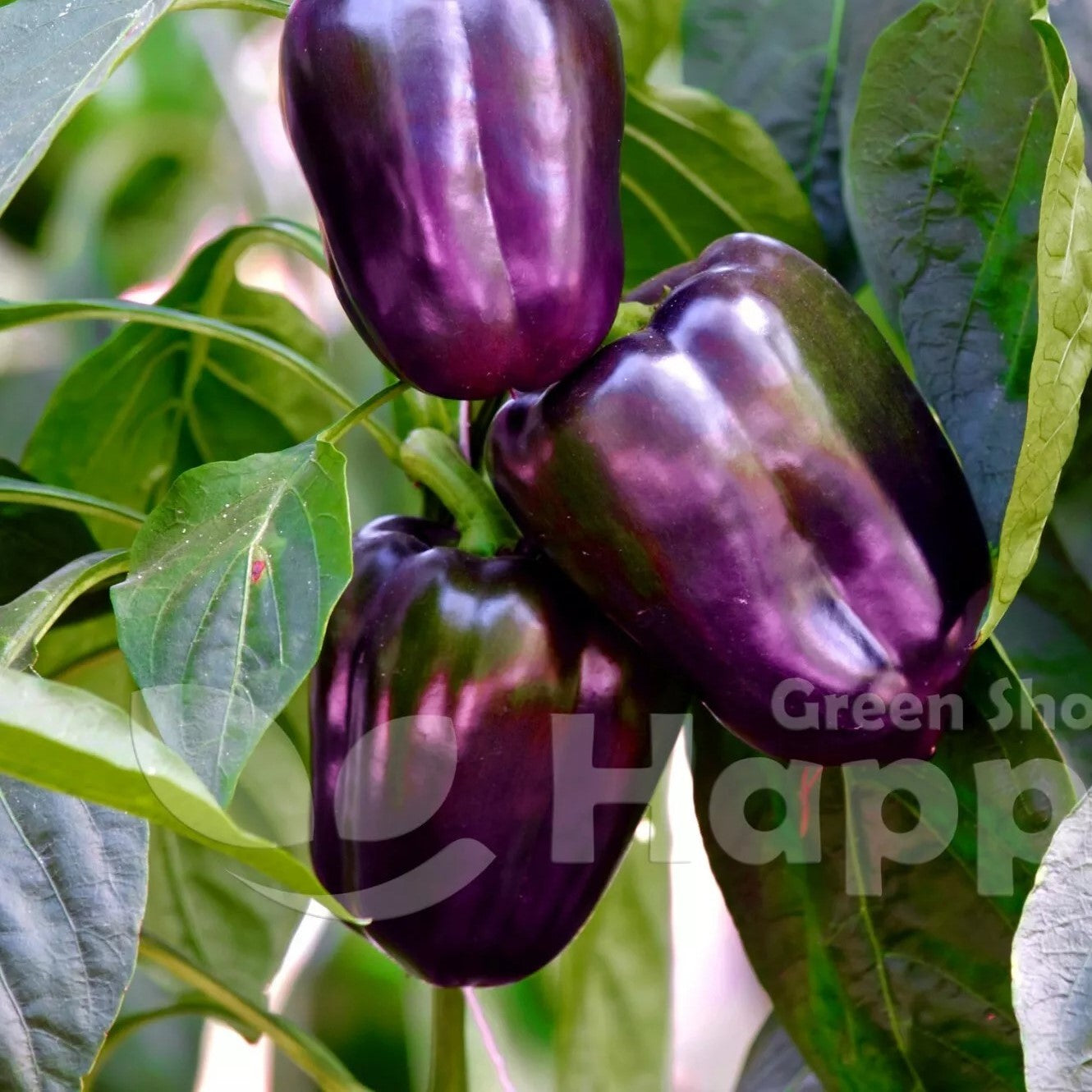
Sweet Pepper 'Purple Bell' Seeds (Capsicum annuum)
Grow something truly eye-catching with Sweet Pepper 'Purple Bell' (Capsicum annuum). This unique variety produces glossy, deep-purple bell peppers that are crisp, juicy, and sweet. Perfect for adding a splash of color to salads, stir-fries, or stuffed dishes, ‘Purple Bell’ combines ornamental beauty with outstanding flavor. Fruits mature from purple to red, giving you a colorful harvest throughout the season.
How to Grow
-
Sow seeds indoors 8–10 weeks before the last frost.
-
Use light, fertile, well-drained soil in full sun.
-
Sow 0.5 cm deep, keeping soil moist at 22–26°C until germination (7–14 days).
-
Transplant outdoors or into containers after frost, spacing 40–50 cm apart.
-
Water regularly and feed with a potassium-rich fertilizer.
Key Features
-
Striking purple bell pepper variety
-
Crisp, sweet, and juicy flavor
-
Fruits mature from purple to red for extended harvest
-
Ideal for containers, patios, or garden beds
-
Ornamental and edible in equal measure
Ideal For
-
Fresh eating and salads
-
Stuffing, roasting, and stir-fries
-
Patio pots and greenhouse growing
-
Gardeners wanting unique, colorful crops
Sowing
-
Best time: Indoors 8–10 weeks before last frost
-
Depth: 0.5 cm
-
Spacing: 40–50 cm apart
-
Prefers warm, sunny conditions and fertile, well-drained soil
Quick Tip
-
Harvest when purple for unique flavor and appearance, or allow to fully ripen to red for maximum sweetness.
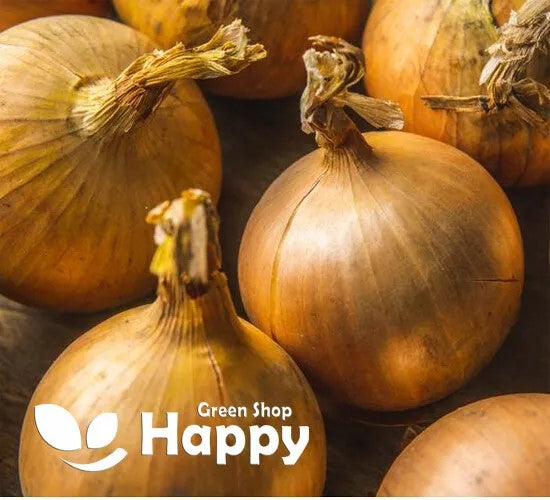
Onion 'Spanish Sun' Seeds (Allium cepa)
Bring sunshine to your garden with Onion 'Spanish Sun', a reliable, early-maturing variety that produces large, globe-shaped golden bulbs. Known for its mild, sweet flavor and crisp texture, it’s perfect for fresh salads, cooking, or storing. Easy to grow and versatile in the kitchen, this onion is a must-have for every vegetable garden.
How to Grow
-
Sow indoors from January to March or directly outdoors from March to April.
-
Prefers fertile, well-drained soil in full sun.
-
Sow seeds 1 cm deep in rows 30 cm apart.
-
Thin seedlings to 10 cm spacing for full-sized bulbs.
-
Keep soil moist but not waterlogged.
Key Features
-
Early-maturing, large golden bulbs
-
Mild, sweet flavor with crisp texture
-
Suitable for fresh use, cooking, or storing
-
Reliable variety for consistent yields
-
Easy to grow in most garden soils
Ideal For
-
Home gardeners and allotments
-
Fresh salads, soups, and everyday cooking
-
Long-term storage after harvest
-
Gardeners seeking early, high-quality onions
Sowing
-
Best time: Indoors January–March, outdoors March–April
-
Depth: 1 cm
-
Spacing: 10 cm between plants, 30 cm between rows
-
Position: Full sun, well-drained fertile soil
-
Harvest: August to September
Quick Tip
-
Allow bulbs to fully dry in the sun before storing to extend their shelf life.
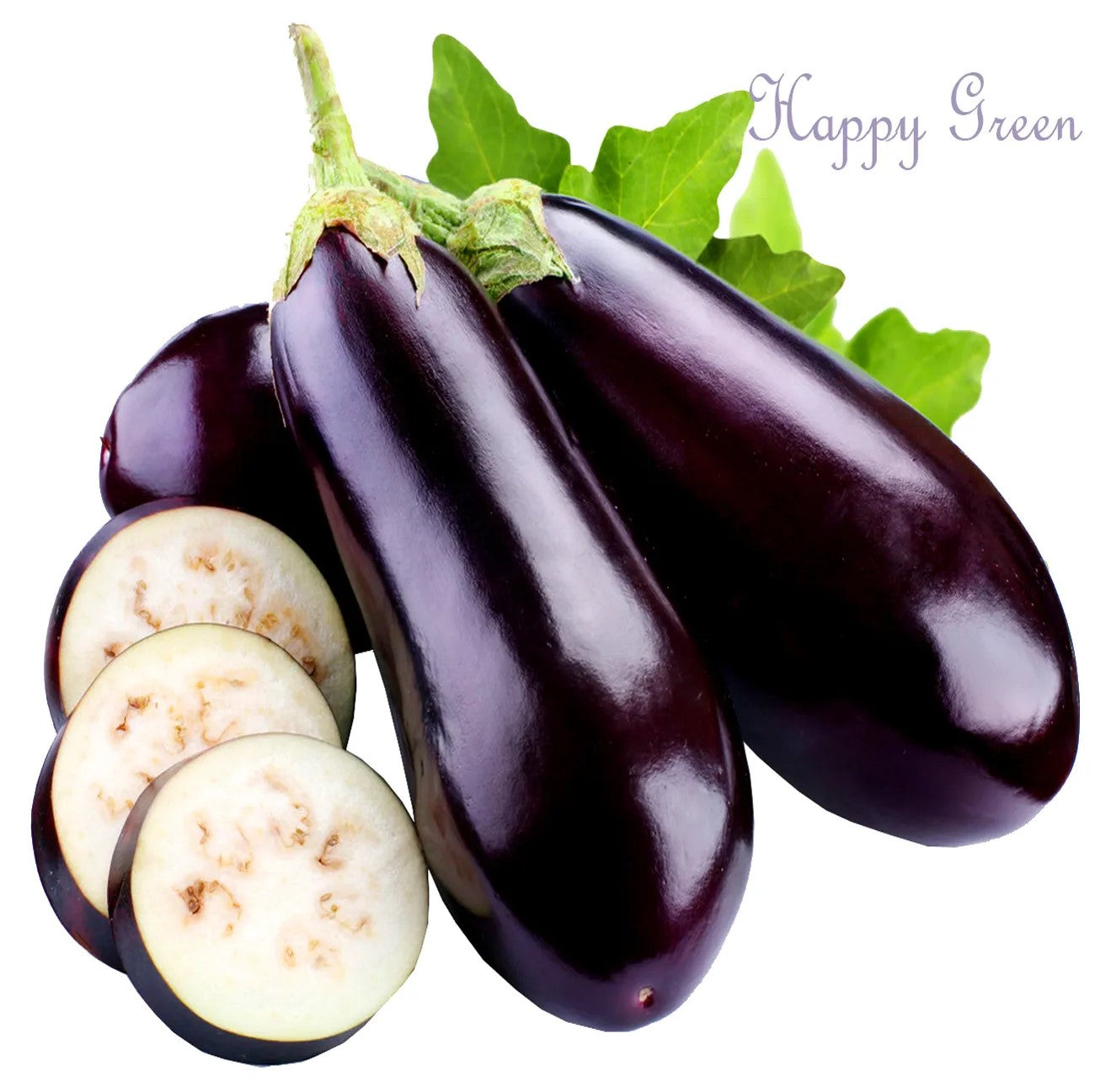
Aubergine 'Black Beauty' – Seeds (Solanum melongena)
The classic Black Beauty aubergine is a time-honored variety producing large, glossy, deep-purple fruits with tender flesh and rich flavor. Compact and reliable, it’s a favorite for home gardeners and a staple in Mediterranean cuisine. Perfect for grilling, roasting, baking, or adding to curries and stews, this aubergine is as versatile as it is delicious.
How to Grow
-
Sow seeds indoors from January to April in trays or pots.
-
Sow 0.5 cm deep in moist compost, keeping warm at 20–25°C.
-
Transplant seedlings into larger pots when big enough to handle.
-
Harden off and plant out in a greenhouse or sunny, sheltered spot once frosts have passed.
-
Support plants as they grow and keep soil moist.
Key Features
-
Classic heirloom aubergine variety
-
Large, glossy, deep-purple fruits
-
Rich, tender flesh with excellent flavor
-
Reliable and high-yielding
-
Suitable for greenhouses, polytunnels, or warm outdoor sites
Ideal For
-
Mediterranean cooking
-
Roasting, grilling, frying, and stews
-
Greenhouses, polytunnels, or sunny patios
-
Home gardeners seeking a proven classic
Sowing & Harvest
-
Sow: January to April (indoors)
-
Depth: 0.5 cm
-
Transplant spacing: 40–50 cm
-
Harvest: August to October
Quick Tip
-
Pinch out the growing tip when the plant reaches about 30 cm to encourage bushier growth and more fruit.
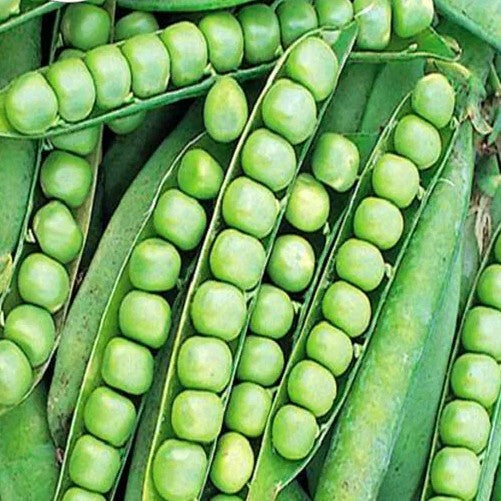
Pea ‘Alderman’ Seeds (Pisum sativum)
Enjoy sweet, tender peas with Pea ‘Alderman’ (Pisum sativum). This classic climbing variety produces long, plump pods filled with flavorful peas, perfect for fresh eating, steaming, or freezing. Hardy and highly productive, it’s ideal for vegetable gardens, allotments, and homegrown culinary delights.
How to Grow
-
Sow seeds directly outdoors from early spring as soon as the soil can be worked.
-
Use well-drained, fertile soil in full sun to partial shade.
-
Sow seeds 3–5 cm deep and 5–7 cm apart in rows 50–60 cm apart.
-
Provide support with stakes, netting, or a trellis for climbing growth.
-
Water consistently, keeping soil moist but not waterlogged.
-
Harvest pods when peas are fully formed but still tender.
Key Features
-
Long, plump, sweet-flavored pods
-
Hardy, climbing, and highly productive
-
Ideal for fresh eating, steaming, or freezing
-
Easy to grow in temperate climates
-
Perfect for vegetable gardens, allotments, and homegrown use
Ideal For
-
Vegetable gardens and allotments
-
Fresh harvest for cooking and freezing
-
Vertical planting with trellises or stakes
-
Companion planting with nitrogen-demanding crops
Sowing
-
Best time: Early spring outdoors
-
Depth: 3–5 cm
-
Spacing: 5–7 cm apart, rows 50–60 cm apart
-
Prefers full sun to partial shade and fertile, well-drained soil
Quick Tip
-
Sow successive batches every 2–3 weeks to enjoy a continuous harvest throughout the season.

Chinese Cabbage 'Hilton' – Seeds (Brassica oleracea)
Chinese Cabbage 'Hilton' is a highly productive, reliable variety that produces large, barrel-shaped heads with crisp, pale green leaves and a sweet, mild flavor. Popular in Asian cuisine, it’s perfect for stir-fries, soups, salads, and traditional dishes like kimchi.
Fast-growing and versatile, 'Hilton' is ideal for both spring and late-summer sowings, offering gardeners a quick and rewarding crop.
How to Grow
. Sow indoors from March to May or directly outdoors from April
. For autumn crops, sow again from July to August
. Space plants 30–40 cm apart in fertile, moist soil
. Prefers cooler growing conditions for best results
. Protect young plants from pests such as flea beetles
Key Features
. Large, dense heads of sweet, tender leaves
. Quick-growing variety, ready in 60–75 days
. Excellent for stir-fries, salads, soups, and kimchi
. Can be grown in spring or late summer for staggered harvests
. High yields and reliable performance
Sowing & Harvest
. Sow from March to May or July to August
. Harvest from June to October
Short Tip
For the best flavor, harvest before heads become too mature, as older leaves can turn bitter.
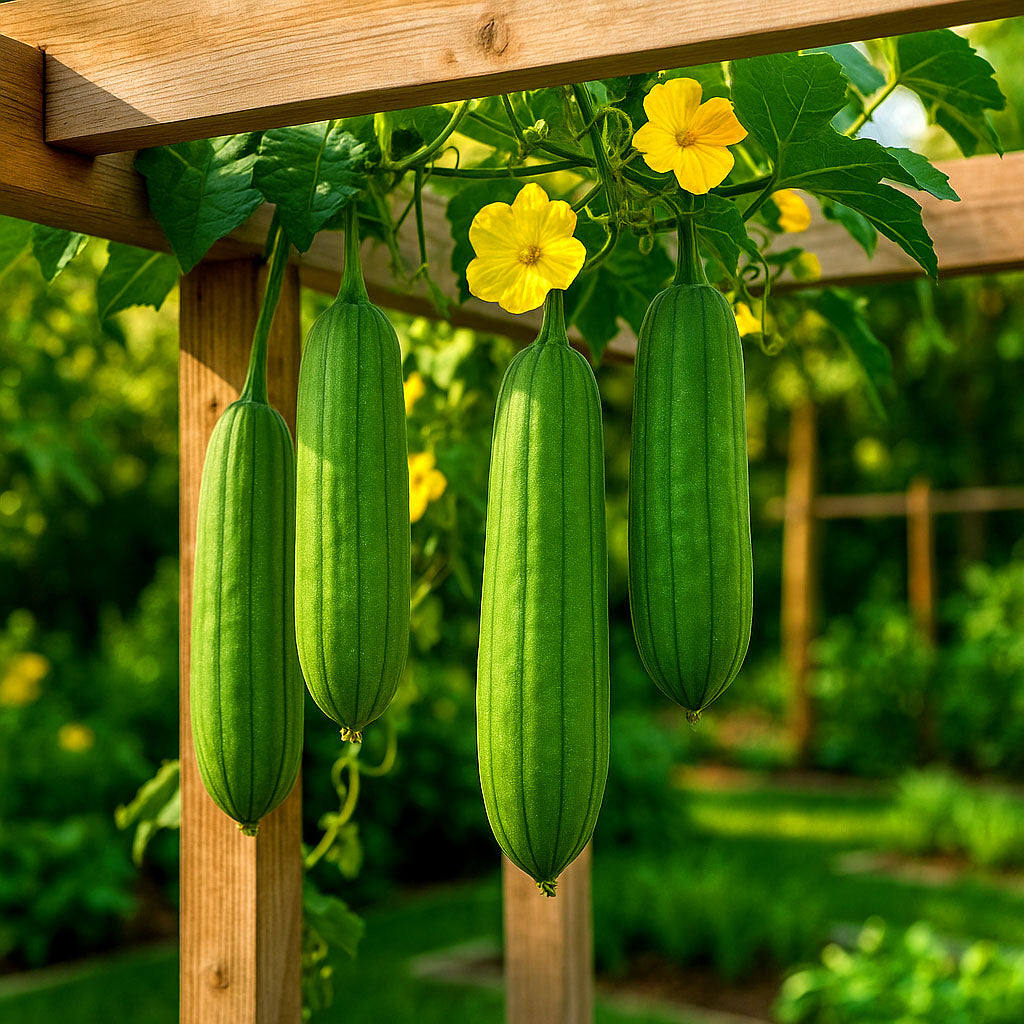
🧽 Luffa cylindrica Loofah / Sponge Gourd – Fast-Growing Climber for Edible Young Fruits & Natural Sponges
Luffa cylindrica is a vigorous, warm-season climbing plant grown both as a vegetable and for producing natural loofah sponges. When harvested young, the smooth green fruits are tender and mild, ideal for stir-fries and curries. Left to fully mature, the fruits dry into fibrous sponges perfect for eco-friendly household and personal care use. With its large leaves, yellow flowers, and strong vines, luffa is also an attractive plant for greenhouses, tunnels, and sunny walls.
Key Features
● Dual-purpose plant: edible young fruits or natural sponges
● Fast-growing, vigorous climbing habit
● Large yellow flowers attractive to pollinators
● Ideal for greenhouses, polytunnels and warm gardens
● Sustainable, plastic-free sponge alternative
How to Sow & Grow Luffa cylindrica (UK)
Sow indoors: III–IV (March–April) in pots
Transplant outdoors: V–VI (May–June) once frost risk has passed and nights stay warm
Direct outdoors: Not recommended in cool climates
Harvest (edible): VII–IX (July–September)
Harvest (sponges): IX–X (September–October)
Germination temperature: 22–28 °C (72–82 °F)
Average germ time: 7–14 days
Depth: 2–3 cm (¾–1¼ in)
Light required: Yes
Moisture: Regular watering; do not allow to dry out
Environment: Full sun
Soil type: Rich, fertile, well-drained soil with added compost
Plant spacing: 60–90 cm (24–36 in)
Vine length: 3–5 m (10–16 ft)
Sowing & Growing Tips (variety-specific)
● Provide strong supports for climbing vines.
● Start seeds indoors for best results in the UK.
● Harvest young fruits frequently for vegetable use.
● Allow fruits to fully mature and dry on the vine for sponges.
● Peel and rinse mature fruits to reveal the natural loofah fibre.
Special Features
● Produces genuine natural loofah sponges
● Edible fruits when young, fibrous sponges when mature
● Excellent choice for sustainable living gardens
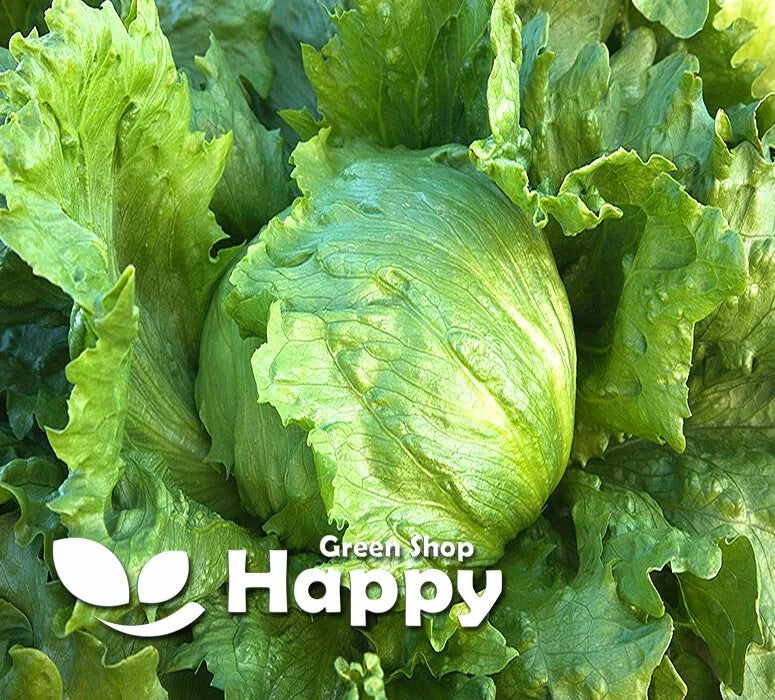
Iceberg Lettuce ‘Great Lakes 118’ Seeds (Lactuca sativa)
Grow crisp, refreshing heads with Iceberg Lettuce ‘Great Lakes 118’ (Lactuca sativa). This classic variety produces firm, compact, light-green heads with a crunchy texture, perfect for fresh salads, sandwiches, and burgers. Easy to grow and early-maturing, it’s ideal for vegetable gardens, raised beds, and continuous harvests.
How to Grow
-
Sow seeds directly outdoors from early spring to early summer, or indoors for transplanting.
-
Use fertile, well-drained soil in full sun to partial shade.
-
Sow seeds thinly and cover lightly with soil; keep moist until germination (7–14 days).
-
Thin seedlings to 25–30 cm apart for healthy head development.
-
Harvest heads when firm and fully formed, before they bolt.
Key Features
-
Firm, compact, light-green heads with crunchy texture
-
Early-maturing and easy to grow
-
Ideal for fresh salads, sandwiches, and burgers
-
Reliable and productive in temperate climates
-
Suitable for outdoor or protected cultivation
Ideal For
-
Vegetable gardens, raised beds, and allotments
-
Fresh salads, sandwiches, and burgers
-
Continuous harvest with succession sowing
-
Homegrown kitchen gardens
Sowing
-
Best time: Early spring to early summer outdoors or indoors for transplanting
-
Germination: 7–14 days
-
Spacing: Thin to 25–30 cm apart
-
Prefers full sun to partial shade and fertile, well-drained soil
Quick Tip
-
Sow in successive batches every 2–3 weeks to enjoy a continuous supply of crisp heads.
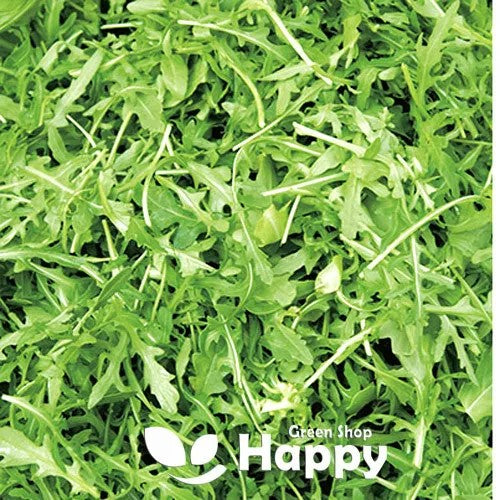
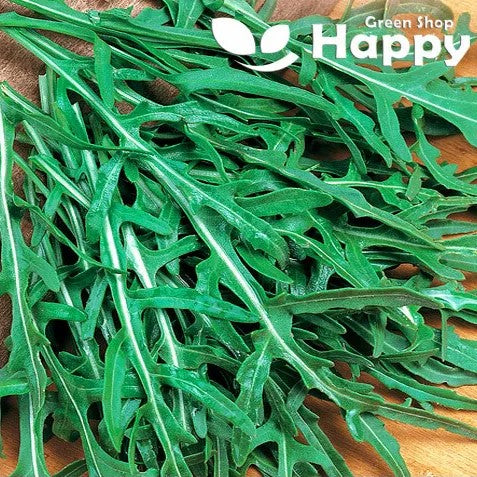
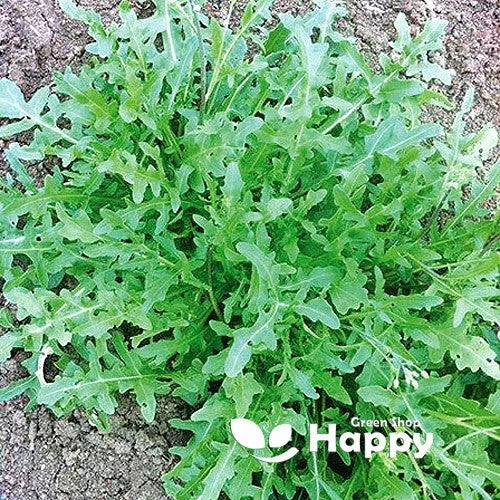
Baby Leaf Arugula – Wild Wall Rocket – Seeds (Diplotaxis muralis)
Wild Wall Rocket (Diplotaxis muralis) is a vigorous, fast-growing salad green with small, deeply serrated leaves and a strong, peppery flavor. Perfect as a baby leaf crop, it adds a zesty kick to salads, sandwiches, and garnishes. Compared to regular arugula, it has a more intense taste and exceptional regrowth, making it ideal for repeat harvests throughout the season.
How to Grow
-
Sow directly outdoors from March to September in shallow drills (0.5 cm deep).
-
Space rows 15–20 cm apart.
-
For baby leaves, harvest when young; for larger plants, thin seedlings to 10 cm apart.
-
Prefers full sun to partial shade and well-drained soil.
-
Water regularly to prevent leaves from becoming too spicy.
Key Features
-
Strong, peppery flavor – spicier than standard arugula
-
Quick-growing, ready to cut in just 3–5 weeks
-
Continuous regrowth after cutting (cut & come again)
-
Excellent for salads, sandwiches, and garnishes
-
Rich in vitamins A, C, and minerals
Ideal For
-
Baby leaf production
-
Salad mixes and kitchen gardens
-
Gardeners looking for a stronger, wild arugula flavor
Sowing & Harvest
-
Sow: March – September
-
Harvest: April – October (baby leaves in 3–5 weeks)
Quick Tip
-
To enjoy tender leaves, pick regularly before plants flower. Succession sow every 2–3 weeks for a continuous supply.
Showing 63/237