
Sort by:
237 products
237 products
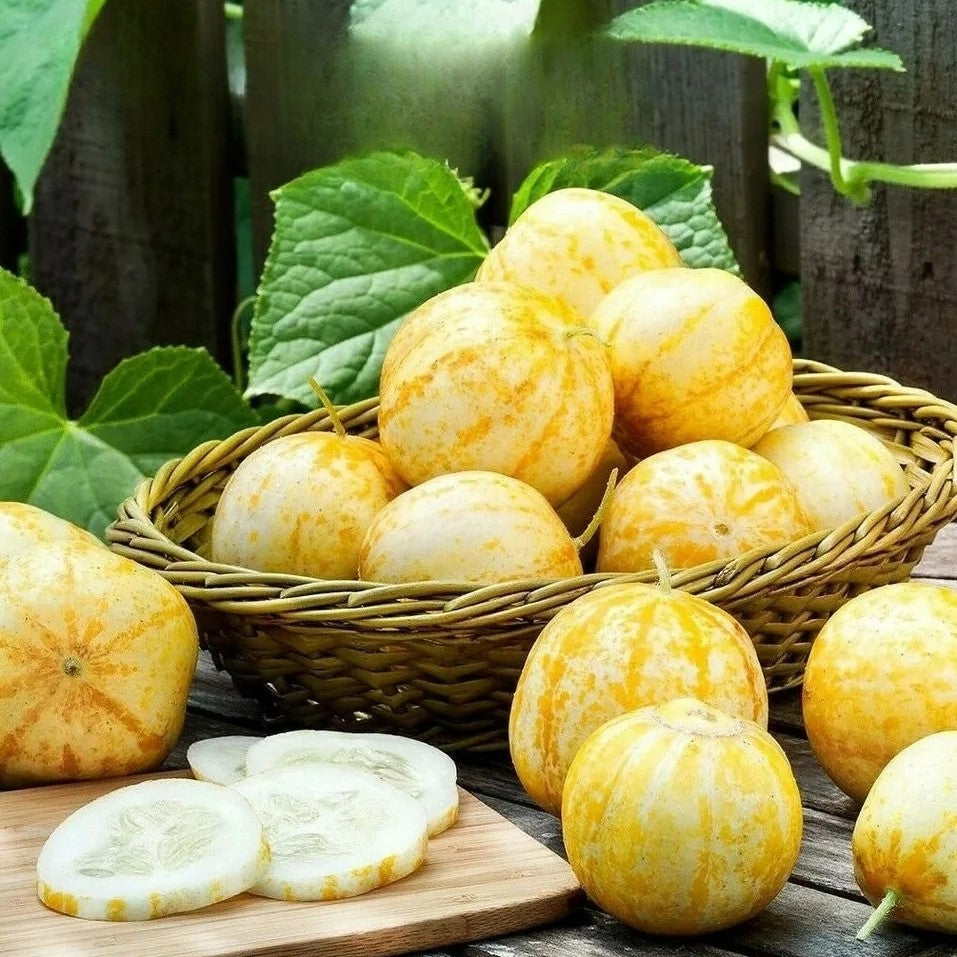
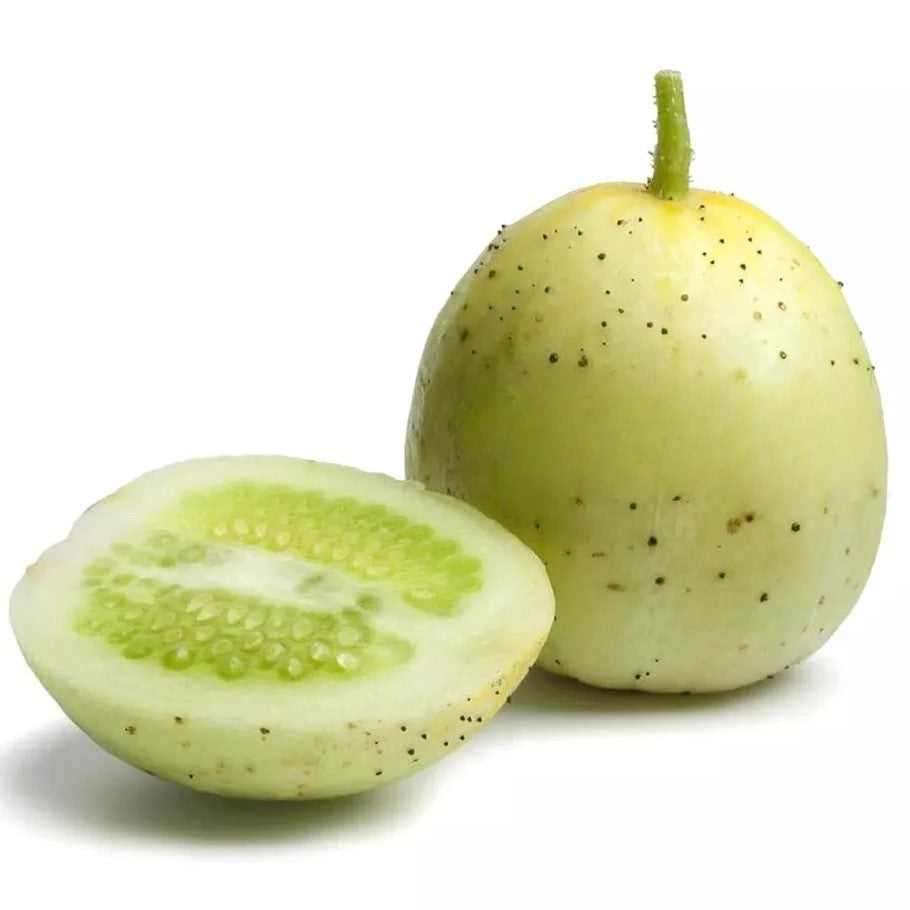
Cucumber 'Crystal Apple' – Seeds (Cucumis sativus)
Cucumber 'Crystal Apple' is a charming and productive heirloom variety that produces small, round fruits resembling pale green to creamy white apples. The fruits have a crisp, juicy texture and a mild, refreshing flavor – excellent for fresh eating, salads, or pickling.
This variety is highly prolific, easy to grow, and particularly well-suited to cooler climates. Its compact growth habit makes it ideal for home gardens, allotments, and greenhouse cultivation.
How to Grow
-
Sow indoors: April – May
-
Sow outdoors: May – June (after last frost)
-
Depth: 1–2 cm
-
Spacing: 30–45 cm apart
-
Support: Can be grown along the ground or trained up trellises
-
Position: Full sun, sheltered spot
-
Soil: Fertile, well-drained, rich in organic matter
Key Features
-
Unusual apple-shaped cucumbers with crisp, mild taste
-
Heirloom variety with excellent productivity
-
Great eaten fresh, in salads, or for pickling
-
Suitable for outdoor or greenhouse growing
-
Thrives in cooler climates
Harvest
-
Harvesting period: July – September
-
Pick fruits when young and tender for best flavor.
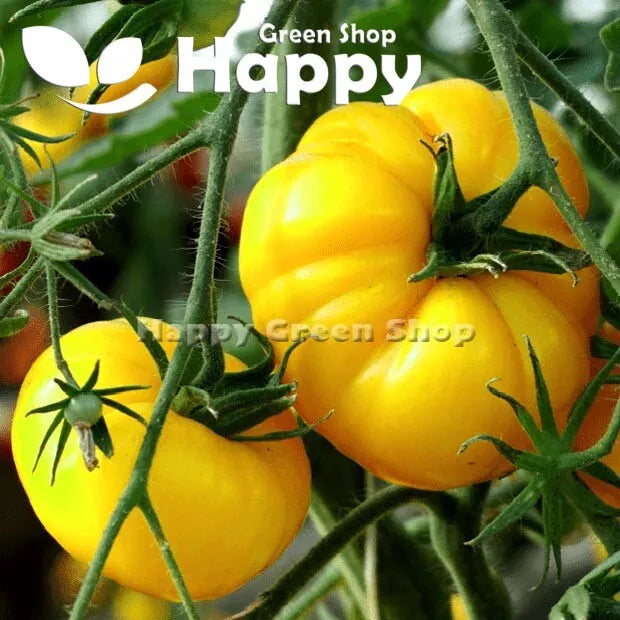
Beefsteak Tomato 'Yellowstone' – Seeds (Solanum lycopersicum)
Grow Beefsteak Tomato 'Yellowstone', a striking heirloom variety known for its large, golden-yellow fruits with a sweet, mild flavor. Perfect for fresh salads, sandwiches, and cooking, this tomato delivers juicy, meaty fruits ideal for slicing. High-yielding and vigorous, 'Yellowstone' is a favorite for gardeners seeking visually stunning and flavorful tomatoes.
How to Grow
. Sow indoors: February – April, 0.5–1 cm deep in seed trays or pots
. Transplant outdoors: After last frost, spacing 50–70 cm apart
. Prefers fertile, well-drained soil with full sun
. Support plants with stakes or cages and water consistently
. Harvest: When fruits are fully colored and slightly soft to the touch
Key Features
. Heirloom yellow beefsteak tomato with large, juicy fruits
. Sweet, mild flavor perfect for fresh eating and cooking
. High-yielding, vigorous growth
. Ideal for salads, sandwiches, sauces, and preserves
. Suitable for greenhouse or open-ground cultivation
Ideal For
. Home gardeners seeking colorful heirloom tomatoes
. Fresh salads, sandwiches, and culinary preparations
. Greenhouse or outdoor garden growing
. Gardeners looking for large, flavorful fruits
Sowing & Harvest
. Sow: February – April
. Harvest: July – September
Quick Tip
Stake or cage plants early to support heavy fruits and prevent damage while ensuring good air circulation.

Sweet Pepper 'Granova' Seeds (Capsicum annuum)
Grow crisp, sweet peppers with Sweet Pepper 'Granova' (Capsicum annuum). This productive variety develops large, blocky fruits that ripen from green to a rich, glossy red. With thick walls and a mild, sweet taste, they’re perfect for fresh salads, stuffing, roasting, grilling, and adding color to summer dishes.
How to Grow
-
Sow seeds indoors 8–10 weeks before the last frost.
-
Use fertile, well-drained soil in a warm, sunny spot.
-
Sow seeds 0.5–1 cm deep and keep soil moist until germination (10–14 days).
-
Transplant outdoors or into containers after frost, spacing 40–50 cm apart.
-
Harvest when peppers are fully colored for the best flavor.
Key Features
-
Produces large, blocky sweet peppers
-
Thick walls with a crisp, juicy texture
-
Sweet flavor, perfect for fresh or cooked dishes
-
Productive and reliable garden variety
-
Suitable for gardens, greenhouses, or containers
Ideal For
-
Fresh salads, grilling, and stuffing
-
Roasting and adding to sauces
-
Greenhouse and container growing
-
Gardeners who want high yields of sweet peppers
Sowing
-
Best time: Indoors 8–10 weeks before last frost
-
Depth: 0.5–1 cm
-
Spacing: 40–50 cm apart
-
Prefers full sun and fertile, well-drained soil
Quick Tip
-
Pick the first few peppers while still green to encourage heavier fruiting later in the season.
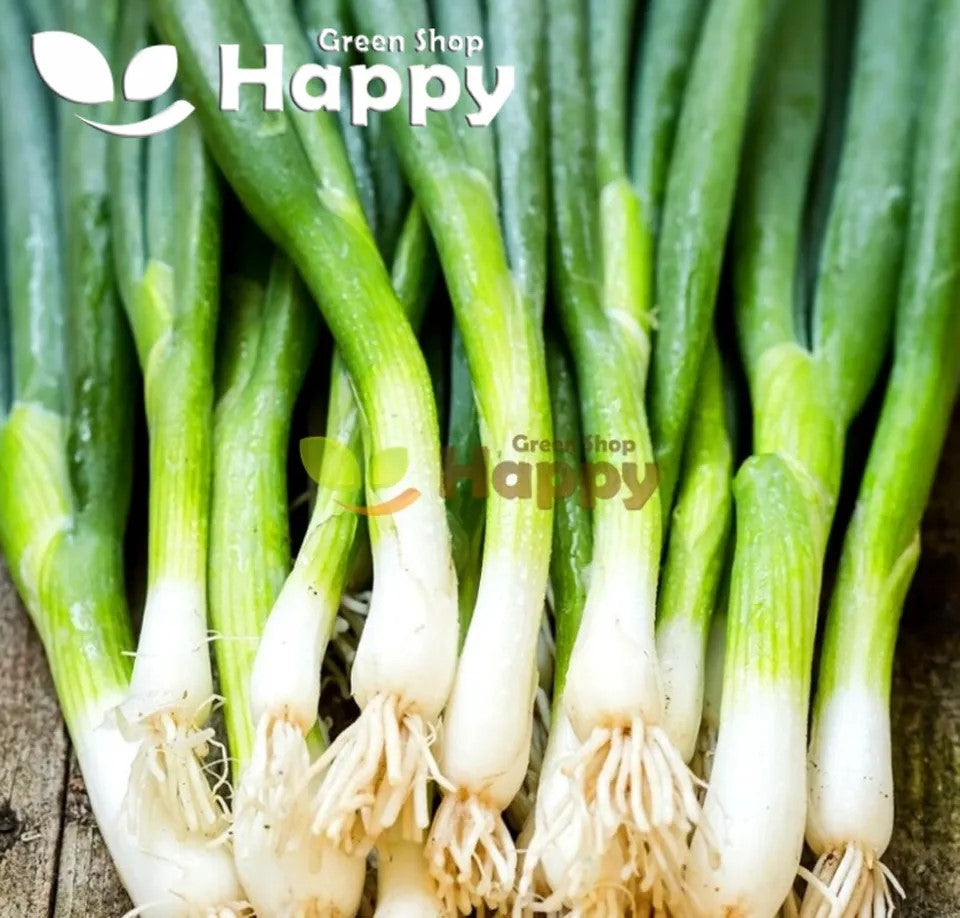
Welsh Onion 'Kroll' – Seeds (Allium fistulosum)
The Welsh Onion 'Kroll' is a hardy and versatile perennial onion grown for its slender, upright stems and mild, onion-like flavor. Unlike bulb onions, it does not form bulbs but produces clusters of long, hollow stems that can be cut and used fresh like spring onions or left to grow for a stronger flavor. An easy, cut-and-come-again crop that thrives year after year.
How to Grow
-
Sow seeds outdoors from March to July or indoors earlier for transplanting.
-
Sow thinly, 1 cm deep, in rows 20 cm apart.
-
Thin seedlings to 10 cm spacing once established.
-
Prefers well-drained, fertile soil in full sun.
-
Harvest by cutting stems as required, leaving roots intact for regrowth.
Key Features
-
Perennial onion producing clusters of hollow stems
-
Mild, fresh onion flavor
-
Easy cut-and-come-again harvest
-
Hardy and long-lived in the garden
-
Perfect alternative to spring onions
Ideal For
-
Soups, salads, stir-fries, and garnishes
-
Kitchen gardens, allotments, and containers
-
Low-maintenance perennial cropping
-
Year-round use in cooking
Sowing & Harvest
-
Sow: March to July
-
Depth: 1 cm
-
Spacing: 10 cm between plants, 20 cm between rows
-
Harvest: June to October, with regrowth year after year
Quick Tip
-
Divide clumps every few years to keep plants vigorous and productive.


Herb Corn Salad Seeds (Valerianella locusta)
Also known as Lamb’s Lettuce or Mâche, Corn Salad is a fast-growing leafy green with soft, nutty-flavored leaves. Popular in European cuisine, it’s perfect for salads, sandwiches, and as a tender garnish. Hardy and cold-tolerant, it thrives in cooler months, making it an excellent choice for autumn and winter harvests. Easy to grow and highly nutritious, it’s a must-have for year-round salads.
How to Grow
-
Sow directly outdoors from March to May, and again from August to October.
-
Prefers fertile, well-drained soil in full sun or partial shade.
-
Sow thinly, 1 cm deep, in rows 20 cm apart.
-
Thin seedlings to 10 cm spacing for healthy plants.
-
Harvest young leaves as needed for cut-and-come-again cropping.
Key Features
-
Tender, nutty-flavored leaves
-
Hardy and cold-tolerant, ideal for winter salads
-
Quick and easy to grow
-
Perfect for cut-and-come-again harvesting
-
Highly nutritious and versatile in the kitchen
Ideal For
-
Autumn and winter vegetable gardens
-
Fresh salads and sandwich fillings
-
Containers, raised beds, and small gardens
-
Gardeners seeking a reliable cool-season green
Sowing
-
Best time: March–May, August–October
-
Depth: 1 cm
-
Spacing: 10 cm between plants, 20 cm between rows
-
Position: Full sun or partial shade
-
Harvest: October to March
Quick Tip
-
Succession sow every few weeks for a continuous supply of fresh leaves throughout the cooler seasons.


Cucumber ‘Everest’ – Seeds
(Cucumis sativus) – Reliable F1 Hybrid
The ‘Everest’ cucumber is a highly productive, disease-resistant hybrid that produces slender, dark green cucumbers with a smooth skin and excellent flavor. Ideal for both greenhouse and outdoor cultivation, this variety is well-regarded for its vigorous growth, heavy yields, and resistance to common cucumber diseases such as powdery mildew. Fruits are crisp, refreshing, and perfect for salads, sandwiches, or fresh eating straight from the vine.
Key Features
-
Plant type: Annual, climbing/vining
-
Fruit: Slender, smooth-skinned cucumbers
-
Length: 18–22 cm
-
Color: Dark green
-
Flavor: Crisp, refreshing
-
Position: Full sun
-
Soil: Rich, fertile, well-drained
Ideal For
-
Greenhouse or outdoor growing
-
Fresh salads and raw eating
-
Consistent, high-yield production
-
Gardeners seeking disease-resistant cucumbers
Sowing & Growing
-
Sow indoors: March–April, 1 cm deep in pots.
-
Germination: 7–14 days at 20–25°C.
-
Transplant: May, after last frost.
-
Spacing: 60 cm apart in rows, 150 cm between rows.
-
Harvest: July–September.
Care Tips
-
Provide support (trellis or netting) for climbing vines.
-
Water consistently; keep soil moist but not soggy.
-
Feed with a high-potash fertilizer regularly once flowering starts.
-
Pick fruits frequently to encourage further cropping.

French Mixed Salad – 1000 Seeds (Lactuca sativa)
French Mixed Salad is a versatile, easy-to-grow lettuce mix ideal for fresh, homegrown salads. This collection offers a variety of leaf shapes, colors, and textures, creating a visually appealing and flavorful mix for everyday meals. Fast-growing and tender, it is perfect for cutting and continual harvests throughout the season.
Key Features
-
Variety: Mixed leaf types and colors
-
Growth Habit: Loose-leaf, fast-growing
-
Maturity: 40–60 days
-
Flavor: Mild, tender, and crisp
-
Use: Fresh salads, garnishes, and sandwiches
-
Harvest: Cut-and-come-again for continuous picking
Ideal For
-
Home vegetable gardens
-
Container and balcony growing
-
Continuous harvest for fresh salads
-
Mixed salad bowls and culinary use
Sowing & Growing
-
Sow outdoors: March–August
-
Depth: 0.5–1 cm
-
Spacing: 15–20 cm
-
Position: Full sun to partial shade
-
Soil: Fertile, well-drained soil
-
Care: Keep soil consistently moist for tender leaves


🎃 Cucurbita pepo ‘Baby Bear’ – Compact Pumpkin with Perfect Small Fruits for Autumn Displays
‘Baby Bear’ is a popular mini pumpkin variety bred for producing uniform, small-sized fruits with a classic pumpkin shape. The bright orange pumpkins are smooth, well-rounded and typically weigh 0.5–1 kg (1–2 lb), making them ideal for decorative use, children’s growing projects and autumn displays.
Plants are compact and bush-type, requiring much less space than traditional trailing pumpkins, which makes ‘Baby Bear’ especially suitable for small gardens, raised beds and containers. The fruits also have edible flesh and can be used for simple cooking or baking, though they are mainly grown for ornamental purposes.
Key Features
● Small, uniform pumpkins ideal for decoration
● Compact bush plants – space-saving variety
● Bright orange fruits with classic pumpkin shape
● Suitable for gardens, raised beds and containers
● Easy to grow and reliable performer
How to Sow & Grow Pumpkin ‘Baby Bear’ (UK)
Sow indoors: IV (April)
Transplant outdoors: V–VI (May–June) after last frost
Direct outdoors: V–VI (May–June) in warm soil
Harvest: IX–X (September–October)
Life cycle: Annual
Germination temperature: 18–24 °C (64–75 °F)
Average germ time: 7–10 days
Depth: 2–3 cm (1 in)
Light required: Yes
Moisture: Regular watering
Environment: Full sun
Soil type: Fertile, well-drained soil
Plant spacing: 60–80 cm (2–2.5 ft)
Fruit size: approx. 0.5–1 kg (1–2 lb)
Sowing & Growing Tips (variety-specific)
● Bush habit makes this variety easy to manage.
● Feed regularly to support steady fruit production.
● Harvest when fruits are fully coloured and rind is hard.
● Lift fruits off damp soil to prevent rot.
● Excellent choice for decorative autumn harvests.
Winter Purslane Salad Seeds (Claytonia perfoliata)
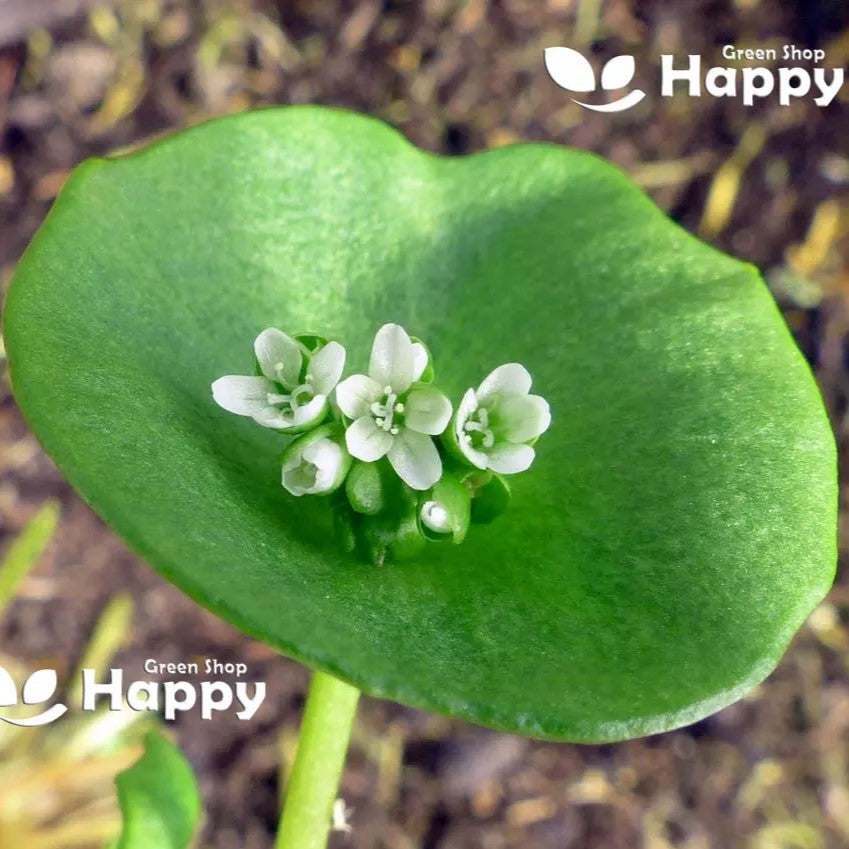
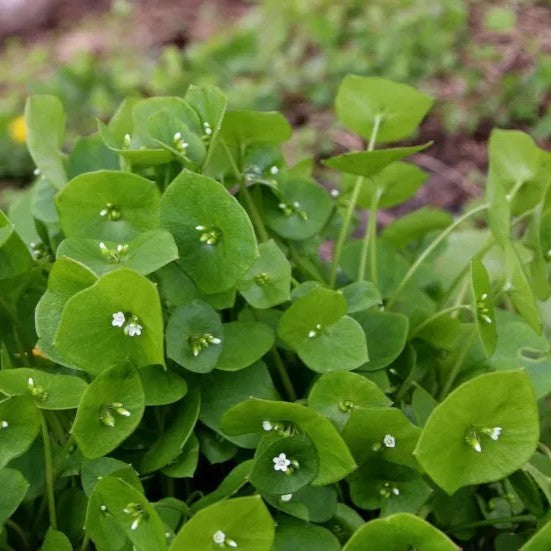
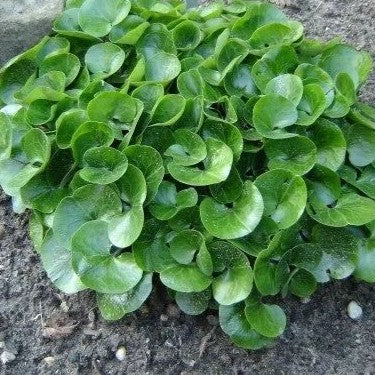
Enjoy fresh, nutritious greens even in the colder months with Winter Purslane Salad (Claytonia perfoliata). Also known as Miner’s Lettuce, this hardy leafy green thrives in cool conditions, producing tender, mild-flavored leaves packed with vitamins. Easy to grow and quick to harvest, it’s a superb choice for salads, garnishes, and year-round kitchen gardens.
How to Grow
-
Sow directly outdoors from late summer to early spring.
-
Choose fertile, well-drained soil in partial shade or light sun.
-
Scatter seeds thinly on the surface and lightly cover with soil.
-
Keep soil moist until germination, which takes 10–20 days.
-
Thin seedlings to 10–15 cm apart as they grow.
-
Harvest young leaves regularly to encourage new growth.
Key Features
-
Nutritious leafy green, rich in vitamins C and A
-
Mild, succulent leaves with a fresh, tangy flavor
-
Thrives in cooler weather and tolerates light frost
-
Fast-growing, perfect for cut-and-come-again harvests
-
Suitable for beds, borders, containers, or greenhouse growing
Ideal For
-
Autumn, winter, and spring salads
-
Continuous harvesting for fresh kitchen use
-
Small gardens, allotments, or balcony planters
-
Cold-climate gardeners seeking reliable greens
Sowing
-
Best time: Late summer to early spring
-
Germination: 10–20 days
-
Sow thinly and cover lightly with fine soil
-
Prefers cool, moist conditions for best results
Quick Tip
-
Successive sowings every few weeks will ensure a steady supply of tender leaves throughout the cooler seasons.
Showing 72/237


