
Sort by:
869 products
869 products
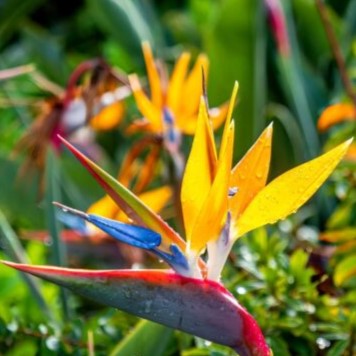
Bird of Paradise – Seeds (Strelitzia reginae)
Bird of Paradise is one of the world’s most striking ornamental plants, prized for its dramatic flowers that resemble tropical birds in flight. With vibrant orange and blue petals, it brings an exotic touch to gardens, patios, or conservatories. Though slow to flower from seed, the reward is a spectacular, long-lasting display that makes it a true centerpiece plant.
Why Grow "Bird of Paradise"
-
Exotic orange-and-blue flowers resembling birds in flight
-
Stunning architectural foliage year-round
-
Long-lived, impressive container or garden plant
-
A tropical showpiece with dramatic visual impact
Key Features
-
Type: Perennial (Strelitzia reginae)
-
Height: 1–1.5 m
-
Flowering: Typically 3–5 years from seed, then annually
-
Position: Full sun to partial shade
-
Uses: Specimen plant, patios, conservatories, tropical-style gardens
Ideal For
-
Creating a tropical centerpiece indoors or outdoors
-
Container growing for patios and conservatories
-
Adding dramatic, exotic flair to gardens
-
Patient gardeners seeking a rewarding long-term plant
Sowing & Growing
-
Scarify seeds and soak in warm water for 24–48 hours before sowing
-
Sow indoors: Anytime with heat (20–25°C)
-
Germination: May take 1–3 months
-
Transplant seedlings into pots, spacing well
-
Requires well-drained soil, regular feeding, and patience to flower

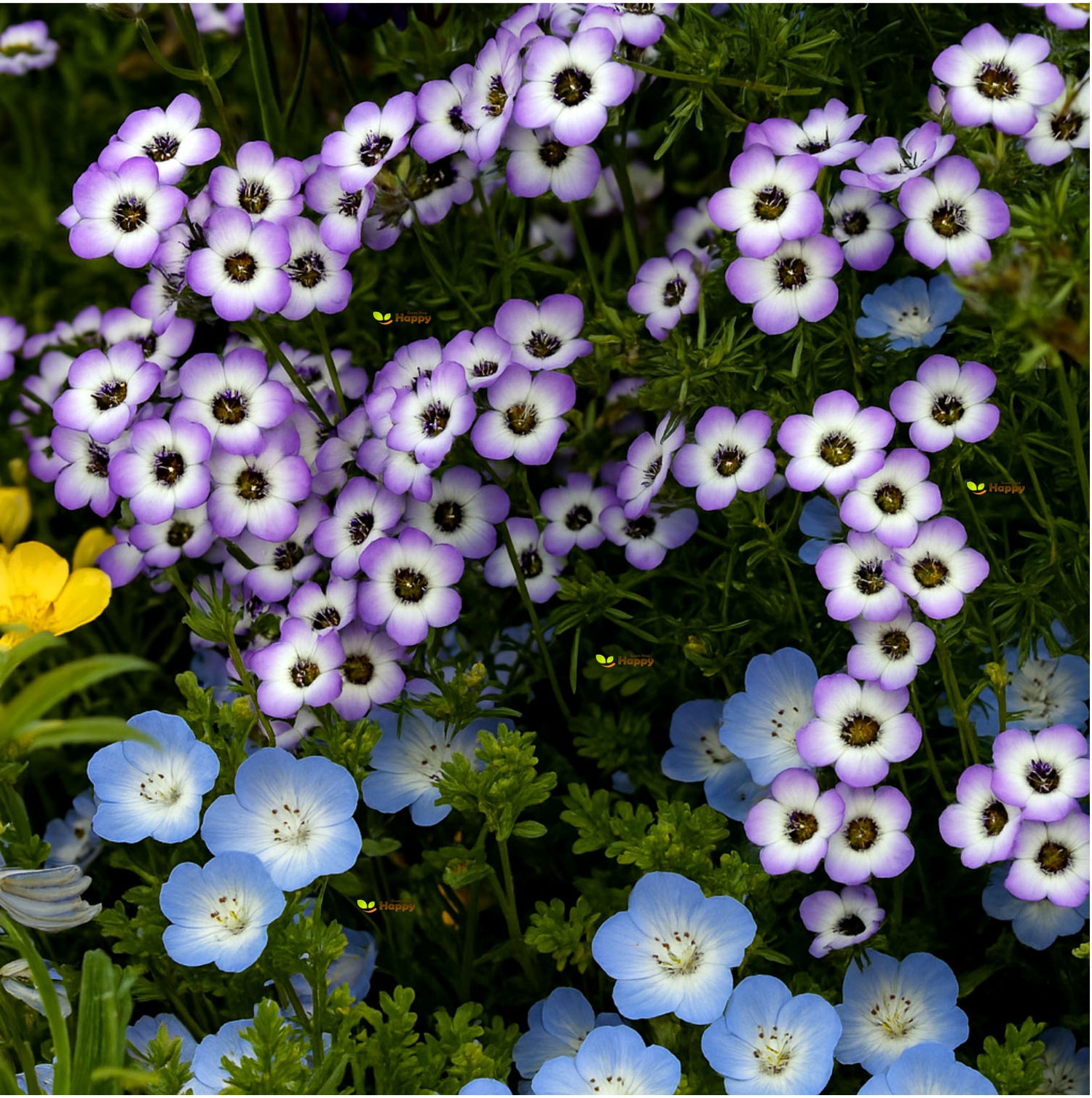
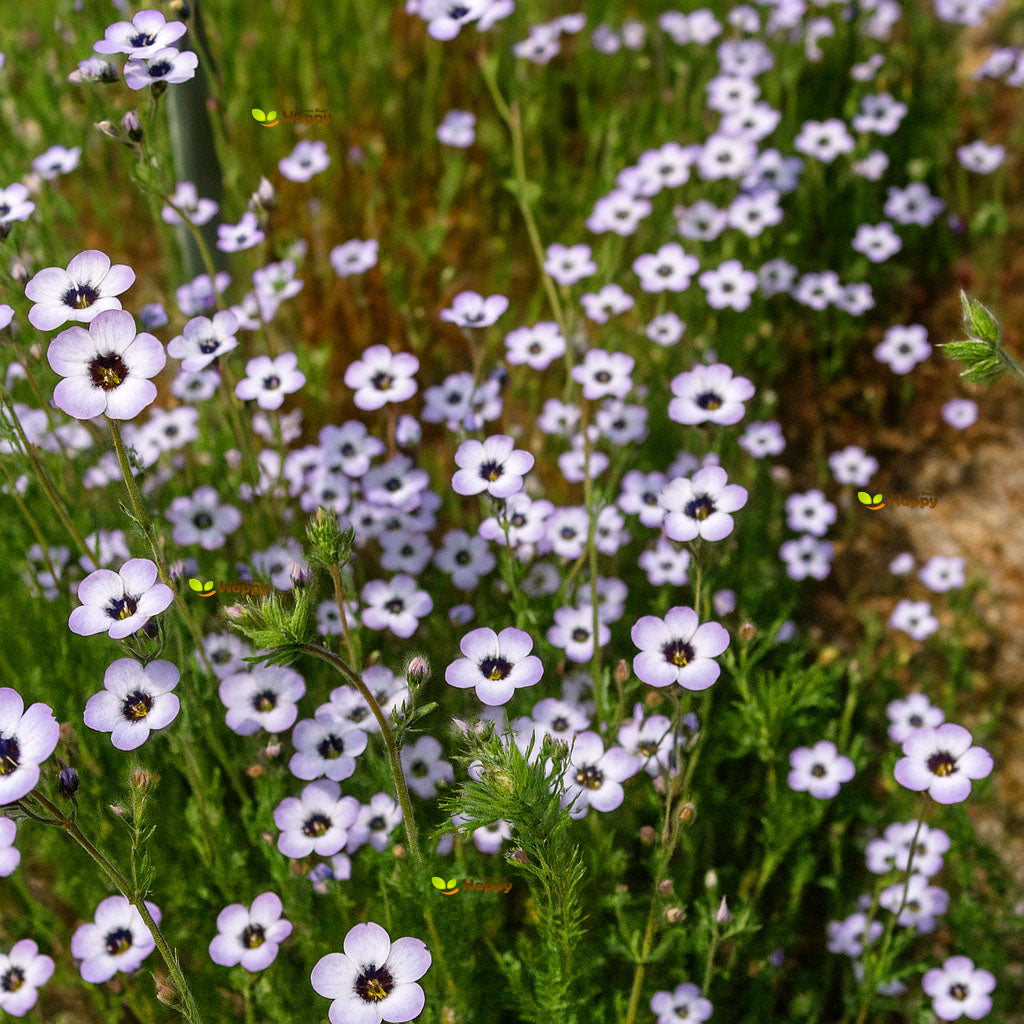
Bird’s Eyes – Seeds
(Gilia tricolor)
Bird’s Eyes (Gilia tricolor) is a delightful annual wildflower producing masses of small, trumpet-shaped blooms in shades of purple, lavender, and cream with golden throats. Compact and bushy, this variety creates cheerful, nectar-rich displays that attract bees and butterflies, perfect for naturalistic plantings and wildflower gardens.
Why Grow Bird’s Eyes?
-
Charming pastel blooms with golden centers
-
Compact and easy to grow annual
-
Excellent for pollinators
-
Long flowering season for summer color
Key Features
-
Type: Hardy annual
-
Height: 20–40 cm
-
Flowers: Late spring to summer
-
Position: Full sun
-
Soil: Light, sandy, well-drained
Ideal For
-
Wildflower gardens and meadows
-
Cottage garden borders
-
Pollinator-friendly planting
-
Containers and small garden spaces
Sowing & Growing
-
Sow outdoors: March–May or in autumn where they are to flower
-
Germination: 14–21 days at 15–20°C
-
Thin seedlings to 15–20 cm apart
-
Care: Prefers poor soils, minimal feeding required


Bird's-foot Trefoil – Seeds (Lotus corniculatus)
Bird’s-foot Trefoil (Lotus corniculatus) is a hardy perennial wildflower, valued for its clusters of cheerful, golden-yellow blooms. A classic addition to meadows and wildlife gardens, it attracts bees, butterflies, and other pollinators while also serving as a food source for caterpillars. Its trailing, mat-forming habit makes it perfect for natural landscaping, wildflower lawns, or erosion control on banks and slopes.
Why Grow Bird’s-foot Trefoil?
-
Bright yellow pea-like flowers from June to September
-
Excellent nectar and pollen source for bees and butterflies
-
Nitrogen-fixing plant that enriches soil
-
Low-growing, mat-forming habit—ideal for ground cover
-
Thrives in poor soils and challenging sites
Key Features
-
Type: Perennial wildflower
-
Height: 10–40 cm
-
Position: Full sun; well-drained soil
-
Uses: Meadows, wildlife gardens, slopes, banks, natural lawns
Ideal For
-
Creating pollinator-friendly wildflower meadows
-
Soil improvement in poor or sandy sites
-
Low-maintenance ground cover
-
Naturalizing in grass or wild areas
Sowing & Growing
-
Sow outdoors: Spring or autumn directly into prepared soil
-
Sow thinly, rake in lightly, and water gently
-
Germination: 2–4 weeks
-
Flowers: Summer from the second year onward
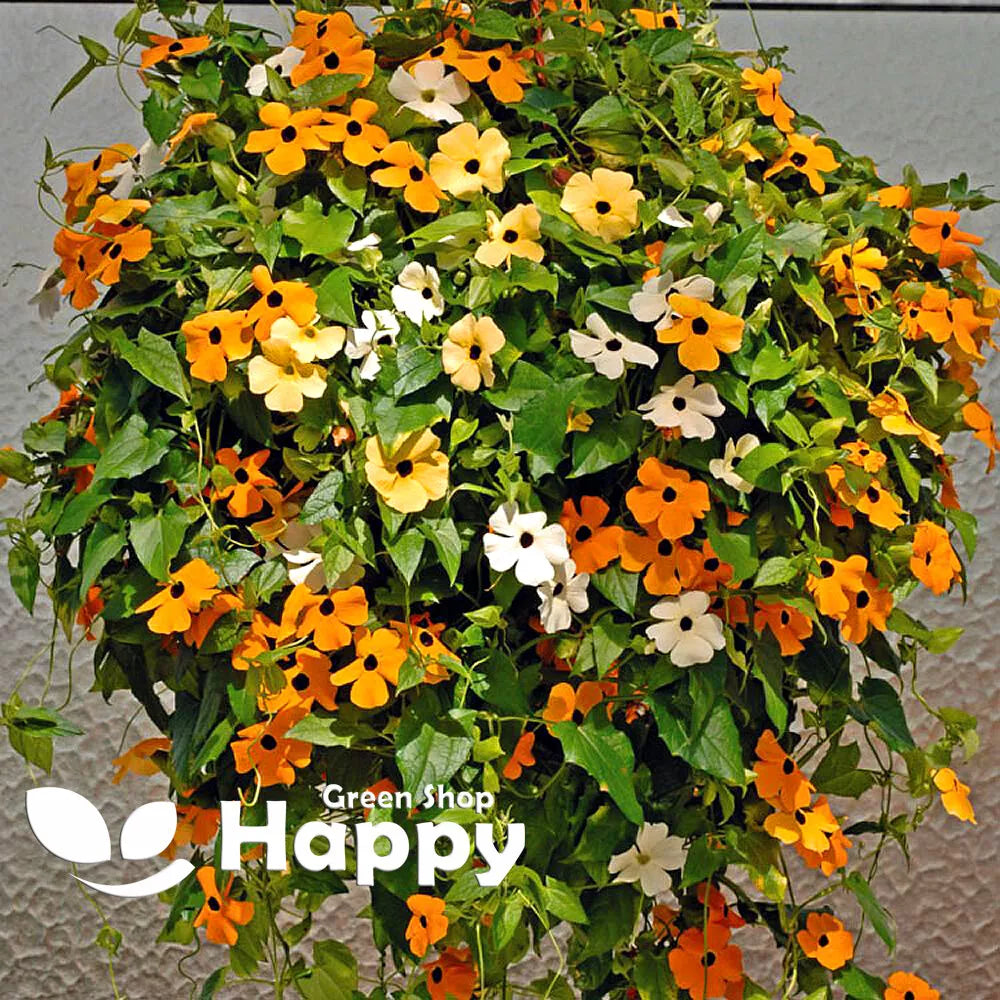
Black-eyed Susan Mix – Seeds
(Thunbergia alata)
Black-eyed Susan Vine (Thunbergia alata) is a fast-growing climber with masses of cheerful, brightly colored blooms in shades of yellow, orange, and cream, each with a characteristic dark center. Perfect for adding a splash of long-lasting color, this mix thrives on trellises, fences, or hanging baskets, creating a vibrant display all summer long.
Why Grow Black-eyed Susan Mix?
-
Free-flowering climber with vivid blooms
-
Long season of color from summer to frost
-
Easy to grow and fast covering
-
Great for both vertical and container gardening
Key Features
-
Type: Annual climber
-
Height: 150–200 cm
-
Flowers: Summer to autumn
-
Position: Full sun or light shade
-
Soil: Fertile, well-drained
Ideal For
-
Covering fences, trellises, and arches
-
Hanging baskets and balcony displays
-
Fast seasonal screening
-
Bright summer color in any garden
Sowing & Growing
-
Sow indoors: February–April in pots/trays at 18–22°C
-
Germination: 14–21 days
-
Transplant: Harden off and plant outside after last frost
-
Outdoor sowing: Late spring in warm soil, directly where plants will climb
-
Support: Provide trellis, netting, or string for climbing habit
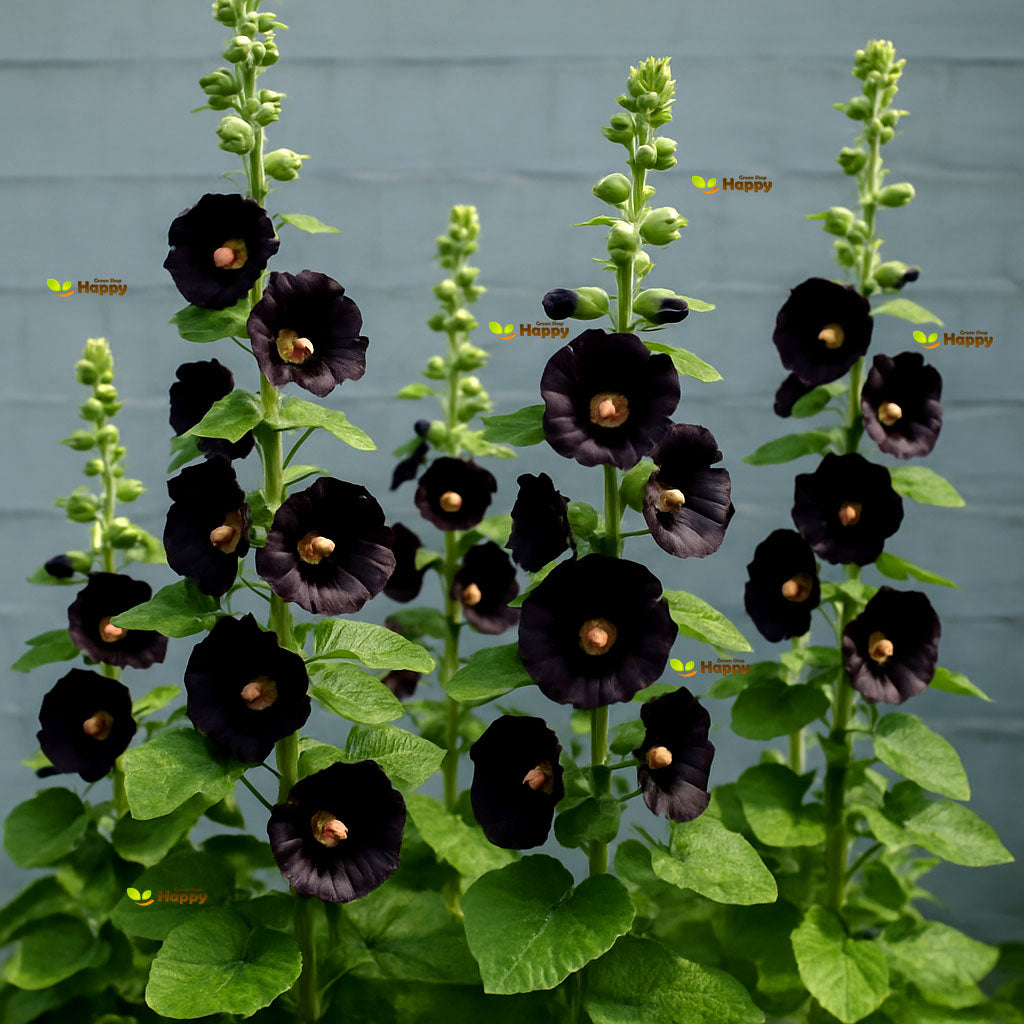
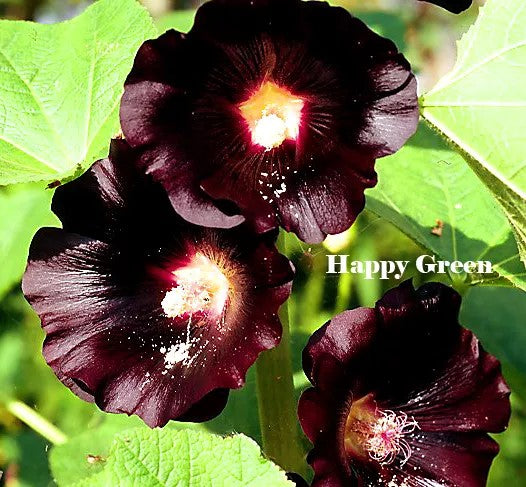
Black Hollyhock – Seeds (Althaea rosea nigra)
Black Hollyhock (Althaea rosea nigra) is a striking biennial producing tall spikes of deep, dark purple to almost black double blooms. Its dramatic flowers create a bold focal point in borders, cottage gardens, and pollinator-friendly areas. Easy to grow and long-lasting, this variety attracts bees and butterflies while adding elegance and vertical interest to any garden.
Why Grow "Black Hollyhock"
-
Tall spikes of deep purple to nearly black flowers
-
Dramatic focal point for borders and cottage gardens
-
Attracts bees, butterflies, and other pollinators
-
Hardy biennial with long-lasting blooms
Key Features
-
Type: Biennial (Althaea rosea nigra)
-
Height: 1.8–2.0 m
-
Flowering: Second year after sowing
-
Position: Full sun
-
Uses: Borders, cottage gardens, pollinator planting, cut flowers
Ideal For
-
Creating vertical interest and dramatic color in borders
-
Cottage and mixed garden designs
-
Pollinator-friendly planting
-
Gardeners seeking bold, elegant biennial flowers
Sowing & Growing
-
Sow indoors: January–March
-
Sow outdoors: Directly in soil April–May
-
Germination: 14–21 days
-
Plant out after last frost, spacing 45–60 cm apart
-
Prefers full sun and well-drained soil
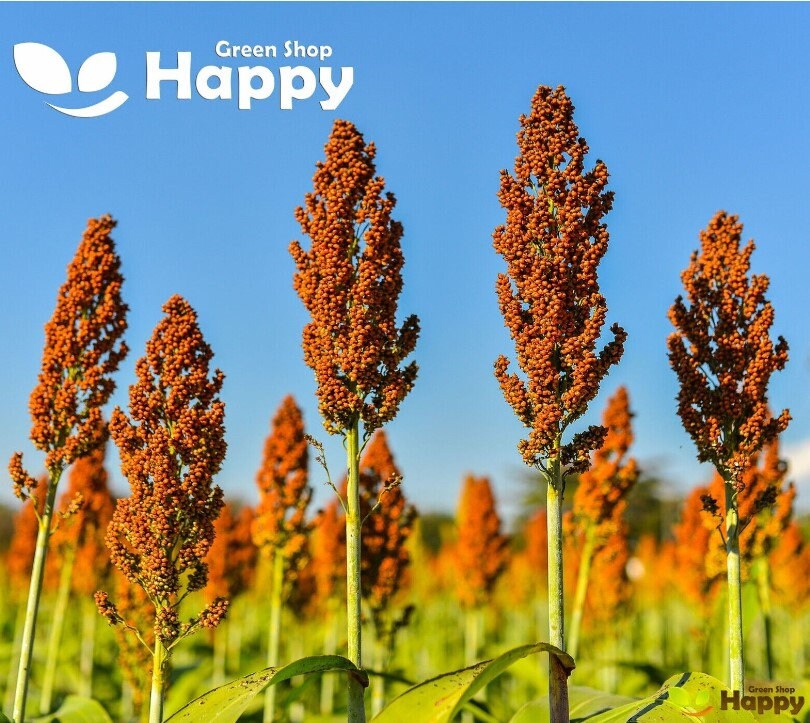
Black Millet Grass – Striking Seed Heads & Elegant Garden Texture
Bring dramatic elegance to your garden or floral designs with Black Millet Grass (Sorghum nigrum) – an ornamental grass prized for its tall, sturdy stems and deep purple-black seed heads. A favourite in both fresh and dried arrangements, Black Millet also attracts birds and beneficial insects, making it a stunning and functional addition to your outdoor space.
What Makes It Special
-
Rich, dark seed heads that stand out in borders and arrangements
-
Adds height, structure, and movement to the garden
-
Long-lasting in both fresh and dried floral designs
-
Attracts birds and pollinators
-
Heat and drought tolerant – thrives in summer conditions
Key Features
-
Height: 90–150 cm – adds vertical drama to plantings
-
Dark, glossy seed heads for striking contrast
-
Low-maintenance and easy to grow from seed
-
Excellent cut flower and dried material
-
Bird-friendly and pollinator-attracting
Ideal For
-
Borders & Backdrops – Adds height and texture to mixed plantings
-
Cut & Dried Flower Arrangements – Stylish and long-lasting
-
Wildlife Gardens – Provides food for birds
-
Modern Landscapes – Perfect for adding bold contrast to lighter blooms
Sowing
-
When to Sow: Spring, after the last frost, or start indoors 4–6 weeks earlier.
-
How to Sow: Sow seeds 0.5–1 cm deep in well-draining soil.
-
Germination Time: 7–14 days at 18–24°C.
-
Spacing: 25–30 cm apart to allow for mature growth.
-
Sunlight: Full sun for strongest color and tallest growth.
Grow Black Millet Grass for a garden that’s both sophisticated and wildlife-friendly!
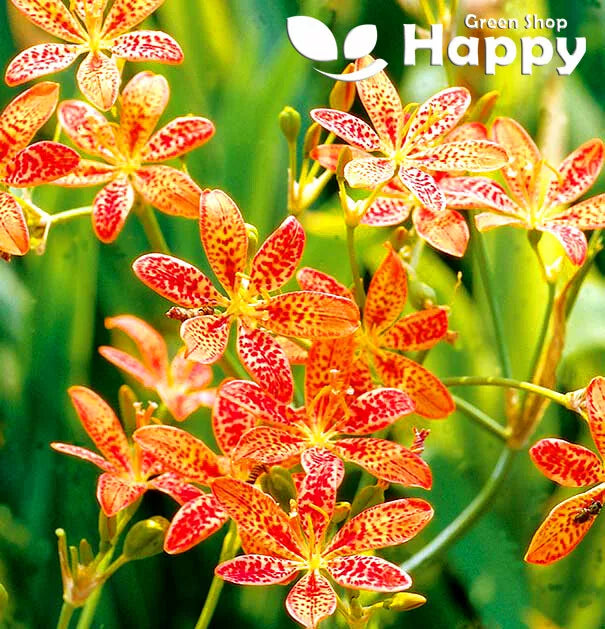
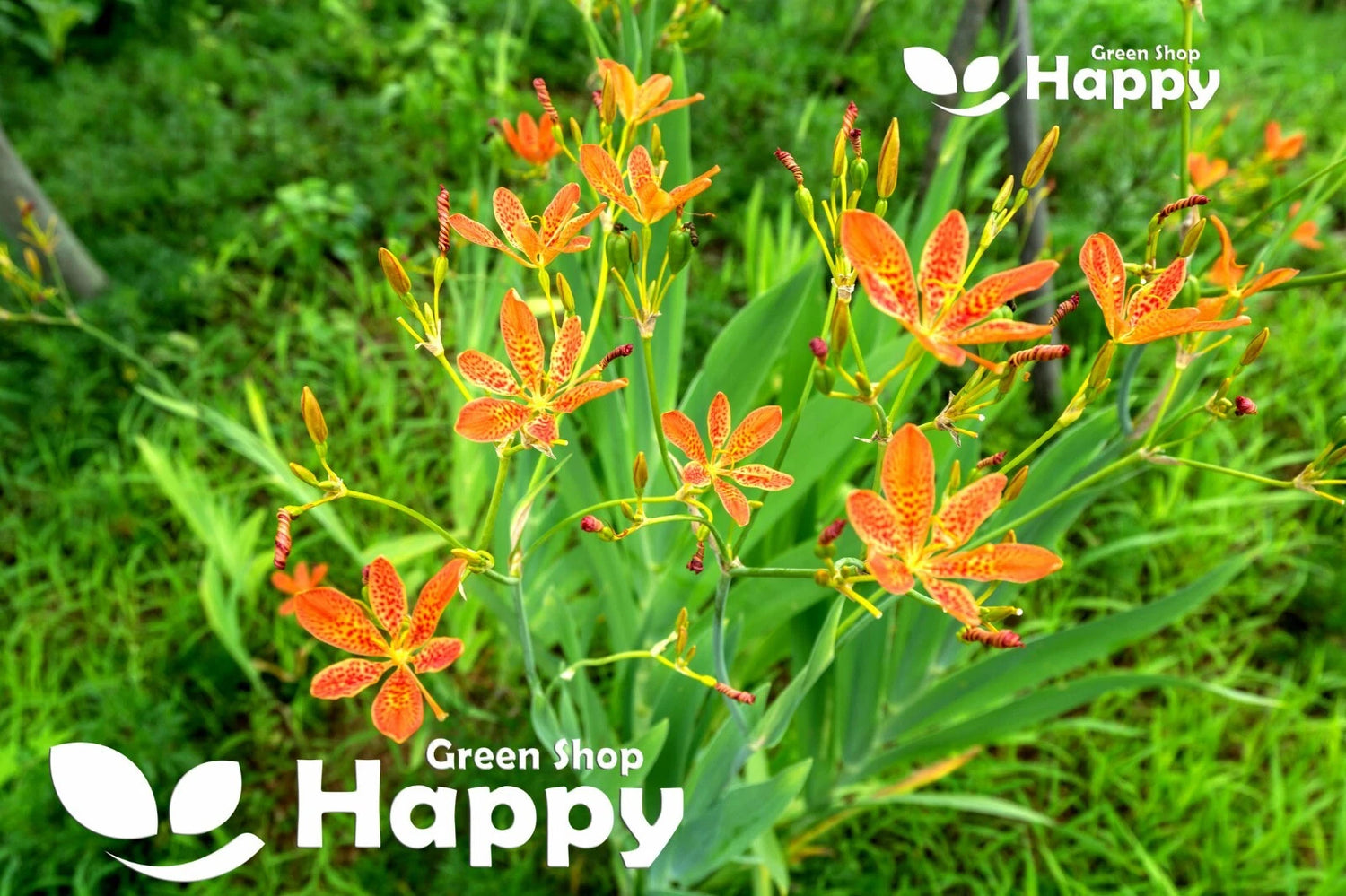
Blackberry Lily – Seeds
(Belamcanda chinensis)
Blackberry Lily is a striking perennial with bright orange, freckled flowers that bloom in summer, followed by shiny black seed pods resembling berries. Its upright clumping habit and sword-shaped foliage make it ideal for borders, cottage gardens, and ornamental plantings. Low-maintenance and hardy, it attracts pollinators and adds vibrant color to any garden.
Why Grow Blackberry Lily?
-
Bright orange, freckled summer flowers
-
Unique black seed pods for decorative interest
-
Attracts bees and butterflies
-
Low-maintenance, hardy perennial
Key Features
-
Type: Perennial
-
Height: 60–90 cm
-
Flowers: Summer
-
Position: Full sun to partial shade
-
Soil: Well-drained, fertile
Ideal For
-
Borders, cottage gardens, and perennial beds
-
Pollinator-friendly gardens
-
Decorative seed pod interest
-
Low-maintenance ornamental planting
Sowing & Growing
-
Sow indoors: February–April in seed trays
-
Sow outdoors: April–May in prepared soil
-
Germination: 14–28 days at 18–20°C
-
Spacing: 30–40 cm apart
-
Care: Moderate watering; remove weeds and deadhead for prolonged flowering


Blanket Flower ‘Burgundy’ Seeds (Gaillardia aristata)
Bring vibrant late-summer color to your garden with Blanket Flower ‘Burgundy’ (Gaillardia aristata). This hardy perennial produces striking burgundy-red daisy-like blooms with golden tips, perfect for borders, beds, and pollinator-friendly gardens. Easy to grow and long-flowering, it attracts bees and butterflies while adding a cheerful, naturalized look to your landscape.
How to Grow
-
Sow seeds directly outdoors in spring or indoors 6–8 weeks before the last frost.
-
Use well-drained soil in full sun.
-
Scatter seeds thinly and cover lightly with soil.
-
Keep soil moist until germination (10–14 days).
-
Thin seedlings to 25–30 cm apart once established.
-
Deadhead spent flowers to encourage continuous blooming.
Key Features
-
Striking burgundy-red blooms with golden tips
-
Hardy perennial, long-flowering and easy to grow
-
Ideal for borders, beds, and naturalized plantings
-
Attracts bees, butterflies, and other pollinators
-
Adds vibrant late-summer color to garden landscapes
Ideal For
-
Flower borders and cottage gardens
-
Pollinator-friendly garden beds
-
Naturalized and wildflower-style plantings
-
Cutting gardens for fresh bouquets
Sowing
-
Best time: Spring outdoors or 6–8 weeks earlier indoors
-
Germination: 10–14 days
-
Sow thinly, cover lightly, and keep soil moist
-
Prefers full sun and well-drained soil
Quick Tip
-
For extended flowering, sow in drifts or clusters and remove spent blooms regularly.
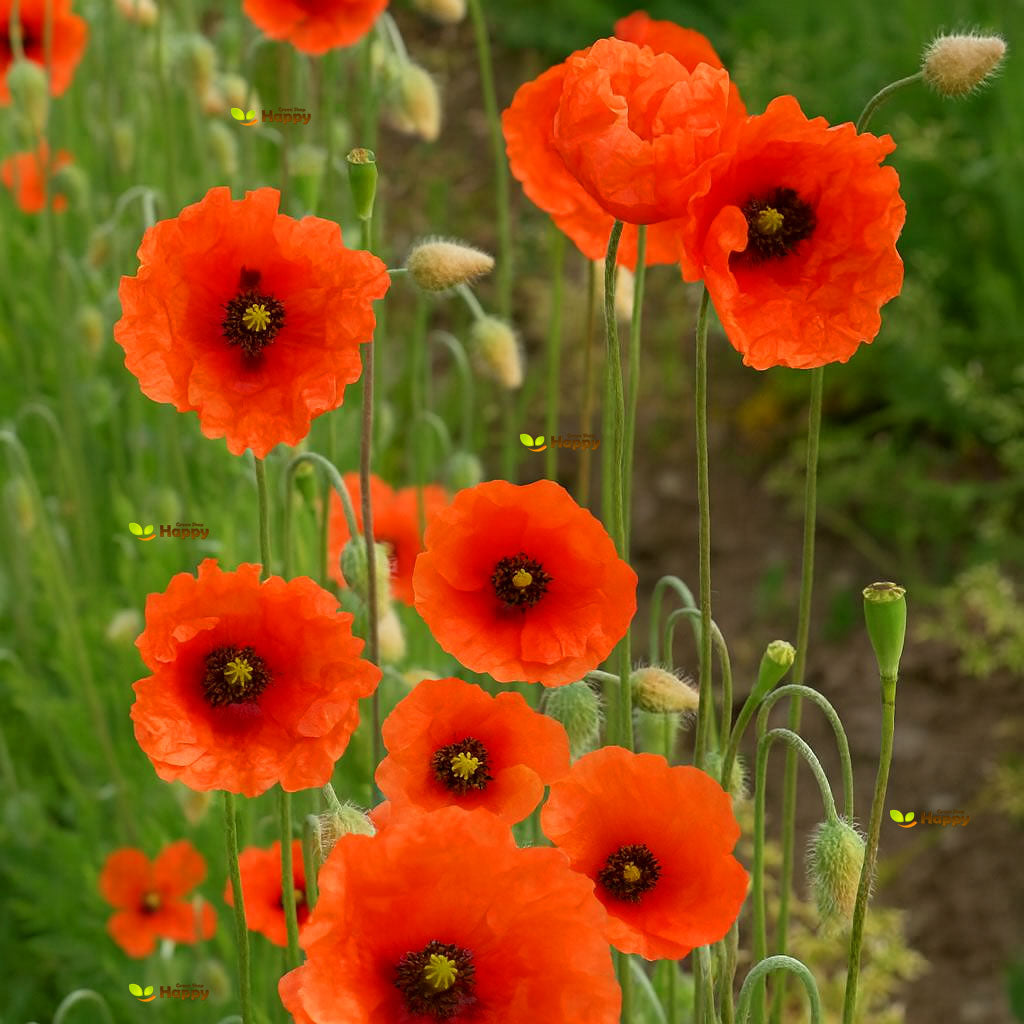
“Blindeyes” Poppy – Seeds (Papaver dobium)
Description:
Add delicate charm to your garden with “Blindeyes” Poppy (Papaver dobium). This striking annual produces elegant, cup-shaped blooms in shades of white or pale pink with a dark central “eye,” giving it its distinctive name. Perfect for borders, cottage gardens, and wildflower meadows, these poppies attract pollinators and bring a soft, whimsical touch to any garden. Easy to grow from seed and long-flowering, they are ideal for both naturalistic and formal plantings.
Key Features
-
Elegant cup-shaped blooms with a dark central “eye”
-
Annual variety, easy to grow from seed
-
Long-lasting blooms from late spring to summer
-
Attracts bees and pollinators
-
Adds delicate charm to borders and meadows
Ideal For
-
Borders and mixed flower beds
-
Cottage and wildflower gardens
-
Pollinator-friendly plantings
-
Naturalistic or whimsical garden displays
Sowing & Growing
-
Sow Outdoors: March–April
-
Germination: 7–14 days at 15–20°C
-
Height: 40–50 cm
-
Spacing: 20–25 cm apart
-
Light: Full sun
-
Soil: Well-drained, moderately fertile
Care Tips
-
Water lightly until seedlings establish
-
Deadhead faded flowers to encourage prolonged blooming
-
Avoid overwatering to prevent root rot
-
Allow some self-seeding for future seasons
Showing 90/869


