
Sort by:
914 products
914 products
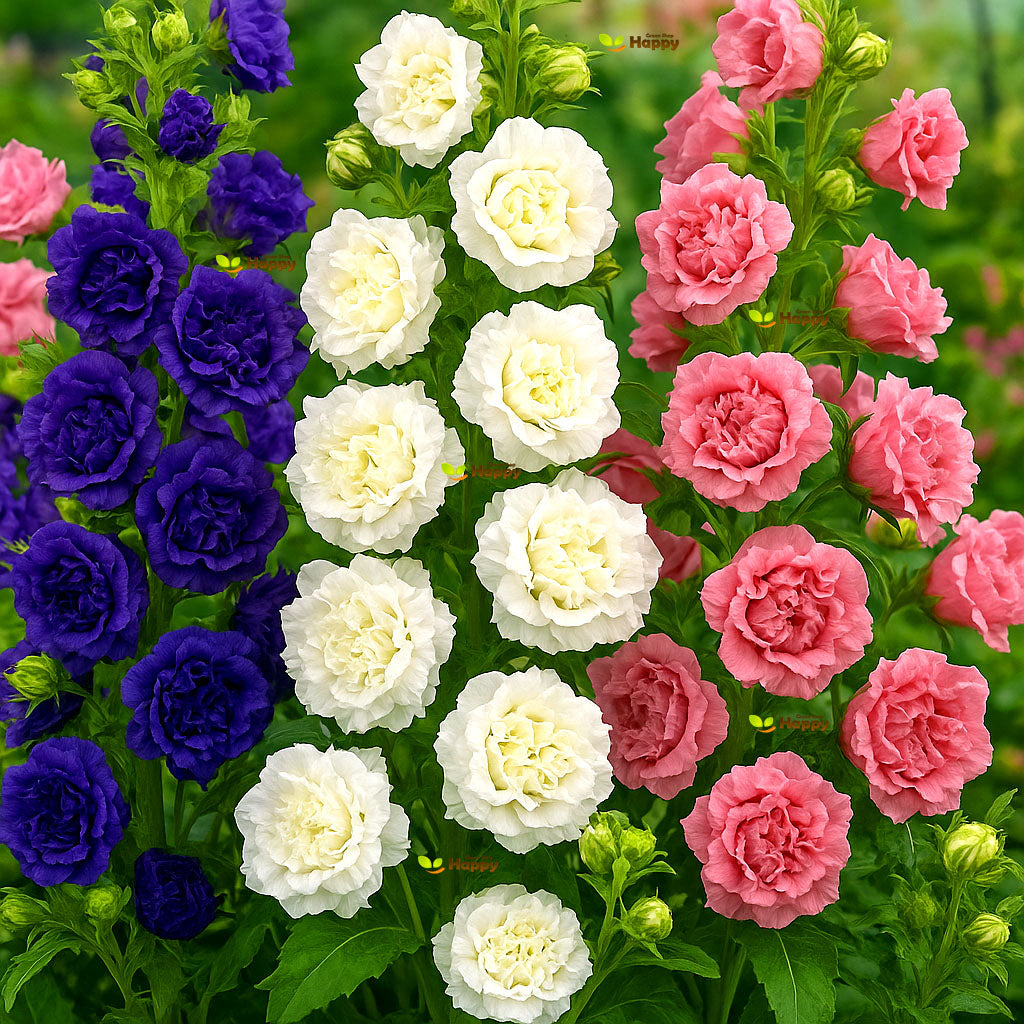
Canterbury Bells Double Mix – Seeds
(Campanula medium)
Canterbury Bells ‘Double Mix’ is a traditional cottage garden favorite, producing tall spires filled with large, fully double bell-shaped blooms. This colorful mix features shades of blue, pink, white, and lavender, bringing old-fashioned charm and elegance to borders, beds, and cutting gardens.
Why Grow Canterbury Bells Double Mix?
-
Stunning double blooms in soft pastel shades
-
Classic cottage garden plant with tall spires
-
Long-lasting cut flowers for arrangements
-
Reliable biennial, flowering the following year
Key Features
-
Type: Biennial
-
Height: 60–90 cm
-
Flowers: Early to mid-summer (second year)
-
Position: Full sun to partial shade
-
Soil: Well-drained, fertile soil
Ideal For
-
Cottage and traditional gardens
-
Flower borders and background planting
-
Cut flower arrangements
-
Pollinator-friendly spaces
Sowing & Growing
-
Sow indoors: May–July in trays of fine compost (do not cover seeds – light aids germination)
-
Germination: 14–21 days at 18–22°C
-
Transplant: Prick out seedlings and grow on before planting out in autumn
-
Care: Water regularly, deadhead faded blooms, and stake taller plants if needed
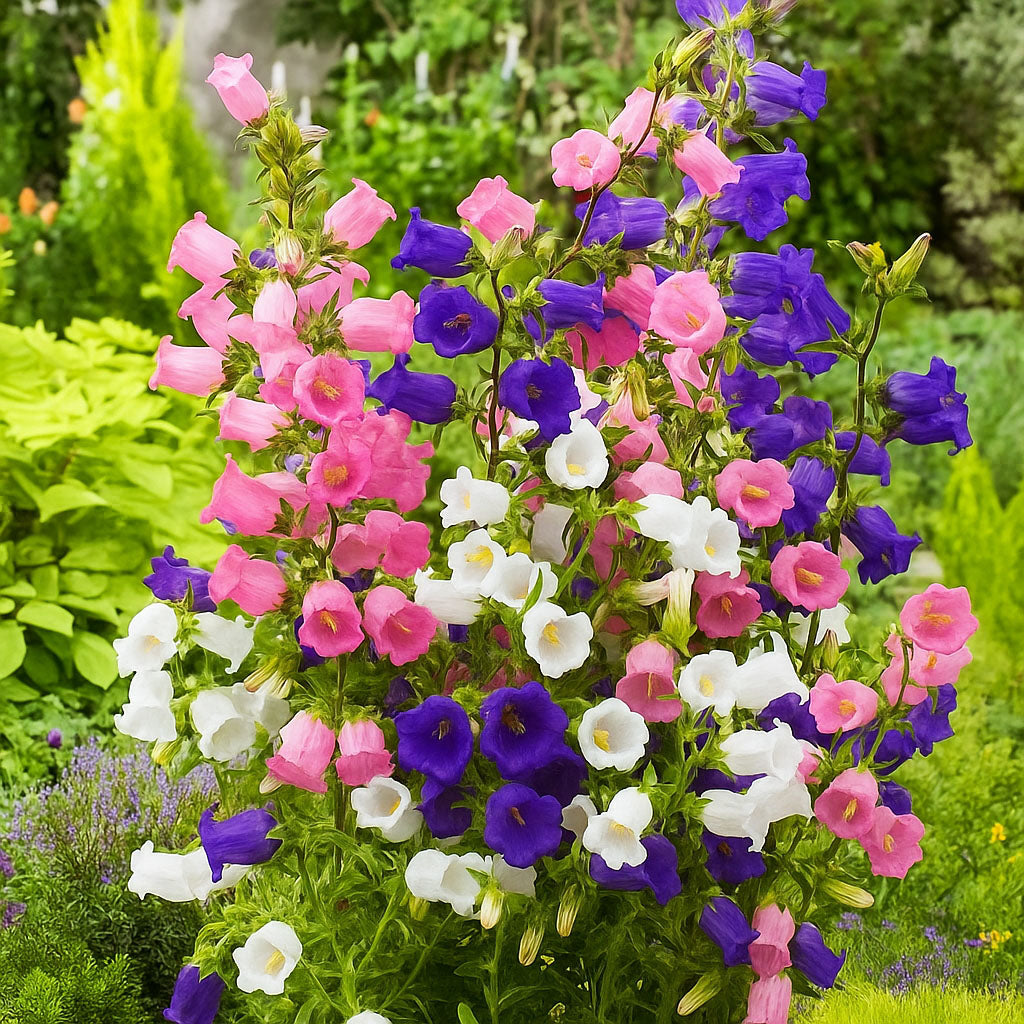
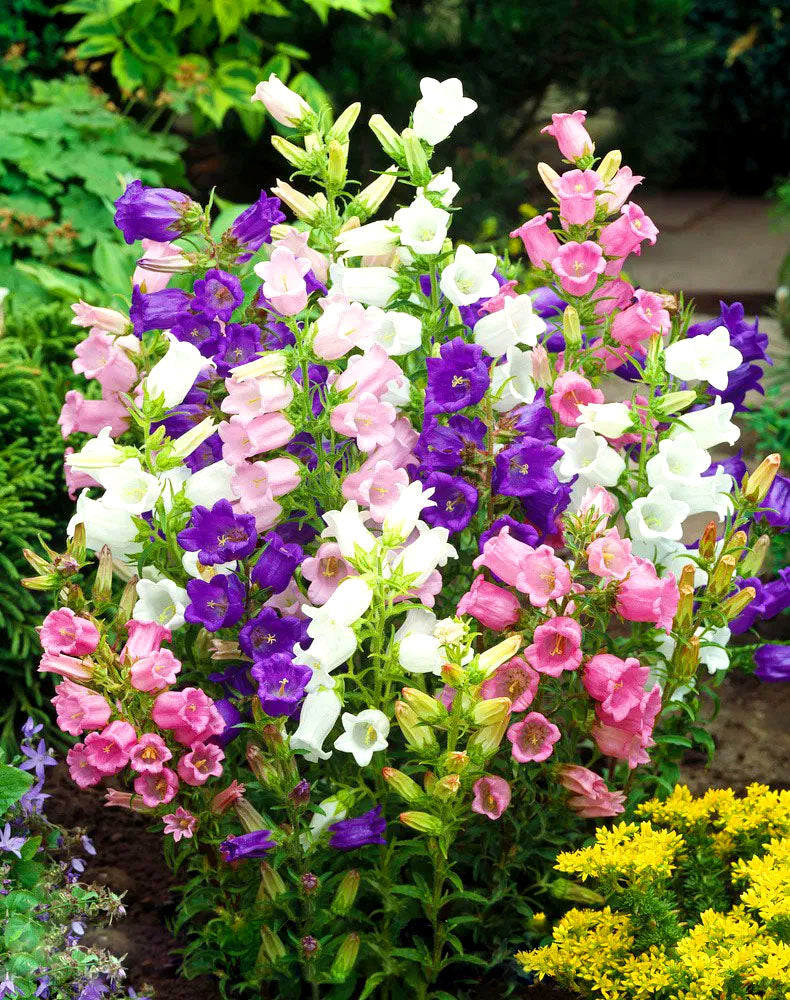
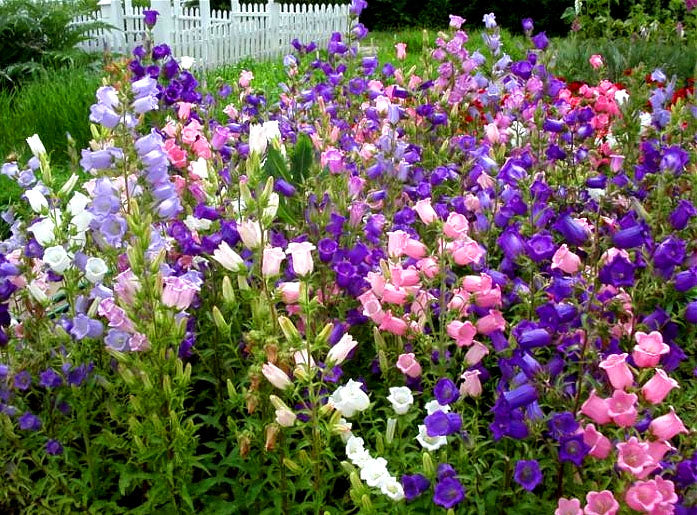
Canterbury Bells Mix Seeds (Campanula medium)
Canterbury Bells are classic biennial flowers cherished for their bell-shaped blooms in a range of vibrant colors. This mix produces tall, elegant stems covered in large, showy flowers that brighten borders, cottage gardens, and cut flower arrangements. With their long-lasting blooms and architectural form, they are perfect for adding vertical interest and charm to any garden.
What Makes It Special
-
Produces bell-shaped flowers in multiple colors
-
Tall, upright growth adds vertical structure to borders
-
Excellent for cut flowers with a long vase life
-
Biennial: flowers in the second year for a reliable display
Key Features
-
Botanical name: Campanula medium
-
Common name: Canterbury Bells
-
Seed count: Approx. seeds per pack
-
Height/Spread: 60–90 cm tall, 25–30 cm spread
-
Position: Full sun to partial shade, well-drained soil
-
Flowering period: Second year; early to mid-summer
-
Lifespan: Biennial
Ideal For
-
Borders and cottage-style gardens
-
Cut flower arrangements
-
Mixed flower beds
-
Pollinator-friendly gardens
Sowing Instructions
-
When to sow:
-
Indoors: February–March for transplanting
-
Outdoors: April–May in well-prepared soil
-
-
How to sow:
-
Sow seeds thinly on surface and lightly press into soil
-
Keep soil moist until germination (10–20 days)
-
-
Transplant/Thin: Space seedlings 25–30 cm apart
-
Care: Protect young plants from frost; stake taller varieties if needed
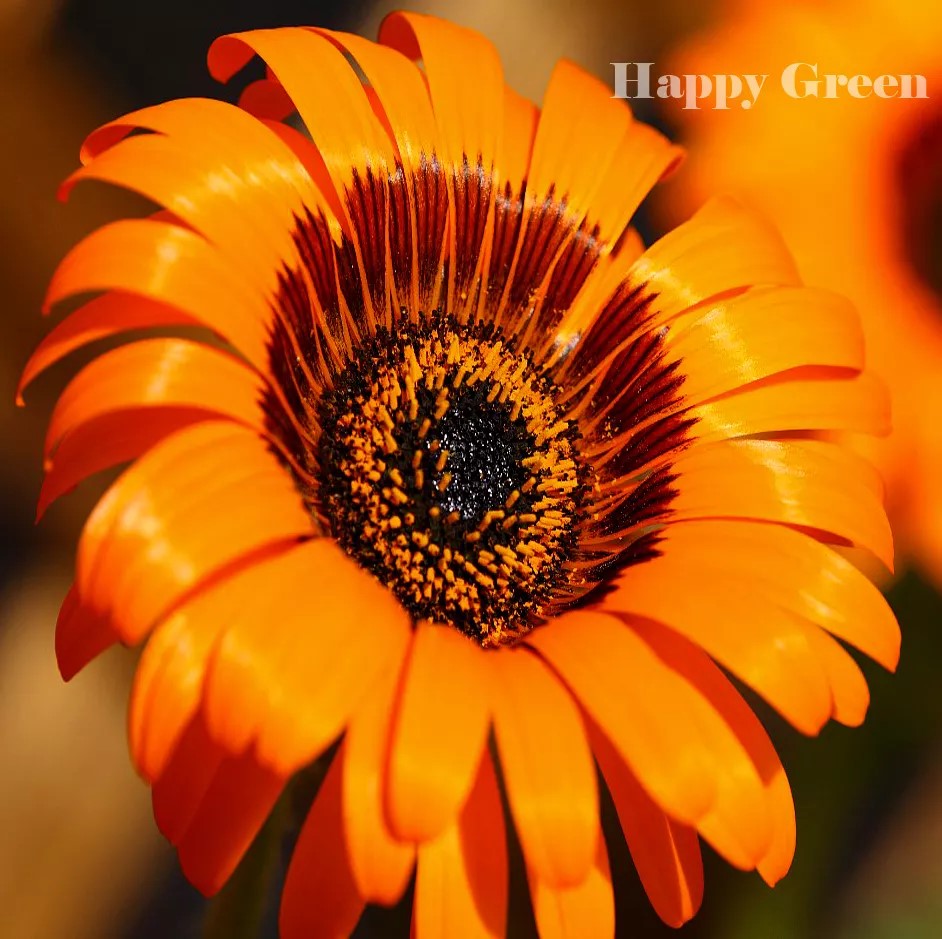
Cape Daisy ‘Orange Prince’ – Seeds (Venidium fastuosum)
Cape Daisy ‘Orange Prince’ (Venidium fastuosum) is a vibrant, long-flowering annual producing bright orange daisy-like blooms from summer to autumn. Its compact, bushy habit makes it perfect for borders, containers, and mixed flower beds. Easy to grow and low-maintenance, this variety attracts bees and butterflies, adding cheerful color and pollinator-friendly interest to your garden.
Why Grow "Orange Prince"
-
Bright orange, daisy-like blooms all summer to autumn
-
Compact and bushy, ideal for borders and containers
-
Attracts pollinators like bees and butterflies
-
Easy-to-grow, long-flowering, low-maintenance variety
Key Features
-
Type: Annual (Venidium fastuosum)
-
Height: 30–40 cm
-
Flowering: Summer to autumn
-
Position: Full sun
-
Uses: Borders, containers, beds, pollinator gardens
Ideal For
-
Adding vibrant color to borders, beds, and containers
-
Patio and balcony planting
-
Pollinator-friendly garden designs
-
Gardeners seeking long-flowering, low-maintenance annuals
Sowing & Growing
-
Sow indoors: 6–8 weeks before last frost
-
Sow outdoors: After frost danger has passed
-
Germination: 10–14 days
-
Space seedlings: 25–30 cm apart
-
Prefers well-drained soil and full sun

Cape Daisy Mix Seeds (Venidium fastuosum)
Add long-lasting summer color with Cape Daisy Mix (Venidium fastuosum). This hardy annual produces vibrant daisy-like blooms in shades of yellow, orange, and gold, bringing brightness to borders, beds, and containers. Easy to grow and drought-tolerant once established, it attracts pollinators and provides a cheerful display throughout the season.
How to Grow
-
Sow seeds directly outdoors in spring after the last frost or indoors 4–6 weeks earlier.
-
Use well-drained soil in full sun.
-
Scatter seeds thinly and cover lightly with soil.
-
Keep soil moist until germination (10–14 days).
-
Thin seedlings to 25–30 cm apart once established.
-
Deadhead spent flowers regularly to encourage continuous blooming.
Key Features
-
Vibrant daisy-like blooms in yellow, orange, and gold shades
-
Long-flowering, hardy annual
-
Easy to grow and drought-tolerant
-
Ideal for borders, beds, and containers
-
Attracts bees, butterflies, and other pollinators
Ideal For
-
Flower beds and borders
-
Containers, patio planters, and window boxes
-
Pollinator-friendly gardens
-
Cottage and naturalized garden styles
Sowing
-
Best time: Spring outdoors or 4–6 weeks earlier indoors
-
Germination: 10–14 days
-
Sow thinly, cover lightly, and keep soil moist
-
Prefers full sun and well-drained soil
Quick Tip
-
Deadhead regularly to maintain vibrant blooms and encourage prolonged flowering.
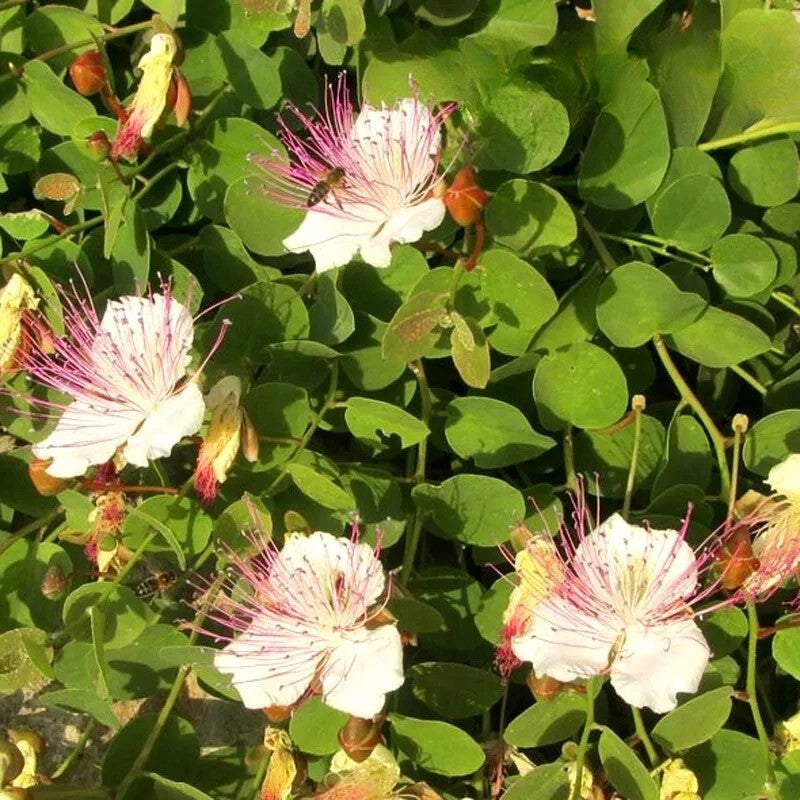
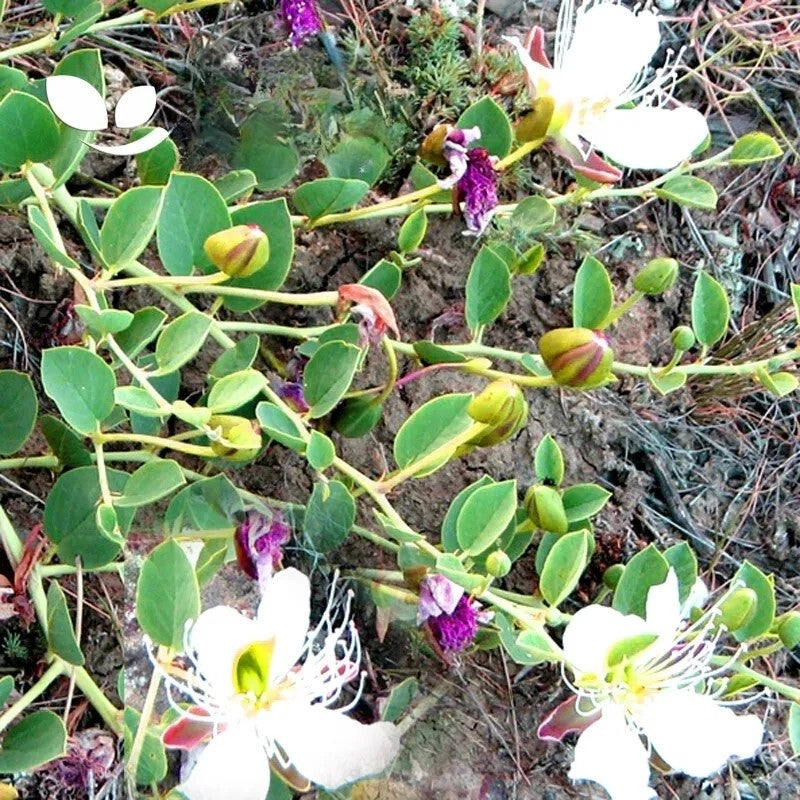
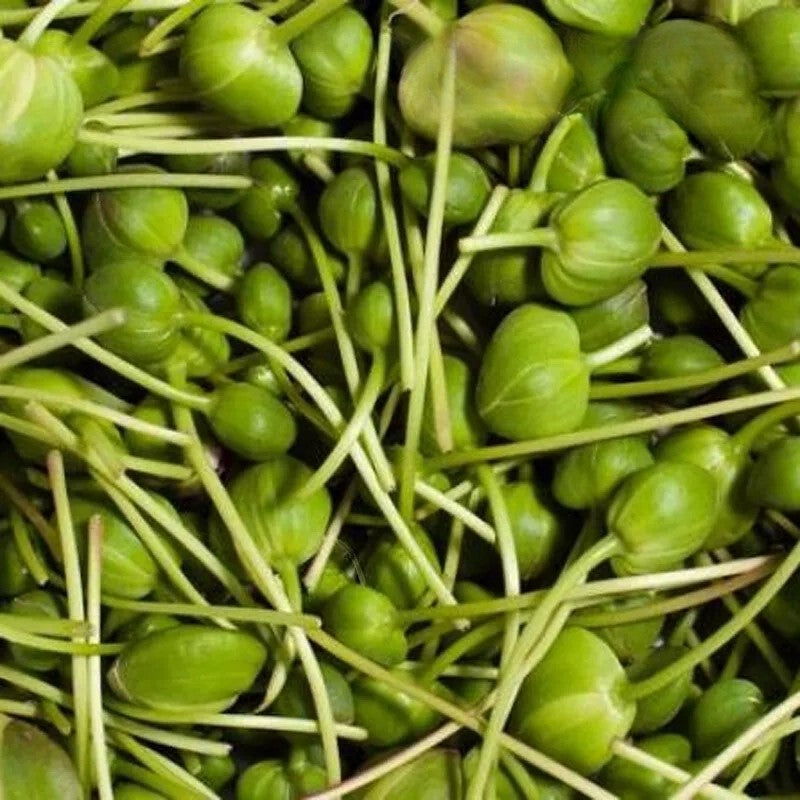
Caper Bush – Seeds (Capparis spinosa)
The Caper Bush is a resilient Mediterranean perennial valued for its flavorful buds and aromatic leaves. Its small, edible buds are commonly pickled and used to enhance salads, sauces, fish dishes, and Mediterranean recipes. This drought-tolerant plant adds both culinary and ornamental value to gardens.
Slow-growing but hardy, the Caper Bush thrives in sunny, well-drained locations and can tolerate poor soils. Over time, it develops attractive sprawling branches and delicate white to pink flowers, followed by round seed pods.
How to Grow
-
Sow indoors: February – April
-
Sow outdoors: Spring in warm climates
-
Position: Full sun
-
Soil: Well-drained, sandy or rocky soil; avoid waterlogged conditions
-
Care: Water sparingly; prune to maintain shape and encourage flowering
Key Features
-
Hardy Mediterranean perennial with edible buds and aromatic leaves
-
Small, flavorful buds ideal for pickling and cooking
-
Drought-tolerant and low-maintenance
-
Produces delicate white-pink flowers and round seed pods
-
Suitable for sunny gardens, rockeries, or container cultivation
Harvest
-
Harvesting period: 2–3 years after sowing for mature buds
-
Pick buds before flowering for pickling and culinary use.
Short Tip
Provide full sun and well-drained soil to encourage healthy growth and abundant buds.
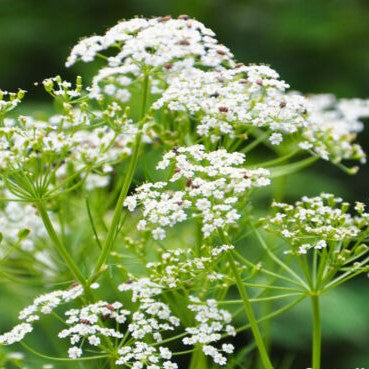
Caraway Seeds (Carum carvi)
Grow aromatic, versatile seeds with Caraway (Carum carvi). This hardy biennial herb produces feathery green foliage and crescent-shaped seeds with a warm, slightly sweet flavor, perfect for bread, cooking, and herbal remedies. Easy to grow, it’s ideal for herb gardens, kitchen beds, and pollinator-friendly plantings.
How to Grow
-
Sow seeds directly outdoors from early spring to early summer.
-
Use fertile, well-drained soil in full sun.
-
Sow seeds 0.5–1 cm deep and thin seedlings to 20–25 cm apart.
-
Keep soil consistently moist for germination (10–20 days).
-
Harvest seeds in late summer when the seed heads turn brown; cut and dry them for storage.
Key Features
-
Feathery green foliage and aromatic crescent-shaped seeds
-
Biennial, hardy, and easy to grow
-
Ideal for baking, cooking, and herbal remedies
-
Attracts pollinators and enhances garden biodiversity
-
Suitable for herb gardens, kitchen beds, and companion planting
Ideal For
-
Herb gardens and kitchen beds
-
Baking, cooking, and spice blends
-
Pollinator-friendly gardens
-
Homegrown culinary and medicinal use
Sowing
-
Best time: Early spring to early summer outdoors
-
Depth: 0.5–1 cm
-
Spacing: Thin to 20–25 cm apart
-
Prefers full sun and fertile, well-drained soil
Quick Tip
-
Harvest seeds when seed heads are fully brown and dry them in a warm, airy place for long-term storage.
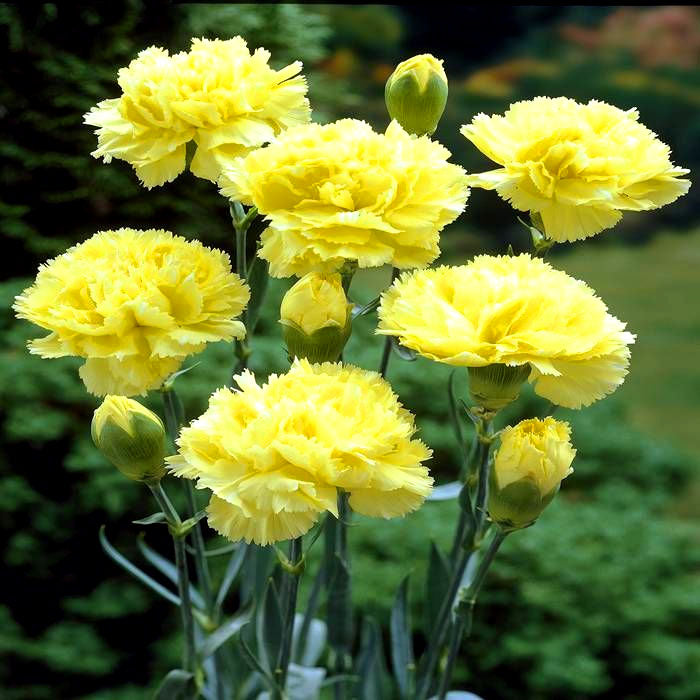
Carnation 'Marie Chabaud' - 350 seeds (Dianthus caryophyllus) Cutting Flower
£1.24
Unit price perCarnation 'Marie Chabaud' - 350 seeds (Dianthus caryophyllus) Cutting Flower
£1.24
Unit price perCarnation ‘Marie Chabaud’ Seeds (Dianthus caryophyllus) – Cutting Flower
Bring classic elegance to your garden with Carnation ‘Marie Chabaud’ (Dianthus caryophyllus). This hardy annual produces large, fragrant blooms in soft pink shades, perfect for cutting gardens, borders, and containers. Long-flowering and easy to grow, it’s ideal for fresh bouquets and floral arrangements.
How to Grow
-
Sow indoors 8–10 weeks before the last frost or directly outdoors after frost risk has passed.
-
Use well-drained, fertile soil in full sun.
-
Lightly cover seeds with soil and keep moist until germination (10–14 days).
-
Transplant seedlings when large enough to handle, spacing 20–25 cm apart.
-
Water regularly and remove spent flowers to encourage continuous blooming.
Key Features
-
Large, fragrant blooms in soft pink shades
-
Long-flowering, ideal for cutting gardens
-
Hardy and easy to grow
-
Perfect for fresh bouquets and floral arrangements
-
Attracts pollinators including bees and butterflies
Ideal For
-
Cutting gardens for fresh flowers
-
Flower beds, borders, and containers
-
Pollinator-friendly gardens
-
Floral arrangements and bouquets
Sowing
-
Best time: 8–10 weeks before last frost indoors or after frost outdoors
-
Germination: 10–14 days
-
Sow thinly, cover lightly, and keep soil moist
-
Prefers full sun and fertile, well-drained soil
Quick Tip
-
Regularly deadhead to prolong flowering and maintain healthy, vibrant blooms throughout the season.
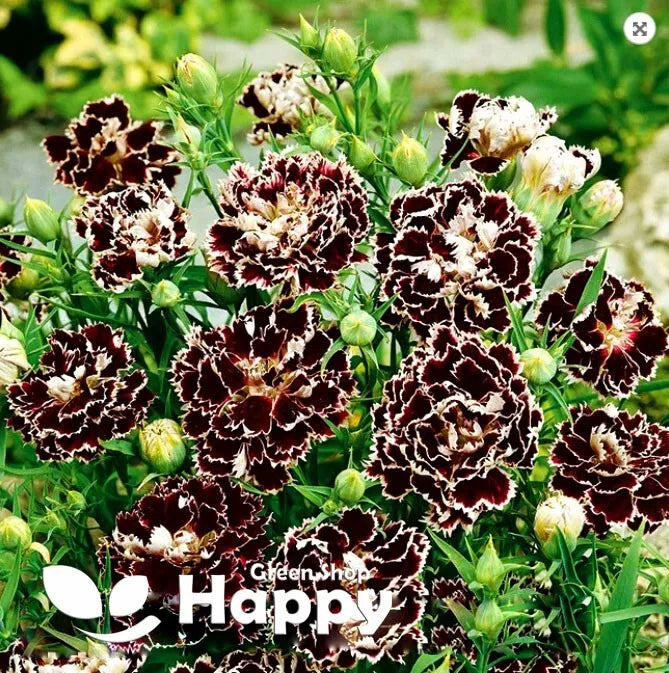
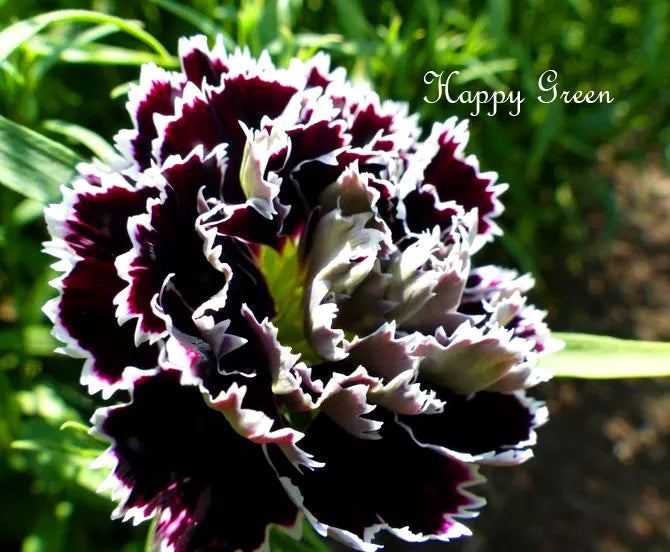
Carnation Black – Seeds (Dianthus heddewigii ‘Chianti’)
Carnation ‘Black Chianti’ is a dramatic annual with deep, velvety maroon to near-black blooms that make a bold statement in beds, borders, and cut arrangements. Its compact habit, long flowering season, and striking color bring elegance and contrast to any garden. Easy to grow and perfect for adding depth to mixed displays.
Why Grow "Black Chianti"
-
Striking near-black, velvety blooms
-
Compact and easy to grow
-
Long flowering season
-
Great for cutting and arrangements
Key Features
-
Type: Hardy annual (Dianthus heddewigii)
-
Height: 30–45 cm
-
Flowering: June–September
-
Position: Full sun, well-drained soil
-
Uses: Borders, containers, cut flowers
Ideal For
-
Bold bedding schemes
-
Patio containers
-
Cottage and modern gardens
-
Dark accents in floral displays
Sowing & Growing
-
Sow indoors: February–April in trays/pots
-
Sow outdoors: April–June in prepared soil
-
Germination: 7–14 days at 18–22°C
-
Transplant or thin to 20–25 cm apart
-
Remove spent blooms to extend flowering
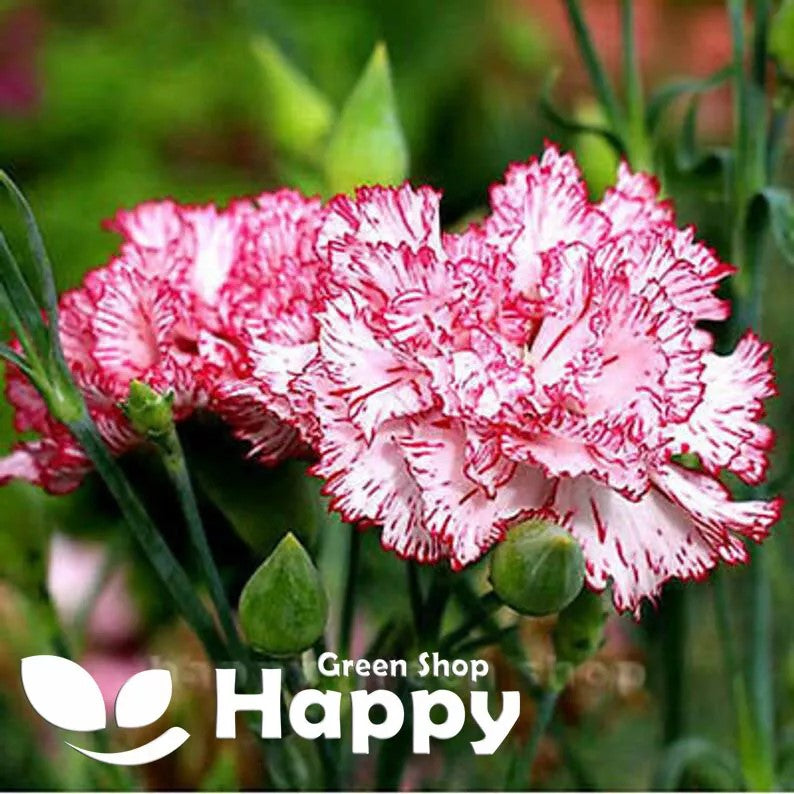
Carnation Chadbaud ‘Benigna’ – 100 Seeds (Dianthus caryophyllus)
Carnation Chadbaud ‘Benigna’ (Dianthus caryophyllus) is a beautiful, compact annual with soft pink, fragrant blooms. Perfect for borders, rockeries, and containers, it adds elegance and color to your garden from late spring to autumn. Easy to grow and long-flowering, it also attracts pollinators.
Why Grow "Benigna"
-
Fragrant soft pink blooms
-
Compact, bushy growth habit
-
Long flowering period from late spring to autumn
-
Attracts bees and butterflies
Key Features
-
Type: Annual (Dianthus caryophyllus)
-
Height: 20–30 cm
-
Flowering: May–October
-
Position: Full sun to partial shade
-
Uses: Borders, rockeries, containers, patios, cottage gardens
Ideal For
-
Small garden beds and borders
-
Rockeries and container planting
-
Patio displays and window boxes
-
Pollinator-friendly gardens
Sowing & Growing
-
Sow indoors: February–April in seed trays
-
Sow outdoors: April–May after frost
-
Germination: 10–20 days at 18–22°C
-
Thin seedlings to 15–20 cm apart
-
Prefers full sun and well-drained soil
-
Deadhead to encourage prolonged flowering
Showing 144/914


