Sort by:
869 products
869 products
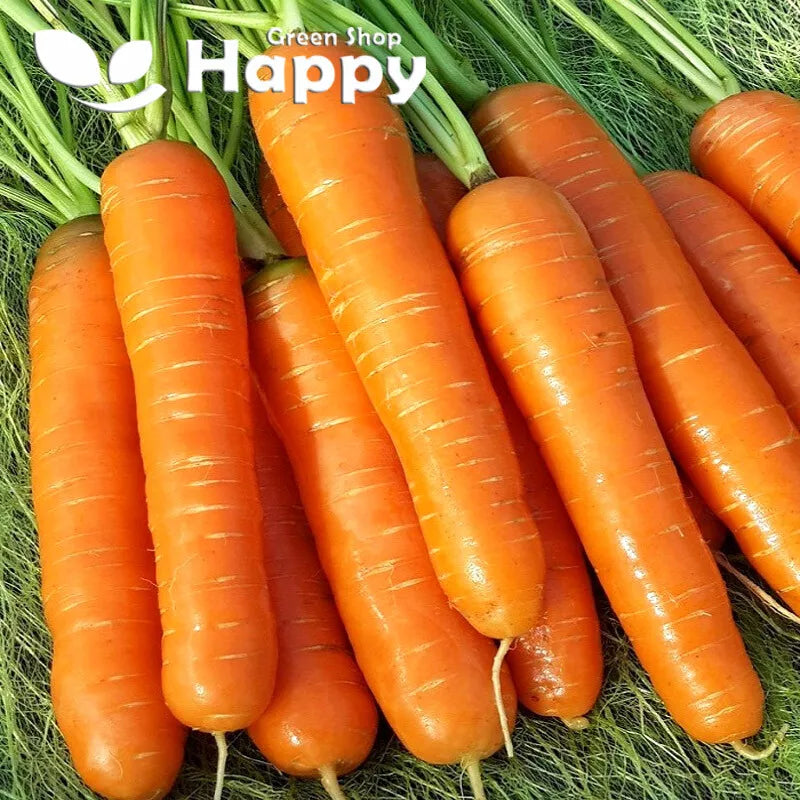
Carrot ‘Cortina’ F1 Seeds (Daucus carota)
Grow sweet, uniform carrots with Carrot ‘Cortina’ F1 (Daucus carota). This early-maturing hybrid produces smooth, tapered, bright orange roots with excellent flavor, perfect for fresh salads, cooking, and roasting. Hardy and highly productive, it’s ideal for vegetable gardens, raised beds, and succession sowing for a continuous harvest.
How to Grow
-
Sow seeds directly outdoors from early spring to midsummer.
-
Use fertile, well-drained soil in full sun.
-
Sow seeds 1 cm deep and thin seedlings to 5–8 cm apart.
-
Keep soil consistently moist for optimal germination (10–14 days).
-
Harvest roots when fully grown but still tender for best flavor.
Key Features
-
Smooth, tapered, bright orange roots
-
Early-maturing and high-yield F1 hybrid
-
Sweet and flavorful, ideal for salads, cooking, and roasting
-
Reliable and easy to grow
-
Suitable for succession sowing for continuous harvest
Ideal For
-
Vegetable gardens, raised beds, and allotments
-
Fresh salads, cooking, and roasting
-
Succession sowing for steady harvests
-
Homegrown culinary use
Sowing
-
Best time: Early spring to midsummer outdoors
-
Depth: 1 cm
-
Spacing: Thin to 5–8 cm apart
-
Prefers full sun and fertile, well-drained soil
Quick Tip
-
Sow in successive batches every 2–3 weeks for a continuous supply of sweet, tender carrots.

Carrot 'Early Nantes 3' – Seeds (Daucus carota)
The classic Carrot 'Early Nantes 3' is a reliable, early-maturing variety producing smooth, cylindrical roots with a bright orange color and sweet, tender flesh. Known for its uniform shape and excellent flavor, it’s perfect for fresh eating, juicing, steaming, or roasting. A favorite among gardeners, this variety is easy to grow and ideal for successional sowing throughout the season.
How to Grow
-
Sow seeds outdoors from March to July.
-
Sow thinly, 1 cm deep, in finely prepared soil, in rows 20–30 cm apart.
-
Thin seedlings to 5–8 cm spacing for well-formed roots.
-
Prefers light, well-drained soil in full sun.
-
Keep soil moist to prevent splitting.
Key Features
-
Classic early Nantes variety
-
Smooth, uniform, cylindrical roots
-
Sweet, tender flesh with excellent flavor
-
Quick to mature and high-yielding
-
Great for successional sowing
Ideal For
-
Fresh eating and juicing
-
Steaming, roasting, or soups
-
Succession sowing for extended harvests
-
Kitchen gardens, raised beds, and allotments
Sowing & Harvest
-
Sow: March to July
-
Depth: 1 cm
-
Spacing: 5–8 cm between plants, 20–30 cm between rows
-
Harvest: June to October
Quick Tip
-
Sow little and often every 2–3 weeks for a continuous supply of tender carrots.
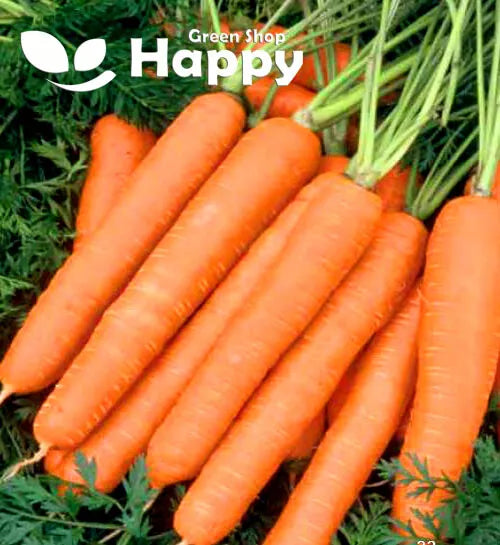
Carrot ‘Naomi’ Nantes Type Seeds (Daucus carota)
Enjoy sweet, tender carrots with Carrot ‘Naomi’ (Daucus carota), a classic Nantes type. This reliable variety produces uniform, cylindrical roots with smooth skin and excellent flavor, perfect for fresh eating, juicing, or cooking. Early-maturing and easy to grow, it’s an ideal choice for home gardens, raised beds, and allotments.
How to Grow
-
Sow seeds directly outdoors from early spring to midsummer.
-
Use fertile, stone-free, well-drained soil in full sun.
-
Sow seeds 1 cm deep in rows, spacing seedlings 5–8 cm apart.
-
Keep soil consistently moist for even germination (10–14 days).
-
Harvest roots when they reach 15–18 cm in length for best flavor and texture.
Key Features
-
Classic Nantes type with smooth, cylindrical roots
-
Sweet flavor and tender texture
-
Early-maturing and uniform growth
-
Excellent for fresh eating, juicing, and cooking
-
Reliable and easy to grow in most soils
Ideal For
-
Vegetable gardens, raised beds, and allotments
-
Fresh eating, juicing, cooking, and freezing
-
Continuous harvests with succession sowing
-
Gardeners of all levels
Sowing
-
Best time: Early spring to midsummer outdoors
-
Depth: 1 cm
-
Spacing: Thin to 5–8 cm apart
-
Prefers full sun and fertile, well-drained soil
Quick Tip
-
Sow in succession every 3 weeks to enjoy a continuous supply of sweet, tender carrots.

Carrot ‘Olympus’ Flakke Type Seeds (Daucus carota)
Grow sweet, crunchy carrots with Carrot ‘Olympus’ Flakke Type (Daucus carota). This early-maturing variety produces flat, broad, orange roots with excellent flavor, perfect for salads, cooking, and roasting. Easy to grow and reliable, it’s ideal for vegetable gardens, raised beds, and succession sowing.
How to Grow
-
Sow seeds directly outdoors from early spring to midsummer.
-
Use fertile, well-drained soil in full sun.
-
Sow seeds 1 cm deep and thin seedlings to 5–8 cm apart.
-
Keep soil consistently moist to support germination (10–14 days).
-
Harvest roots when they reach full size but remain tender.
Key Features
-
Flat, broad, sweet, and crunchy orange roots
-
Early-maturing and easy to grow
-
Ideal for salads, cooking, and roasting
-
Reliable and productive in temperate climates
-
Suitable for succession sowing for continuous harvest
Ideal For
-
Vegetable gardens and raised beds
-
Fresh salads, cooking, and roasting
-
Succession sowing for steady harvests
-
Kitchen gardens and allotments
Sowing
-
Best time: Early spring to midsummer outdoors
-
Depth: 1 cm
-
Spacing: Thin to 5–8 cm apart
-
Prefers full sun and fertile, well-drained soil
Quick Tip
-
Sow in successive batches every 2–3 weeks for a continuous supply of tender, sweet roots.

Carrot ‘Chantenay’ – Seeds
(Daucus carota)
Carrot ‘Chantenay’ is a classic, reliable variety producing short, broad, conical roots with a rich orange color and sweet, crisp flavor. Ideal for heavy or shallow soils, this variety performs well where longer carrots might struggle. Perfect for fresh eating, juicing, or roasting, ‘Chantenay’ carrots are a trusted favorite for gardeners and cooks alike.
Key Features
-
Type: Maincrop carrot
-
Root Shape: Short, conical
-
Color: Deep orange
-
Flavor: Sweet, tender, and full-bodied
-
Days to Maturity: 70–85 days
-
Soil Tolerance: Performs well in heavier or shallow soils
Ideal For
-
Kitchen gardens and allotments
-
Containers and raised beds
-
Fresh use, cooking, and juicing
Sowing & Growing
-
Sow outdoors: March – July
-
Harvest: June – October
-
Spacing: Thin to 5–8 cm apart
-
Depth: 1 cm
-
Position: Full sun
-
Soil: Loose, well-drained, stone-free
Care Tips
-
Keep soil moist for even germination.
-
Thin seedlings early to avoid crowding.
-
Avoid fresh manure to prevent root forking.

Carving Pumpkin ‘Connecticut Field’ Seeds (Cucurbita pepo)
Grow classic, large pumpkins with Carving Pumpkin ‘Connecticut Field’ (Cucurbita pepo). This traditional variety produces robust, round-to-flattened fruits perfect for Halloween carving, autumn decorations, and cooking. Easy to grow and highly productive, it’s ideal for home gardens, allotments, and family pumpkin projects.
How to Grow
-
Sow seeds indoors 3–4 weeks before the last frost or directly outdoors after frost risk has passed.
-
Use fertile, well-drained soil in full sun.
-
Sow seeds 2–3 cm deep and thin seedlings to 90–120 cm apart.
-
Provide ample space for sprawling vines and regular watering.
-
Harvest pumpkins when fully orange, firm, and the skin resists pressure.
Key Features
-
Large, round-to-flattened pumpkins
-
Ideal for carving, decoration, and cooking
-
Hardy, easy to grow, and highly productive
-
Classic autumn pumpkin variety
-
Suitable for home gardens, allotments, and family projects
Ideal For
-
Halloween carving and festive decoration
-
Autumn cooking, soups, and baking
-
Vegetable gardens and allotments
-
Family and community gardening projects
Sowing
-
Best time: 3–4 weeks before last frost indoors or after frost outdoors
-
Depth: 2–3 cm
-
Spacing: 90–120 cm apart
-
Prefers full sun and fertile, well-drained soil
Quick Tip
-
Mulch around the base of plants to retain moisture and prevent soil-borne diseases.
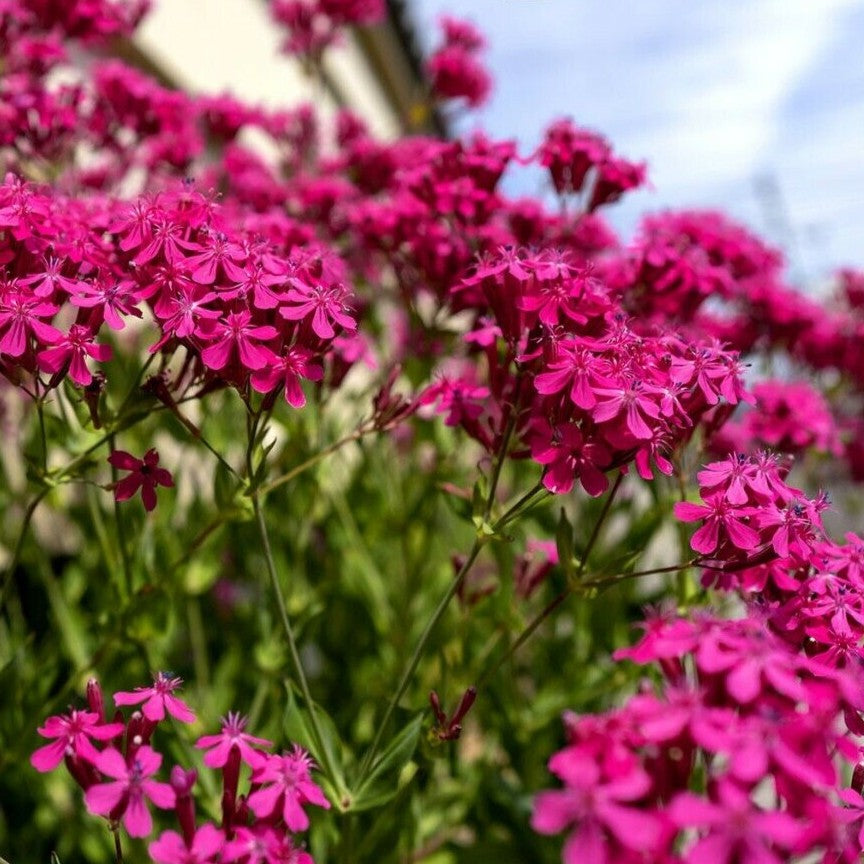
Catchfly 'Rubra Electra' – 4000 Seeds (Silene armeria)
Bring dazzling bursts of deep pink to your garden with Catchfly 'Rubra Electra'. This charming annual produces airy, delicate flowers perfect for borders, meadows, and cottage gardens.
What Makes It Special
-
Stunning deep pink blooms with a long flowering period
-
Adds height and texture to flower beds
-
Attracts pollinators like bees and butterflies
-
Easy to grow and low maintenance
Key Features
-
Height: 40–50 cm
-
Full sun loving, drought-tolerant
-
Blooms: late spring to summer
-
Annual, self-seeding
Ideal For
-
Borders, rock gardens, and wildflower meadows
-
Pollinator-friendly gardens
-
Cottage-style and naturalistic plantings
-
Cut flower arrangements
Sowing
-
Sow outdoors after the last frost
-
Cover lightly with soil and keep moist
-
Germination: 10–14 days
-
Thin seedlings to 15–20 cm apart

Nodding Catchfly 'Triumph' – 400 Seeds (Silene pendula)
Delight your garden with Nodding Catchfly 'Triumph', featuring charming, nodding flowers that add movement and color to borders, rock gardens, and wildflower mixes.
What Makes It Special
-
Elegant nodding flowers in soft shades
-
Long-lasting blooms
-
Attracts pollinators like bees and butterflies
-
Easy to grow from seed
Key Features
-
Height: 40–50 cm
-
Full sun, well-drained soil
-
Annual, self-seeding
Ideal For
-
Flower borders and rock gardens
-
Cottage gardens and meadows
-
Pollinator-friendly planting
-
Cut flowers
Sowing
-
Sow outdoors after the last frost
-
Lightly cover seeds with soil and keep moist
-
Germination: 10–14 days
-
Thin seedlings to 15–20 cm apart

Cauliflower ‘Di Sicilia Violetto’ Seeds (Brassica oleracea)
Bring color and flavor to your garden with Cauliflower ‘Di Sicilia Violetto’ (Brassica oleracea). This traditional Italian heirloom produces striking purple heads with a delicate, nutty flavor, perfect for steaming, roasting, or adding to vibrant salads. Easy to grow and highly nutritious, it’s a standout choice for gardeners who love unique vegetables.
How to Grow
-
Sow seeds indoors from early spring, or directly outdoors after frost risk has passed.
-
Use fertile, well-drained soil in full sun.
-
Sow seeds 0.5–1 cm deep and thin seedlings to 45–60 cm apart.
-
Keep soil consistently moist and protect young plants from pests.
-
Harvest heads when firm, tight, and brightly colored.
Key Features
-
Striking purple cauliflower with nutty flavor
-
Traditional Italian heirloom variety
-
Nutritious and packed with antioxidants
-
Suitable for steaming, roasting, and fresh dishes
-
Reliable crop for vegetable gardens and allotments
Ideal For
-
Home gardens, allotments, and raised beds
-
Cooking, steaming, roasting, and vibrant salads
-
Gardeners who enjoy growing heirloom vegetables
-
Adding color and nutrition to the kitchen garden
Sowing
-
Best time: Early spring indoors or late spring outdoors
-
Depth: 0.5–1 cm
-
Spacing: 45–60 cm apart
-
Prefers full sun and fertile, well-drained soil
Quick Tip
-
Blanching isn’t necessary with this variety—the purple heads naturally keep their vibrant color until cooking.
Showing 153/869