
Sort by:
914 products
914 products
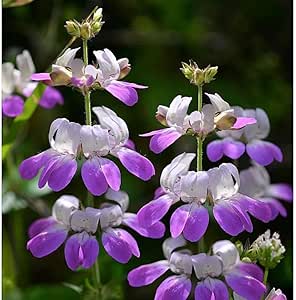
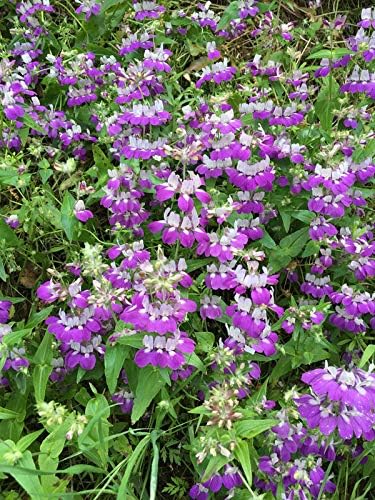
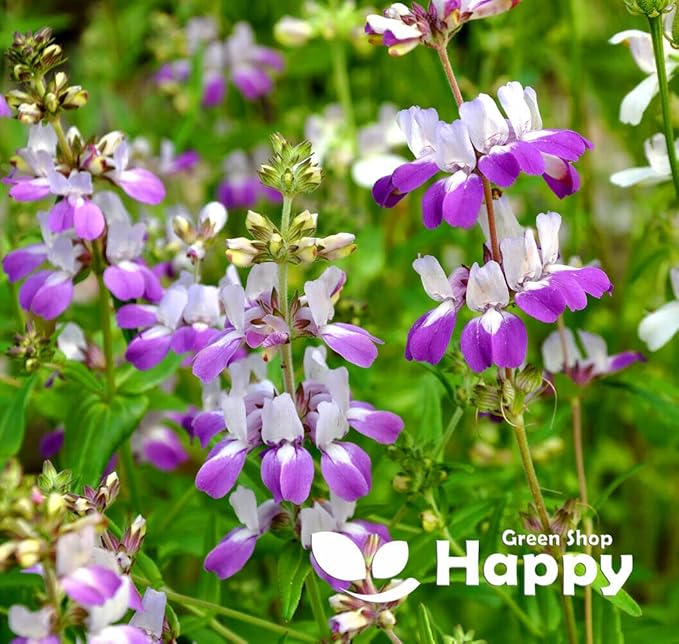
Chinese Houses Seeds (Collinsia heterophylla)
The Chinese Houses is a charming annual wildflower, native to California, producing delicate whorls of purple and white, two-tone blossoms stacked like little pagodas. Its unique form and soft colors make it a lovely choice for borders, wildflower meadows, or naturalistic plantings. Easy to grow, it self-seeds readily and attracts bees and butterflies.
What Makes It Special
-
Distinctive tiered flowers resembling miniature pagodas
-
Native wildflower, easy to grow and care for
-
Attracts bees, butterflies, and other pollinators
Key Features
-
Botanical name: Collinsia heterophylla
-
Hardy annual
-
Height: 30–50 cm (12–20 in)
-
Bloom time: Late spring to summer
Ideal For
-
Wildflower and meadow-style gardens
-
Cottage and naturalistic borders
-
Pollinator-friendly plantings
Sowing
-
Sow directly outdoors Mar–May or Aug–Sep for earlier blooms
-
Lightly cover seeds with soil
-
Germination: 14–21 days at 15–20°C
-
Thin seedlings 15–20 cm apart
-
Flowers in the same year
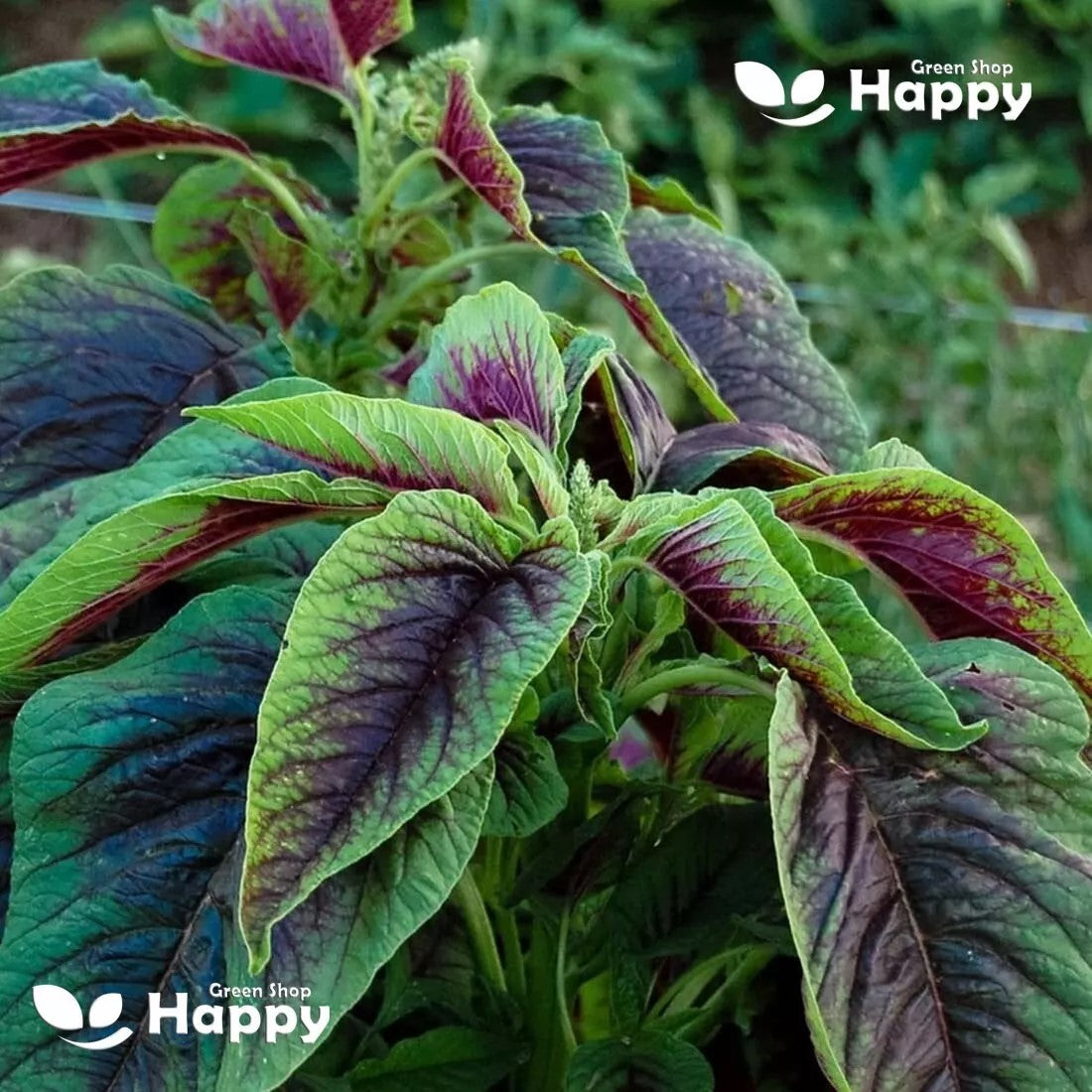
CHINESE SPINACH ‘RED CALLALOO’ SEEDS (Amaranthus tricolor)
Chinese Spinach ‘Red Callaloo’ is a fast-growing, heat-tolerant leafy green prized for its tender, nutritious leaves. With striking red and green foliage, it is both ornamental and edible, adding color to your garden and flavor to your kitchen. A staple in Asian and Caribbean cuisine, it thrives through summer and can be harvested young for salads or mature for cooking.
Why Grow "Red Callaloo"
-
Nutritious, tender leaves with a mild spinach-like flavor
-
Heat-loving, fast-growing summer green
-
Vibrant red and green foliage adds ornamental value
-
A staple in Asian and Caribbean dishes
Key Features
-
Type: Annual (Amaranthus tricolor)
-
Height: 60–90 cm
-
Harvest: 30–60 days from sowing
-
Position: Full sun
-
Uses: Salads, stir-fries, soups, stews, ornamental beds
Ideal For
-
Growing nutritious, heat-tolerant summer greens
-
Adding vibrant color to vegetable and ornamental gardens
-
Harvesting as baby leaves or mature greens
-
Home cooks and gardeners looking for dual-purpose crops
Sowing & Growing
-
Sow outdoors: After last frost when soil is warm
-
Germination: 7–14 days
-
Thin seedlings: 20–30 cm apart
-
Harvest young leaves for salads or mature for cooking
-
Prefers full sun and well-drained soil


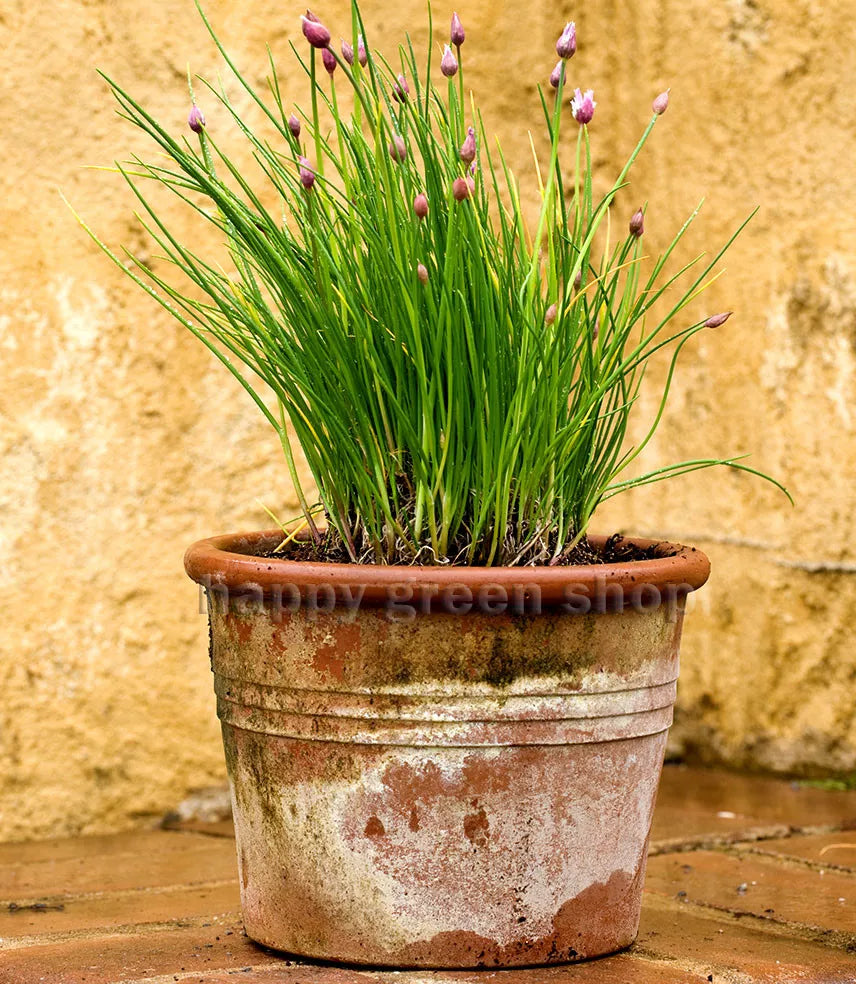
Chives 'Bohemia' - 1000 seeds (Allium schoenoprasum) - Hardy Perennial - Overwintering
£1.24
Unit price perChives 'Bohemia' - 1000 seeds (Allium schoenoprasum) - Hardy Perennial - Overwintering
£1.24
Unit price perChives ‘Bohemia’ – Seeds (Allium schoenoprasum) – Hardy Perennial
Chives ‘Bohemia’ is a hardy perennial herb, perfect for overwintering and providing fresh growth year after year. Known for its fine, hollow green leaves and mild onion flavor, it’s a versatile kitchen herb ideal for salads, soups, sauces, and garnishes. In summer, attractive purple-pink flowers appear, loved by bees and pollinators, making this a decorative as well as useful garden plant.
How to Grow
-
Sow indoors: February – April in pots or trays at 15–20°C.
-
Sow outdoors: April – July in finely prepared soil.
-
Thin or transplant seedlings to 20 cm apart.
-
Prefers full sun or partial shade and well-drained soil.
-
Cut regularly to encourage fresh growth.
Key Features
-
Hardy perennial herb with overwintering growth
-
Fine, mild onion-flavored leaves
-
Decorative purple flowers attract pollinators
-
Easy to grow in pots, borders, or herb gardens
-
Reliable year-round harvests
Ideal For
-
Fresh salads, soups, sauces, and garnishes
-
Herb gardens, borders, and containers
-
Attracting bees and pollinators
Sowing & Harvest
-
Sow: February – July
-
Harvest: May – October, with regrowth in spring
Quick Tip
Divide clumps every few years to maintain healthy growth and extend the lifespan of your chive plants.
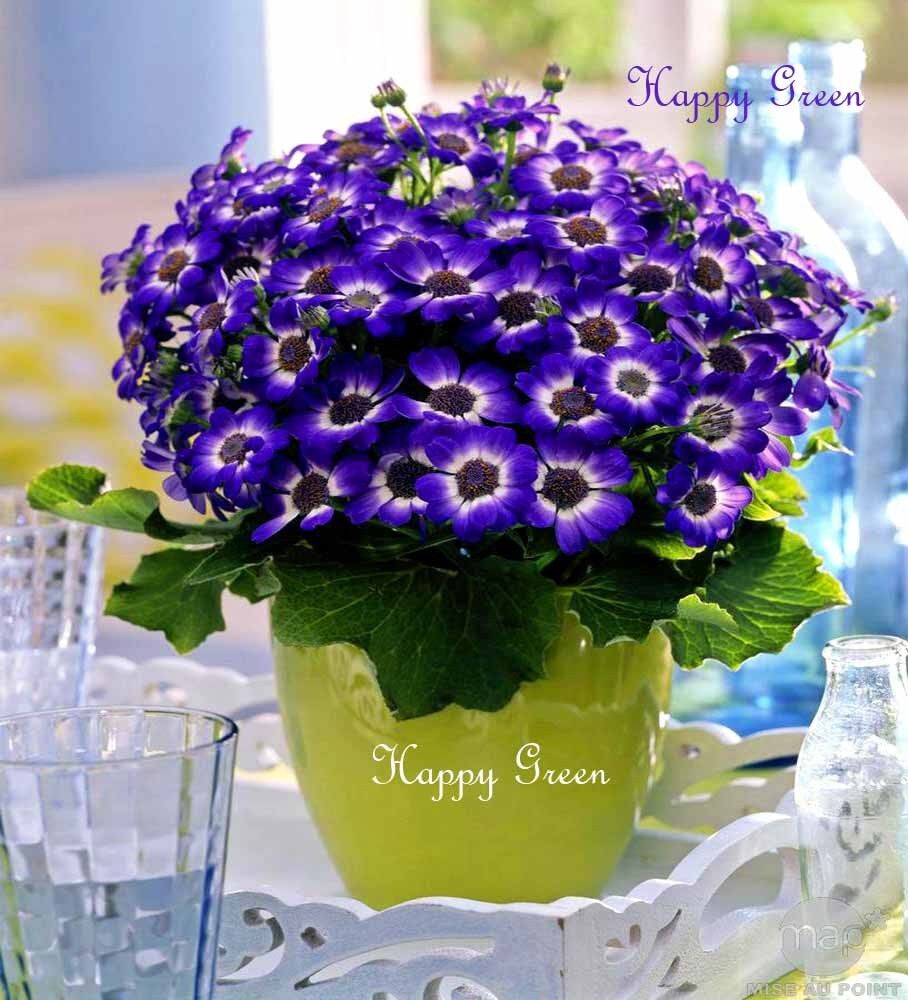
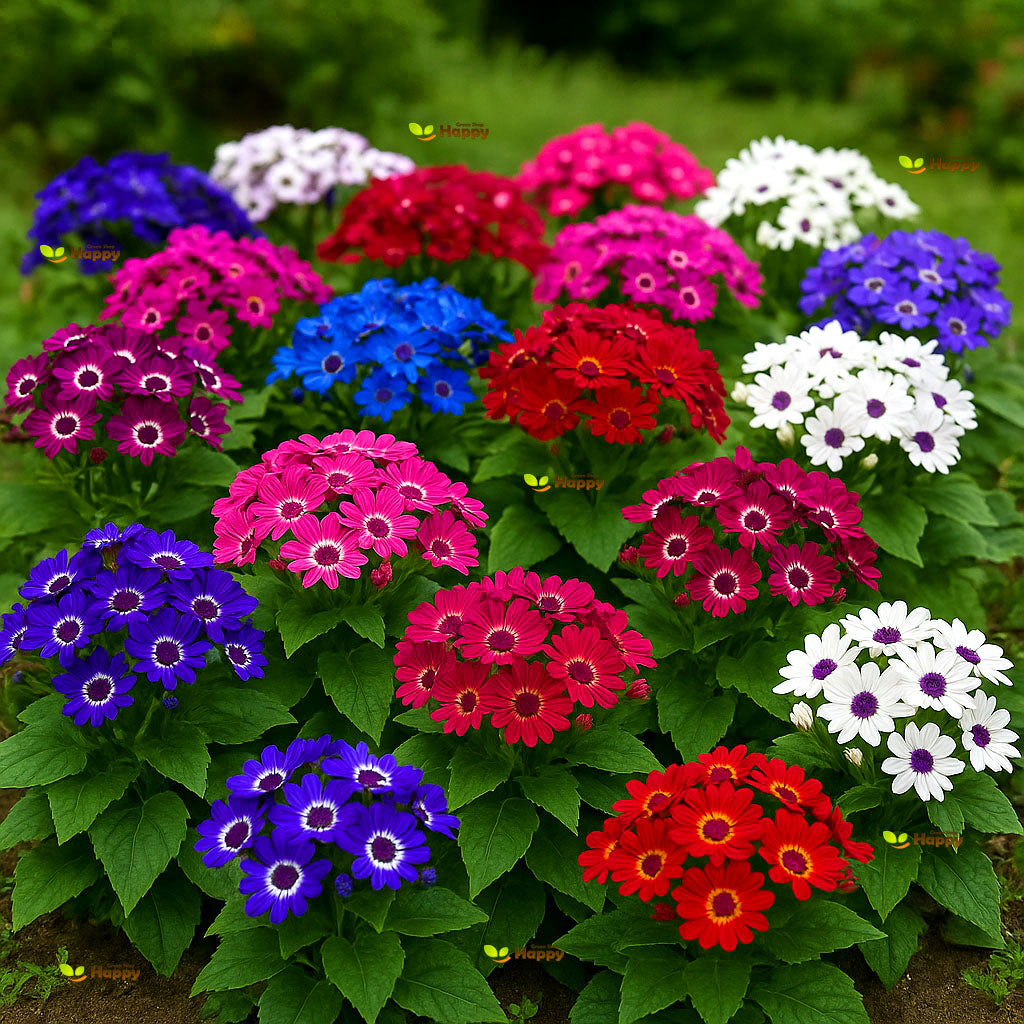
Cineraria hybrida dwarf mix `Amigo Strain` - 10 seeds (Senecio hybridus nana)
£1.75
Unit price perCineraria hybrida dwarf mix `Amigo Strain` - 10 seeds (Senecio hybridus nana)
£1.75
Unit price perCineraria Hybrida Dwarf Mix ‘Amigo Strain’ – Seeds (Senecio hybridus nana)
Cineraria Hybrida Dwarf Mix ‘Amigo Strain’ produces a stunning display of bright, daisy-like flowers in shades of purple, blue, pink, and white. Compact and low-growing, it is ideal for pots, borders, and window boxes. This easy-to-grow annual blooms early in spring, adding vibrant color to indoor and outdoor displays.
Why Grow "Amigo Strain"
-
Compact, dwarf habit for small spaces
-
Bright, multicolored daisy-like blooms
-
Long-lasting and early flowering
-
Ideal for containers, borders, and window boxes
Key Features
-
Type: Half-hardy annual (Senecio hybridus nana)
-
Height: 15–25 cm
-
Flowering: Early spring
-
Position: Partial shade to bright indirect light
-
Uses: Containers, window boxes, borders, indoor displays
Ideal For
-
Patio and balcony containers
-
Indoor bright spots
-
Early spring color in gardens
-
Borders and small-scale plantings
Sowing & Growing
-
Sow indoors: January–March in seed trays
-
Germination: 14–21 days at 18–20°C
-
Transplant seedlings into pots when large enough
-
Keep soil moist, avoid direct harsh sunlight
-
Deadhead to prolong flowering
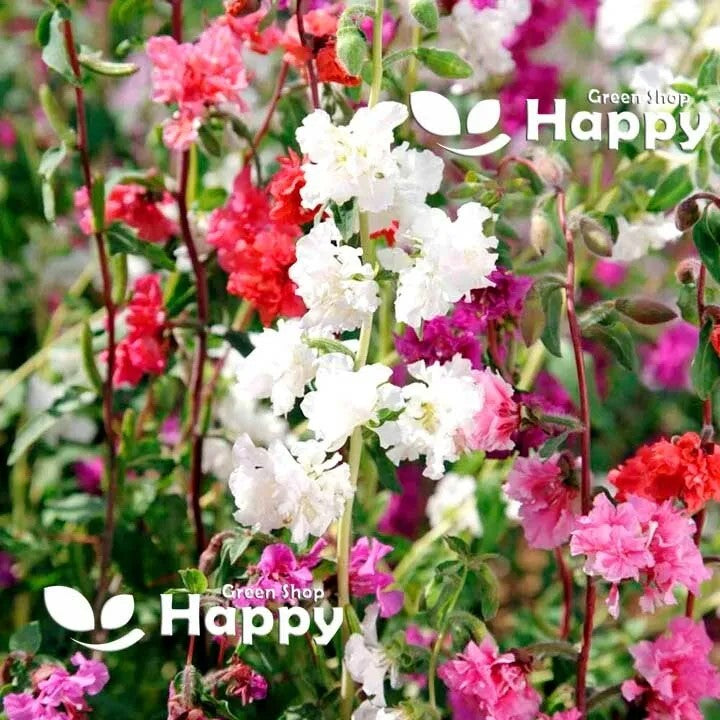
Clarkia Garland Flower Double Mix - 3000 seeds (Clarkia unguiculata elegans)
£1.24
Unit price perClarkia Garland Flower Double Mix - 3000 seeds (Clarkia unguiculata elegans)
£1.24
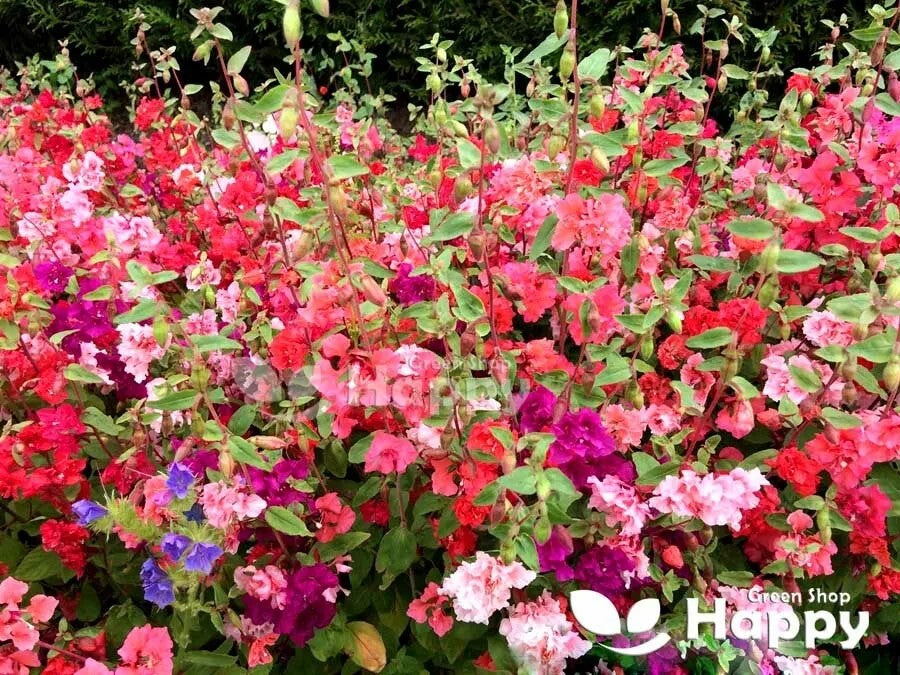
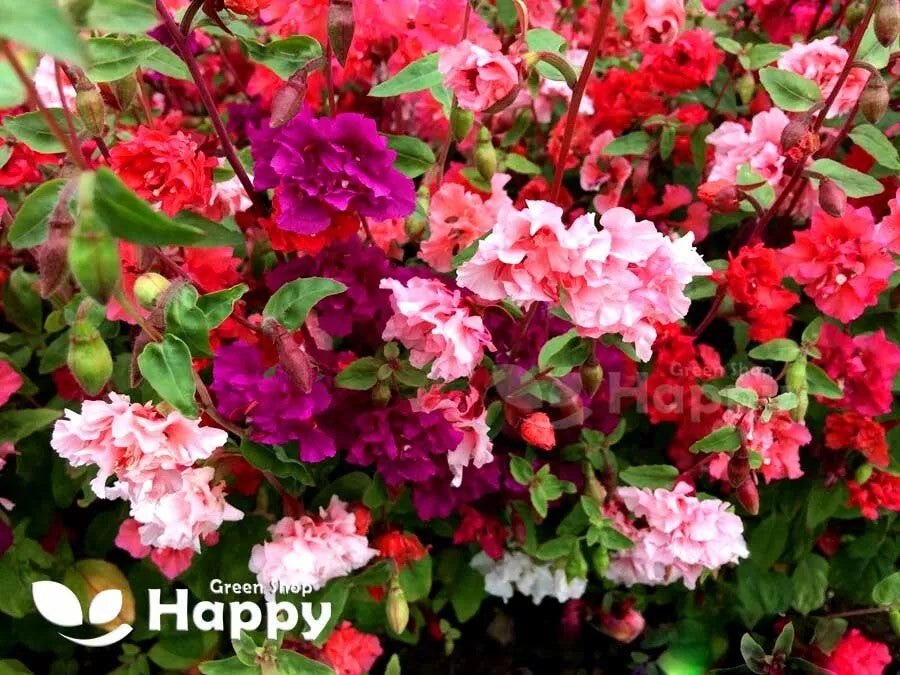
Unit price perClarkia Garland Flower Double Mix – 3000 Seeds (Clarkia unguiculata elegans)
Bring charm and colour to your garden with Clarkia Garland Flower Double Mix. These graceful annuals produce tall spikes packed with double, rose-like blooms in a range of pinks, purples, reds, and whites. Perfect for cutting, borders, or naturalized displays, Clarkia is a classic cottage garden favourite.
What Makes It Special
-
Abundant double blooms with a romantic, rose-like look
-
Wide mix of bright, cheerful colours
-
Excellent for cut flowers with long vase life
-
Easy to grow, reliable, and fuss-free
Key Features
-
Hardy annual
-
Height: 60–90 cm
-
Blooms summer to early autumn
-
Prefers full sun and well-drained soil
-
Attracts pollinators, especially bees and butterflies
Ideal For
-
Cottage gardens and wildflower borders
-
Cut flower arrangements
-
Mass planting for colourful displays
-
Pollinator-friendly planting
Sowing
-
Sow directly outdoors in spring after frost
-
Lightly rake seeds into prepared soil, keep moist
-
Germination: 14–21 days
-
Thin seedlings to 20–30 cm spacing
-
Water regularly but avoid waterlogging
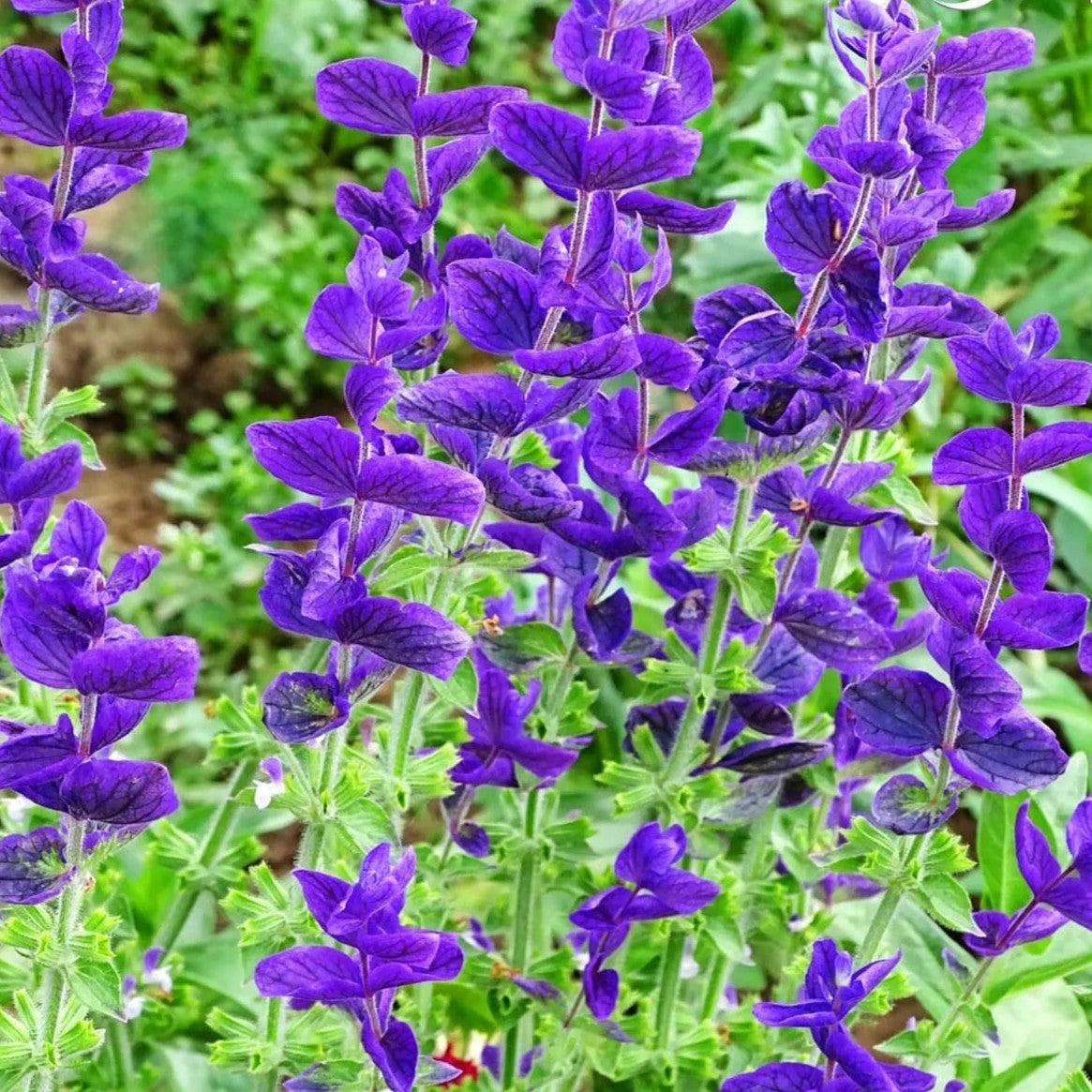
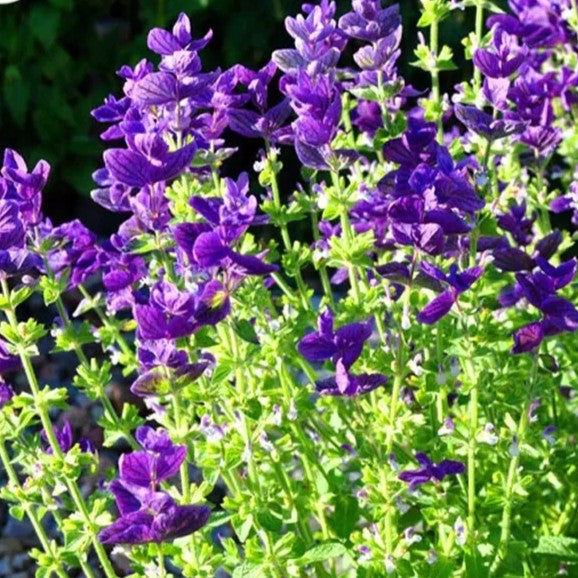
🌸 Salvia horminum ‘Blue Monday’ – Clary Sage with Intense Blue Bracts for Summer Colour
‘Blue Monday’ is a striking annual clary sage grown primarily for its vivid blue bracts, which surround small, discreet flowers and provide long-lasting ornamental impact. The upright, well-branched plants create strong vertical accents in the garden, making this variety especially effective in borders, cottage gardens and cut-flower beds.
The colourful bracts retain their intensity for weeks and are excellent for fresh and dried arrangements. Easy to grow and tolerant of summer heat, ‘Blue Monday’ performs best when planted in groups for maximum visual effect and is also attractive to bees and pollinators.
Key Features
● Intense blue decorative bracts with long-lasting colour
● Upright, well-branched growth habit
● Excellent for borders, cutting and drying
● Easy to grow and heat tolerant
● Attractive to bees and beneficial insects
How to Sow & Grow Clary Sage ‘Blue Monday’ (UK)
Direct sowing recommended
Direct outdoors (spring): IV–V (April–May)
Direct outdoors (autumn): IX–X (September–October) (overwintering for earlier flowering)
Flowering: VI–IX (June–September)
Life cycle: Annual
Germination temperature: 15–20 °C (59–68 °F)
Average germ time: 10–21 days
Depth: 0.5 cm (¼ in)
Light required: Yes
Moisture: Moderate
Environment: Full sun
Soil type: Well-drained soil; tolerates poorer soils
Plant spacing: 25–30 cm (10–12 in)
Height: 40–60 cm (16–24 in)
Sowing & Growing Tips (variety-specific)
● Autumn sowing produces stronger plants and earlier flowering.
● Avoid overly rich soil to maintain compact growth.
● Deadhead lightly or harvest stems to encourage continued display.
● Excellent choice for naturalistic and pollinator-friendly plantings.
● Ideal for both fresh and dried flower use.
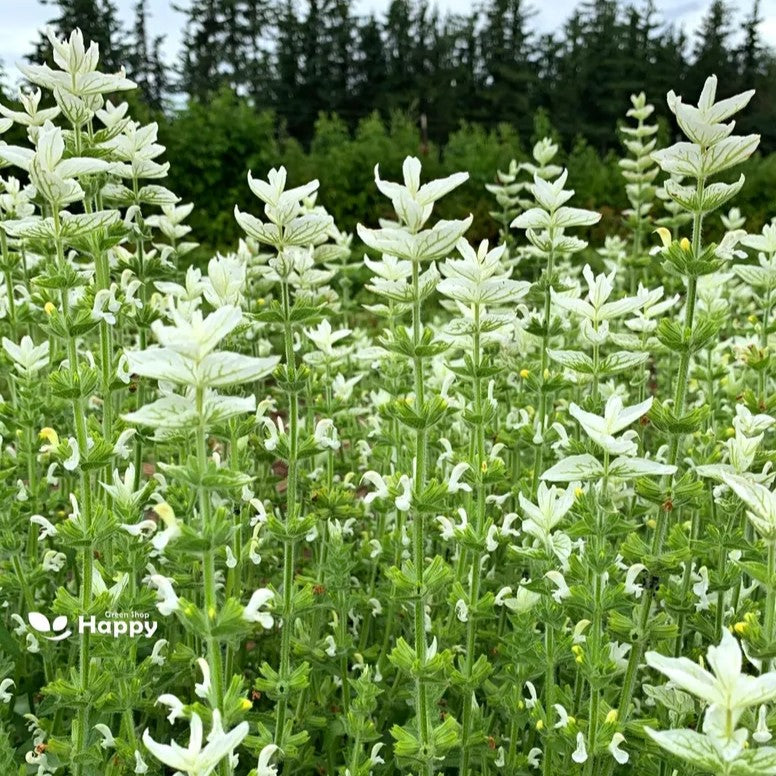
Clary Sage – White Swan Seeds (Salvia horminum)
Bring elegance and fragrance to your garden with Clary Sage – White Swan (Salvia horminum). This striking annual herb is prized for its large, pure white bracts that surround tiny flowers, creating a dramatic, eye-catching display. Both ornamental and aromatic, it’s an excellent choice for garden beds, borders, and cut flower arrangements.
How to Grow
-
Sow indoors in early spring or directly outdoors after the last frost.
-
Choose a sunny location with well-drained soil.
-
Lightly cover seeds with fine soil and keep moist until germination (10–20 days).
-
Thin seedlings once large enough to handle, spacing them about 20–25 cm apart.
-
Water regularly but avoid waterlogging.
-
Deadhead spent blooms to encourage prolonged flowering.
Key Features
-
Pure white bracts that create a bold floral display
-
Easy-to-grow annual, fast to flower in a single season
-
Aromatic foliage, often used in traditional remedies and crafts
-
Excellent as a cut flower for fresh or dried arrangements
-
Attracts bees, butterflies, and other pollinators
Ideal For
-
Cottage gardens and flower borders
-
Cutting gardens and bouquets
-
Pollinator-friendly landscapes
-
Containers and decorative pots
Sowing
-
Best time: Early spring indoors or outdoors after frost
-
Germination: 10–20 days
-
Sow thinly, cover lightly, and keep soil consistently moist
-
Prefers full sun and well-drained soil
Quick Tip
-
For a longer display, stagger sowings every few weeks during spring and early summer.
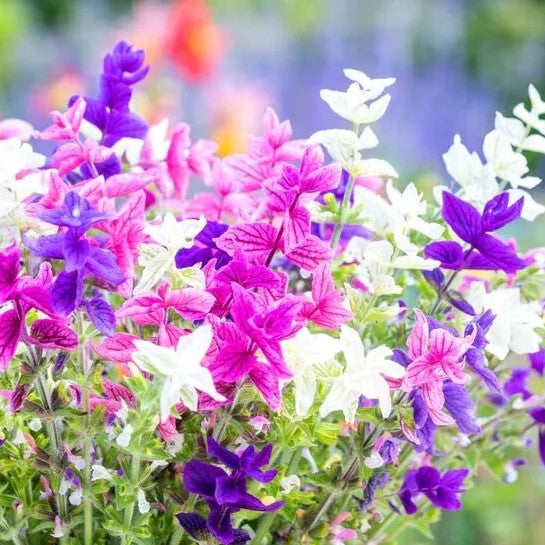
Clary Salvia – Seeds (Salvia horminum)
Clary Salvia (Salvia horminum) is an elegant, long-flowering annual producing vibrant spikes of violet, blue, or pink blooms. Blooming from summer to autumn, it attracts bees and butterflies while adding vertical interest and striking color to borders, containers, and cottage gardens. Easy to grow and low-maintenance, Clary Salvia is perfect for creating eye-catching displays with minimal effort.
Why Grow "Clary Salvia"
-
Vibrant spikes of violet, blue, or pink flowers
-
Long flowering season from summer to autumn
-
Attracts pollinators like bees and butterflies
-
Adds vertical interest and color to borders and containers
Key Features
-
Type: Annual (Salvia horminum)
-
Height: 50–70 cm
-
Flowering: Summer to autumn
-
Position: Full sun
-
Uses: Borders, containers, cottage gardens, pollinator-friendly gardens
Ideal For
-
Adding vertical color to borders and beds
-
Patio and container planting
-
Pollinator-friendly garden designs
-
Gardeners seeking long-flowering, low-maintenance annuals
Sowing & Growing
-
Sow indoors: 6–8 weeks before last frost
-
Sow outdoors: After frost danger has passed
-
Germination: 10–14 days
-
Space seedlings: 30–40 cm apart
-
Prefers well-drained soil and full sun
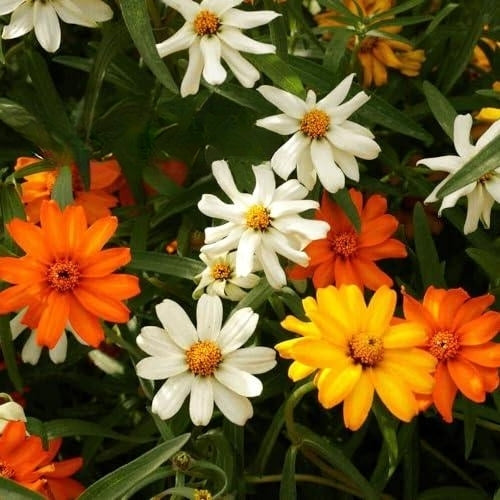
Classic Zinnia – Seeds
(Zinnia linearis angustifolia) – Annual
The Classic Zinnia (Zinnia linearis angustifolia) is a compact and easy-to-grow annual, loved for its masses of daisy-like blooms in bright shades of yellow, orange, and white. Unlike tall zinnia varieties, this type has a bushy, spreading habit and flowers abundantly all summer long, making it perfect for edging, borders, and pots. It is drought-tolerant, long-flowering, and pollinator-friendly, ensuring a cheerful display with minimal effort.
Key Features
-
Type: Annual
-
Height: 20–40 cm
-
Spread: 25–35 cm
-
Blooming period: June–October
-
Position: Full sun
-
Soil: Well-drained, moderately fertile
Ideal For
-
Bedding and borders
-
Containers and pots
-
Pollinator-friendly gardens
-
Low-maintenance summer color
Sowing & Growing
-
Sow indoors: March–April (in trays or pots at 18–22°C)
-
Sow outdoors: May (after frost has passed)
-
Sowing depth: 0.5 cm, cover lightly with soil
-
Spacing: 25–30 cm apart
-
Care: Prefers sunny spots; deadhead to extend flowering season
Showing 198/914


