
Sort by:
914 products
914 products


🌿 Alchemilla mollis Lady’s Mantle – Hardy Perennial with Soft Green Foliage and Airy Lime Flowers
Lady’s Mantle (Alchemilla mollis) is a much-loved hardy perennial grown for its soft, velvety, fan-shaped leaves and delicate sprays of lime-green flowers that float above the foliage in late spring and early summer. The leaves beautifully catch dew and raindrops, adding ornamental interest even when not in bloom. Extremely reliable and easy to grow, this classic garden plant is ideal for borders, ground cover, edging, cottage gardens, and shaded areas.
Key Features
● Soft, pleated green leaves with decorative dew-catching effect
● Airy lime-green flowers from late spring to early summer
● Hardy, long-lived perennial with low maintenance needs
● Excellent ground cover and border edging plant
● Performs well in sun or partial shade
How to Sow & Grow Lady’s Mantle (UK)
Sow indoors: II–IV (February–April) in trays or pots
Transplant outdoors: V–VI (May–June) once seedlings are established
Direct outdoors: IV–V (April–May)
Flowering: V–VII (May–July)
Germination temperature: 15–20 °C (59–68 °F)
Average germ time: 14–21 days
Depth: Surface sow — do not cover, but press gently into the soil (requires light to germinate)
Light required: Yes
Moisture: Moderate; prefers consistently moist soil
Environment: Full sun to partial shade
Soil type: Moist, fertile, well-drained soil
Plant spacing: 30–40 cm (12–16 in)
Height: 30–45 cm (12–18 in)
Sowing & Growing Tips (variety-specific)
● Cut back after flowering to encourage fresh foliage.
● Tolerates shade better than many perennials.
● Can self-seed gently if flowers are left in place.
● Excellent companion plant for roses and perennials.
● Ideal for naturalistic and cottage-style gardens.
Special Features
● Decorative foliage attractive throughout the season
● Hardy and reliable in a wide range of conditions
● Beautiful fresh or dried flowers for arrangements
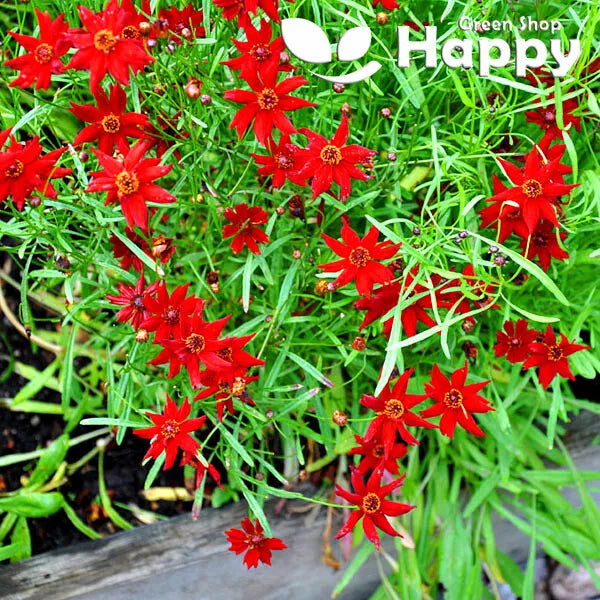
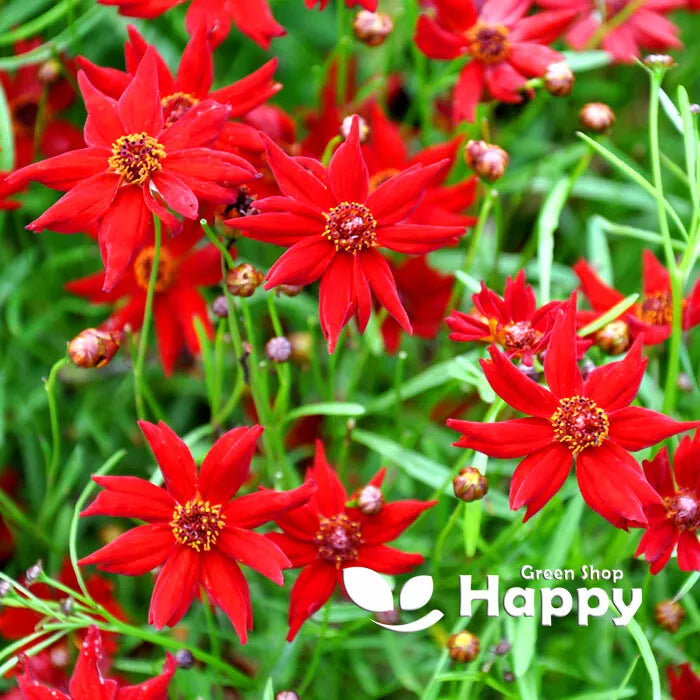
Coreopsis ‘Amulet Red’ – Seeds
(Coreopsis tinctoria)
Coreopsis ‘Amulet Red’ is a striking annual that produces masses of deep red, daisy-like blooms throughout summer. Its long-lasting flowers attract bees, butterflies, and other pollinators, making it both a decorative and wildlife-friendly choice. Perfect for borders, wildflower gardens, and cutting.
Why Grow Coreopsis ‘Amulet Red’?
-
Abundant deep red daisy-like flowers
-
Long flowering season from summer to autumn
-
Attracts bees, butterflies & pollinators
-
Easy to grow and low-maintenance
Key Features
-
Type: Hardy annual
-
Height: 45–60 cm
-
Flowers: June–October
-
Position: Full sun
-
Soil: Well-drained, moderately fertile
Ideal For
-
Borders and cottage gardens
-
Wildflower-style plantings
-
Pollinator-friendly gardens
-
Cut flower arrangements
Sowing & Growing
-
Sow outdoors: April–May in prepared soil, thin seedlings as needed
-
Sow indoors: March–April in trays, plant out after last frost
-
Germination: 7–14 days at 18–22°C
-
Spacing: 20–25 cm apart
-
Deadhead spent blooms to prolong flowering

Coreopsis 'Sterntaler' Seeds (Coreopsis lanceolata)
Bright and cheerful, Coreopsis ‘Sterntaler’ produces masses of golden-yellow blooms with a contrasting dark-red center. Long-flowering and easy to grow, it brings vibrant color to borders, containers, and wildflower meadows. Hardy and low-maintenance, it’s also loved by bees and butterflies.
What Makes It Special
-
Sunny yellow blooms with rich red centers
-
Long flowering season and low-maintenance
-
Attracts bees, butterflies, and pollinators
Key Features
-
Botanical name: Coreopsis lanceolata
-
Hardy perennial
-
Height: 30–60 cm (12–24 in)
-
Bloom time: Early summer to autumn
Ideal For
-
Cottage gardens and perennial borders
-
Wildflower meadows and pollinator gardens
-
Containers and cut flowers
Sowing
-
Sow indoors Feb–Apr or outdoors Apr–Jun
-
Cover lightly with soil and keep moist
-
Germination: 14–21 days at 18–22°C
-
Thin seedlings 25–30 cm apart
-
Flowers from the second year after sowing
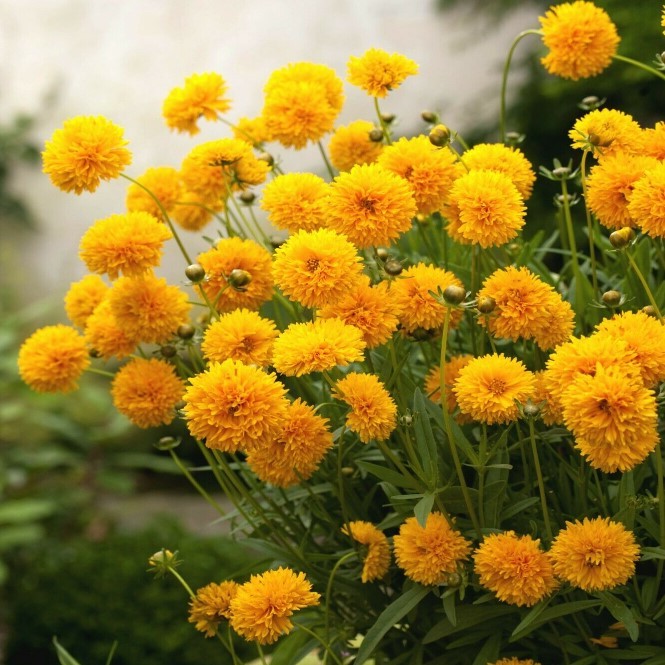
Coreopsis ‘Golden Globe’ Yellow Seeds (Coreopsis grandiflora)
Coreopsis ‘Golden Globe’ is a hardy perennial with bright golden-yellow, daisy-like flowers that bloom profusely from early summer to autumn. Compact and bushy, it’s perfect for borders, containers, and sunny garden beds. Easy to grow and drought-tolerant, it attracts bees and butterflies, adding cheerful color and pollinator-friendly appeal.
What Makes It Special
-
Vivid golden-yellow blooms all summer
-
Compact, bushy habit ideal for borders and containers
-
Attracts bees, butterflies, and other pollinators
Key Features
-
Botanical name: Coreopsis grandiflora
-
Hardy perennial
-
Height: 40–50 cm
-
Bloom time: Early summer to autumn
Ideal For
-
Borders, containers, and sunny beds
-
Pollinator-friendly gardens
-
Cottage and wildflower-style plantings
Sowing
-
Sow indoors Feb–Apr or outdoors Apr–Jun
-
Cover seeds lightly with soil
-
Germination: 14–21 days at 18–22°C
-
Space seedlings 30–35 cm apart
-
Flowers from the second year onward

Coriander Seeds (Coriandrum sativum)
Grow fresh, aromatic herbs with Coriander (Coriandrum sativum). This versatile herb produces feathery green leaves and aromatic seeds, perfect for salads, cooking, and spice blends. Fast-growing and easy to cultivate, it’s ideal for herb gardens, kitchen beds, and containers.
How to Grow
-
Sow seeds directly outdoors from early spring to late summer.
-
Use fertile, well-drained soil in full sun to partial shade.
-
Sow seeds 0.5–1 cm deep and thin seedlings to 15–20 cm apart.
-
Keep soil consistently moist for best germination (7–14 days).
-
Harvest leaves when young and tender; collect seeds when fully mature.
Key Features
-
Feathery, aromatic green leaves and flavorful seeds
-
Fast-growing and easy to cultivate
-
Ideal for fresh salads, cooking, and spice blends
-
Suitable for outdoor and container growing
-
Hardy and versatile culinary herb
Ideal For
-
Herb gardens, kitchen beds, and containers
-
Fresh salads, cooking, and seasoning
-
Homegrown spice production
-
Companion planting to attract beneficial insects
Sowing
-
Best time: Early spring to late summer outdoors
-
Depth: 0.5–1 cm
-
Spacing: Thin to 15–20 cm apart
-
Prefers full sun to partial shade and fertile, well-drained soil
Quick Tip
-
Sow in succession every 2–3 weeks for a continuous supply of fresh leaves and seeds.
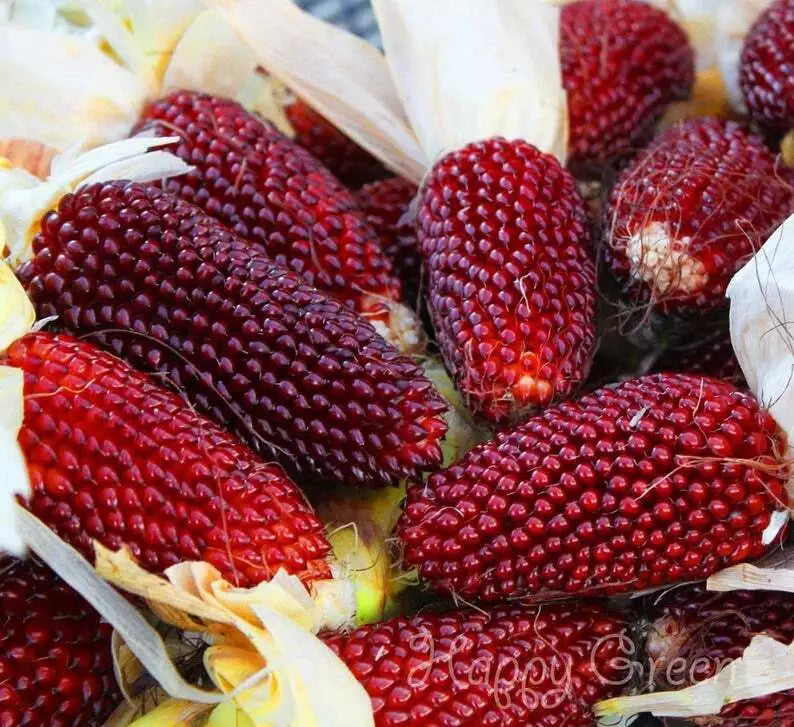
Corn ‘Strawberry’ Popping – Seeds (Zea japonica)
Corn ‘Strawberry’ Popping (Zea japonica) is a unique and colorful popping corn variety, known for its small, pinkish-red kernels that produce delicious, fluffy popcorn. Easy to grow, this hardy annual thrives in fertile, well-drained soil with full sun exposure. Perfect for home gardens, educational planting, or novelty popcorn at harvest, it also produces tall, attractive stalks that add vertical interest to borders and vegetable plots.
Why Grow "Strawberry" Popping
-
Pinkish-red kernels for fun, colorful popcorn
-
Hardy, easy-to-grow annual
-
Tall, attractive stalks for vertical garden interest
-
Perfect for edible harvest, home gardens, and educational projects
Key Features
-
Type: Annual (Zea japonica)
-
Height: 120–150 cm
-
Flowering/Fruiting: Summer to early autumn
-
Position: Full sun
-
Uses: Edible popcorn, ornamental planting, educational gardening
Ideal For
-
Home gardens and backyard harvest
-
Educational planting for children and schools
-
Ornamental garden display with tall stalks
-
Unique popcorn for novelty harvests
Sowing & Growing
-
Sow outdoors: April–May in fertile, well-drained soil
-
Germination: 7–14 days at 20–25°C
-
Space plants: 25–30 cm apart in rows 60–75 cm apart
-
Water regularly until established
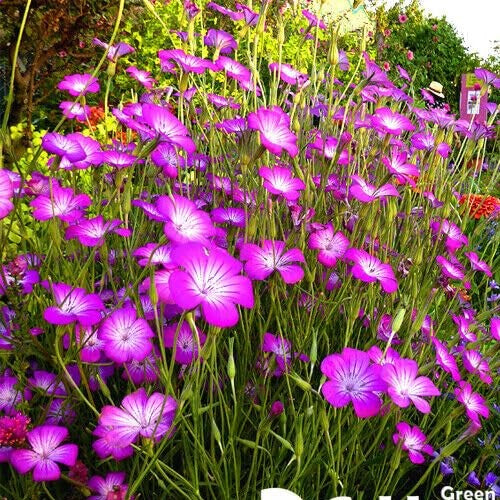
Corn Cockle – Seeds (Agrostemma githago)
Corn Cockle (Agrostemma githago) is a classic wildflower that brings simple charm to any garden. Its tall stems carry graceful, cup-shaped magenta-pink blooms that sway beautifully in the breeze. Once common in cornfields, this heritage flower is now treasured for wildflower meadows, cottage gardens, and naturalistic plantings. Easy to grow and loved by pollinators, it thrives in sunny, well-drained soil.
Why Grow "Corn Cockle"
-
Bright magenta-pink wildflower blooms
-
Tall, graceful stems for naturalistic planting
-
Heritage flower once common in fields
-
Attracts bees and pollinators
Key Features
-
Type: Hardy annual (Agrostemma githago)
-
Height: 60–90 cm
-
Flowering: June–September
-
Position: Full sun
-
Uses: Wildflower meadows, borders, cut flowers
Ideal For
-
Naturalistic and wildlife gardens
-
Wildflower meadows and cottage planting
-
Pollinator-friendly spaces
-
Tall, airy accents in borders
Sowing & Growing
-
Sow outdoors: March–May or August–September
-
Sow direct into prepared soil, lightly cover
-
Germination: 14–21 days
-
Thin seedlings to 25–30 cm apart
-
Prefers full sun and well-drained soil
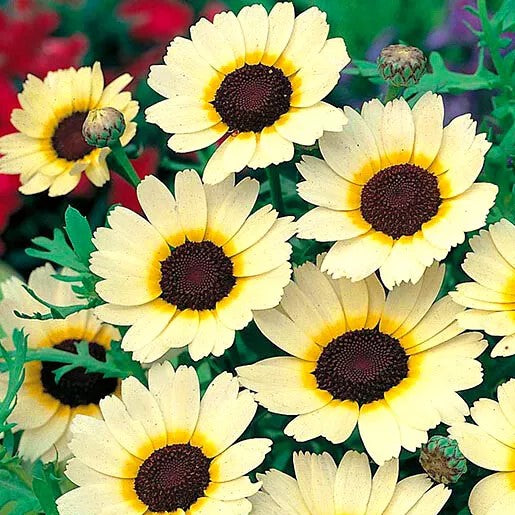
Corn Marigold ‘Eastern Star’ Seeds (Chrysanthemum segetum)
Corn Marigold ‘Eastern Star’ is an annual wildflower that lights up gardens with vibrant golden-yellow blooms. Blooming from late spring through summer, it adds a cheerful splash of color to borders, wildflower meadows, and cottage gardens. Easy to grow and drought-tolerant, it attracts pollinators and brings a natural, meadow-like charm.
What Makes It Special
-
Bright golden-yellow blooms all summer
-
Hardy, easy-to-grow annual
-
Attracts bees and butterflies
Key Features
-
Botanical name: Chrysanthemum segetum
-
Annual
-
Height: 40–60 cm
-
Bloom time: Late spring to summer
Ideal For
-
Wildflower meadows and naturalized areas
-
Borders and cottage gardens
-
Pollinator-friendly plantings
Sowing
-
Sow outdoors Mar–Jun
-
Cover seeds lightly with soil
-
Germination: 7–14 days at 15–20°C
-
Thin seedlings 20–30 cm apart
-
Flowers the same year
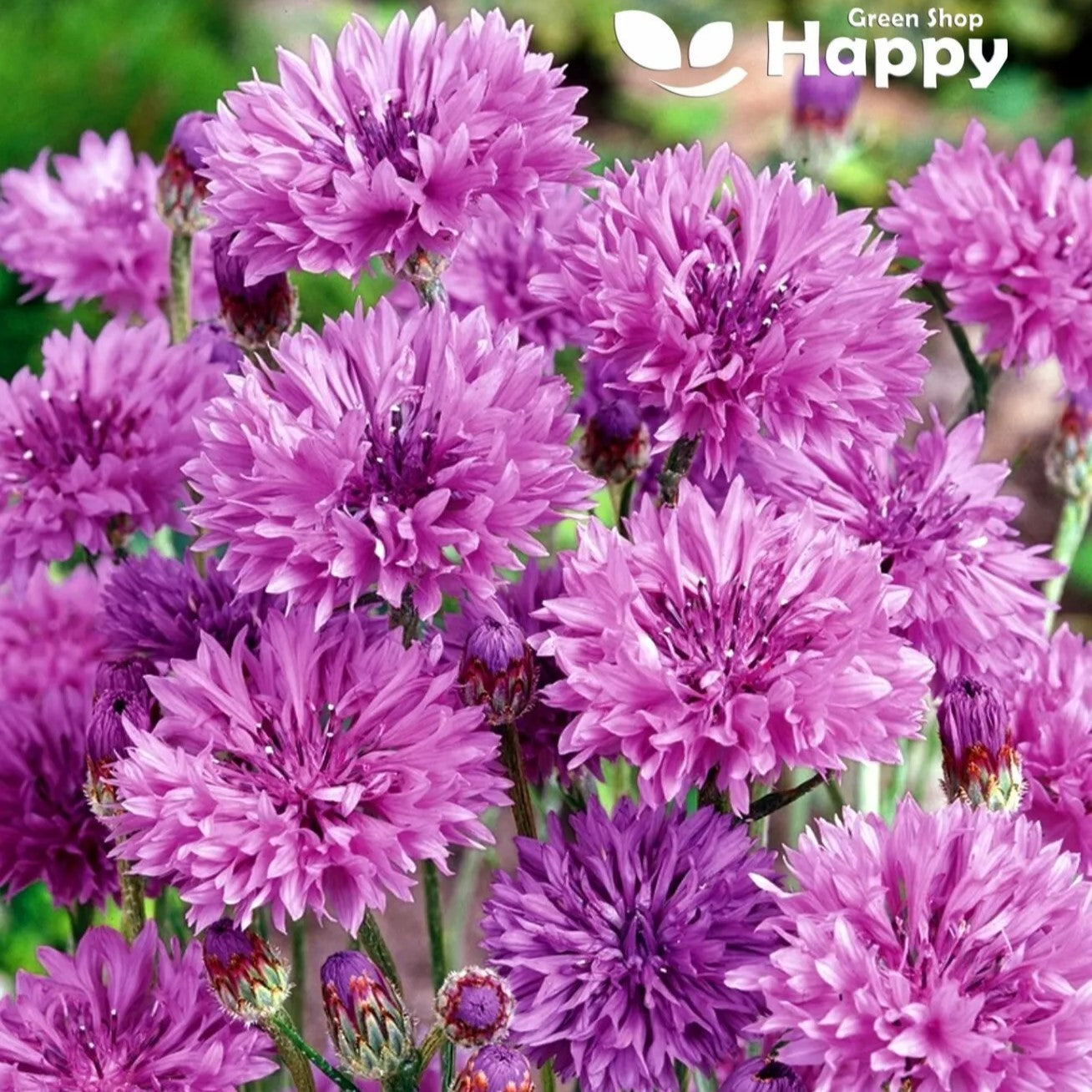
Cornflower ‘Bachelor’s Button Mauve’ Seeds (Centaurea cyanus)
Add timeless charm to your garden with Cornflower ‘Bachelor’s Button Mauve’ (Centaurea cyanus). This annual produces elegant mauve-blue flowers with a delicate, fringed appearance, creating a classic cottage garden feel. Easy to grow and long-flowering, it’s perfect for borders, meadows, and cut flower arrangements, while also attracting pollinators.
How to Grow
-
Sow directly outdoors in spring or autumn.
-
Use well-drained soil in a sunny location.
-
Scatter seeds thinly and cover lightly with soil.
-
Keep soil moist until germination (7–14 days).
-
Thin seedlings to 20–25 cm apart once established.
-
Deadhead regularly to prolong flowering and maintain plant vigor.
Key Features
-
Elegant mauve-blue, fringed blooms
-
Hardy annual, easy to grow and long-flowering
-
Ideal for borders, meadows, and cutting gardens
-
Attracts bees, butterflies, and other pollinators
-
Classic cottage garden appeal
Ideal For
-
Flower borders and cottage gardens
-
Meadow-style plantings and naturalized areas
-
Cutting gardens for fresh bouquets
-
Pollinator-friendly landscapes
Sowing
-
Best time: Spring or autumn directly outdoors
-
Germination: 7–14 days
-
Sow thinly, cover lightly, and keep soil moist
-
Prefers full sun and well-drained soil
Quick Tip
-
For a longer flowering season, sow successive batches every 2–3 weeks during spring.
Showing 225/914


